
A power bank left in freezing conditions can temporarily lose 30% to 50% of its usable energy, according to Anker. The capacity loss is generally reversible once the battery returns to a normal temperature, but charging a lithium-ion pack below 0°C can cause lasting damage.
Cold temperatures slow lithium-ion movement inside a battery and raise its internal resistance. That can make a phone or external battery appear depleted earlier than expected; a device that shuts down outdoors with charge remaining may work again after warming up indoors.
The key distinction is between using a cold battery and charging one. Charging below freezing can encourage metallic lithium to form on the anode, a process known as lithium plating that may permanently degrade the cell. Apple also automatically restricts charging when an iPhone is too cold.
Keeping portable batteries safe in winter
- Avoid leaving power banks in cars or unheated garages overnight.
- Keep phones and external batteries in inside jacket pockets when possible.
- Allow a cold device to warm gradually before connecting it to a charger.
- Do not charge a device if condensation is visible around its connectors.
- Use battery-saver mode when additional runtime is needed.
Mobile phones may also use more energy during an outage or in remote areas if they must work harder to maintain a weak cellular connection, increasing the value of a power bank precisely when cold weather limits its output.
Anker Prime capacity and power figures
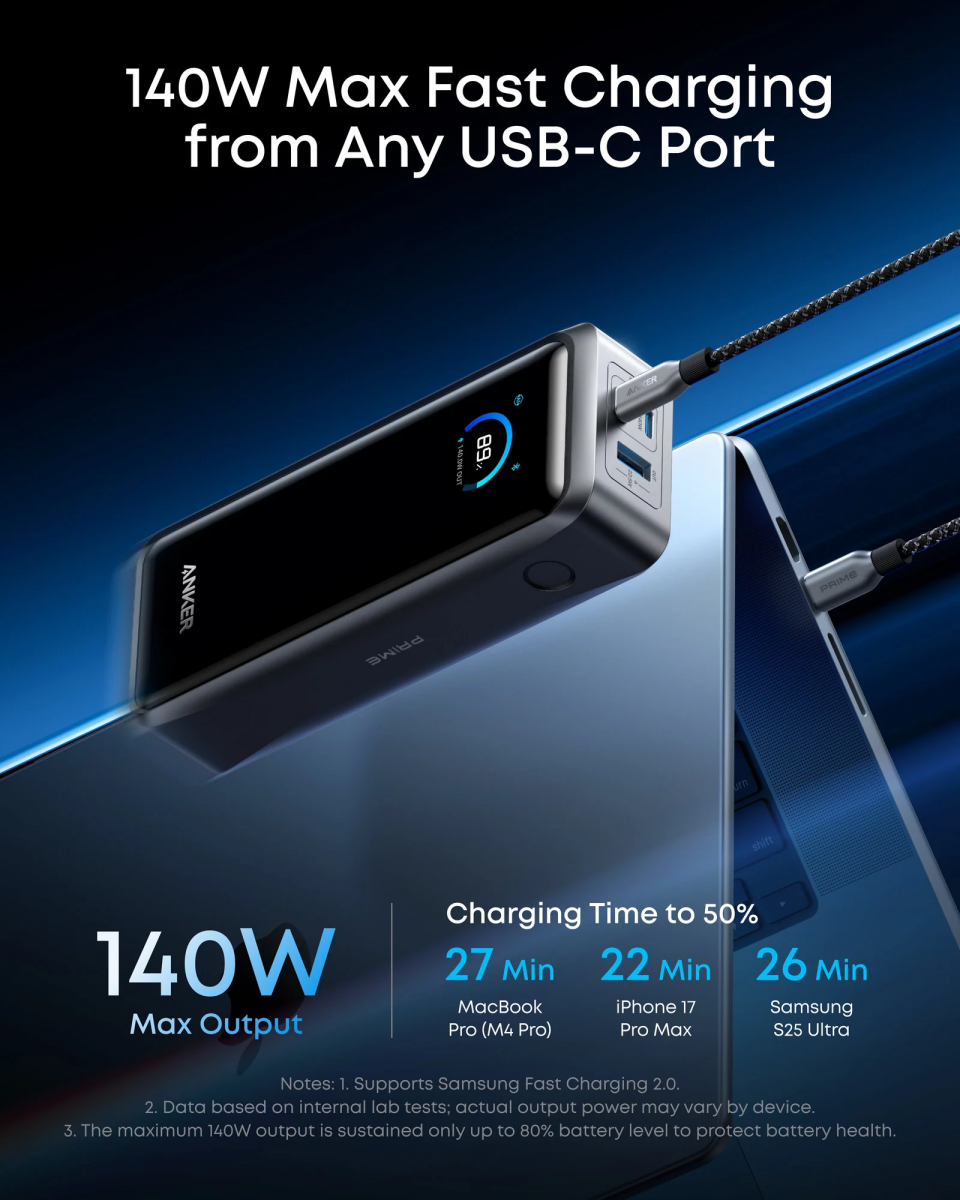
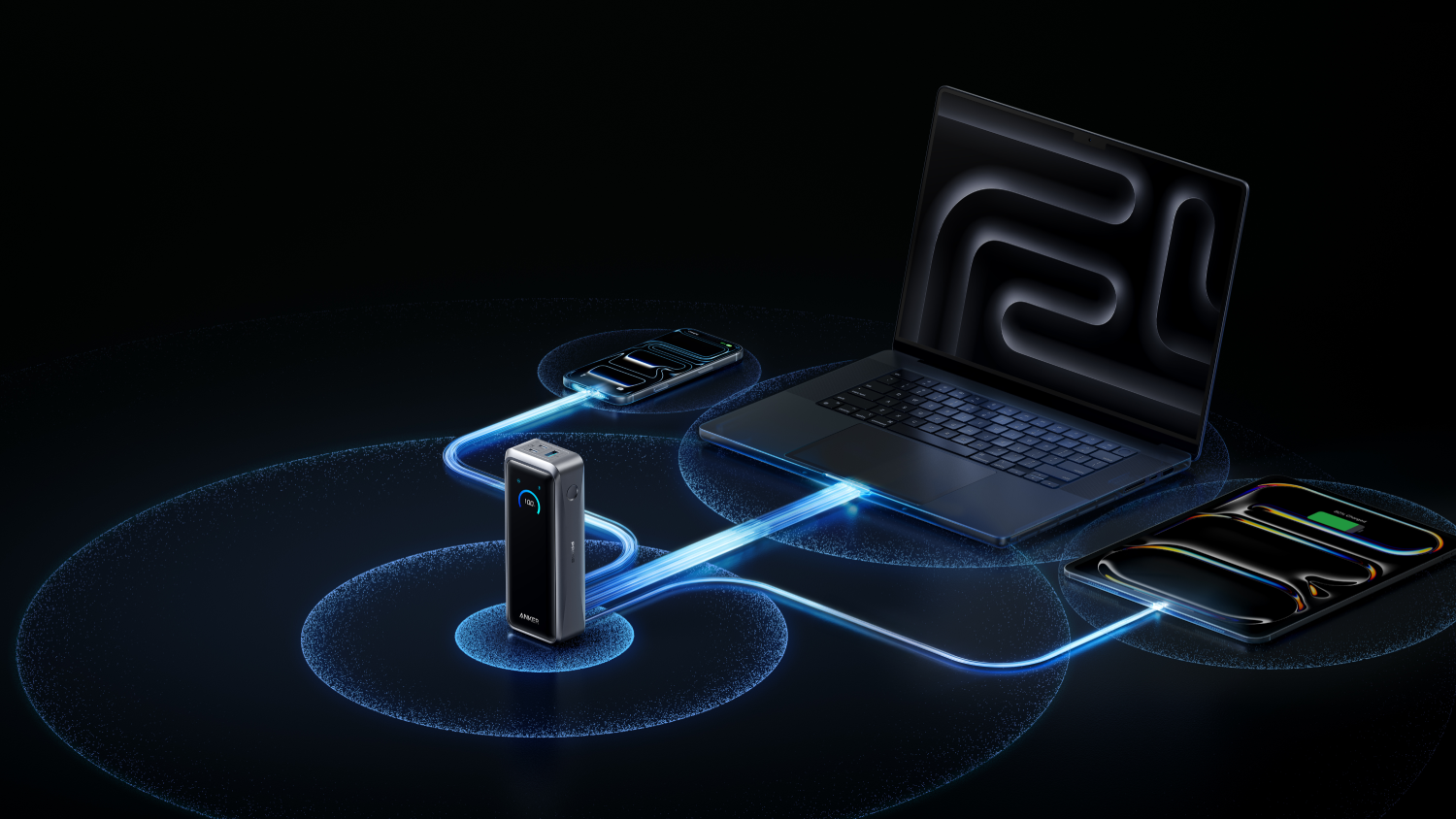
Anker’s Prime line includes high-output models intended to charge phones, tablets and laptops simultaneously. The 26K version stores 99.75Wh, placing it just below the 100Wh threshold commonly applied to external batteries carried in aircraft cabin baggage.
| Model | Capacity | Stored energy | Total output | Maximum recharge power | Weight |
|---|---|---|---|---|---|
| Anker Prime 20K | 20,100mAh | 72.36Wh | 220W | 100W | 510g |
| Anker Prime 26K | 26,250mAh | 99.75Wh | 300W | 250W | 600g |
The higher-capacity Prime 26K was shown at IFA 2026, but its availability by market was not specified in the available information. Its 99.75Wh rating may be particularly relevant to travelers, while cold-weather charging remains the larger long-term concern for any lithium-ion power bank.