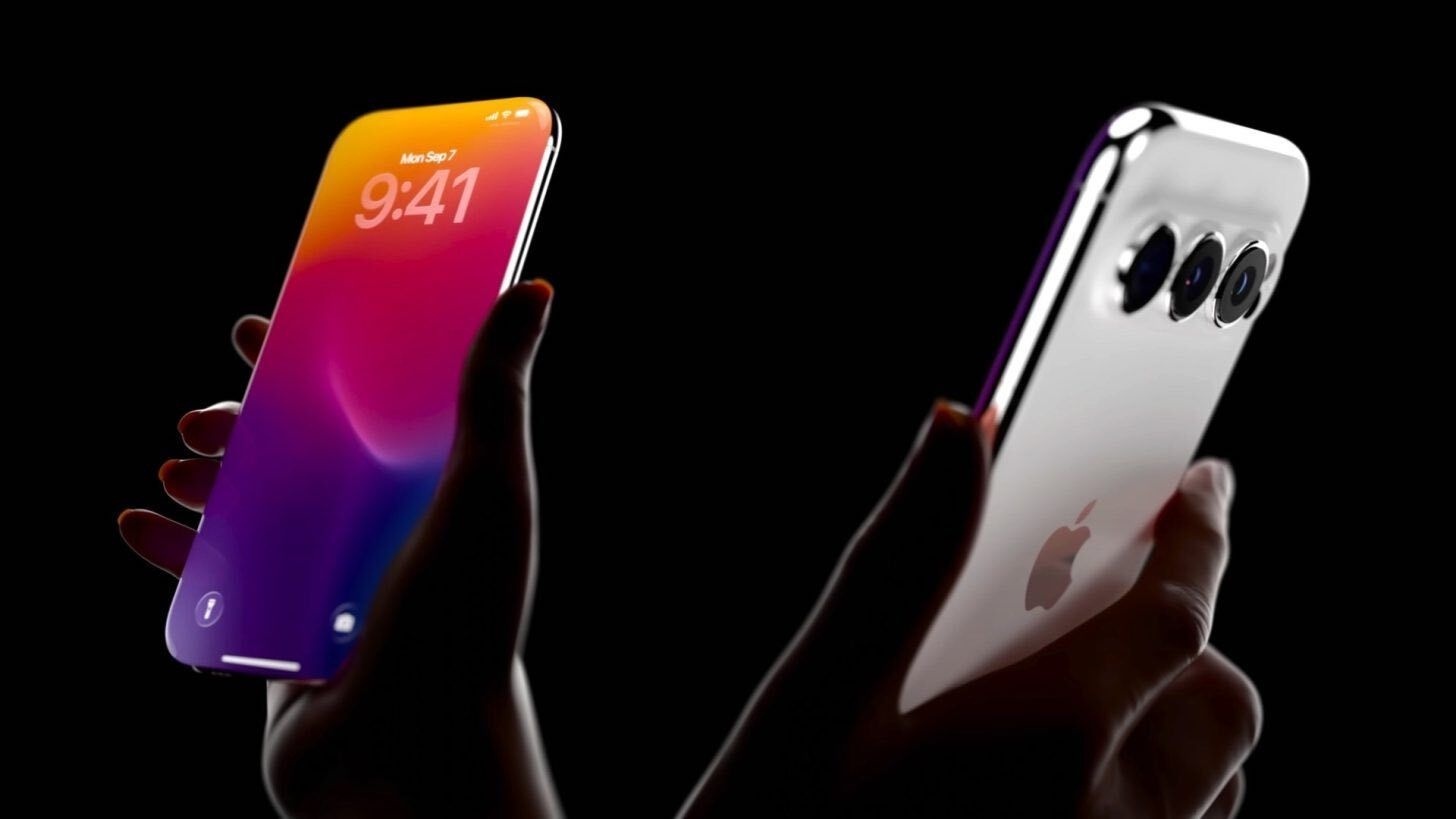
Apple’s rumored iPhone 20 Pro could introduce a main camera sensor built with 17nm logic circuitry, according to tipster Ice Universe. The claim concerns the sensor’s processing layer rather than its pixel count or physical size, and could point to faster image handling with lower power use if accurate.
Modern stacked image sensors separate the light-sensitive pixel layer from the circuitry that reads and processes image data. Moving that logic to a more advanced manufacturing process can potentially improve several parts of the camera pipeline, although no performance figures have been reported for the alleged iPhone component.
- Faster image-data readout from the sensor.
- Lower power consumption for sensor processing.
- More complex processing operations closer to the camera hardware.

The report does not identify a supplier, but Samsung is a plausible part of the wider manufacturing picture. Omdia’s 2024 Samsung Foundry report discussed the company’s 17LPV, or Low Power Value, process, including its potential use in processing circuitry for CMOS image sensors. That overlap does not establish that Samsung would make the rumored Apple sensor.
Apple also confirmed in August 2025 that it was working with Samsung on a new chip-manufacturing technology at Samsung’s Austin, Texas facility. Industry reporting has linked that project to advanced three-layer image sensors, but Apple did not identify a 17nm camera sensor or confirm an iPhone application in its announcement.

Separate rumors have suggested Apple is exploring LOFIC sensor technology for improved dynamic range, while older reports have pointed to a possible 200MP iPhone camera from 2028, potentially for a telephoto module. Neither claim establishes the resolution, sensor size, or feature set of the camera now being linked to the iPhone 20 Pro.
Ice Universe has also circulated claims of a major all-curved-glass redesign for Apple’s 20th-anniversary iPhone, potentially arriving in September 2027 and possibly skipping the iPhone 19 name. Apple has confirmed none of the branding, launch timing, camera specifications, or Samsung supplier connection, leaving the 17nm claim as an early supply-chain rumor.