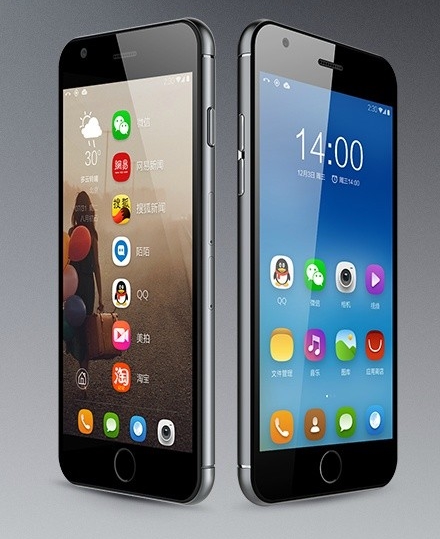
Samsung Electro-Mechanics has reportedly refused Apple’s request for lower prices on multilayer ceramic capacitors (MLCCs) used in iPhones, according to Money Today. The reported decision would mark the first time Samsung Electro-Mechanics has rejected such a request from Apple during their business relationship.
MLCCs are compact components that stabilize power delivery and filter electrical noise on circuit boards. They are used across smartphones and other electronics, but rising demand from AI server infrastructure has made capacity increasingly valuable to component suppliers.
Samsung Electro-Mechanics had previously absorbed additional manufacturing costs associated with Apple’s customized specifications, the report said. Standardized components can now offer a more attractive business case because they can be supplied to a wider set of customers.
AI server demand reshapes MLCC supply
TrendForce says Samsung Electro-Mechanics has entered another round of MLCC price increases. Demand and longer lead times are affecting both consumer-electronics and AI-server grades.
| Metric | Reported figure or change in Q4 2026 / 2027 context | Source |
|---|---|---|
| X5R MLCC price increase for consumer electronics | 25% to 30% in Q4 2026 | TrendForce |
| X6S MLCC price increase for AI servers | 10% to 20% in Q4 2026 | TrendForce |
| Typical lead time | 12 weeks | TrendForce |
| Reported current lead time | 40 weeks | TrendForce |
| Estimated Samsung MLCC capacity committed to long-term contracts in 2027 | 60% | Mirae Asset Securities and iM Securities, cited by Money Today |
In September, Samsung Electro-Mechanics announced its largest MLCC supply contract to date: a US$780 million deal for AI server equipment. The customer was not identified.
The component maker’s financial momentum underlines why capacity is becoming harder to secure. Samsung Electro-Mechanics reported 30% year-over-year revenue growth and a 165% increase in operating profit in the third quarter of 2026. It has also said the power-capacity requirement served by capacitors for each AI accelerator doubles annually.
The reported refusal does not establish that future iPhones will become more expensive. It does, however, illustrate how AI infrastructure is intensifying competition for even low-cost board components, while suppliers gain more leverage from customers willing to pay more and reserve production well ahead of delivery.