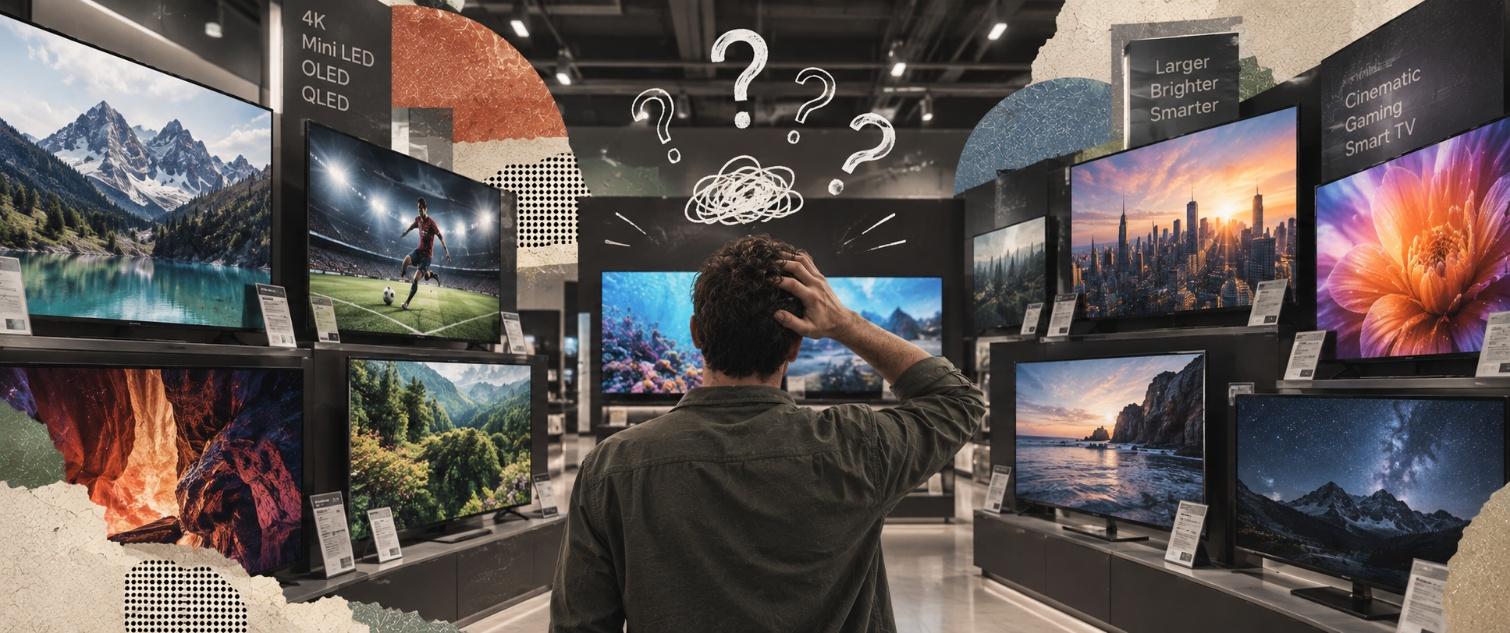
TCL’s P8L and P7L TV lineups take markedly different routes: the P8L combines QD-Mini LED full-array local dimming with a native refresh rate of up to 144Hz, while the P7L is a broader QLED series focused on smart-TV and multimedia features. The split is a useful reminder that a display technology label alone says little about how a TV will handle dark HDR scenes, fast motion, or large-screen viewing.
For LCD-based TVs, the backlight-control system can matter as much as peak brightness. Full Array Local Dimming (FALD) places backlighting behind the panel and adjusts separate areas of the image independently. In principle, that lets a bright object remain bright in a dark scene without raising black levels across the surrounding picture, reducing blooming and retaining more shadow detail.
The 98-inch P8L is TCL’s clearest example. It is rated for up to 512 local-dimming zones, a native 144Hz panel, and Game Accelerator VRR of up to 288Hz. Those figures apply specifically to the 98-inch version, rather than to every model in the P8L family.
Peak HDR brightness should also be read alongside contrast and dimming behavior. High brightness can improve highlights such as reflections, flames, and stadium lights, but it is most useful when the TV can keep adjacent dark areas dark. The result depends on how effectively the set allocates its available light, not only on its maximum nit rating.
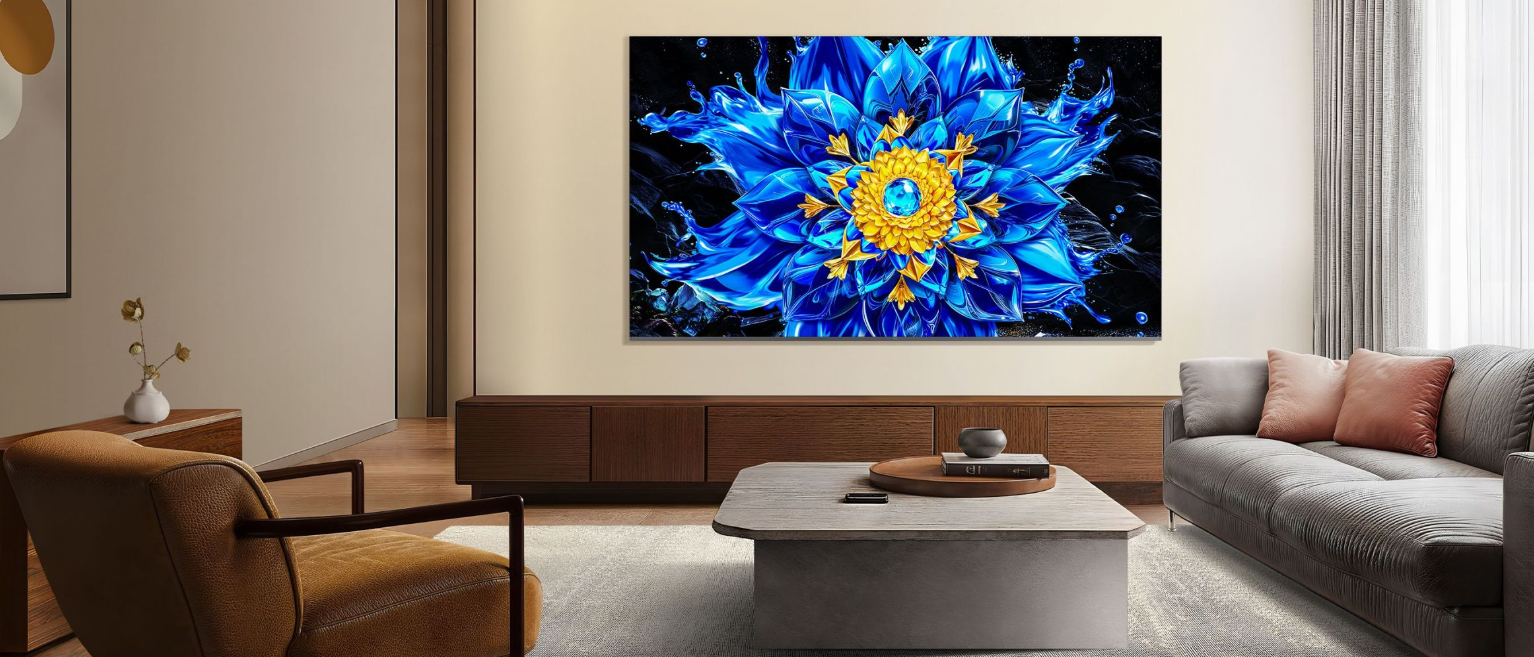
Color technologies need similar context. Quantum Dot can widen a TV’s color range, but processing determines how color, contrast, detail, and tone mapping are balanced from scene to scene. A more saturated image is not necessarily a more accurate one.
Higher native refresh rates extend beyond console and PC gaming. They can help a display render fast camera pans and rapid action more smoothly in sports and motorsport. For gaming, Variable Refresh Rate synchronizes the TV’s refresh behavior with a compatible console or PC, although the relevance of 120Hz or 144Hz will depend on the content and hardware being used.
How TCL positions the two ranges
| Feature | TCL P8L | TCL P7L |
|---|---|---|
| Display technology | QD-Mini LED FALD | QLED |
| Screen sizes | 55 to 98 inches | 43 to 85 inches |
| Refresh rate | Up to 144Hz native | General-use focus |
| Local dimming | Up to 512 zones on the 98-inch model | Not specified |
| Gaming | Up to 288Hz VRR Game Accelerator on the 98-inch model | Smart and multimedia features |
| Processing | TCL AiPQ Processor | TCL AiPQ Processor |
| Audio | ONKYO 2.1 on larger models | ONKYO 2.1 on the 85-inch model; 2.0 on other sizes |
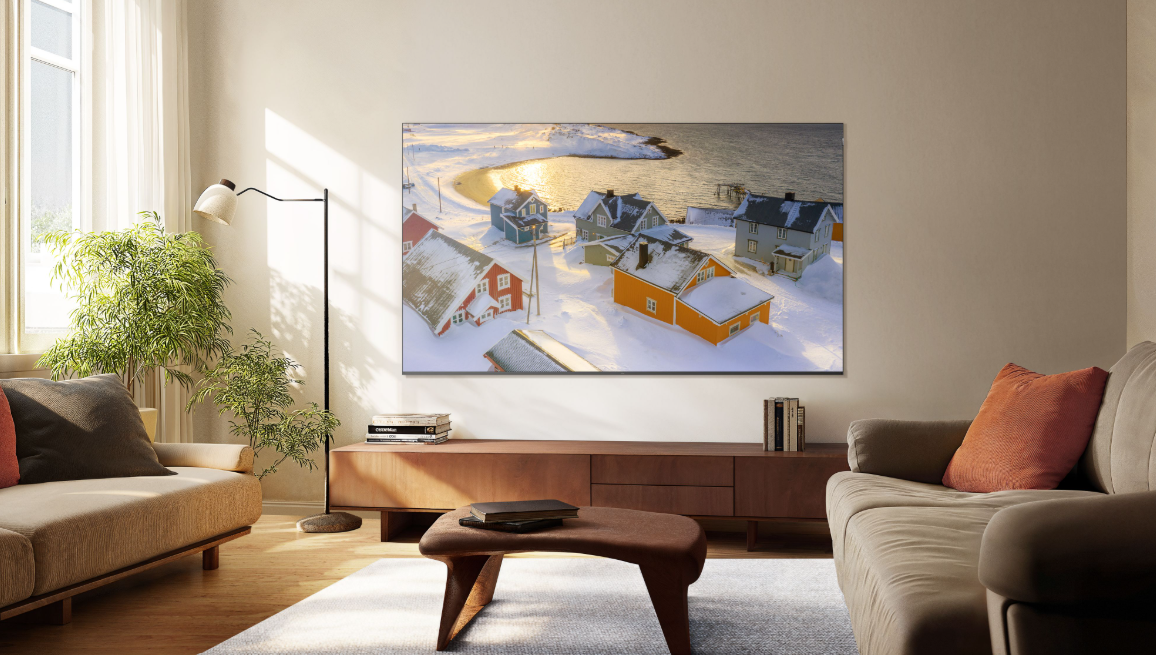
The P7L uses TCL’s AiPQ processor, Dolby Vision, and Google TV across sizes from 43 to 85 inches. Its 85-inch version has an ONKYO 2.1 audio system with a separate subwoofer, while the other sizes use a 2.0 configuration.
That audio distinction is another reason that screen size and panel technology do not tell the entire story. Image processing affects motion, upscaling, clarity, contrast, color tones, and HDR rendering, while built-in audio can vary substantially between sizes in the same series. On 85-inch and 98-inch displays, limitations in uniformity, processing, or backlight control can become more apparent as well.
The key unresolved details for the P8L and P7L remain model-by-model performance and availability. TCL’s headline specifications establish their intended positions, but the real separation will depend on how each screen size implements its backlight, processing, and audio hardware.