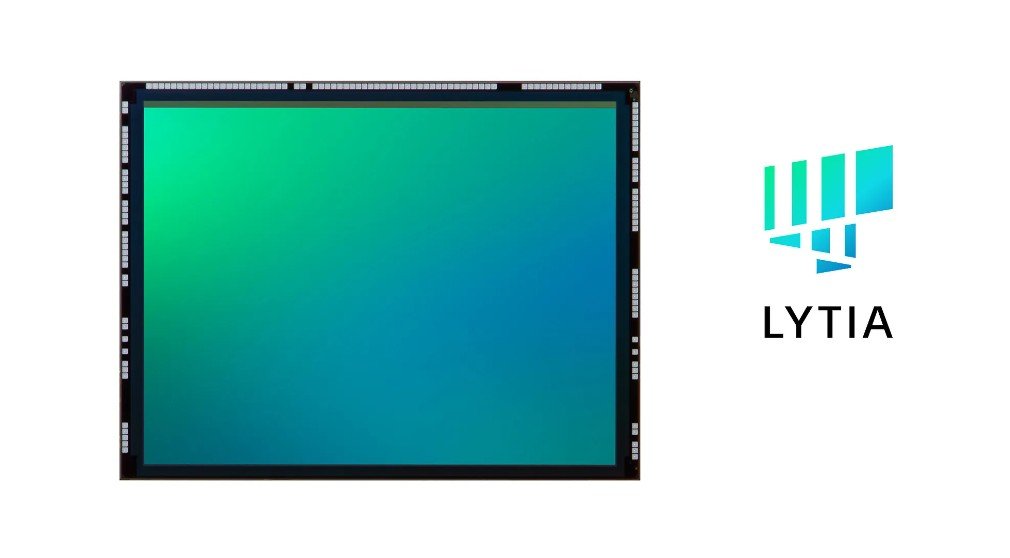
Sony has unveiled the LYTIA 720, a stacked CMOS image sensor for smartphone main cameras that combines a claimed dynamic range of up to 100 dB with 4K video at up to 120fps. The company says the sensor is designed to improve detail in difficult high-contrast scenes while reducing image noise in low light.
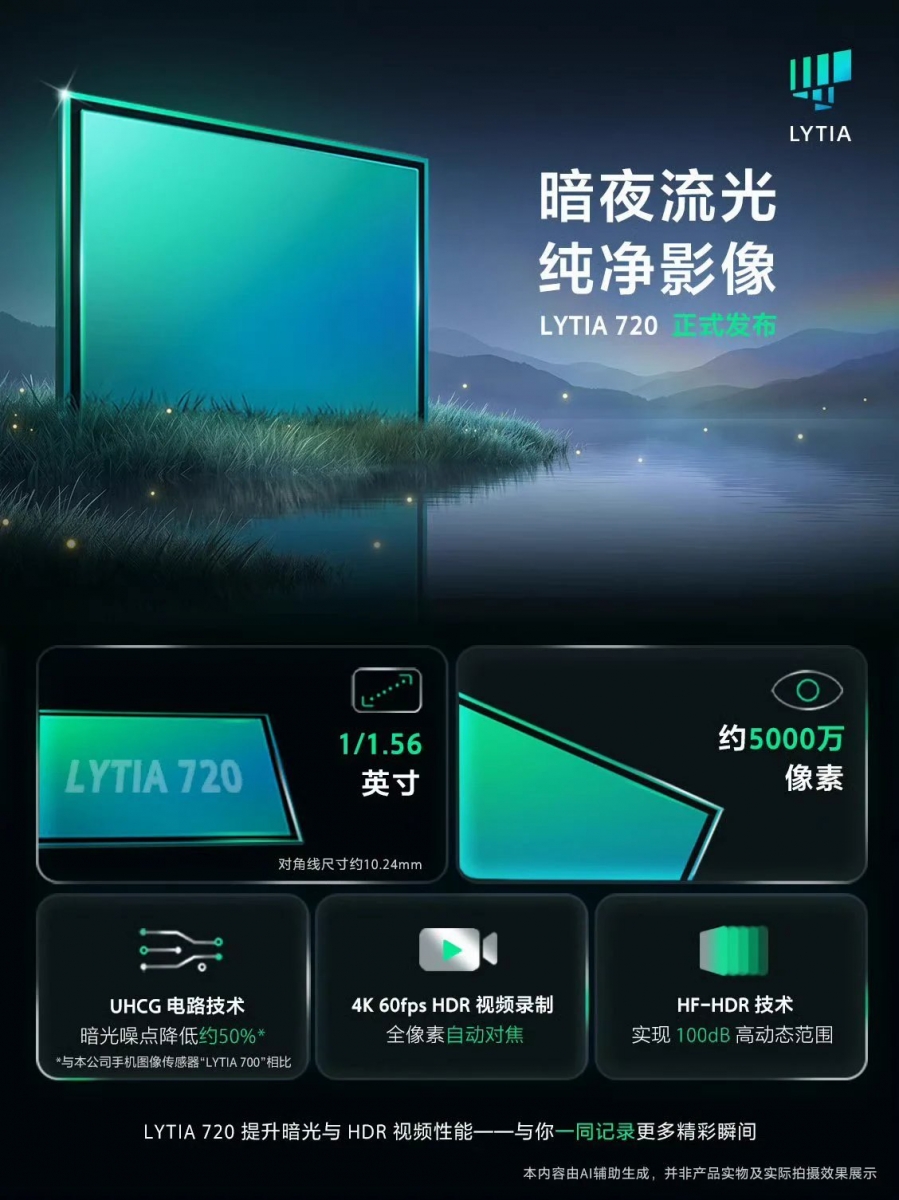
The LYTIA 720 has an effective resolution of about 50 megapixels, a 1/1.56-inch optical format and 1.0μm pixels. It uses a Quad Bayer color filter and incorporates technology previously used in higher-end LYTIA sensors.
Sony’s Ultra High Conversion Gain technology is intended to improve charge-to-signal conversion in darker conditions. Sony claims the LYTIA 720 cuts random noise by approximately 50% compared with the similarly sized LYTIA 700.
For HDR, the sensor uses Hybrid Frame-HDR, which combines Dual Conversion Gain-HDR data with short-exposure frames. Sony says this approach can retain more detail in both shadows and bright areas.
- 4K video at 60fps with HDR and all-pixel autofocus
- 4K video at 120fps without HDR
- 50MP image capture at 30fps
Sony also says optimized circuitry helps reduce power consumption. The company has not named any smartphones that will use the LYTIA 720, with mass-production shipments set to start in early November 2026. Device makers’ adoption will determine when the sensor reaches commercial phones.