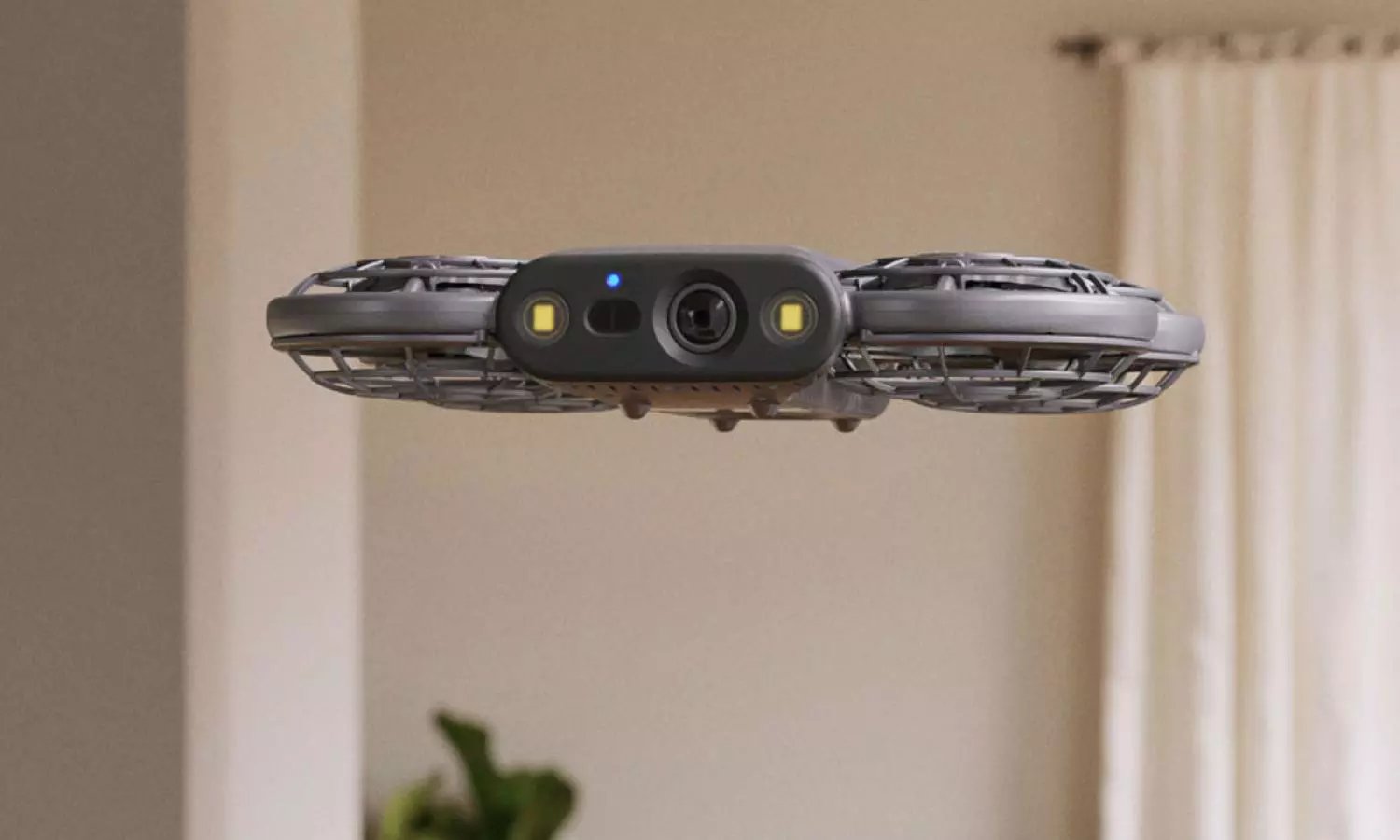
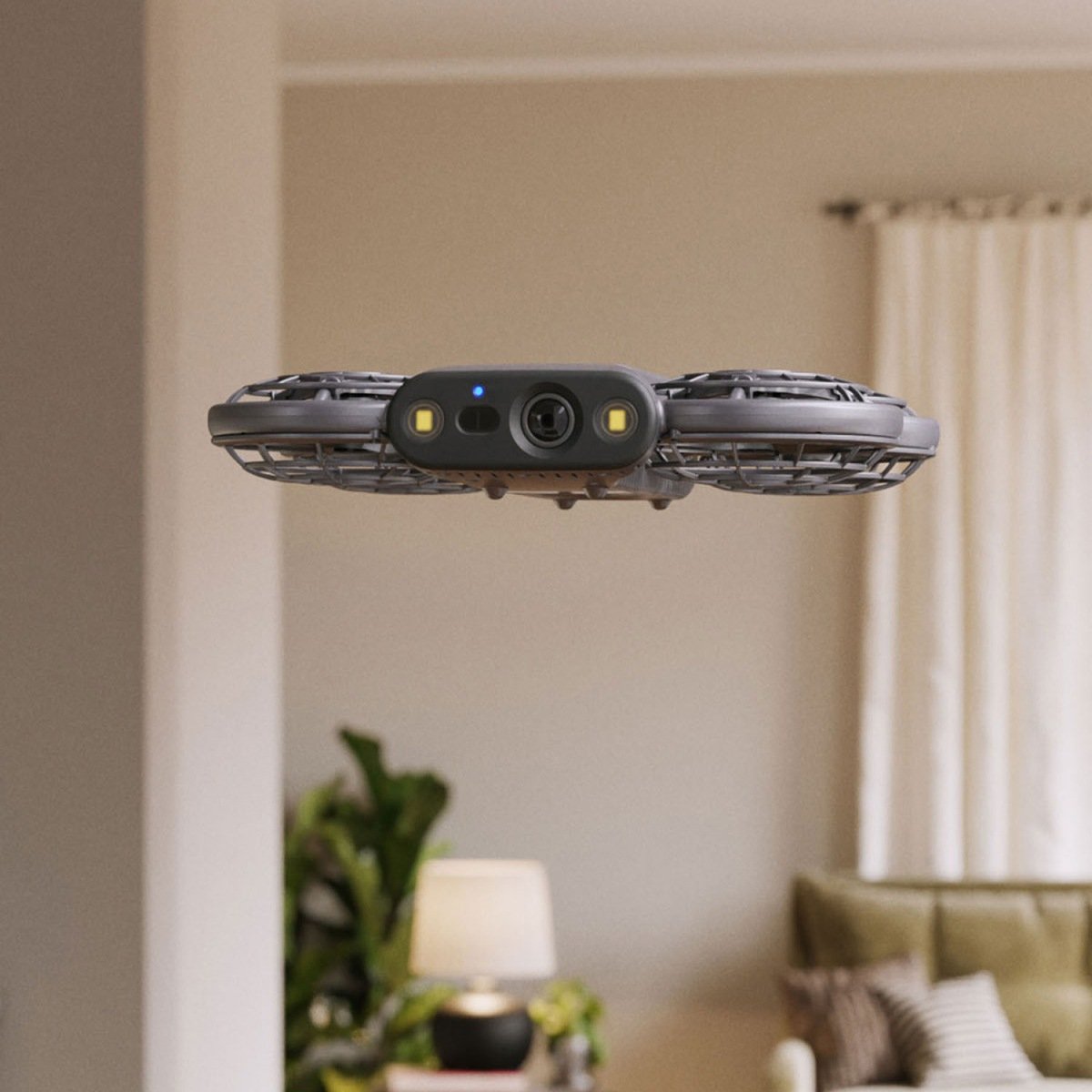
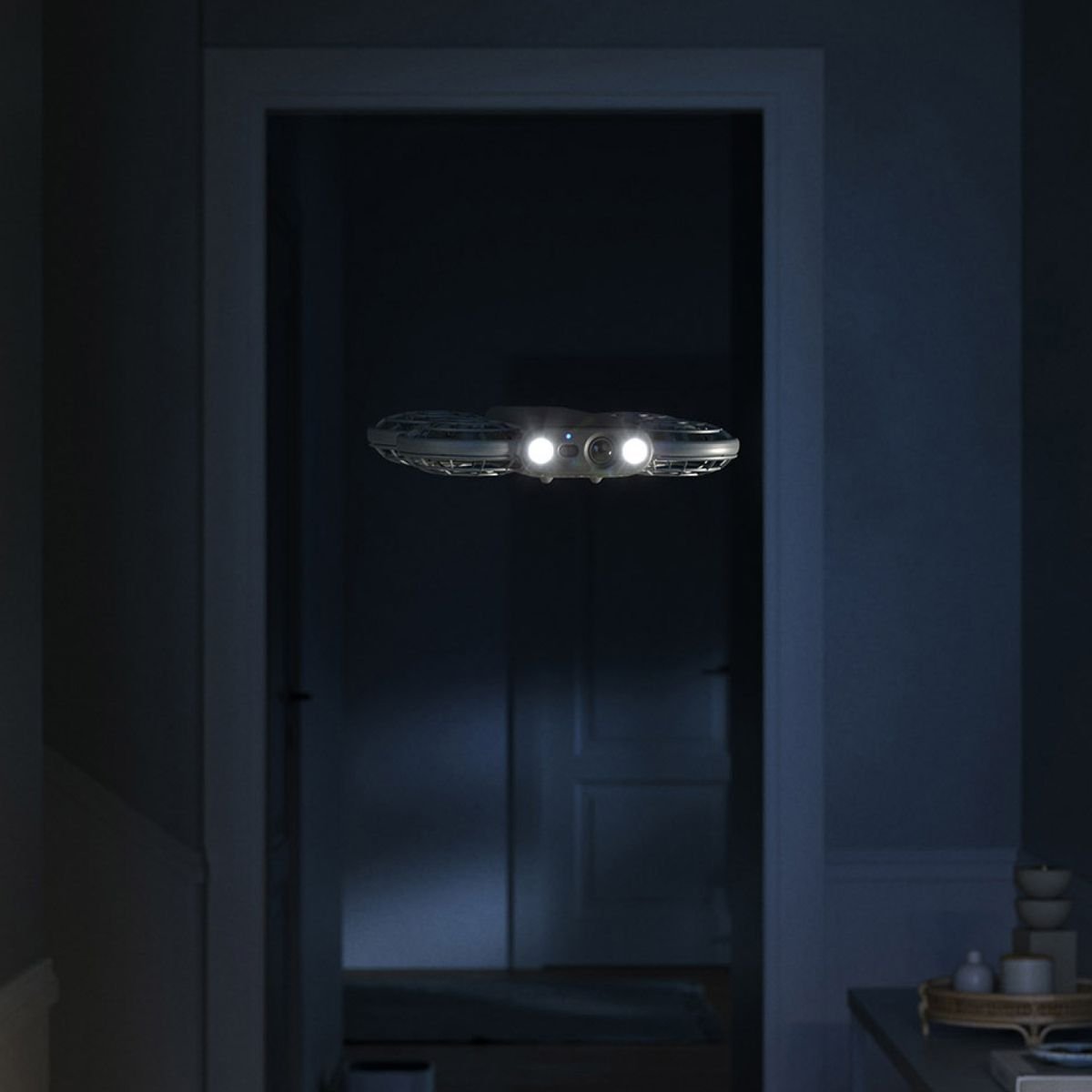
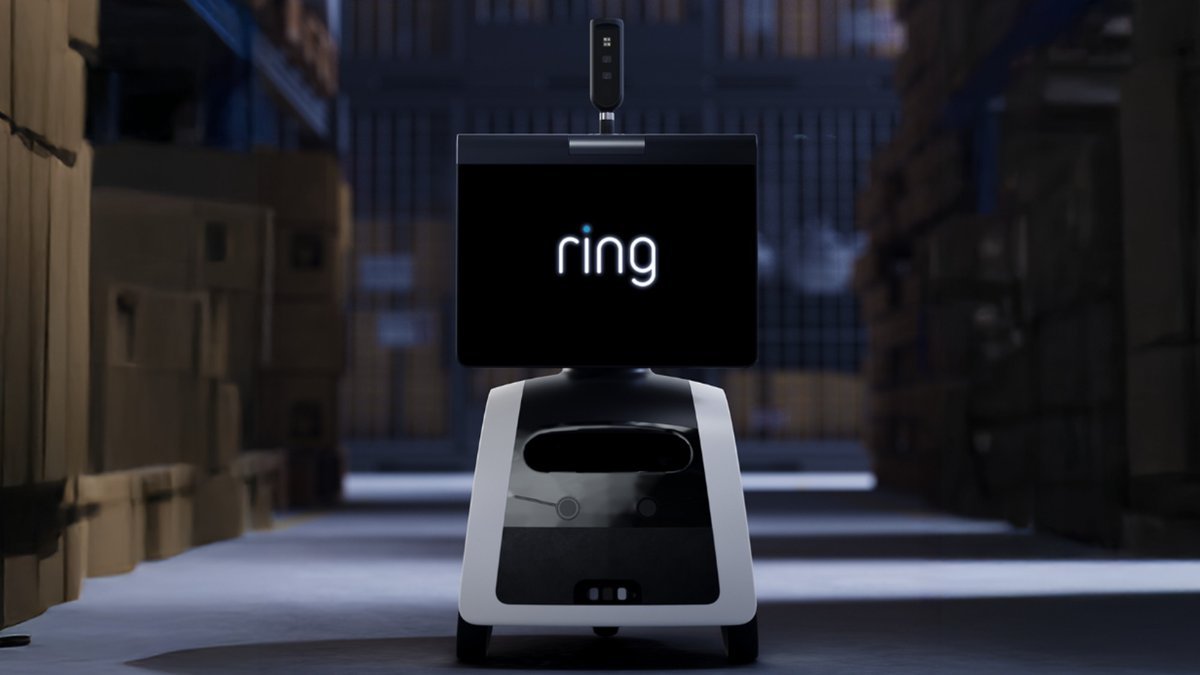
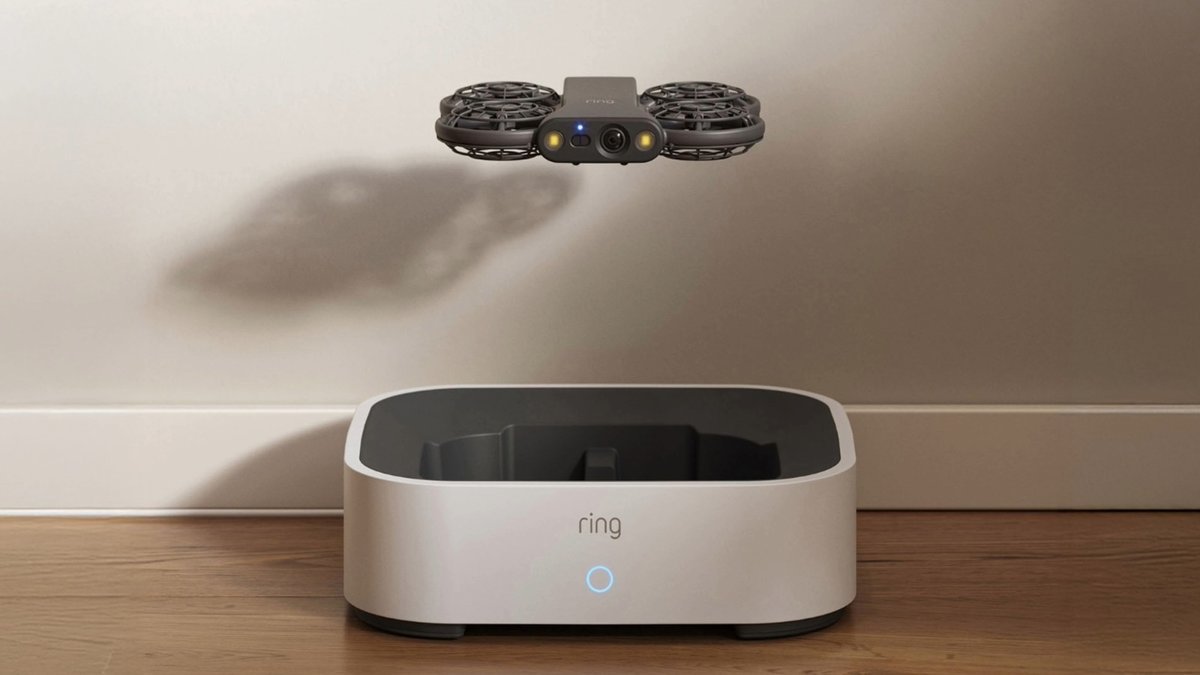
Ring is expanding its security hardware with two autonomous patrol devices: the $249.99 Ring Drone Cam for homes and the $999.99 Ring Rover Cam for commercial locations. Both use Ring’s AI Pilot system to map spaces, plan patrol routes and avoid obstacles without continuous user control.
| Device | Intended setting | Price | Movement and coverage | Initial availability |
|---|---|---|---|---|
| Ring Drone Cam | Homes | $249.99 | Flies through indoor spaces; up to 8 minutes of flight time | Scheduled for January 27, 2027, subject to FCC authorization |
| Ring Rover Cam | Commercial spaces | $999.99 | Operates on one level and cannot climb stairs; monitors up to about 465 square meters | Available for US preorder, with deliveries beginning December 16, 2026 |
Drone Cam records video only while it is airborne. Its camera is disabled when the device is in its charging dock, and the unit has no built-in microphone or speaker.
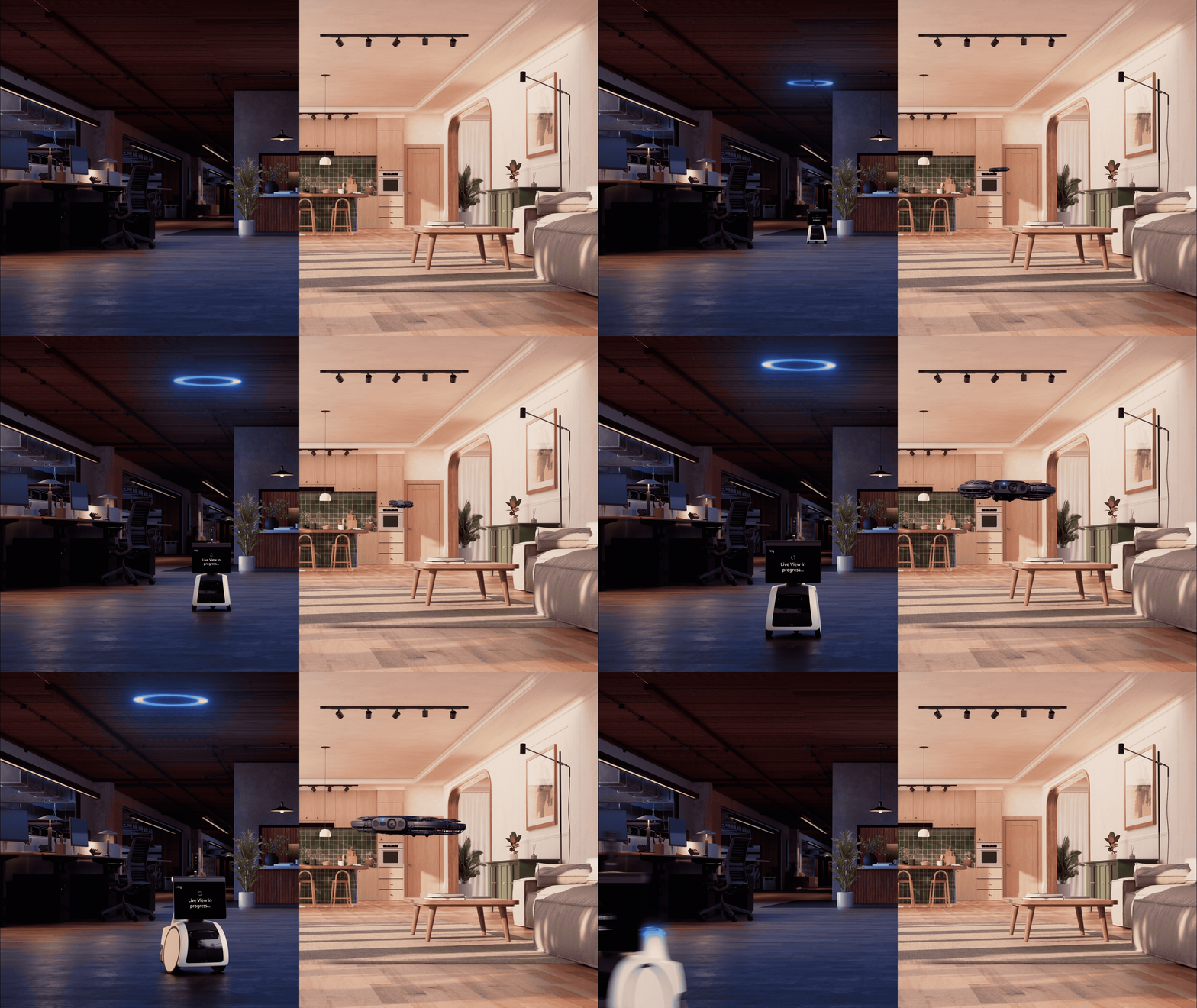
Rover Cam includes a Sleep mode that retracts its camera. It also has a hardware button designed to disable its cameras, microphones and movement.
AI Pilot combines cameras, sensors and cloud processing to create room maps and manage autonomous routes. Scheduled patrols and video-history features require a compatible Ring Protect subscription.
Ring is also introducing its Throw Away the Key, or TAKE, encryption system. Copies of encryption keys for enabled features can be held in the cloud for up to 24 hours before deletion, while end-to-end encryption remains a separate option. International availability has not been detailed, and Drone Cam’s release still depends on FCC clearance.