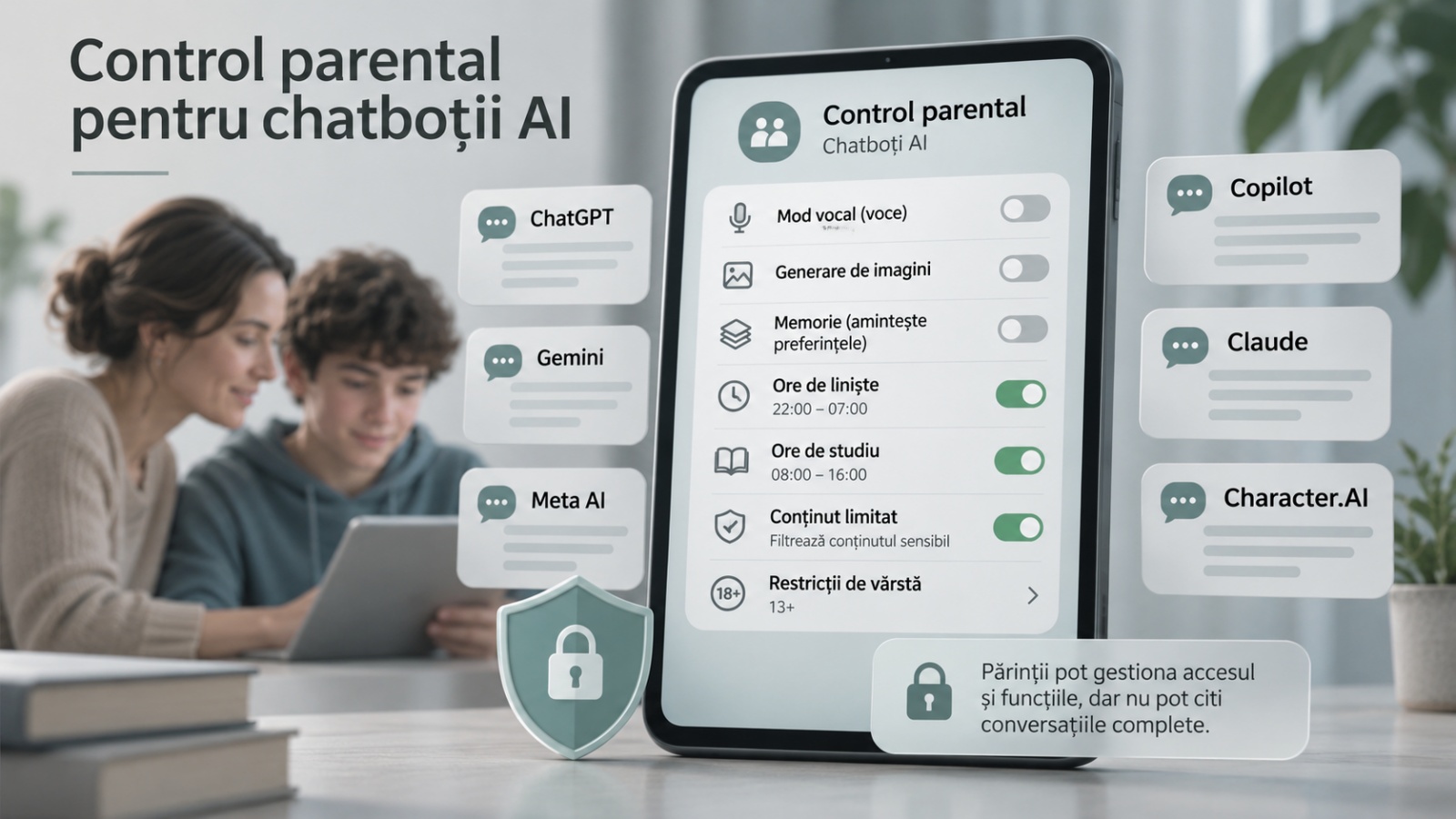
Parental controls for AI chatbots are expanding, but they generally do not give families a full record of a teenager’s conversations. ChatGPT account linking and Meta AI supervision can restrict features or reveal broad activity information, yet neither system lets parents read complete chat transcripts. Age rules, regional availability and the scope of supervision also vary widely between major services.
How the major AI services handle supervision
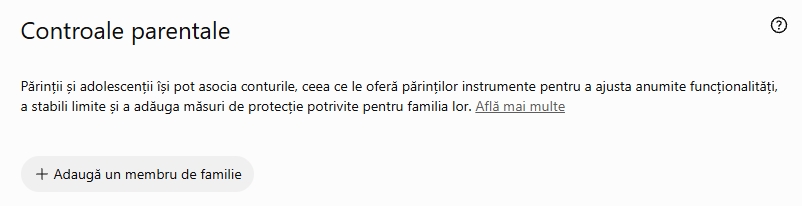
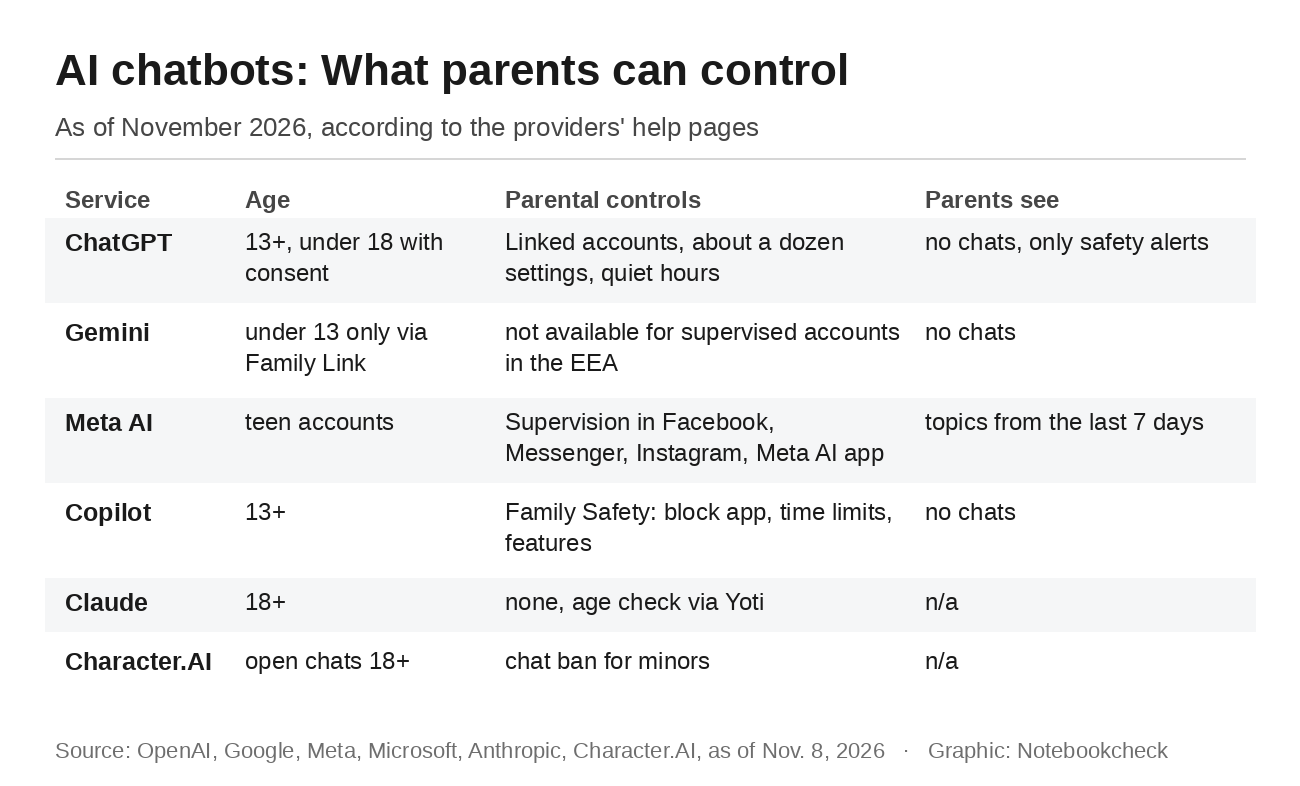
- ChatGPT — A parent and teen can link accounts through an invitation in Settings > Parental Controls. Parents can disable voice mode, image generation, memory and the Health feature where available. Quiet hours block access during selected times, while Study hours place eligible chats in study mode without restricting access. OpenAI says conversation use for model improvement is enabled by default. It may send alerts in certain serious cases, including after assessing signals of self-harm, but says the system is not real-time monitoring and will not detect every issue. Teens can unlink their accounts, with parents notified of the change.
- Gemini — In eligible regions, parents can manage access through Google Family Link. Gemini apps are not available to supervised accounts in the European Economic Area.
- Meta AI — Supervision can show parents topic categories discussed with Meta AI over the previous seven days, such as school, entertainment or health, without exposing the text of those conversations. Since October, the feature has been available globally in the Meta AI app, where parents can also select the more restrictive Limited Content setting instead of the default 13+ level.
- Microsoft Copilot — Microsoft sets a minimum age of 13, or older where regional rules require it. Microsoft Family Safety and device-level tools can be used to block access or set usage schedules, while controls for capabilities such as voice and image generation depend on the configuration.
- Claude — Anthropic restricts Claude to people aged 18 or older and may request age verification through Yoti.
- Character.AI — The service began removing open conversations for minors in November 2025, starting in the United States, while retaining chat-free creative experiences for younger users.
Device-level restrictions also have a practical limitation: blocking a chatbot app does not necessarily stop access through its web version if the browser remains available. That gap, along with region-specific eligibility and differing age policies, remains central to how effective chatbot supervision can be in practice.
Affiliate link: Check availability on Amazon.de