Apple could bring titanium back to its Pro iPhones for the iPhone 20 generation, with laser-based 3D printing reportedly set to play a major role in producing structural frame components. Leaker Fixed Focus Digital says the process is planned for broad use on the iPhone 20 Pro and iPhone 20 Pro Max, which are expected to mark the iPhone’s 20th anniversary in 2027.
The claim would represent a material shift after Apple moved the iPhone 17 Pro lineup to aluminum, citing the metal’s stronger thermal properties. Aluminum dissipates heat more effectively than titanium, an advantage during sustained gaming or high-resolution video capture. Whether Apple can retain those thermal benefits while adopting titanium again remains unclear.
Apple has already deployed titanium 3D printing in its watch business. The company has described a process for Apple Watch titanium cases in which six lasers fuse more than 900 successive layers of titanium powder. Apple says the approach halves the raw material required and enables structures that would be difficult to make through conventional machining.
The manufacturing technique has also reached the iPhone line: Apple uses it to make the metal structure of the USB-C port in iPhone Air.
Ceramic components may be tested for a limited edition
In a separate Weibo post, Fixed Focus Digital said it had obtained ceramic components intended for a future iPhone. The reportedly limited production capacity points to a possible low-volume edition, although the project is still said to depend on technical validation.
That does not necessarily mean an all-ceramic enclosure. Apple has previously sold ceramic Apple Watch Edition models, and ceramic offers high scratch resistance but can be costly to manufacture and vulnerable to cracking from impacts. It is also distinct from Ceramic Shield, Apple’s transparent glass-and-ceramic-crystal composite used for display protection.
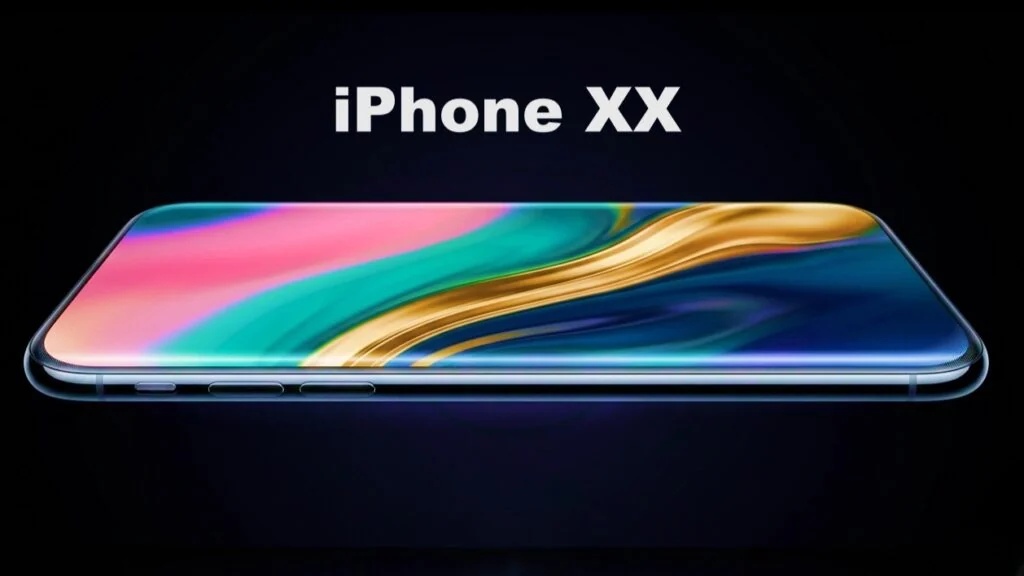
Separate images circulating online have also suggested a display cover with a subtle curve along all four edges for the anniversary iPhone. The materials, production approach and display design remain unconfirmed, but the reports point to a more ambitious hardware redesign than a routine annual update.