Apple is reportedly changing the development rhythm for iOS 28, iPadOS 28 and macOS 28, giving software teams more time to test new ideas before features are locked into the operating systems. The overall phase remains eight weeks long, but Apple is said to be shifting two weeks from system integration to feature development.
According to Bloomberg’s Mark Gurman, Apple ordinarily divides a software generation’s work into three internal stages—M1, M2 and M3. Each stage lasts about eight weeks, traditionally split evenly between four weeks of feature work and testing and four weeks of “convergence,” when those additions are integrated and stabilized.
| M1 activity | Typical schedule | iOS 28 M1 schedule |
|---|---|---|
| Feature development and exploration | 4 weeks | 6 weeks |
| Integration / convergence | 4 weeks | 2 weeks |
| Total | 8 weeks | 8 weeks |
The adjustment does not extend the development cycle. Instead, it gives engineers more room to evaluate alternative approaches before a feature enters the integration phase. M2 has now begun and is expected to be the point at which Apple more firmly determines which features will ship.
The trade-off is a much shorter stabilization window. Gurman does not say the revised process will make iOS 28 less reliable, but the change follows an iOS 27 rollout that required an iOS 27.0.1 update after a bug could temporarily freeze the iPhone interface, alongside other fixes.
The timing also coincides with Apple’s reported push for faster, more ambitious AI work. Gurman says new Apple CEO John Ternus has pressed software chief Craig Federighi on AI progress, while the company explores turning Siri into an agent that can complete tasks more autonomously.
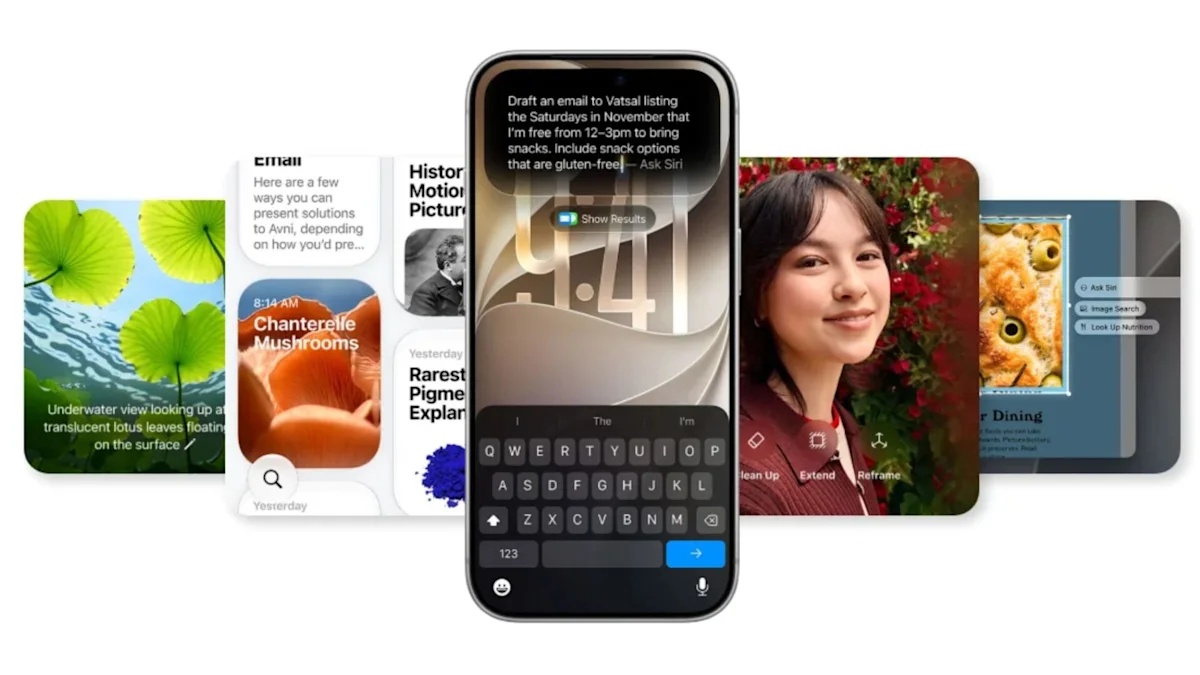
Apple Intelligence already has a substantial footprint in iOS 27, using as much as roughly 15GB of storage on some iPhones. Specific iOS 28 features have not yet been disclosed, leaving the practical results of the new schedule unclear. If Apple follows its usual release calendar, official details should emerge at WWDC 2027, with a final release expected in the fall.