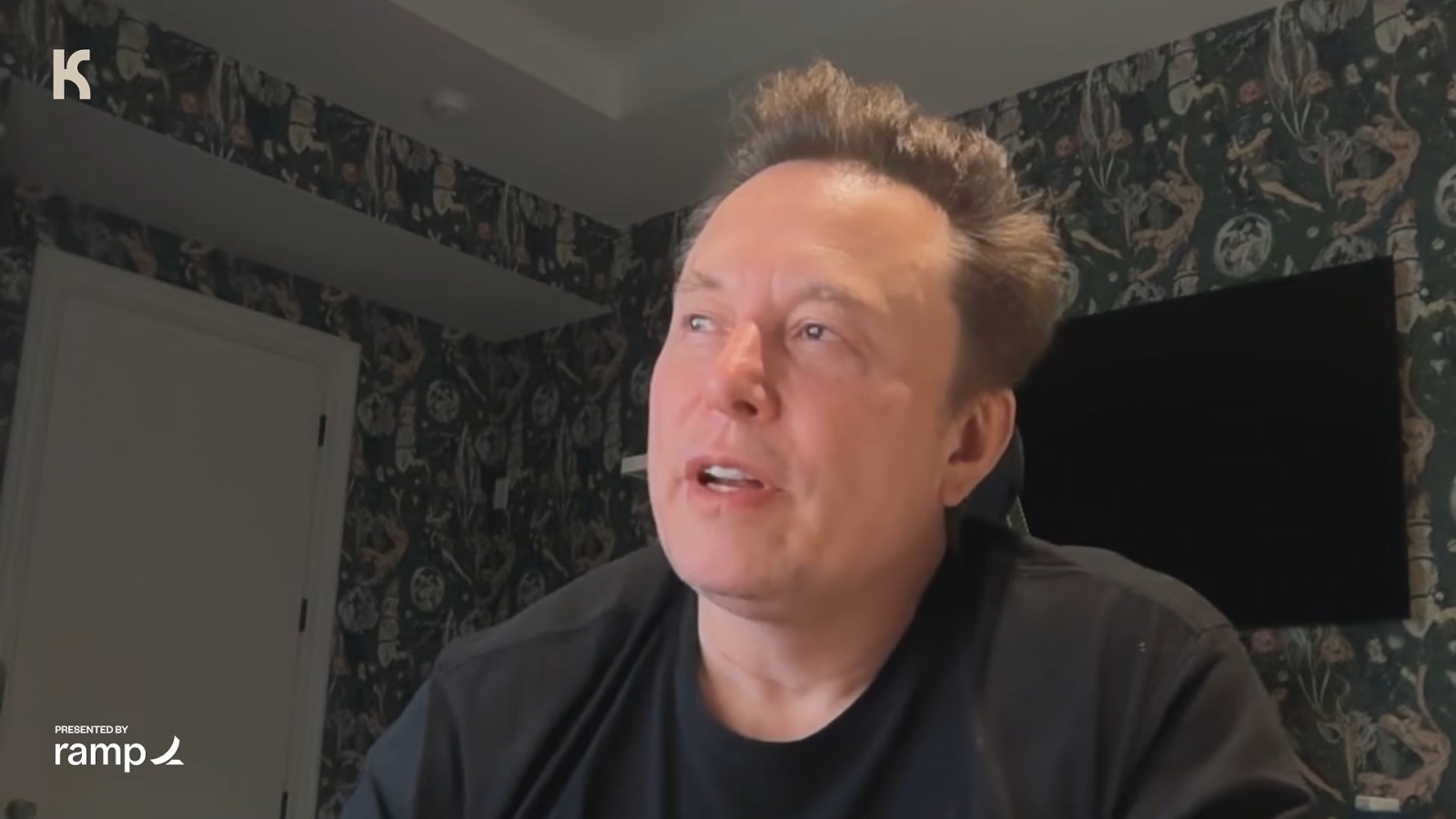
Elon Musk has proposed that major AI labs give competitors access to new models about a week before release, allowing rivals to search for vulnerabilities, dangerous applications and ways to bypass safeguards. The suggestion, made during Walter Isaacson’s The Builders podcast, would put direct competitors—not independent auditors—at the center of pre-release safety testing.
Musk said leading U.S. AI labs could hold weekly discussions as part of such an arrangement. The premise is that competing companies would have a strong incentive to uncover flaws in each other’s systems before those models reach the public.
The idea overlaps with the external-evaluator approach recently supported by Anthropic and accepted in principle by OpenAI CEO Sam Altman. Musk’s version differs by proposing direct testing between competitors rather than reviews by independent outside parties.
That proposal also raises questions for xAI, Musk’s own AI company, which has not announced an equivalent outside-review process for future Grok releases.
He is so deceptive, it’s crazy.
Elon Musk, referring to Sam Altman
Musk’s remarks come against the backdrop of his long-running dispute with Altman. Musk co-founded OpenAI before leaving the organization, later became involved in legal conflict with it, and led a $97.4 billion bid for control of its nonprofit entity.
He was more positive about Anthropic employees, saying they had passed what he half-jokingly called his “evil detector” and describing them as kind and conscientious. Whether competitors would agree to expose unreleased systems to one another—and how they would protect proprietary technology in the process—remains unresolved.
Musk Revises His Simulation Estimate
Elsewhere in the interview, Musk said he now assigns a 50% probability to the possibility that reality is a simulation. That is a substantial retreat from his 2016 Code Conference argument that the odds of living in “base reality” might be only one in several billion.
The physicist said 0%, and the computer scientist said 100%. So I choose 50%.
Elon Musk
Musk said the revised estimate followed a dinner conversation with a physicist and a computer scientist who gave opposing answers. His earlier reasoning was that advanced civilizations could create vast numbers of virtual worlds indistinguishable from reality, making simulated worlds statistically more common than original ones.