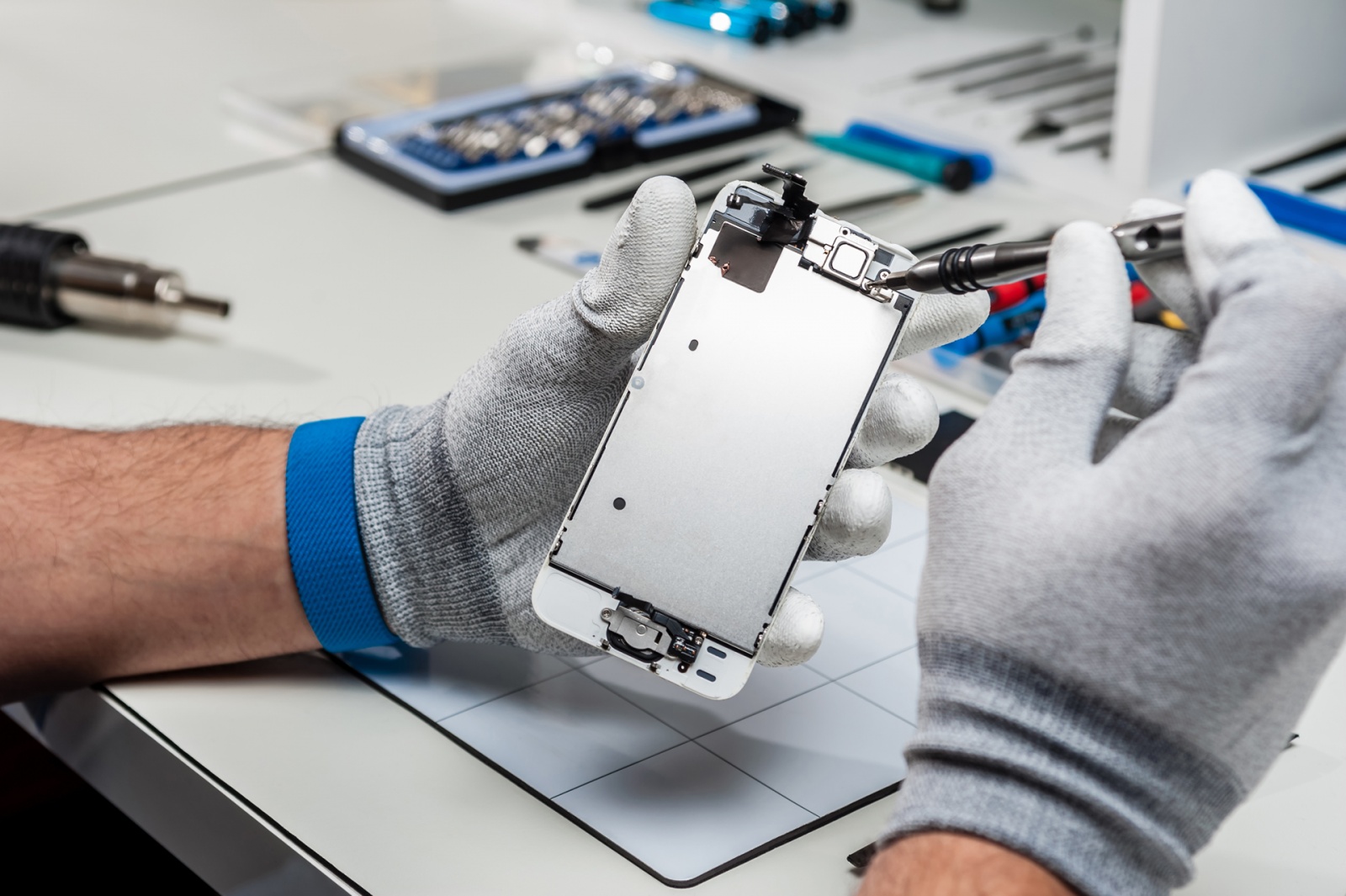
EU ecodesign rules that took effect on June 20, 2025 set a new minimum durability baseline for conventional smartphones placed on the EU market. Manufacturers must make key spare parts available for at least seven years after a model is no longer sold, while security, corrective and functionality updates must be provided for at least five years after the last unit is supplied to retailers.
The requirements cover components including batteries, displays, rear covers, charging ports and cameras. These parts must be delivered within five to 10 working days. Batteries must also retain at least 80% of their original capacity after 800 charging cycles.
| Requirement | Conventional new smartphone sold in the EU | Foldable with a flexible main display |
|---|---|---|
| Statutory guarantee | At least two years through the seller | At least two years through the seller |
| Essential spare parts | At least seven years after the model is no longer sold | Manufacturer policy must be checked |
| Software updates | At least five years after the last unit is supplied to retailers | Manufacturer policy must be checked |
| Battery durability | At least 800 cycles while retaining 80% capacity | Not automatically covered by this rule |
The EU’s two-year legal guarantee remains separate from the new product requirements. If a device does not conform to the sale contract, the seller must repair or replace it at no cost. A manufacturer’s commercial warranty does not replace that protection. Apple says its own limited warranty covers manufacturing defects for one year, while a repair is covered for 90 days or the remaining warranty period, whichever is longer.
Several major phone makers go beyond the five-year software floor for selected devices, although their commitments differ by model range.
- Google: Pixel 8 models and later are promised seven years of updates.
- Samsung: flagship phones beginning with the Galaxy S24 are promised seven Android generations and seven years of security patches.
- Apple: the company does not publish a seven-year iOS commitment for every iPhone, but European product sheets for current models state a minimum guaranteed availability of five years for updates and include a repairability score.
Flexible-display foldables are the significant exception: they are not automatically included in the same ecodesign requirements. For those devices, long-term repairability, component availability and software support still depend on the manufacturer’s individual policy rather than the baseline applied to conventional smartphones.