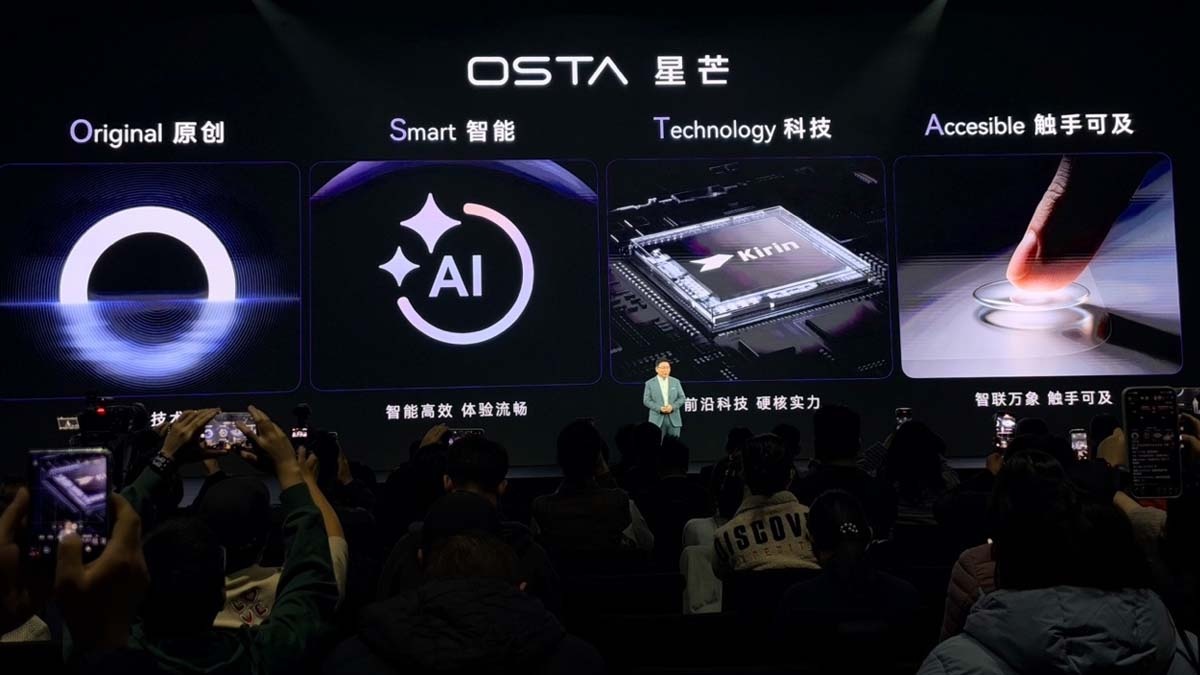
Huawei has launched the OSTA sub-brand, restoring a two-brand smartphone strategy six years after it sold Honor. Unlike Honor, which became an independent company in 2020, OSTA remains under Huawei’s control and is not a confirmed mechanism for bypassing U.S. sanctions.
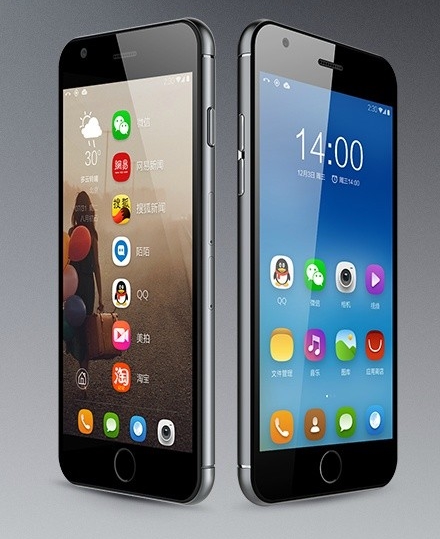
The first devices, the OSTA O1 and O1 Pro, launched on November 20, 2026. Both emphasize AI features, while the O1 Pro adds a wide-screen format and a Kirin processor. Huawei appears to be positioning OSTA as a separate product line that can address a broader audience without further expanding its established smartphone ranges.
Huawei’s split from Honor was driven by mounting component-supply pressure following U.S. restrictions. In its November 17, 2020 statement, Huawei said the sale was intended to help the Honor brand and its business partners survive. At the time, Honor was shipping more than 70 million phones annually. Huawei sold the brand to Shenzhen Zhixin New Information Technology and gave up its ownership stake and management involvement.
Huawei’s consumer business faced tremendous pressure, including a persistent unavailability of technical components needed for our mobile phone business.
Huawei
The separation sent the two businesses in different directions. Honor regained access to Qualcomm processors and Google services, including in Europe, and at points rose to the top of China’s smartphone market. It has since become a direct competitor to its former parent in premium smartphones.
Huawei instead focused on rebuilding its mobile stack with Kirin chips, HarmonyOS and reduced reliance on Western suppliers. The return of Kirin 5G silicon with the Mate 60 Pro in 2023 was a key milestone in that effort. Counterpoint Research now puts Huawei’s share of China’s smartphone market at about 21%, indicating that its domestic handset recovery has gained traction.
OSTA therefore revives the organizational logic of Huawei’s former Honor arrangement, but not the relationship itself. Its success will depend on how Huawei differentiates the new line in product range and pricing, as well as on its availability beyond China, which has not been confirmed.