Humanoid robots could become a significant new drain on the global memory supply, according to Micron. The company says a single AI-powered humanoid may require around 200GB of DRAM and multiple terabytes of NAND storage to run the models needed for autonomous operation.
That level of hardware demand could keep pressure on memory markets even if spending on AI data centers slows. Micron already expects tighter supply-and-demand conditions in 2027 and 2028 despite ongoing investment in additional manufacturing capacity.
Unlike a cloud-based chatbot, a humanoid robot must rapidly process input from cameras, sensors and other onboard components. It needs to interpret its surroundings, make decisions and coordinate physical movements without relying continuously on a cloud connection. That workload requires substantial local memory and storage for what Micron describes as Physical AI.
A potentially large new memory market
Current estimates for 2030 humanoid-robot shipments range from 250,000 to 1.2 million units. At the upper end of that range, applying Micron’s 200GB DRAM estimate would translate to roughly 240 million GB of DRAM demand from robots shipped in that year alone.
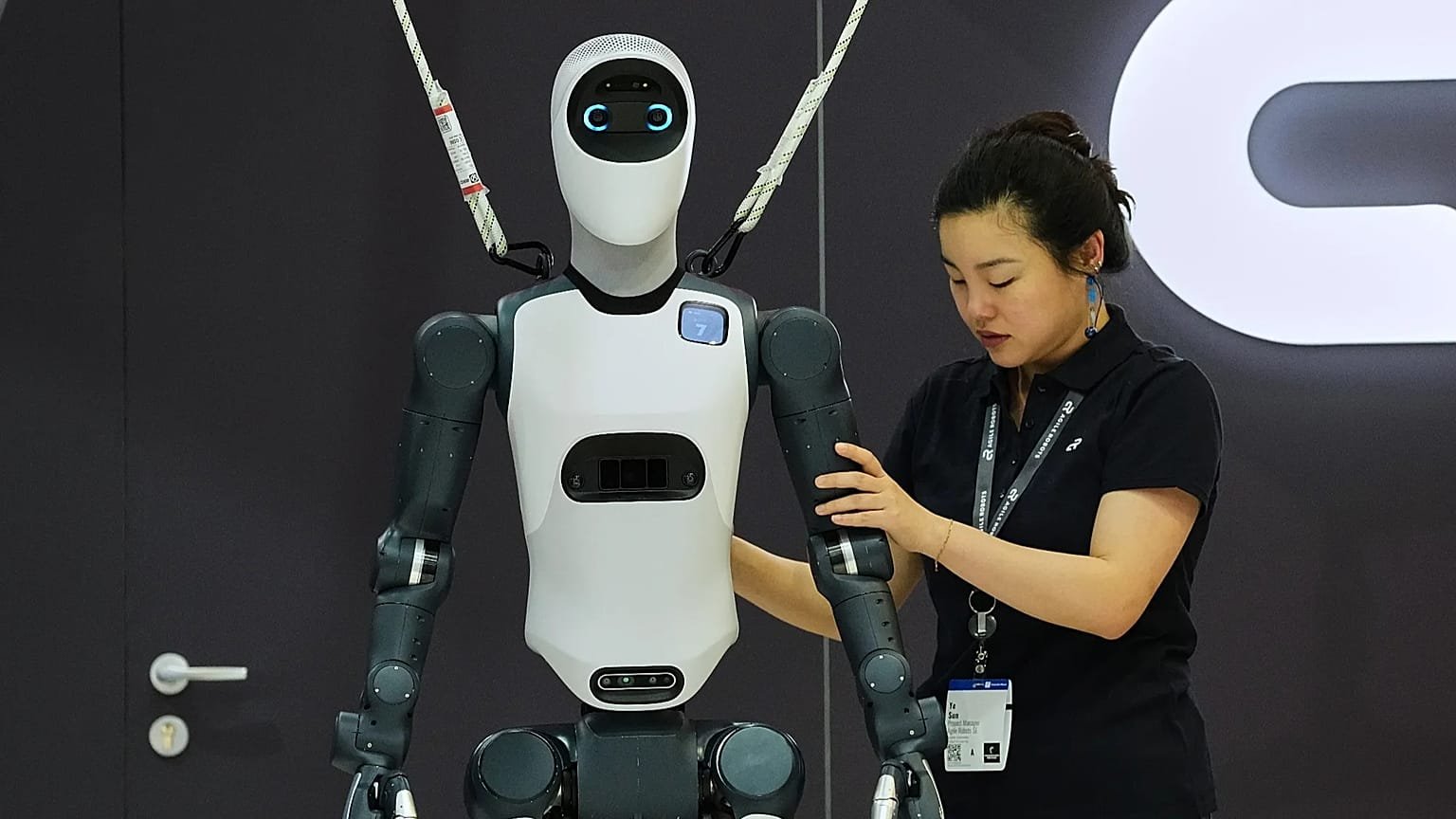
The longer-term forecasts are far larger, though highly uncertain. Morgan Stanley has projected annual humanoid robot shipments could reach about 930 million units around 2050. Such projections are not guaranteed volumes, but they illustrate why memory suppliers see robotics as a possible successor source of AI-driven demand.
Whether humanoid deployments approach those levels remains unresolved. But if they do, demand from robotics could absorb a meaningful share of DRAM and NAND output, complicating expectations that memory pricing will ease simply because the current AI infrastructure cycle cools.