Dacia’s new Spring has moved to a shared platform with the next Renault Twingo, a change that enabled the electric city car to go from project start to launch in 18 months. The model, developed under the Evader codename, is due to be built in Novo Mesto, Slovenia, with first deliveries scheduled for the first quarter of 2027.
French orders have already opened at €17,900 for the Expression trim and €19,900 for Journey. Dacia expects the car to reach showrooms toward the end of the year, positioning the Spring around the €18,000 mark in its effort to retain its low-cost electric-car proposition.

Although it shares its underlying architecture, technical elements and some cabin components with the new Twingo, the Spring has been styled to remain distinct from its Renault counterpart. Dacia says it reshaped the exterior surfaces, dashboard and smaller details to preserve the brand’s identity.
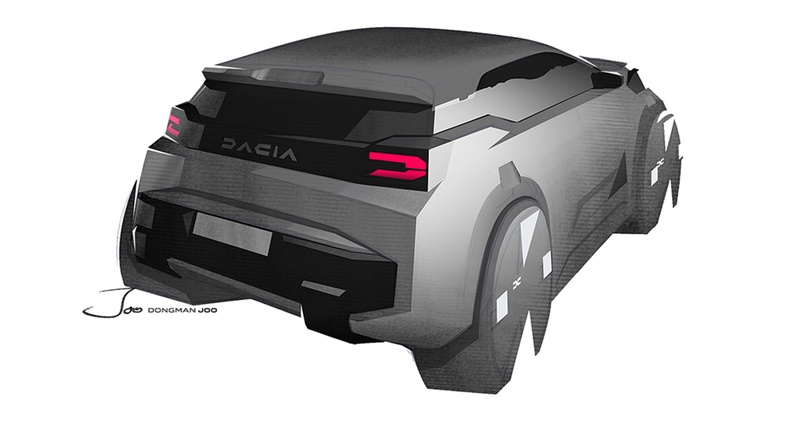
Early design sketches show that the Spring’s more upright, rugged direction was established from the outset. The selected proposal came from South Korean designer Dongman Joo, who joined Renault Group in 2022 after working at General Motors and is based at Renault’s Paris design center. His concept was chosen from three finalists in an internal design competition.


Cost control also influenced the front-end design. Rather than adopting the lighting treatment used by models such as the Duster and Bigster, the Spring uses a simpler arrangement with a single LED and 3D-effect reflectors. That approach is intended to give the small EV its own visual signature while limiting component costs.
The shared European Renault platform had been announced for the Spring in 2025, but the new model is the first clear indication of how Dacia plans to differentiate the vehicle from the Twingo while using common hardware. Broader market availability and final pricing outside France have yet to be detailed.