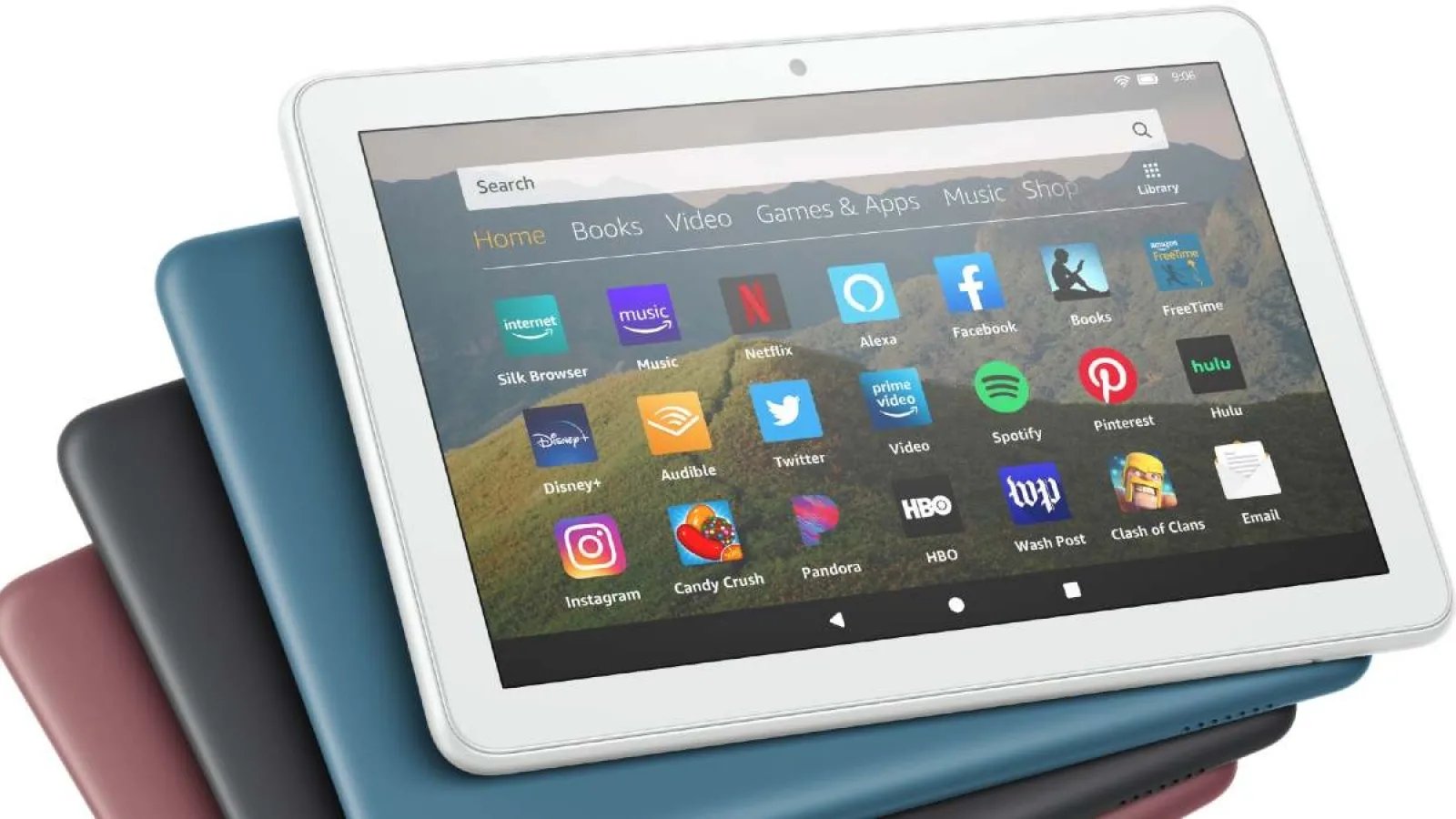
Amazon may be preparing its biggest Fire tablet memory upgrade yet. Import records identified by Liliputing list an unreleased model with configurations reaching 16GB of RAM and 256GB of storage, far beyond the specifications of current Fire tablets. A separate FCC filing dated August 28, 2026 also indicates that at least one new Amazon device has reached the regulatory approval stage.
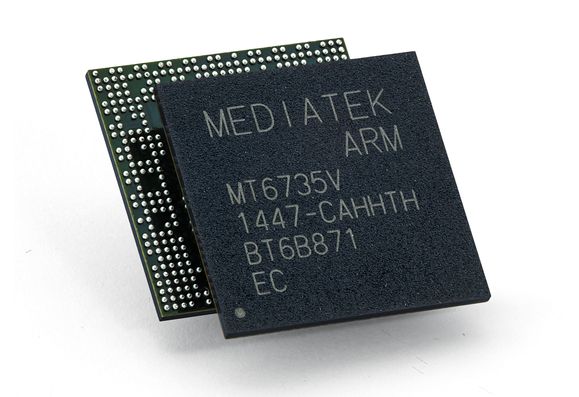
The higher-end device is associated with an unreleased MediaTek MT8793 processor. It is not yet clear whether the 16GB RAM configuration is destined for retail sale or is one of several versions being tested by Amazon. No product name, display specifications, price or launch date has been confirmed.
Another model appearing in the import documentation is listed with a MediaTek Kompanio 540, also known as the MT8189. That chip combines two Cortex-A78 cores clocked at 2.6GHz with six Cortex-A55 cores at 2GHz, alongside a Mali-G57 MC2 GPU. The recorded configuration includes 8GB of RAM and 64GB of storage.
The Kompanio 540 is broadly comparable with the platform used in Amazon's 2023 Fire Max 11, although that tablet shipped with 4GB of RAM. Amazon also recently introduced a 4GB version of the Fire HD 10 without wider hardware changes, making the reported 8GB and 16GB options a notable shift for the range.
The hardware reports arrive alongside signs that Amazon could be reconsidering the software position of a future premium tablet. Reuters reported in 2025 that the company was developing an internally named project, Kittyhawk, for a more expensive device built on the Android Open Source Project rather than Fire OS. The report pointed to a possible 2026 release and a price discussed at roughly $400, but Amazon has not announced such a product.
Fire OS is itself based on Android, but its standard experience is closely tied to Amazon services and the Amazon Appstore rather than Google apps and services. A move to a less restricted Android build could therefore give a higher-spec Fire tablet a different role in the market, but the connection between Kittyhawk, the FCC-tested device and the import-record models remains unconfirmed.