TCL is bringing two competing premium LCD backlight approaches to IFA 2026: SQD-Mini LED, led by the X11L with up to 20,736 local-dimming zones and 10,000 nits of claimed HDR brightness, and RGB-Mini LED, which reaches a 115-inch format in the RM9L. The company is also showing the C8L and C7L SQD-Mini LED series, the more accessible RM7L RGB-Mini LED range, and the A400 Pro NXTVISION art-focused TV.
The Berlin event is primarily a consolidated showcase rather than the commercial debut of every model. TCL says the X11L, C8L and C7L began reaching Europe in spring, while the RM9L was announced in the United States in April and the A400 Pro arrived in Germany in July.
The expanded lineup follows rapid Mini LED growth claimed by TCL. Citing Omdia data in its financial results, the company says it accounted for 31.1% of global Mini LED TV shipments in 2025, after its shipments in the category rose 118% year over year. TCL put its overall TV market share at 14.7%.
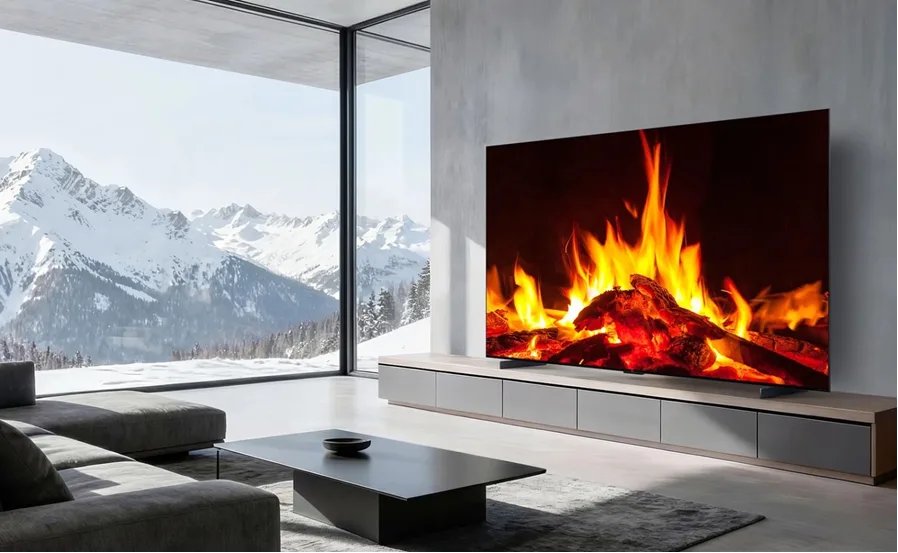
Two versions of Mini LED
SQD-Mini LED and RGB-Mini LED remain LCD technologies with a backlight; neither is MicroLED or OLED. Their distinction is in how that backlight and the color layer are handled.
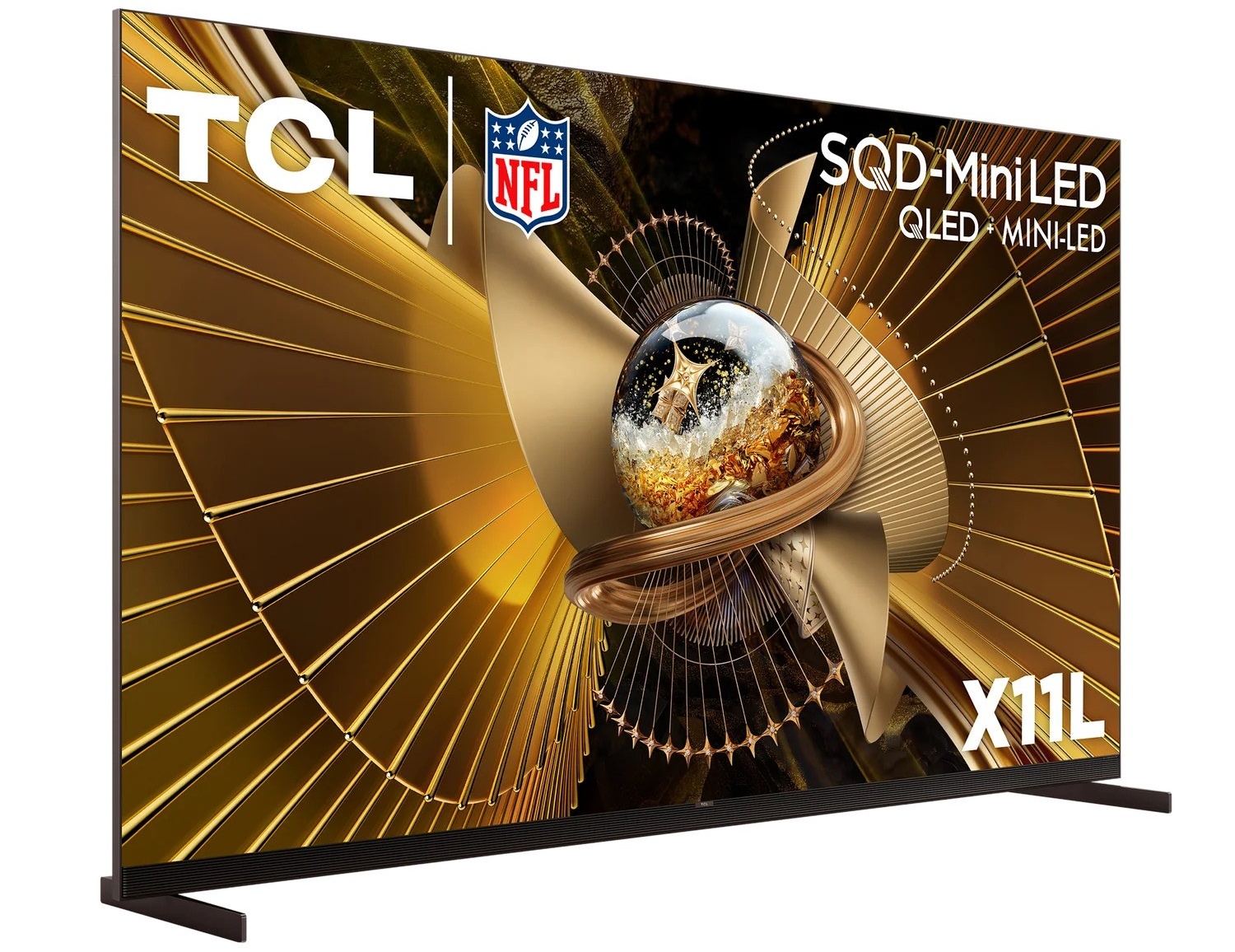
TCL’s SQD-Mini LED sets, including the X11L, C8L and C7L, use a blue Mini LED backlight alongside Quantum Dot materials and color filters. The company pairs this with its Super QLED and Ultra Color Filter branding, targeting tighter light control and reduced color contamination between dimming areas.
RGB-Mini LED takes a different route by using separate red, green and blue LEDs in the backlight, with each channel controlled independently. TCL says this lets the backlight contribute directly to color generation as well as brightness. The RM9L also uses what TCL calls 120-bit control, a measurement of its backlight-management architecture rather than video signal color depth.
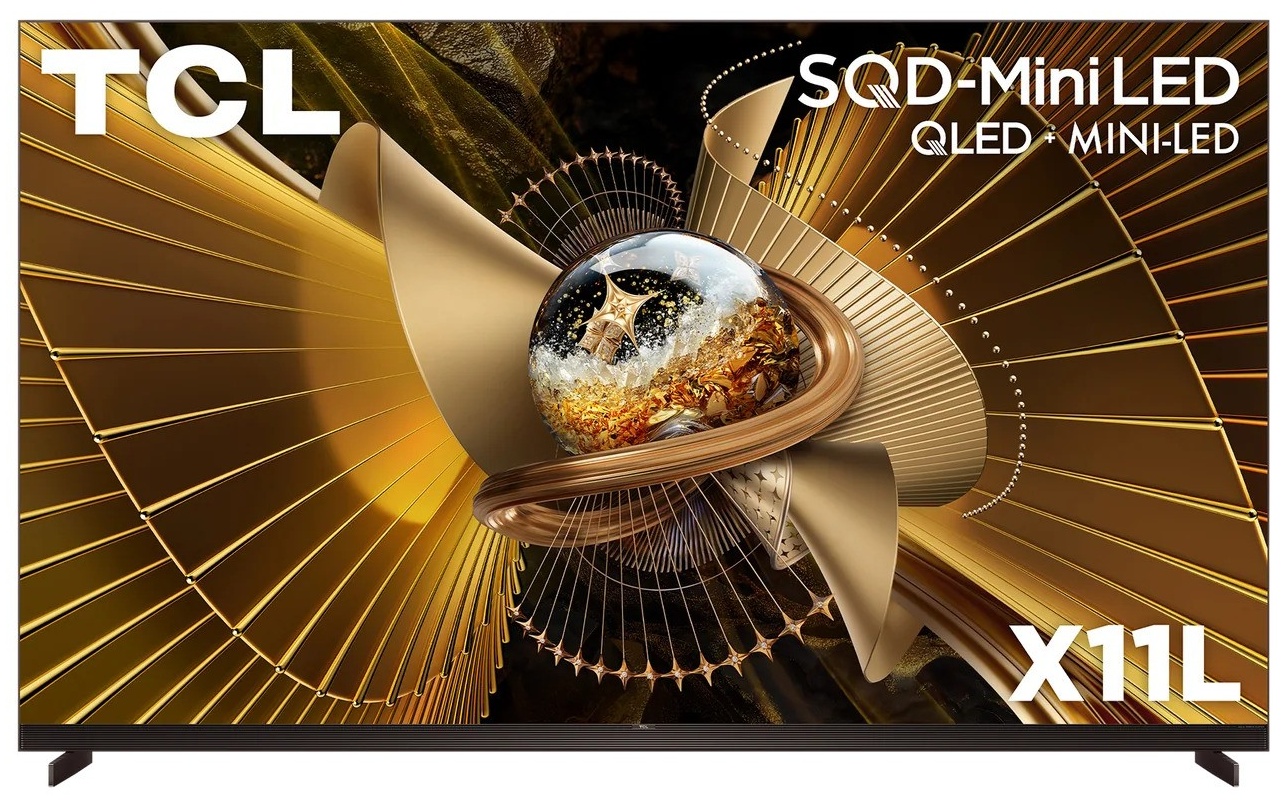
The zone figures attached to the two approaches should not be compared as like-for-like specifications. TCL labels the SQD figures as Precise Dimming Zones, while its RGB sets use Precise Color Zones. For example, TCL’s US documentation for the 98-inch RM9L refers to more than 3,800 discrete local-dimming zones alongside more than 11,000 color zones, while European material lists 11,520 Precise Color Zones.
X11L anchors the SQD-Mini LED range
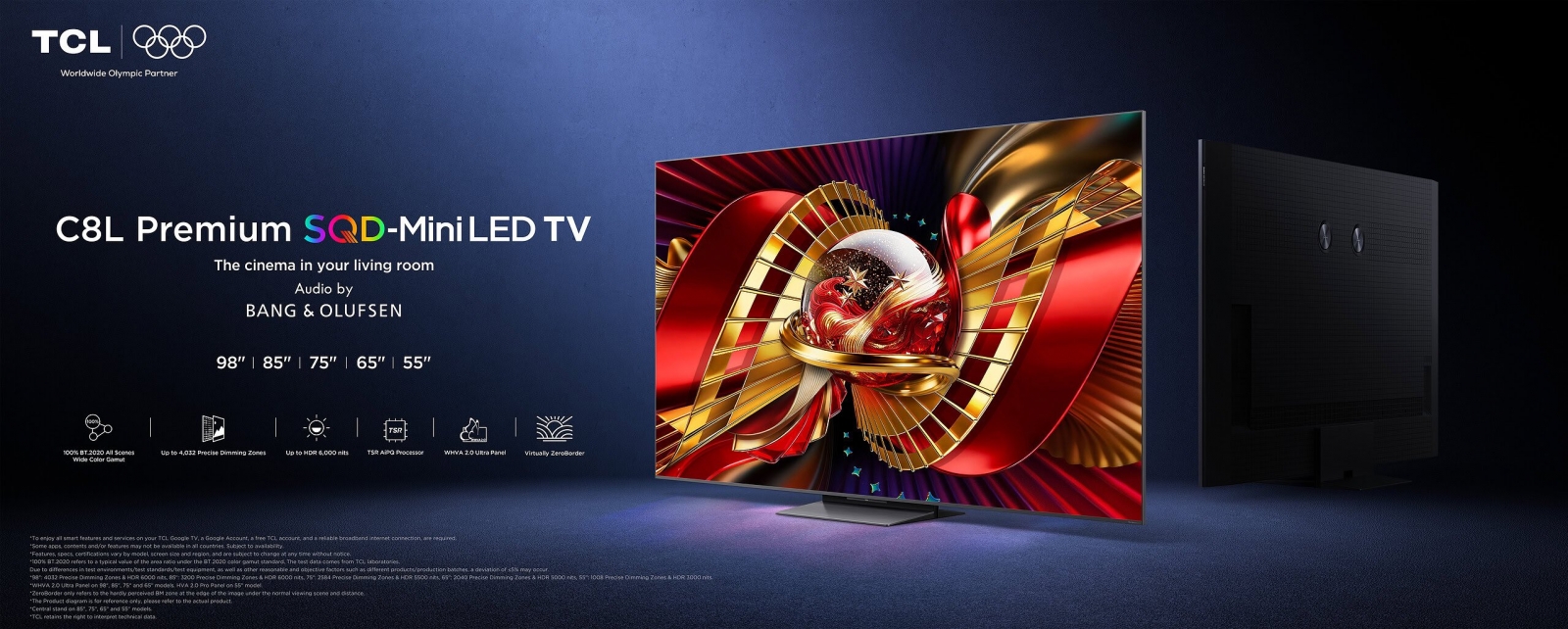
The X11L is available in 75-, 85- and 98-inch sizes. Its 98-inch version is rated for 20,736 Precise Dimming Zones and up to 10,000 nits of HDR brightness. The 75-inch model is listed with 11,520 zones and up to 9,000 nits, while the 85-inch version has approximately 14,400 zones and a 10,000-nit rating. TCL regional pages differ slightly on the exact 85-inch zone count, citing either 14,400 or 14,440.
TCL combines the model with its WHVA 2.0 Ultra panel, Super QLED, Ultra Color Filter and All-domain Halo Control system. The latter combines the LEDs, micro-lenses, a reduced optical distance between the backlight and LCD layer, and light-control algorithms intended to limit blooming. TCL claims a 0.5% screen reflectivity figure and says the 98-inch X11L can achieve up to 100% BT.2020 coverage, a 33% increase over the same-sized X11K. Those color and reflectivity figures are manufacturer measurements.
The X11L has a native 144Hz panel and supports 4K at 144Hz. Its Game Accelerator mode can reach 288Hz by reducing vertical resolution, so 4K operation remains capped at 144Hz. Bang & Olufsen-tuned integrated audio, Gamebar tools and TCL’s TSR AiPQ processing are also included.
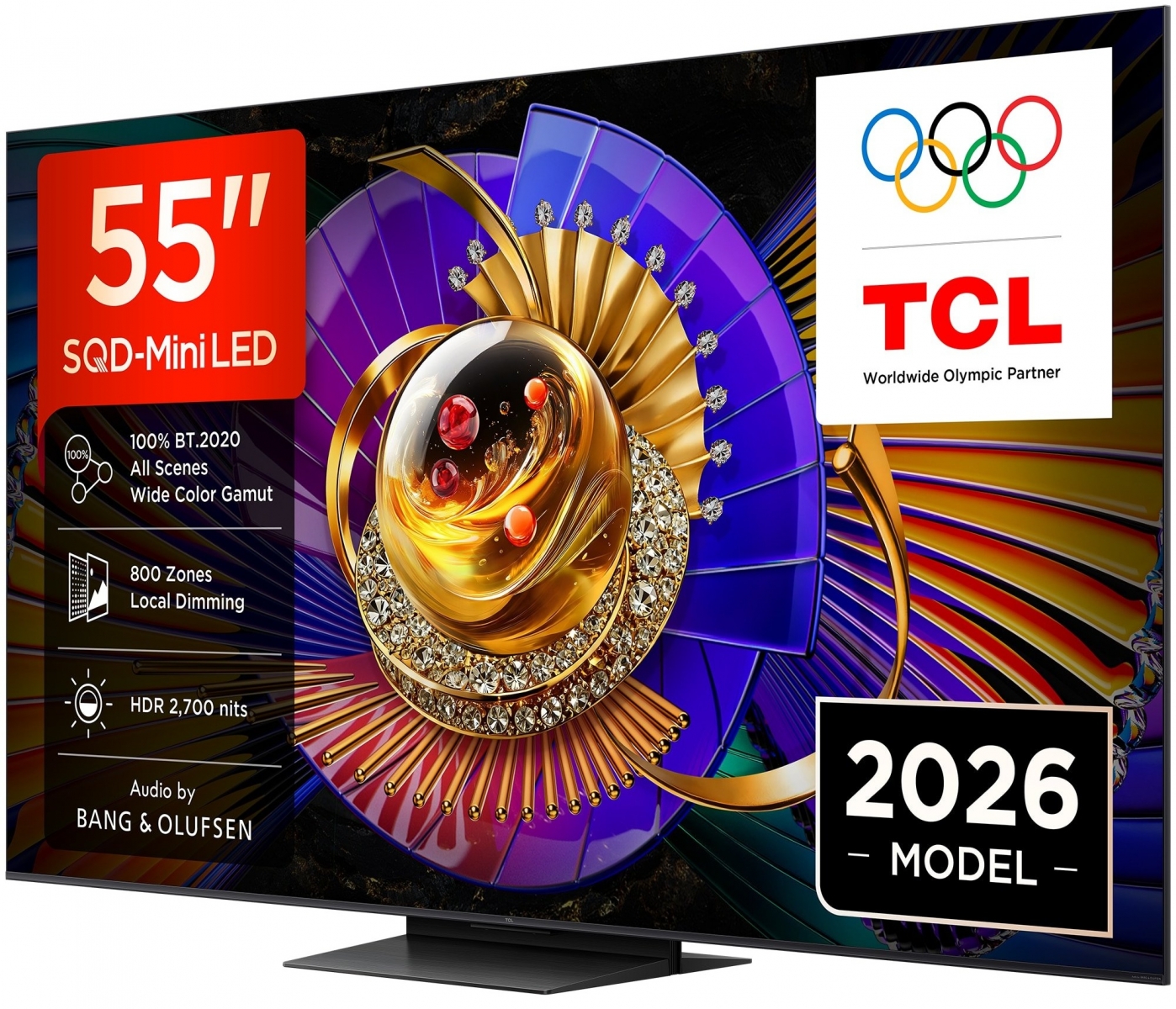
Below it, the C8L spans 55 to 98 inches, scaling from 1,008 dimming zones and 3,000 nits on the 55-inch model to 4,032 zones and 6,000 nits on the 98-inch version. The C7L covers the same size range, with figures ranging from 800 zones and 2,700 nits at 55 inches to 2,176 zones at 98 inches; 65-inch and larger C7L variants are rated at up to 3,000 nits. Both lines retain native 144Hz panels, a 288Hz Game Accelerator mode and Bang & Olufsen audio.
TCL previously announced German recommended prices for the C8L from €2,299 for the 65-inch model to €6,999 for the 98-inch version. The C7L launched in Germany at €1,099 for 55 inches, €1,799 for 65 inches and €2,199 for 75 inches. Pricing and configurations can vary in other markets.
RGB-Mini LED extends to 115 inches
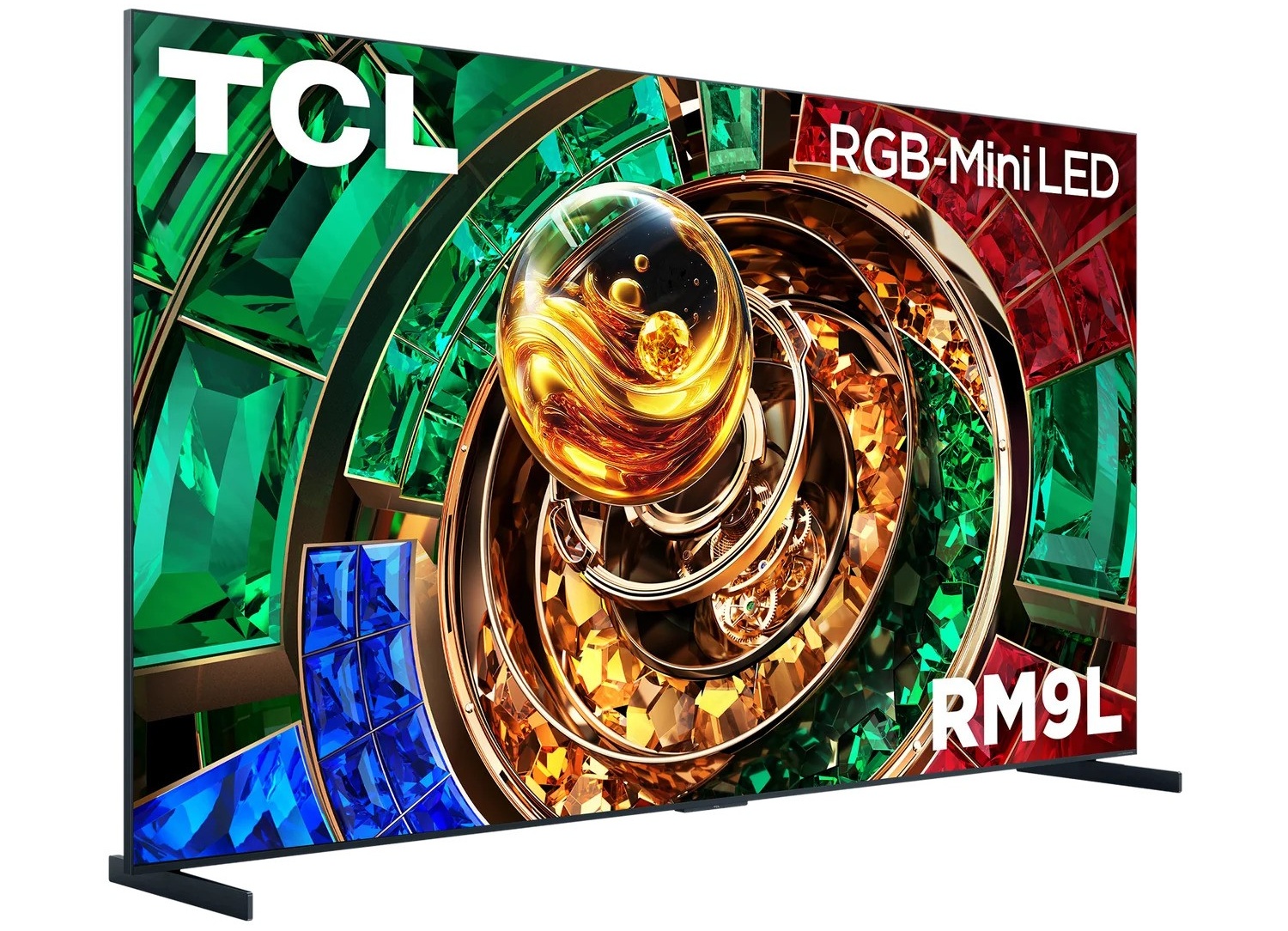
The RM9L is TCL’s larger RGB-Mini LED statement. It comes in 85-, 98- and 115-inch versions. TCL rates the 85-inch model at 8,736 Precise Color Zones and 4,000 nits, the 98-inch at 11,520 zones and 6,000 nits, and the 115-inch model at 16,848 zones and 9,000 nits.
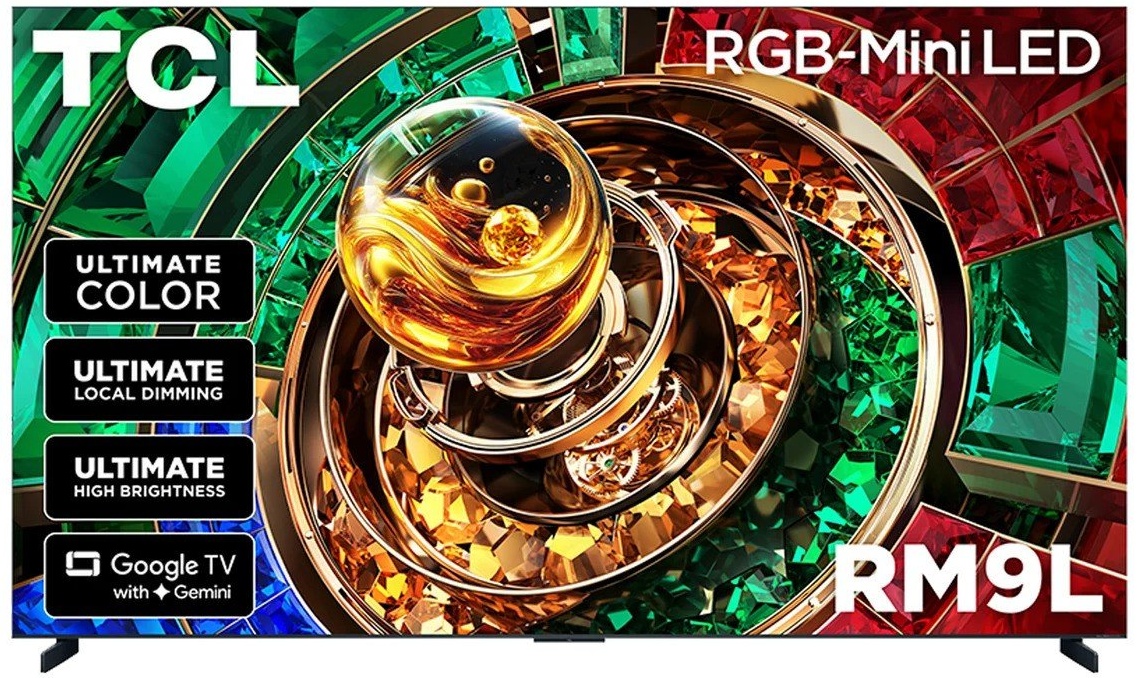
The 85-inch and 98-inch RM9L use TCL’s WHVA 2.0 Ultra panel, while the 115-inch version is listed with an HVA Pro panel. Native refresh rate is 144Hz, with a 288Hz Game Accelerator VRR mode. TCL has confirmed four HDMI 2.1 ports for the North American version, but port configurations may differ by region.
TCL America has also announced Dolby Vision 2 Max for the RM9L through a future over-the-air update. That feature should not be assumed to be available on every regional version until local software rollout details are confirmed. The RM9L includes Bang & Olufsen audio, and the US model can add compatible wireless speakers through Dolby Atmos FlexConnect.
The RM7L brings the same RGB-Mini LED concept to 65-, 75-, 85- and 98-inch sizes. It is rated at 1,344 to 2,880 Precise Color Zones depending on screen size, with claimed peak brightness of 2,000 nits across the range. It uses an HVA Pro panel and an Onkyo 2.1 audio system rather than the Bang & Olufsen arrangement found on the RM9L.
A400 Pro takes the art-TV route
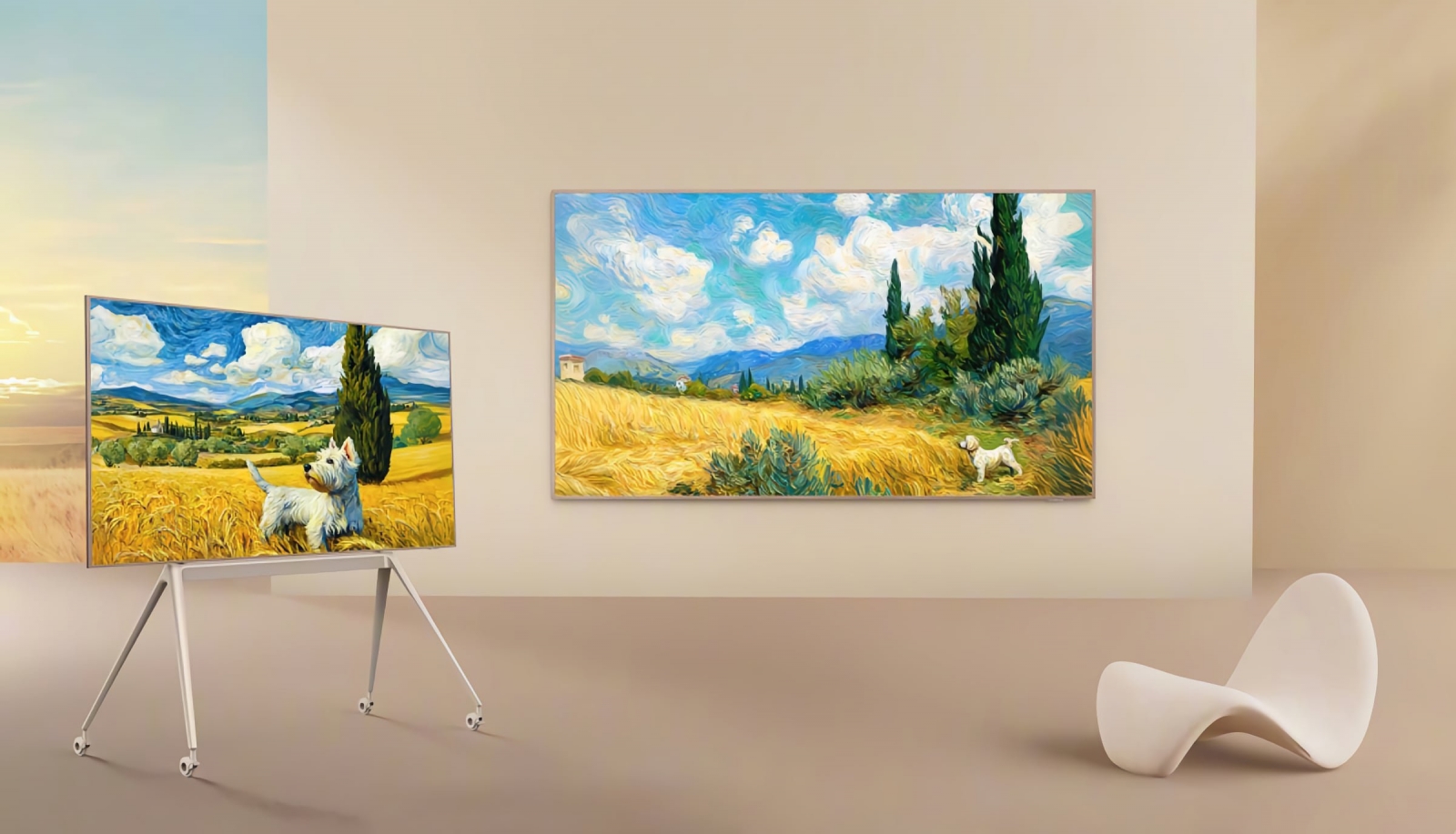
The A400 Pro NXTVISION is positioned differently from TCL’s brightness-focused sets. It uses a matte panel, walnut-inspired frame finish and a slim wall-oriented unibody design, with TCL quoting thicknesses from about 39.9mm to 44.5mm depending on size. Its Art Gallery Mode includes TCL-provided artwork without an additional subscription, and can also display personal photos or AI-generated images. The series received a Red Dot Design Award in 2026.
The A400 Pro ranges from 32 to 98 inches, but the technology changes within the family. The 32-inch and 43-inch models are conventional QLED TVs; QD-Mini LED starts at 55 inches. The larger models offer 112 to 448 local-dimming zones depending on size, native 144Hz refresh, a reduced-resolution 288Hz gaming mode, Onkyo 2.0 audio, Dolby Vision, Dolby Atmos, DTS:X and Google TV.
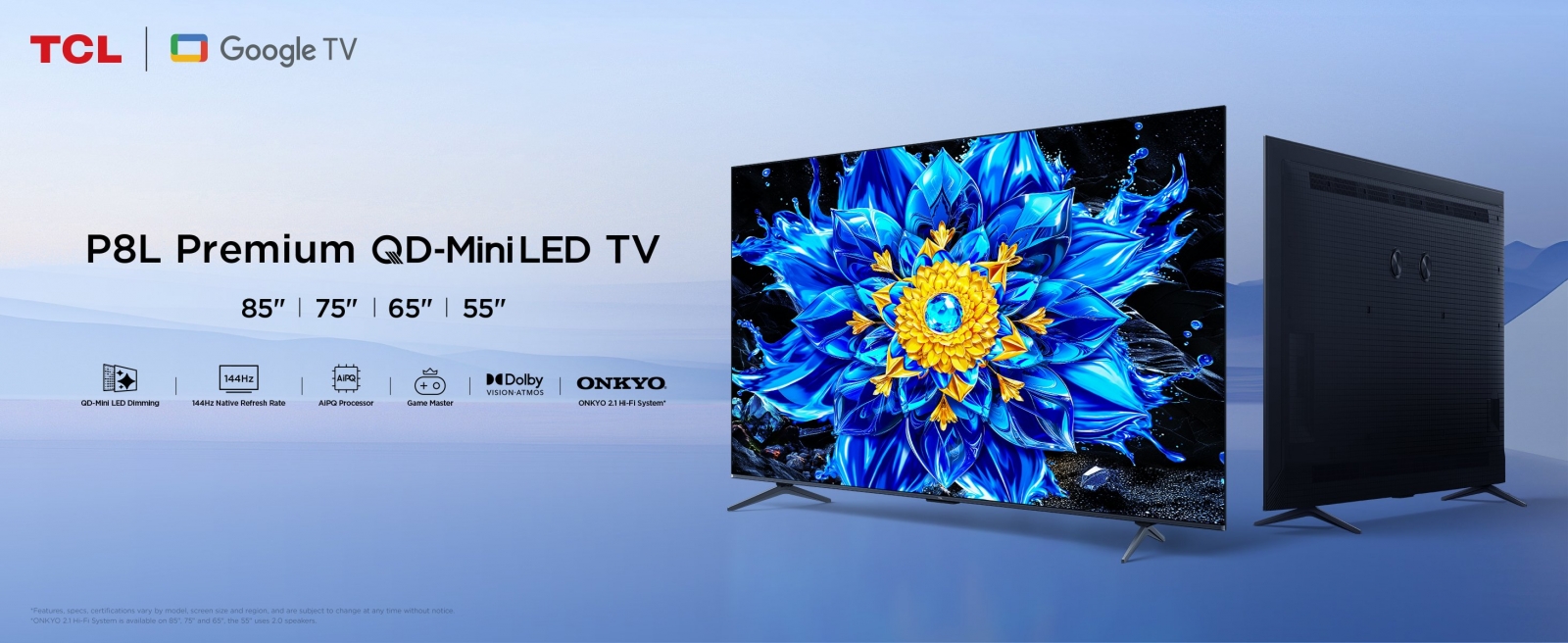
In Germany, the A400 Pro was announced from €699 for the 32-inch version, with the 55-inch model priced at €999 and the 98-inch version at €2,799. TCL’s IFA portfolio also includes the P8L Premium QD-Mini LED, with up to 512 local-dimming zones, and the P7L Premium QLED series.
TCL is not presenting RGB-Mini LED as an outright replacement for its SQD-Mini LED flagship. Instead, the company is advancing both architectures in parallel: SQD models emphasize increasingly granular local-dimming control, while RGB models move more color control into the backlight itself. Independent testing will be needed to establish how the two approaches compare beyond TCL’s stated brightness, color and zone-count claims.