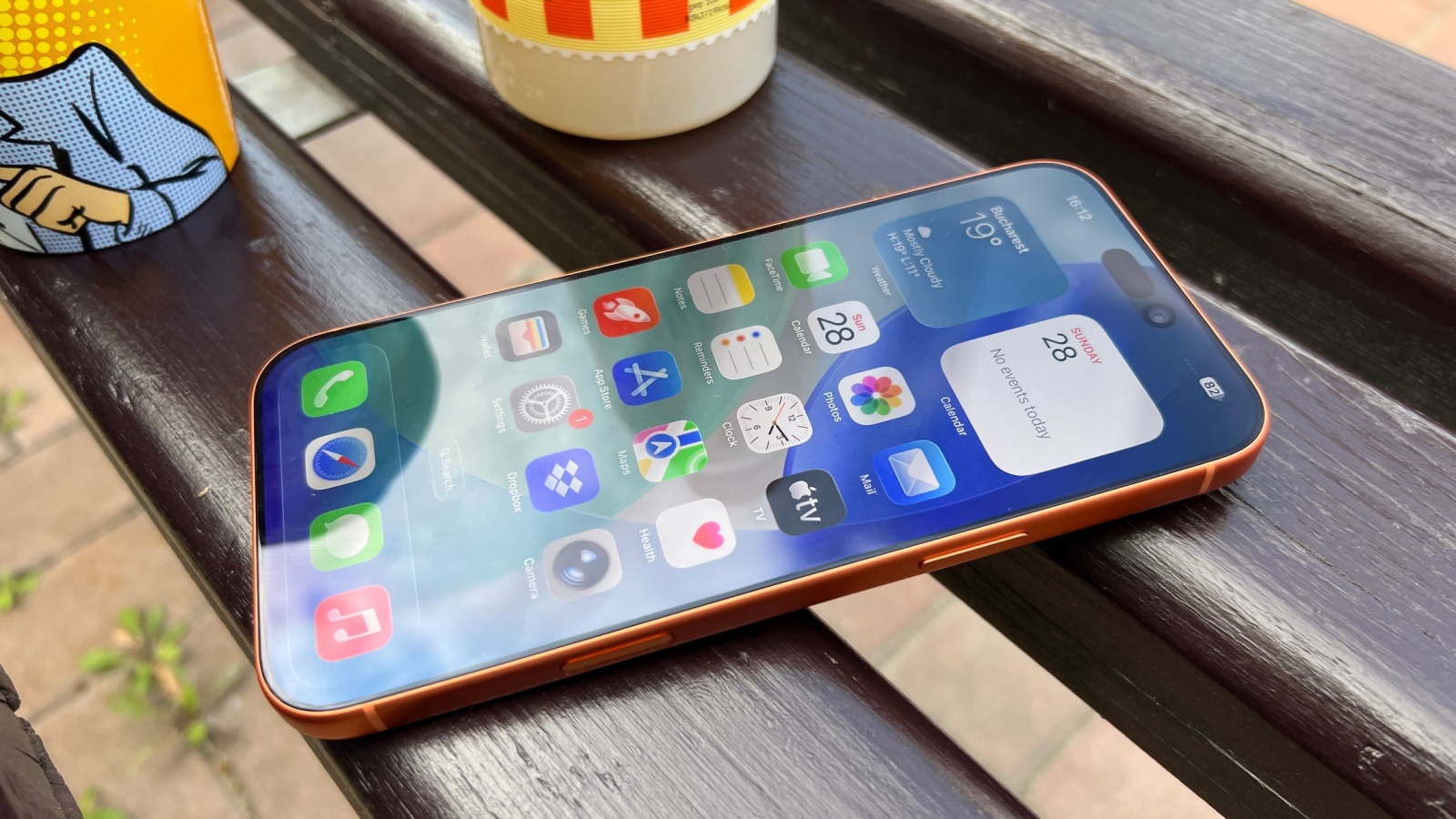
A 256GB iPhone can still cover everyday use, but it is no longer a carefree choice for users who shoot high-resolution video, keep large offline libraries or play AAA games. Since iPhone storage cannot be expanded after purchase, creators and heavy gamers may need to start at 512GB to avoid constant storage management.
Standard photos are relatively manageable: at an average of around 3MB each, a 256GB model could theoretically hold tens of thousands of images. The equation changes with creator-focused formats. A RAW photo can reach roughly 50MB, while one minute of conventional 4K video can require about 440MB. Apple ProRes is far more demanding, consuming as much as 6GB per minute.
Mobile gaming is adding a second major storage burden. AAA titles brought to iPhone are approaching console and PC-scale installation sizes; Resident Evil 4, for example, takes up more than 30GB. Just five or six games of that size can claim a substantial share of a 256GB device before photos, video, downloaded shows, music and travel files are considered.
The full advertised capacity is not available to personal files, either. iOS can occupy up to roughly 24GB, and temporary data, offline maps, system downloads and additional content such as AI models can further reduce the remaining space.
For users who rely on iCloud and streaming services rather than local media, 256GB remains a balanced capacity. Larger configurations make more sense for frequent ProRes capture, extensive 4K recording, large local photo and video libraries, or substantial offline content collections. The key decision is made at checkout: storage is fixed for the life of the iPhone.