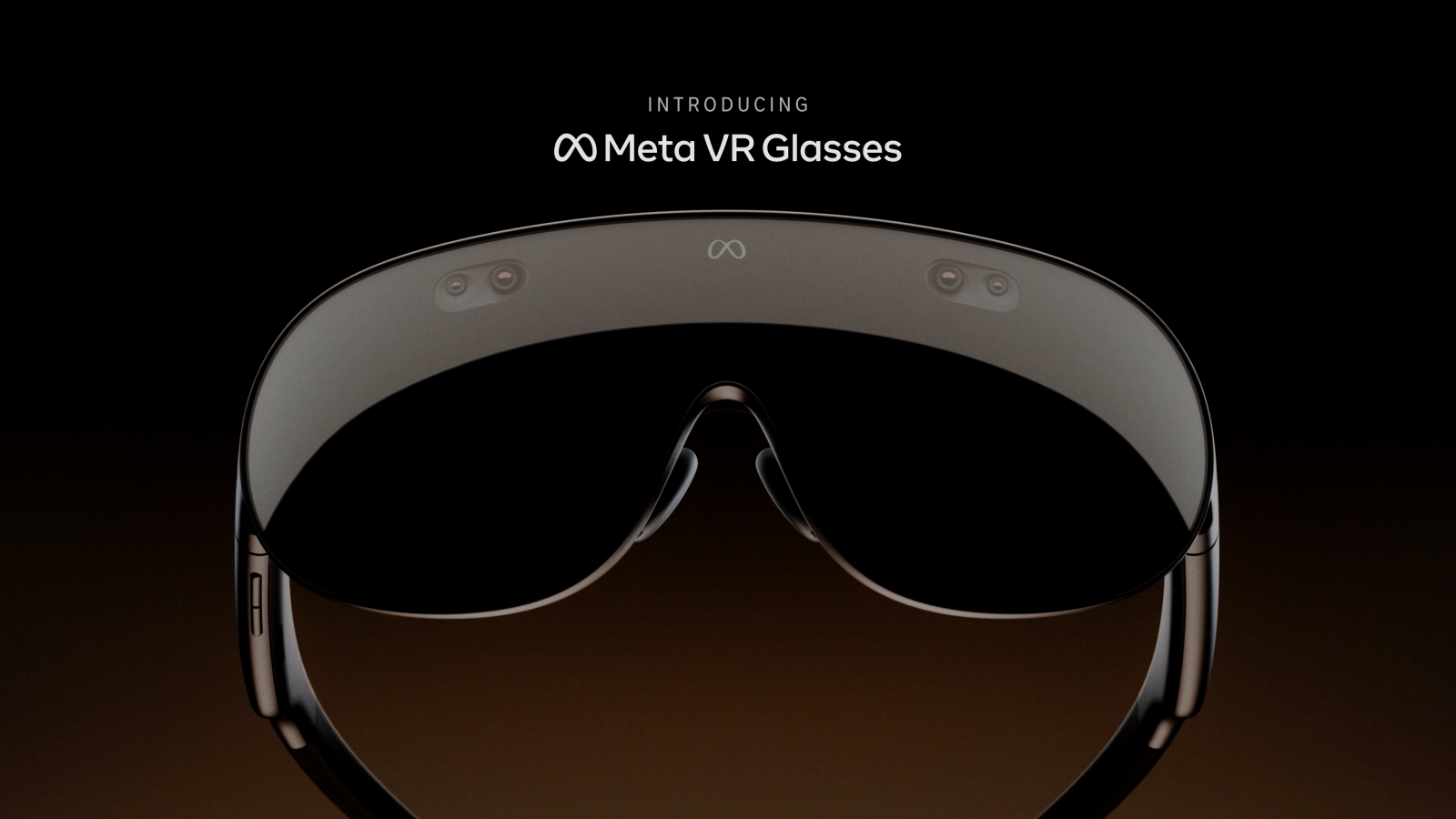
Meta has outlined two sharply different smart-glasses designs: Meta VR Glasses, a roughly 100g VR device that offloads its computing hardware to a pocket-sized module, and the 43g Ray-Ban Meta Audio, which drops both a camera and display in favor of open-ear audio, microphones and Meta AI.
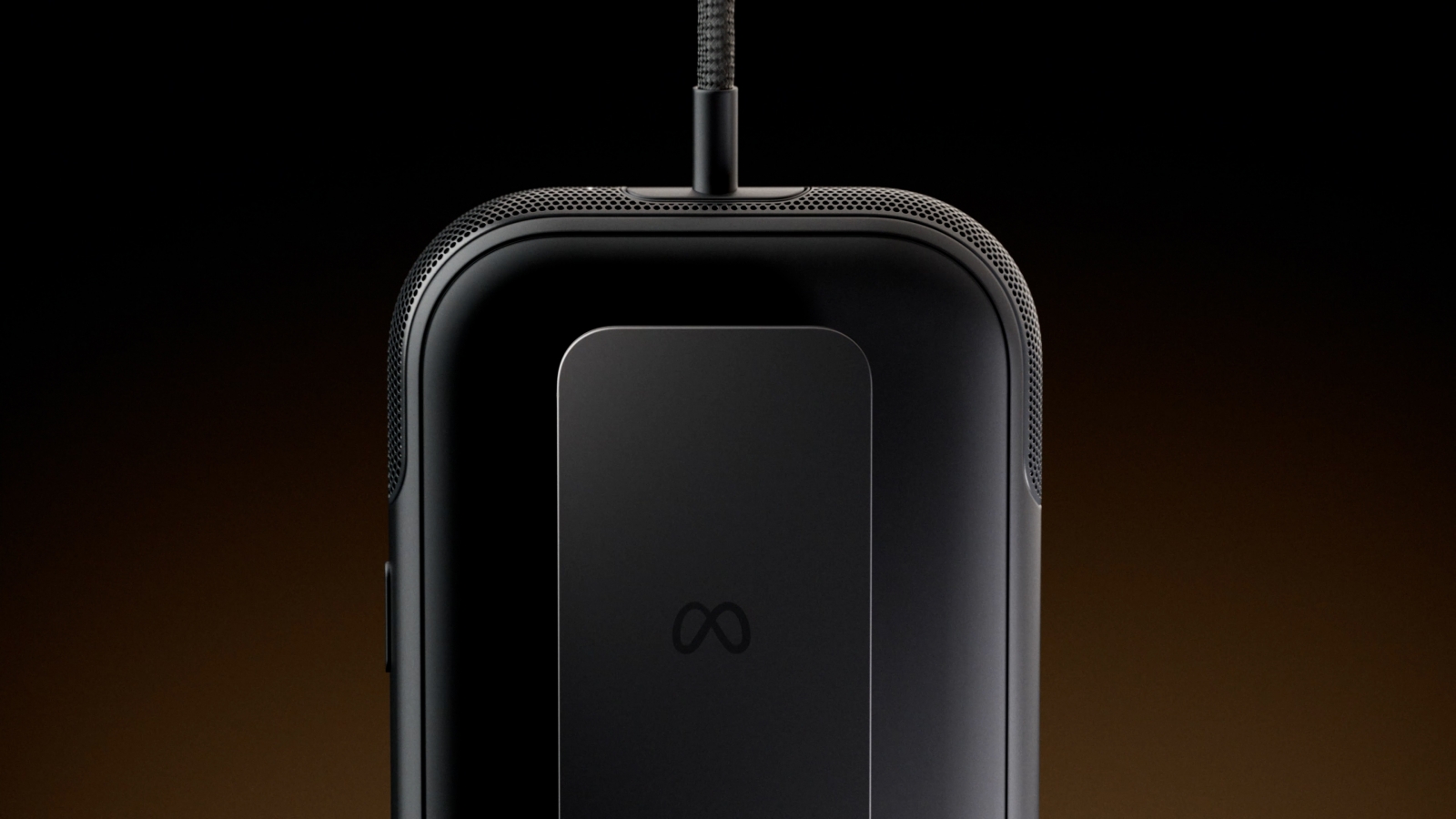
Meta VR Glasses are scheduled to reach the US in spring 2027 for $1,299.99. The external module, linked by an optical cable, houses the Snapdragon Reality Elite processor, battery and storage, while the glasses retain the displays and sensors. The arrangement moves heat-generating and power-hungry components away from the wearer’s face, though it leaves users connected to a cable.
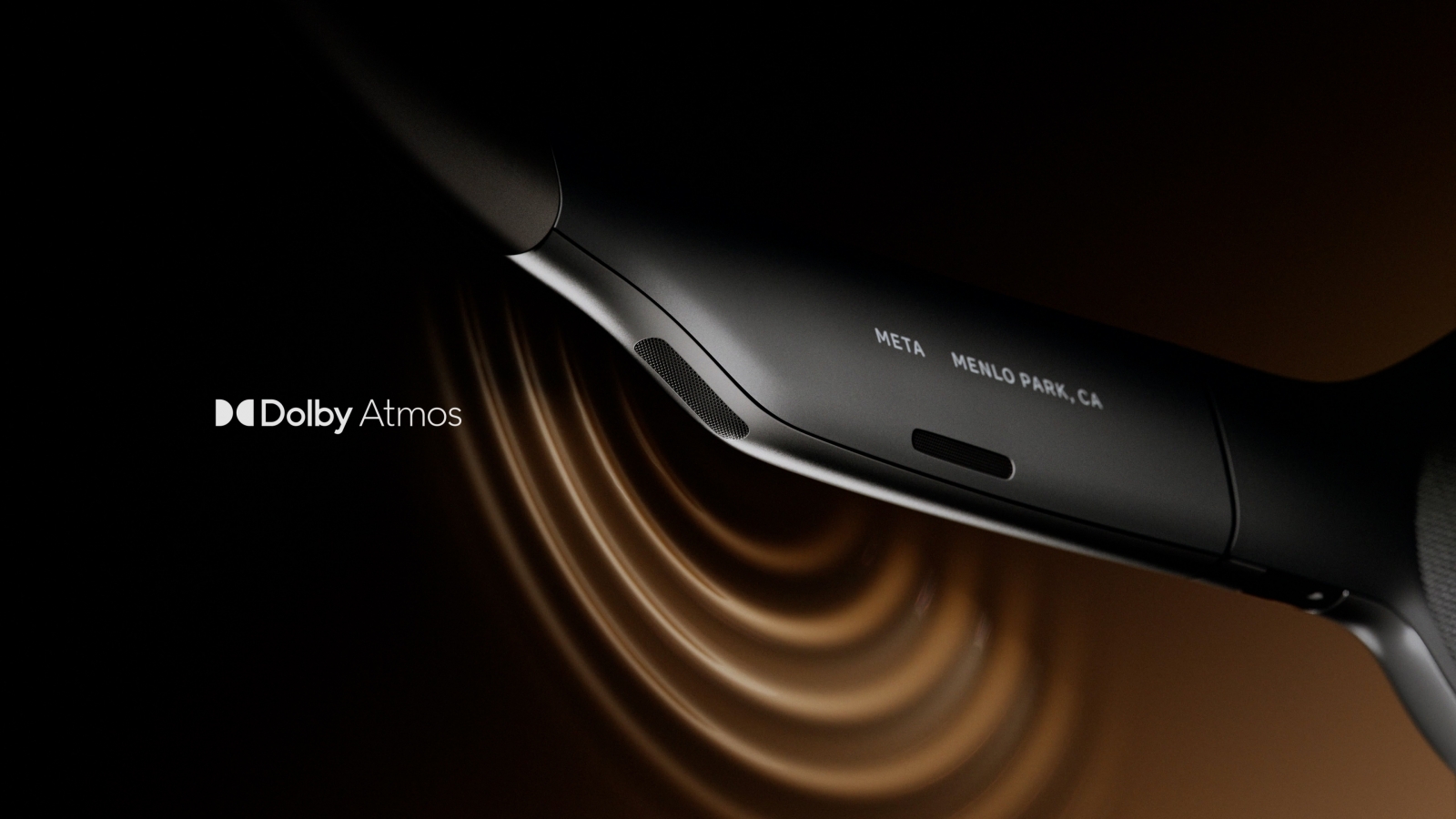
The glasses use 5K micro-OLED displays rated at 37 pixels per degree, with Dolby Vision support. Frame-integrated speakers support Dolby Atmos, and the interface uses eye tracking, hand gestures and voice, without requiring conventional controllers.
- Meta claims up to three hours of high-resolution media playback.
- The external module supports 45W charging.
- More than 75 games are expected to support hand-only controls.
- The platform is set to include Xbox Cloud Gaming, multiple virtual work screens, virtual keyboards and touchpads created from nearby surfaces, 3D movies, IMAX Enhanced certification and Hologram Calling with photorealistic representations of participants.
- Meta also says it plans to offer more than 100 immersive live sports events annually.
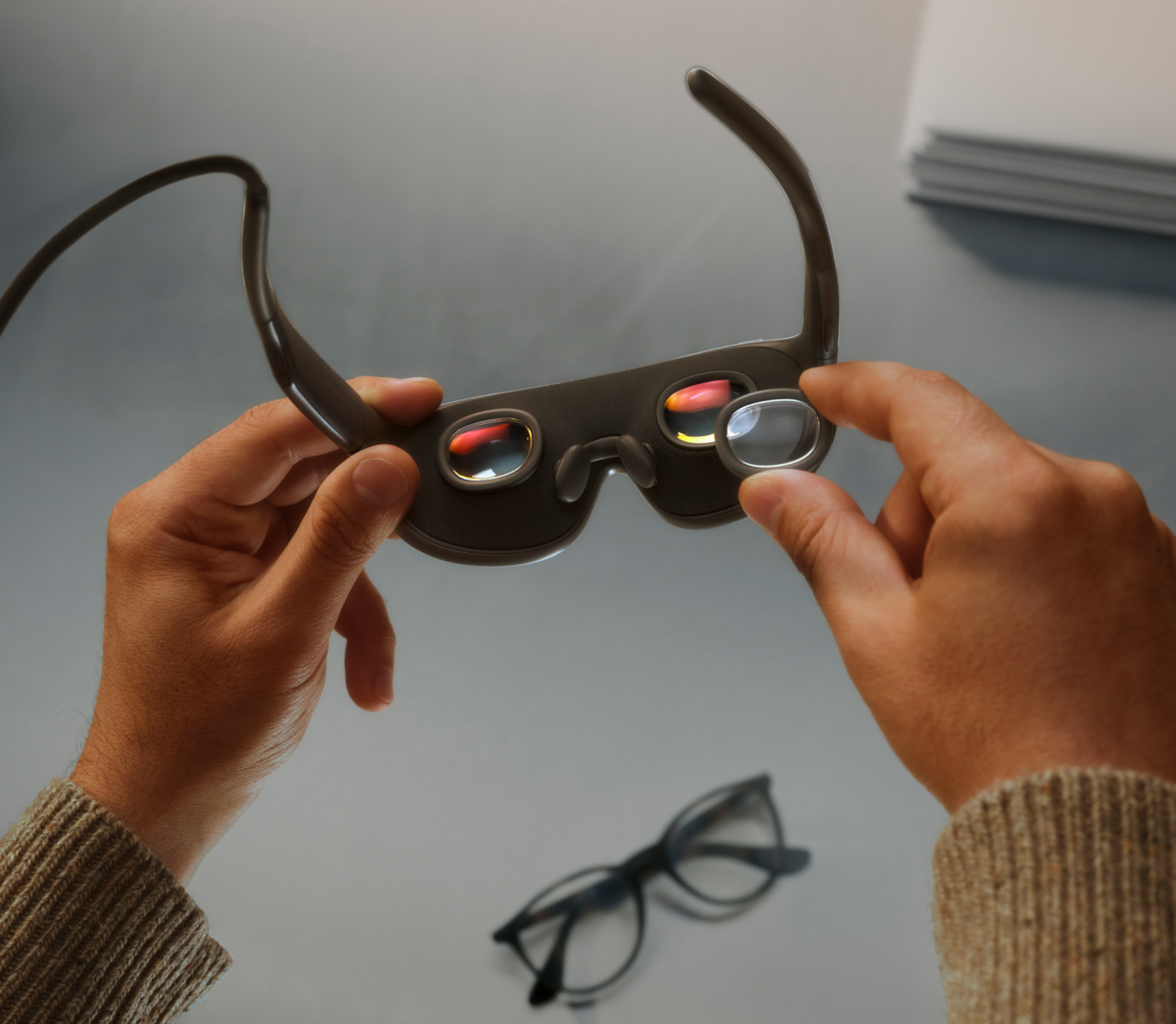
A lighter alternative to integrated headsets
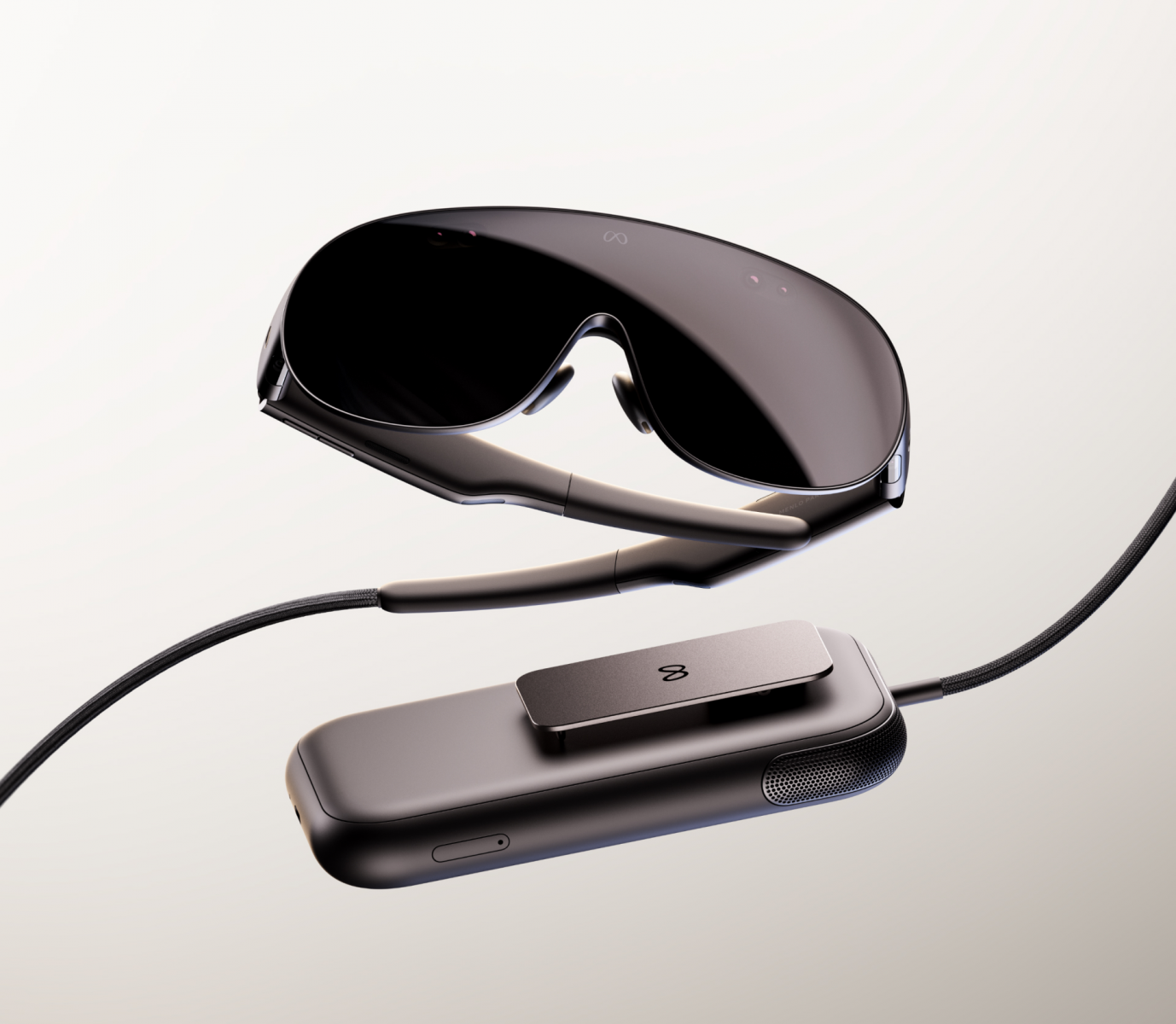
The design puts Meta’s product in a distinctly different class from Apple Vision Pro. Apple’s M5-based Vision Pro keeps its M5 and R1 chips inside the headset, weighing 750g to 800g depending on configuration. Its separate battery weighs 353g. Meta’s approach reduces face-mounted weight substantially, but makes the external module and its cable part of the system.
| Feature | Meta VR Glasses | Apple Vision Pro with M5 |
|---|---|---|
| Weight on the face | About 100g | 750g–800g |
| Processing | Snapdragon Reality Elite in an external module | Apple M5 and R1 in the headset |
| Battery arrangement | External module | Separate 353g battery |
| Claimed runtime | Up to 3 hours of high-resolution media playback | Up to 2.5 hours of general use; up to 3 hours of video playback |
| Controls | Eyes, hands and voice | Eyes, hands and voice |
| Display | 5K micro-OLED; 37 pixels per degree | Micro-OLED; 23 million pixels |
| US price | $1,299.99 | $3,499 |
| Availability | US launch planned for spring 2027 | Available |
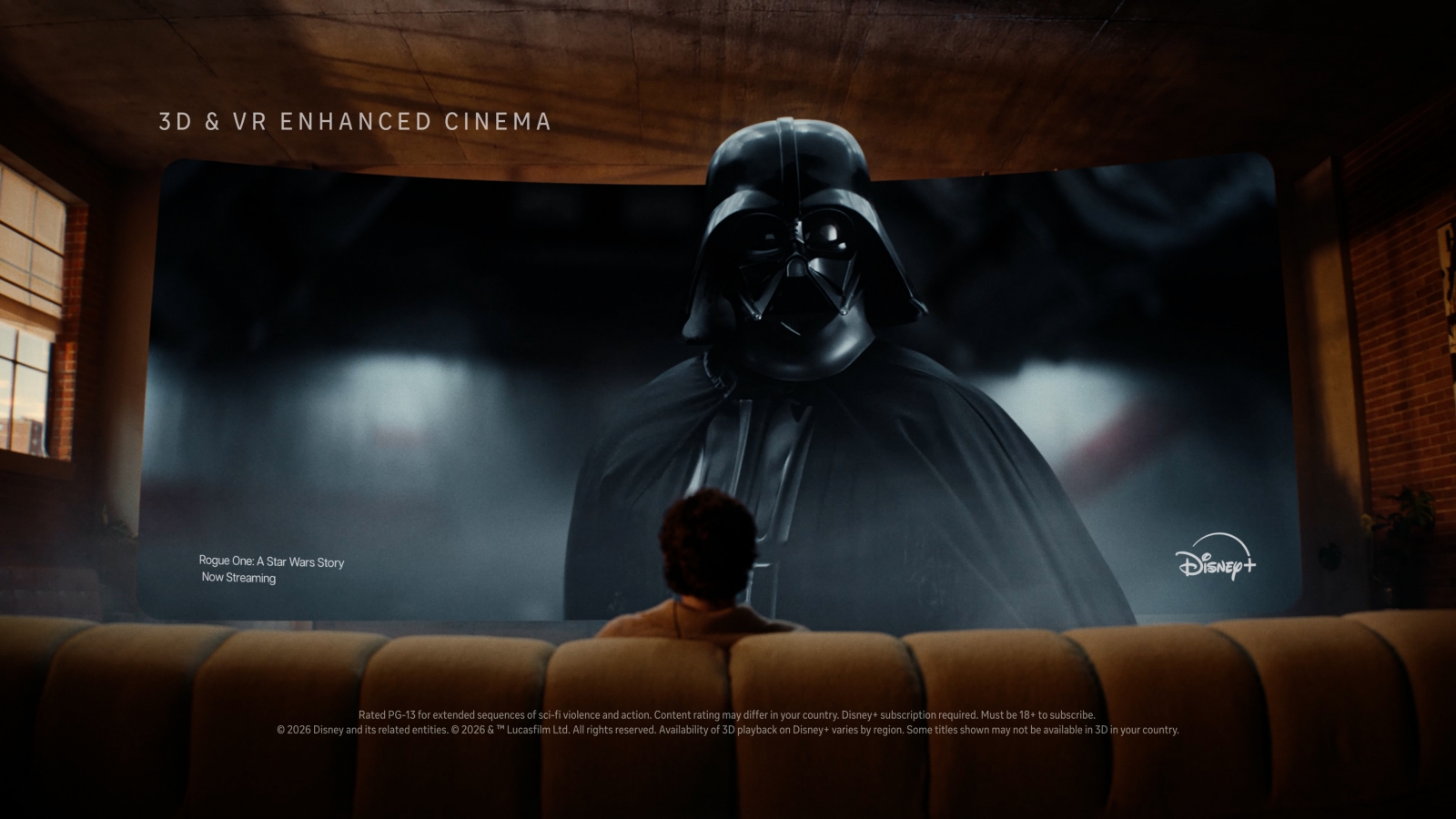
The products are not like-for-like replacements. Vision Pro is already commercially available with visionOS and Apple’s software ecosystem, while Meta still has to demonstrate how its cable, gesture controls and pocket module work outside a controlled demo. The VR Glasses’ three-hour claimed media runtime also remains a key practical limit.

Ray-Ban Meta Audio takes the opposite route
Ray-Ban Meta Audio is the lower-cost and more stripped-back member of Meta’s new lineup. Priced at $349 and due to go on sale October 13, it has no camera and no display. Instead, Meta is positioning it around open-ear speakers, microphones and access to Meta AI.
At 43g, the glasses are rated for up to 12 hours of battery life, with the charging case extending total runtime to up to 48 hours. Meta plans 23 frame-and-lens combinations across Clubmaster and Burbank styles. Removing the camera also eliminates one of the most contentious components of camera-equipped smart glasses, regardless of Meta’s stated rationale for the product.
Together, the launches show Meta pursuing separate product tiers rather than a single all-purpose wearable: audio-first glasses at one end and a high-end VR system built around an external compute module at the other. The next major test for the VR model will come with its planned spring 2027 US release, when Meta’s lighter headset design can be assessed beyond its announced specifications.