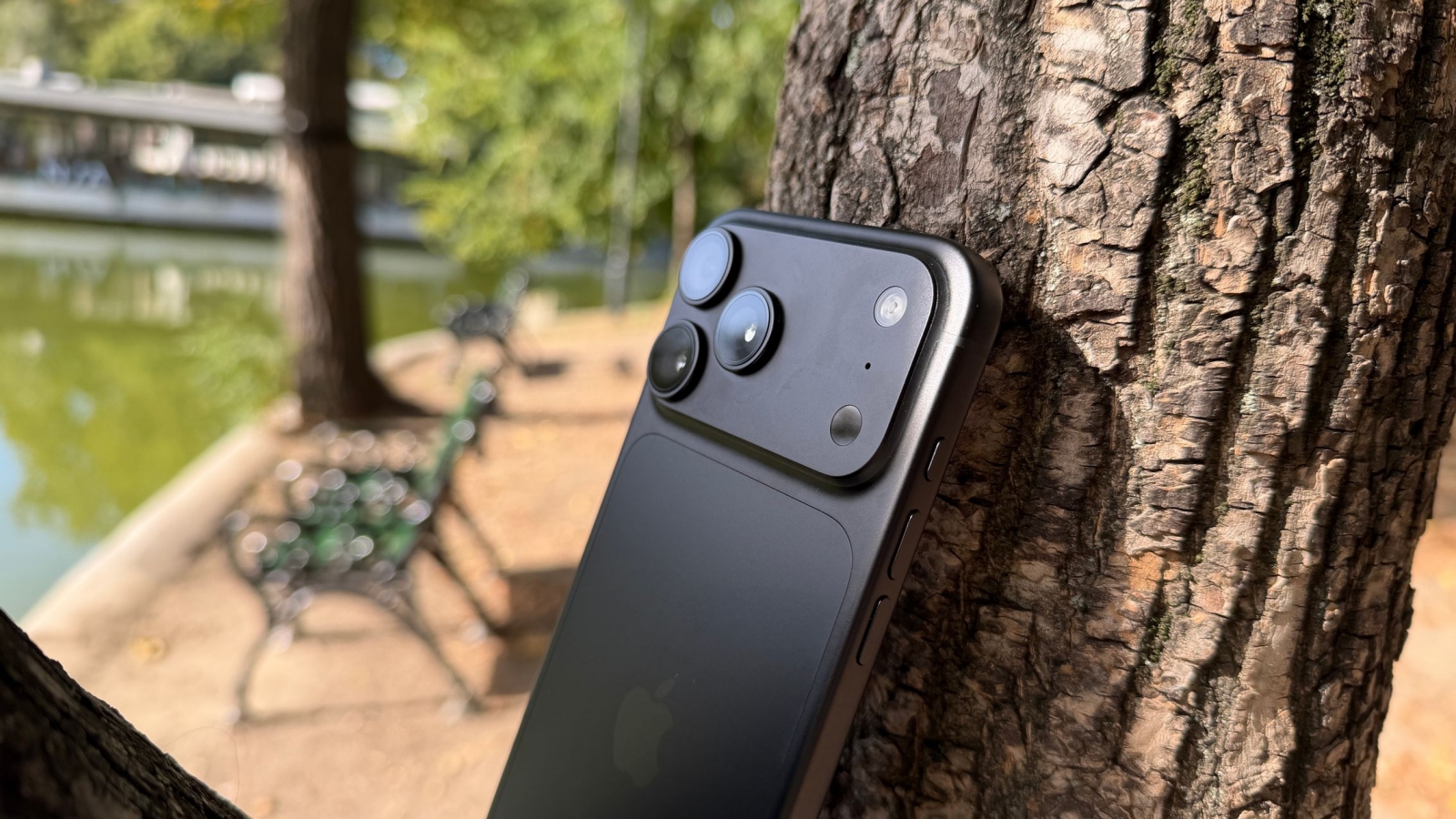
Apple’s iPhone 18 Pro Max brings a variable-aperture system to its main camera, allowing the 48MP wide sensor to shift between f/1.5 and f/4.0. The change gives photographers direct control over incoming light and depth of field, rather than relying entirely on computational background blur.
The six-blade mechanism offers f/1.5, f/1.8, f/2.8 and f/4.0 positions, with an automatic setting also available. Manual camera controls include aperture, shutter speed, exposure, focus, white balance and a histogram. A wider f/1.5 aperture can create a shallower, more natural depth of field, while f/4.0 keeps more of a scene in focus and can help restrain bright areas in strong light.

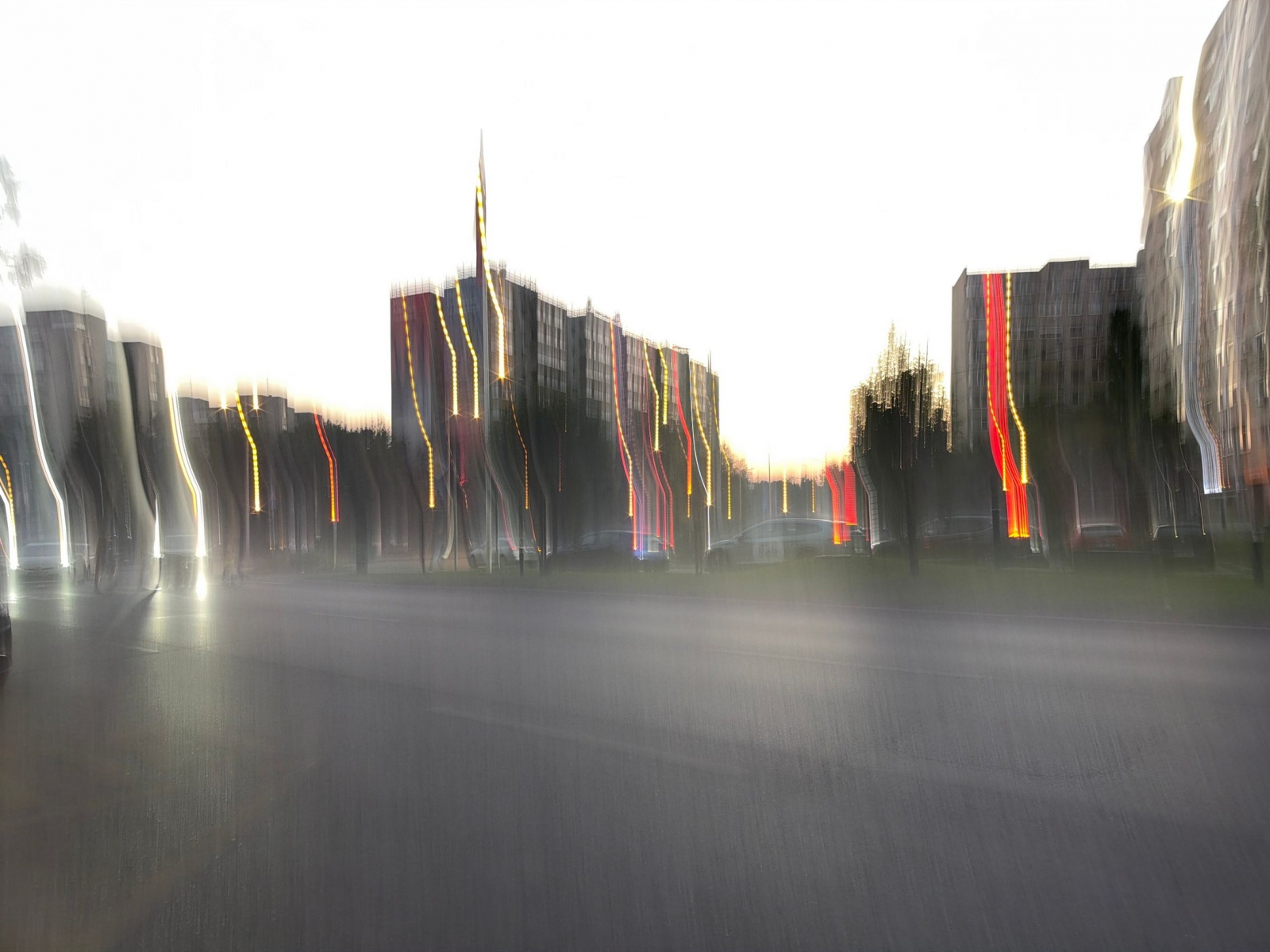
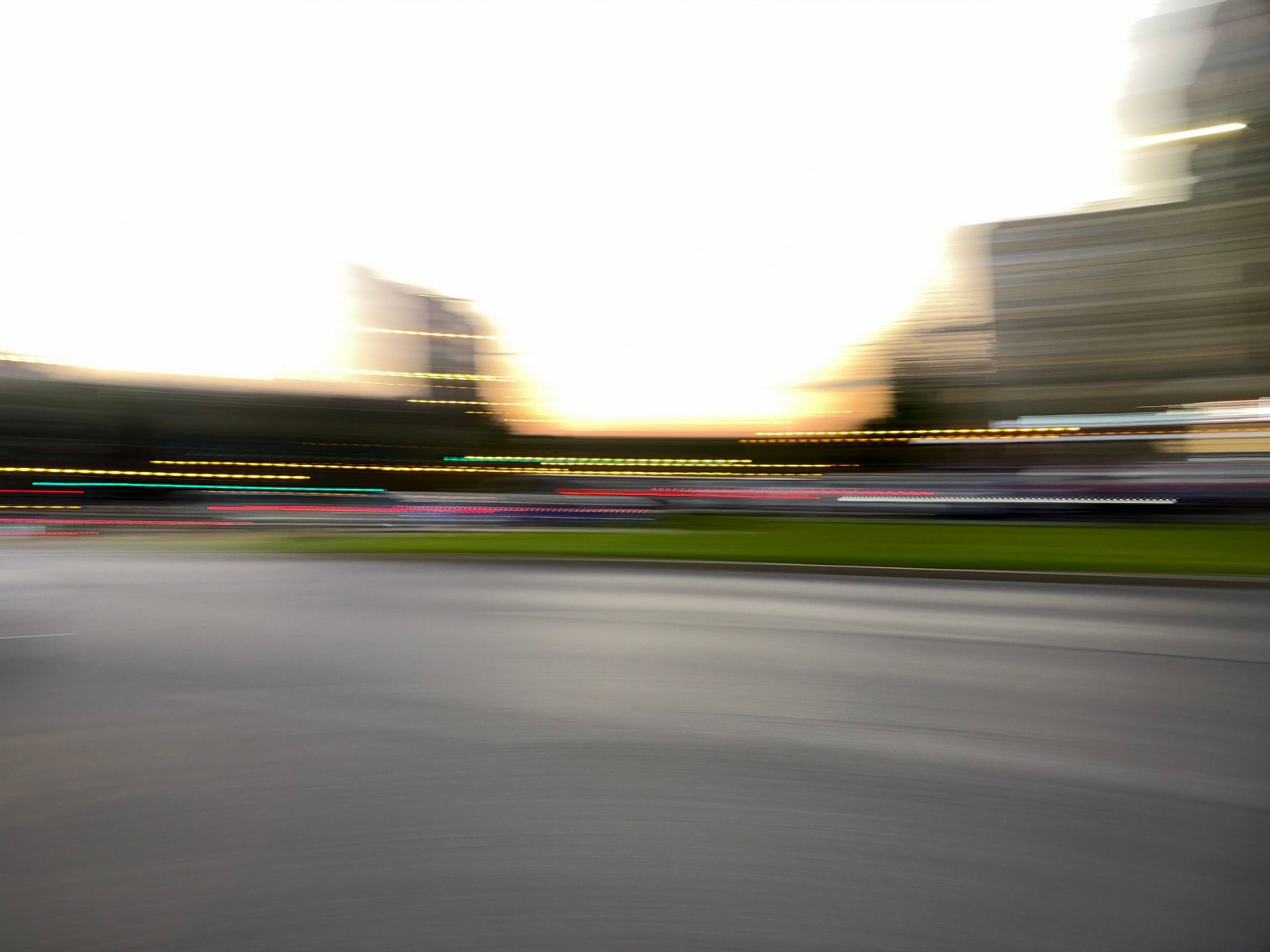
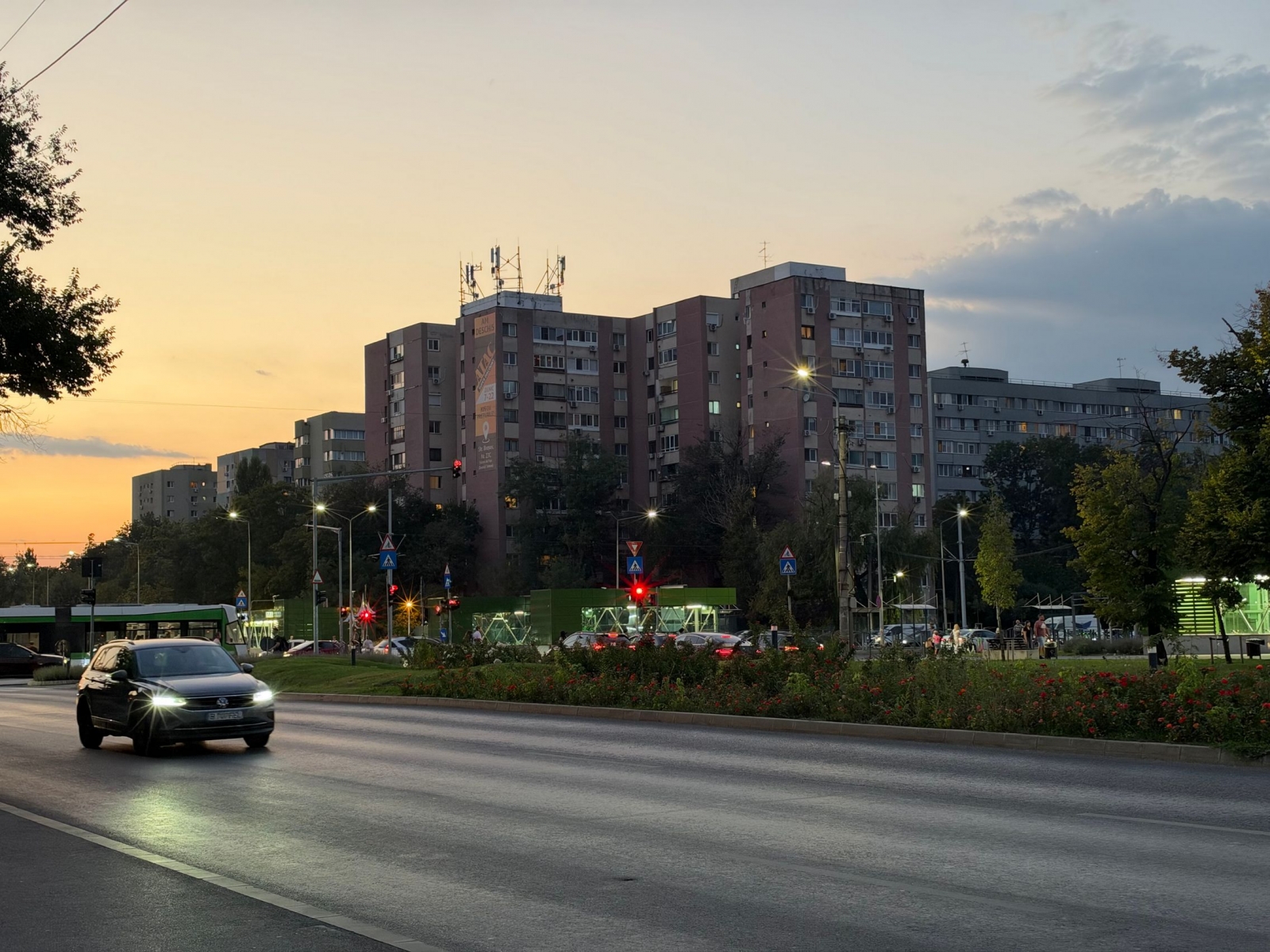
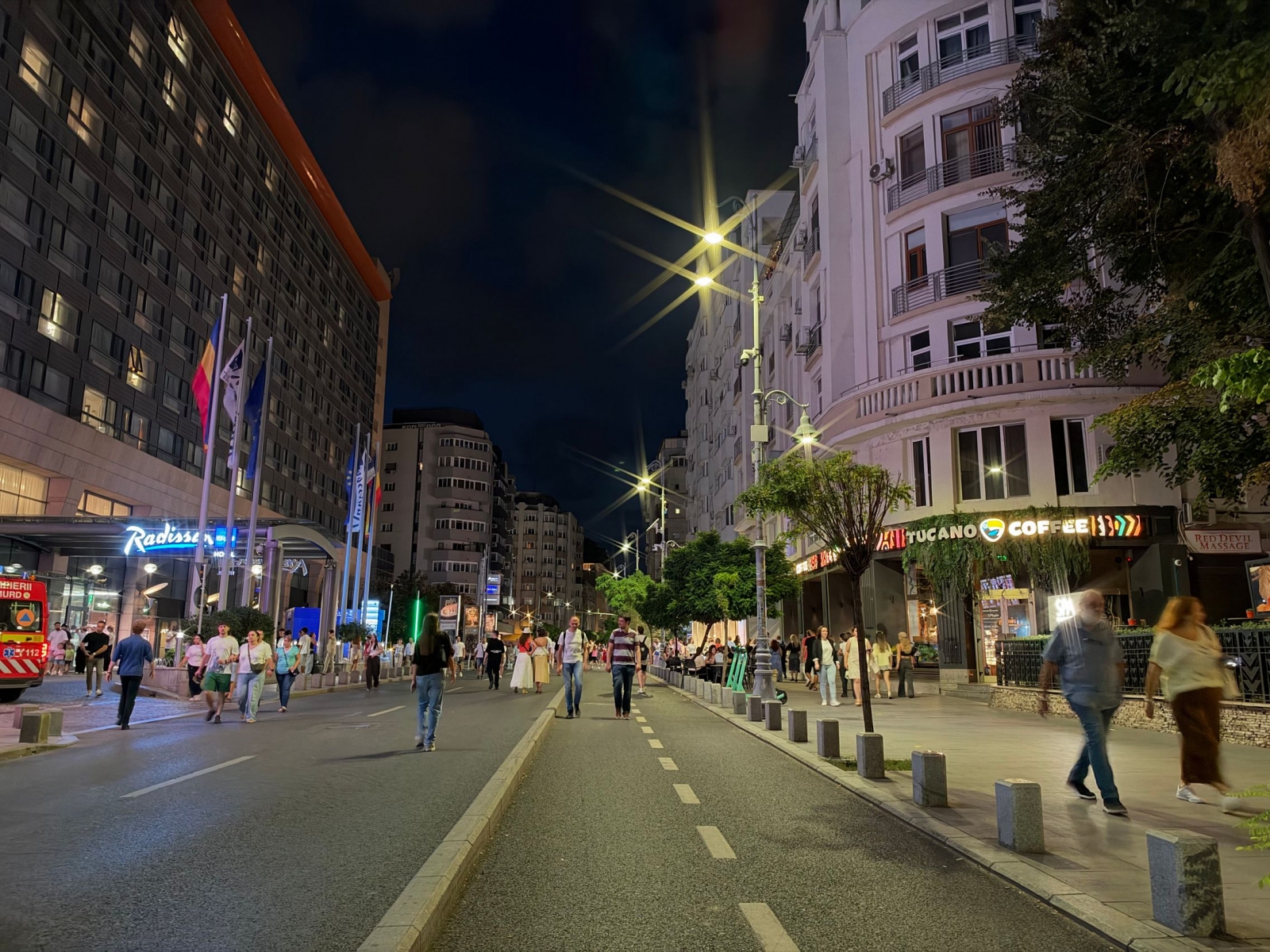
















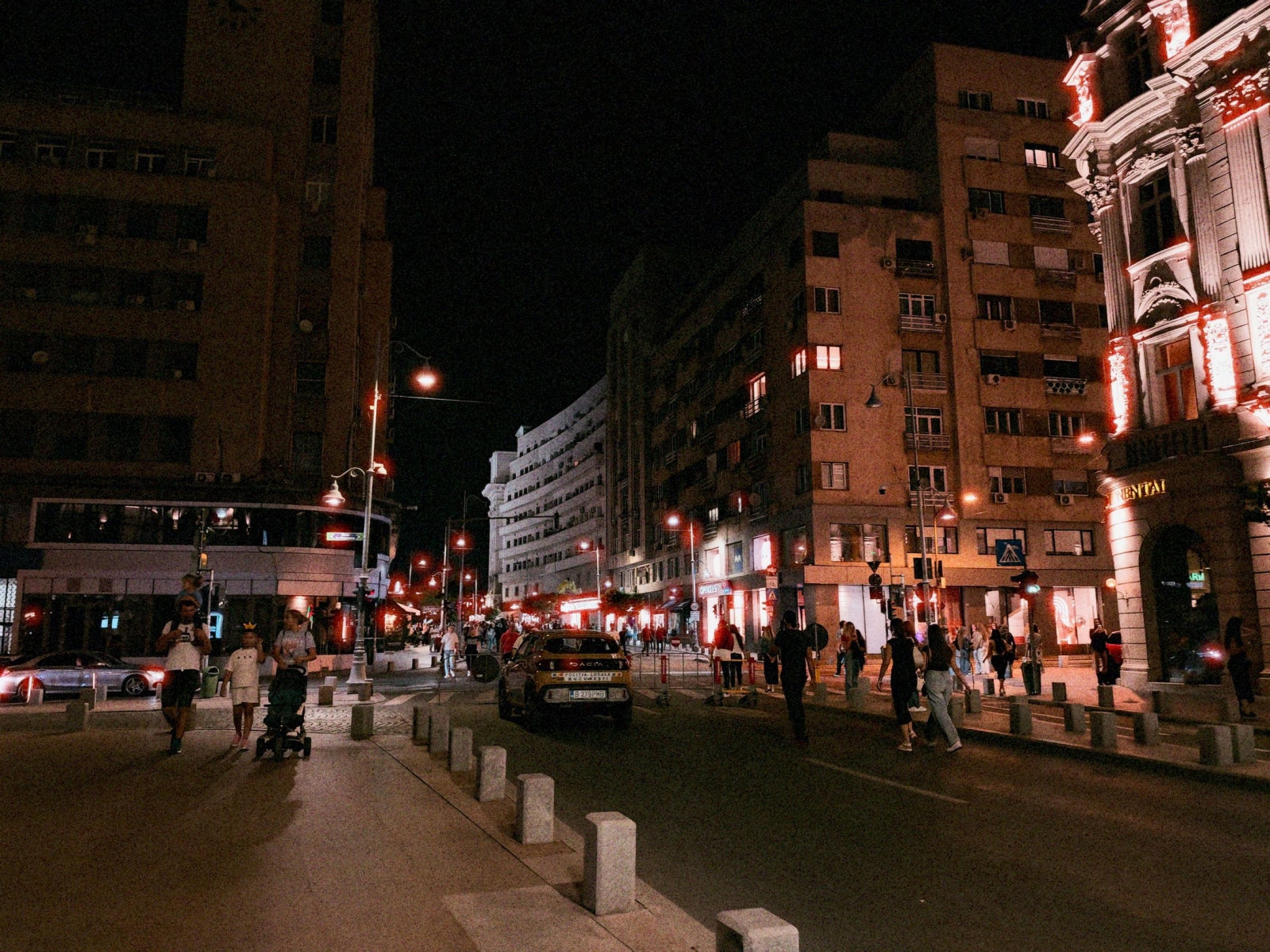

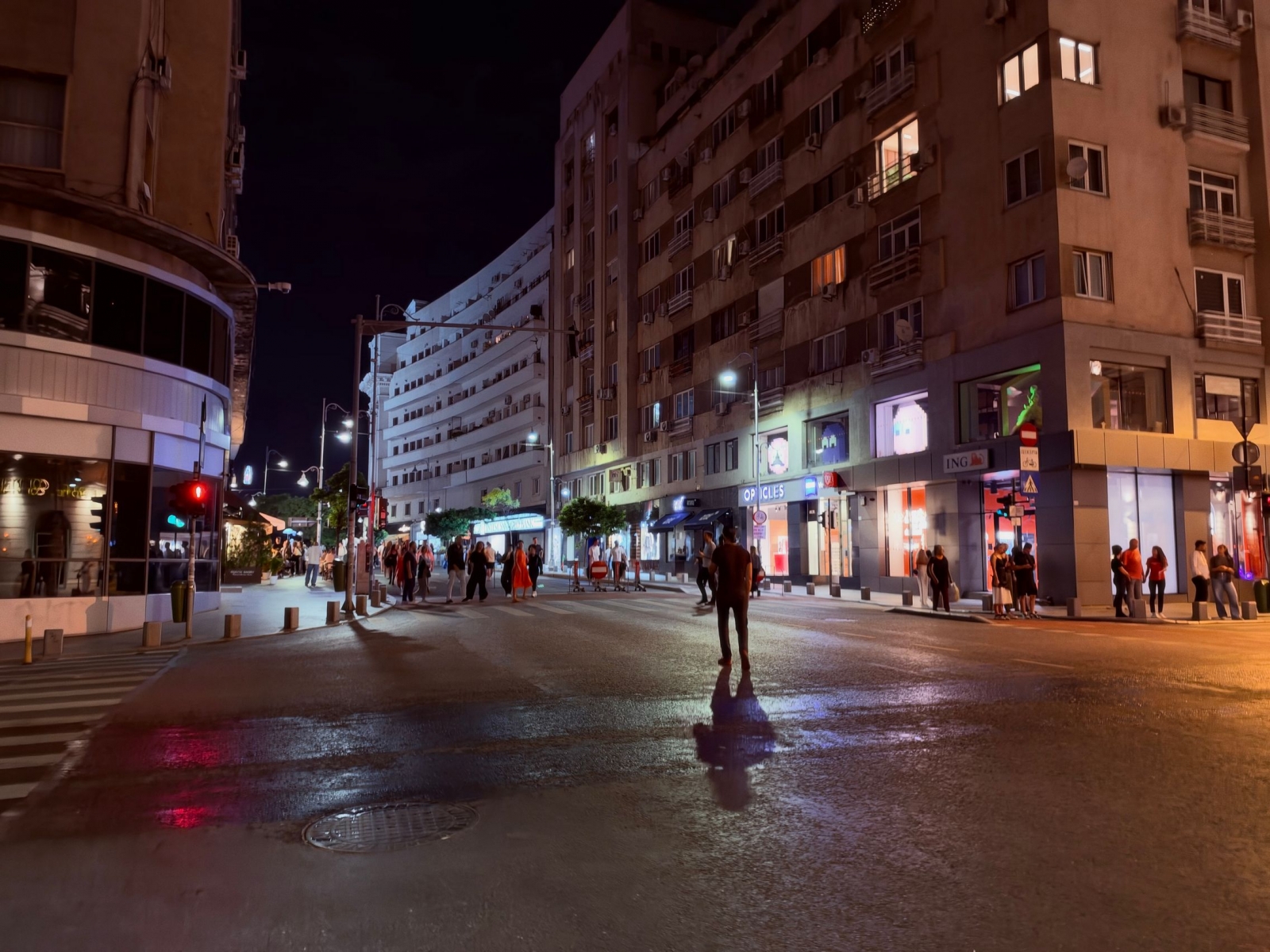
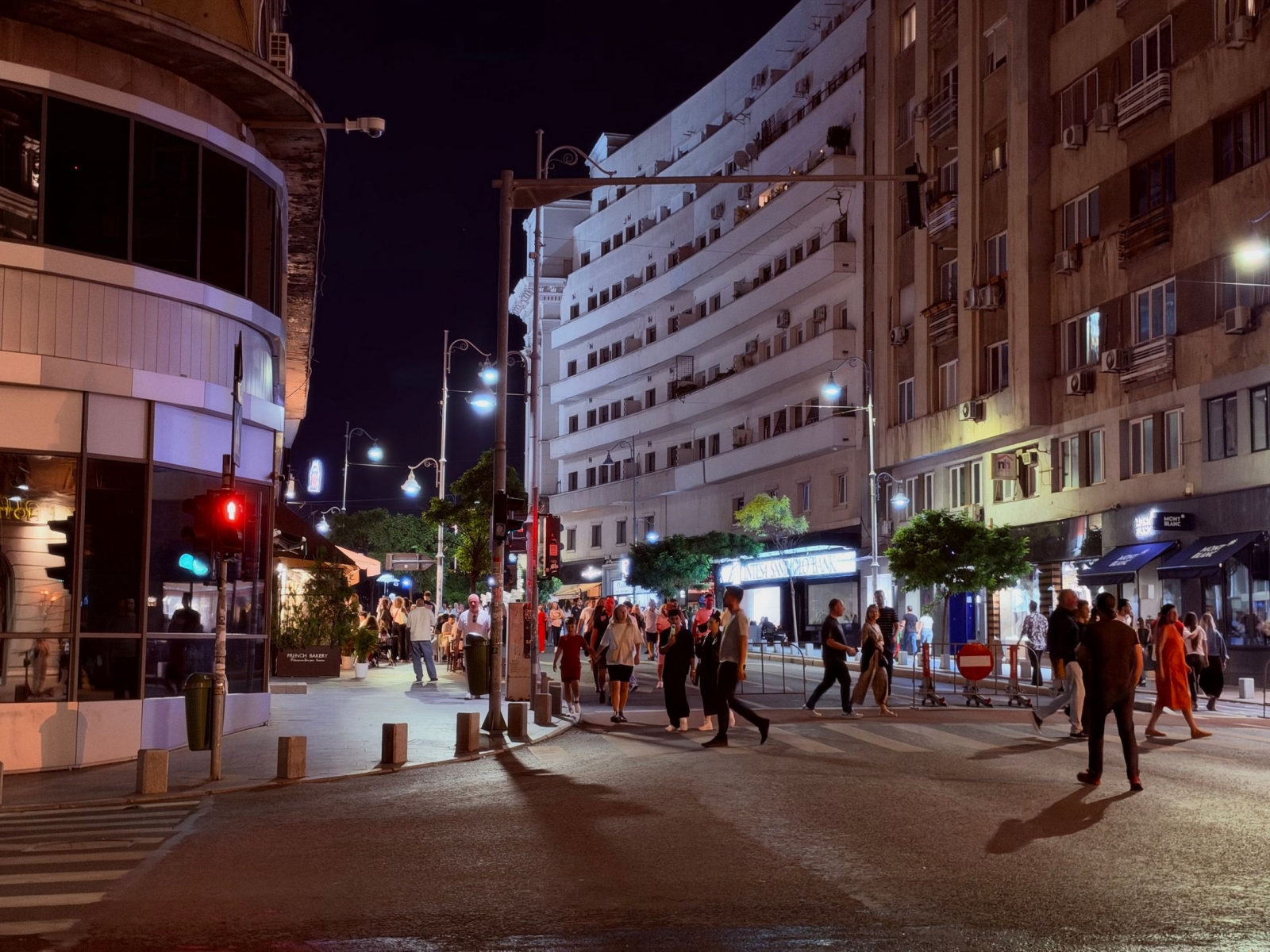

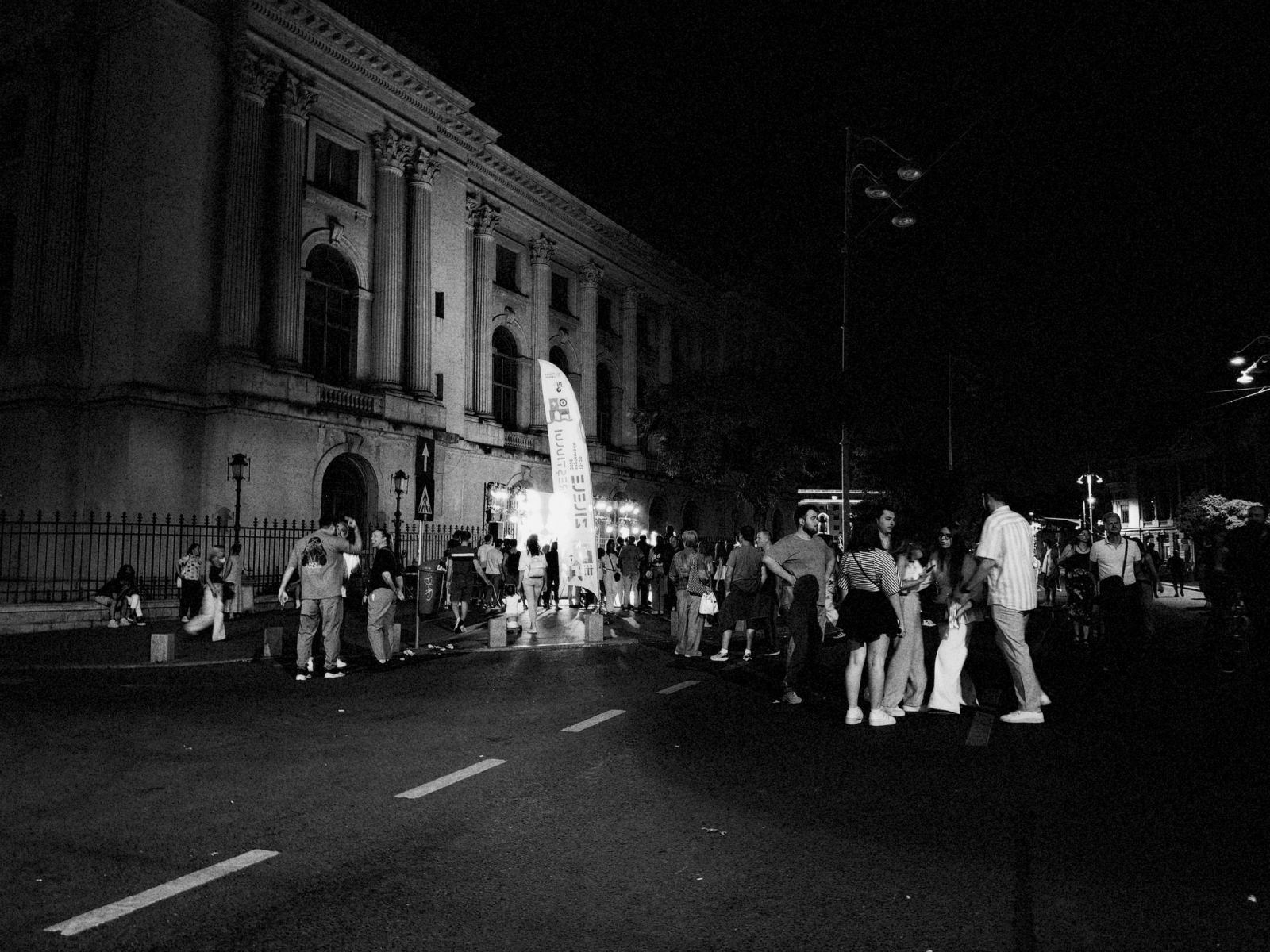



The rest of the rear-camera hardware remains broadly in line with the previous Pro Max generation. The setup combines a 48MP ultrawide camera and a 48MP 4x periscope telephoto camera with the new variable-aperture main sensor, while the front camera uses an 18MP sensor.


- Wide: 48MP, 24mm, f/1.5–f/4.0, 1/1.28-inch sensor, dual-pixel PDAF and second-generation sensor-shift OIS.
- Ultrawide: 48MP, 13mm, f/2.2, 120-degree field of view, PDAF and 1/2.55-inch sensor.
- Periscope telephoto: 48MP, 100mm, f/2.0, 4x optical zoom, PDAF, 3D sensor-shift OIS and 1/2.55-inch sensor.
- Front camera: 18MP, 20mm, f/1.9 and PDAF.

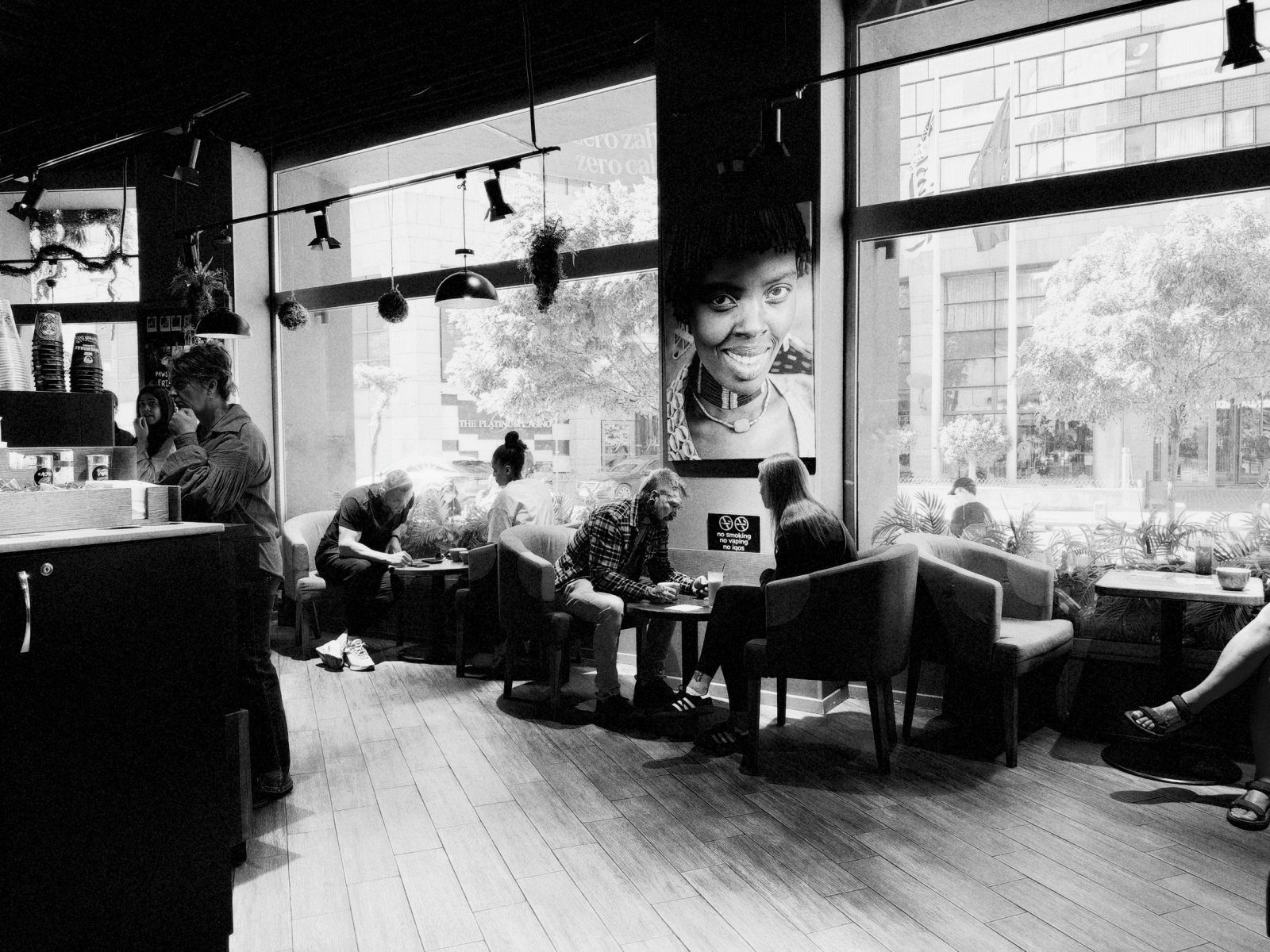

















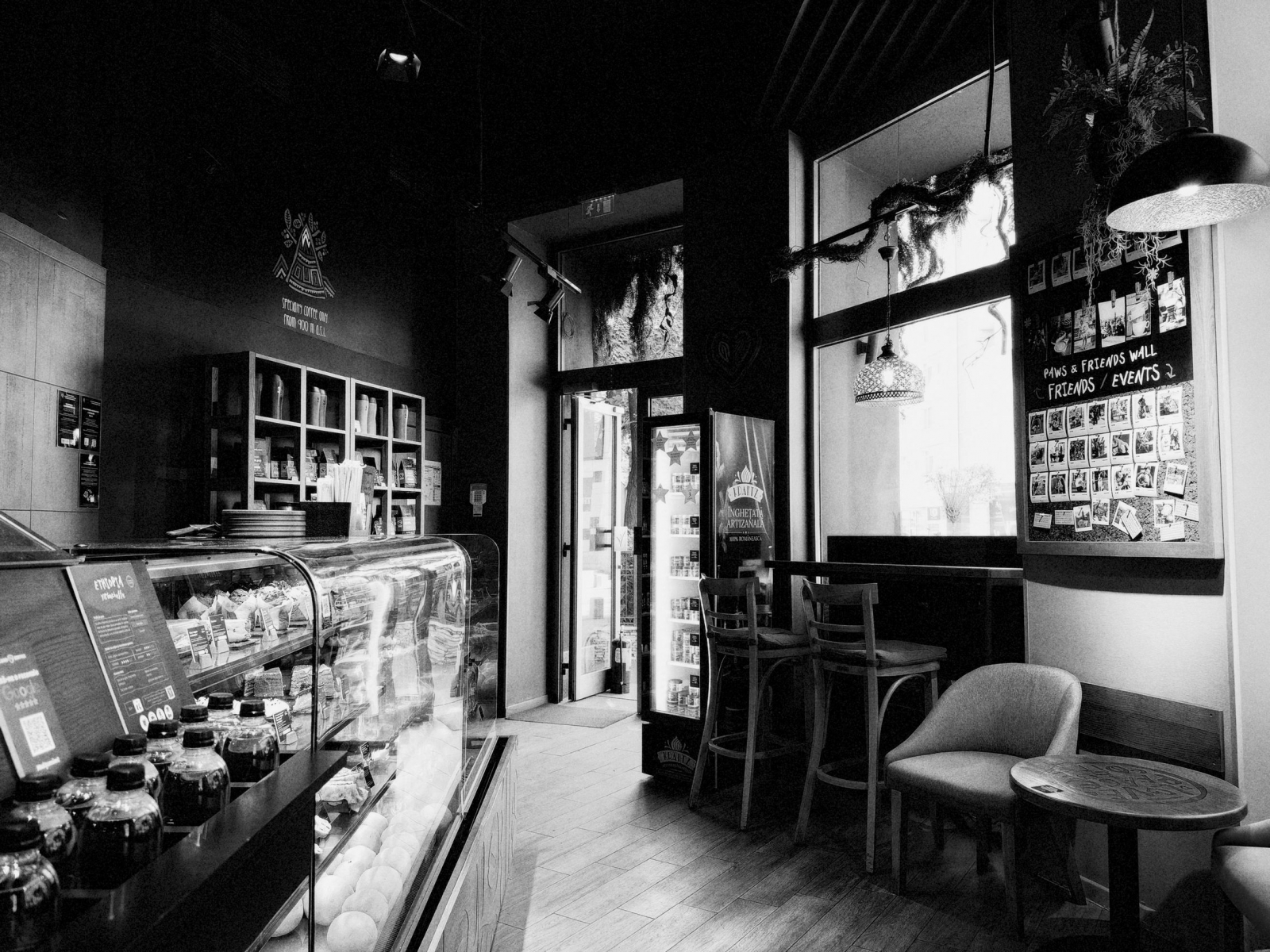
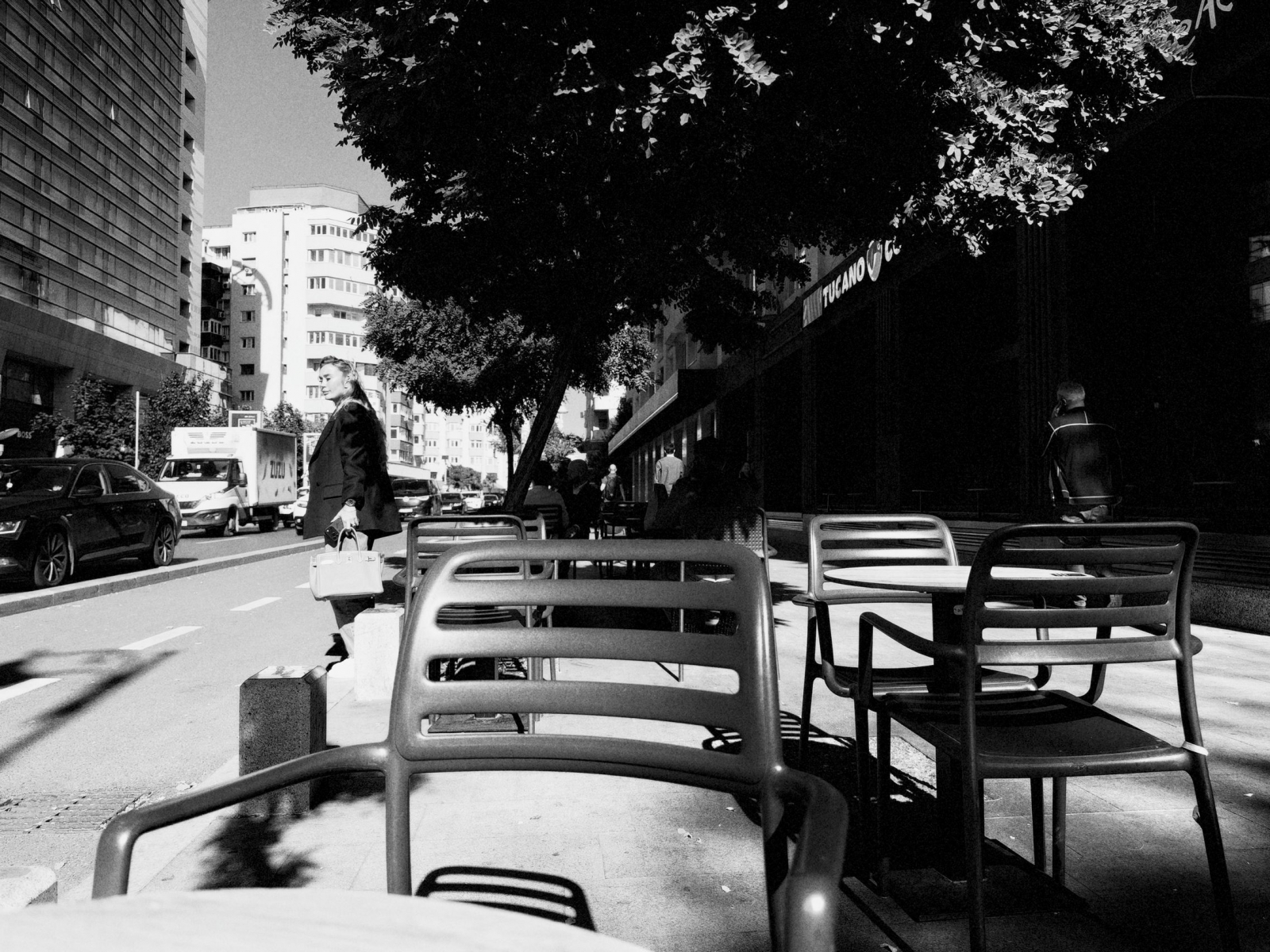




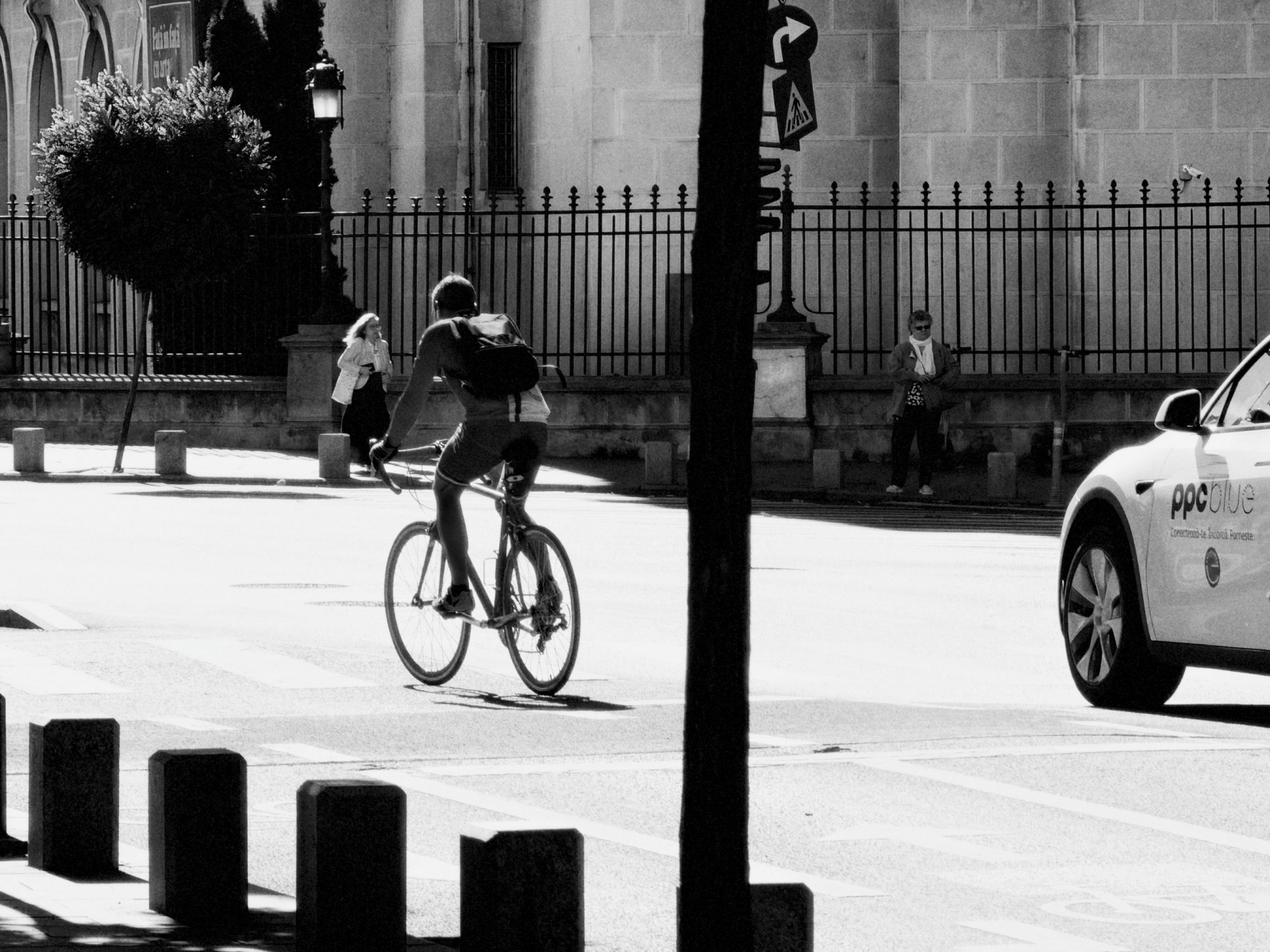

















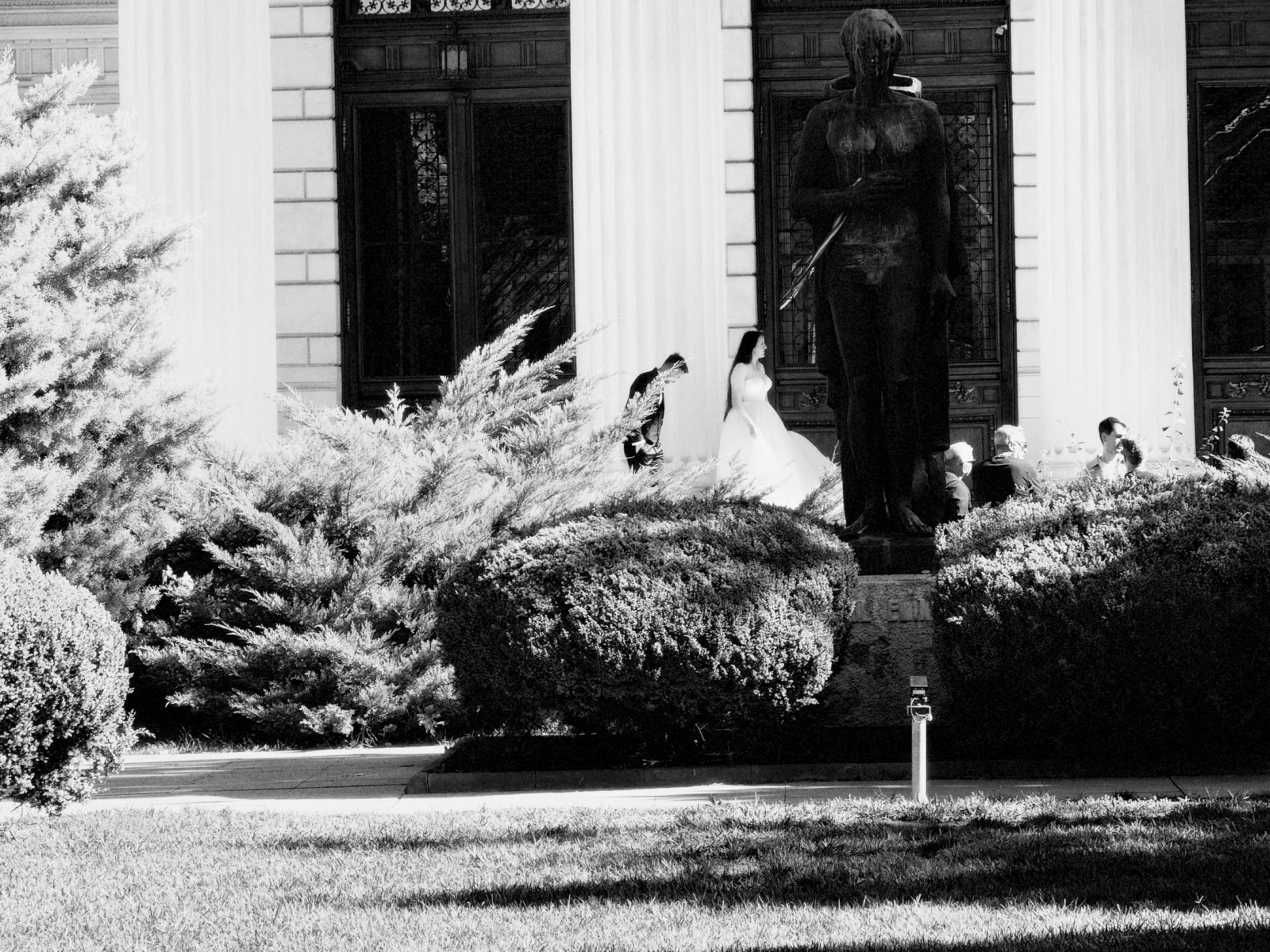




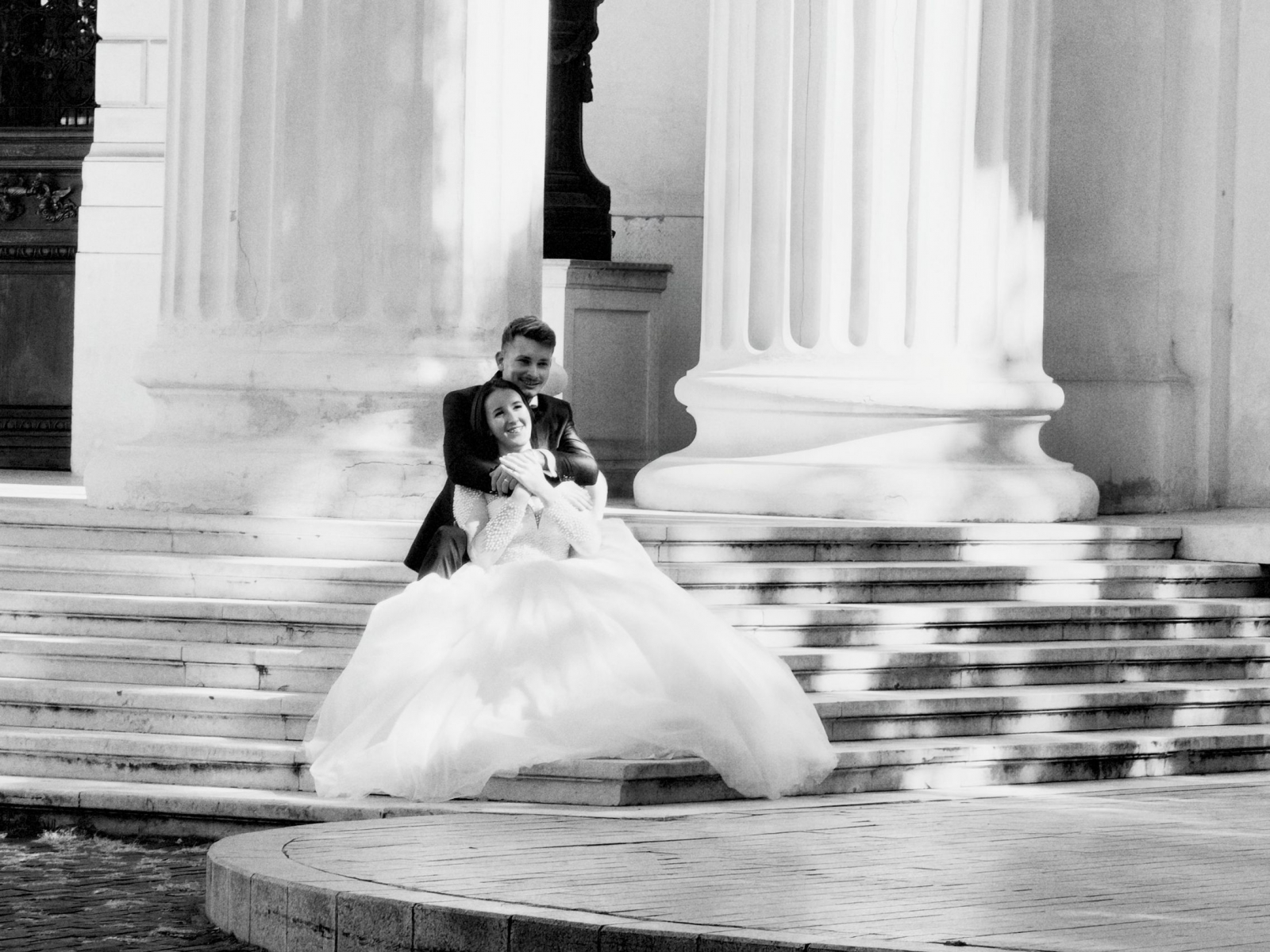





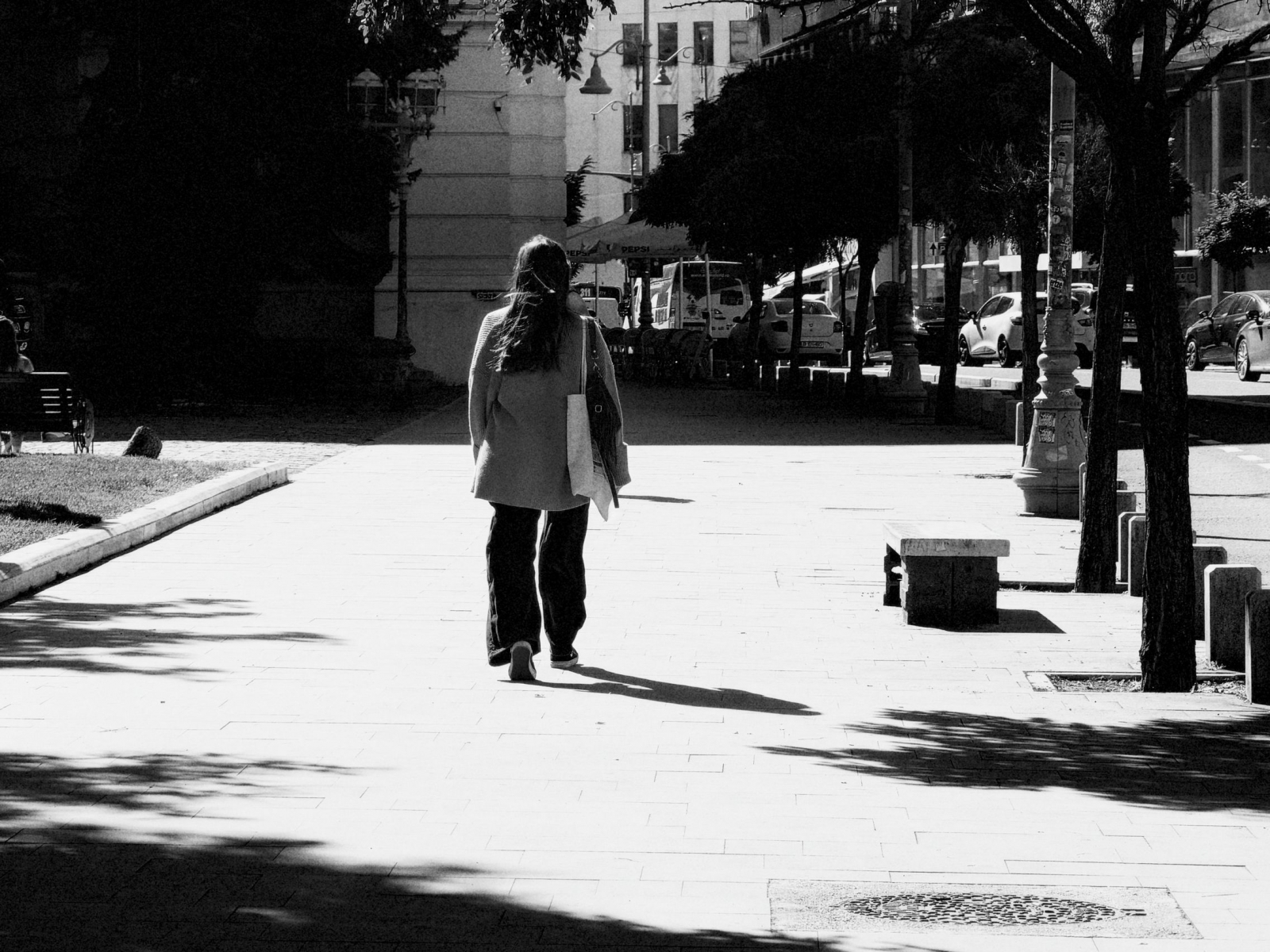



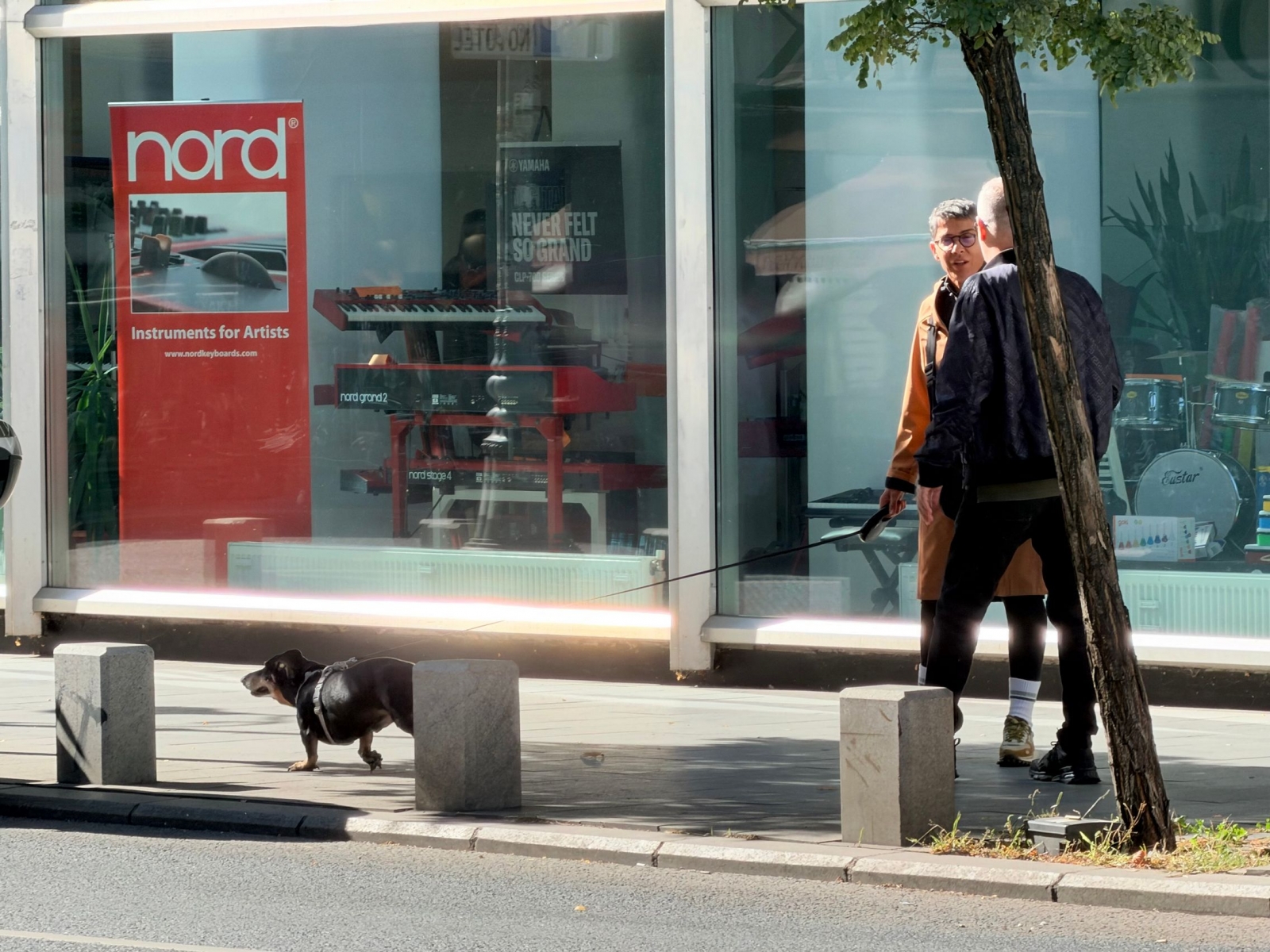



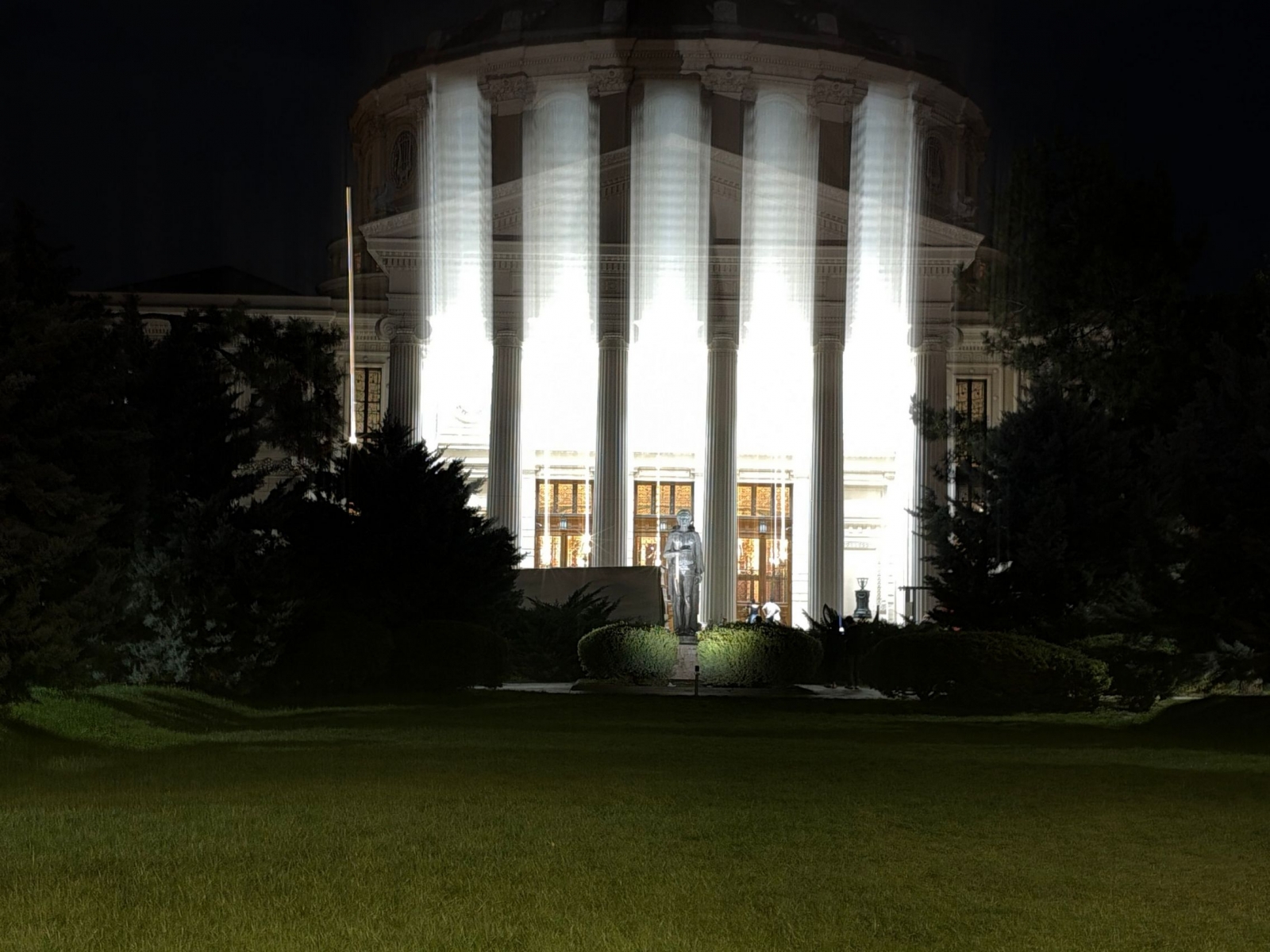
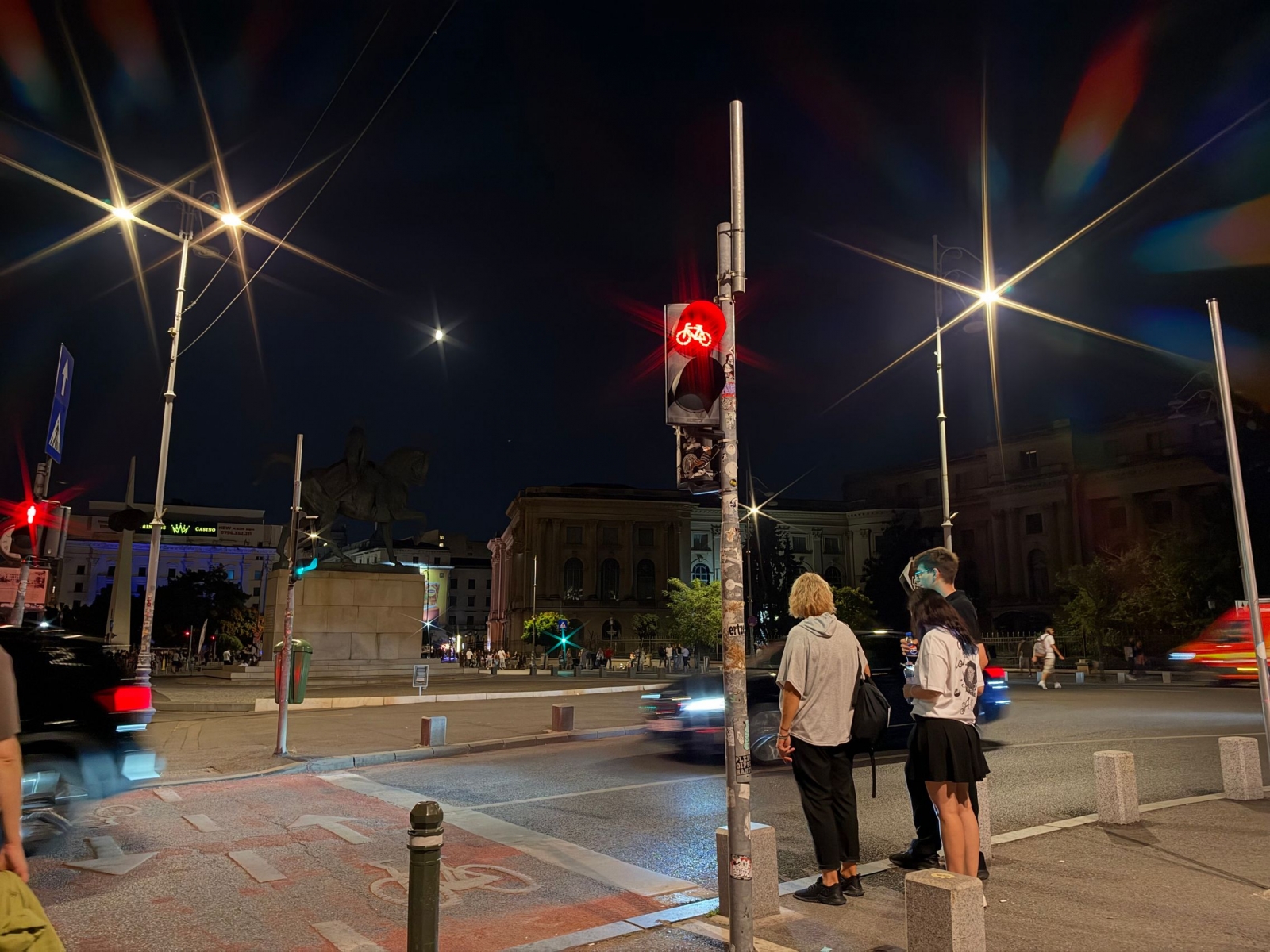
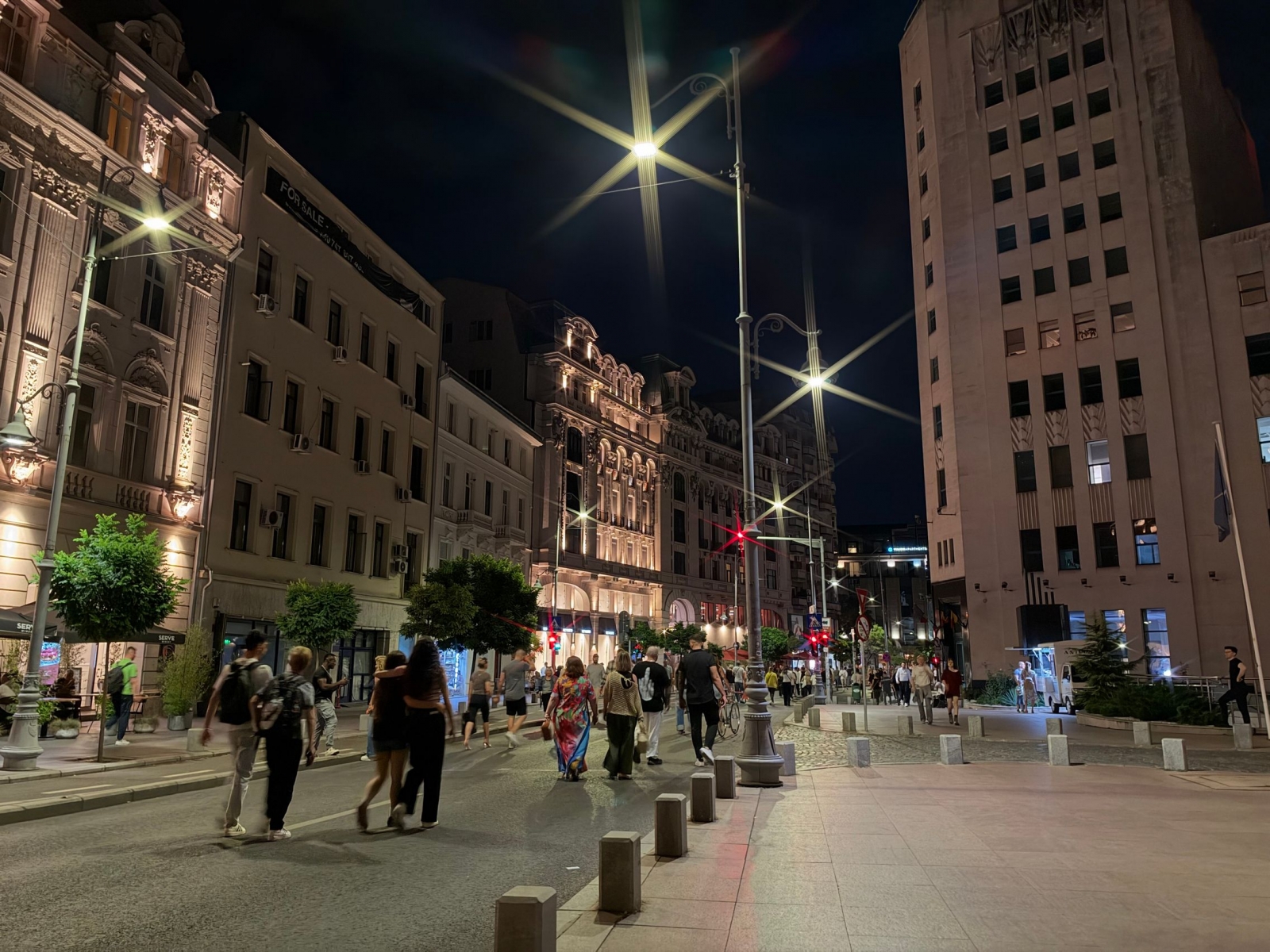
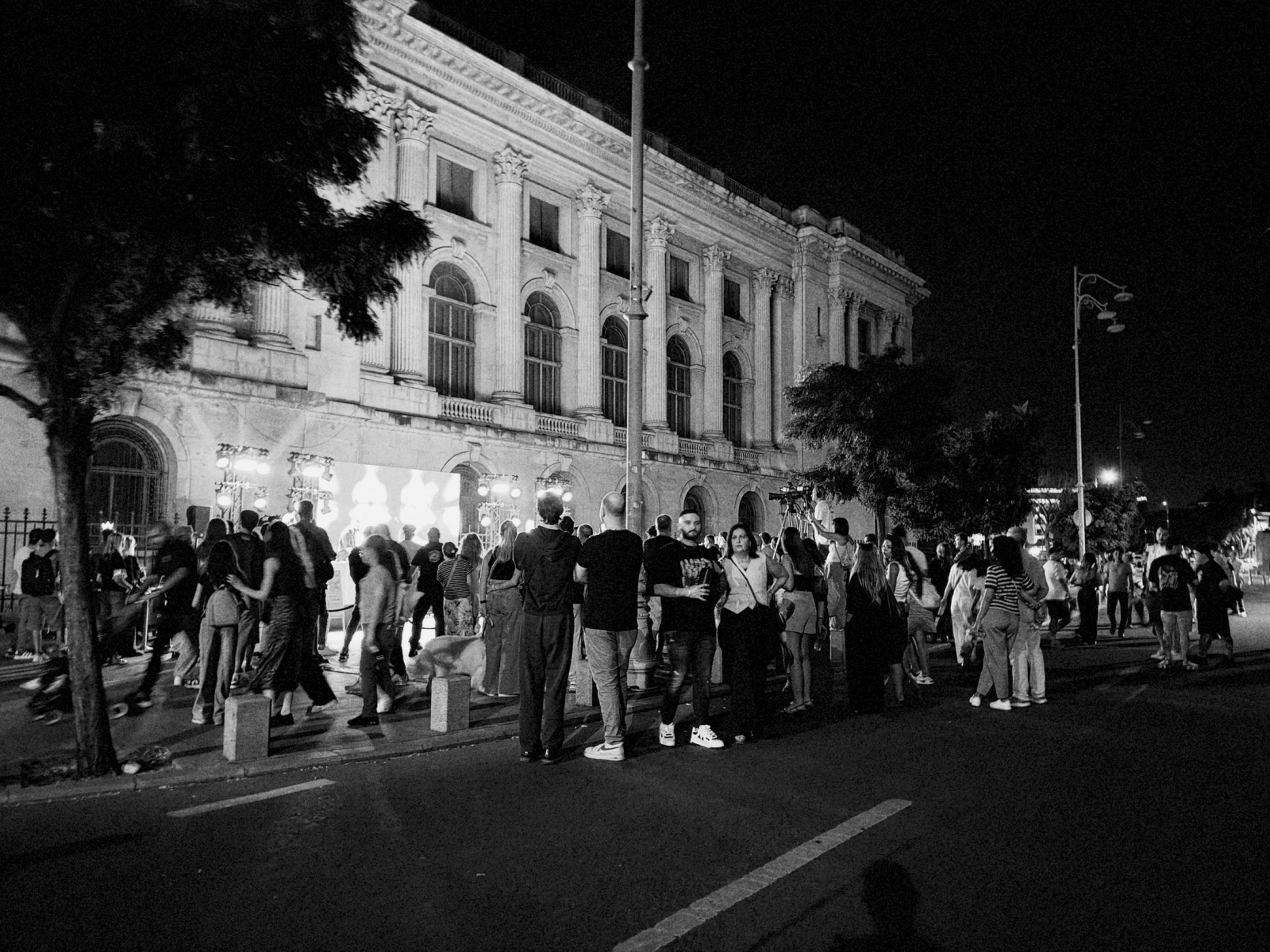
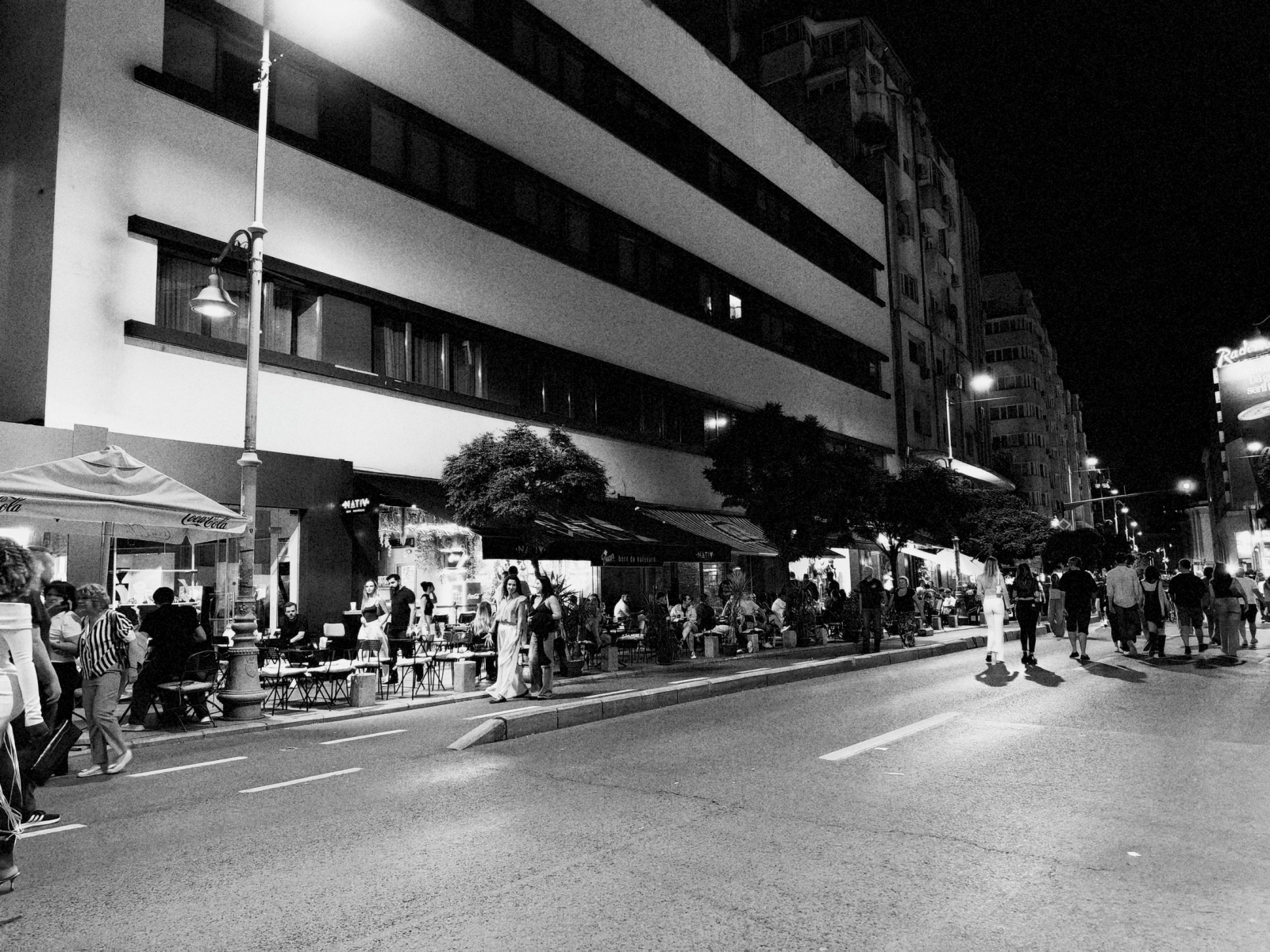
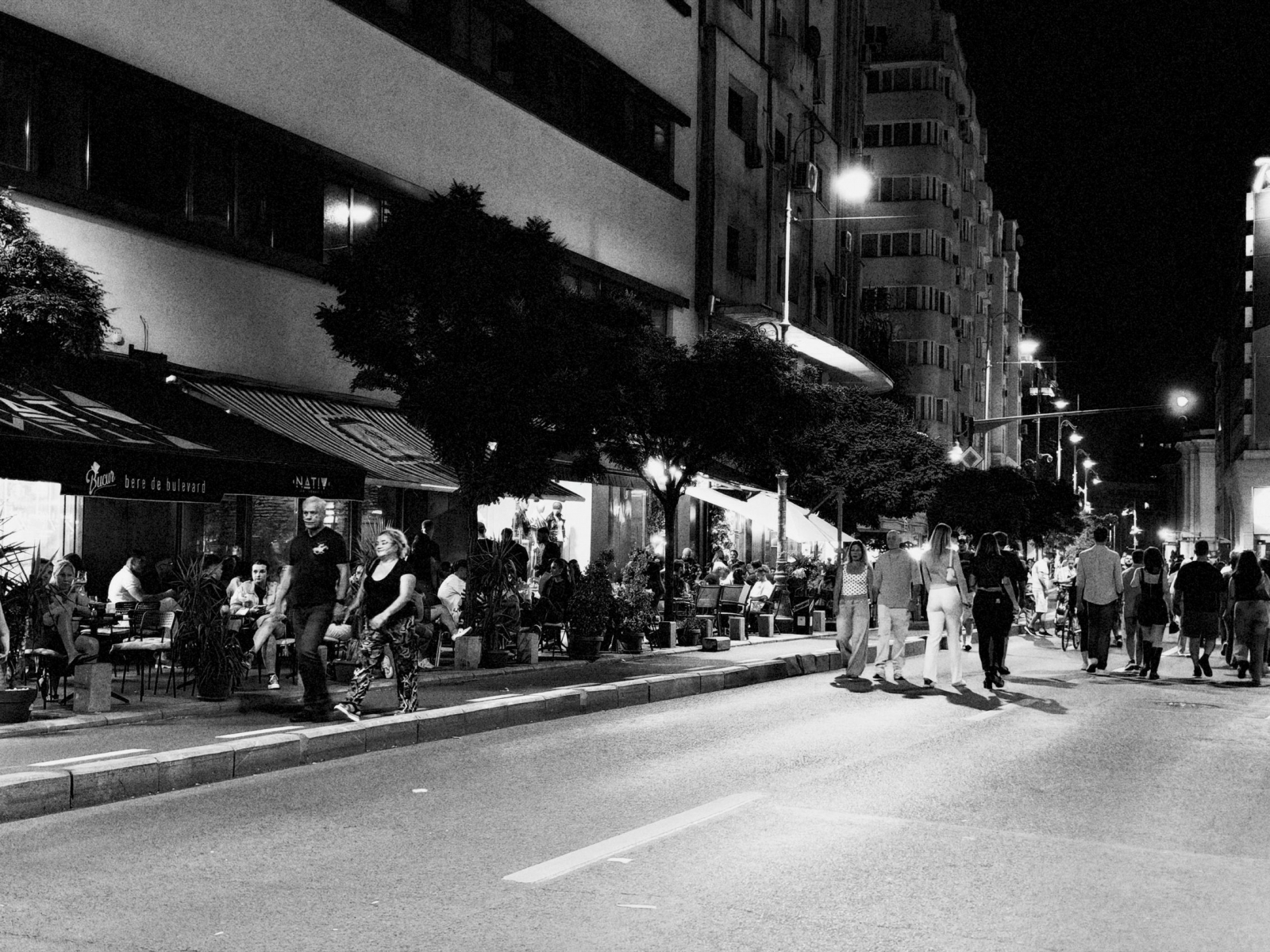
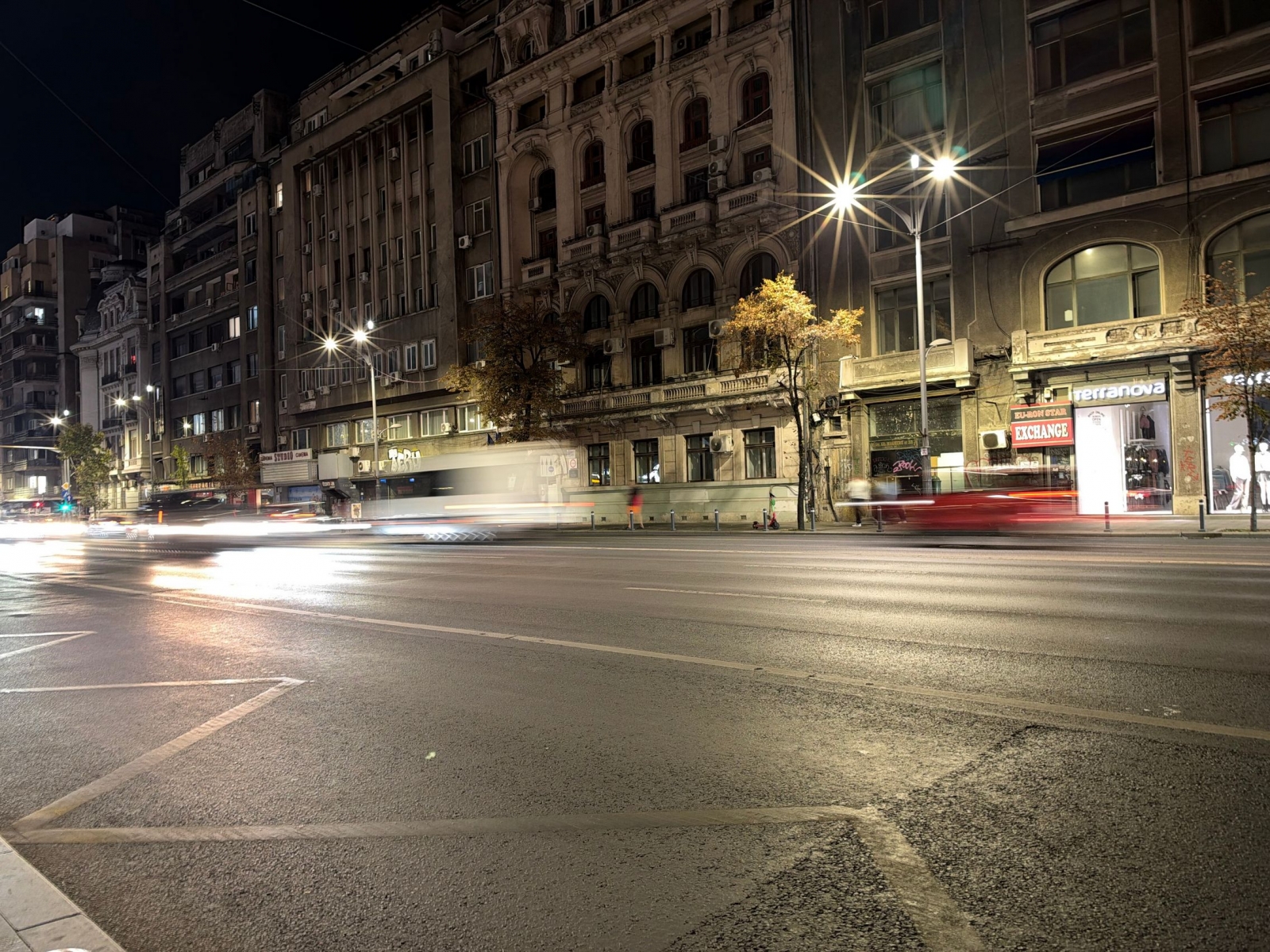
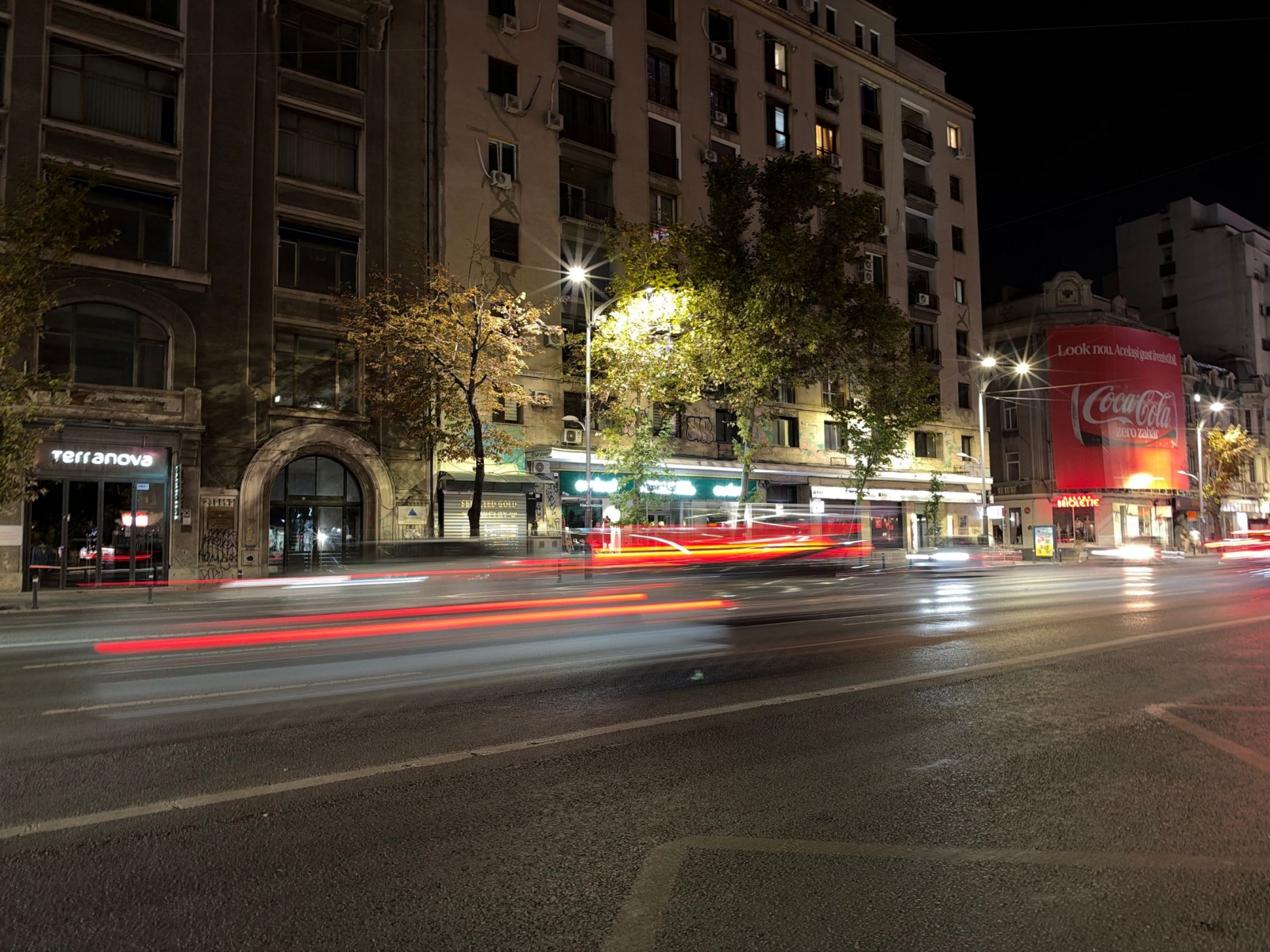
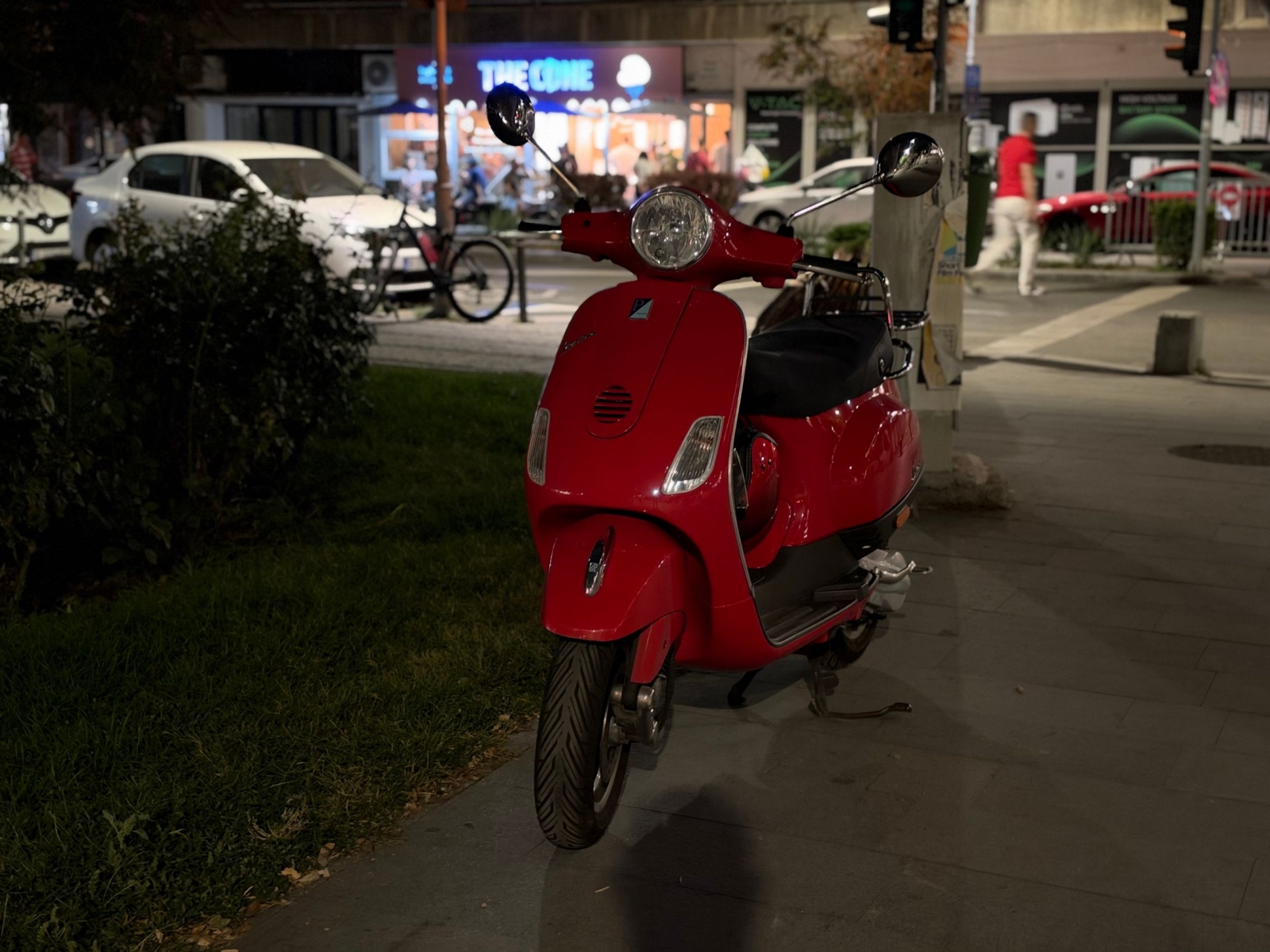
In testing, the aperture adjustment was most useful for close-ups. At f/1.5, subjects could be isolated with optical background separation; at f/4.0, backgrounds became substantially clearer. The narrower setting also produces starburst patterns around point light sources. For most shooting, Auto mode remains the practical default, but the physical aperture adds a control unavailable on recent iPhones.

Photo Styles and iOS 27 edits
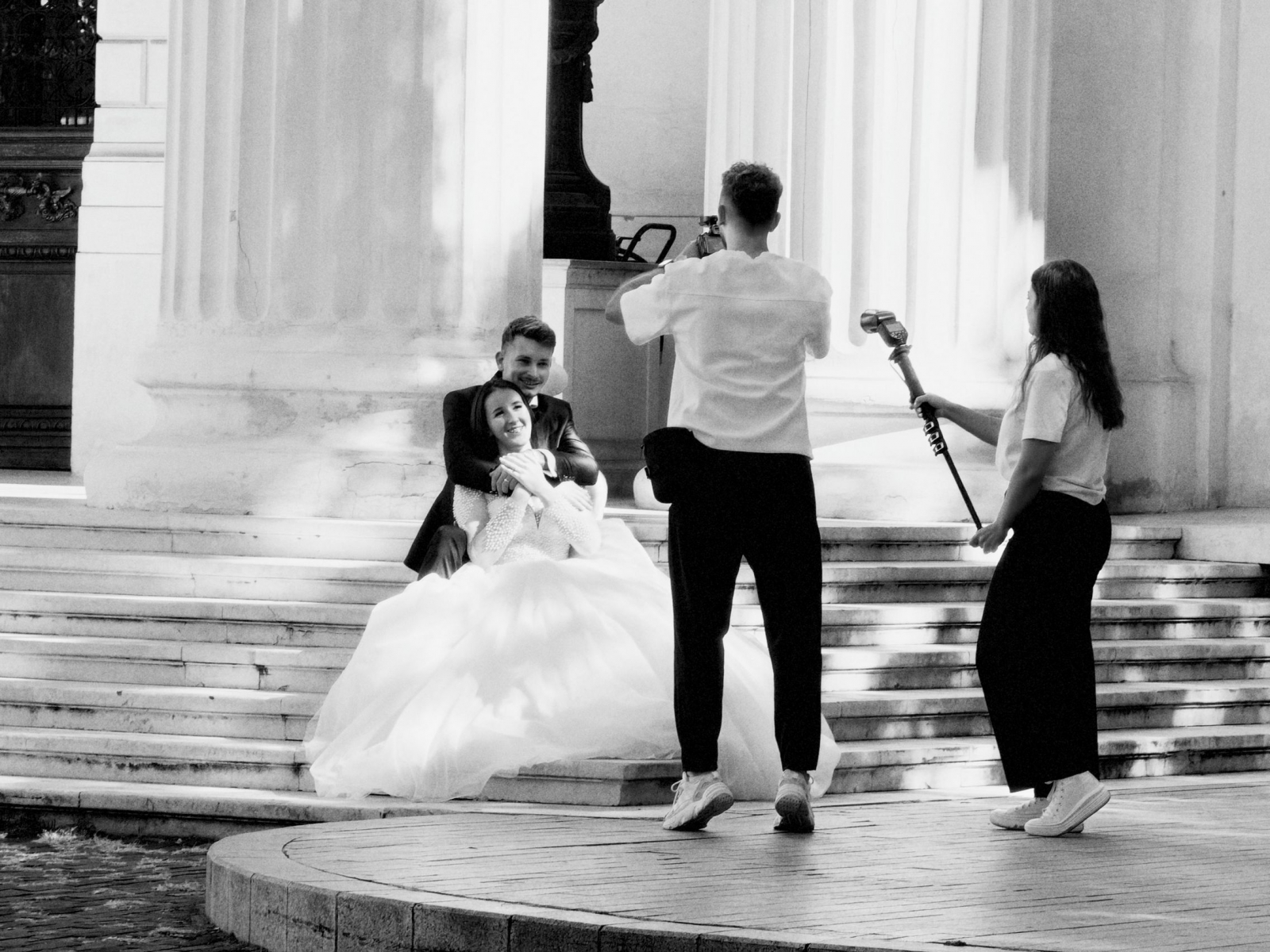
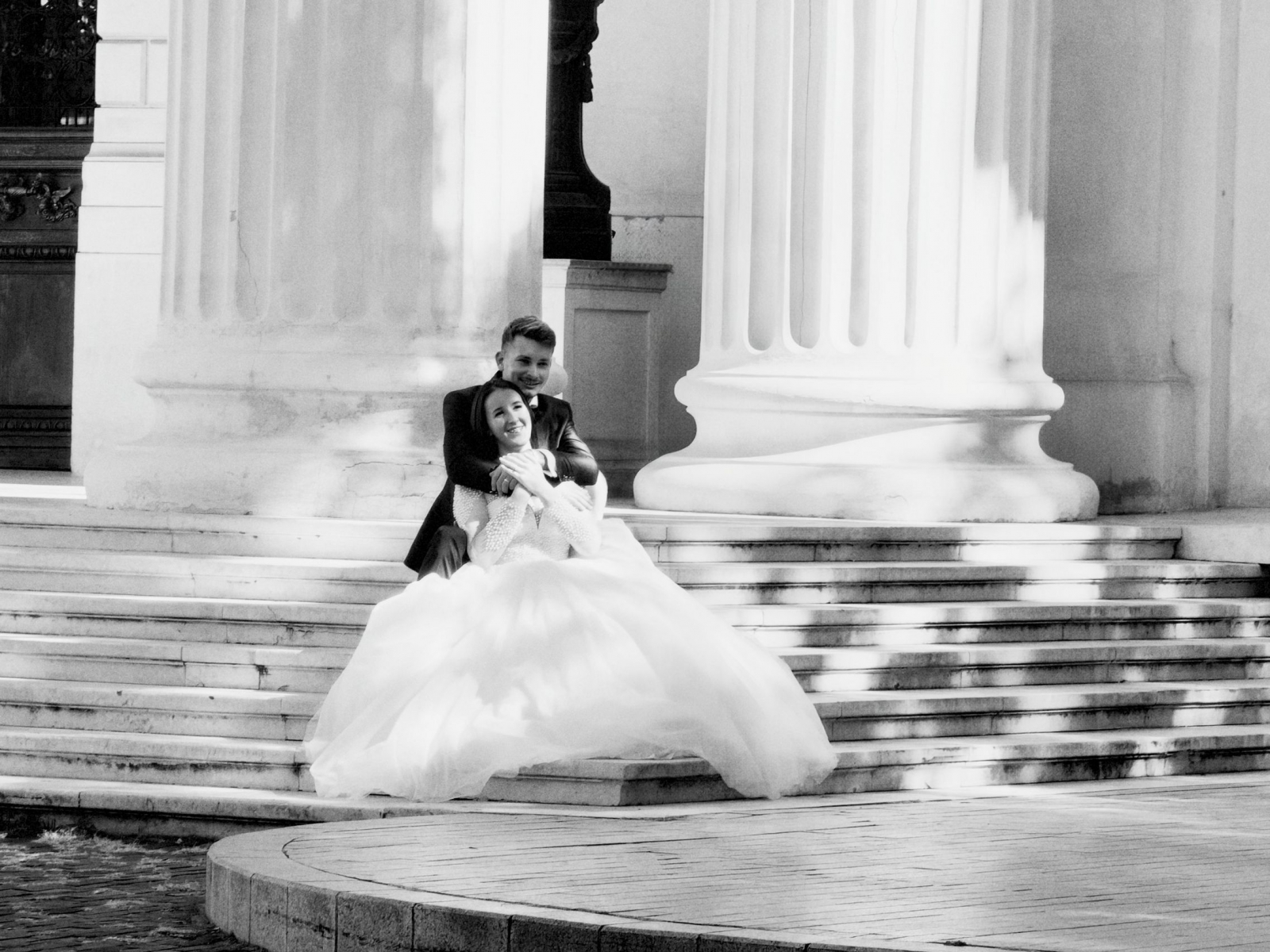
Apple has also added a new set of Photo Styles for the iPhone 18 Pro, iPhone 18 Pro Max and iPhone Duo. Styles can be changed after capture, and users can return an edited image to its original look. There is no confirmation that the new styles will reach older iPhone models.
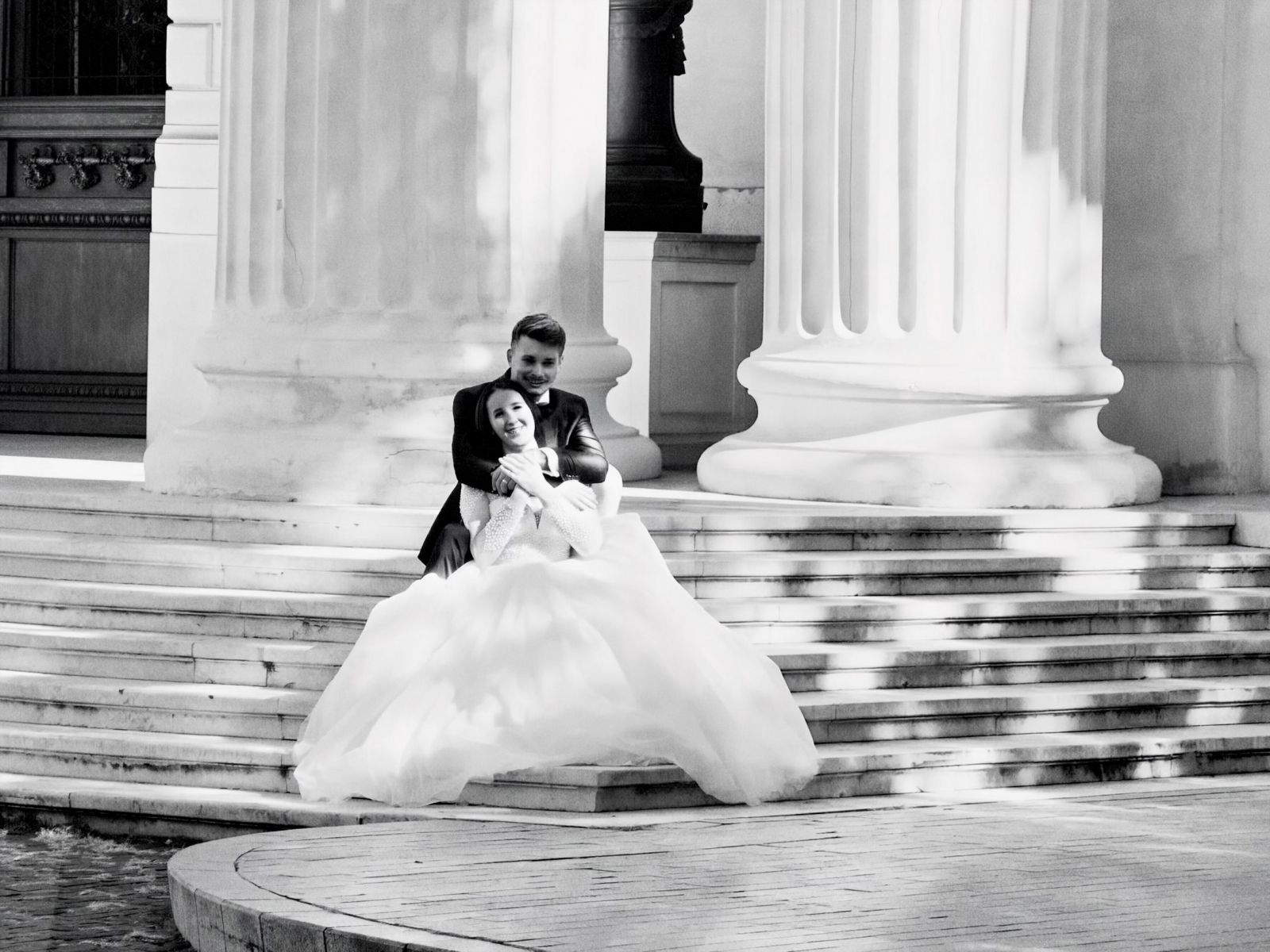

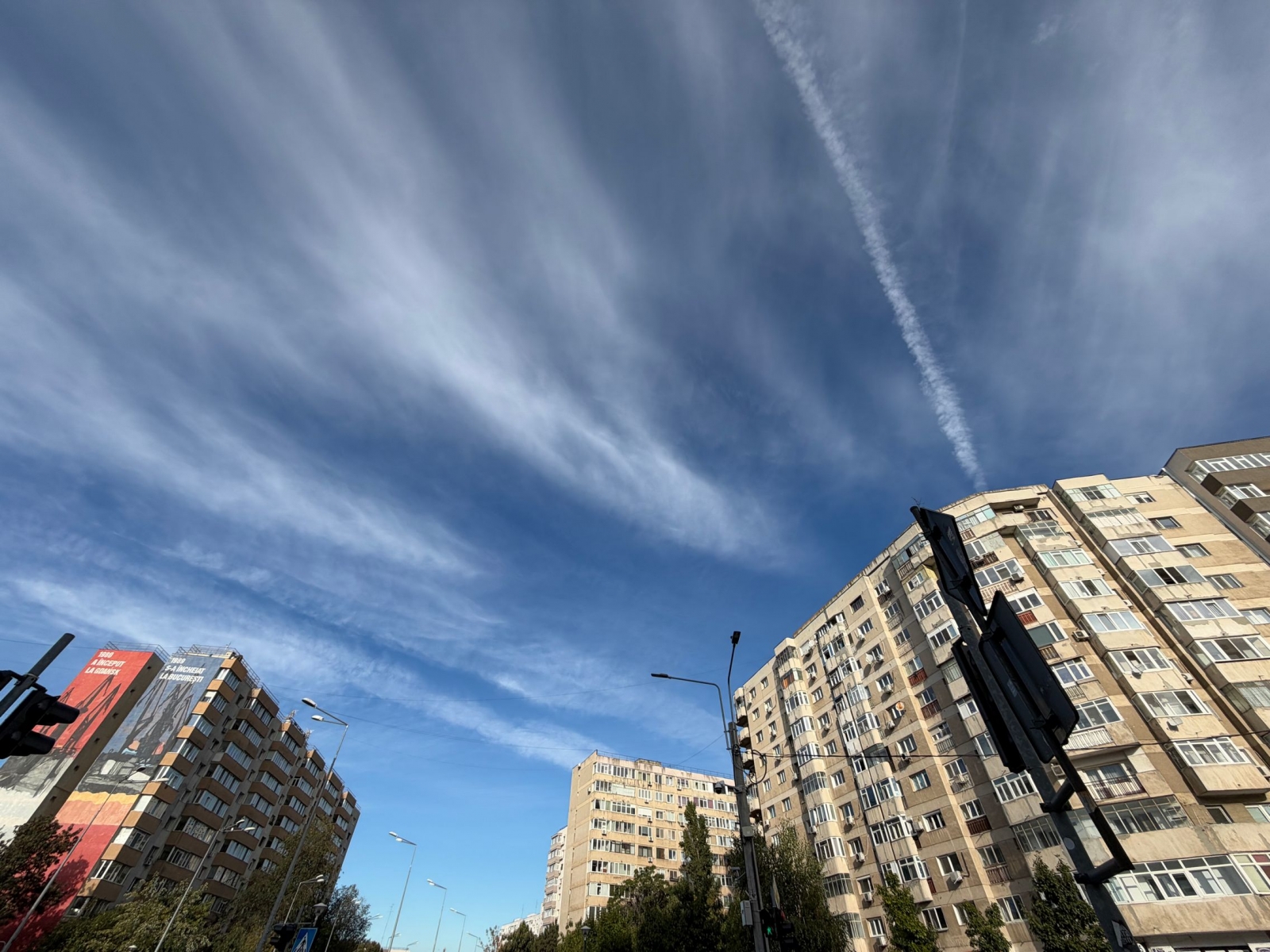
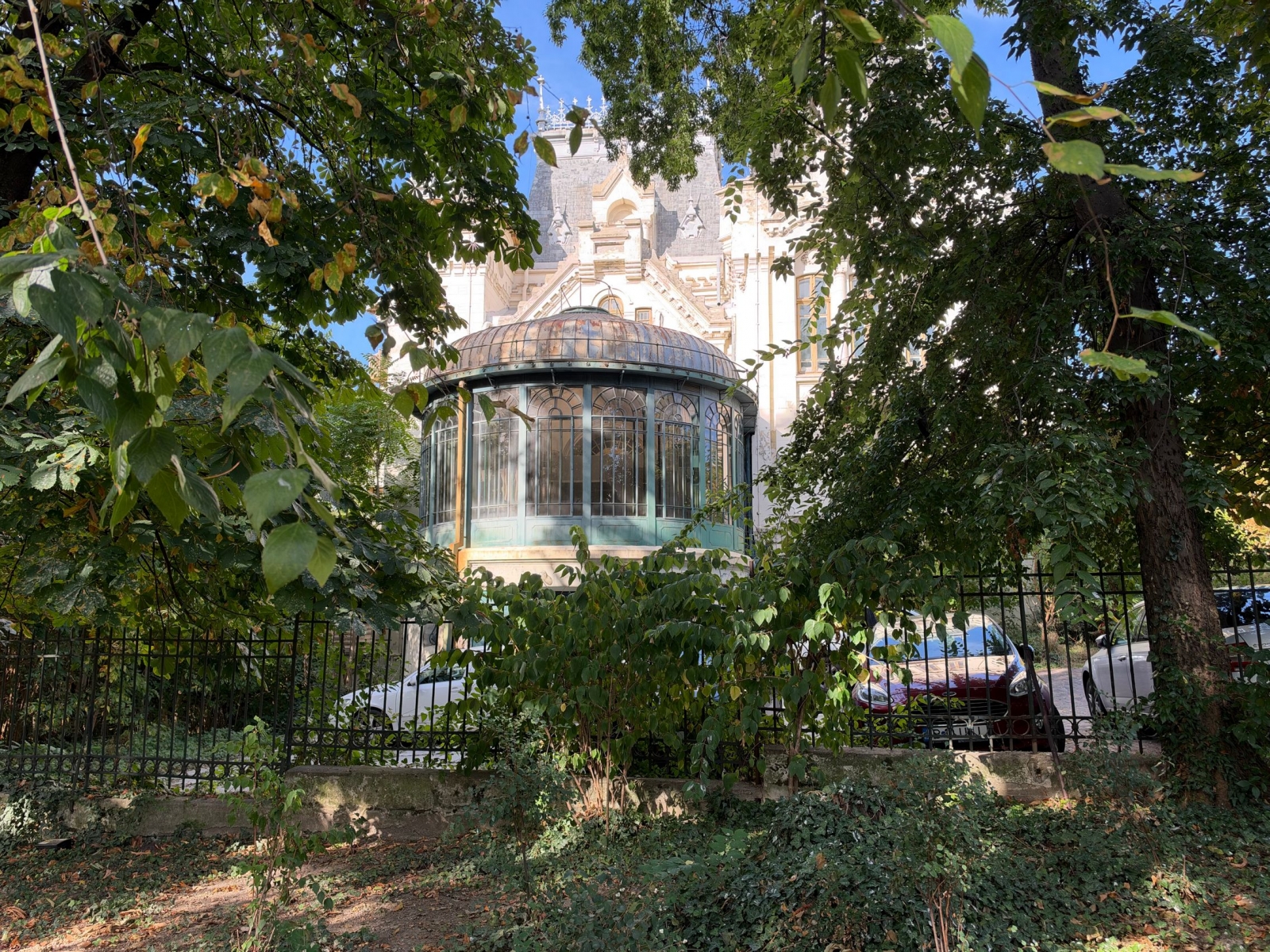














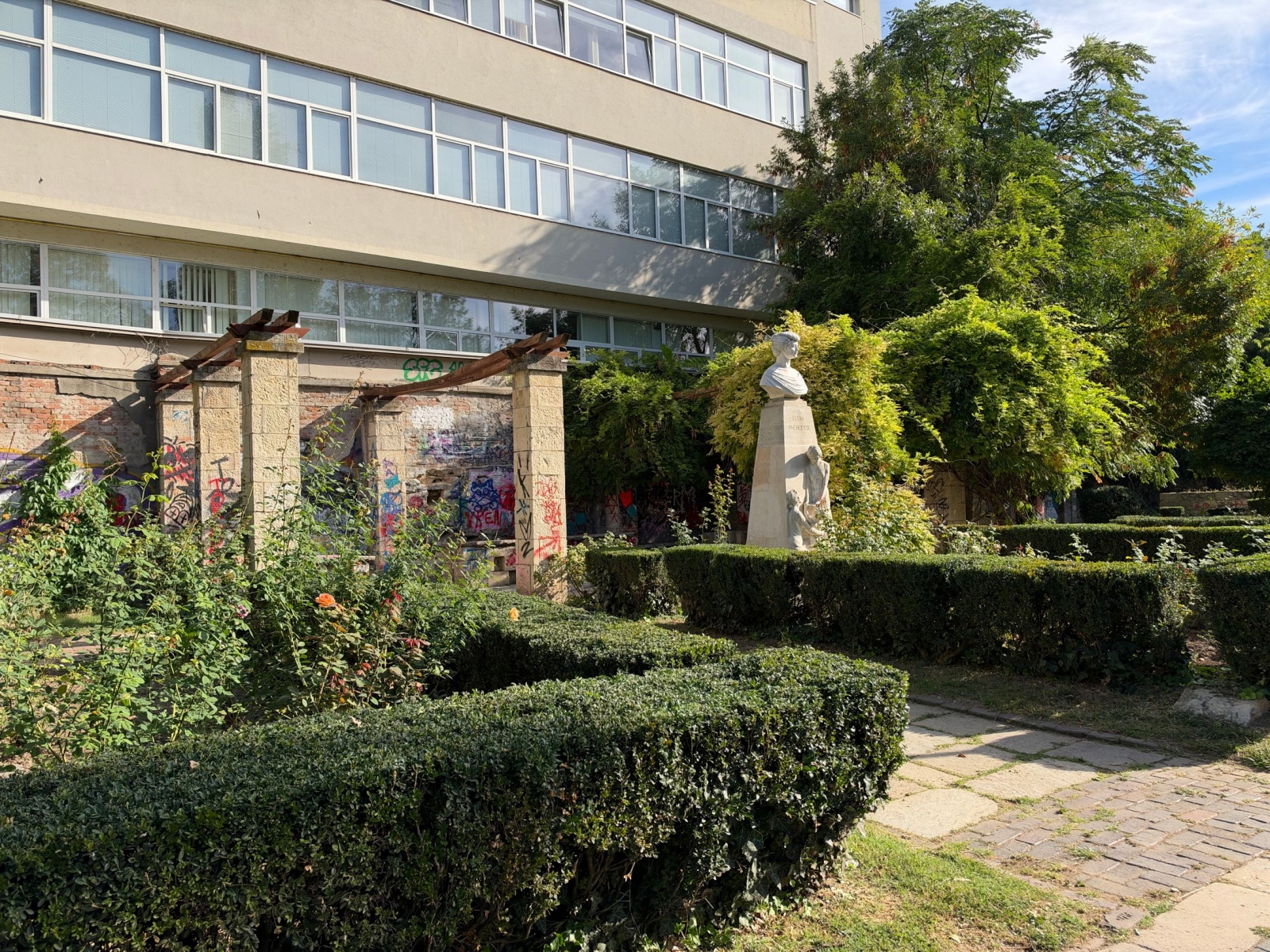
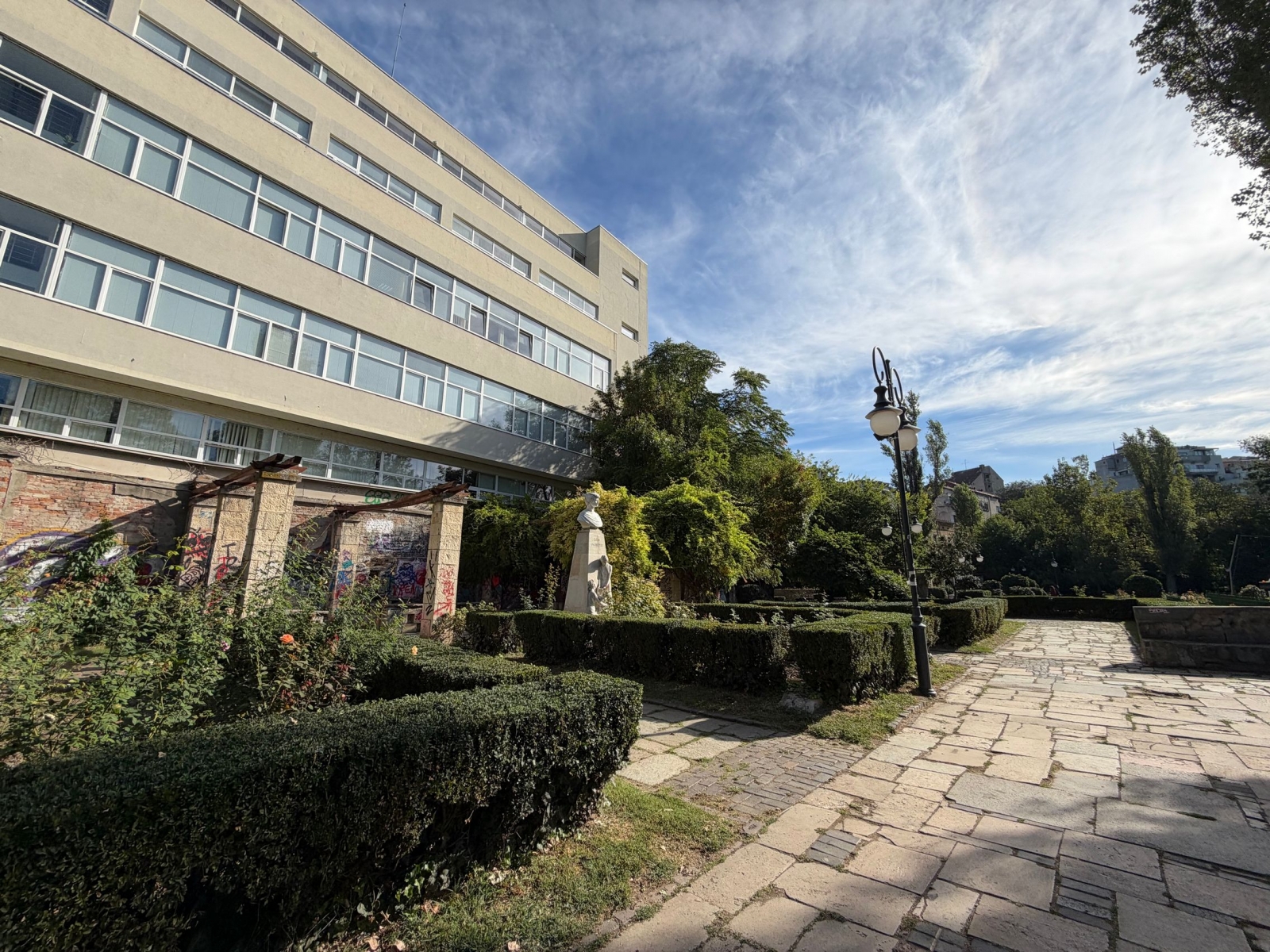
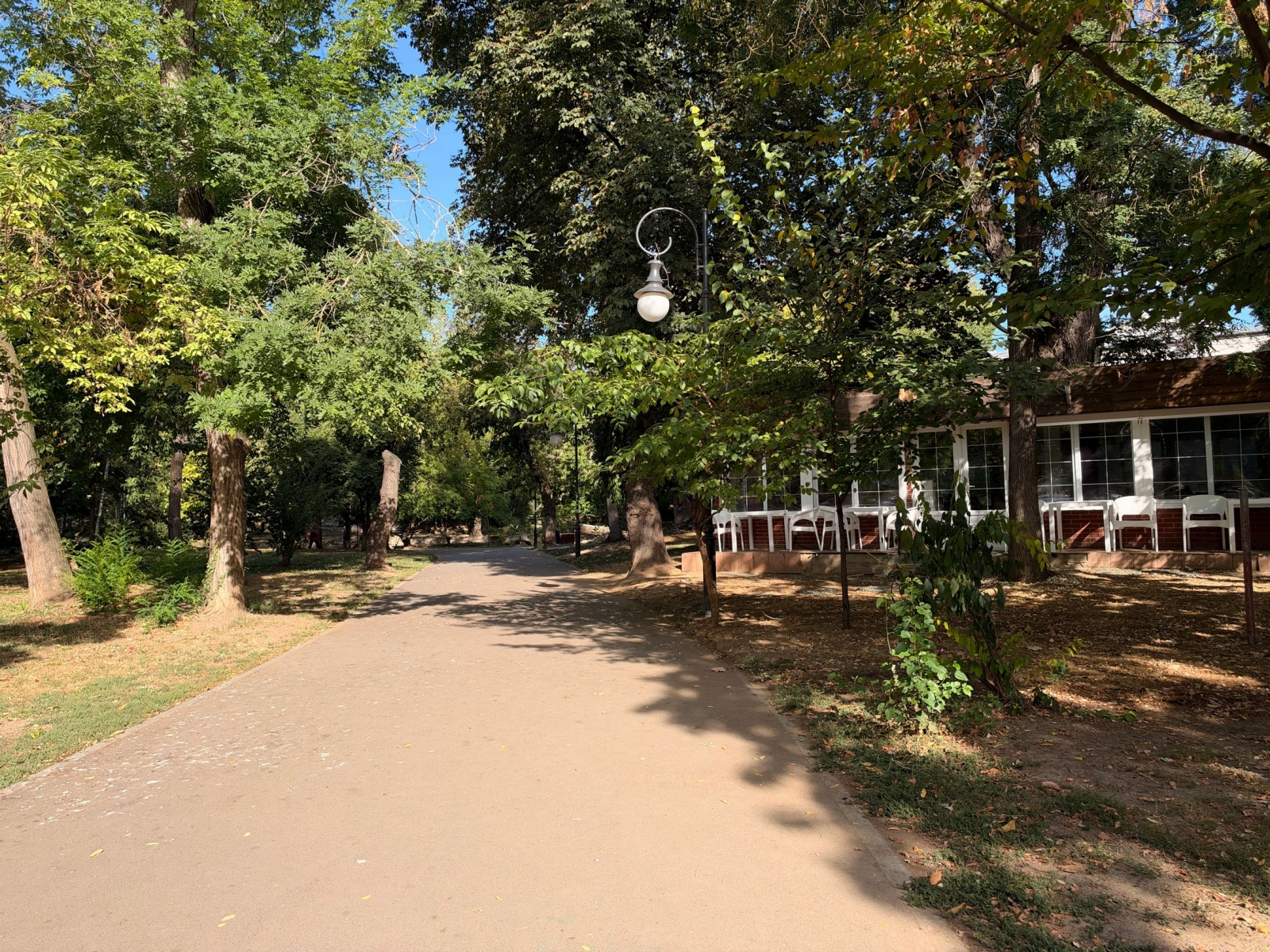




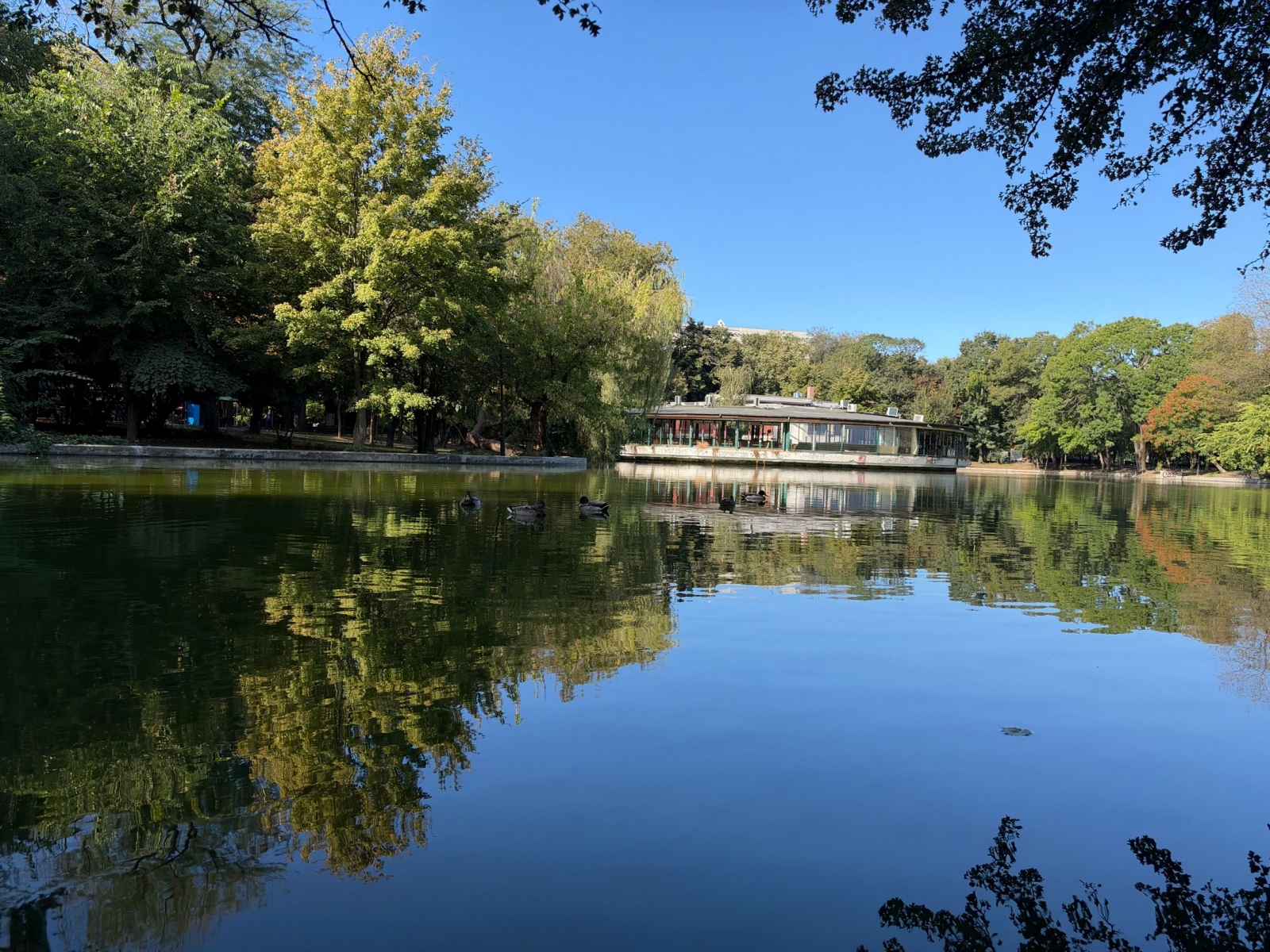



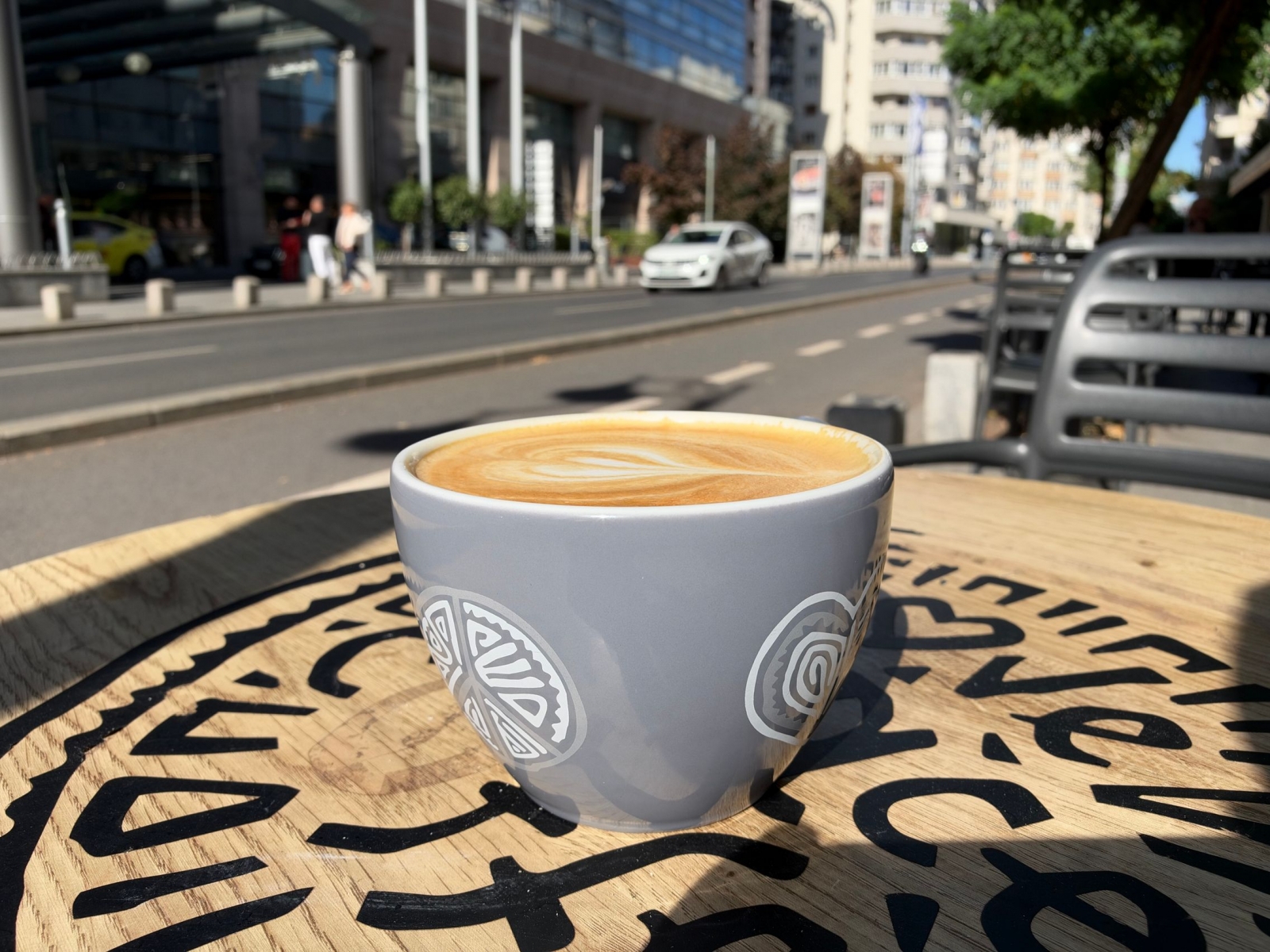
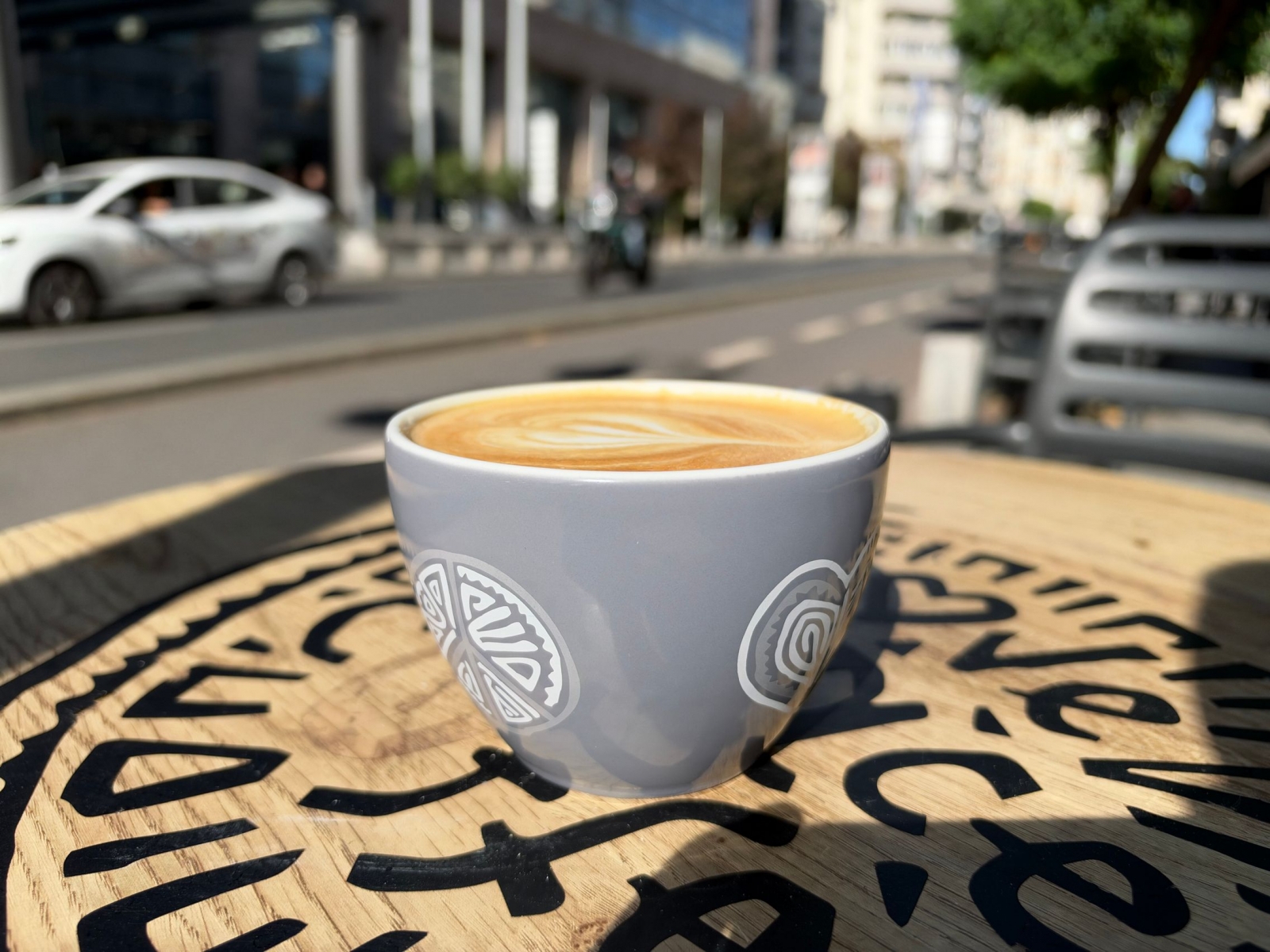

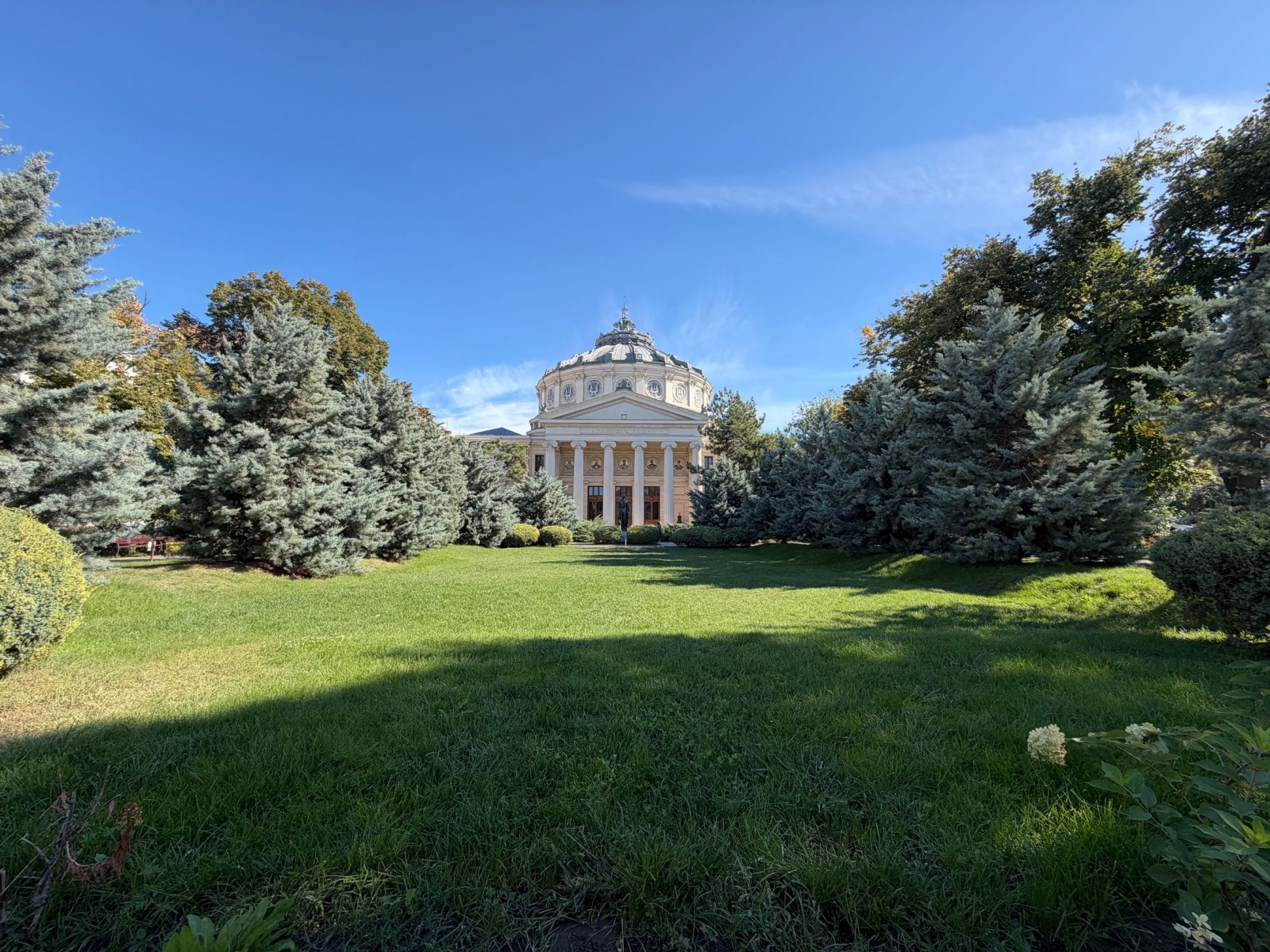













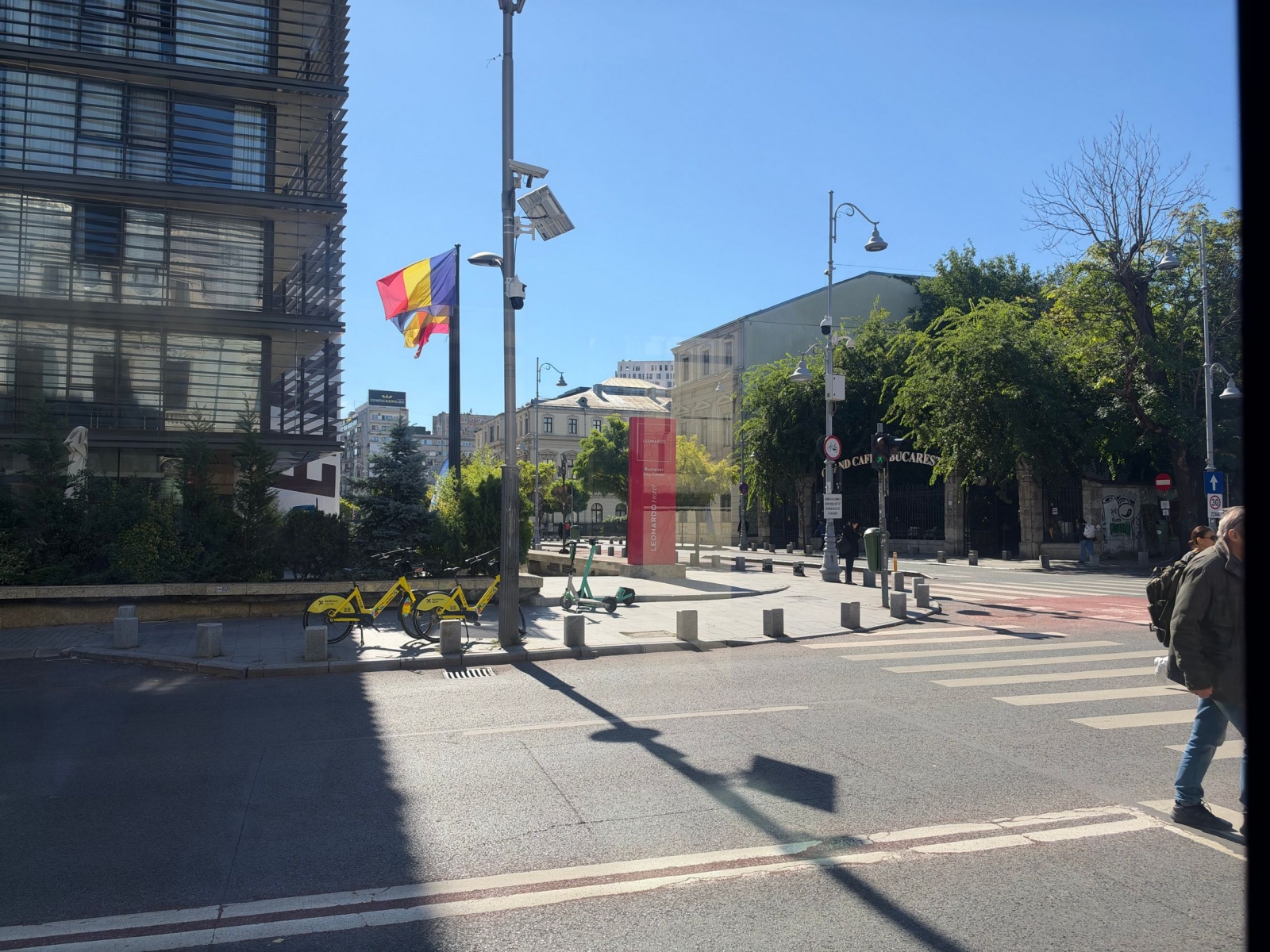
- Standard
- Amber + Glow
- Gold + Soft Skin
- Rose Gold + Glow
- Bright + Soft Skin
- Neutral
- Cool Rose + Soft Skin
- Vibrant + Glow
- Natural
- Luminous + Glow
- Dramatic + Film
- Quiet + Film
- Cosy + Film
- Ethereal + Film
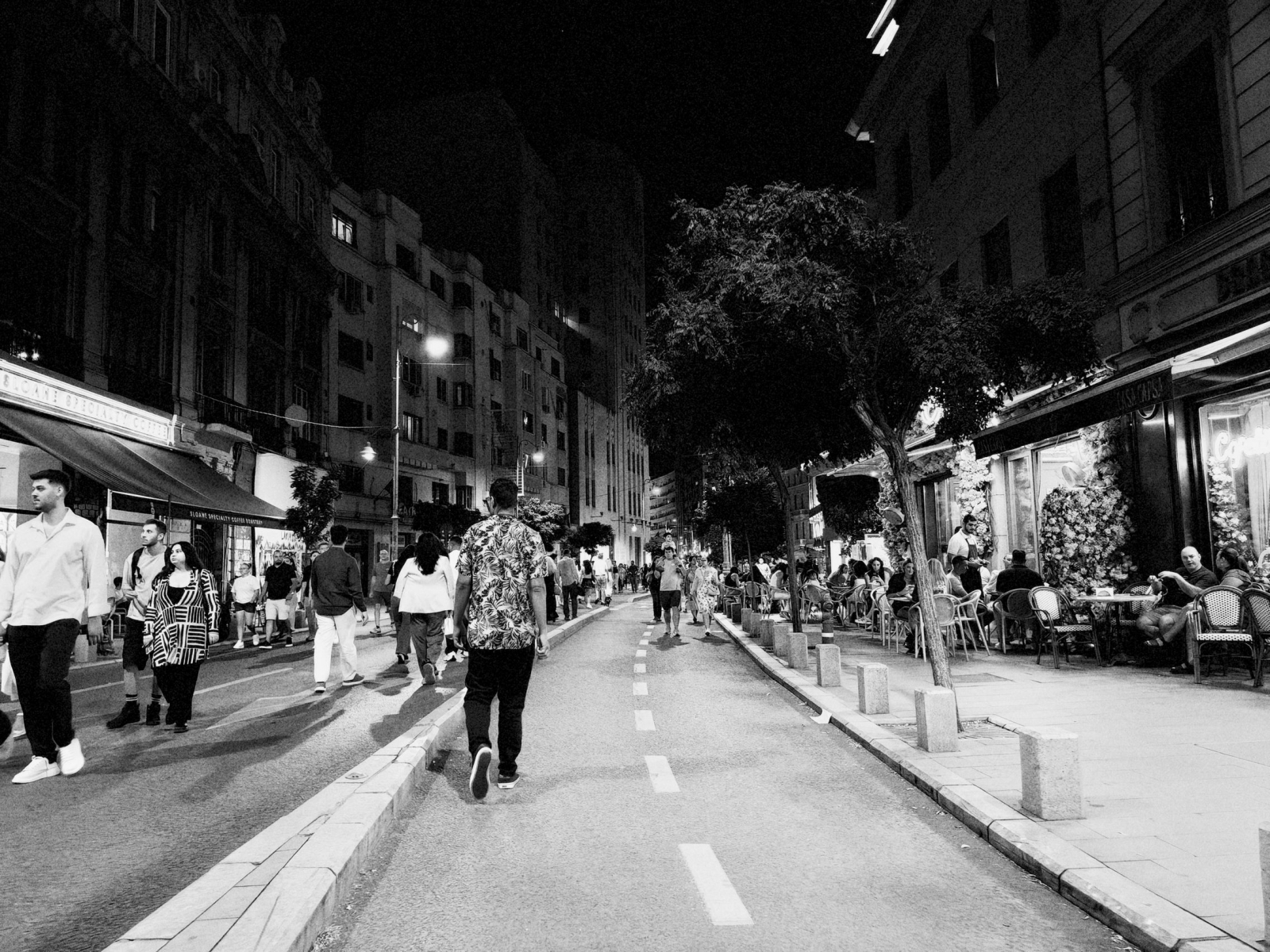
- Muted B&W + Glow
- Stark B&W + Film













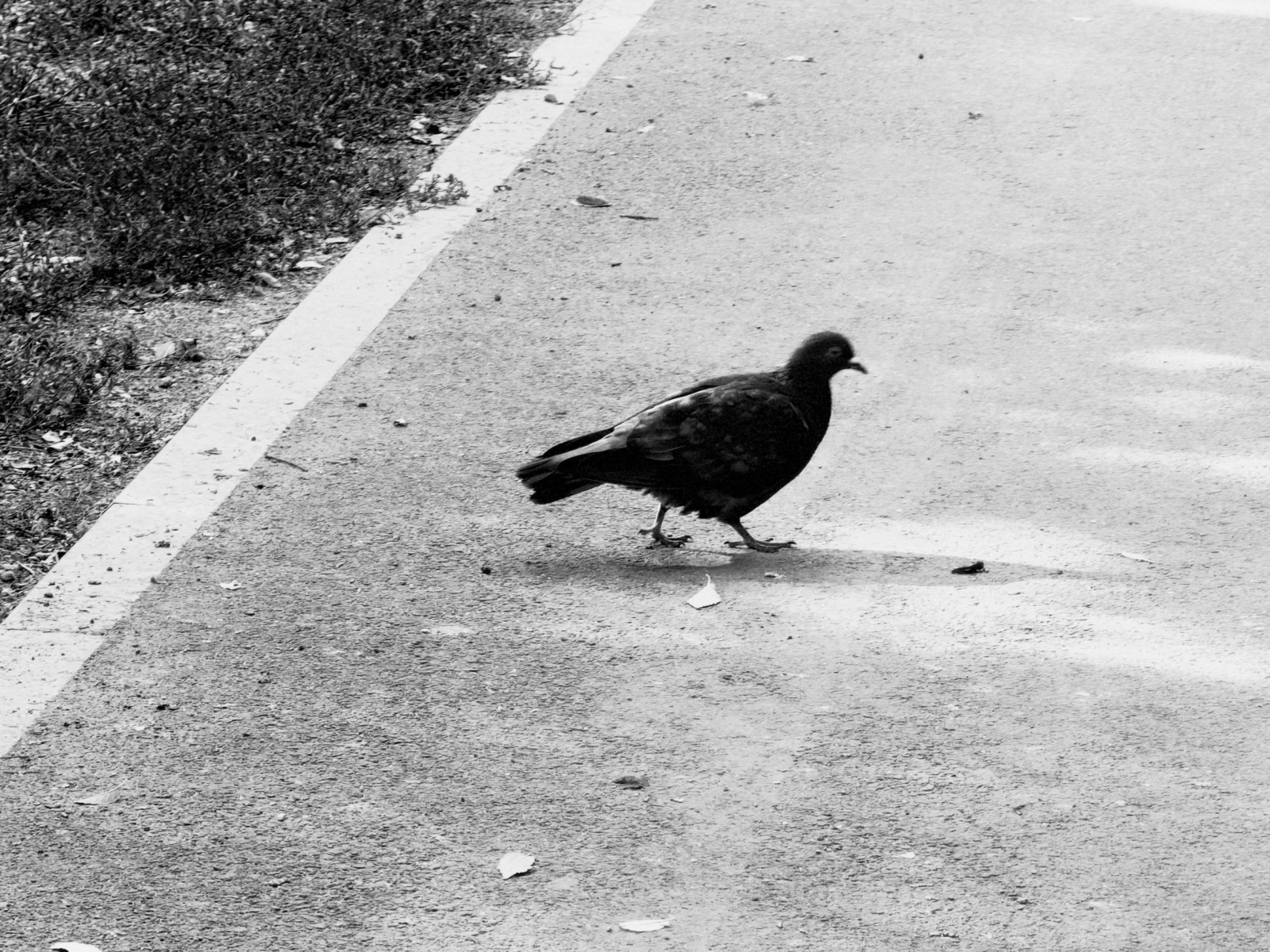
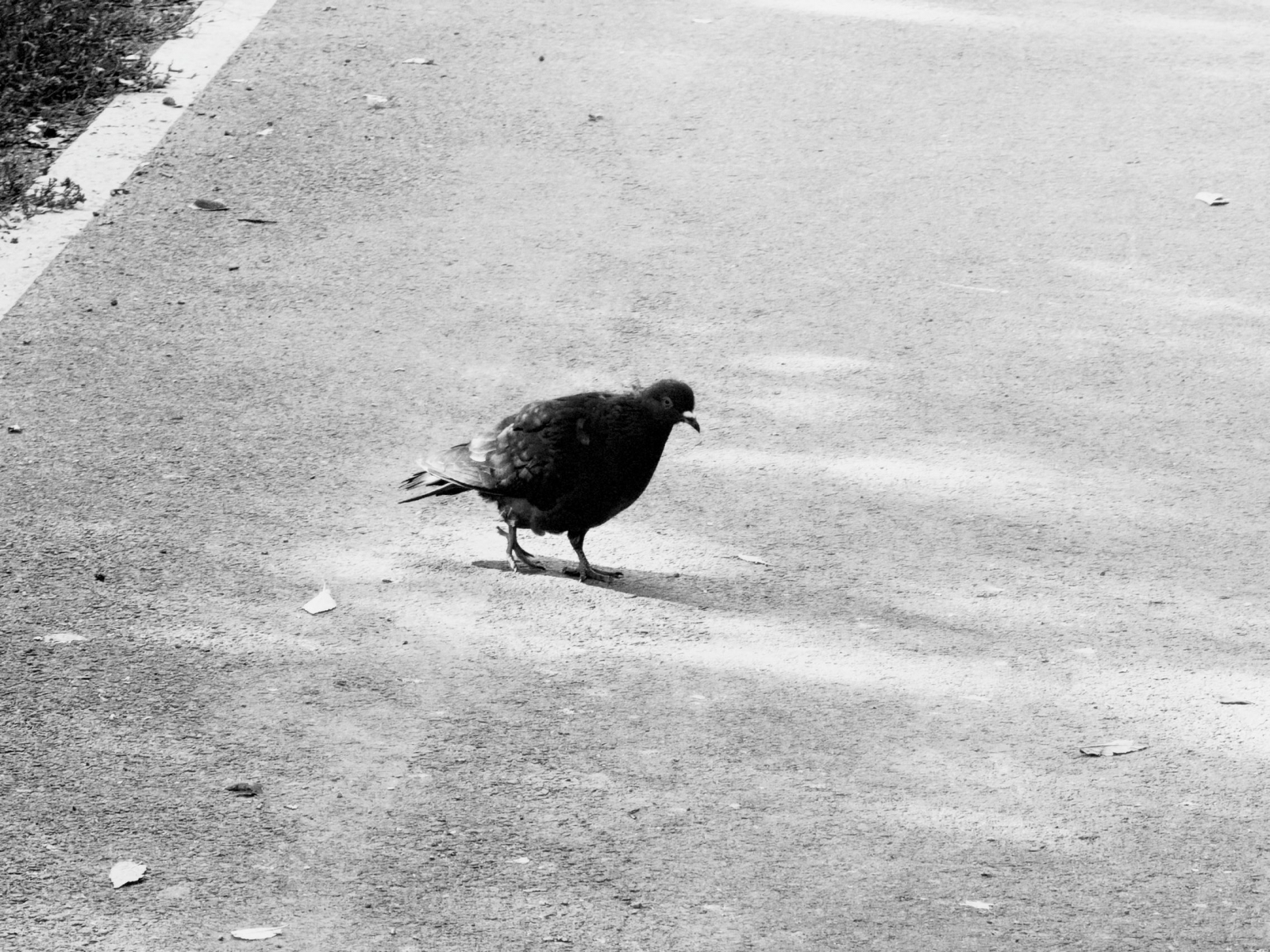
















iOS 27 also revises Apple’s AI-assisted photo-editing tools with object removal, image expansion and reframing. The tools can remove unwanted people or objects, then reposition the remaining subject through reframing.

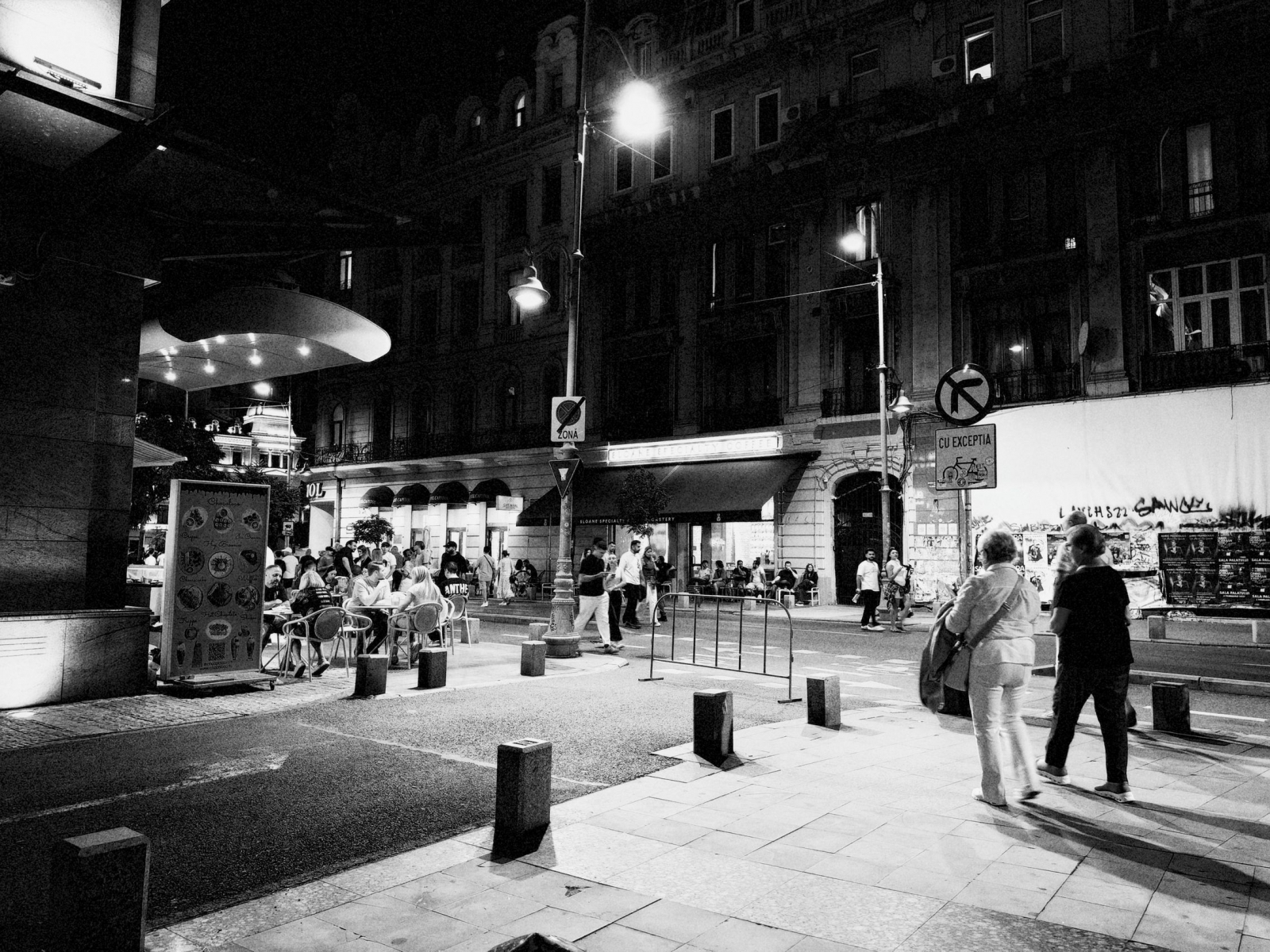
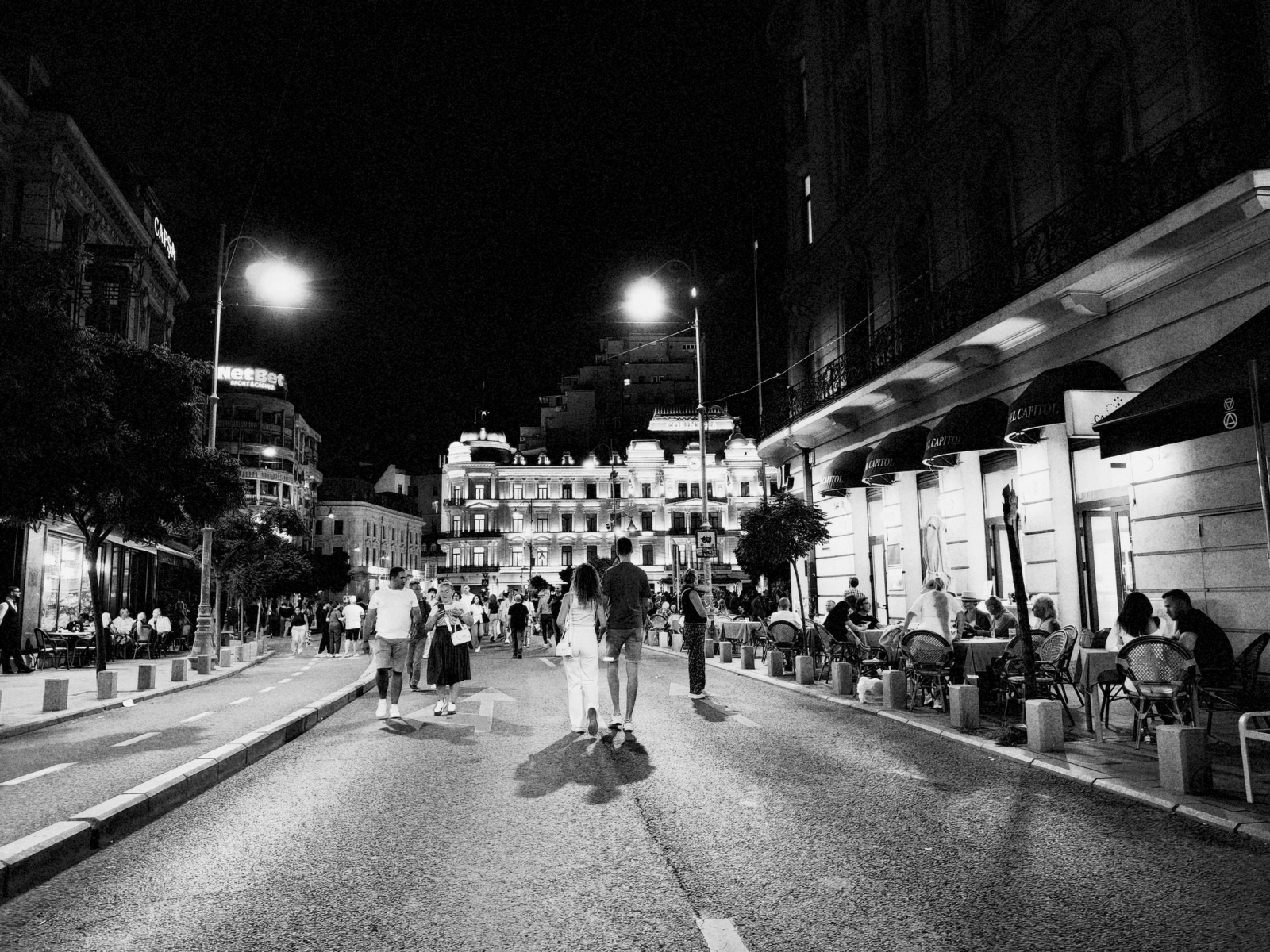
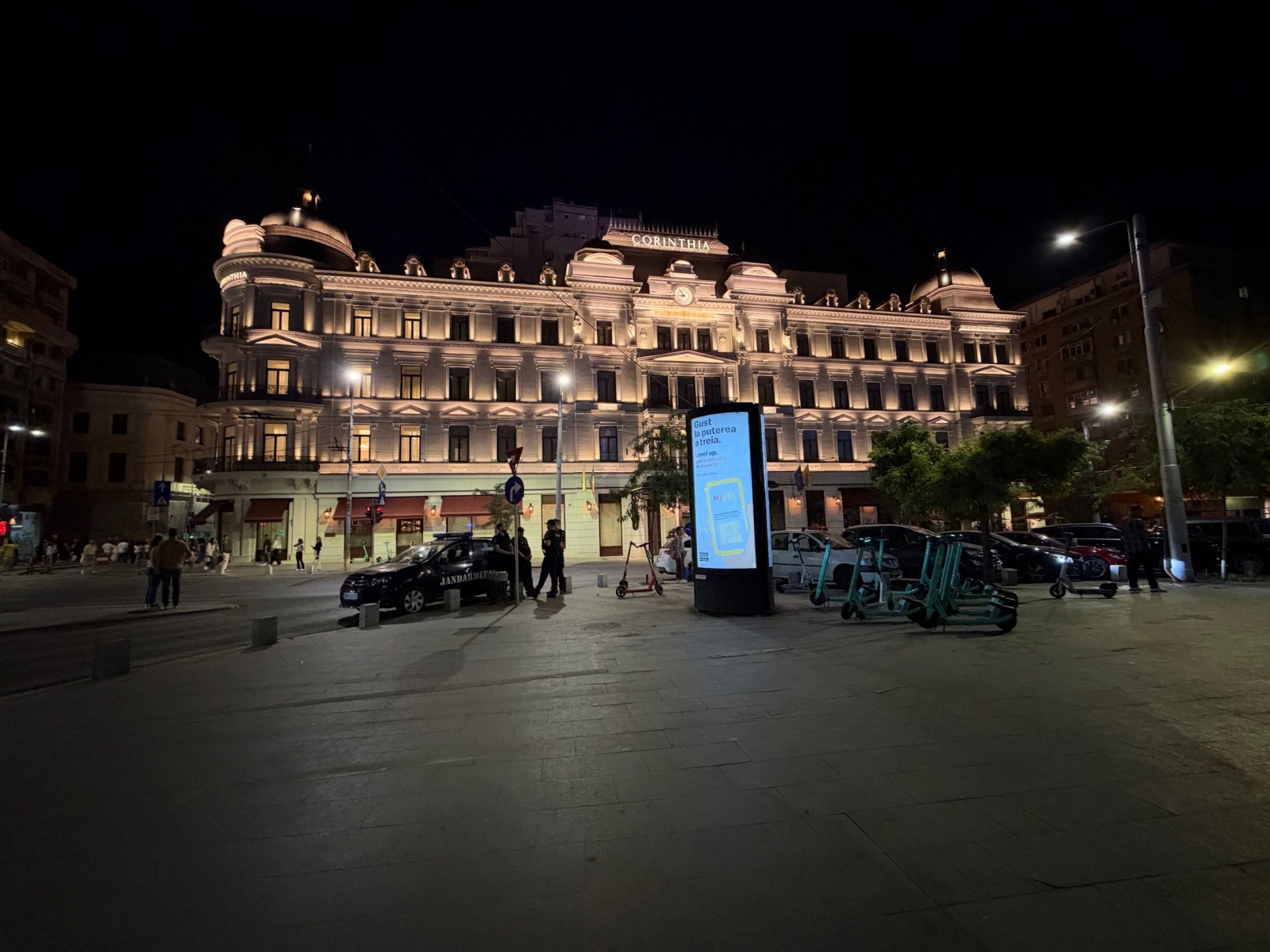
Daylight images from the wide and ultrawide cameras were detailed and generally natural in color. Close-up photography benefited from the variable aperture, while macro results appeared similar to those from the iPhone 17 Pro Max. There was a slight color variation between the wide and ultrawide cameras in some scenes.

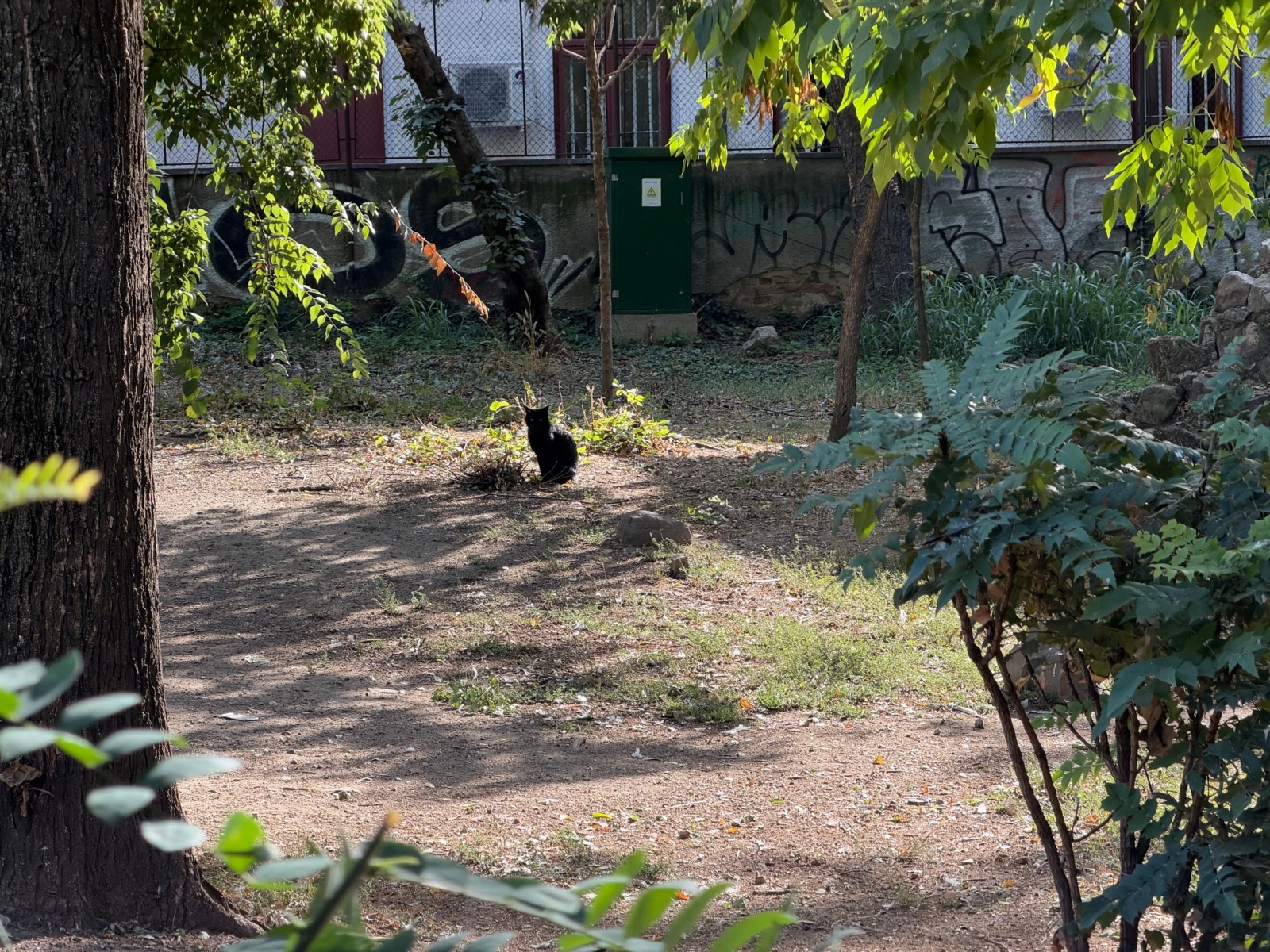





















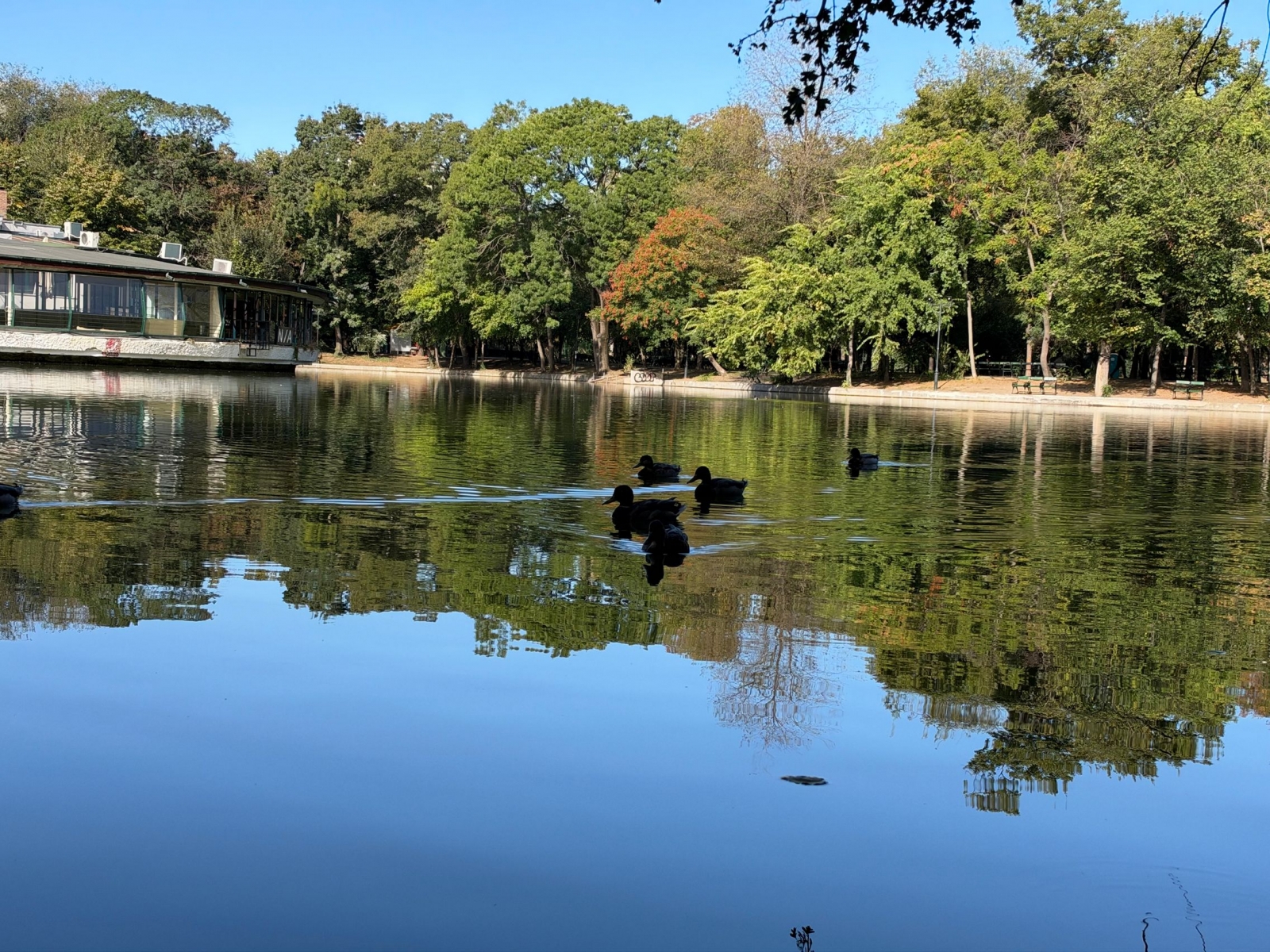










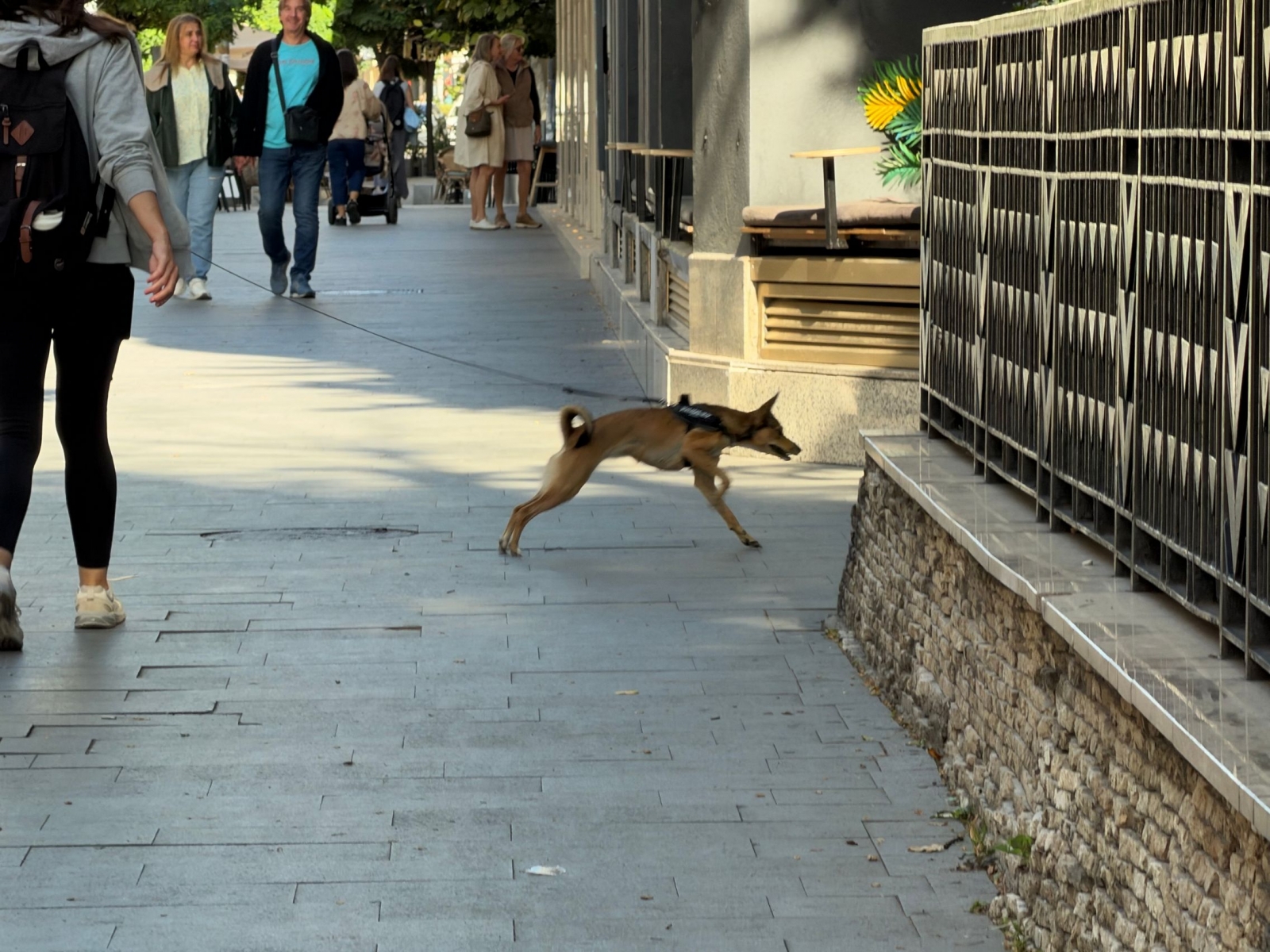
























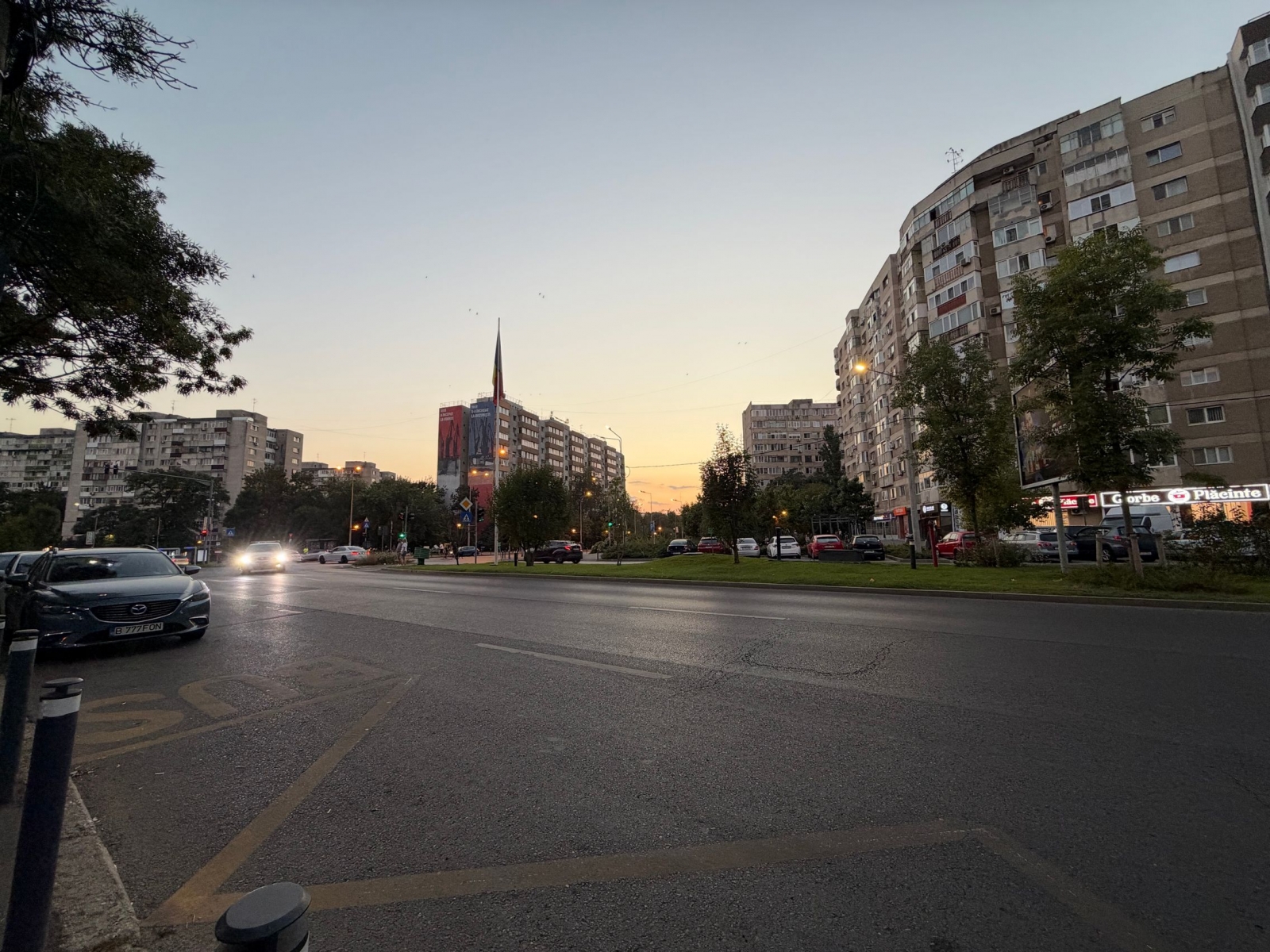

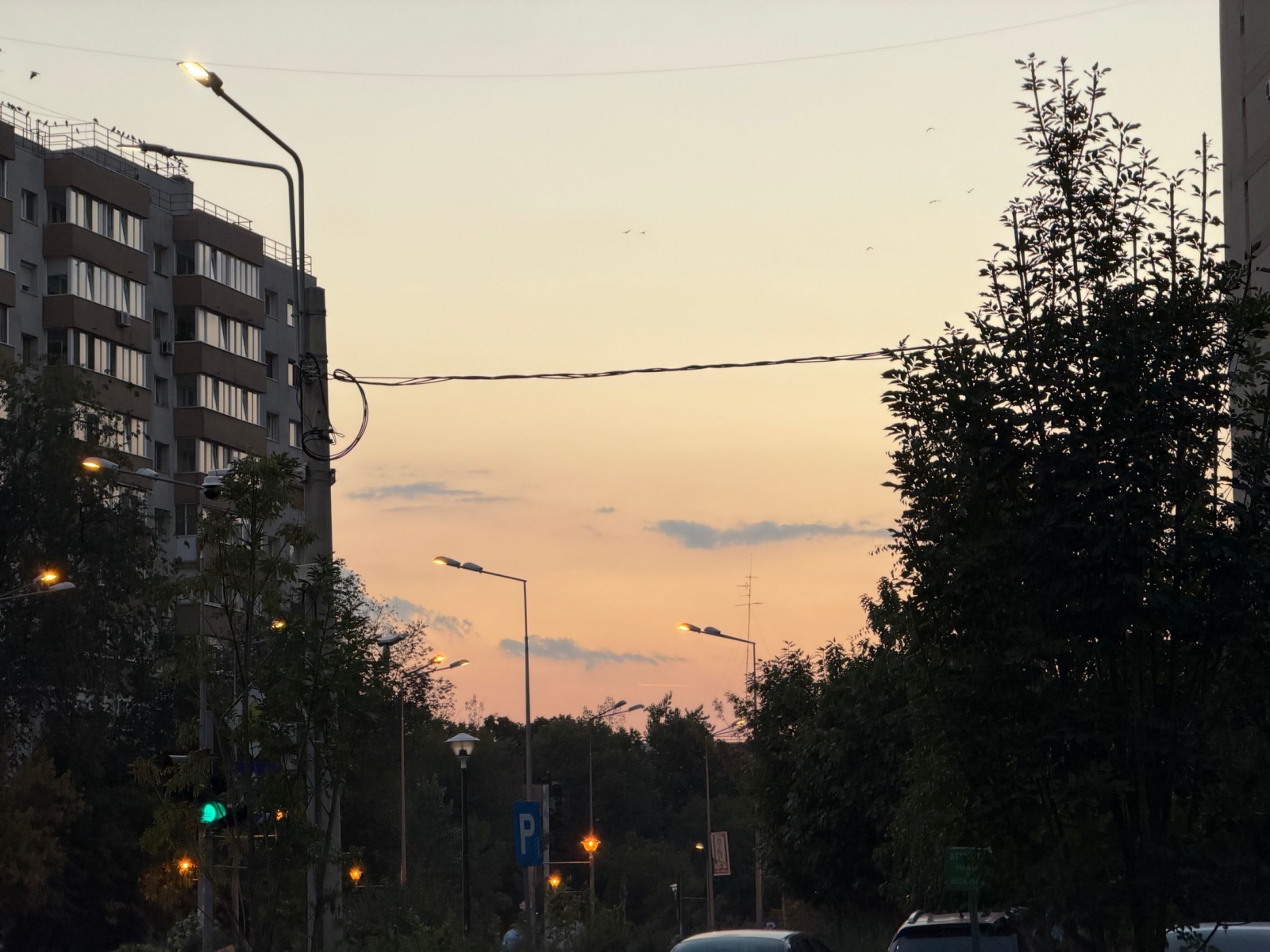
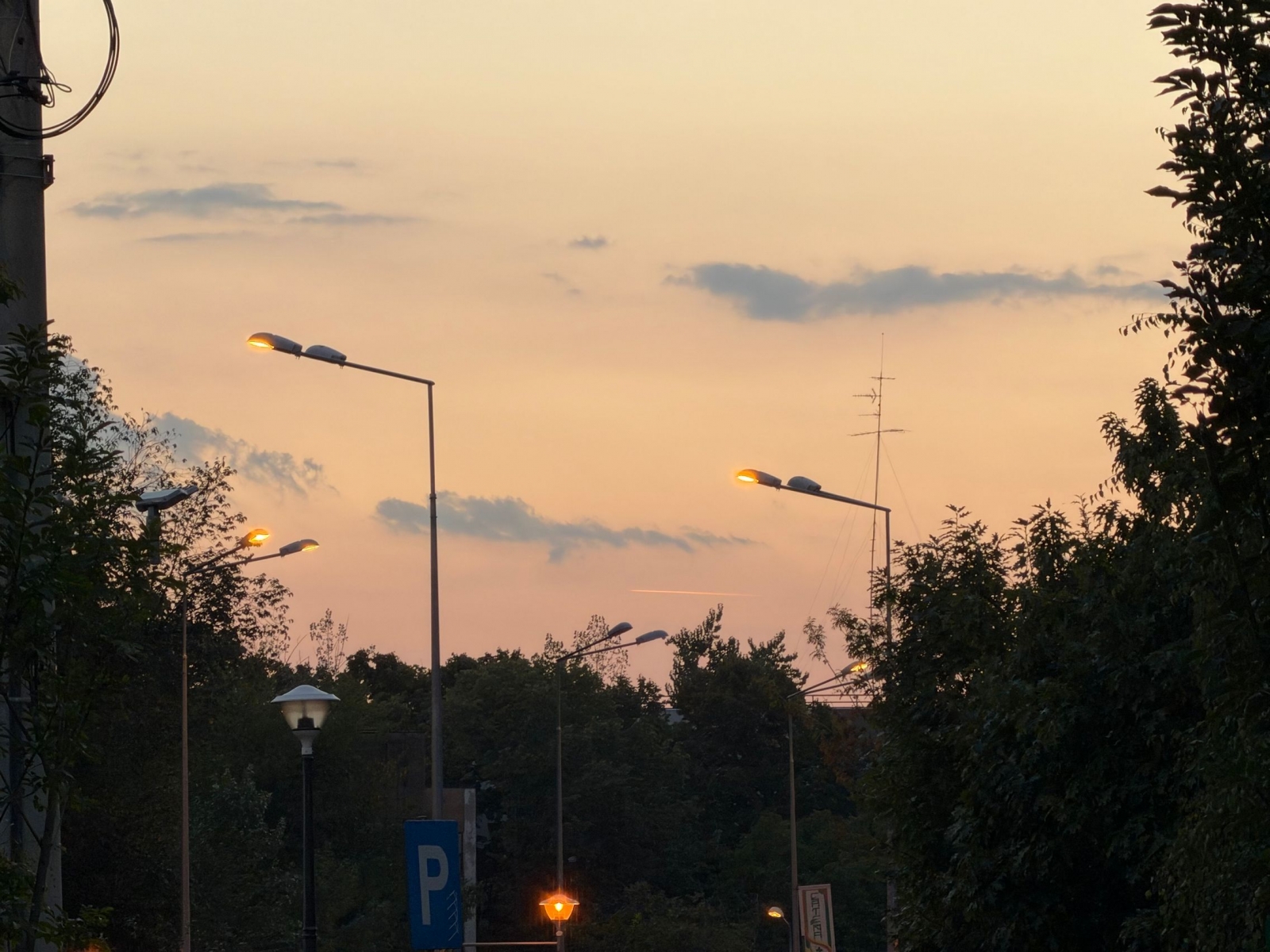


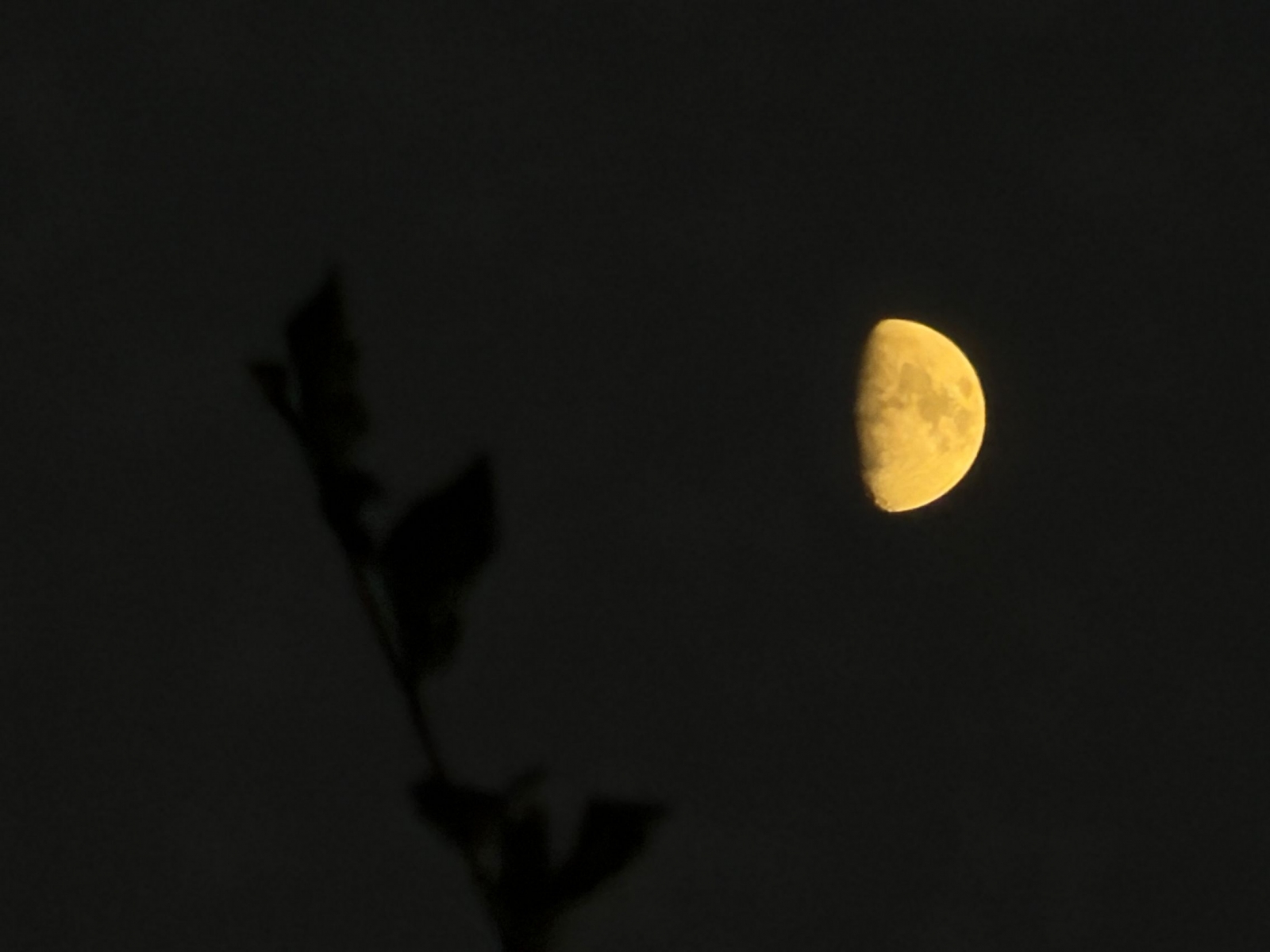

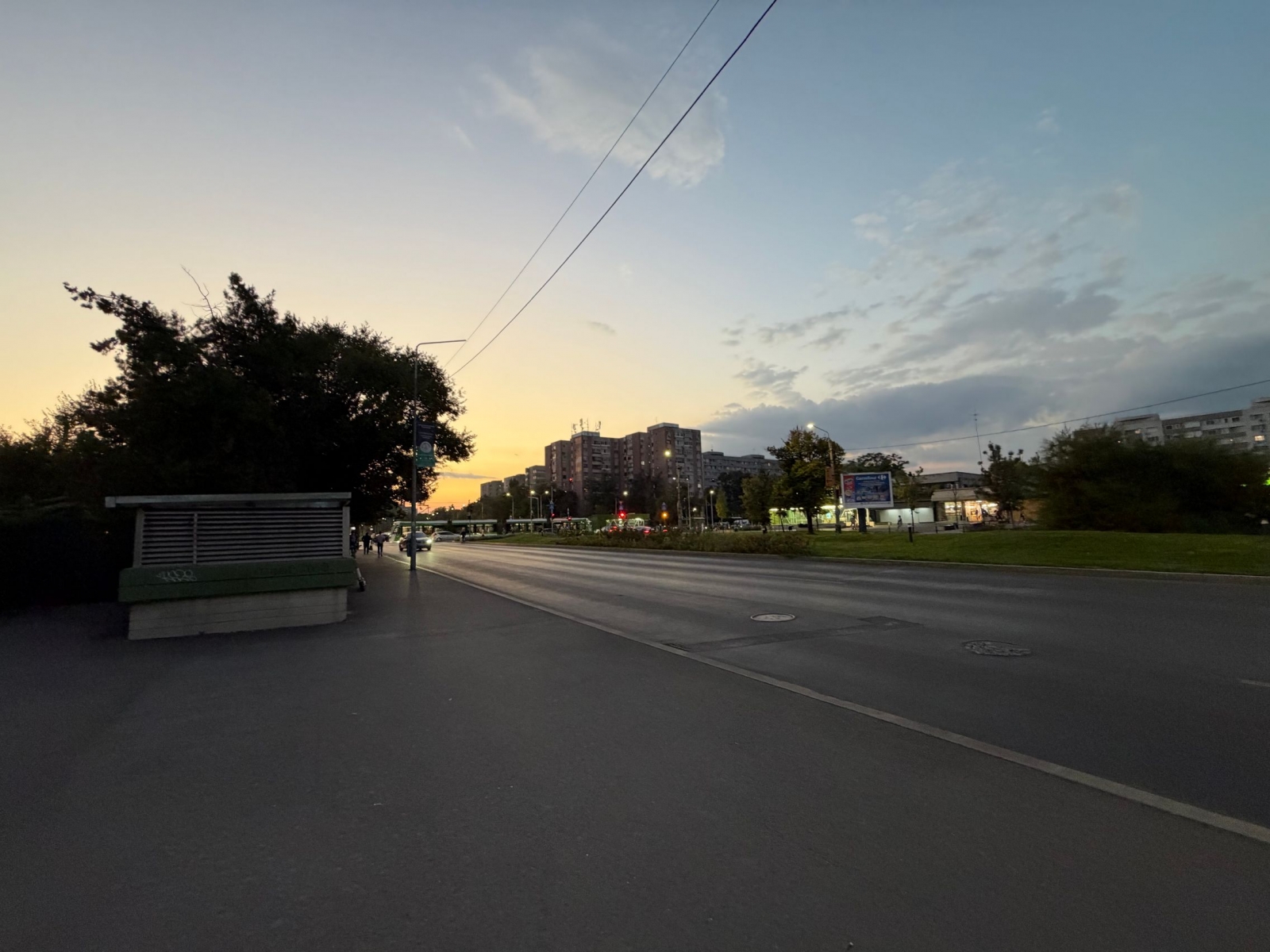
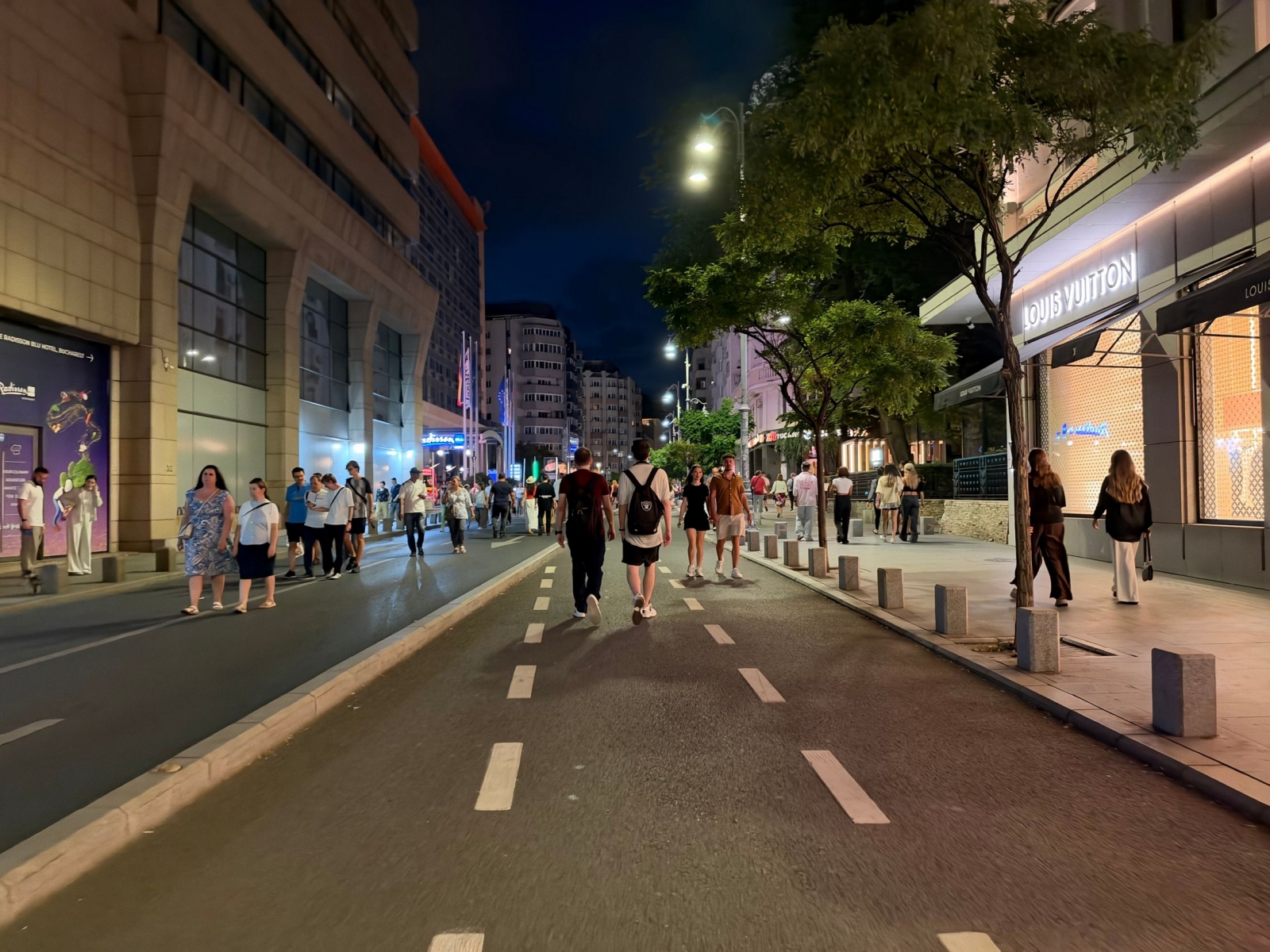
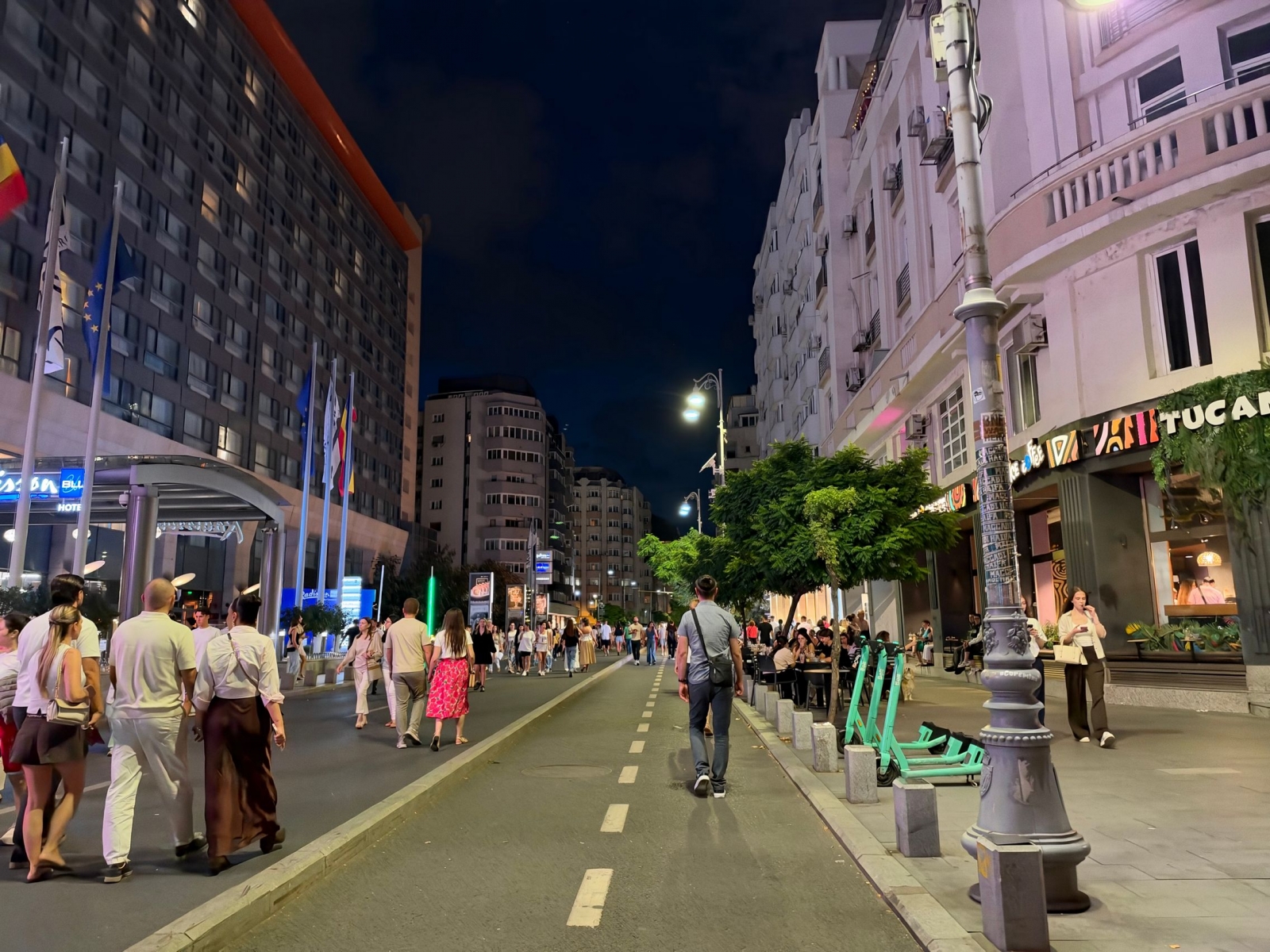
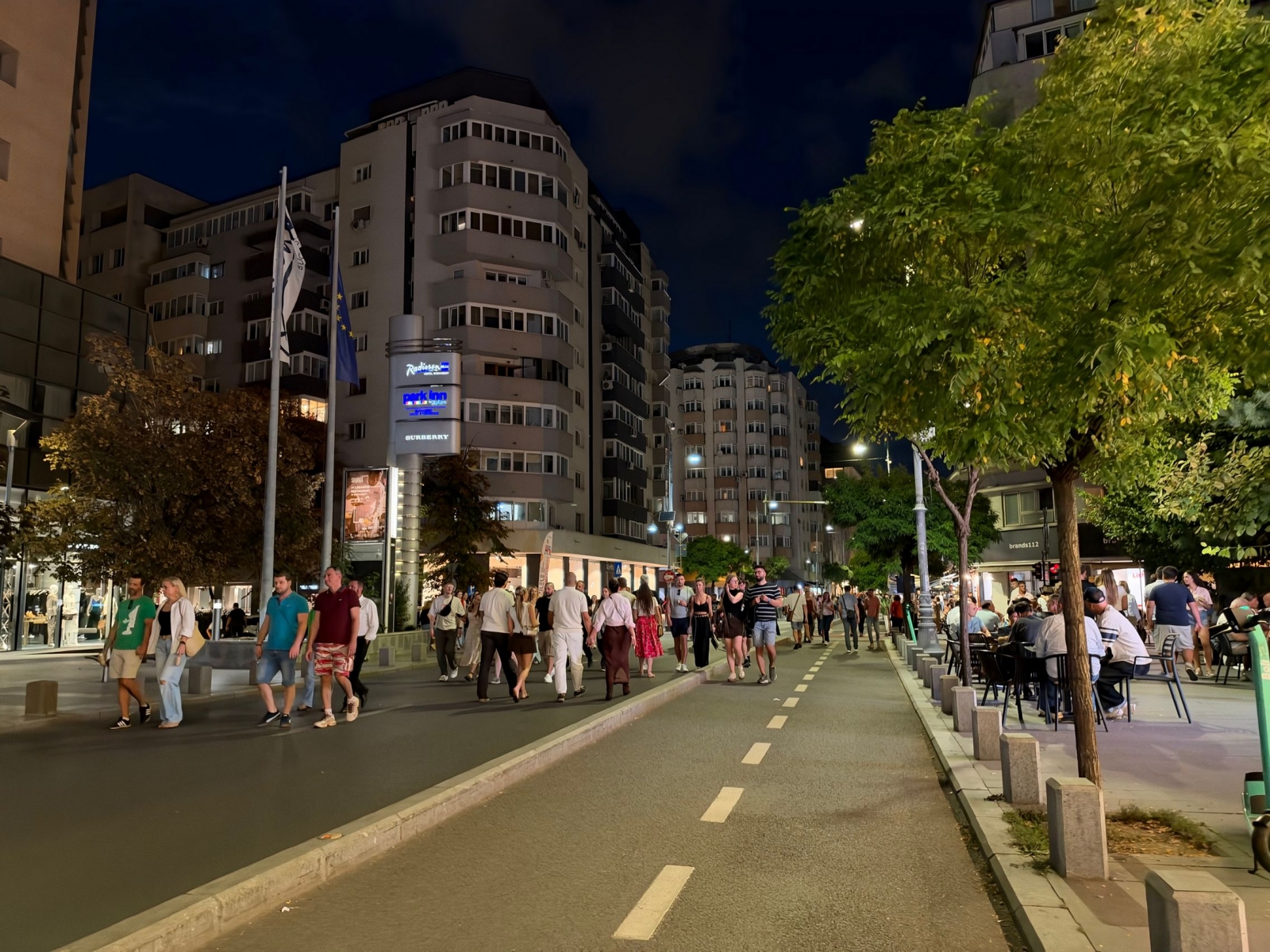















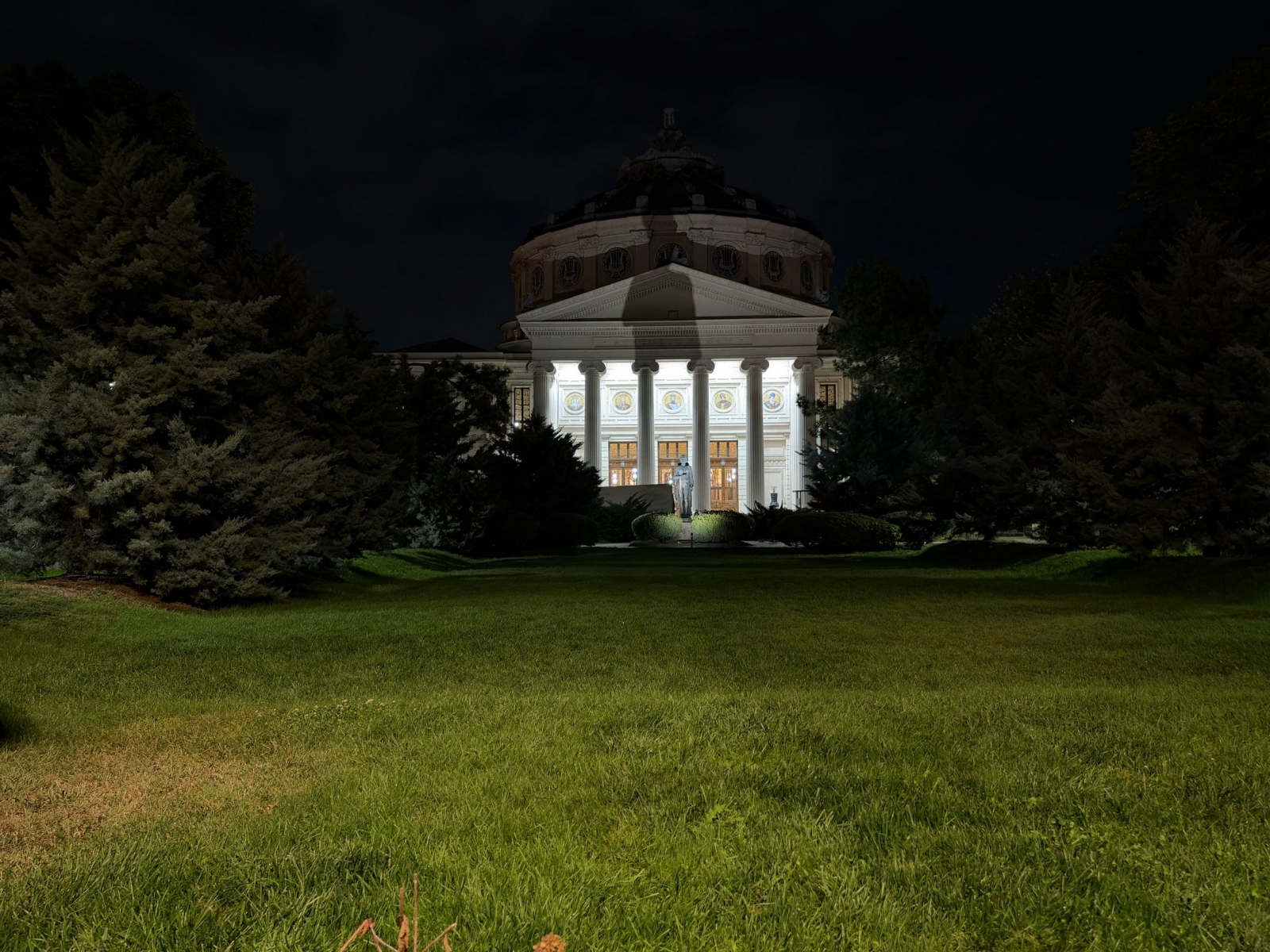


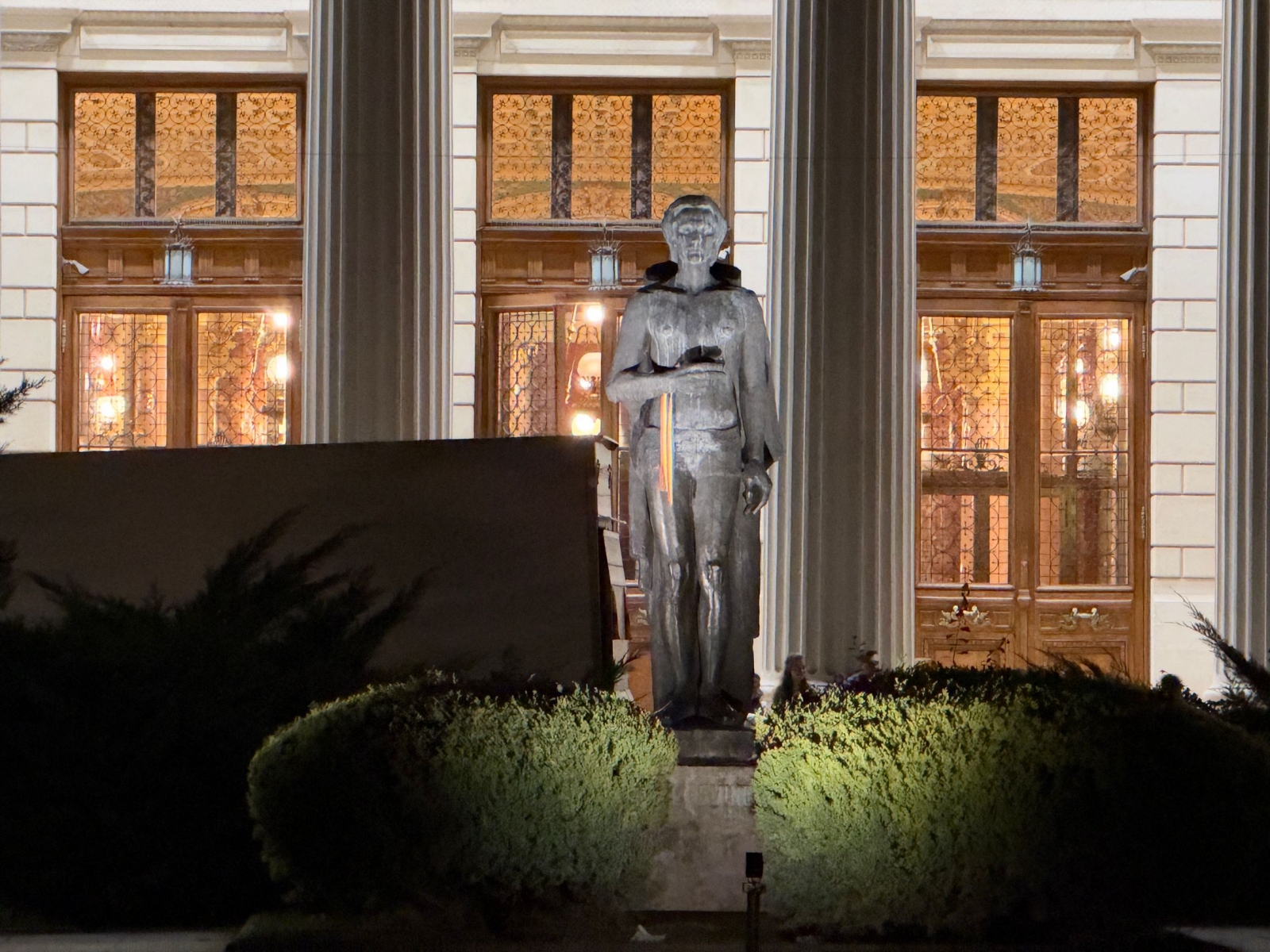




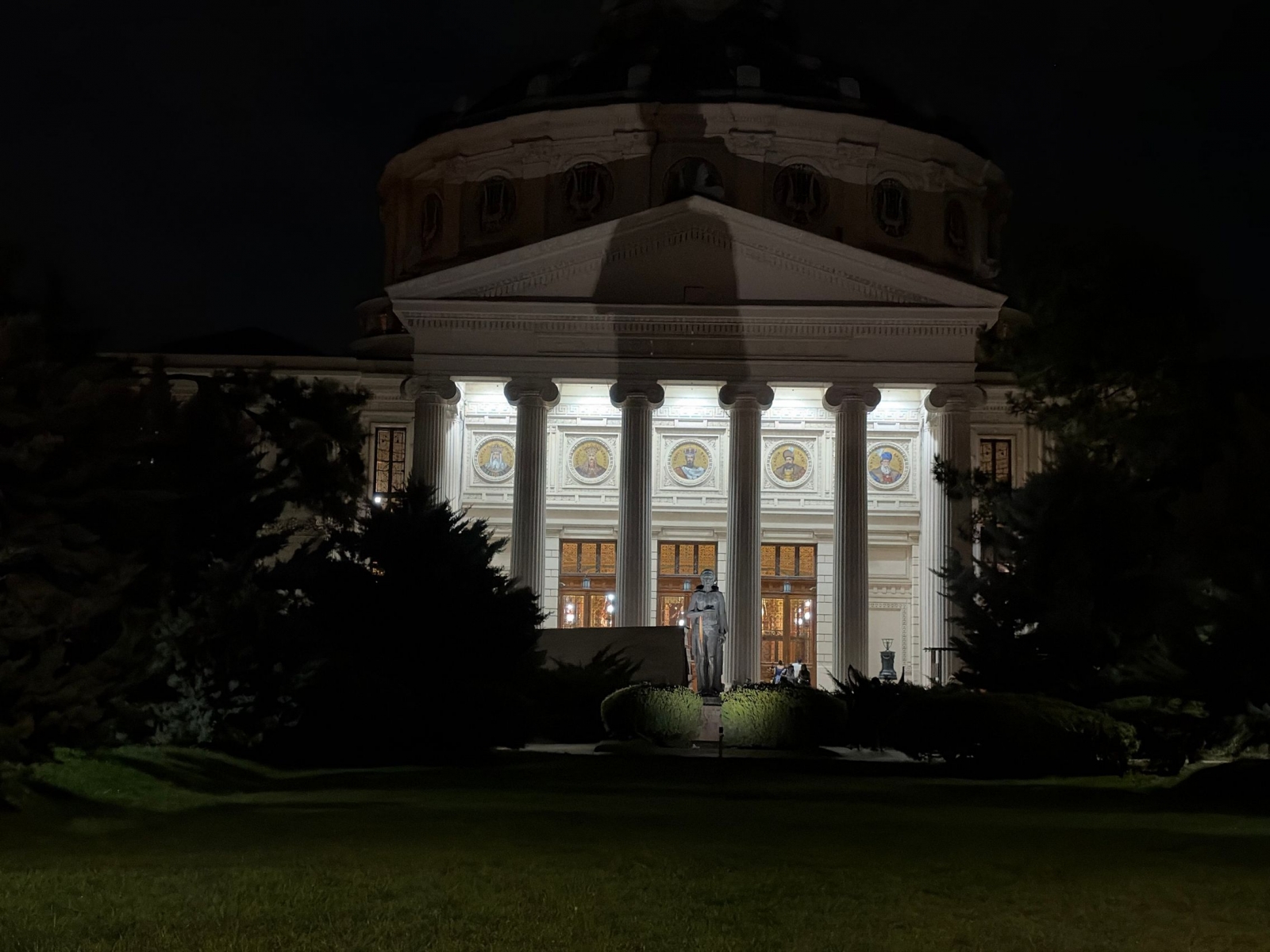

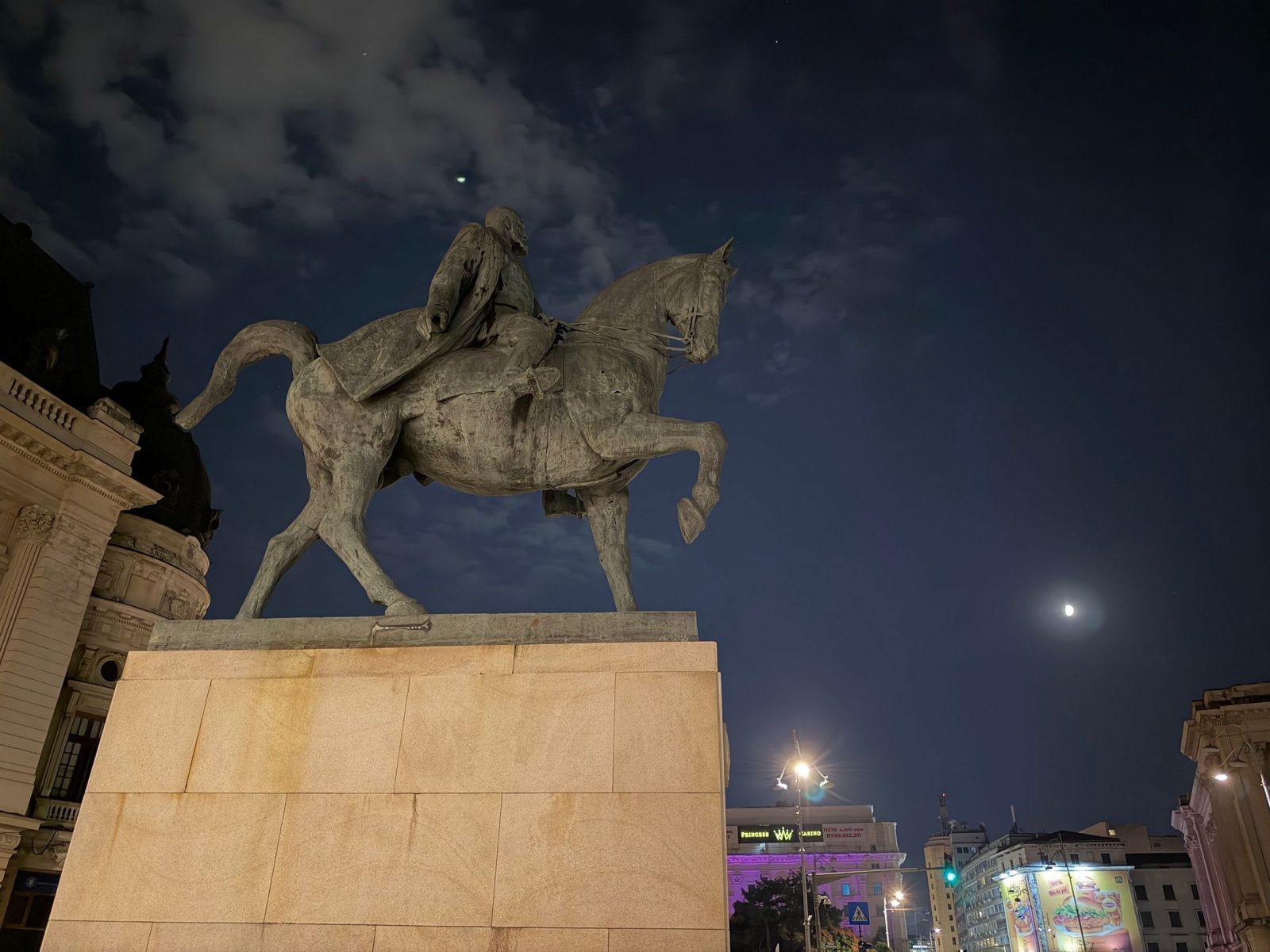

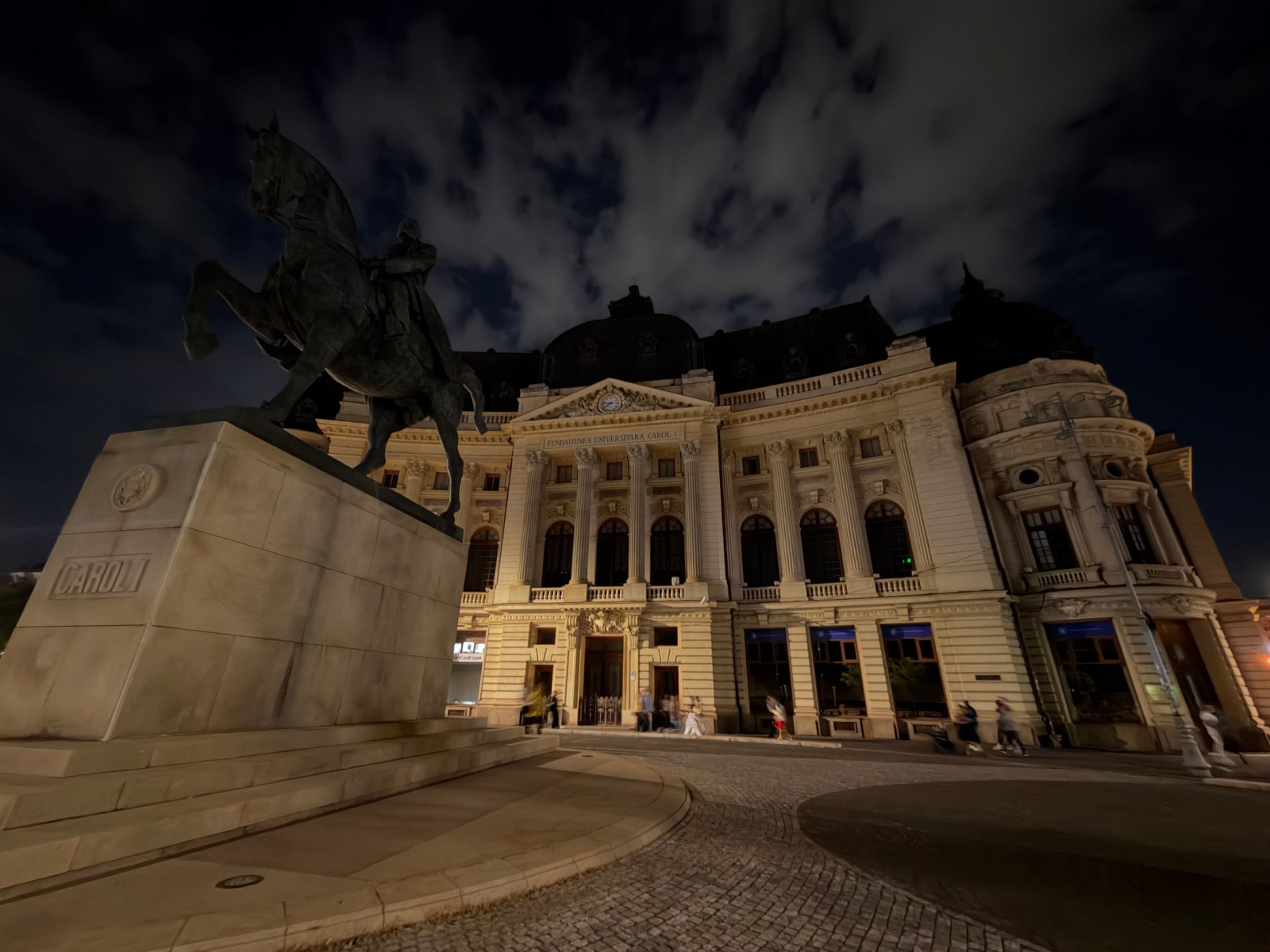
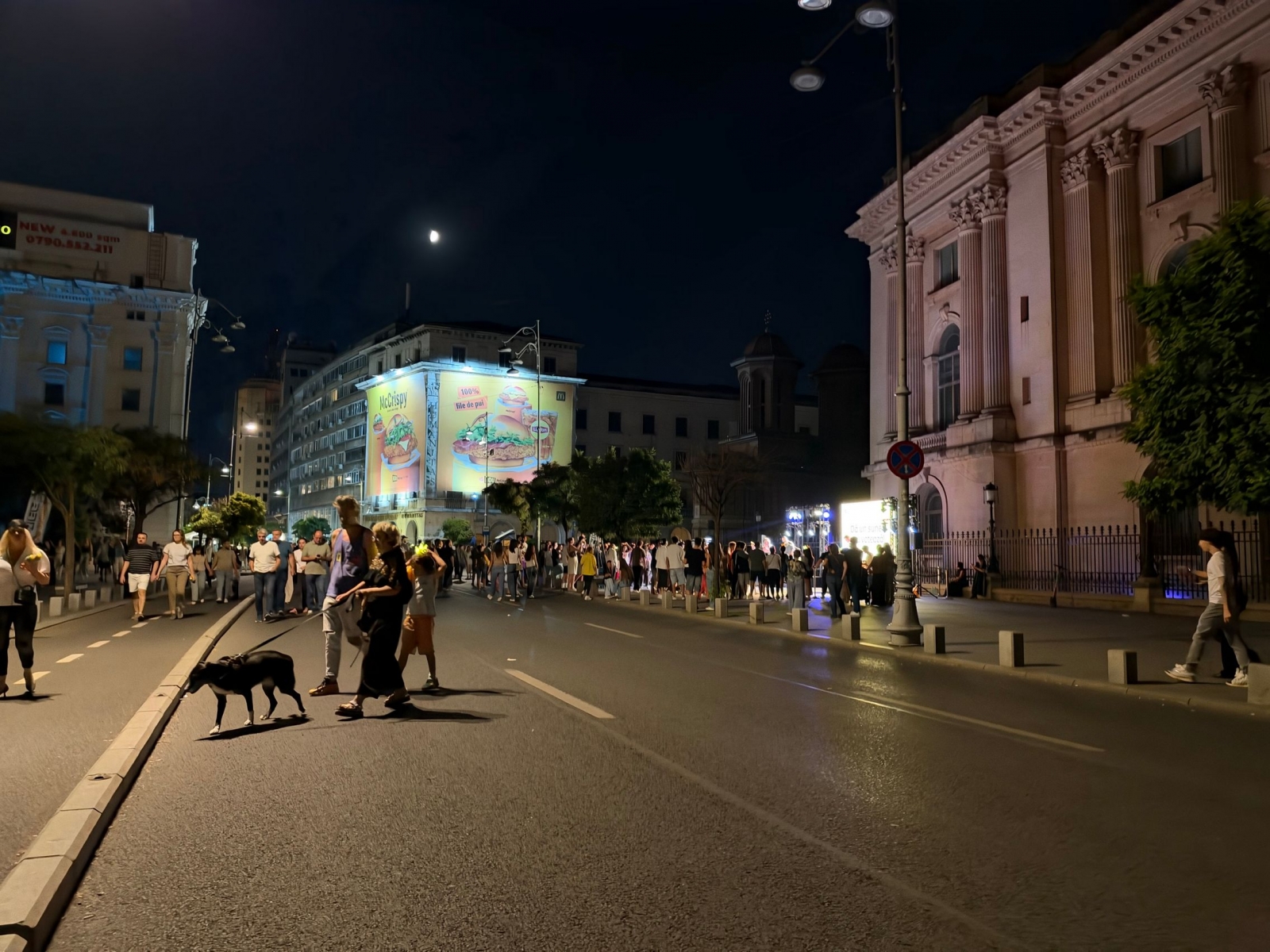
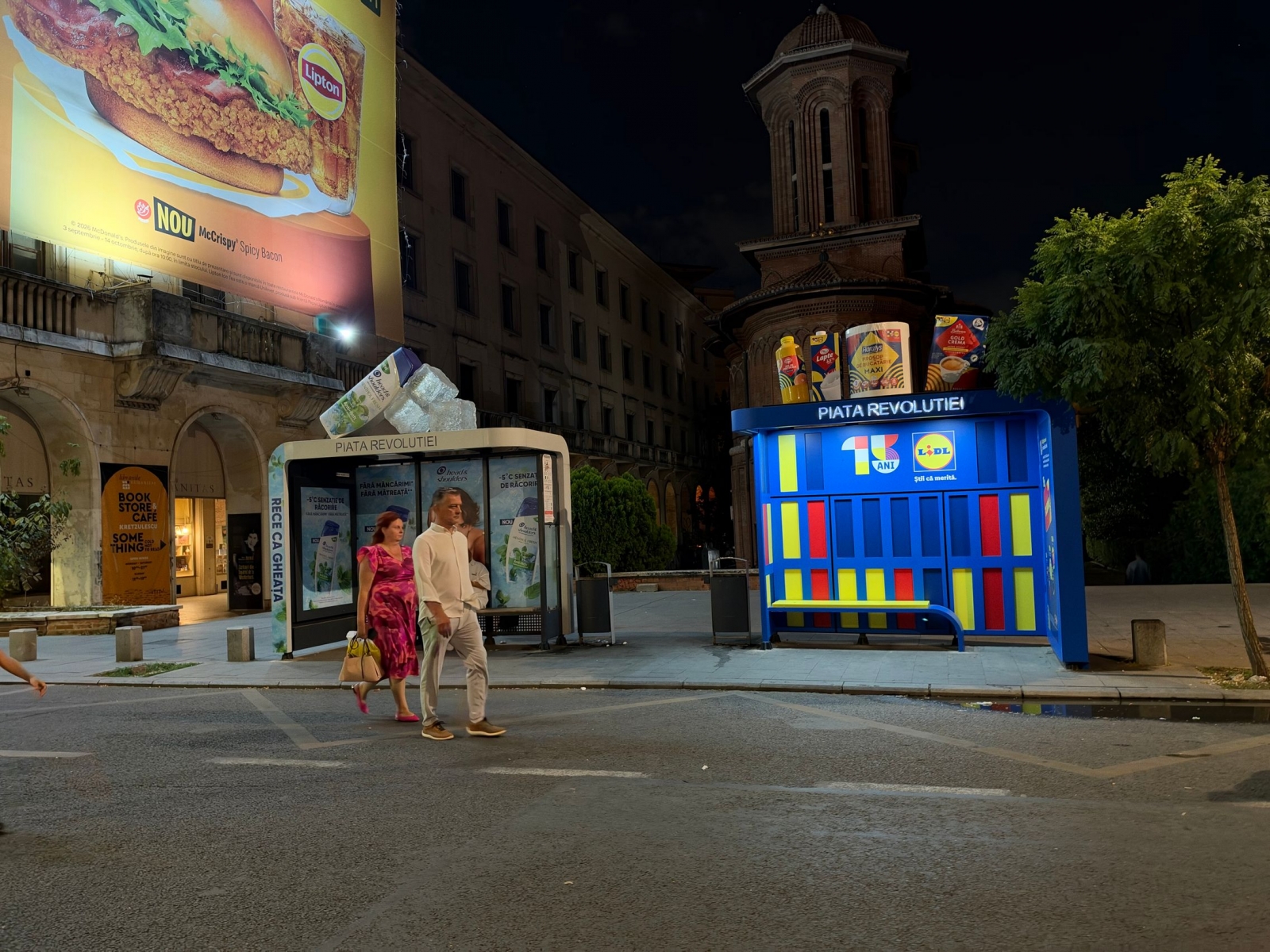












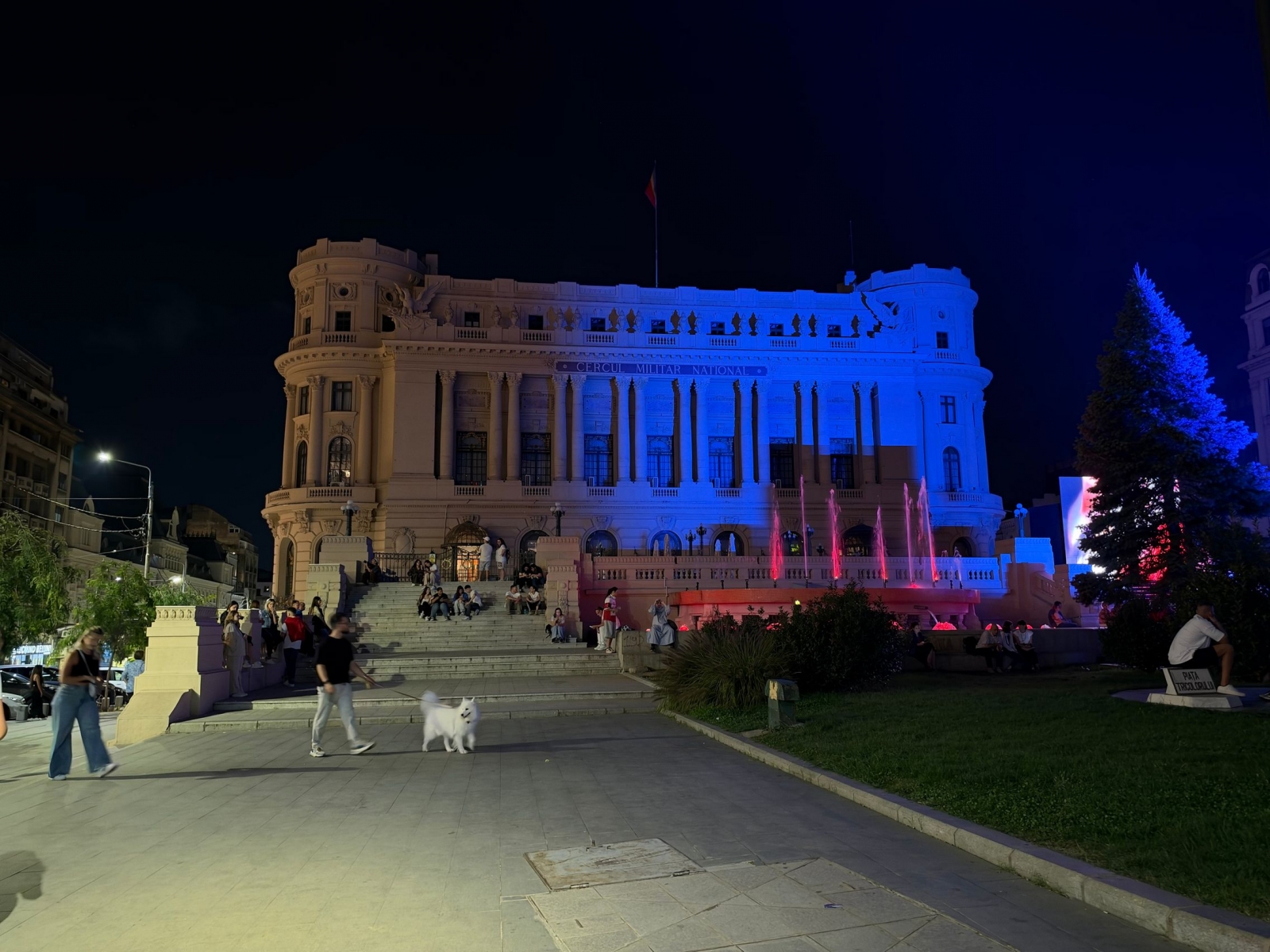

The 4x optical telephoto camera is unchanged, with digital zoom extending to 40x. Image quality is more balanced around 8x to 10x than at the maximum digital setting. The phone does not appear to apply aggressive AI sharpening to distant subjects, producing a more natural result but leaving less room for extreme magnification.

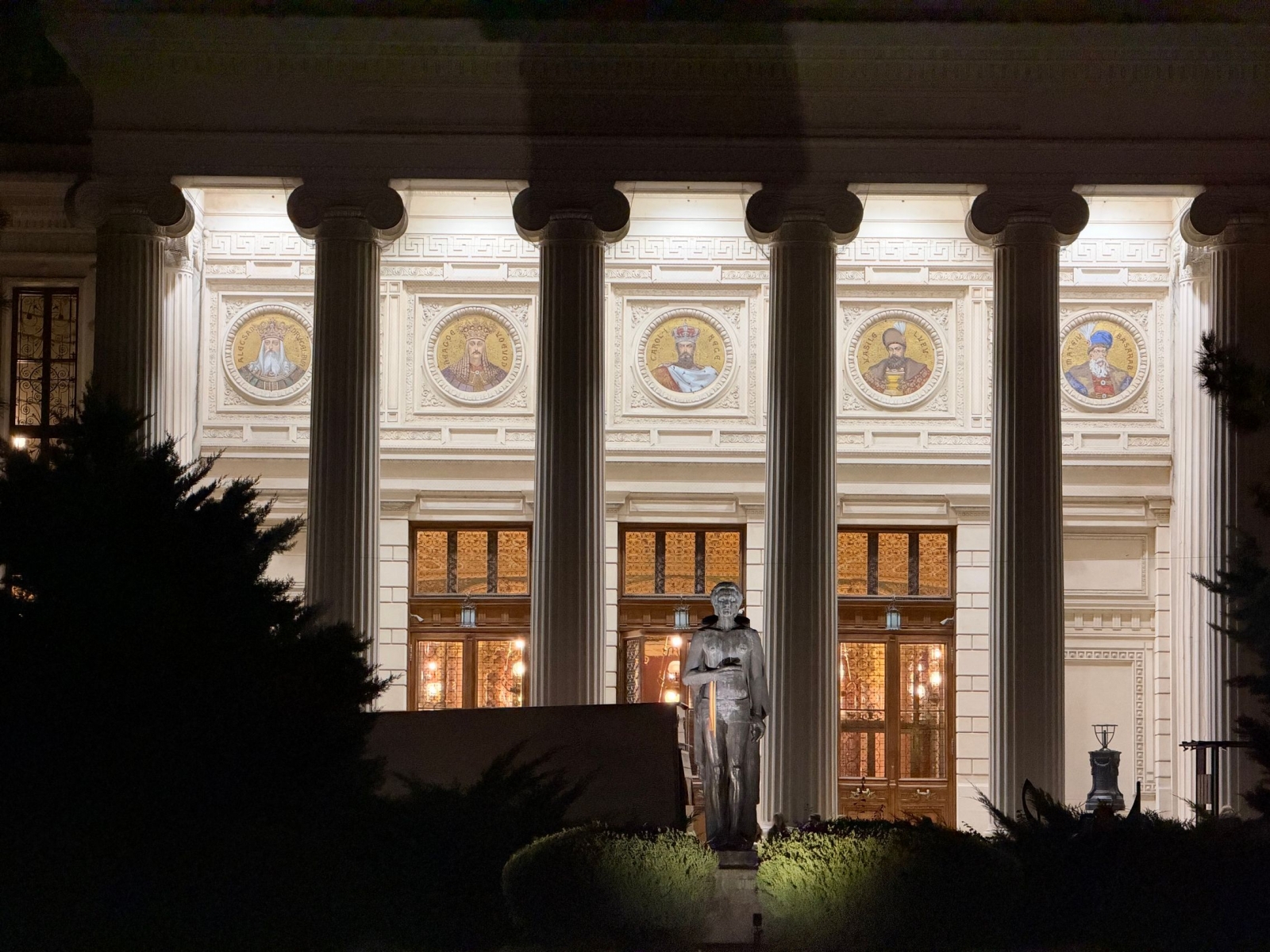
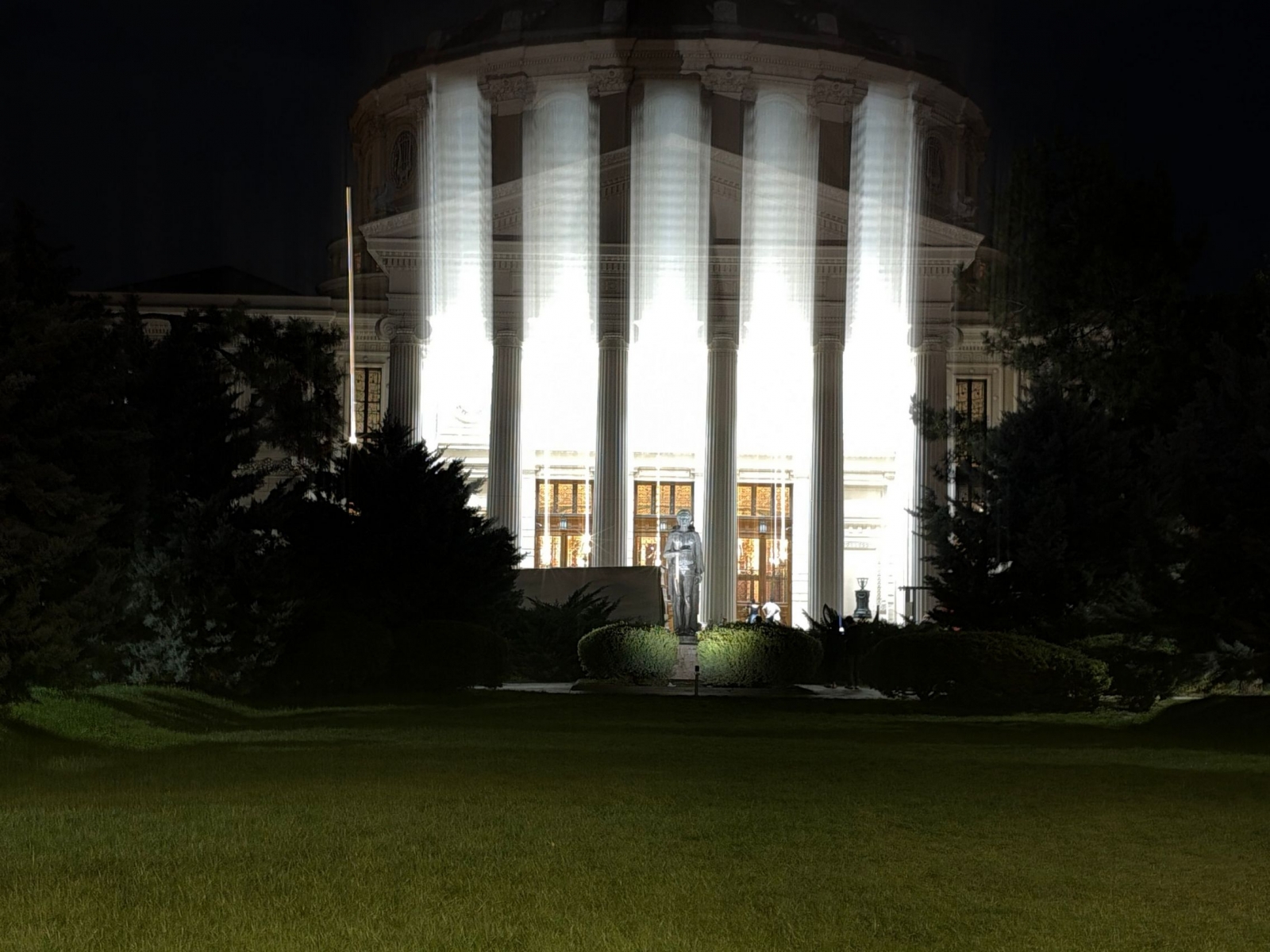
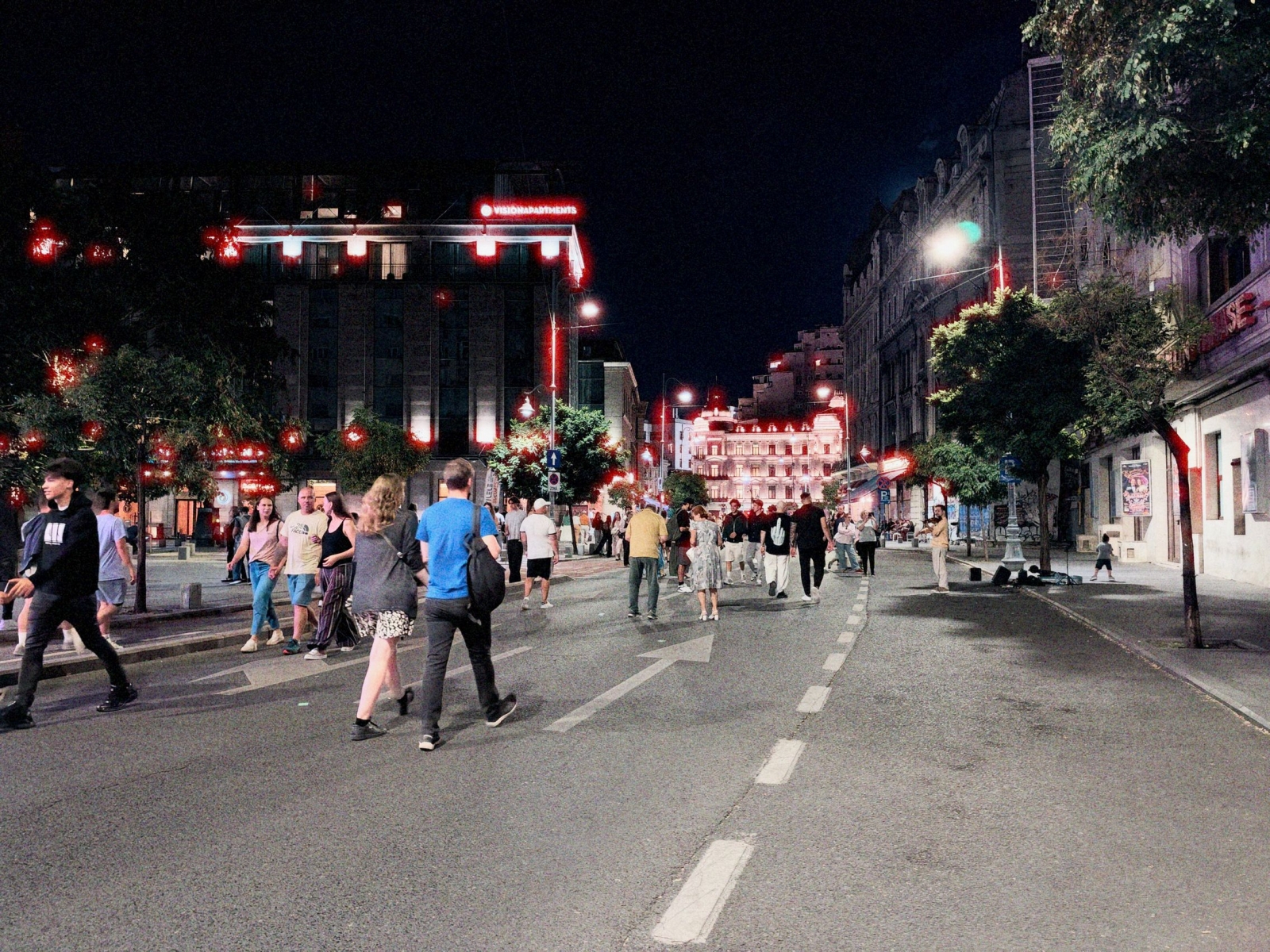
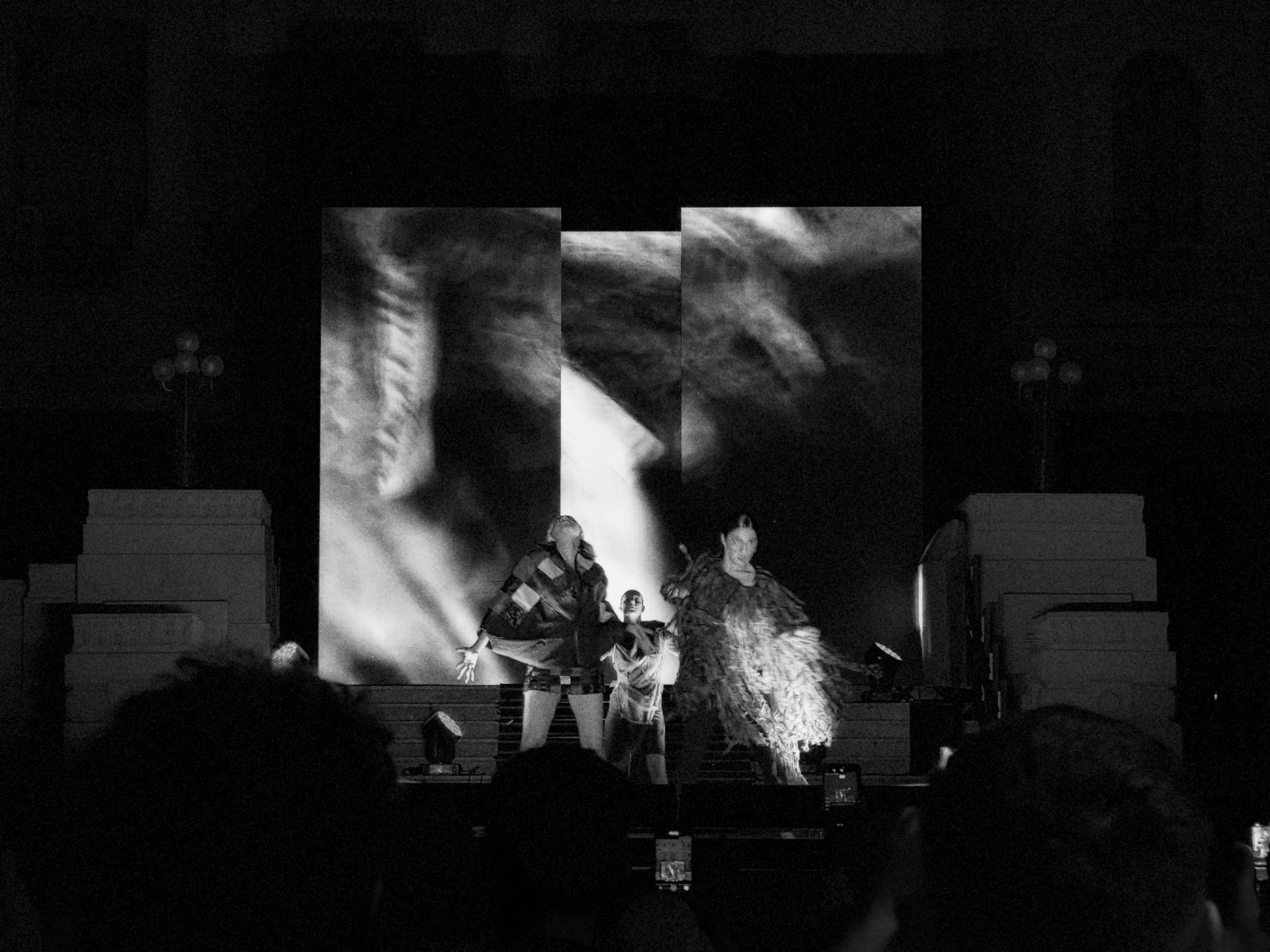
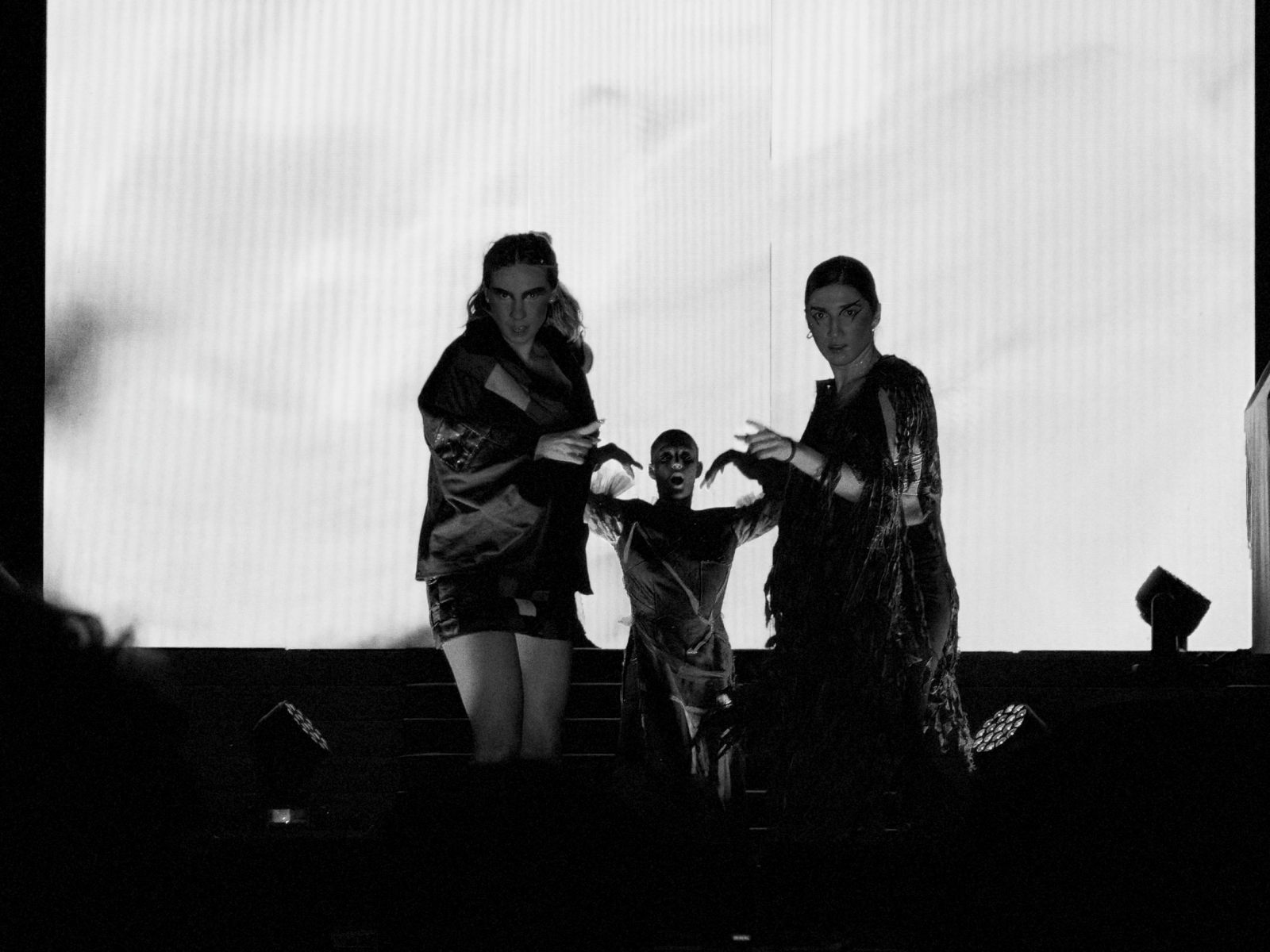
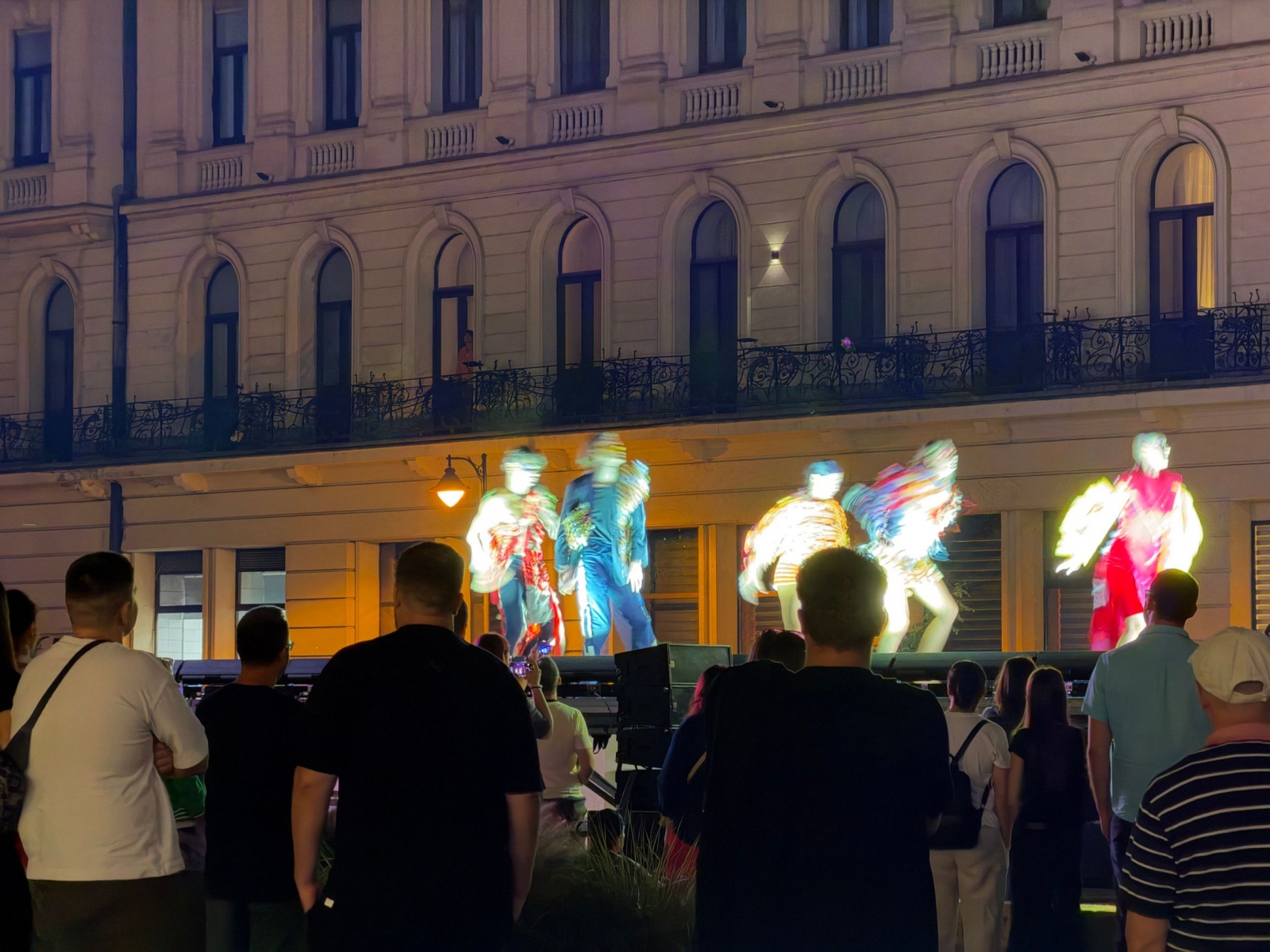
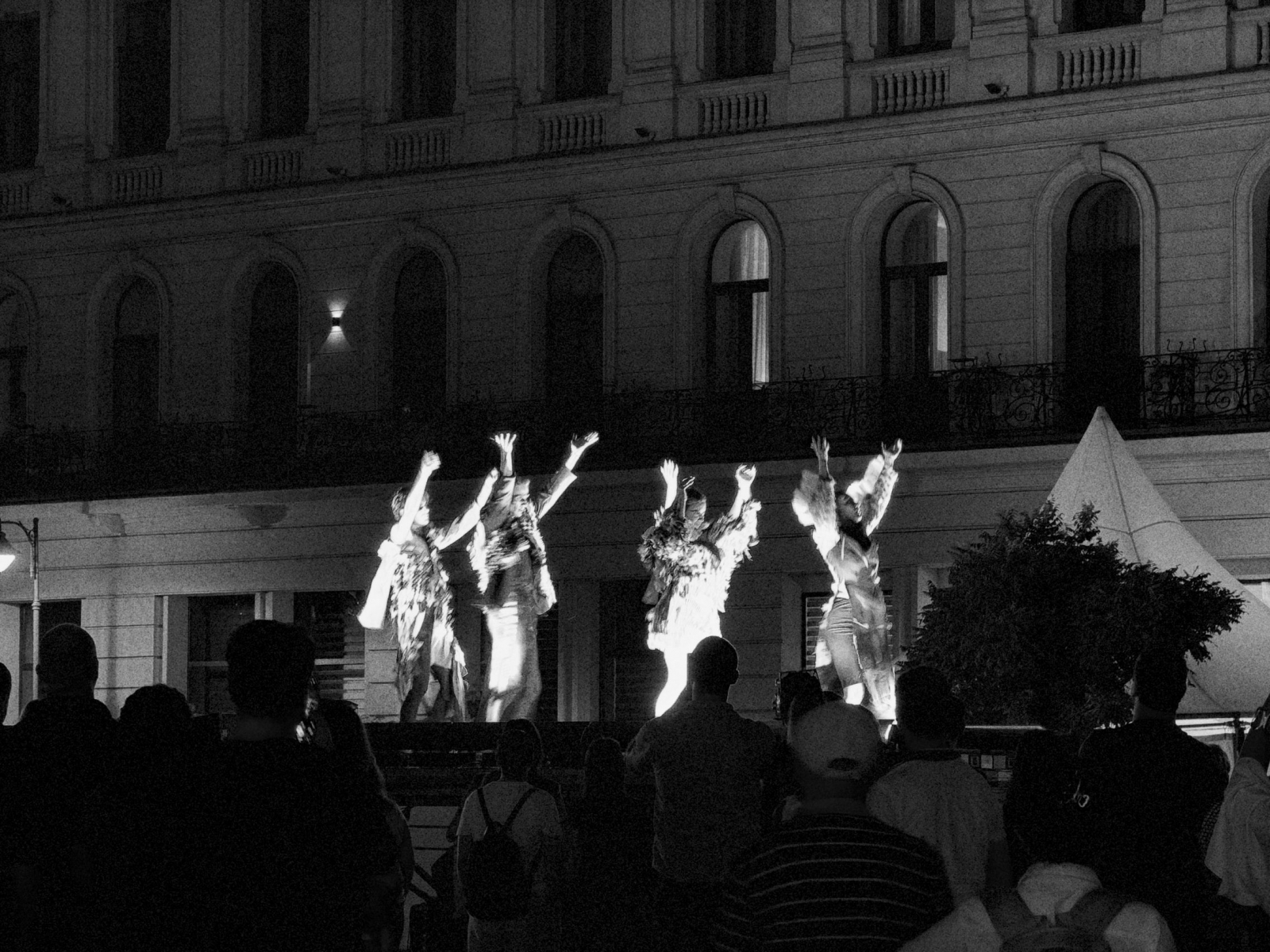
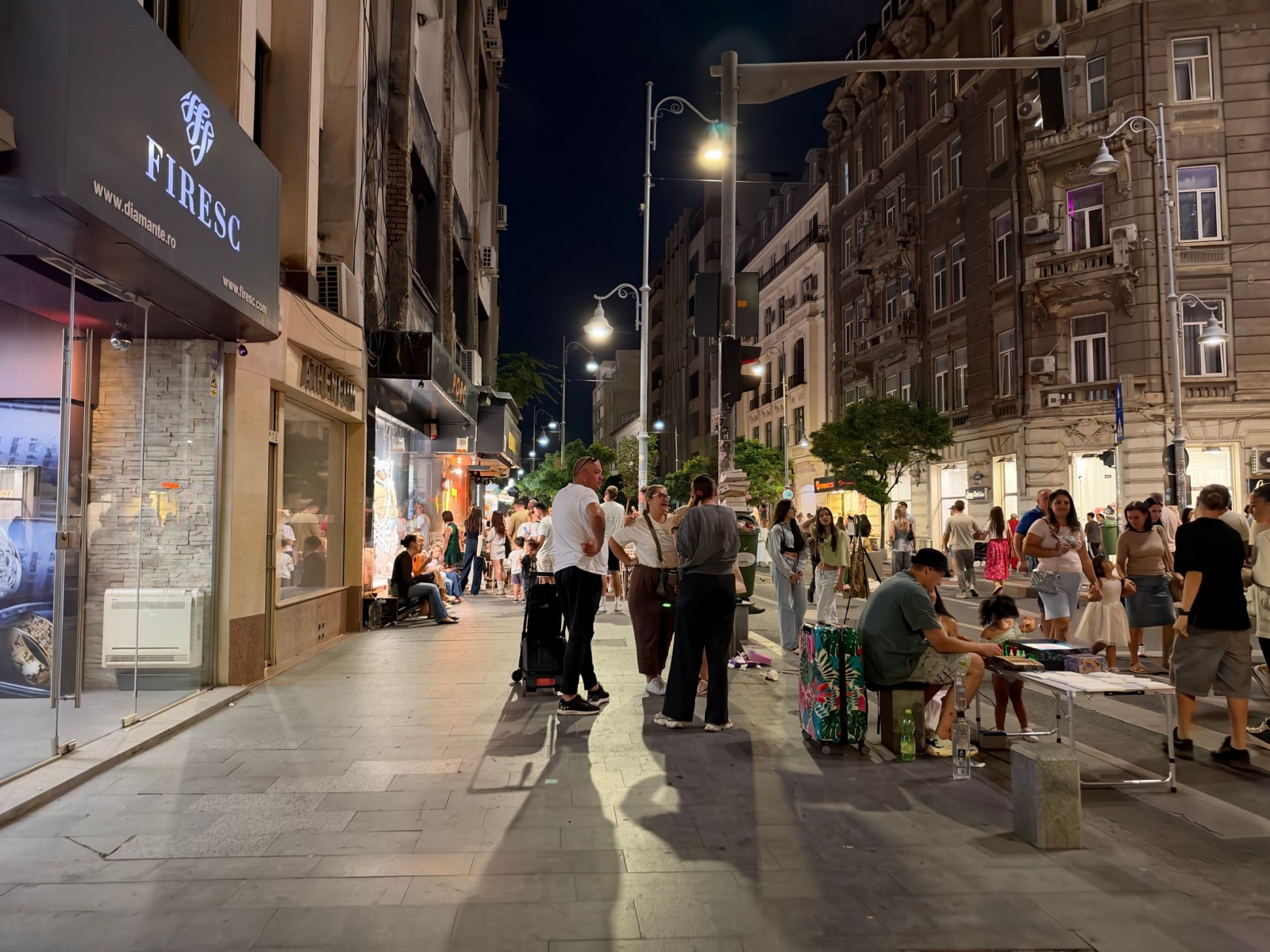
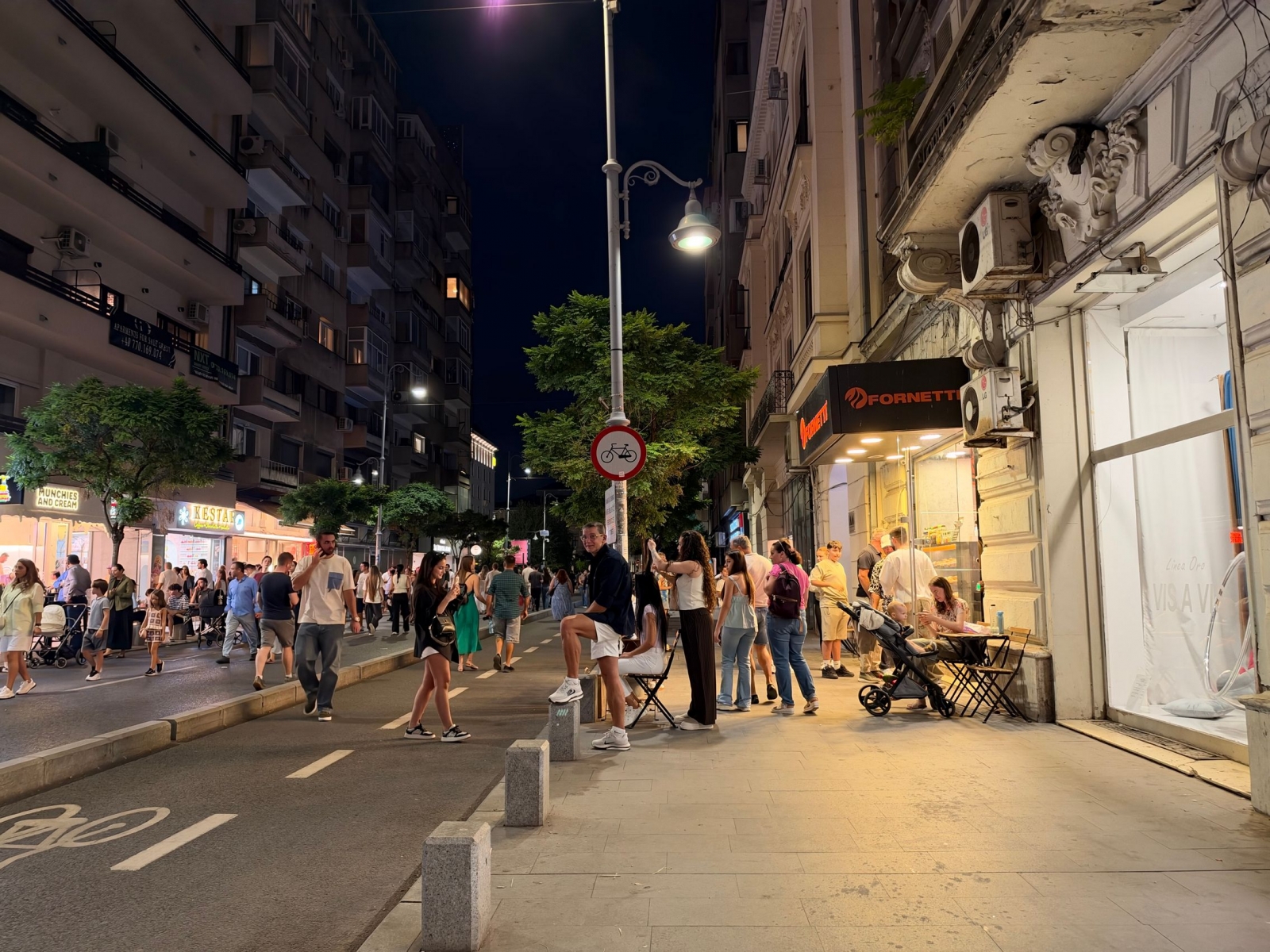
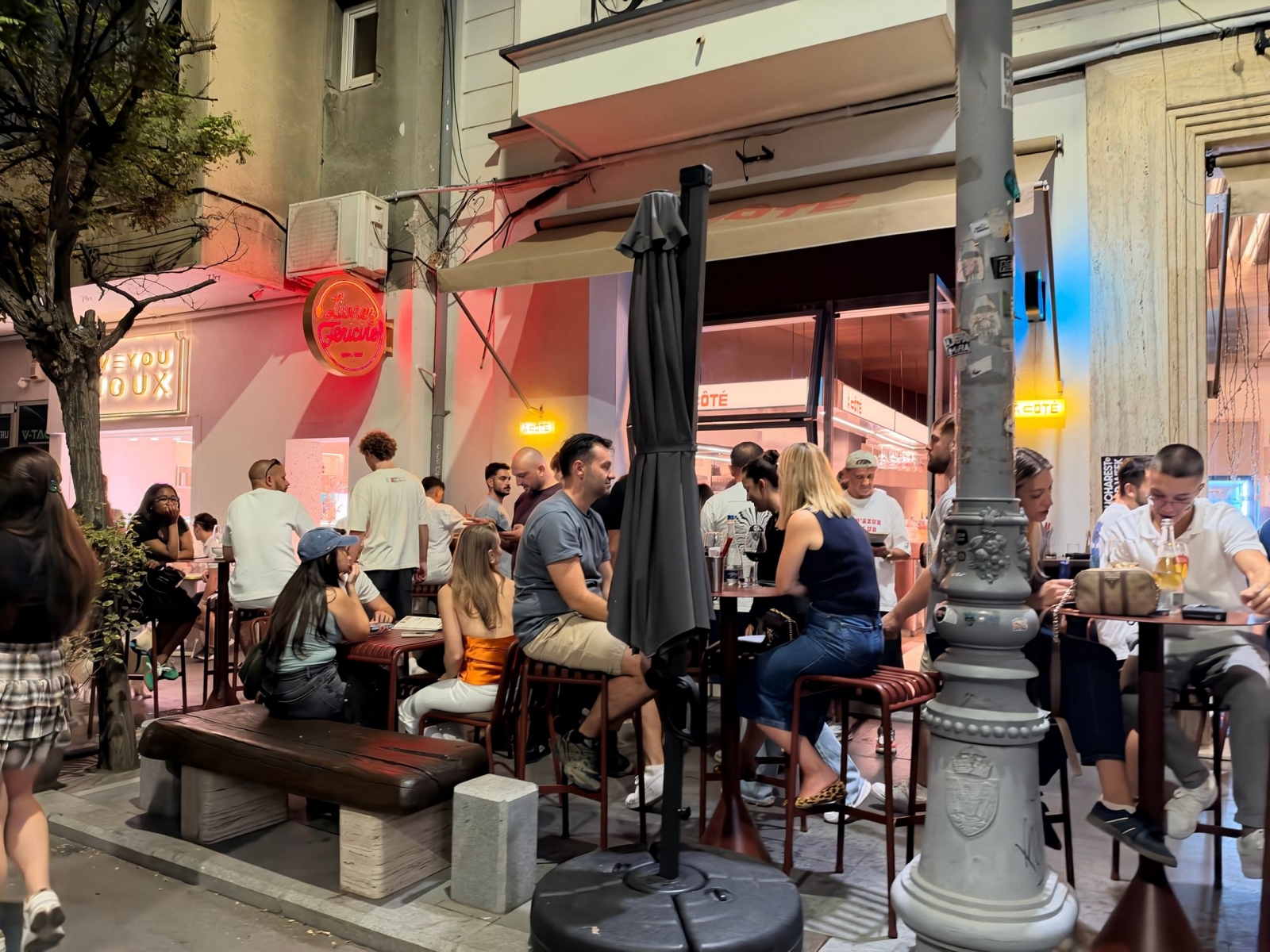
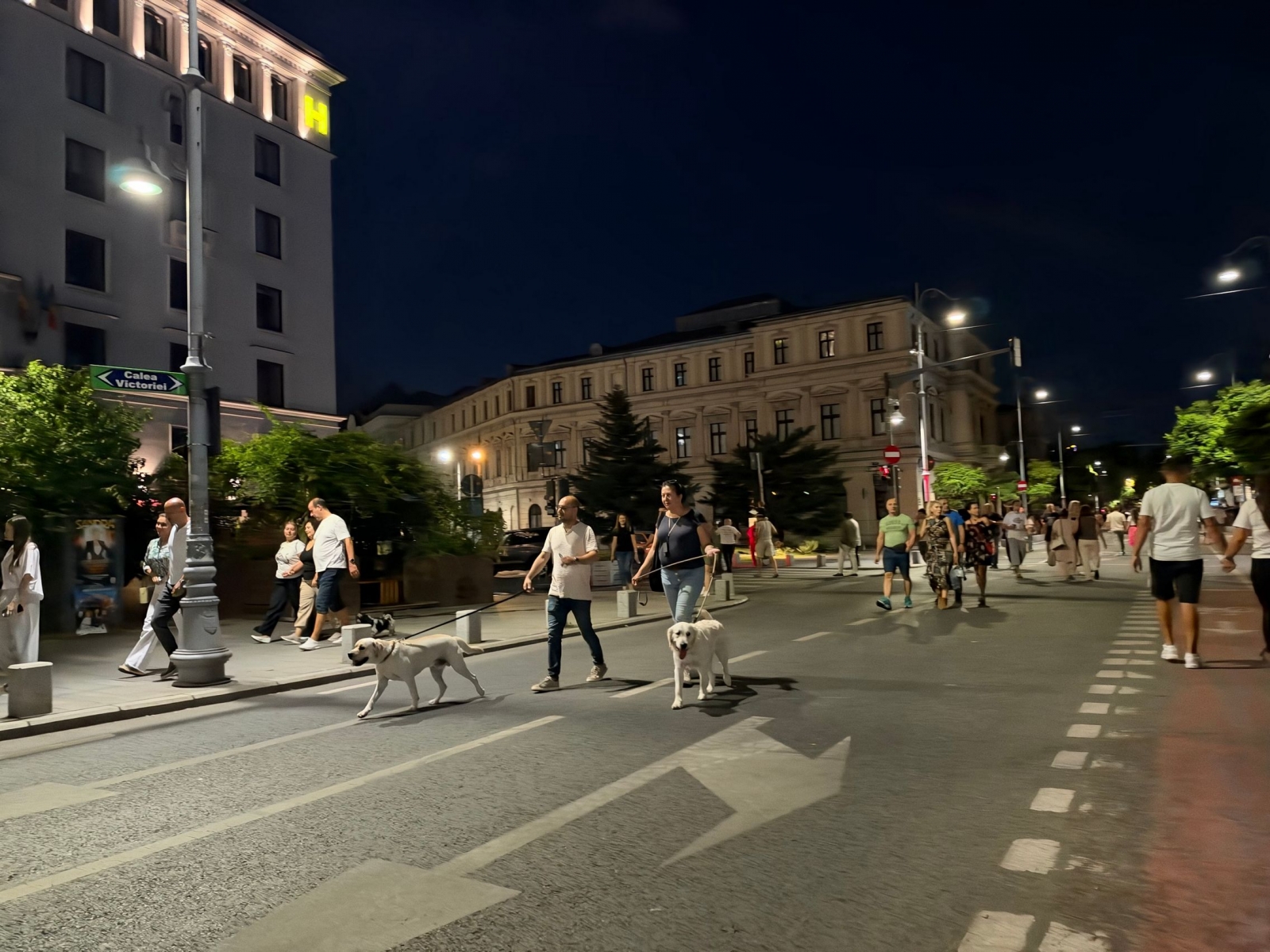
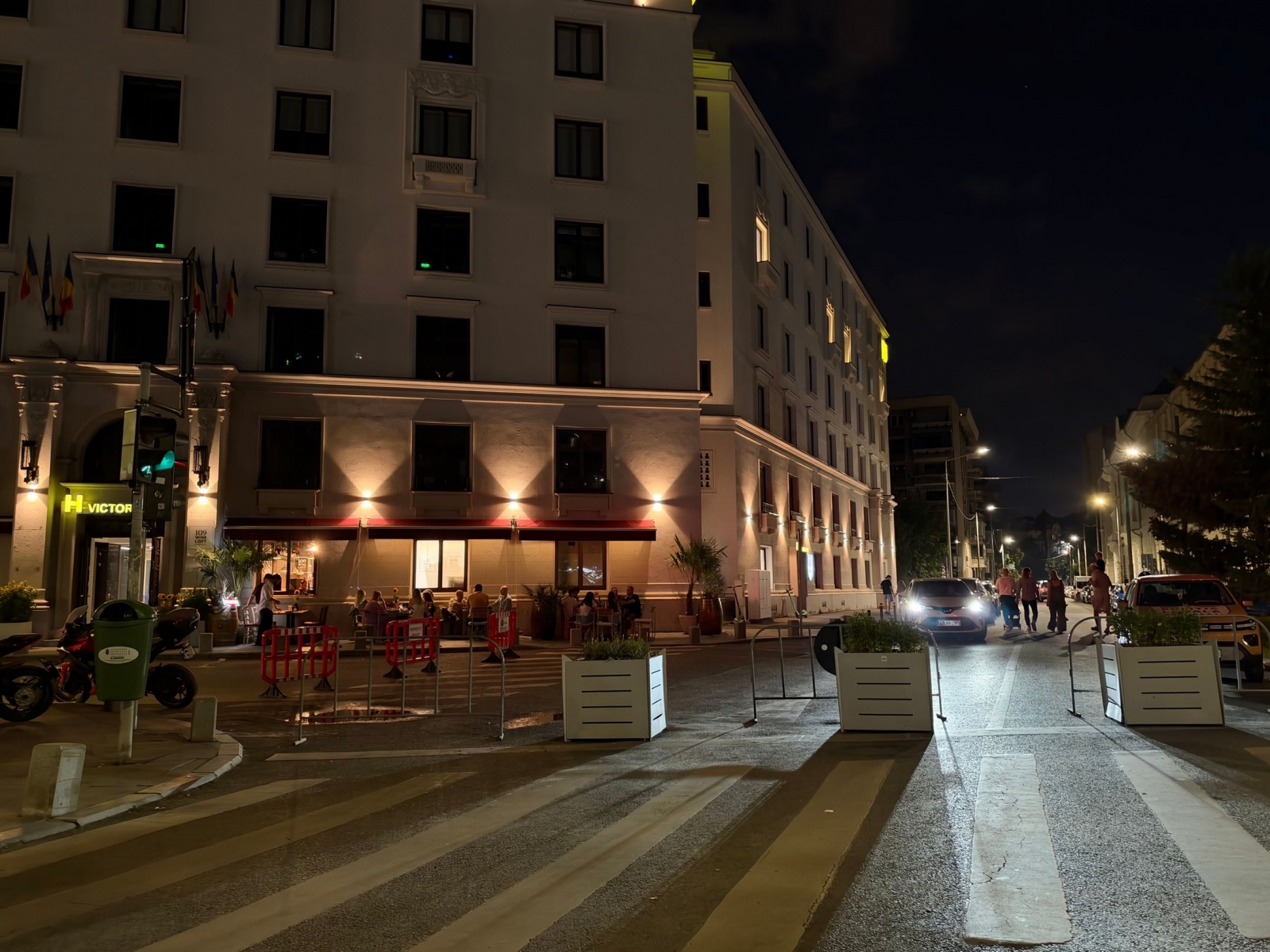
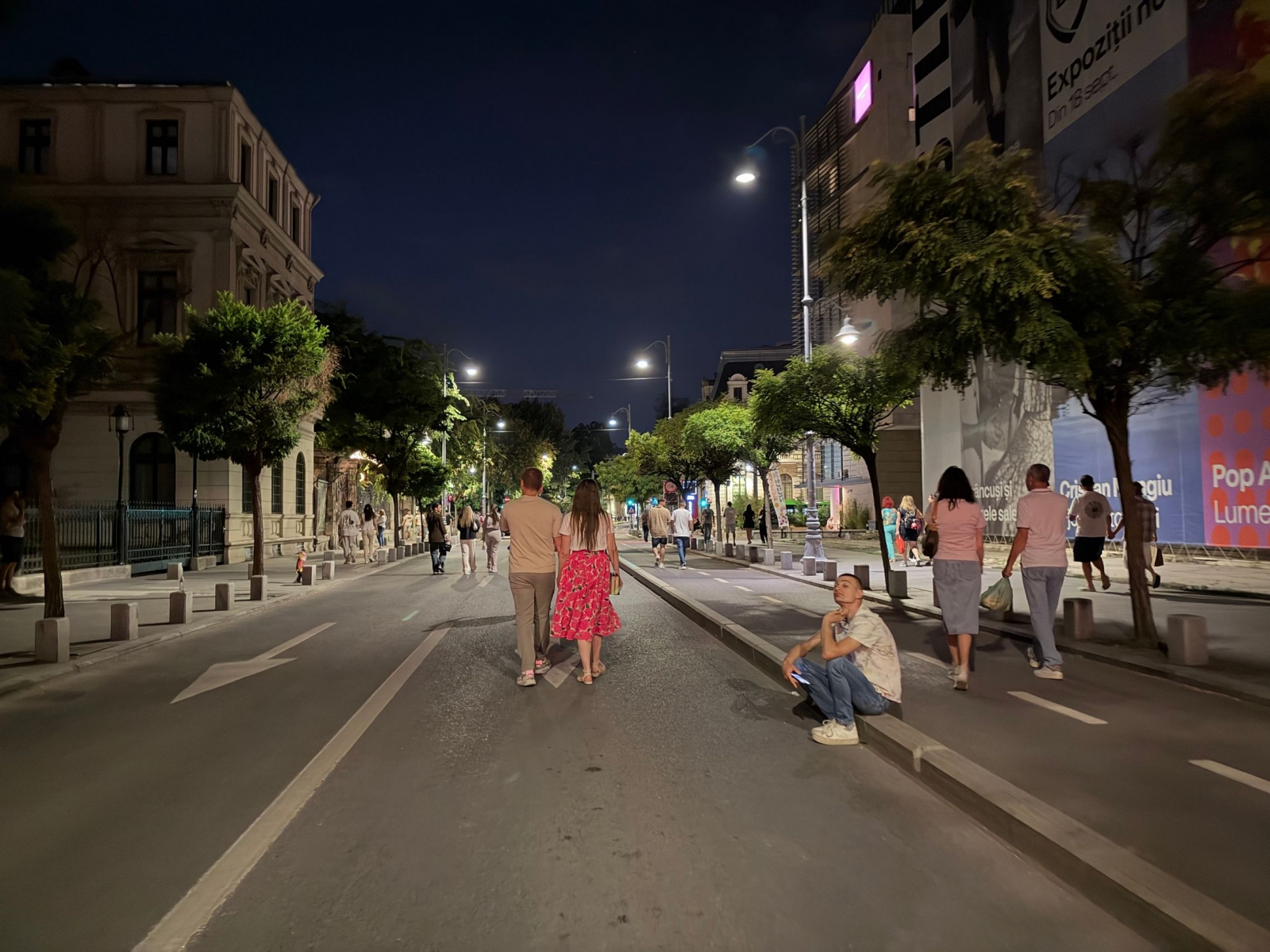
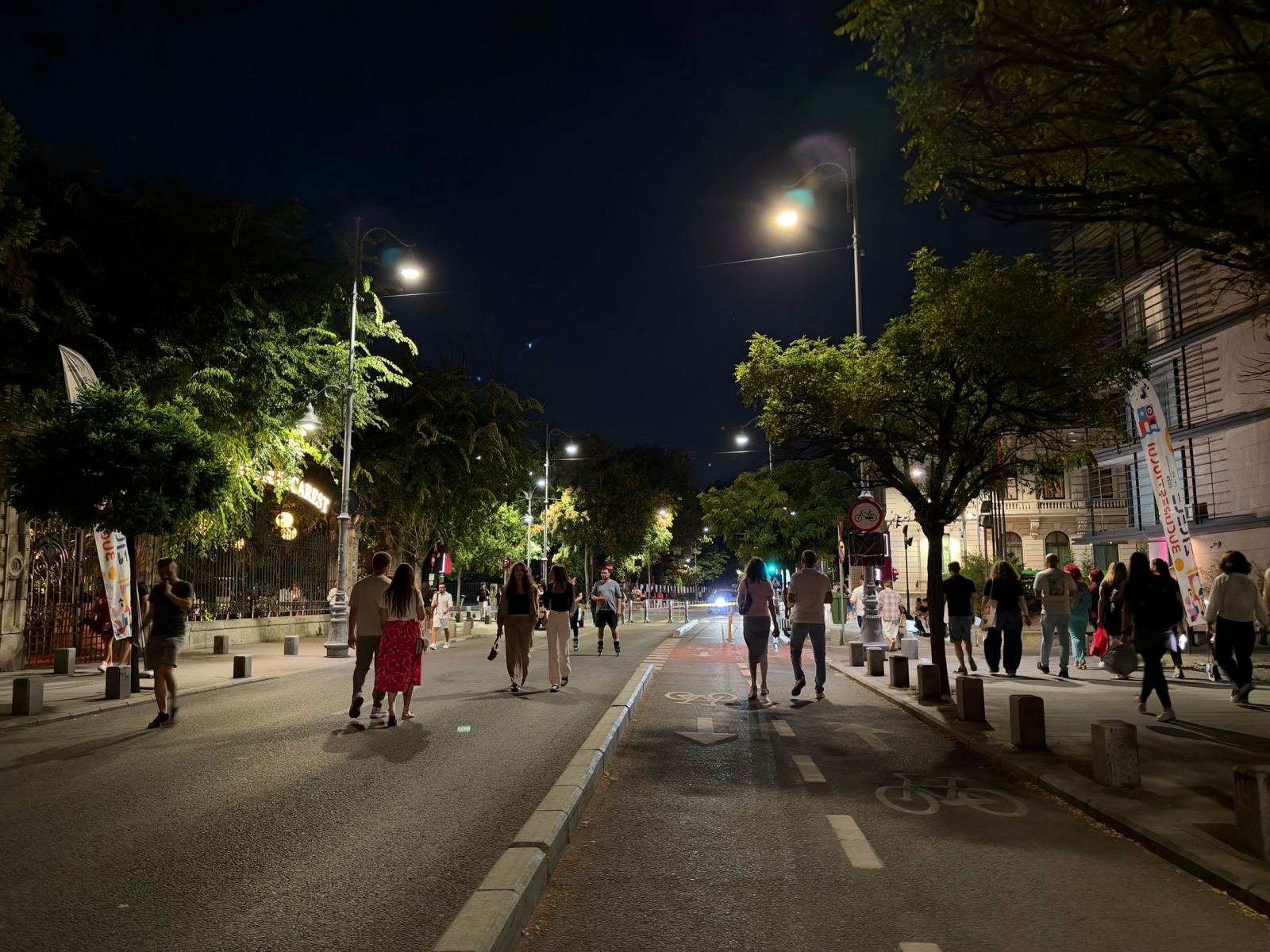
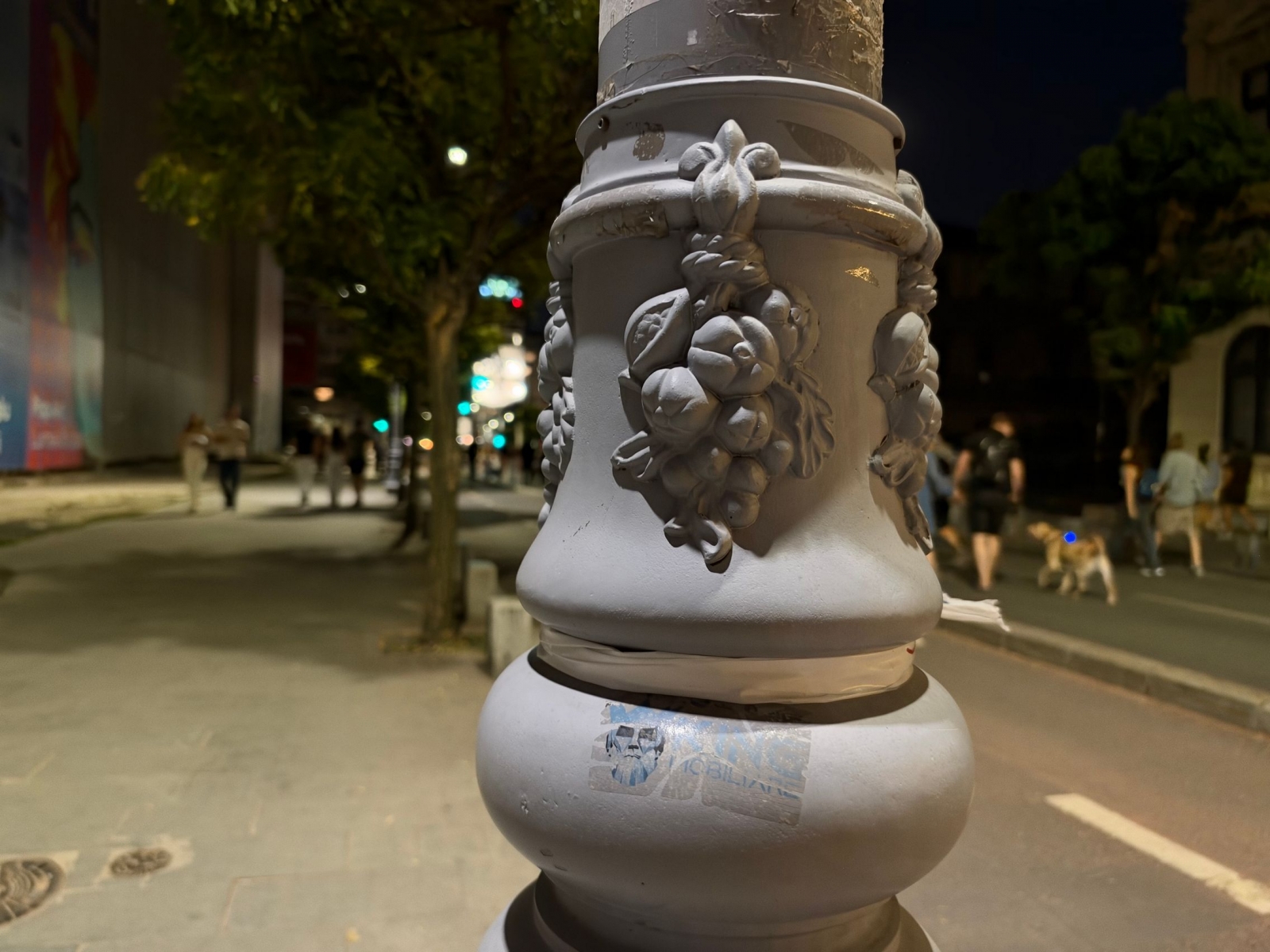
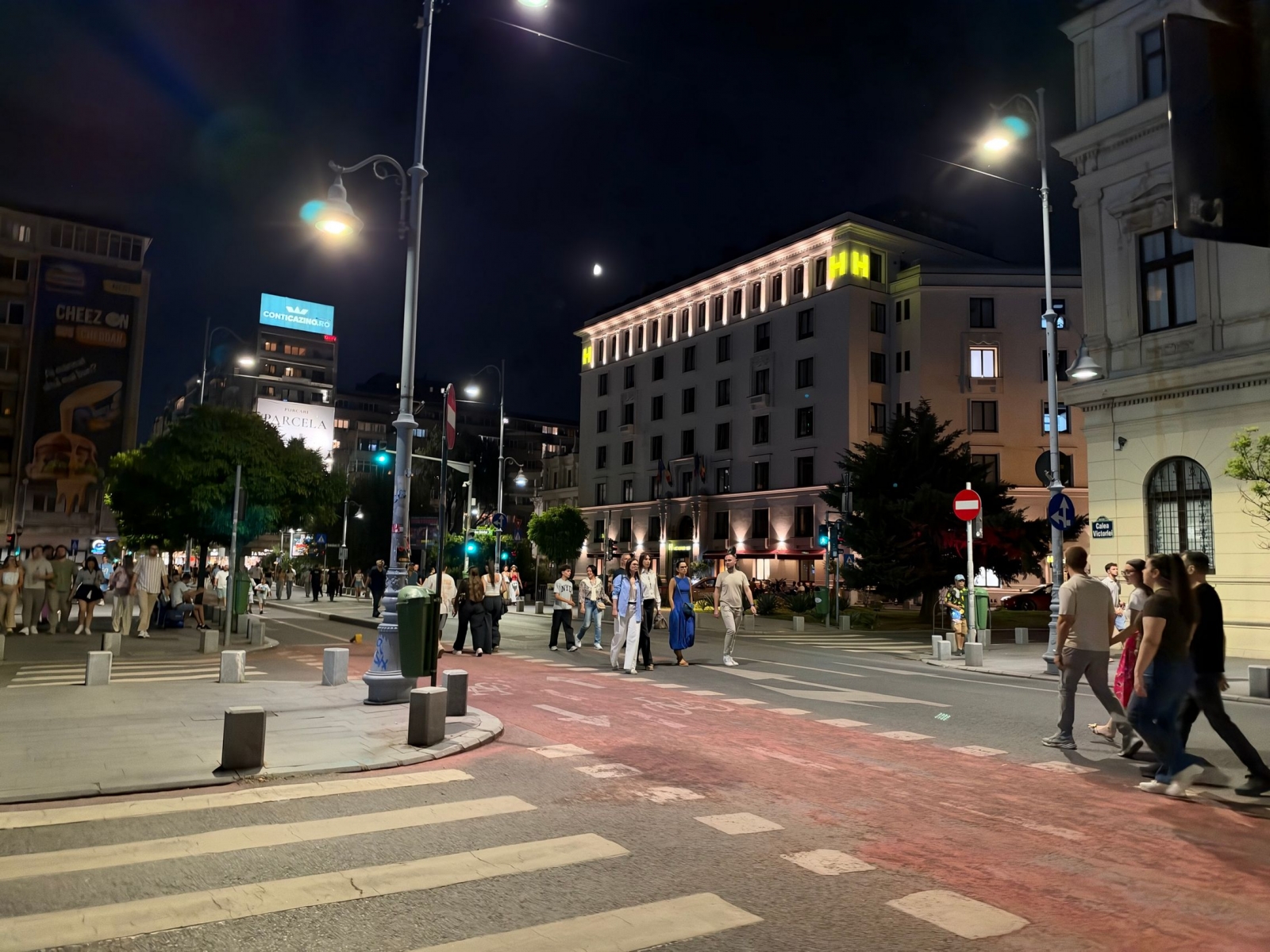
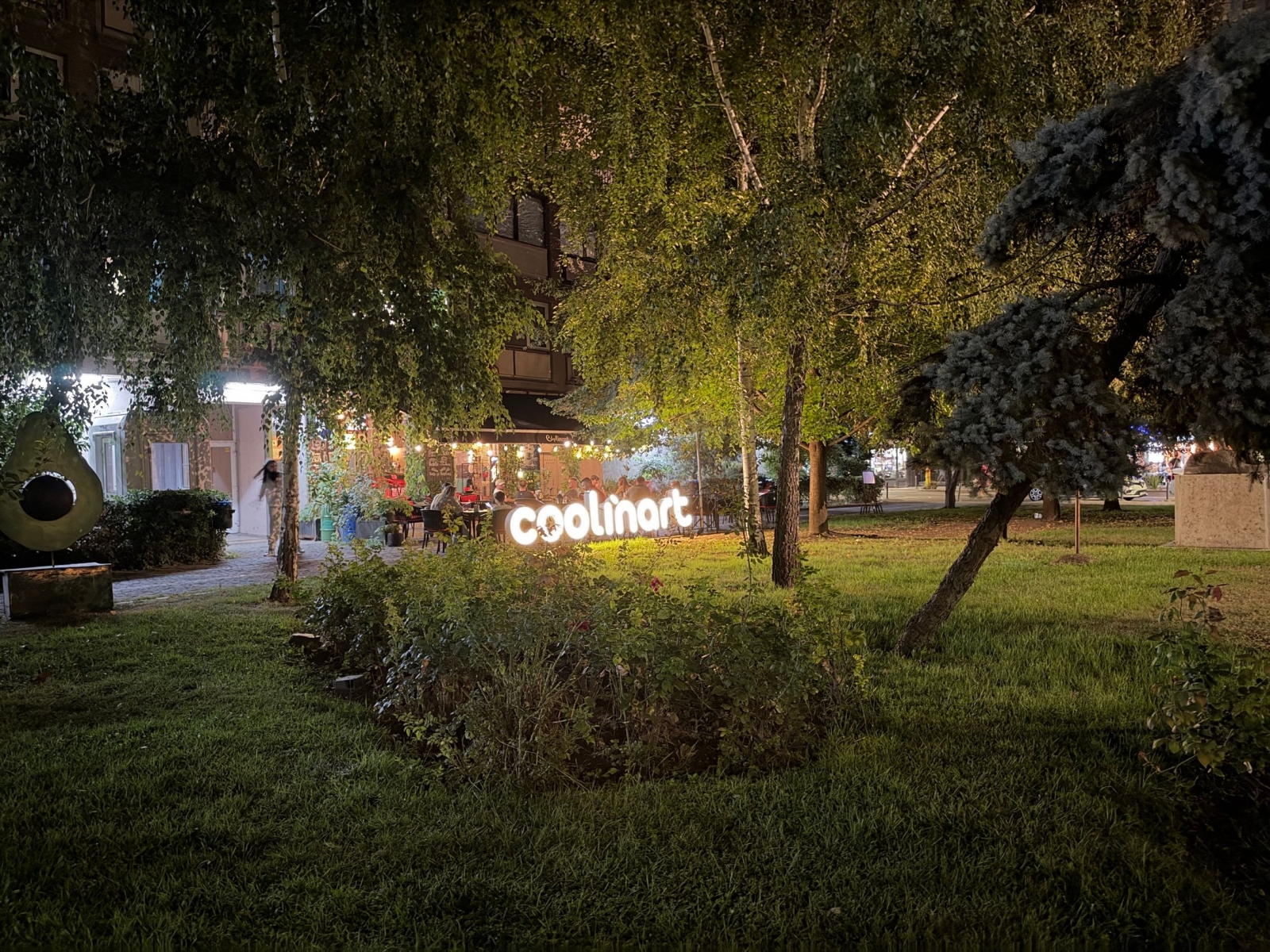
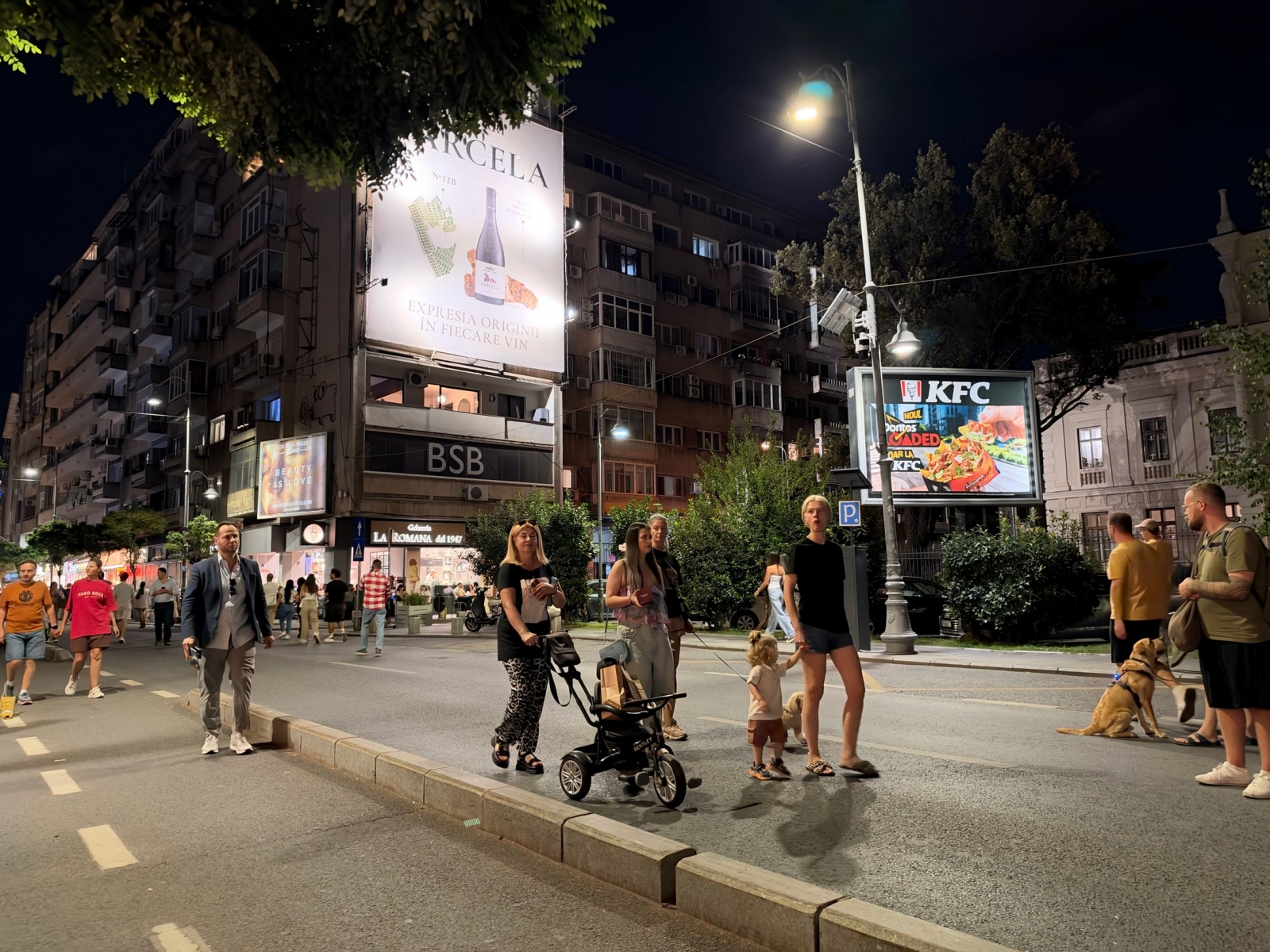
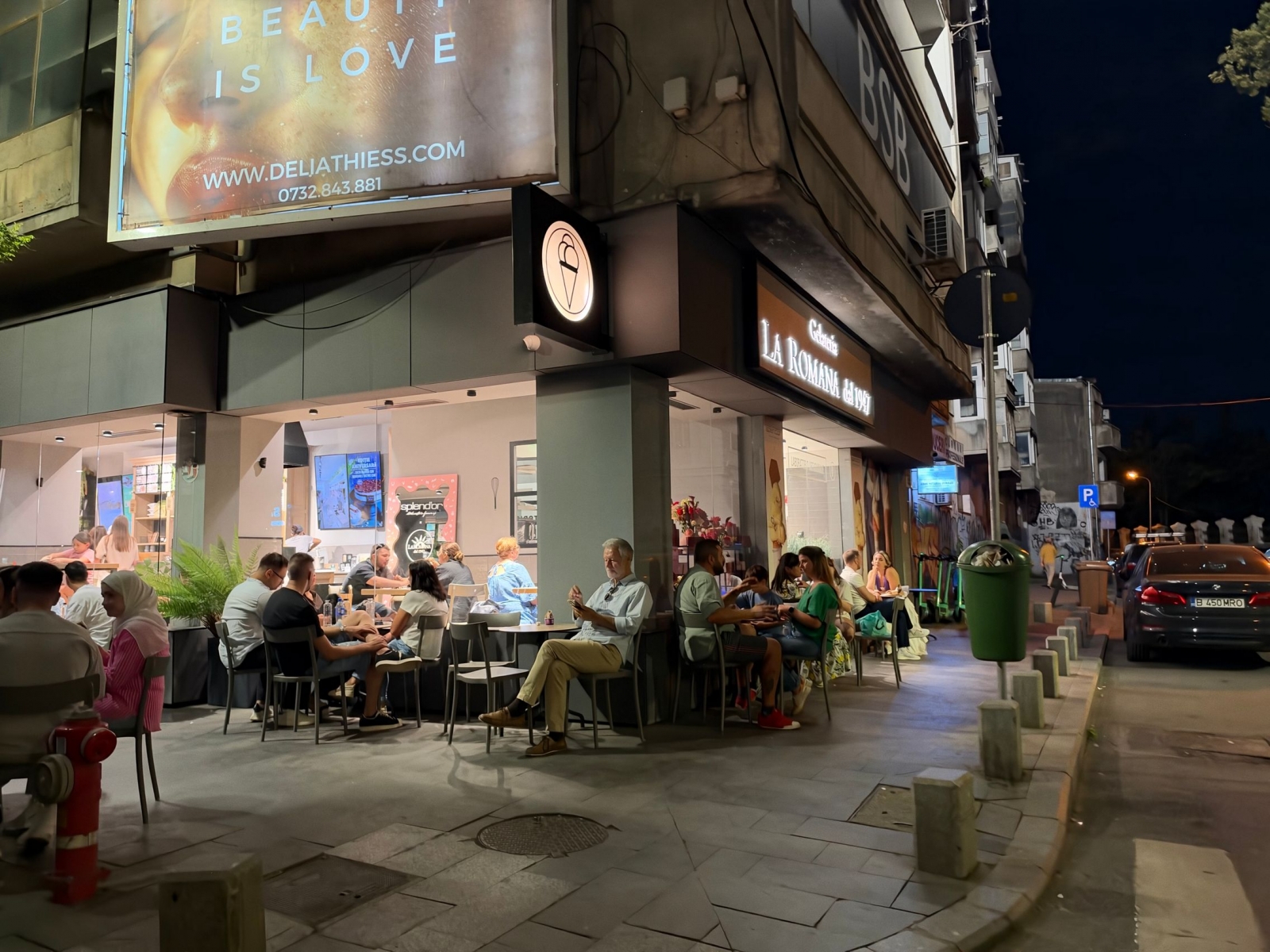
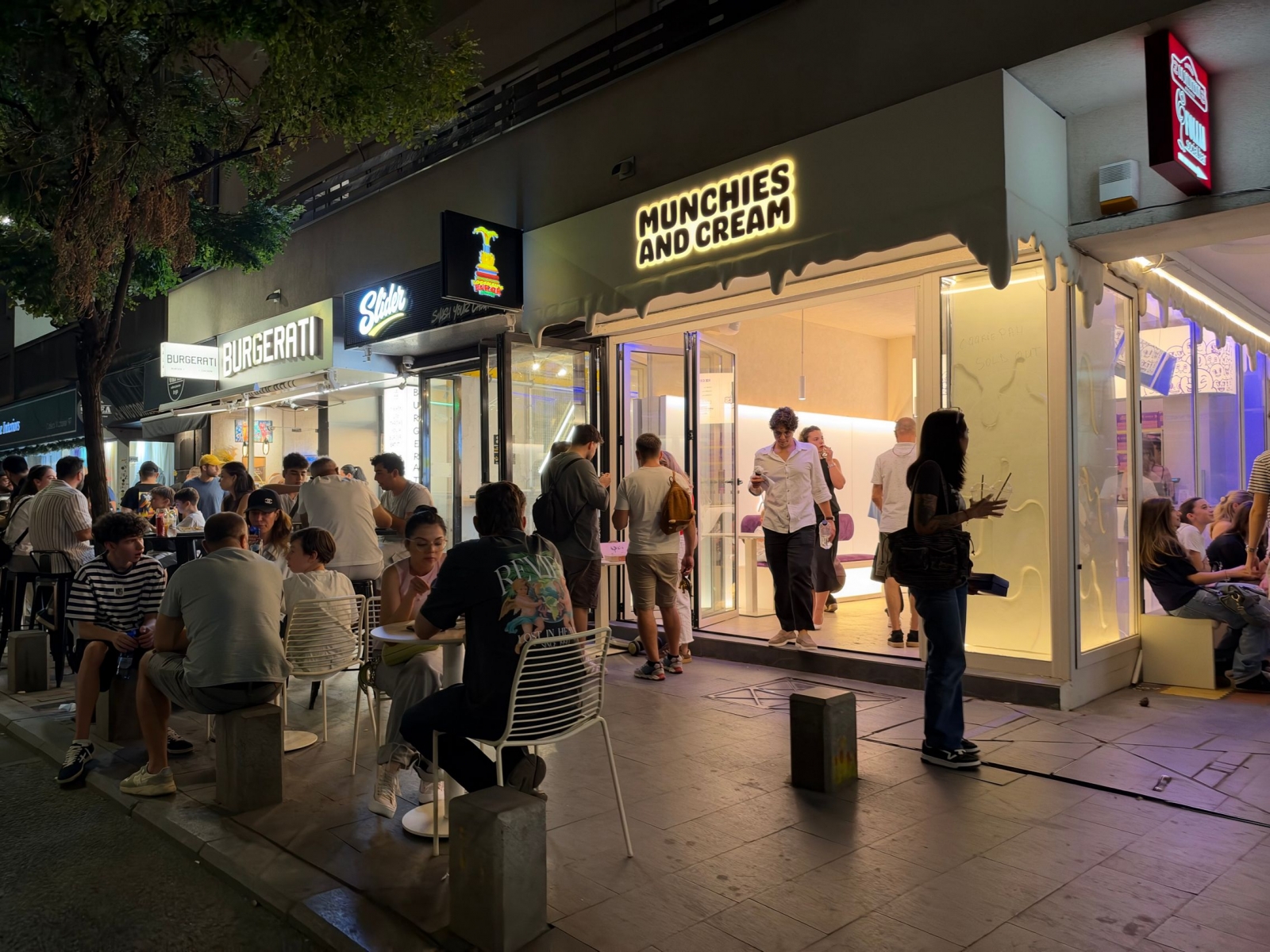
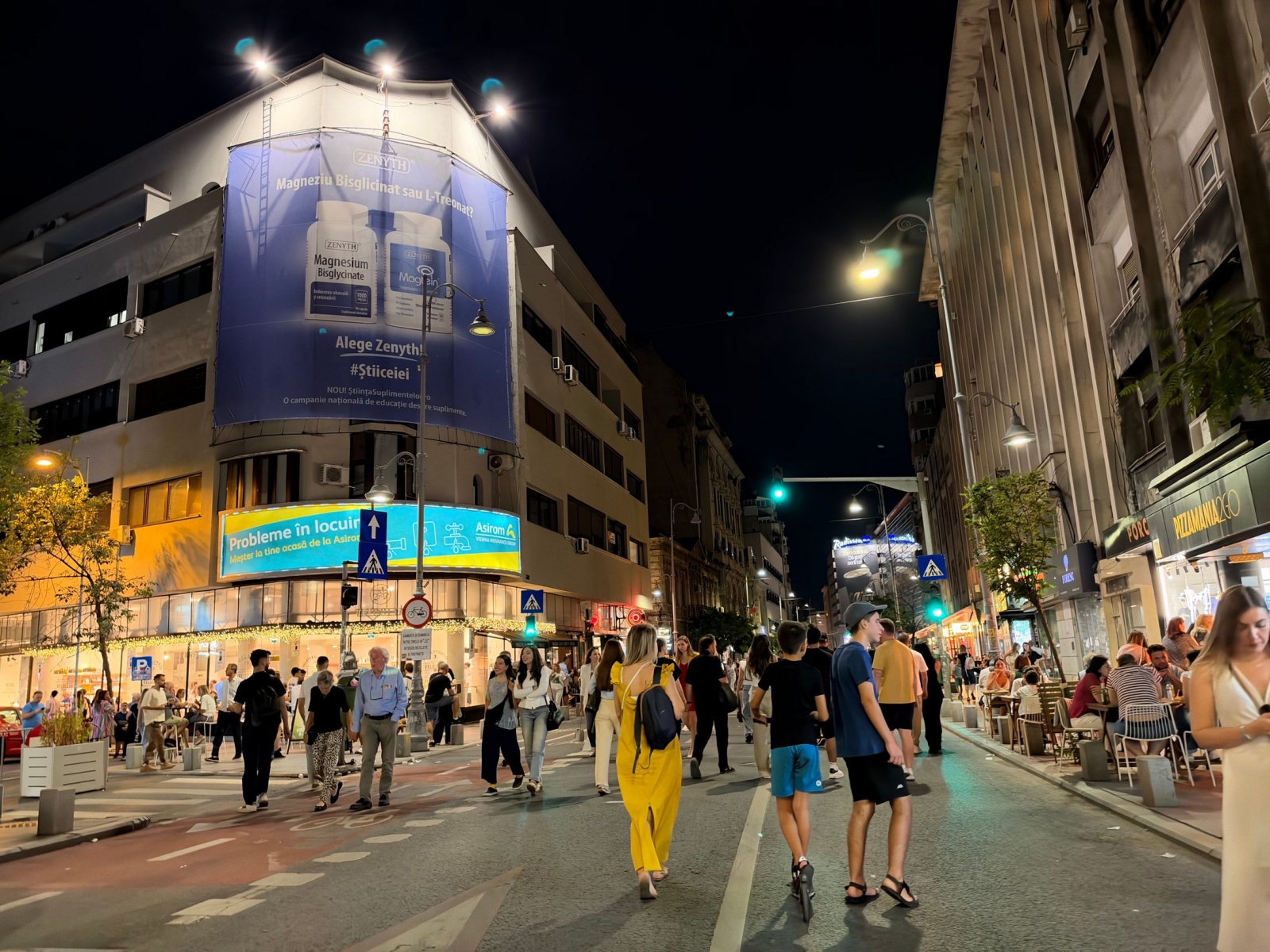
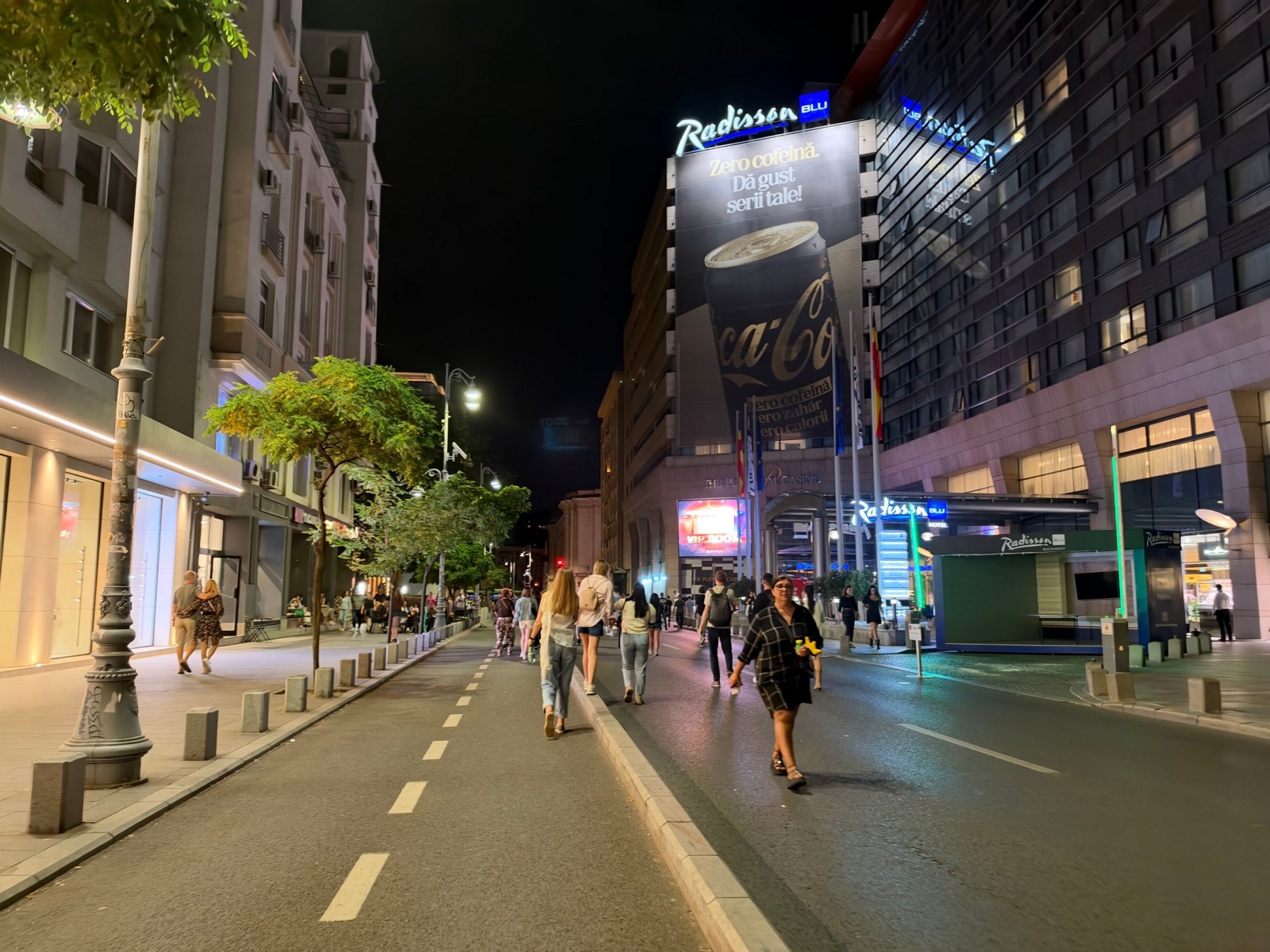
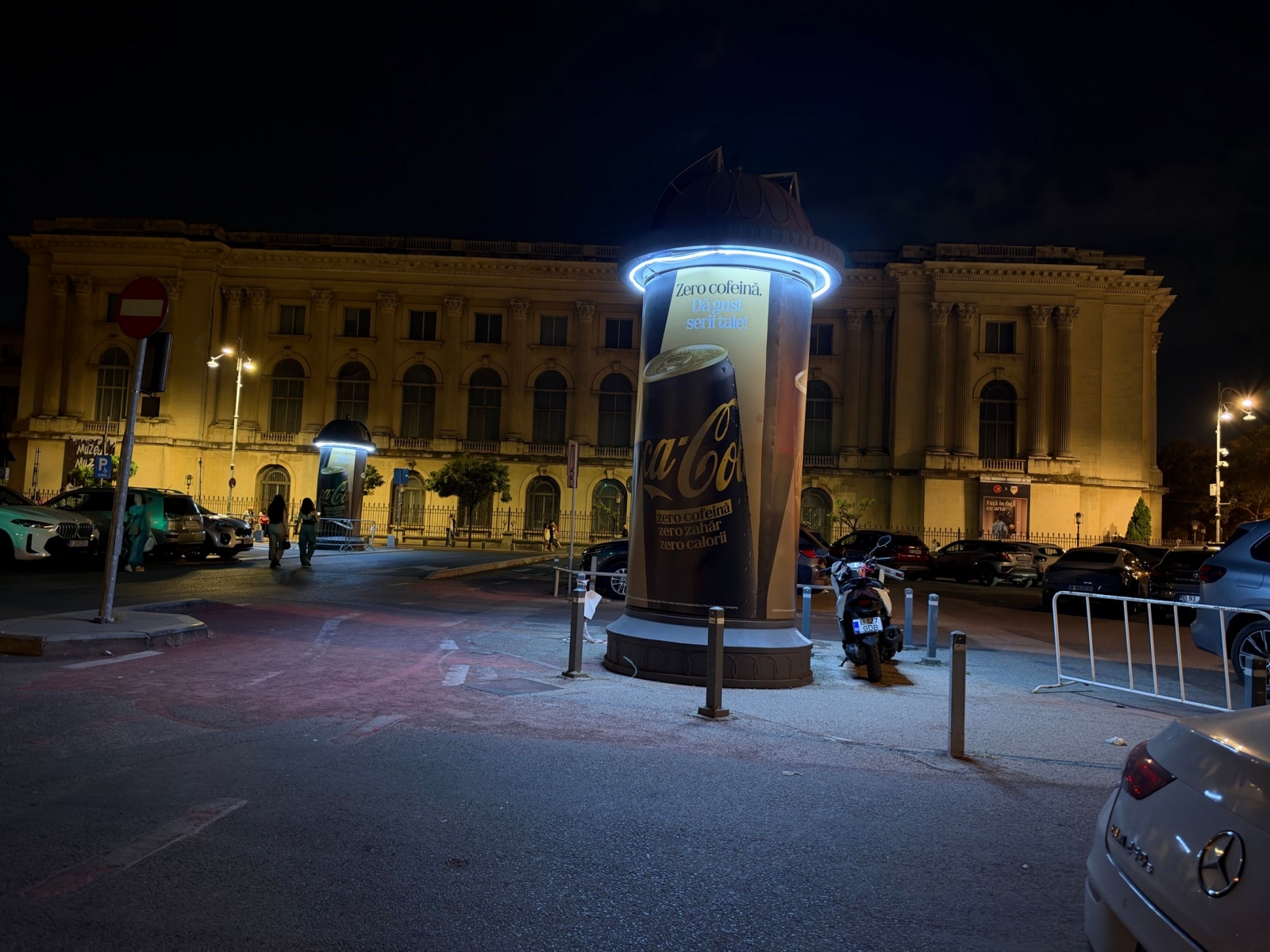
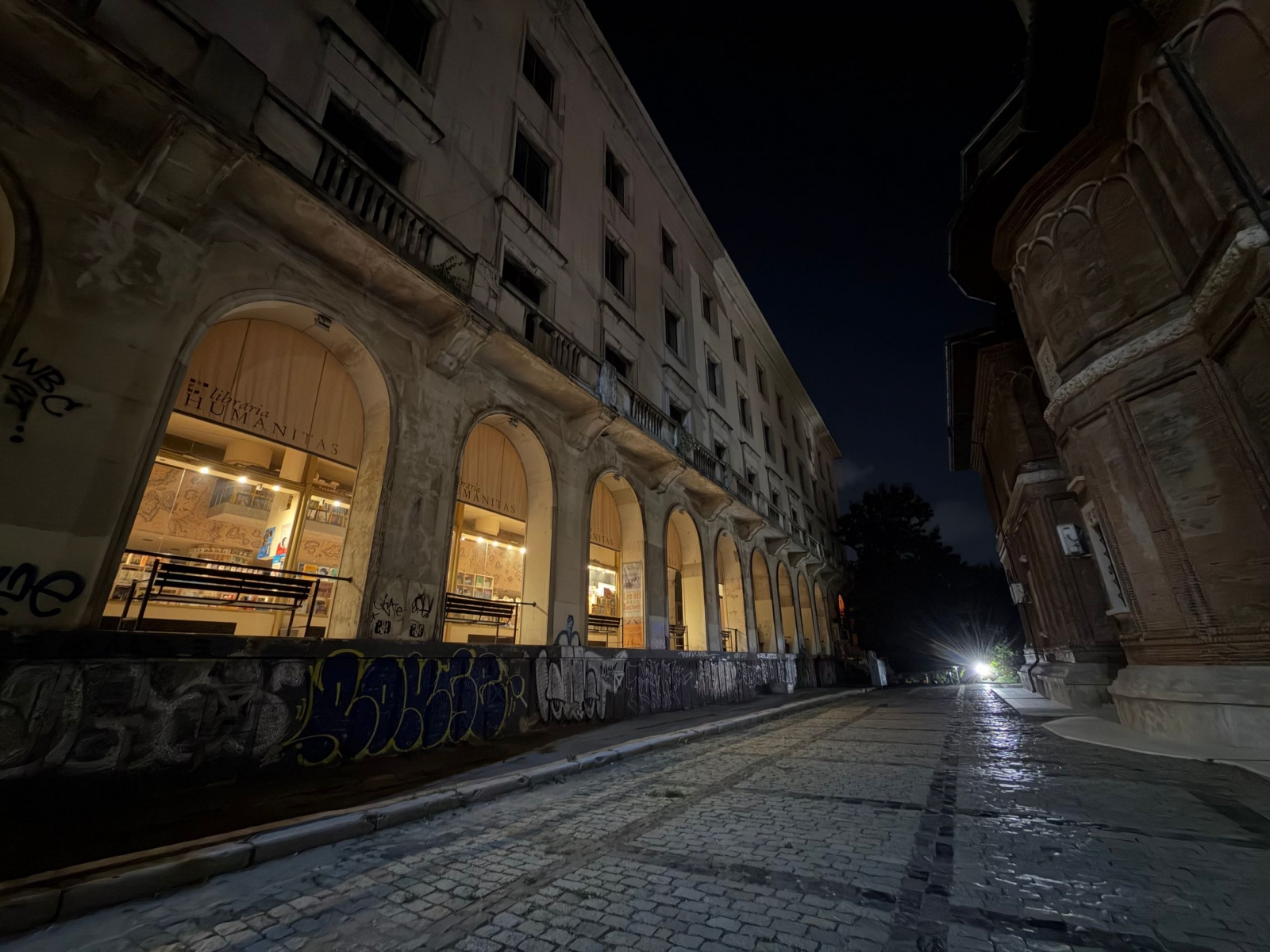
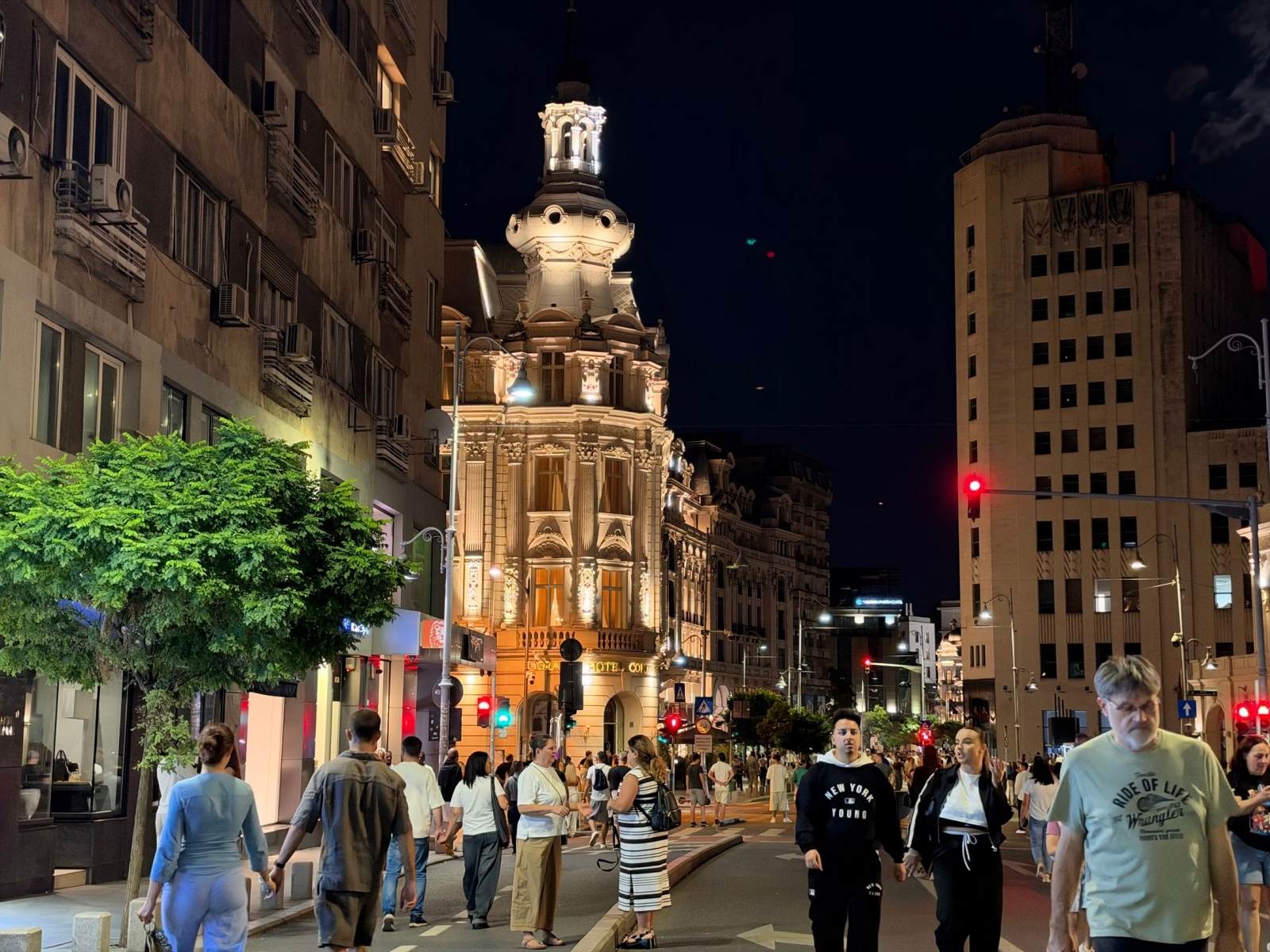
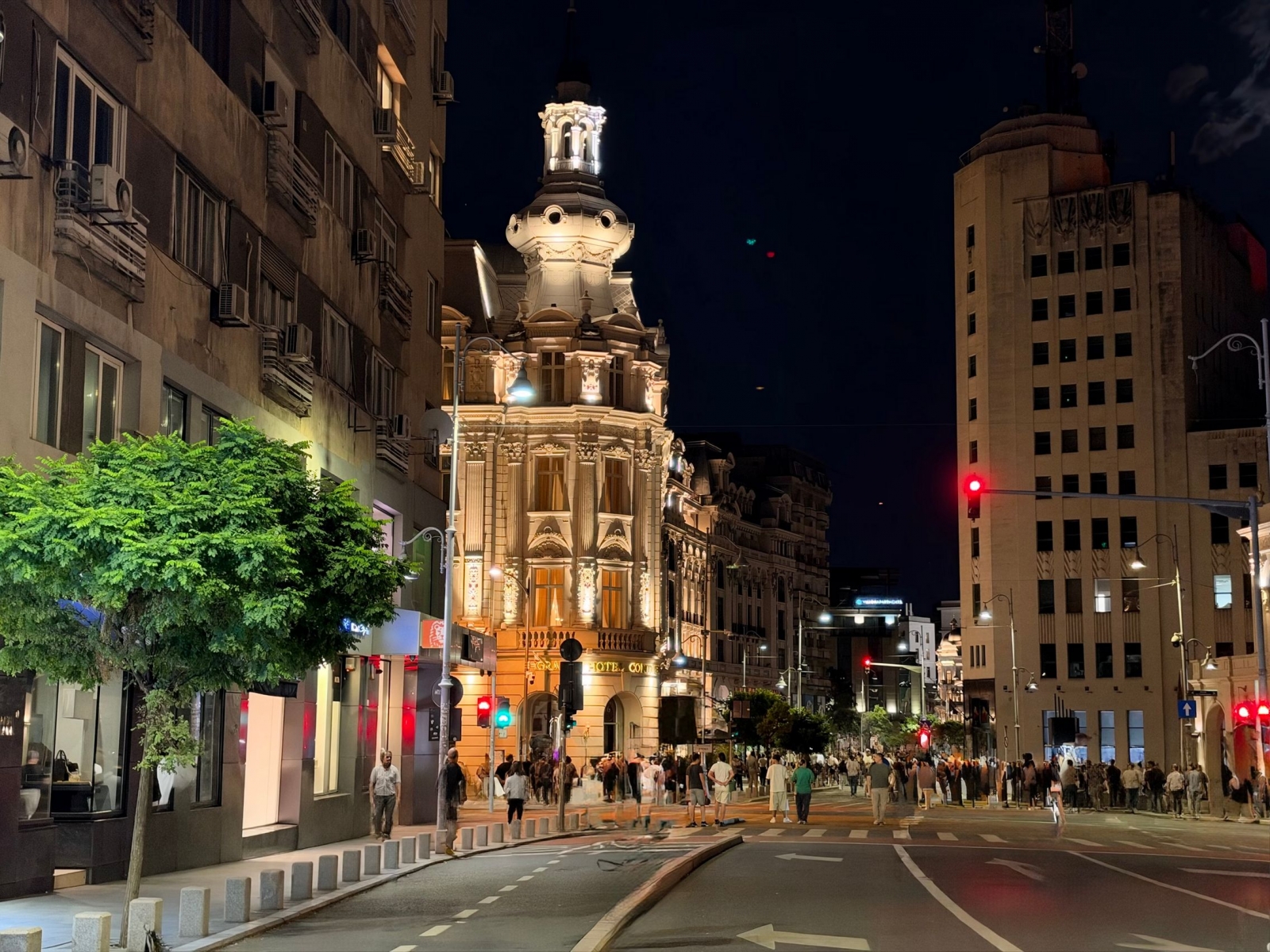
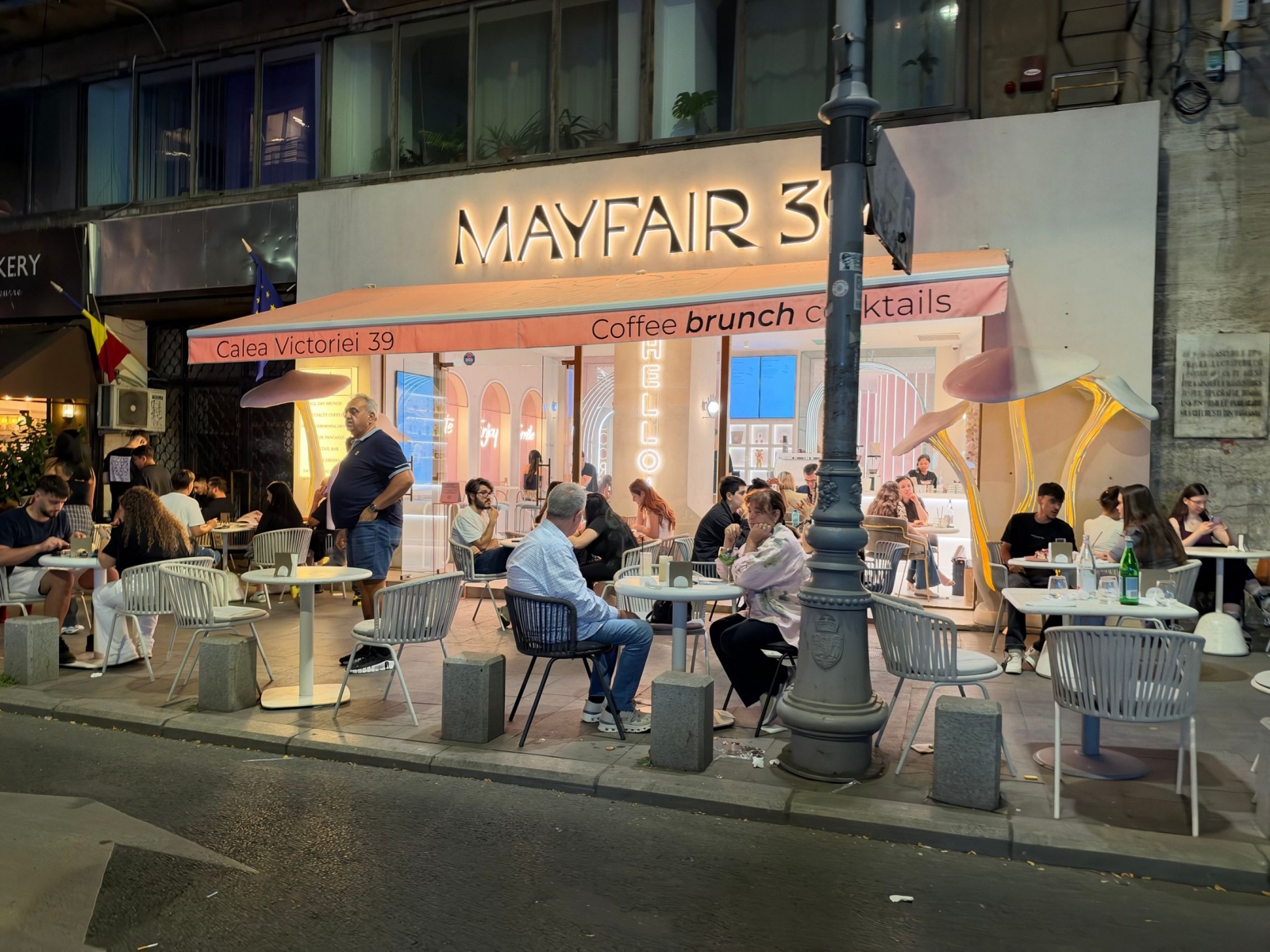
Low-light stills from the main camera retained appealing color and detail, although lens flare and halos could appear around lights. The ultrawide camera showed more pronounced flare, distortion and noise at night, making it better suited to brightly illuminated scenes. The front camera delivered detailed daytime shots and a wider option for group selfies, though halos were visible in some night scenes.
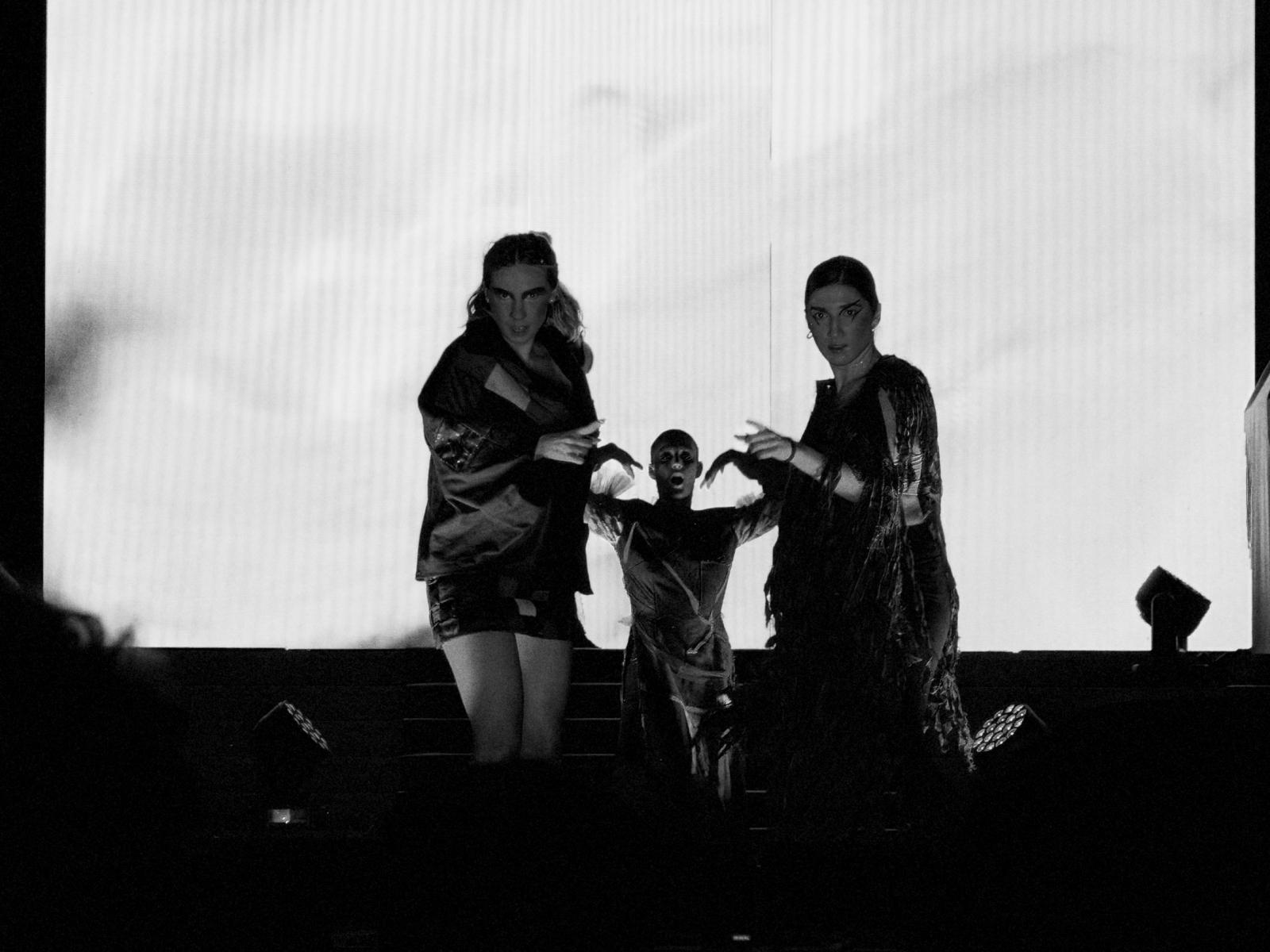
Video was recorded at 4K and 60fps. Daytime clips showed strong stabilization, accurate color and smooth zoom transitions, while night video maintained stable framing and captured ambient sound clearly. The selfie camera remained detailed, although walking footage at night showed noticeable step-induced shake. The variable aperture is the major hardware shift here; Apple has not confirmed whether it will extend beyond this Pro generation.