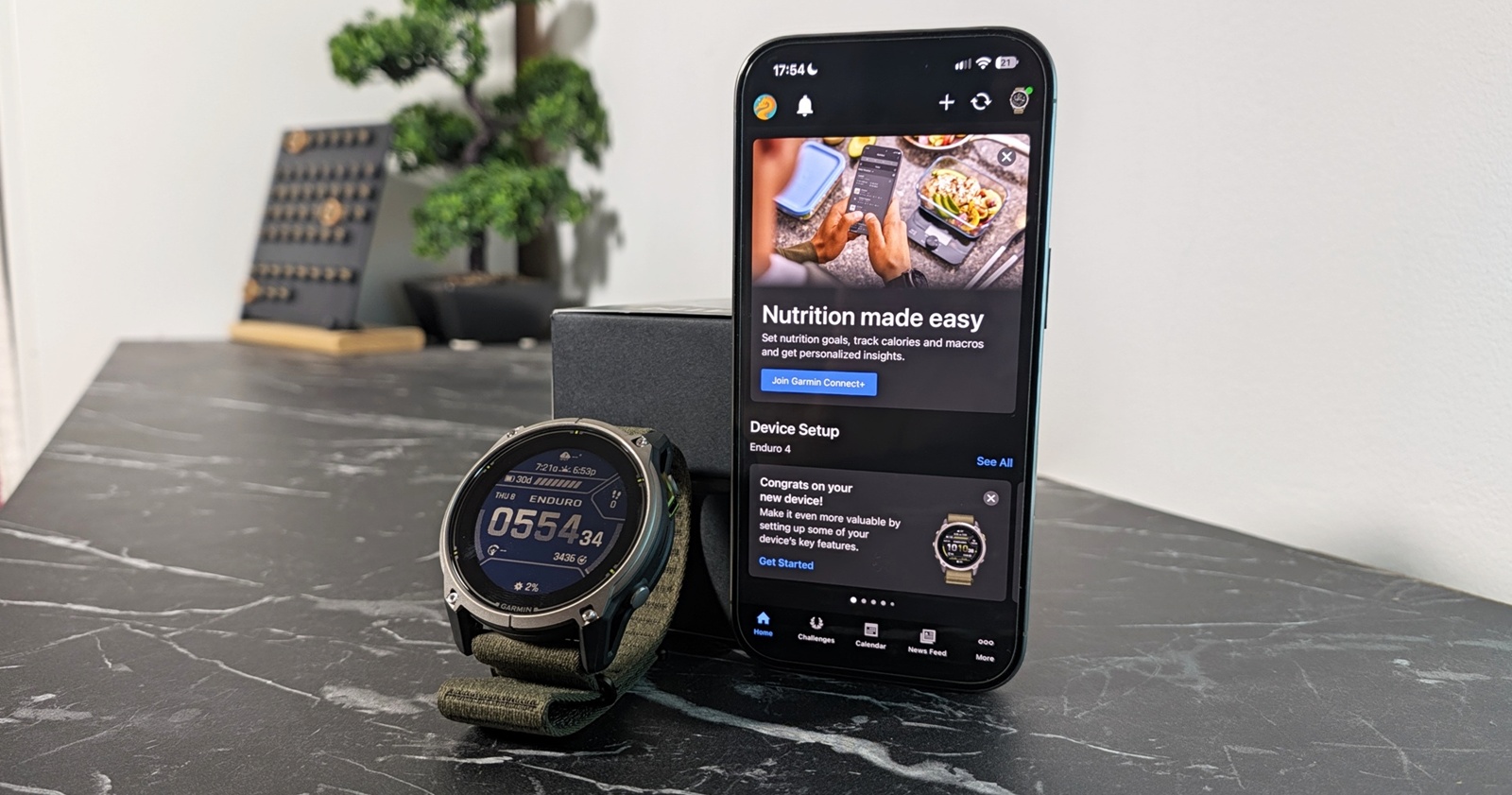
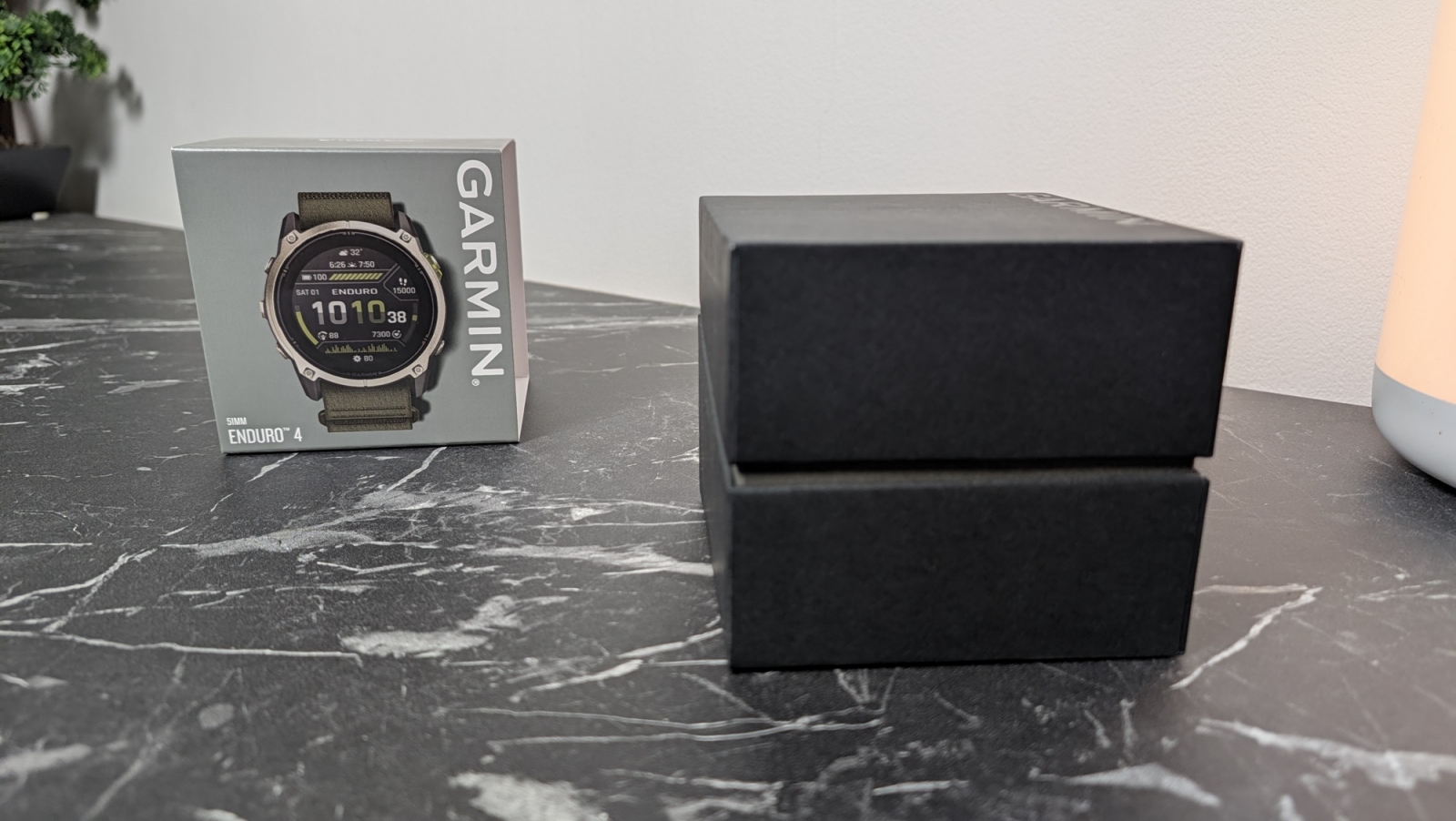
Garmin’s Enduro 4 is built around endurance rather than an AMOLED-first smartwatch experience, using a solar-assisted 1.4-inch transflective MIP display and claiming up to 90 days of smartwatch battery life in favorable solar conditions. The 51mm outdoor watch has now been set up through Garmin Connect, while longer-term testing of its GPS, navigation and battery claims remains pending.
Without solar input, Garmin rates the Enduro 4 for up to 36 days in smartwatch mode and up to 120 hours in GPS mode. Those figures rise to as much as 90 days and 320 hours, respectively, with solar charging under ideal conditions. The display has a 280 x 280-pixel resolution and supports both touch input and five physical buttons.
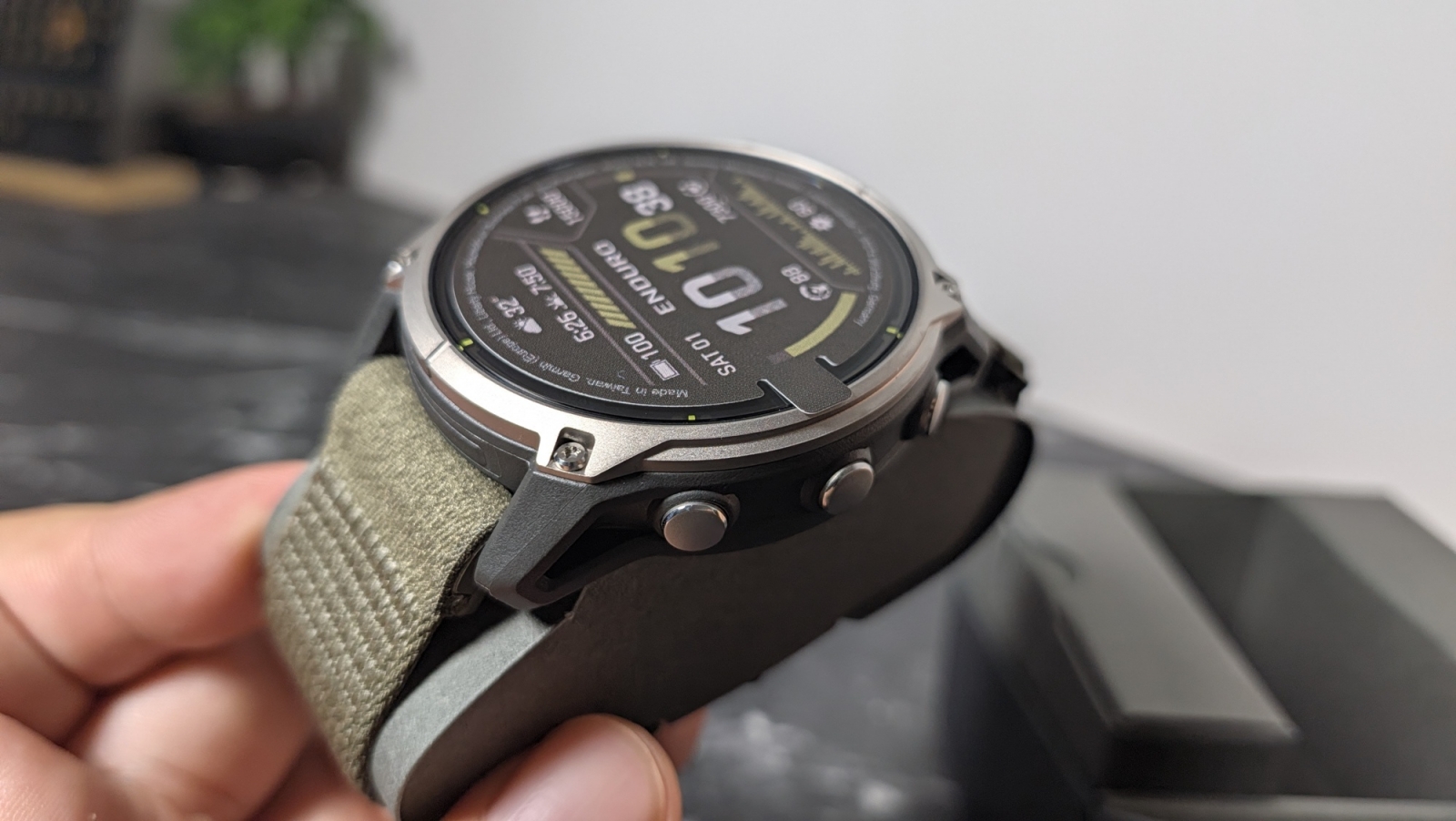
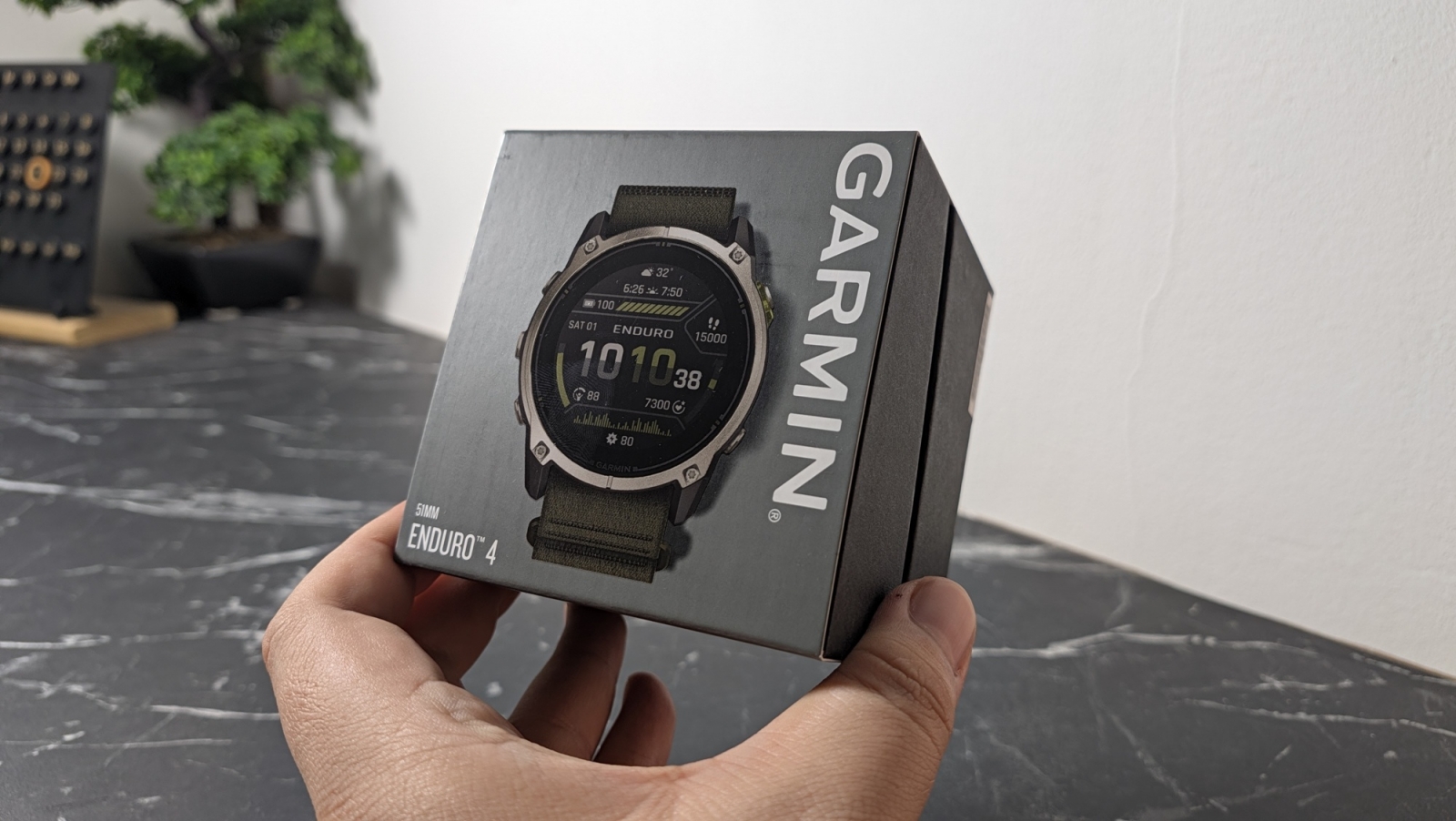
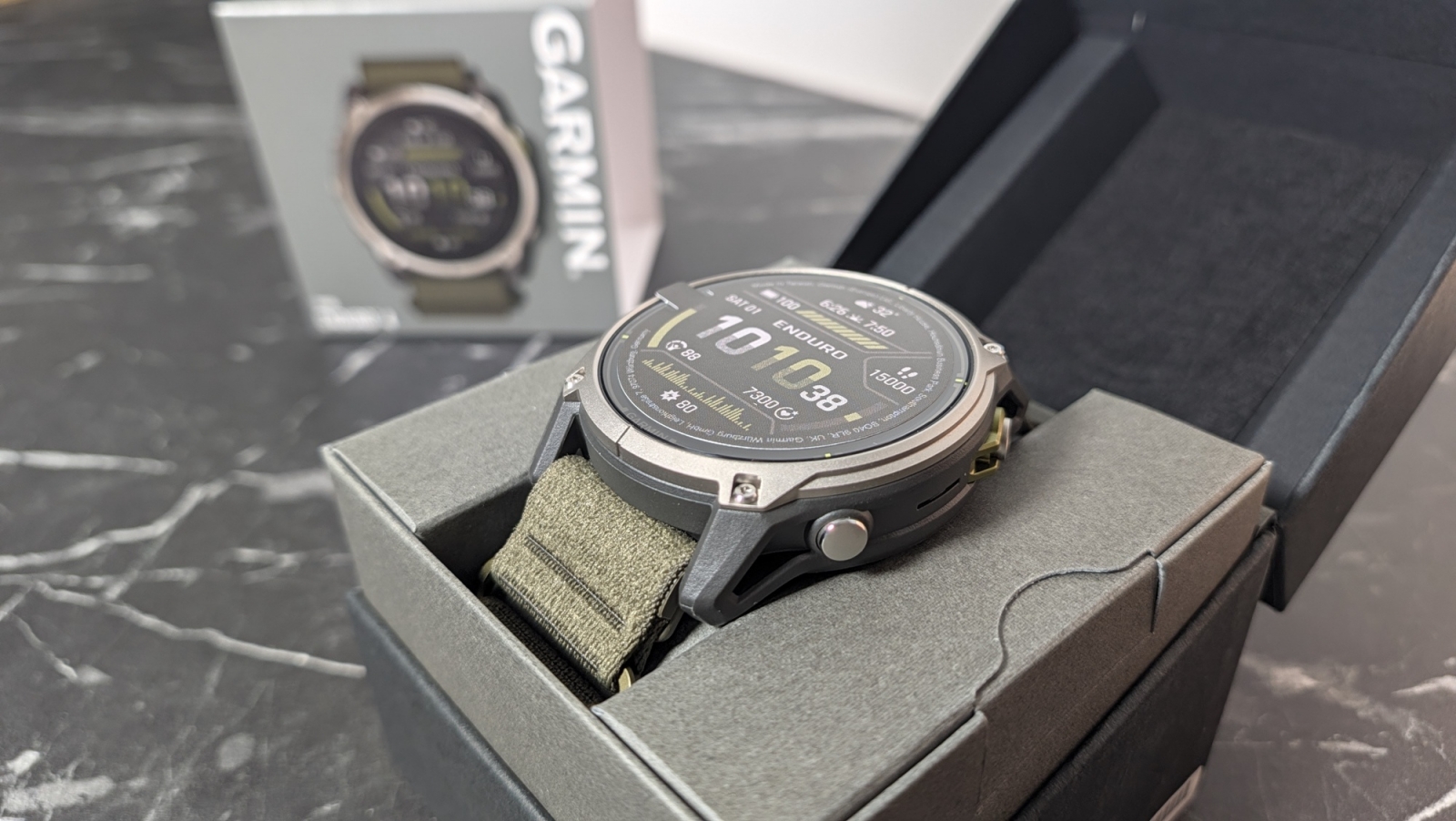
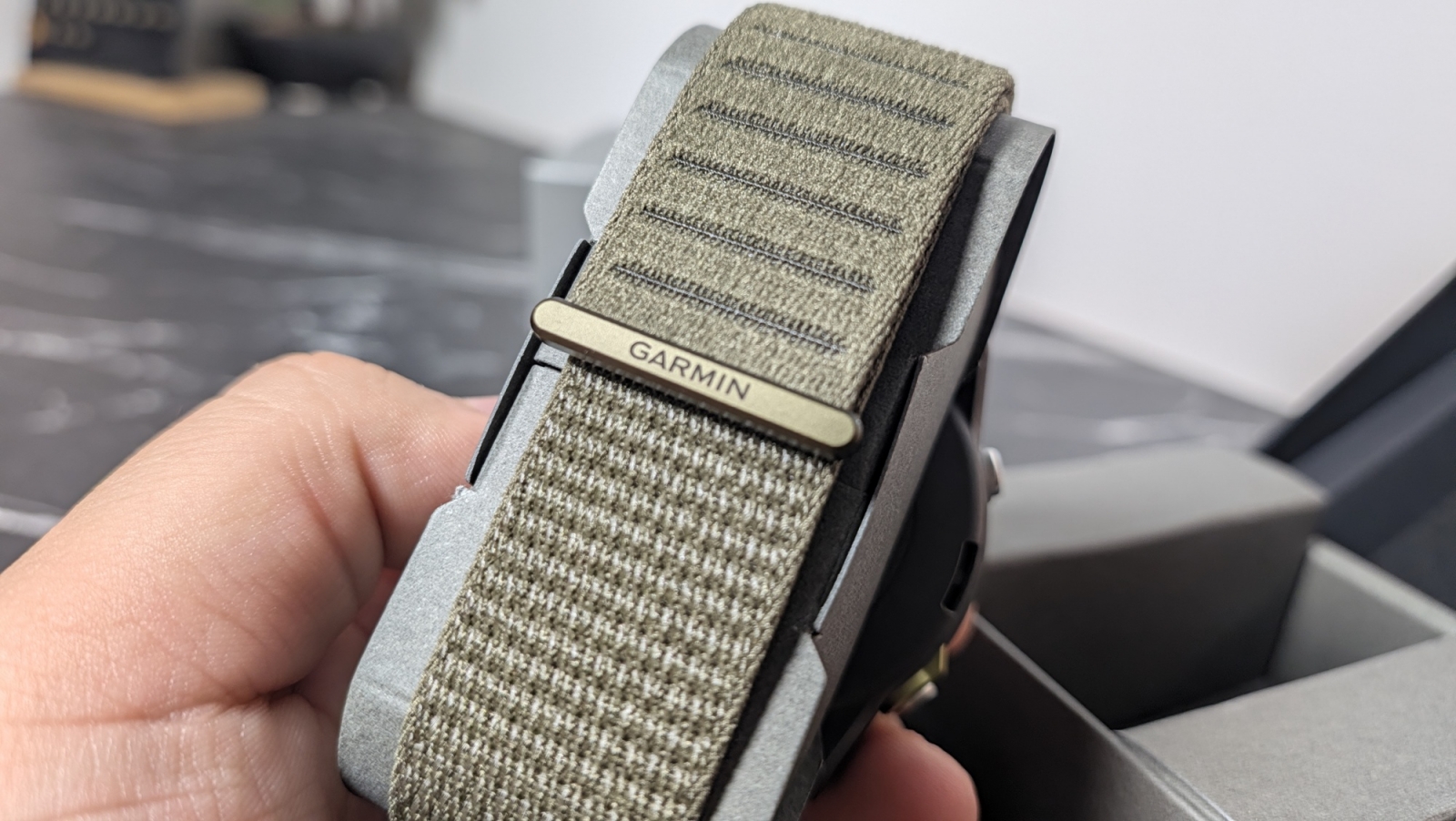
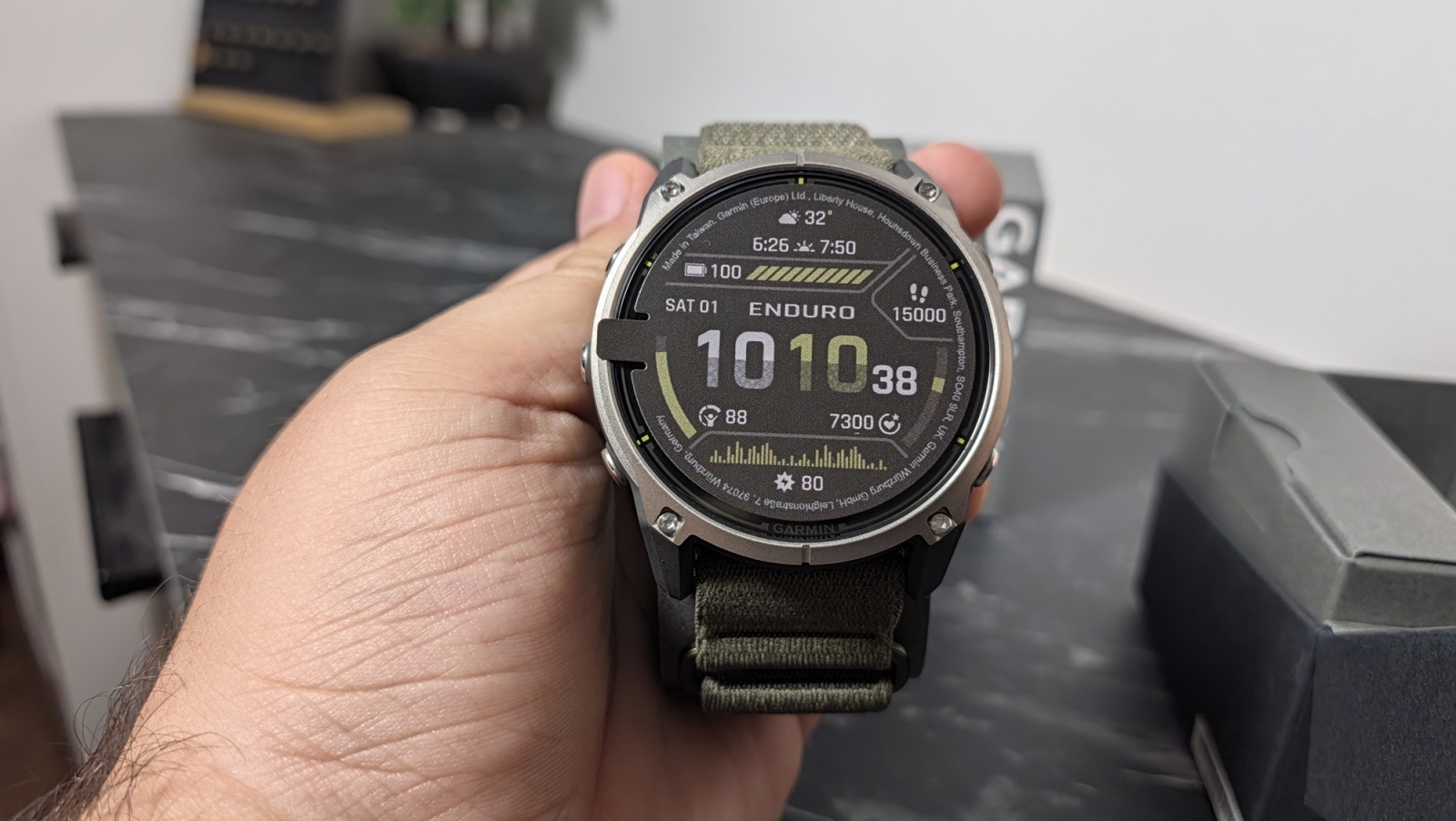
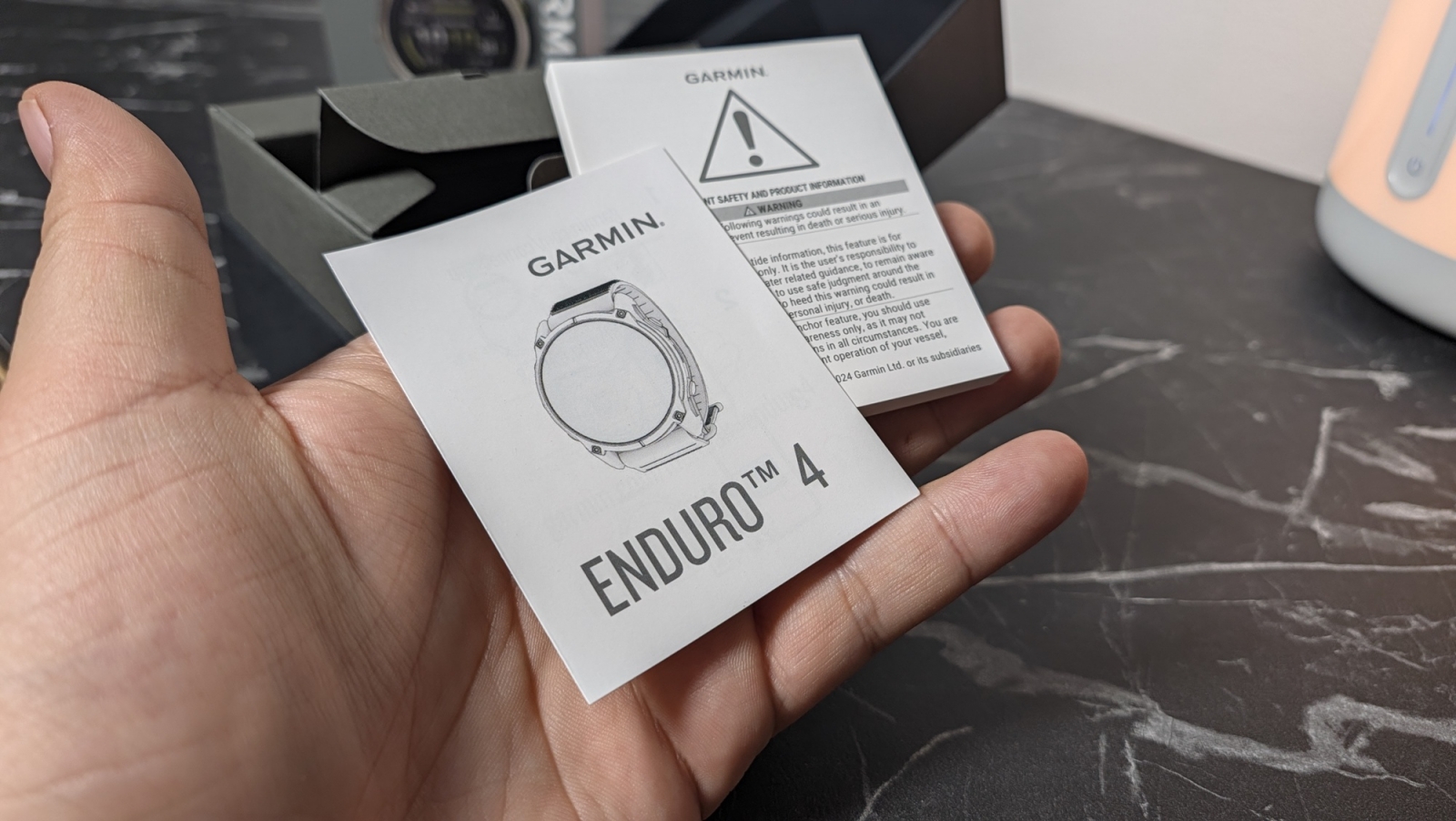
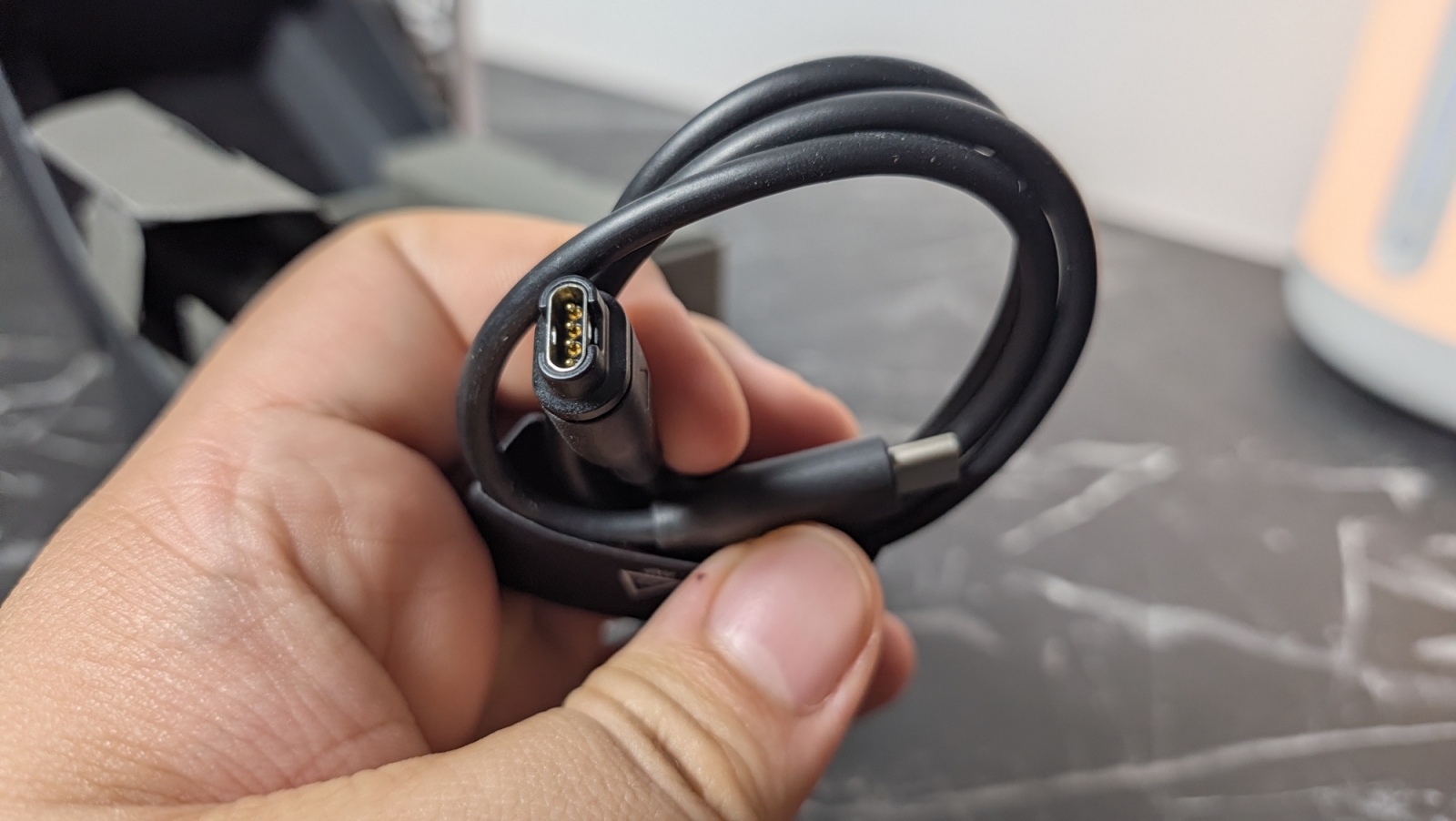
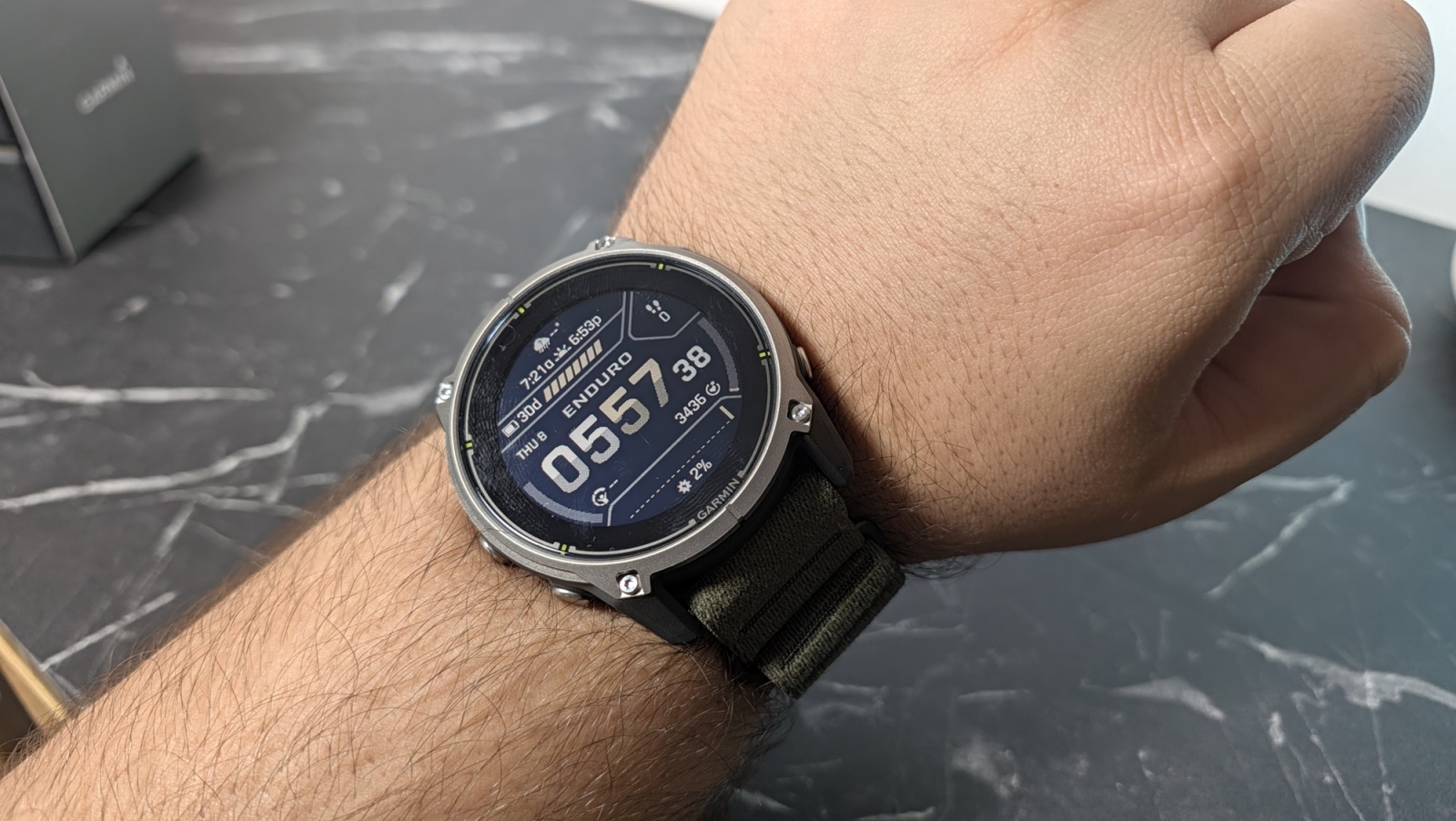
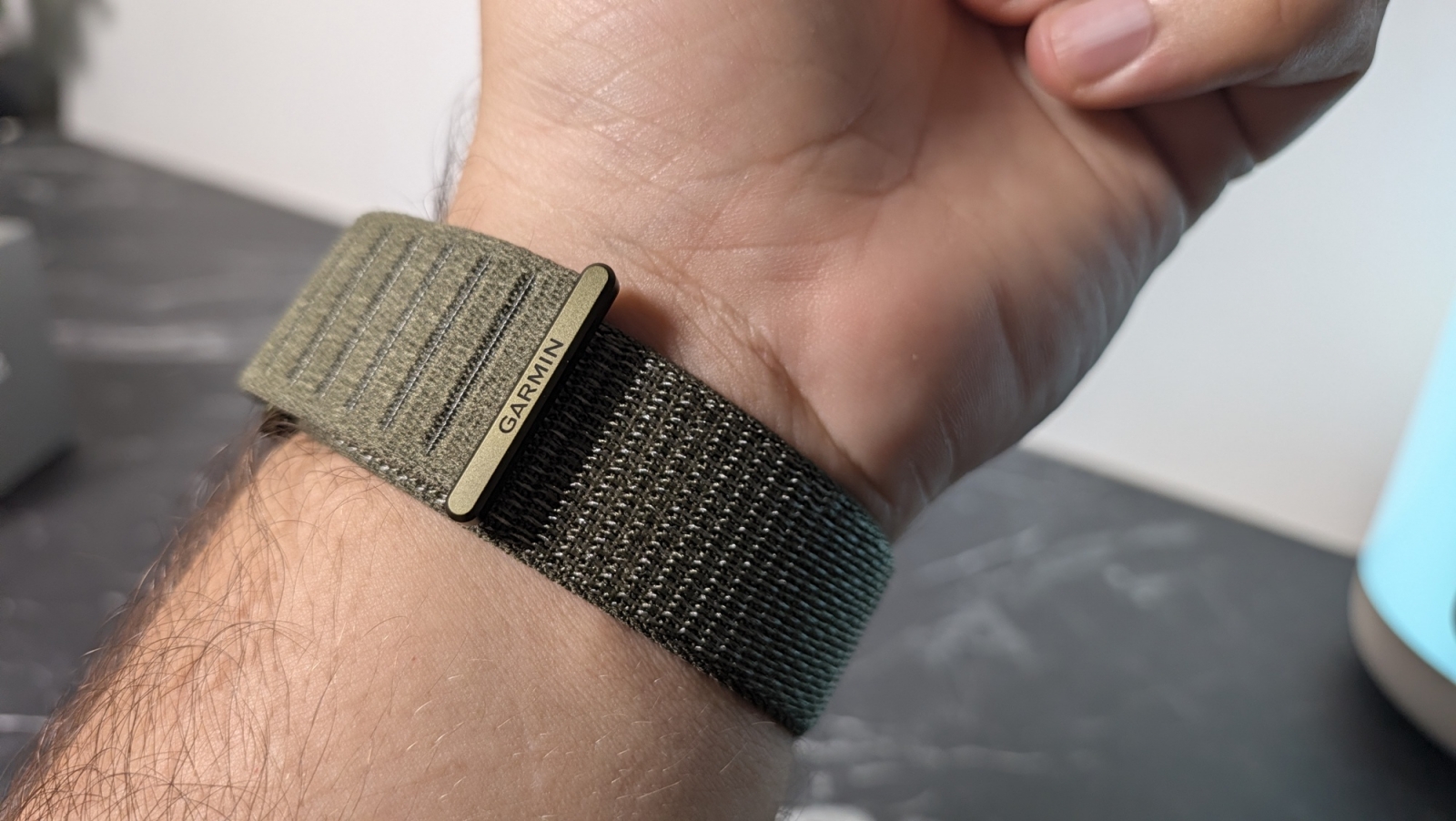
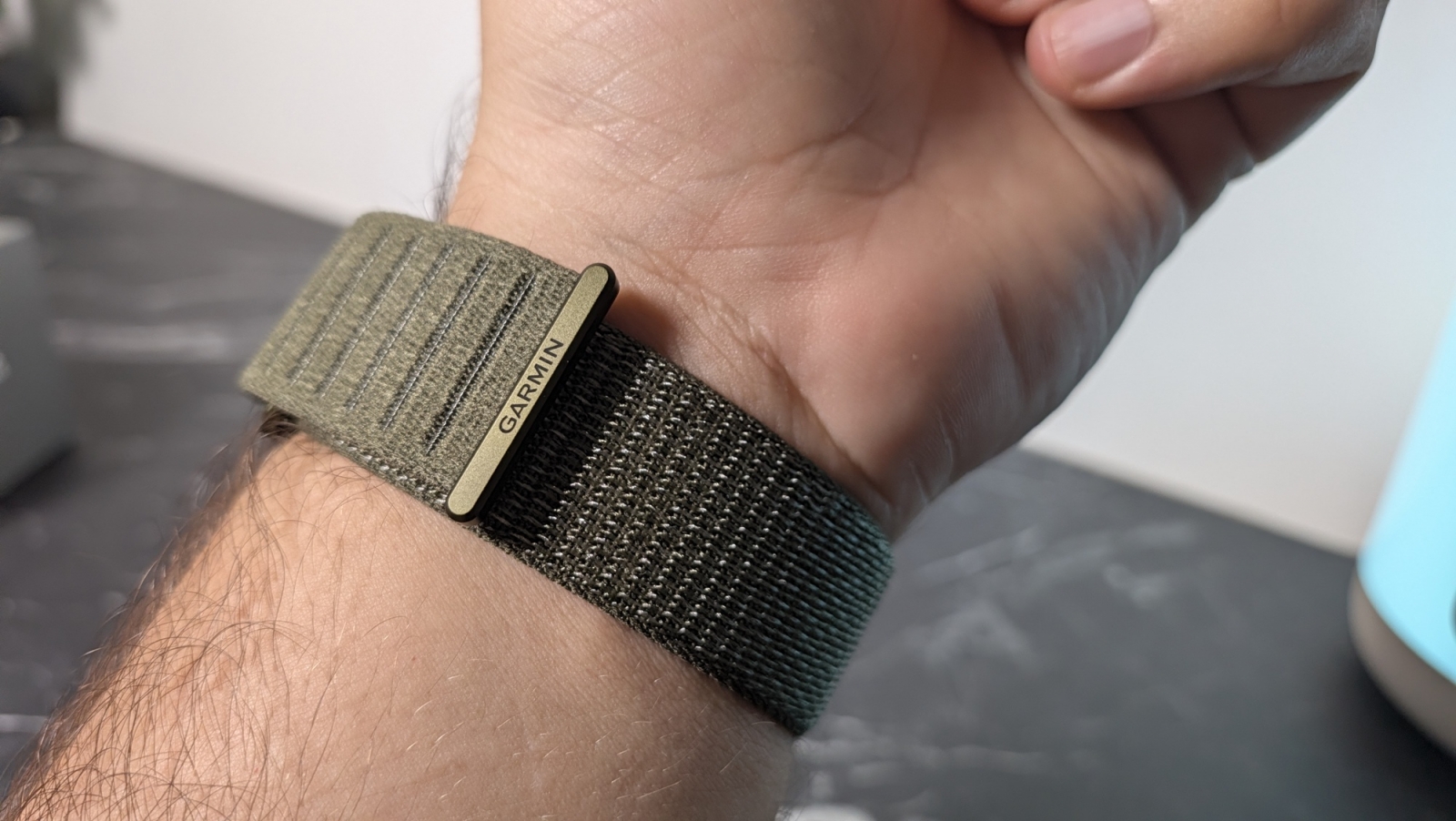
The watch uses a titanium bezel, a scratch-resistant Power Sapphire lens and a fiber-reinforced polymer case. It measures 15.7mm thick and weighs about 66g with its strap. Garmin includes a khaki ComfortFit textile strap with a hook-and-loop fastening system; the watch also supports 26mm QuickFit bands.
Navigation and training toolkit
Enduro 4 carries a navigation and training feature set closely aligned with Garmin’s Fenix 9 range. Garmin says map panning is about 30% faster than on the Enduro 3, while the hardware also includes 64GB of internal storage and 10 ATM water resistance.
- Multi-band GPS, TopoActive maps and turn-by-turn navigation support route tracking, while ClimbPro and NextFork provide trail-specific guidance.
- Stamina, grade-adjusted pace, Training Readiness and Training Status are included for training analysis.
- Garmin Epic can combine activities recorded over multiple days into an adventure journal in Garmin Connect.
- An integrated LED flashlight offers both white and red light modes.
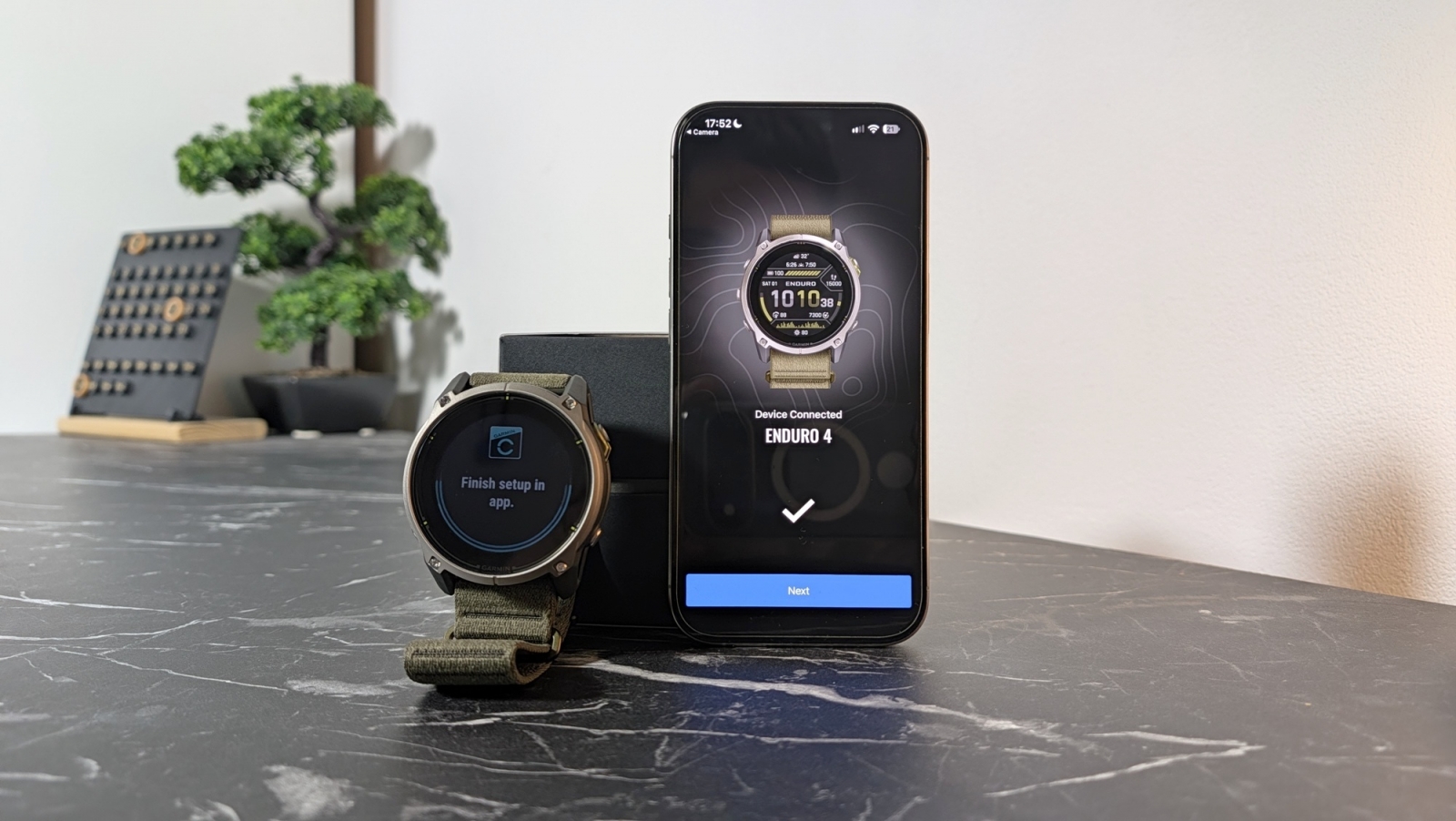
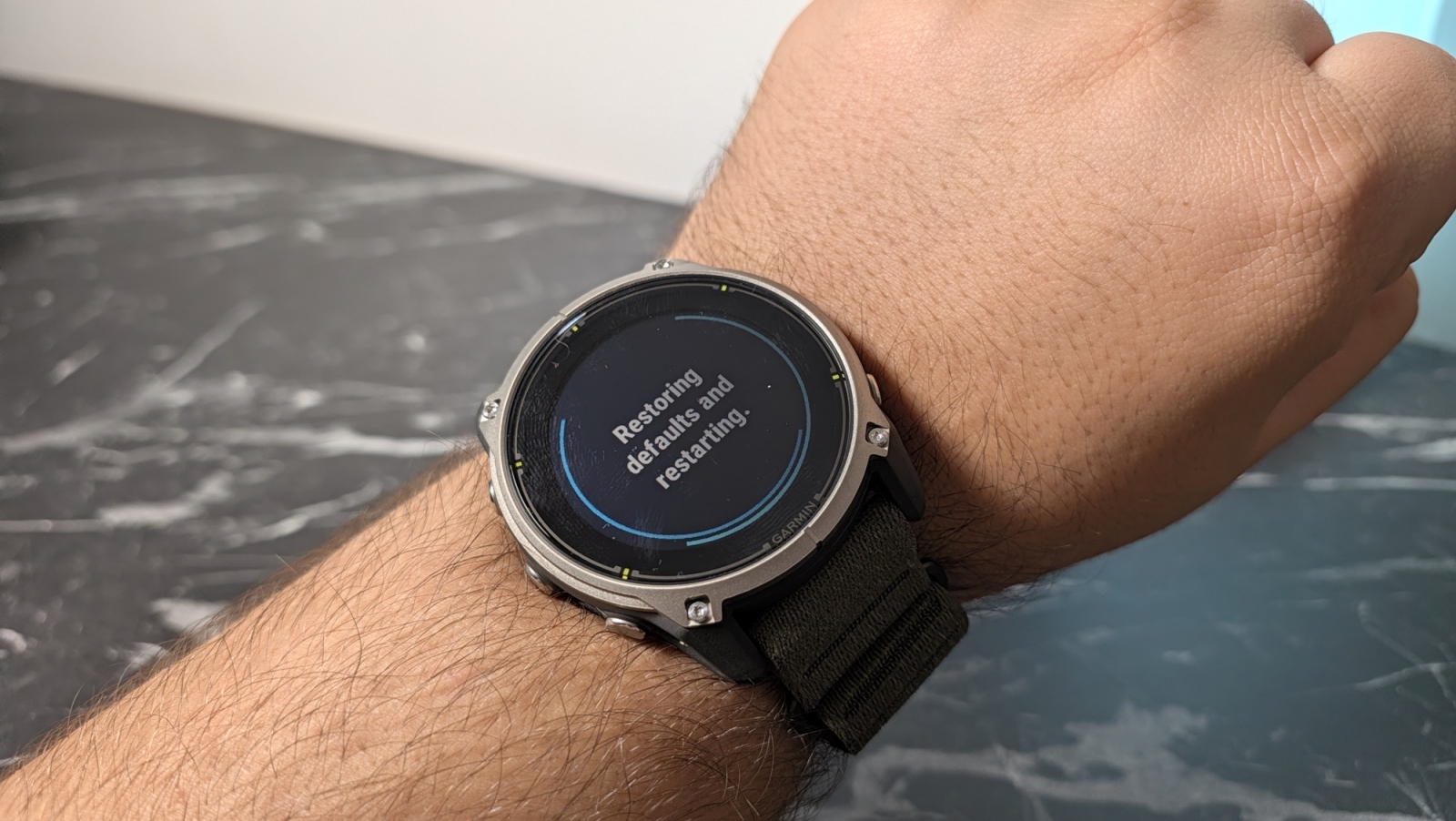
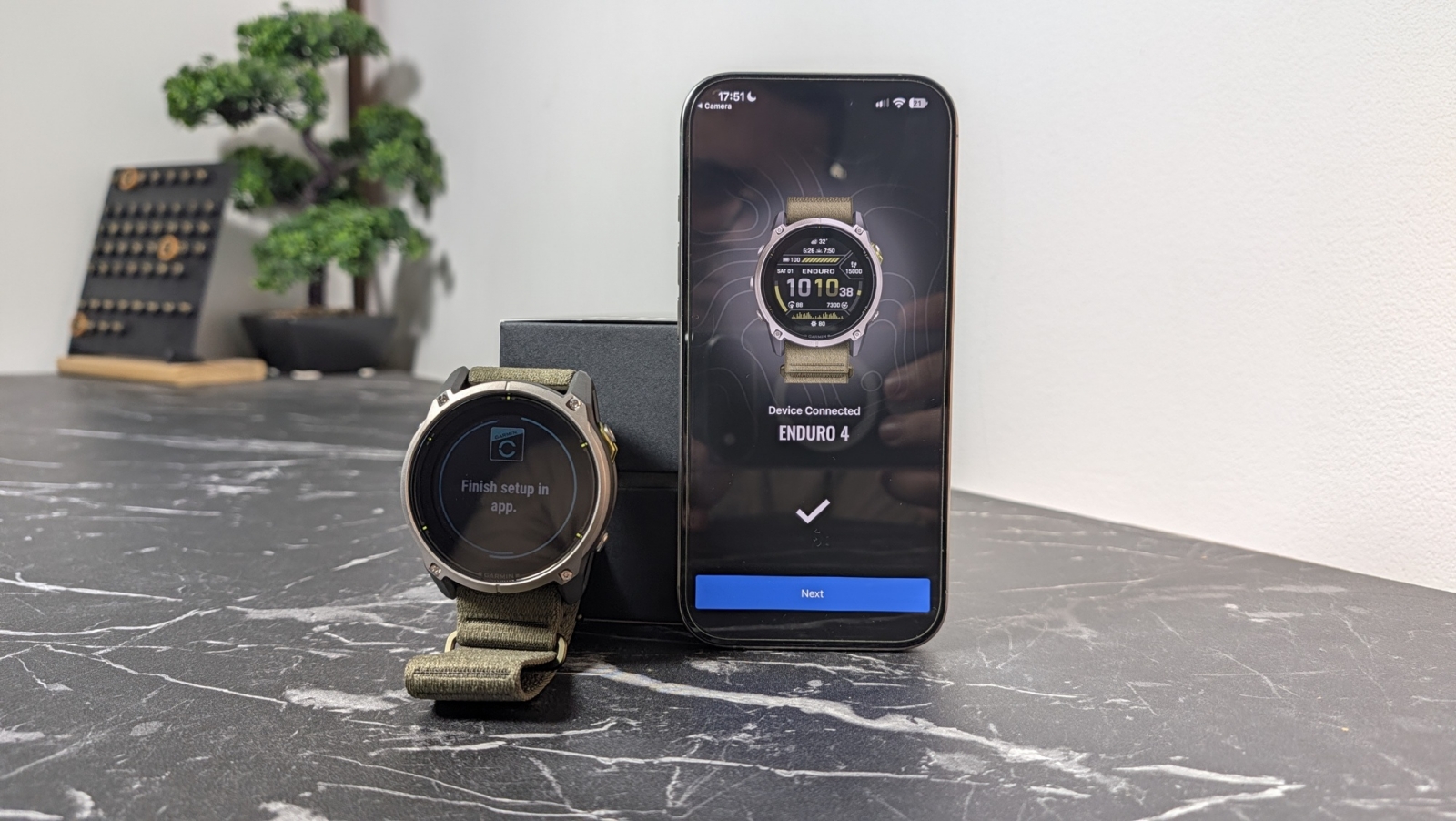
Initial pairing with an iPhone through Garmin Connect was completed quickly. The companion app provides controls for Garmin Pay contactless payments, notifications, sport profiles, shortcuts and the watch’s Glances information area. It also presents ECG setup and solar-intensity information.
Health tracking includes heart-rate monitoring, Pulse Ox blood-oxygen readings, sleep and stress analysis, and Garmin’s Body Battery metric. The remaining questions are practical ones: GPS accuracy, the usefulness of navigation in the field and how closely solar-assisted endurance tracks Garmin’s claims during everyday use.