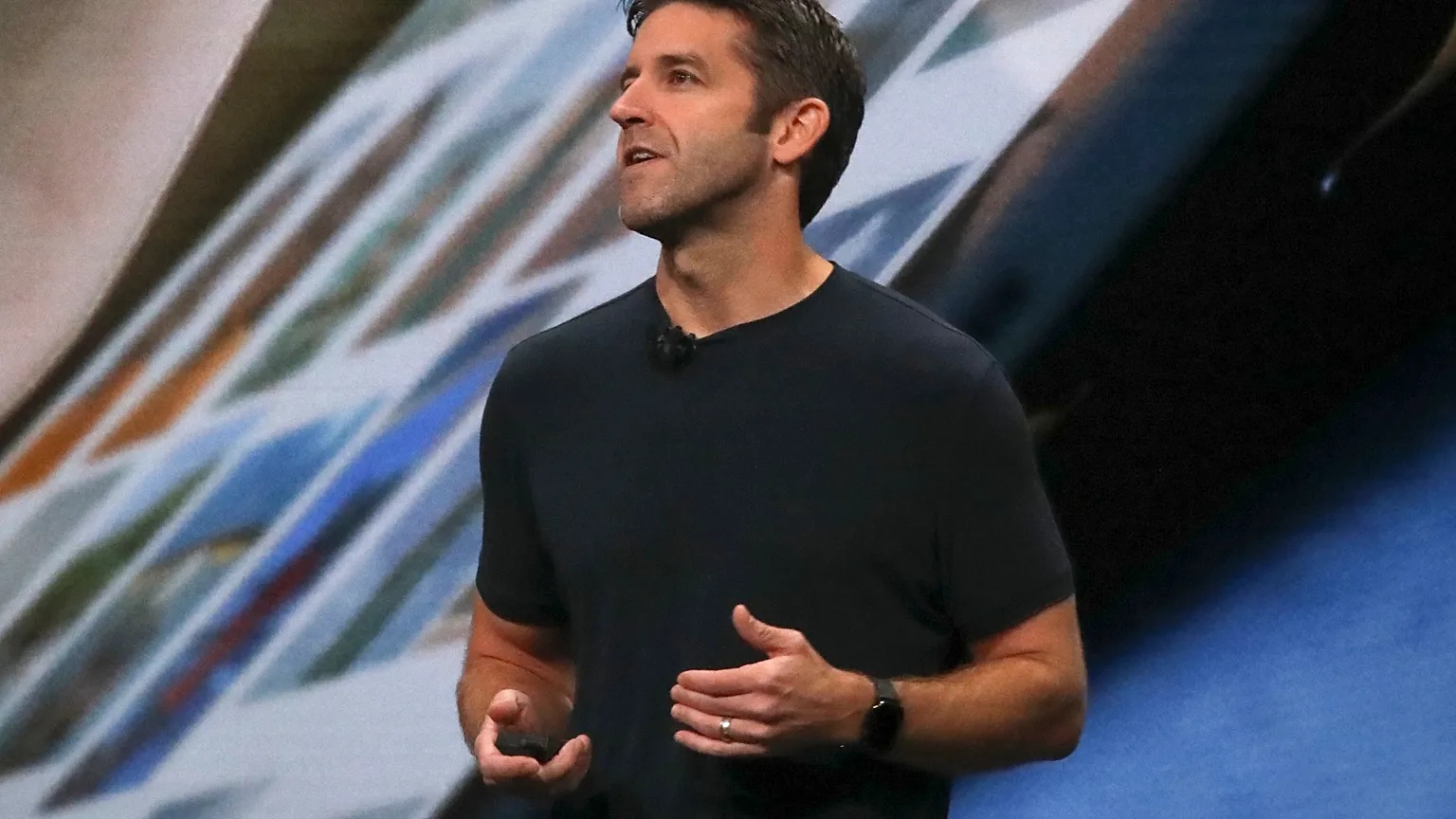
Apple CEO John Ternus says the company is considering every supply option as memory constraints affect the smartphone industry. In an interview with TIME, Ternus described the shortage as a serious issue for a company that must secure components at the scale required for millions of devices.
“A crisis.”
John Ternus, speaking to TIME
Ternus, who took over as Apple CEO from Tim Cook on September 1, comes from the company’s hardware engineering organization. He now faces a supply challenge that extends beyond designing high-performance chips or thinner phones: Apple also needs sufficient memory capacity to manufacture its products at volume.
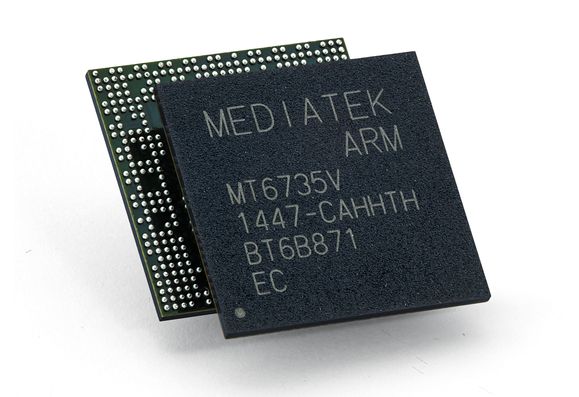
Apple has tested DRAM memory from Chinese supplier CXMT, according to earlier reports. Ternus’s comments indicate a willingness to evaluate alternatives, but do not confirm that Apple has signed a supply agreement with CXMT. The shortage could add pressure to device prices and limit the availability of some configurations across the wider phone market.
iPhone Duo engineering and Siri’s Gemini link
Ternus also discussed the iPhone Duo from the perspective of an engineer involved in its development. He and five colleagues filed a patent application for foldable devices in 2011. He said early rival foldables had left him with the impression of products that were cheap and poorly made, a view directed at those initial models rather than the current foldable market as a whole.
Apple’s foldable uses a hinge with more than 100 miniature precision components and a surface made from a specialized polymer. That component count underscores the mechanical complexity of the design, while its long-term resistance to repeated opening and everyday wear will need to be established over time.
On AI, Apple is taking a more pragmatic approach. The new Siri, launched in the United States in September, uses an Apple model that draws on Gemini technology. Ternus said Apple intends to develop the parts of its AI stack that can differentiate its products internally, without requiring the company to build every component itself.
Ternus does not expect AI to eliminate the need for physical devices, arguing that people will continue to take photos, communicate and view content on screens. Apple marketing chief Greg Joswiak has likewise said the company does not feel threatened by OpenAI’s hardware plans. Apple has yet to confirm any CXMT supply deal, while the iPhone Duo’s durability remains a key question for the foldable’s real-world future.