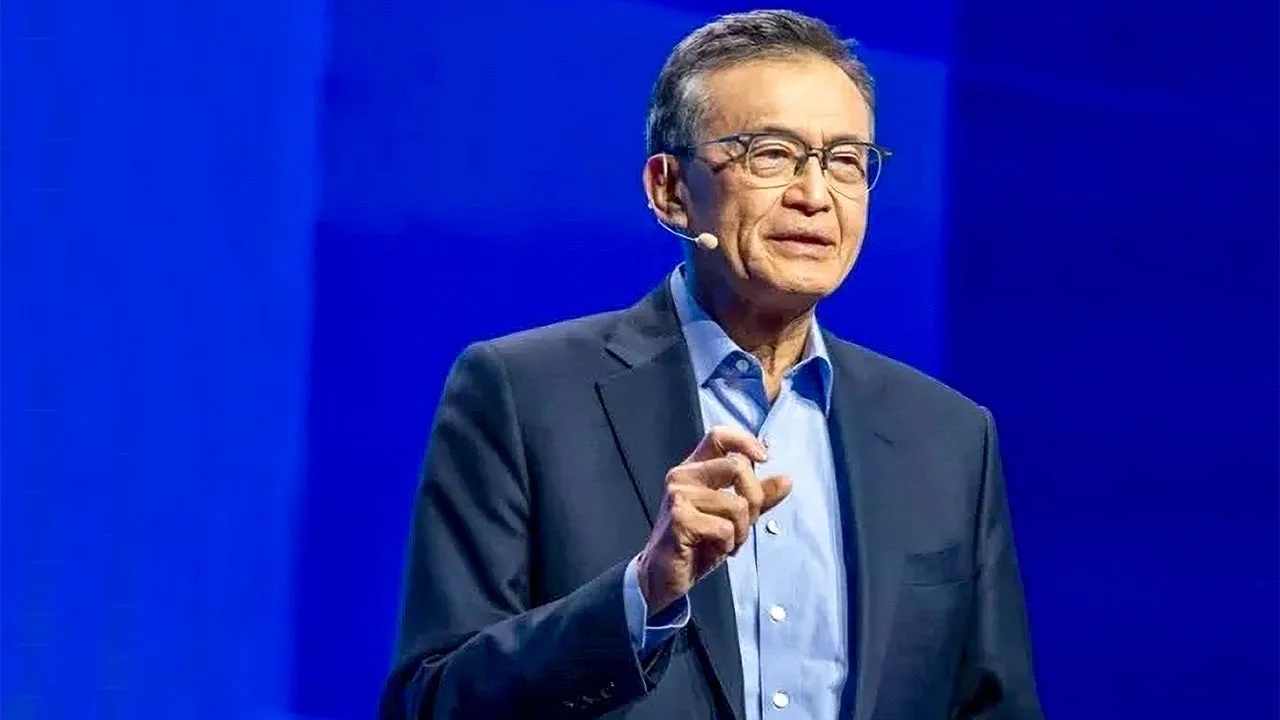
Intel has completed roughly 80% of the restructuring led by CEO Lip-Bu Tan, but the company’s effort to rebuild its semiconductor manufacturing position—and expand Intel Foundry—will take considerably longer. Tan told Nikkei that he has replaced most of Intel’s senior leadership since taking the role in March 2025.
The executive changes include the arrival of former SK hynix CEO Seok-Hee Lee. They follow a difficult period under former Intel chief Pat Gelsinger, whose tenure ended in December 2024.
Tan’s 80% figure applies to Intel’s internal reorganization, rather than its broader technology recovery. He has cited TSMC’s own development as an example of the time involved, saying the Taiwanese company took 10 to 20 years to become a leader in contract chip manufacturing.
That distinction is central to Intel’s strategy. The company designs processors for PCs, laptops and servers, while Intel Foundry is intended to win external customers that need their own chip designs manufactured in Intel fabs. To become a credible alternative, Intel must demonstrate competitive manufacturing processes, costs, production capacity and reliable high-volume delivery.
Intel’s transformation has received major financial backing through agreements announced in 2025:
- NVIDIA: a US$5 billion investment alongside a partnership covering products for PCs and data centers.
- SoftBank: a US$2 billion equity investment.
- The US government: a US$8.9 billion stake created by converting previously allocated federal funding into an equity position.
Tan has said Intel will retain independence in its decision-making. The formal agreement with the US government describes its holding as passive and provides no board representation. Intel has not detailed the remaining steps needed to complete the restructuring or set a deadline for its conclusion.
One near-term product outcome to watch is Intel’s partnership with NVIDIA. The companies plan PC processors that combine Intel x86 CPU cores and RTX graphics components on the same chip. NVIDIA also competes through its own RTX Spark platform, so the eventual performance, power use and pricing of shipping systems will be a key test of how the partnership lands in the market.