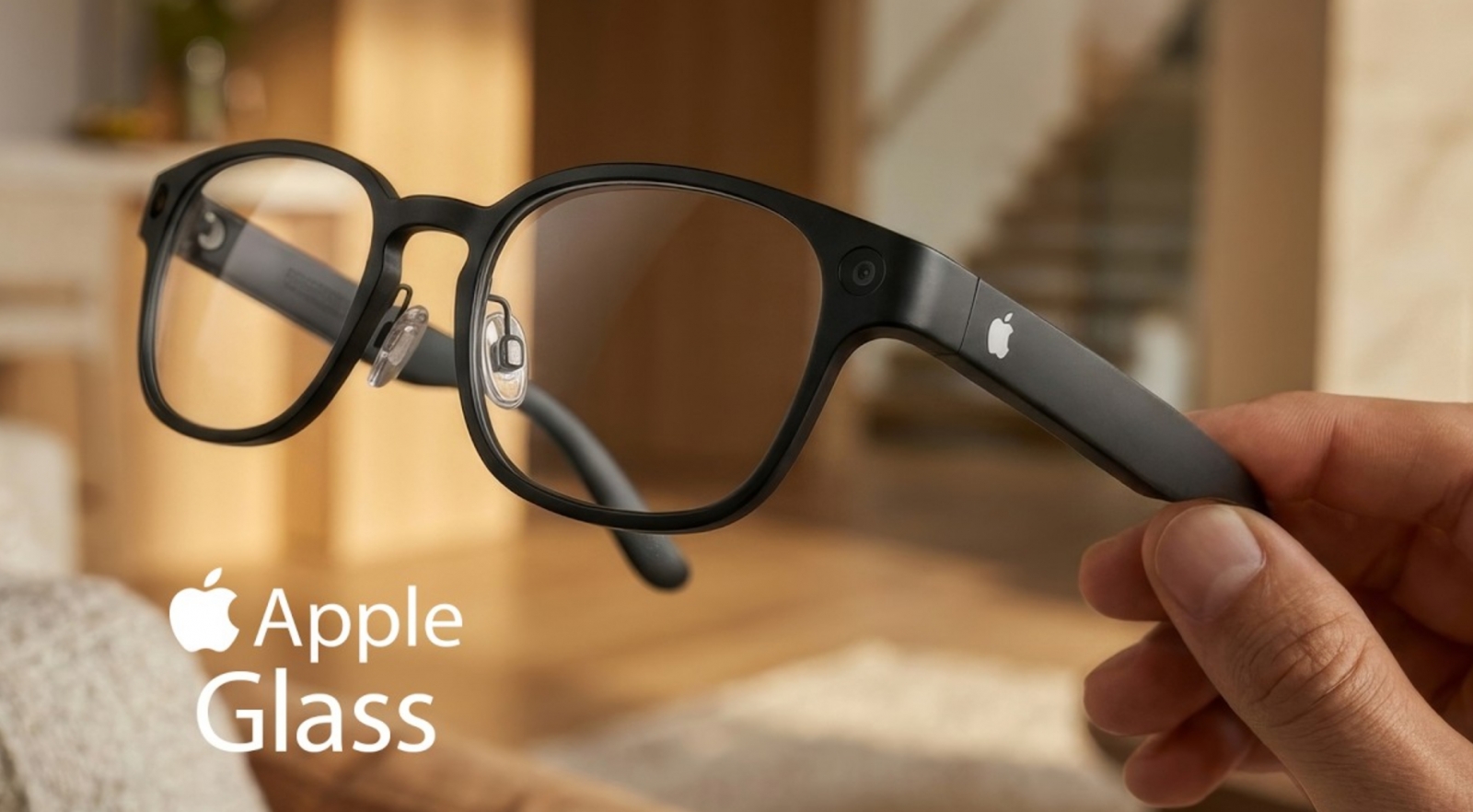
Apple is reportedly preparing its first smart glasses for 2027, with Siri serving as the main interface for accessing iPhone-based services without taking the phone out of a pocket. The device, said to carry the codename N50, is reportedly being considered for a June WWDC unveiling followed by shipments before the end of the year.
The first model is not expected to place images or information over the wearer’s field of view. Instead, it would pair cameras, microphones and speakers with an iPhone, which would run apps and handle part of the processing. The current plan reportedly requires a recent iPhone, with no Android compatibility expected.
Apple is said to be building more detailed Siri commands for its own apps into iOS 27.3, currently targeted for December 2026, while third-party app support is expected to follow in 2027. Reported examples of the planned voice-controlled actions include:
- Booking a table through OpenTable.
- Requesting a ride through Uber.
- Requesting a ride through Lyft.
- Ordering coffee through Starbucks.
- Shopping through Amazon.
The glasses could also use Visual Intelligence to recognize buildings and interpret a user’s surroundings, including answering questions about ingredients visible in a refrigerator. Other reported capabilities include Maps navigation, calls and messaging, translation of conversations and signs, calendar management, music control and smart-home controls. Wi-Fi could keep some functions available when the paired phone is not nearby, potentially including audio playback.
Prototype hardware is reportedly slightly thinner than second-generation Ray-Ban Meta glasses. Apple is said to be testing multiple frame styles and colors, with cameras set in oval openings and a front-facing status light. The device could run a simplified version of visionOS 28 on a processor derived from older Apple Watch chips.
Some prototypes reportedly charge through a three-pin magnetic connector near the end of the left temple, allowing the glasses to remain wearable while charging. Hardware is said to be largely settled, but delayed software and AI work could still push back the proposed launch timetable.