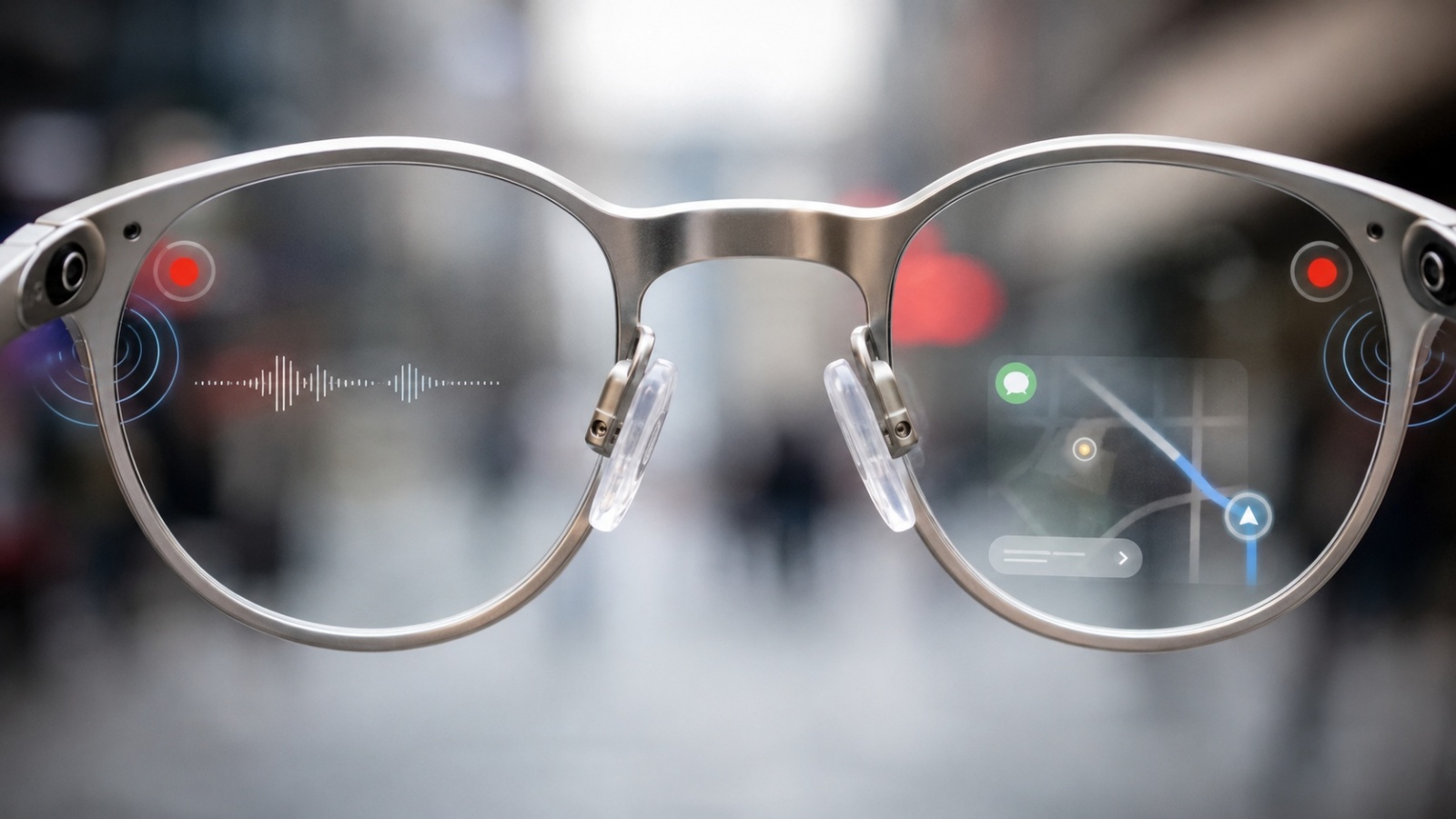
Apple is reportedly targeting late 2027 for its first smart glasses, entering a market where Meta already has products and Samsung says it will launch its own glasses in 2026. Bloomberg’s Mark Gurman reports that Apple’s initial model is expected to omit a display, while a redesigned Vision Pro headset may not arrive until late 2028 or early 2029.
The first Apple glasses are said to use cameras, microphones, speakers, AI features and close iPhone integration rather than visual overlays. A display-equipped version could follow later. The project has previously been reported under the internal codename N50, with Apple said to be shifting attention from the heavier Vision Pro category toward a more wearable product.
That leaves Apple facing an increasingly established field. Counterpoint data cited in the report indicates global AI-glasses shipments rose 263% in the first half of 2026, with Meta accounting for about 94% of shipments in the no-display segment.
Rivals are pursuing multiple glasses formats
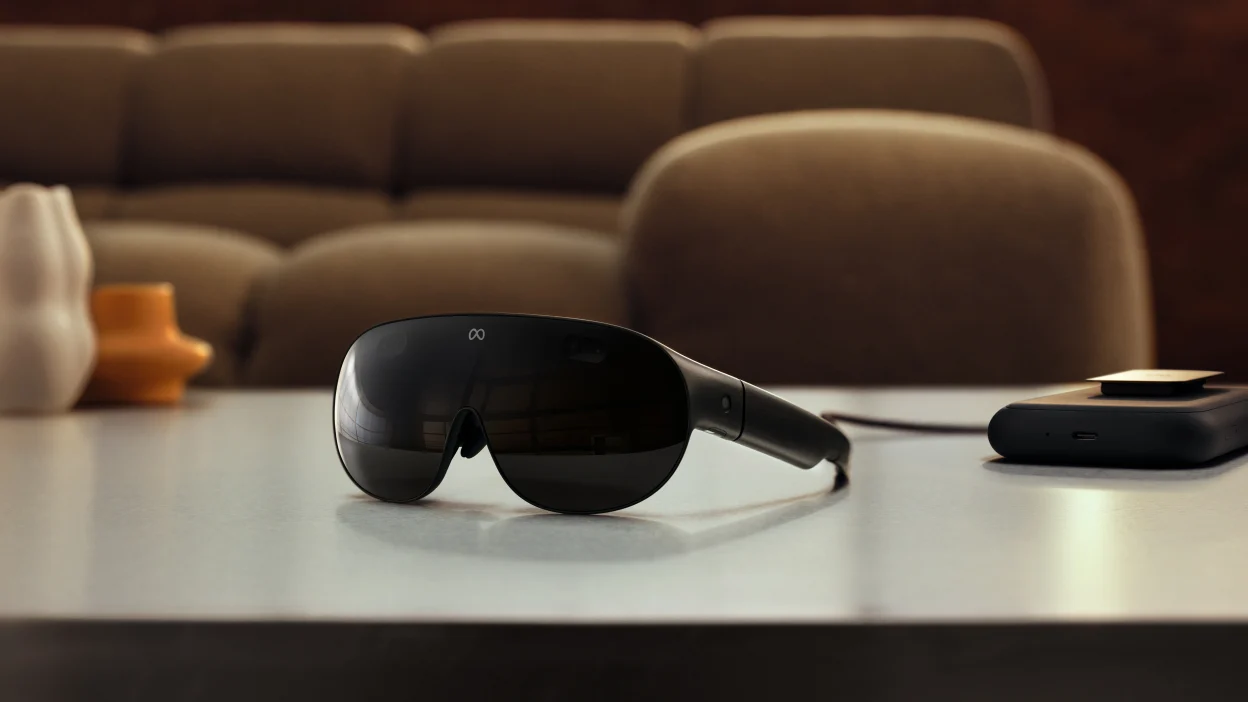
Meta recently unveiled VR glasses weighing about 100 grams, moving the processing hardware and battery to a separate pocket-worn module. The product is priced at US$1,299.99 and is due in spring 2027. Meta also sells and develops a broader range of AI glasses, including camera-equipped Ray-Ban models and variants without cameras.
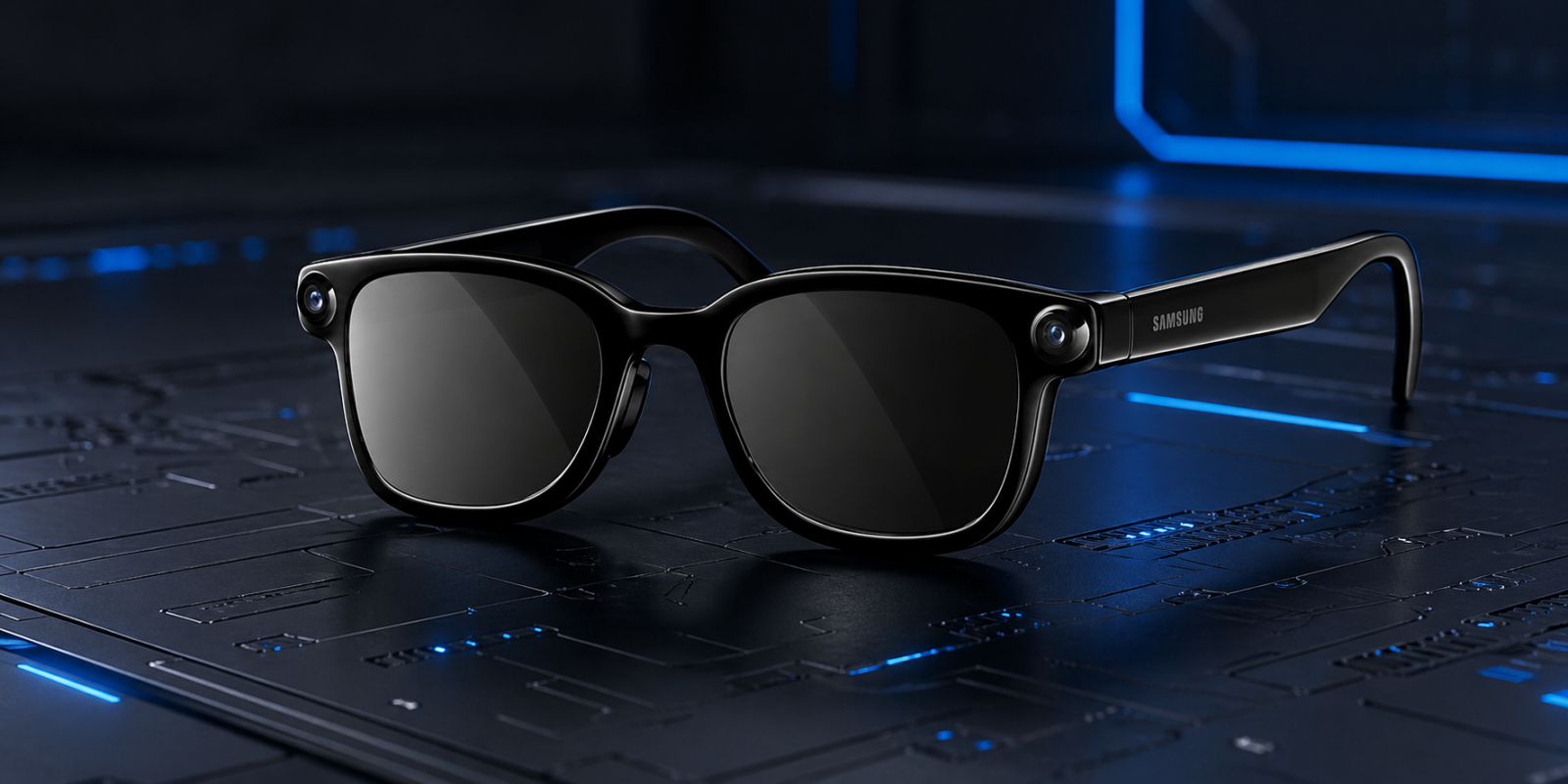
Samsung has confirmed plans to launch smart glasses in 2026. Its first generation is expected to follow the camera, microphone, speaker and AI formula without a display, while the company is reportedly testing OLEDoS and LEDoS microdisplays measuring up to 0.2 inches for a later model that could arrive in the second half of 2027 or early 2028.
- Meta’s VR glasses: about 100 grams, with an external processing-and-battery module; priced at US$1,299.99 and scheduled for spring 2027.
- Samsung’s first smart glasses: planned for 2026, with cameras, microphones, speakers and AI but no display.
- Apple’s reported first smart glasses: targeted for late 2027, with no display expected in the initial version.
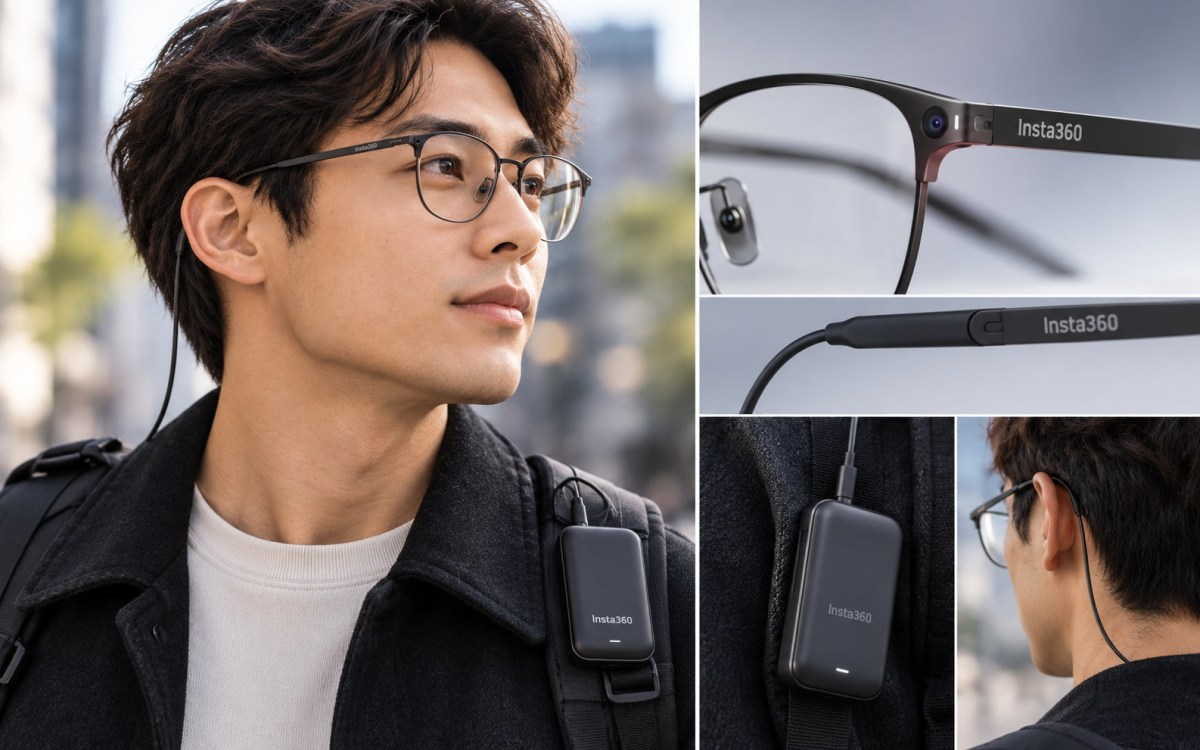
Insta360 is also reportedly exploring AI smart glasses, although it has not announced a product or final specifications. A company patent describes wearable glasses with a battery worn separately on the body and connected by cable, an approach intended to reduce the weight carried by the frame. The reported product effort remains a rumor rather than a confirmed launch.
Apple’s longer-term headset plans are also uncertain. Gurman reports that the Vision team is exploring four concepts for a substantially redesigned headset, codenamed N224, including one with components moved to an external module. The project is reportedly under pressure internally, in part because of concerns around the external battery arrangement used by the current Vision Pro.
An all-in-one successor would need to become lighter and cheaper while retaining sufficient performance, a difficult balance for Apple’s mixed-reality hardware. Whether N224 proceeds—and whether Apple can turn its late smart-glasses entry into a distinct iPhone accessory—remains unresolved.