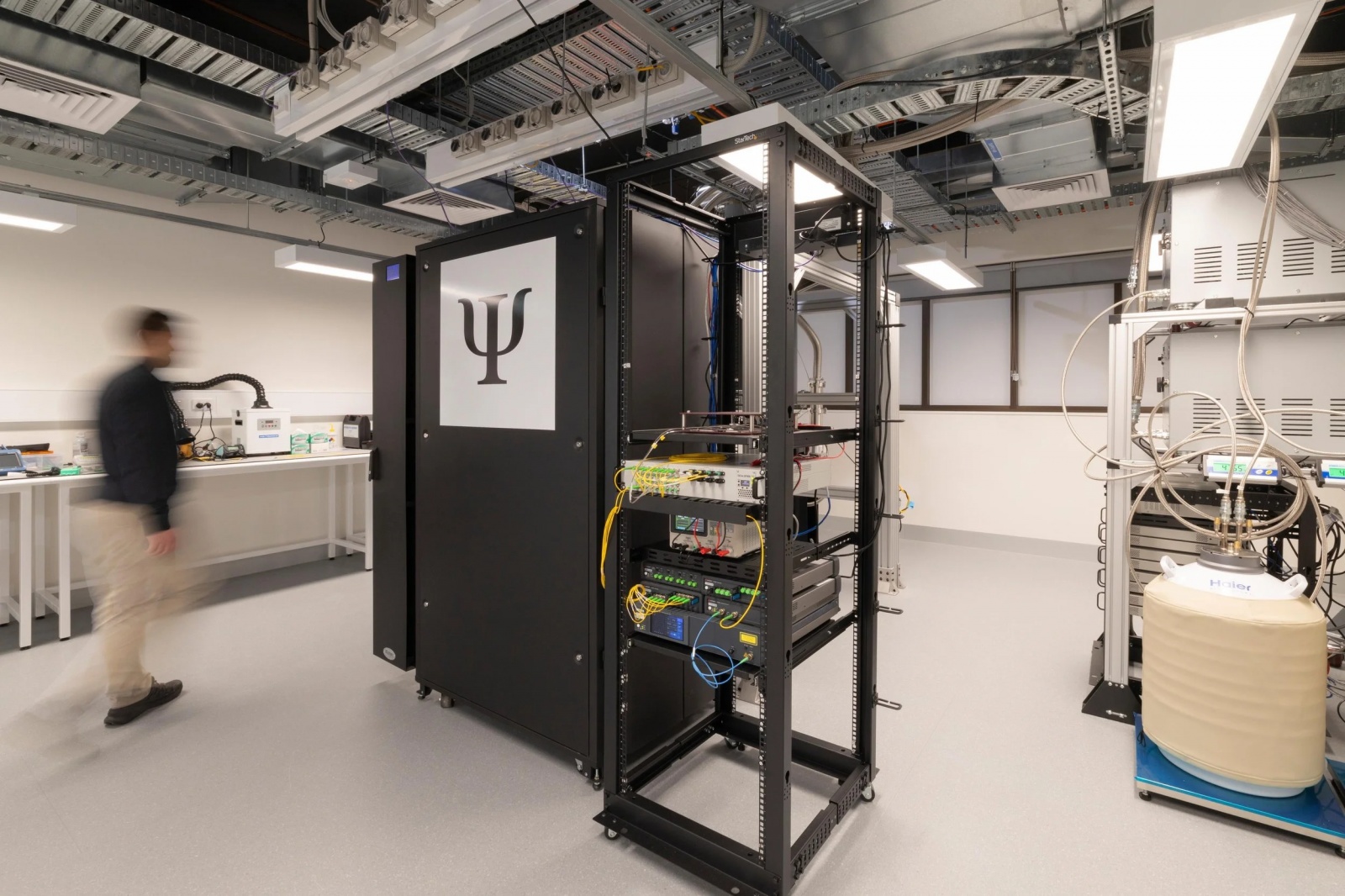
AMD is expanding its quantum-computing partnership with PsiQuantum and intends to acquire an equity stake in the company. The investment amount has not been disclosed. Their joint effort centers on linking PsiQuantum’s photonic quantum technology with AMD’s conventional high-performance computing and AI hardware rather than treating quantum processors as stand-alone systems.
The companies are targeting hybrid systems in which quantum machines handle specialized workloads while classical processors, GPU accelerators and AI software support simulation, data analysis and system operations. Potential long-term applications include molecular simulation, materials research and complex optimization, though practical gains will depend on advances in quantum hardware and the workloads involved.
PsiQuantum had already been using AMD’s programmable Versal technology in developing its platform. The expanded collaboration adds a broader set of AMD products and software to the effort:
- AMD EPYC processors for conventional compute workloads.
- AMD Instinct GPU accelerators for high-performance computing and AI tasks.
- AMD ROCm software for the GPU computing stack.
- PsiQuantum’s silicon-photonics technology, which uses light for quantum processing.
AMD and PsiQuantum say they have produced initial results simulating molecules relevant to cancer-treatment development using PsiQuantum methods and AMD GPUs. Those reported results used classical hardware, with the collaboration also intended to prepare applications for future quantum systems.
Quantum progress raises the cryptography transition issue
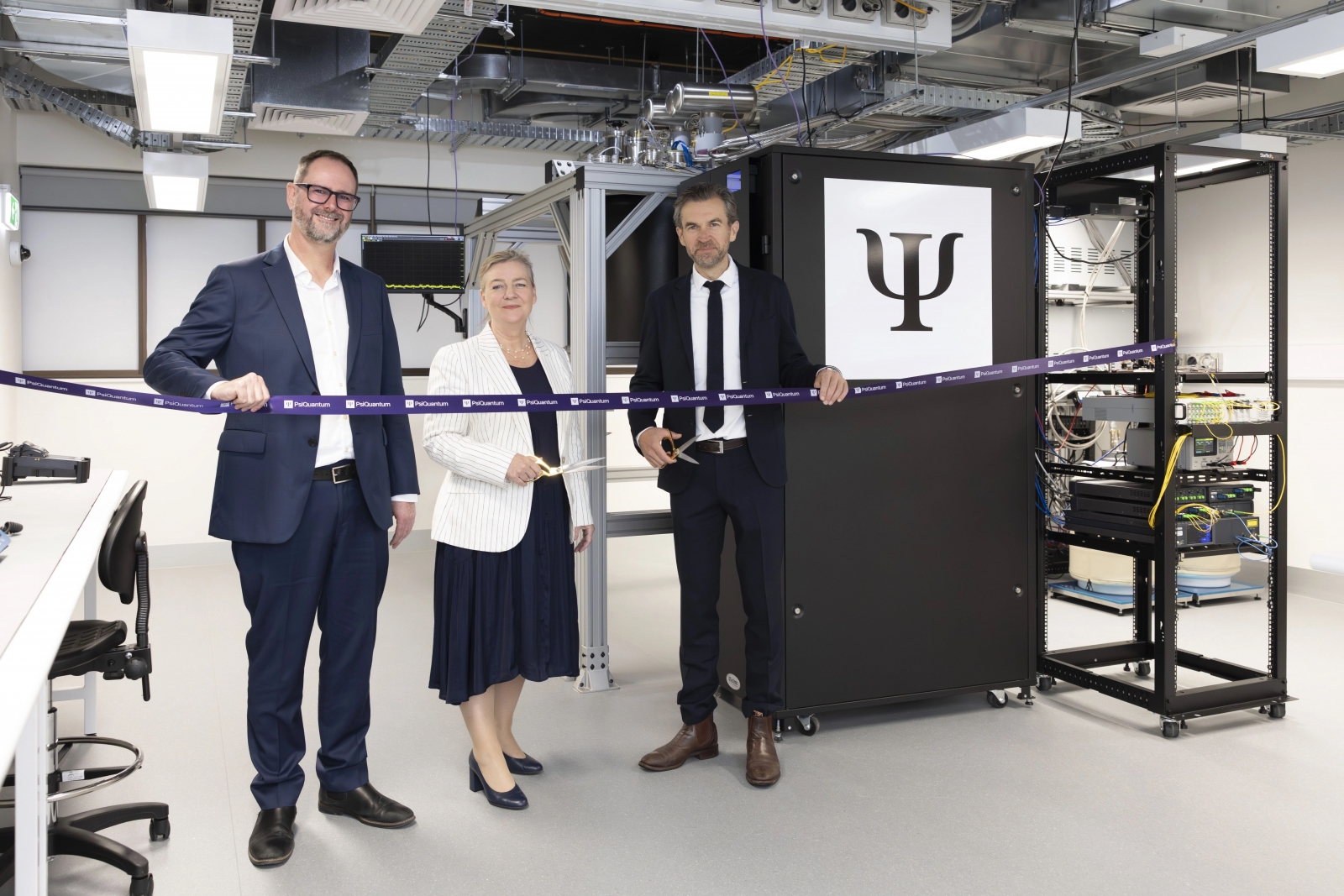
The same progress that could broaden scientific computing also sharpens the case for post-quantum cryptography. A sufficiently capable quantum computer could undermine widely used public-key cryptography, including RSA and elliptic-curve cryptography, which are used to protect communications and establish identity across digital services.
That does not mean current passwords can be instantly read or that every form of encryption would fail. The risk varies by algorithm and implementation, and according to the U.S. National Institute of Standards and Technology, today’s quantum systems remain too small and unstable to threaten cryptography in this way. It remains unknown when a machine capable of doing so will emerge.
Organizations still face a “harvest now, decrypt later” risk: attackers can collect encrypted information today in the expectation that it may be deciphered years later. The concern is most acute for records that must remain confidential for long periods, including health data, trade secrets and sensitive documents.
NIST has already published post-quantum cryptography standards and transition guidance. Moving to those algorithms will require changes across applications, devices, servers and connected services, rather than a single software switch. AMD and PsiQuantum have not demonstrated that their AI and quantum-computing work can break encryption or passwords.
The companies are expected to provide further details on the collaboration at the SC26 conference, scheduled for November 15 through 20 in Chicago.