Samsung has reportedly secured orders for most of its memory-chip production capacity through 2029, underscoring how demand from AI infrastructure is reshaping the supply outlook for DRAM, NAND and high-bandwidth memory. Some customers are said to be seeking supply agreements extending as far as 2031.
According to Economy Tribune, Samsung has already signed long-term supply agreements with 10 major customers and is negotiating with another 10. The company is targeting contracts that would cover 60% to 70% of its production capacity by 2030.
The reported deals may include minimum-price thresholds, while negotiations are also considering advance payments and maximum price caps. Memory manufacturers are currently able to meet only around 60% to 70% of existing demand, according to the report, with pressure expected to intensify in 2027.
- HBM is being prioritized for AI accelerators because it carries higher margins, reducing capacity available for conventional DRAM.
- Wafer production capacity for conventional DRAM in 2027 is reportedly close to fully reserved.
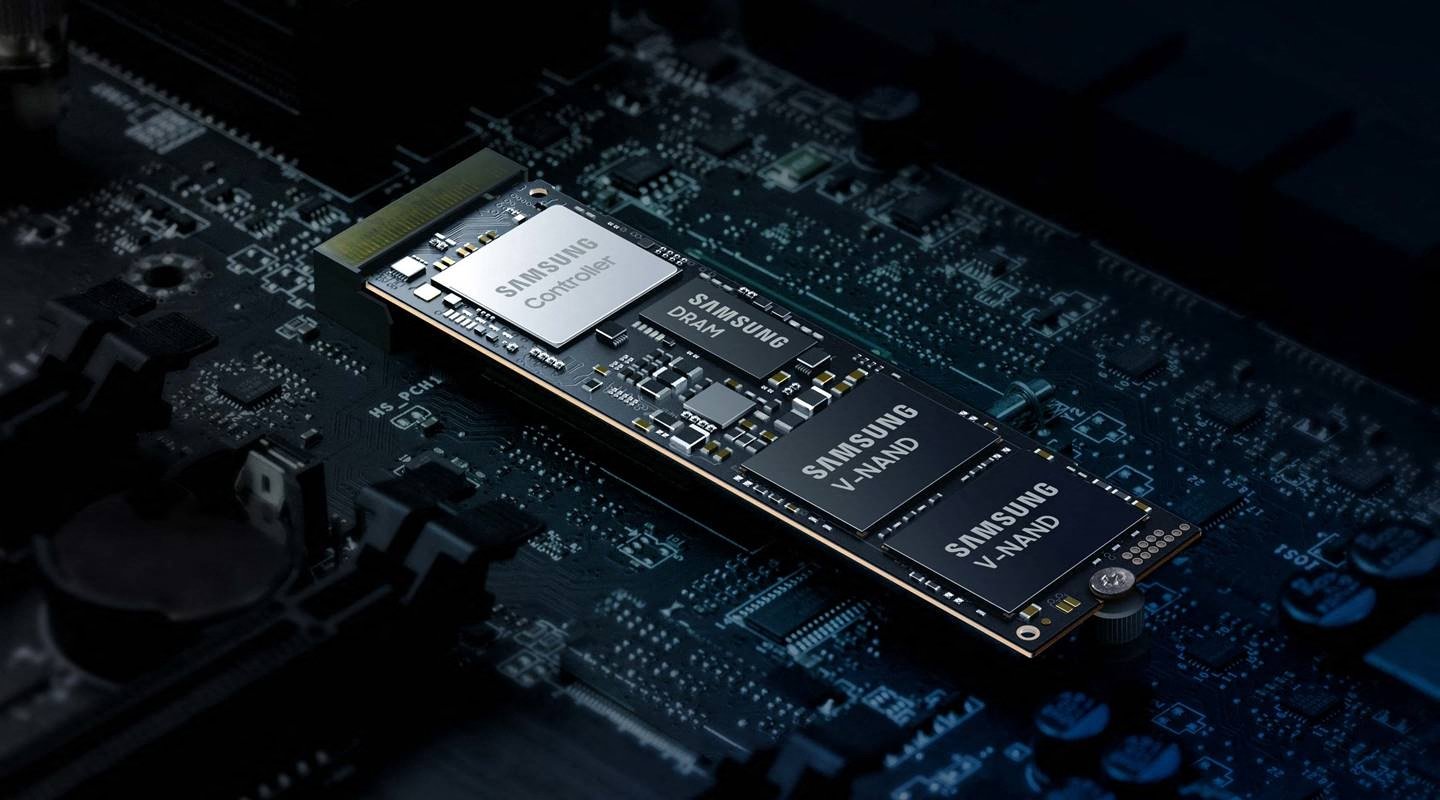
- Enterprise NAND and SSD supply remains tight, while consumer-oriented suppliers are estimated to be meeting roughly 70% of demand.
The long-term commitments point to a memory market likely to remain constrained for several years, particularly if AI-focused HBM output continues to take priority over conventional memory production.