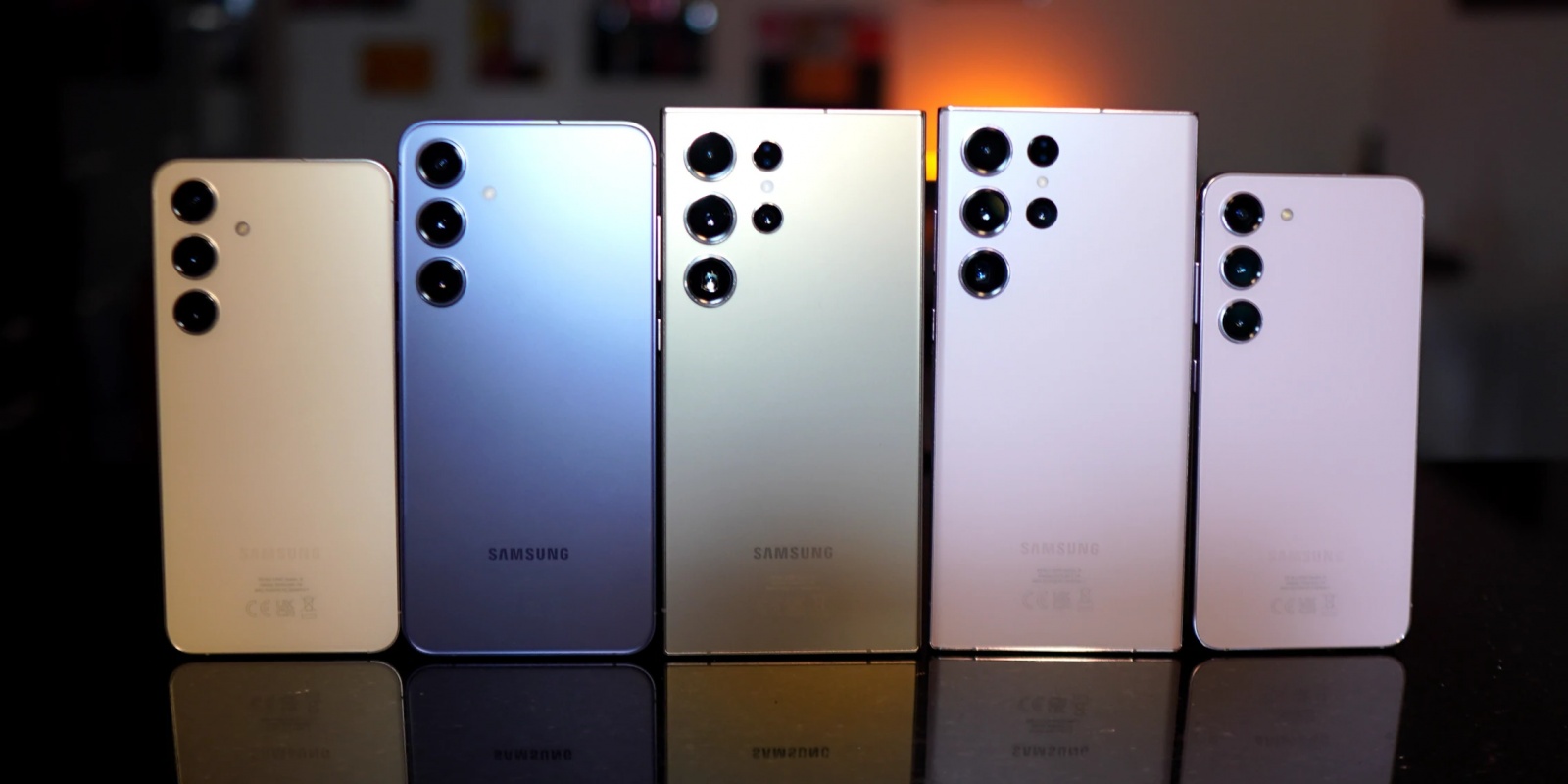
Samsung could reduce Galaxy smartphone production by as much as 30% in the fourth quarter of 2026, according to a report, as higher memory prices threaten margins for lower-profit handsets. The potential cut comes while the same memory boom is strengthening Samsung Electronics’ semiconductor business.
Samsung’s earnings guidance puts third-quarter 2026 operating profit at 107.4 trillion won, or roughly $80 billion. The company is due to publish its final results separately. The reported smartphone production move has not been confirmed by Samsung.
The pressure stems from the rising cost of memory components. Higher RAM and other memory prices can generate more revenue for Samsung’s chip operations, but they also raise the bill of materials for Galaxy devices. The effect is likely to be most difficult in entry-level and mid-range segments, where manufacturers have less room to absorb component-cost increases without raising retail prices or accepting thinner margins.
A report from SamMobile says Samsung’s mobile division may not receive preferential pricing for memory sourced internally, although commercial terms between the company’s divisions are not public. That would leave Samsung facing the same basic choice as other handset makers: increase prices, risking weaker demand, or reduce output of models that deliver limited profit.
Separate reports point to a possible reduction in Samsung’s annual smartphone production plans from about 270 million units to roughly 200 million. Those figures remain unconfirmed and are distinct from the reported fourth-quarter reduction, so the full-year impact will not be clear until 2027.
The wider market is also under pressure. Preliminary Counterpoint estimates reported by Reuters indicate global smartphone shipments fell 20% year over year in the third quarter. Samsung reportedly retained the global lead with a 23% share, even as its own shipments declined 3% from a year earlier. Any sustained pullback in Galaxy output could give rivals more room in price-sensitive segments, while Samsung’s final production plans and fourth-quarter results remain the key details to watch.