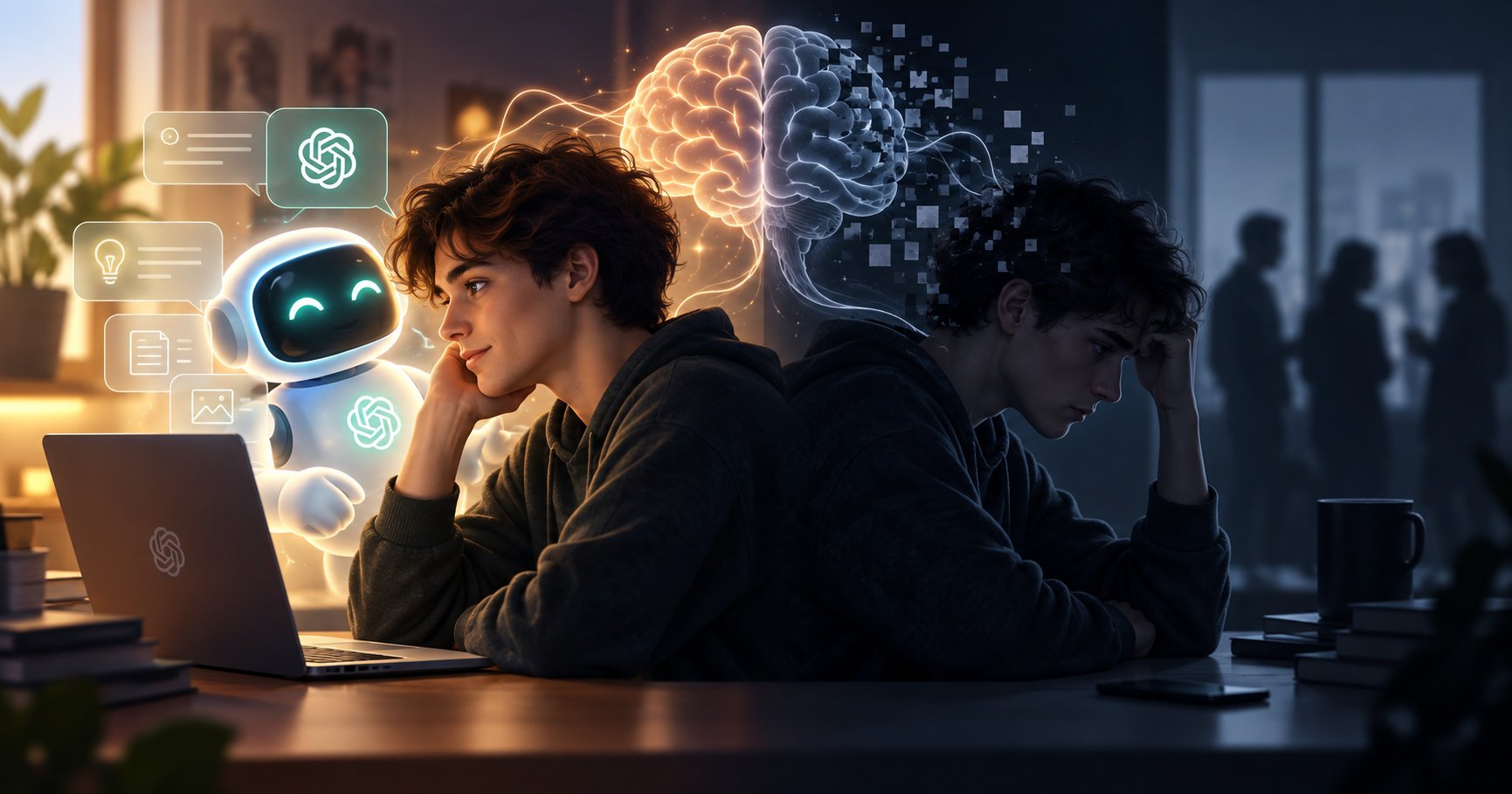
Heavy dependence on AI chatbots may be associated with weaker independent thinking, greater uncertainty about personal decisions and reduced social interaction, according to a small qualitative study conducted in France. The research examined how daily ChatGPT use affected 45 people aged 18 to 25 across their studies, work and personal lives.
The study, led by ISC Paris researcher Zeineb Farhat and published in Applied Cognitive Psychology, identifies reported patterns rather than proving a causal link between chatbot use and cognitive or social effects. Its findings therefore cannot show that ChatGPT directly causes self-doubt, reduced thinking ability or isolation.
One possible mechanism is cognitive offloading: shifting parts of remembering and reasoning to an outside tool. People have long done this with calculators, GPS navigation and note-taking apps, but chatbots can take on more of the process, from locating information to drafting a response.
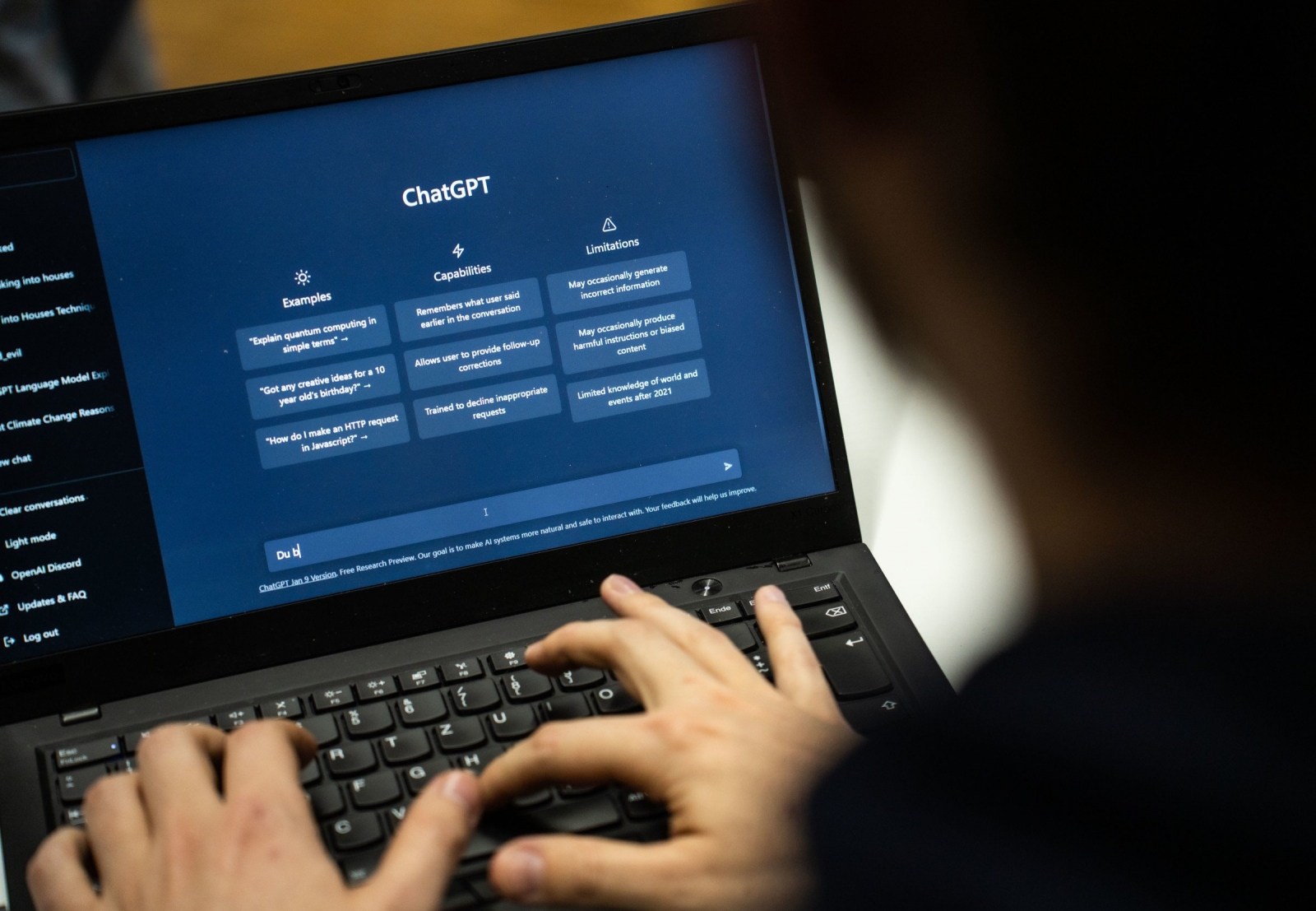
The research does not characterize all AI use as harmful. Participants who used ChatGPT as a brainstorming partner, to test ideas or explore alternatives reported more confidence and creativity. The distinction appears to be whether the chatbot supports a user’s thinking or largely replaces it.
With only 45 participants from one country and a narrow age group, the findings need validation through larger and longer-term studies covering broader groups of users. Those studies will be needed to determine whether the reported patterns extend beyond this sample and how strongly they are tied to different ways of using AI tools.