The robotaxi services market in the United States and China is projected to double in value to $850 million in 2026, according to DigiTimes Research. The forecast covers the commercialization strategies of six major operators as autonomous ride services shift from limited demonstrations toward larger paid fleets.
- Waymo
- Tesla
- Zoox
- Baidu Apollo Go
- Pony.ai
- WeRide
Waymo remains one of the largest US operations. Alphabet said the service had exceeded 500,000 autonomous rides per week as of April, and CEO Sundar Pichai said in October that Waymo was operating in 15 US cities. Its vehicles had traveled more than 482 million kilometers in fully autonomous mode.
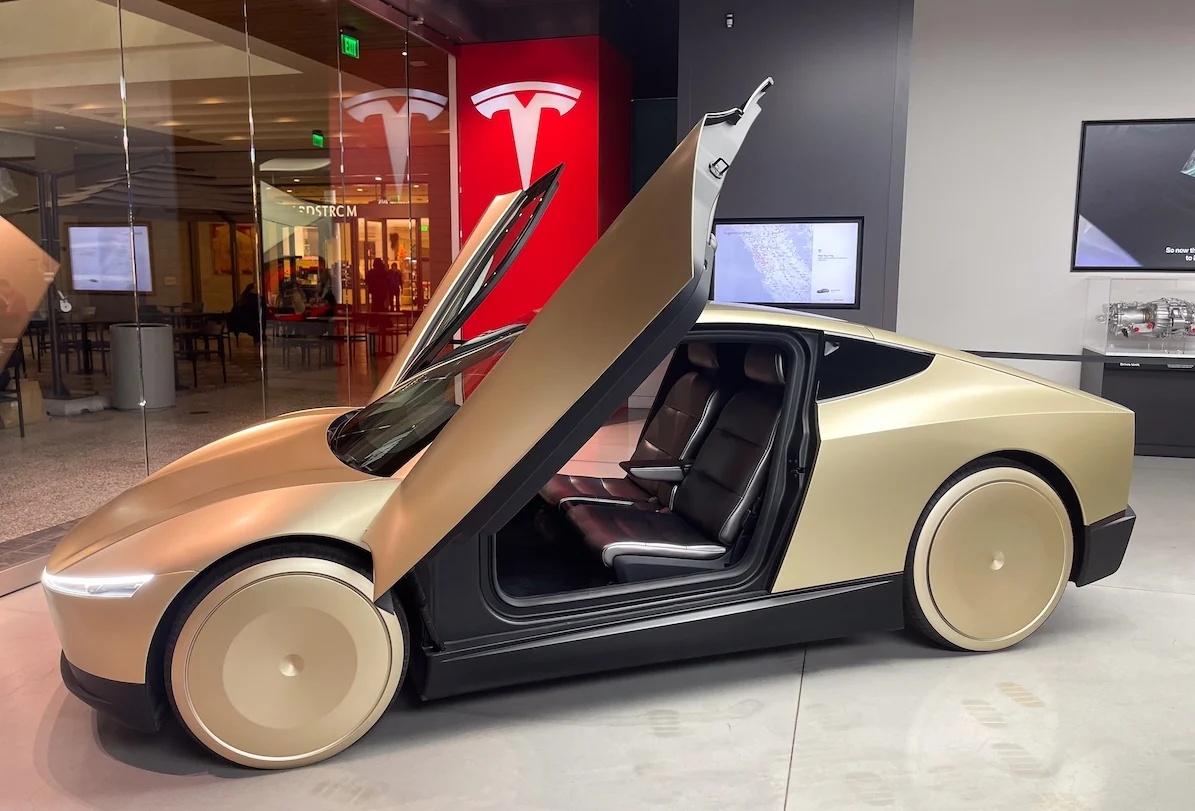
Tesla added the two-seat Cybercab to its commercial fleet in Austin on September 3. The vehicle has no steering wheel or pedals and is also available for rides in certain parts of Dallas. Amazon-owned Zoox, meanwhile, is deploying a bidirectional four-seat vehicle without a conventional driver position; its Las Vegas service now operates 21 hours a day, seven days a week.
Chinese operators report fleet growth and early unit economics
- Baidu Apollo Go operates or tests in 30 cities and has logged more than 390 million kilometers of cumulative autonomous driving.
- Pony.ai operates a robotaxi fleet of 2,768 vehicles. Its robotaxi service revenue increased 165.4% year over year in the third quarter.
- WeRide has a robotaxi fleet of more than 2,300 vehicles, while third-quarter robotaxi revenue rose 204% year over year.
WeRide says its Guangzhou operations have reached unit-level profitability when each vehicle averages 21 orders per day. That does not mean the company as a whole is profitable, but it marks a significant benchmark for robotaxi economics.
Labor is central to the business case. The International Energy Agency estimates that drivers account for more than half the cost of conventional taxi services. Autonomous fleets replace part of that expense with sensors, onboard computing, remote-assistance centers and operating infrastructure.
Vehicle costs are also declining. Early Waymo robotaxis based on the Jaguar I-Pace cost more than $100,000, while later models approached $70,000. Baidu said in 2025 that its Apollo RT6 could be manufactured for less than $30,000.
The technology is also moving into additional markets through partnerships and tests:
- Pony.ai and Croatia’s Verne began driverless test rides with invited passengers in Zagreb in September.
- WeRide has received a national authorization in Spain to operate Level 4 autonomous vehicles.
- Baidu is testing autonomous vehicles in London in partnership with Uber and Lyft.
Ride-hailing platforms including Uber, Lyft and Bolt could remain the passenger-facing layer even as drivers leave the vehicle, using partnerships with autonomous-technology developers. The next competitive measure is likely to be cost per kilometer with a paying passenger—a figure that will determine whether robotaxi fleets can pressure conventional taxi and ride-hailing fares.