
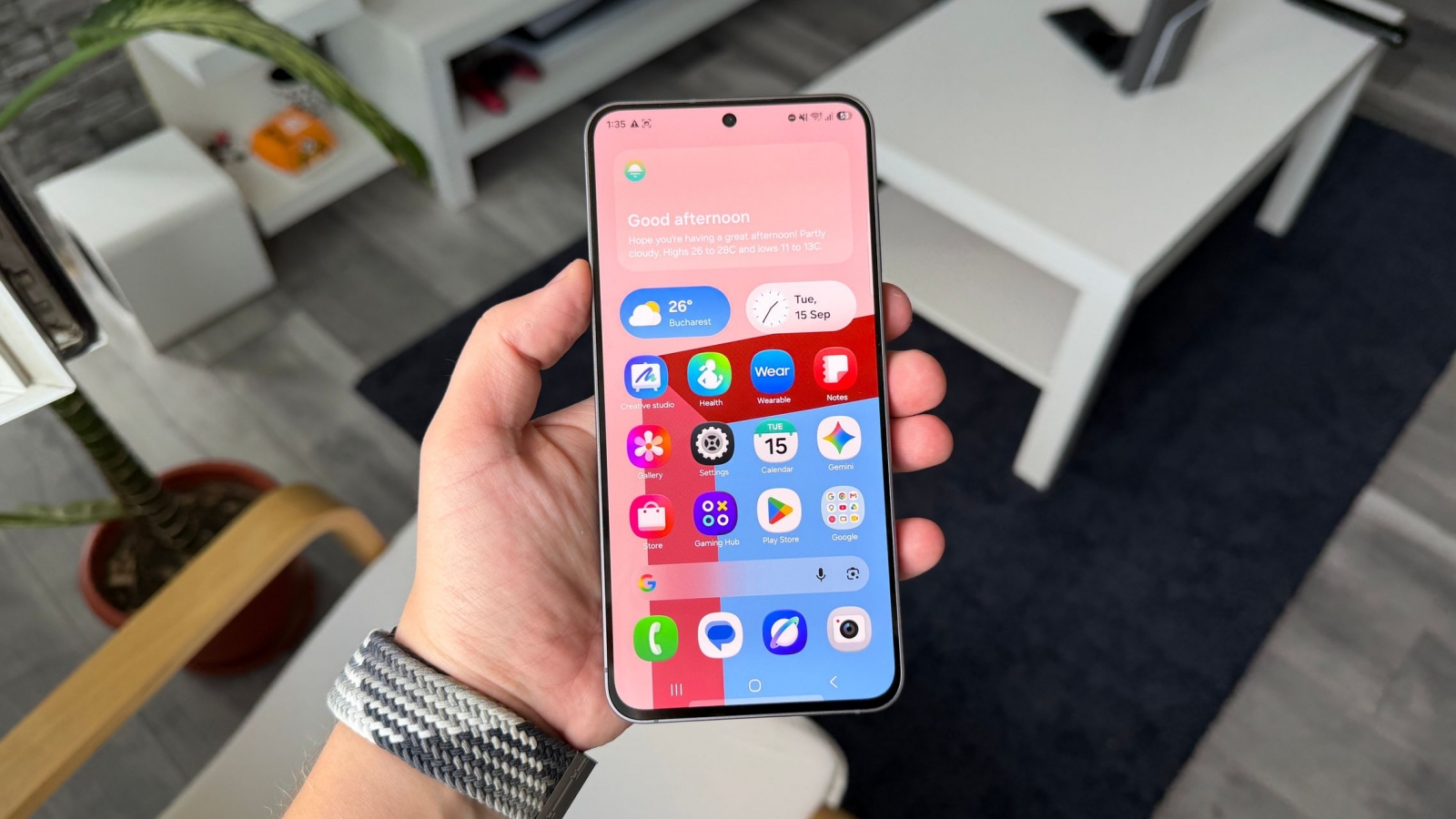
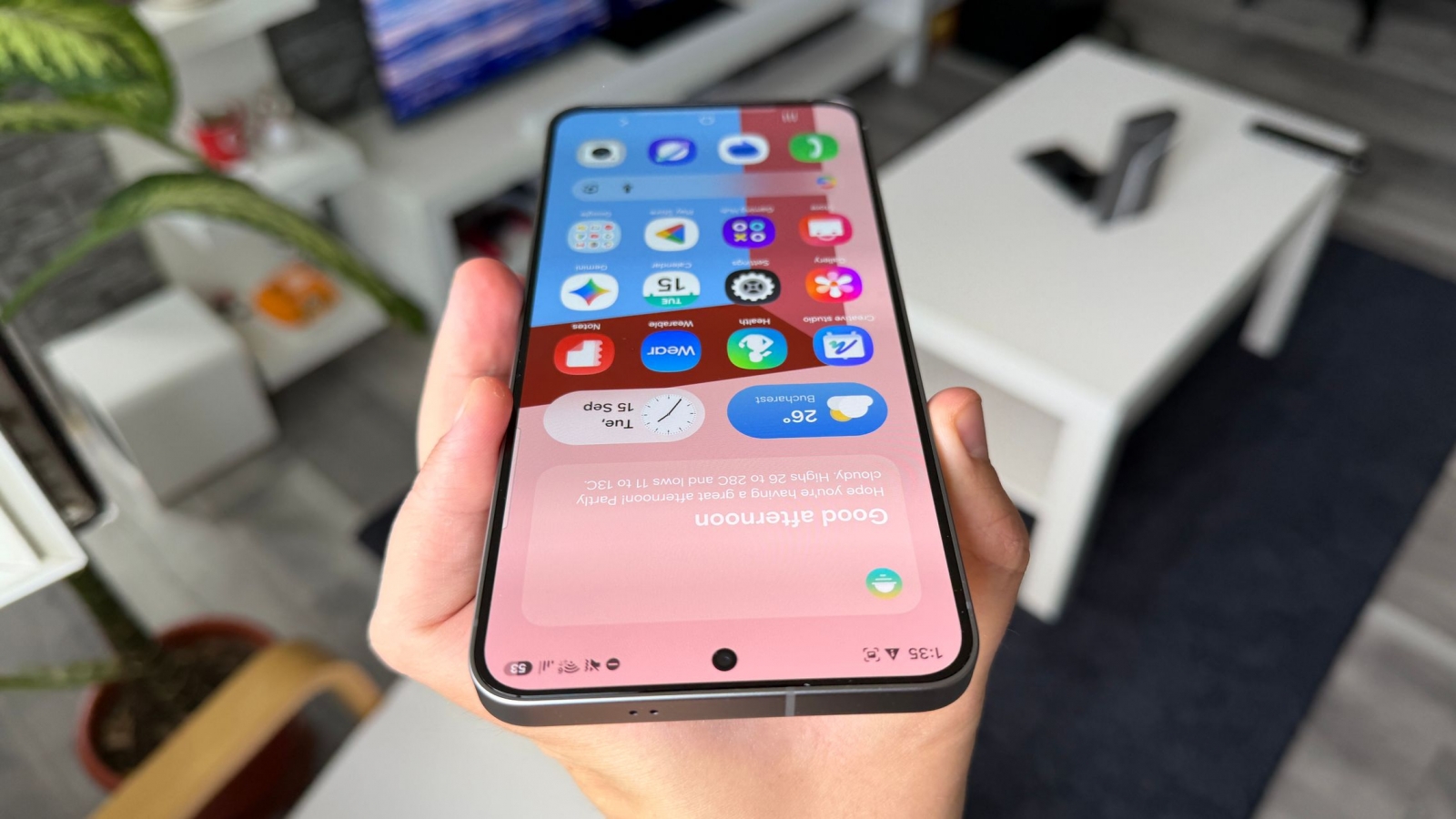
Samsung’s Galaxy S26 FE is positioned for a longer ownership cycle with seven generations of operating system and One UI upgrades, alongside seven years of security updates. The policy gives the phone a clearer path to remain compatible with newer apps and security requirements well beyond its launch period, although feature availability and update timing can vary by model and market.
The commitment follows the policy Samsung introduced with the Galaxy S24 series in January 2024 and later extended across other product lines. On the S26 FE, it brings the company’s longest smartphone software-support window to a Fan Edition model, rather than limiting it to flagship Ultra devices.
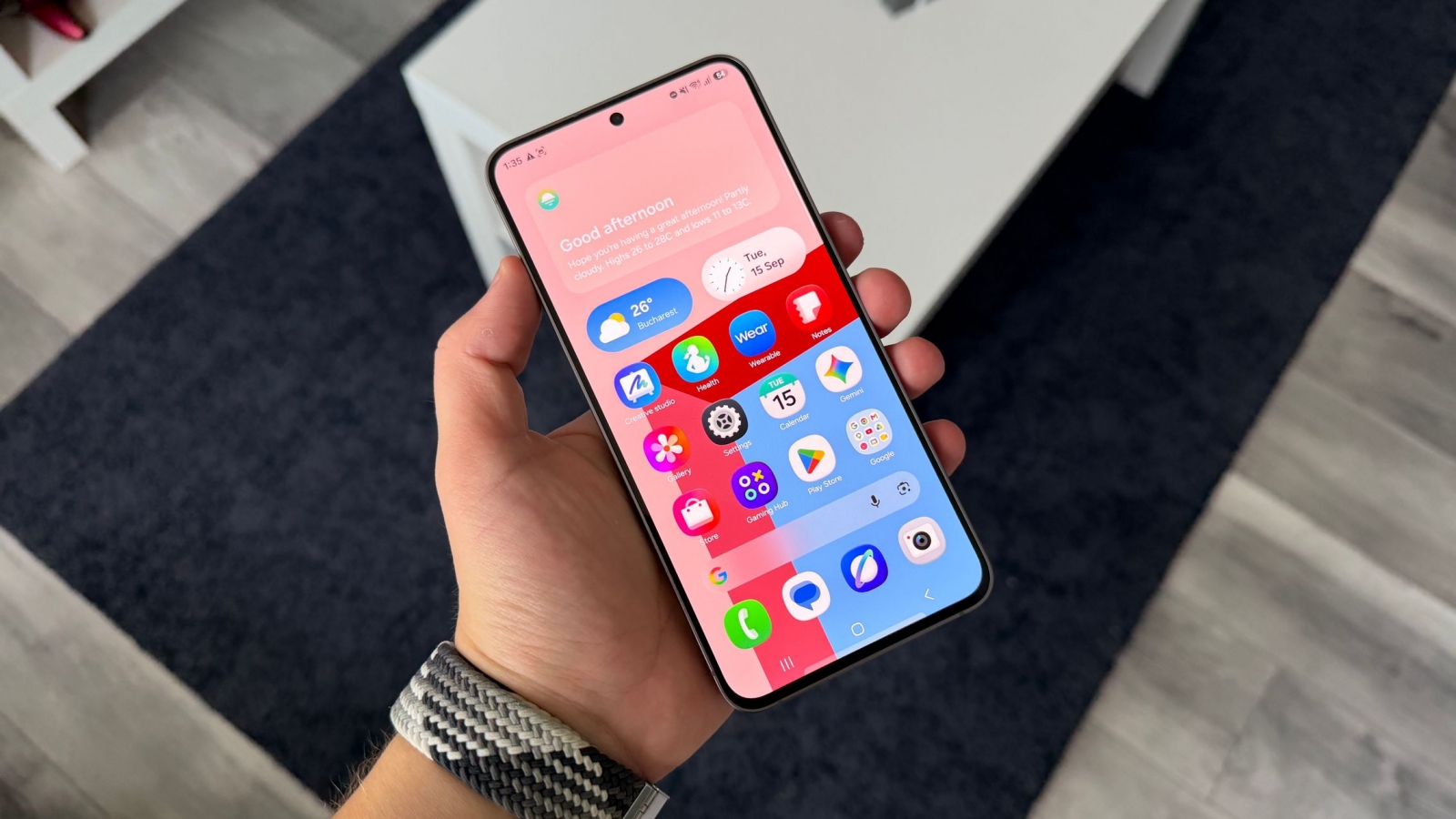

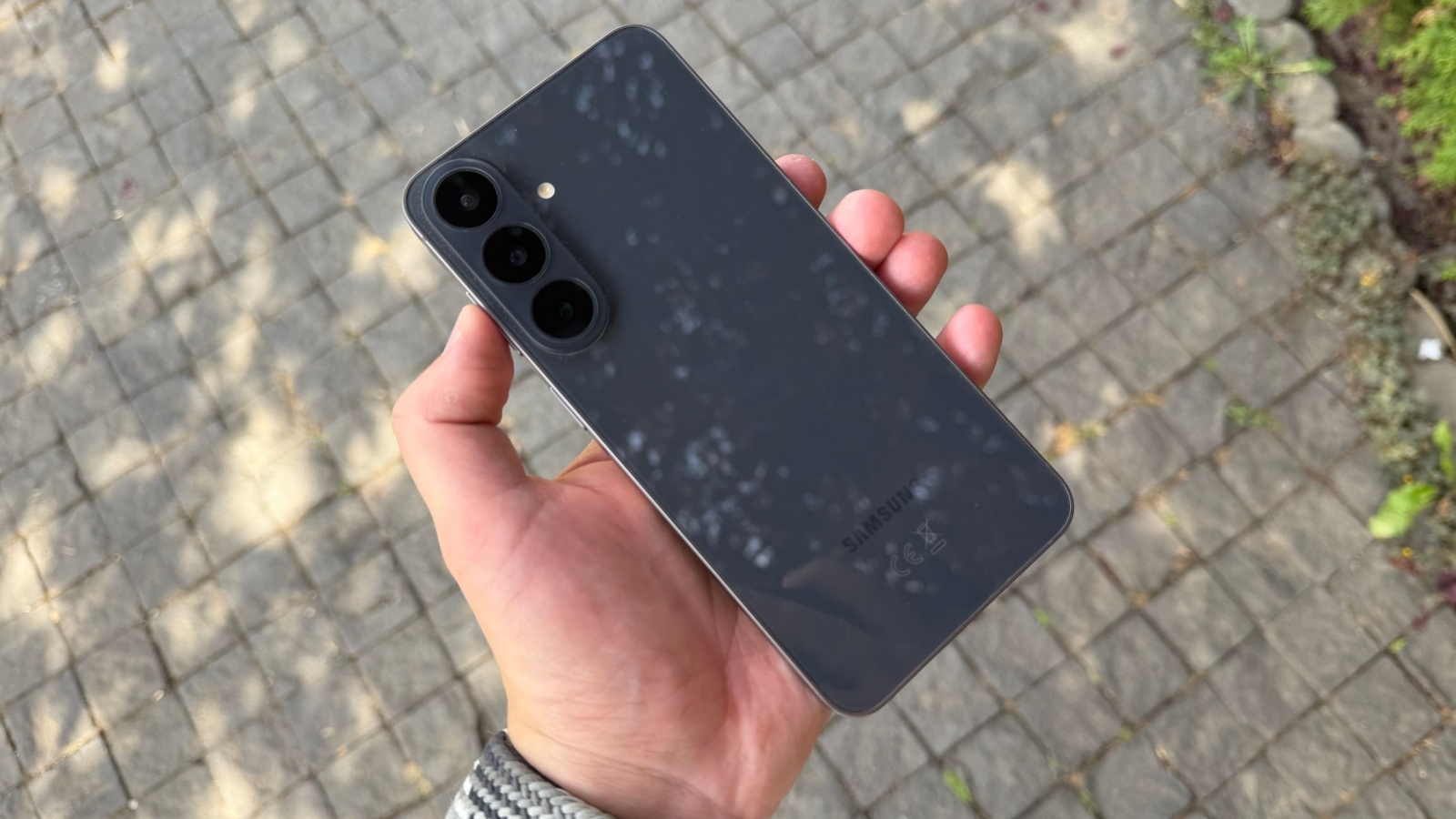
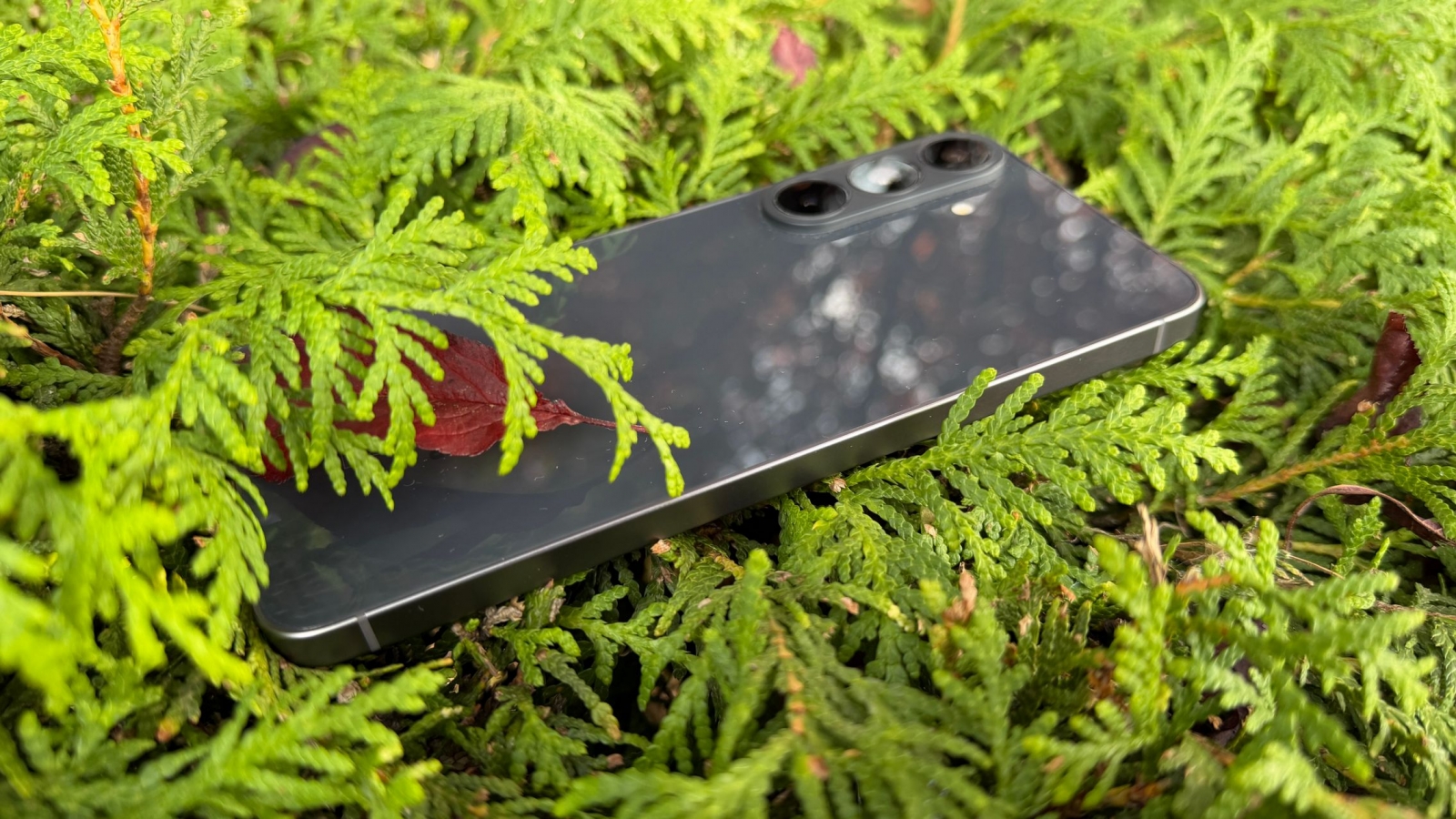
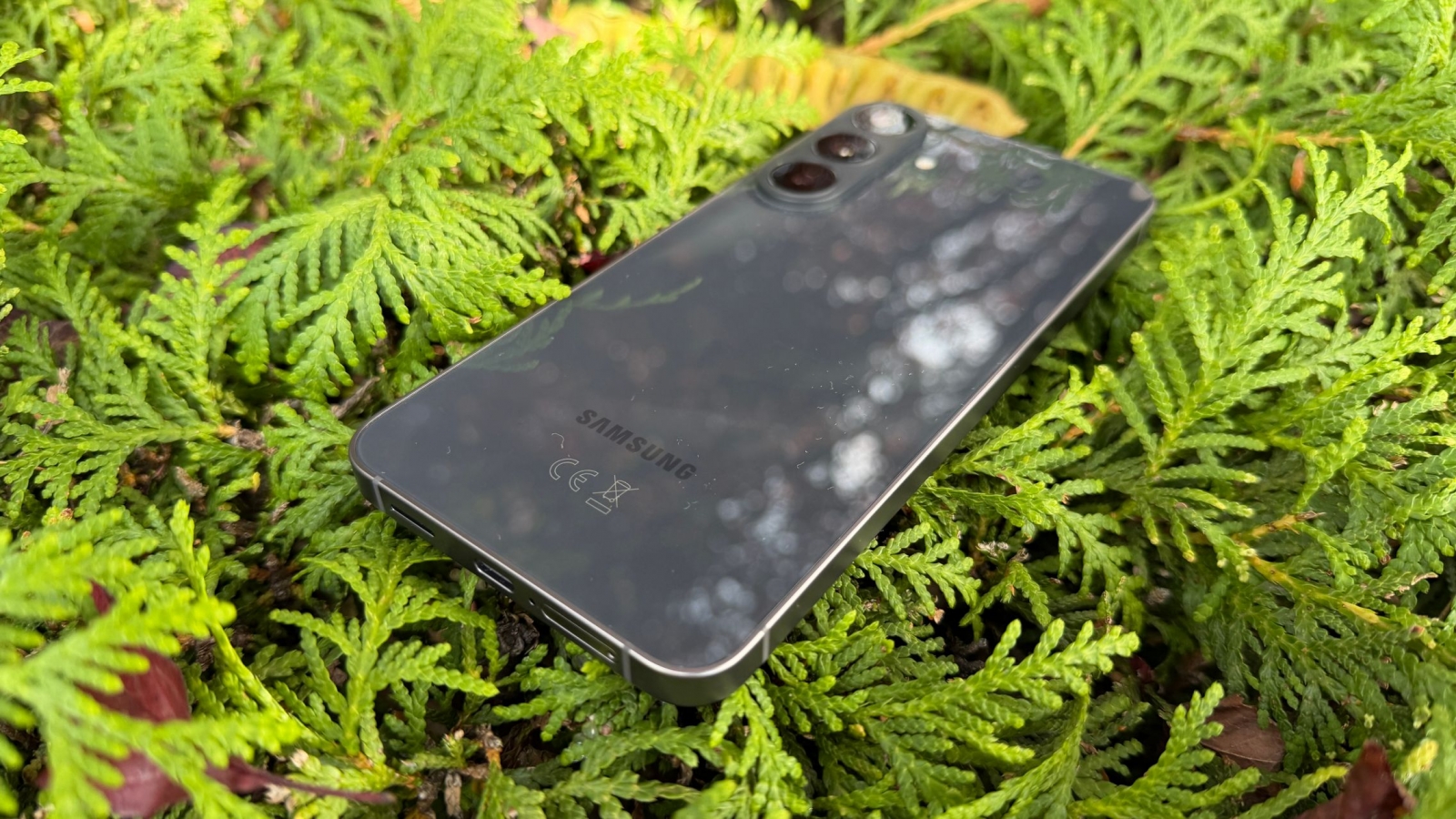
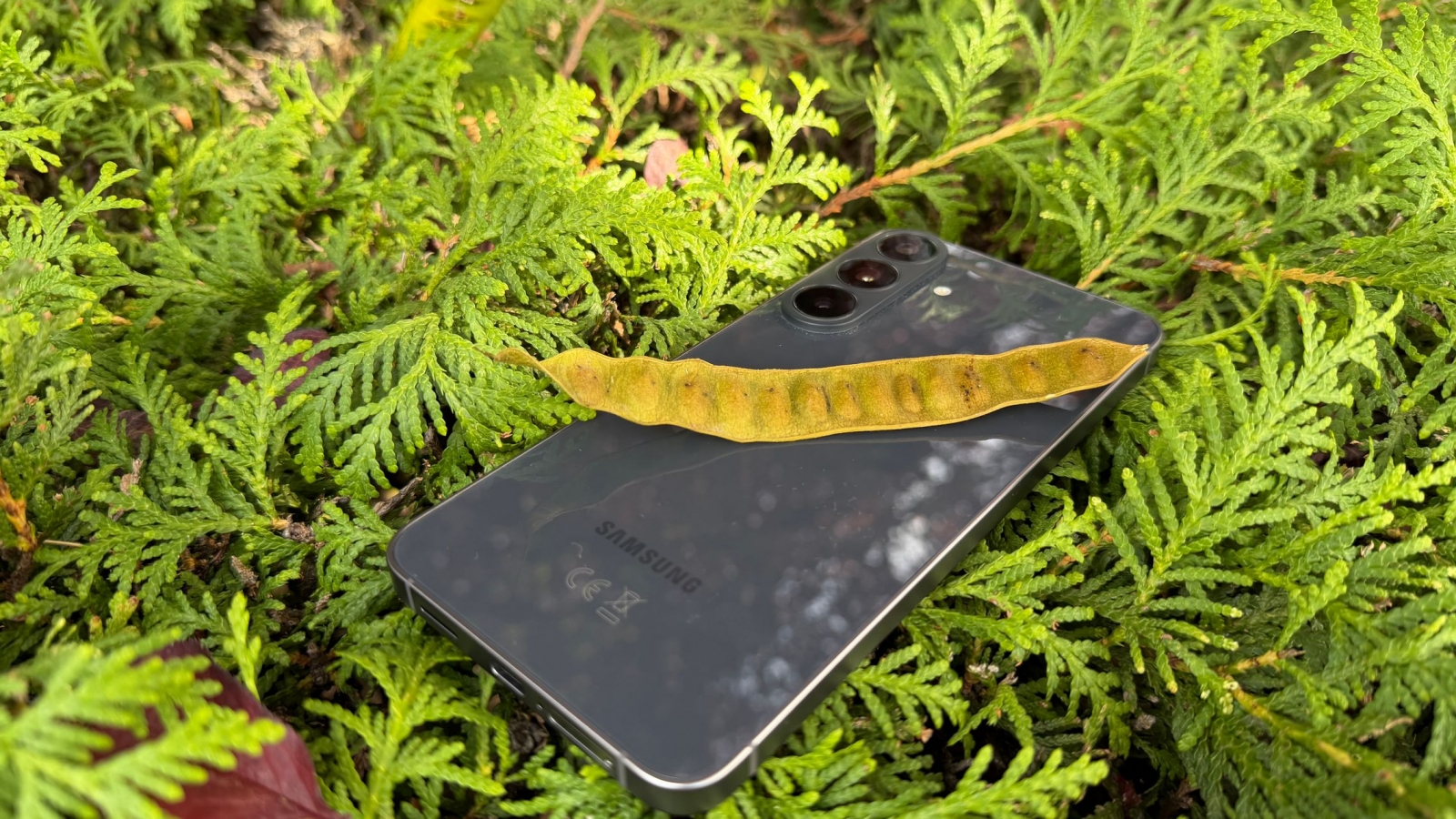
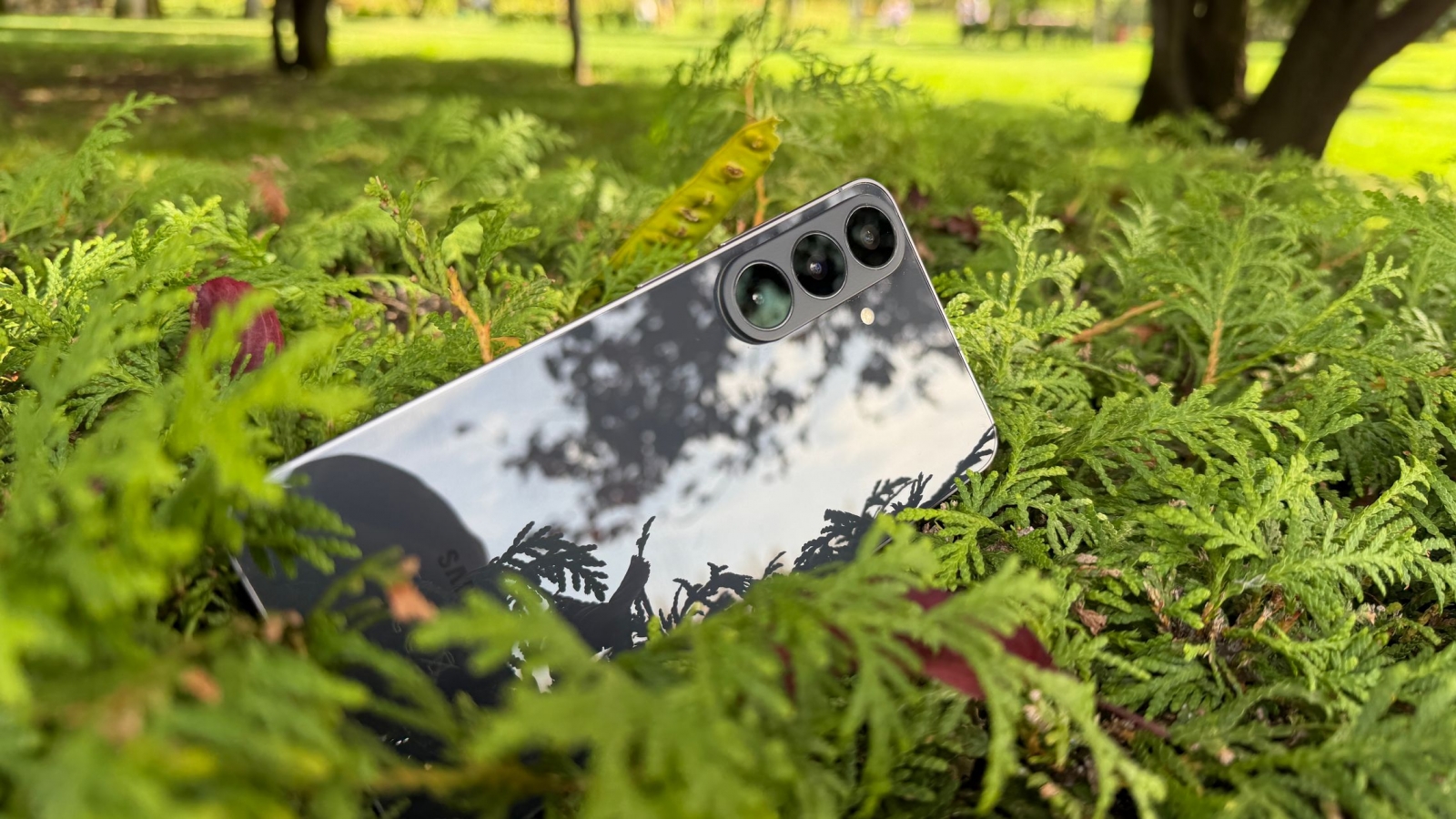
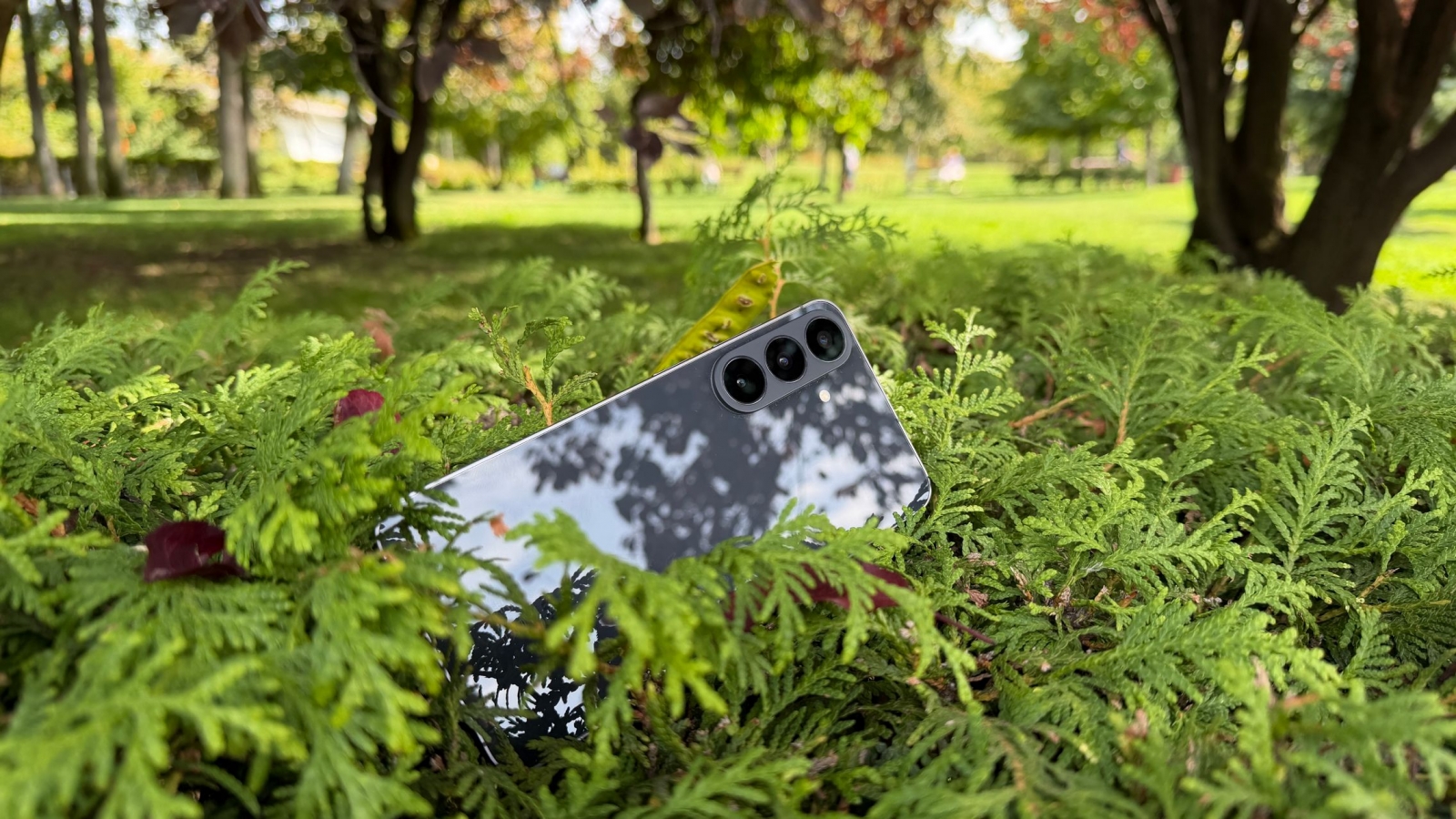
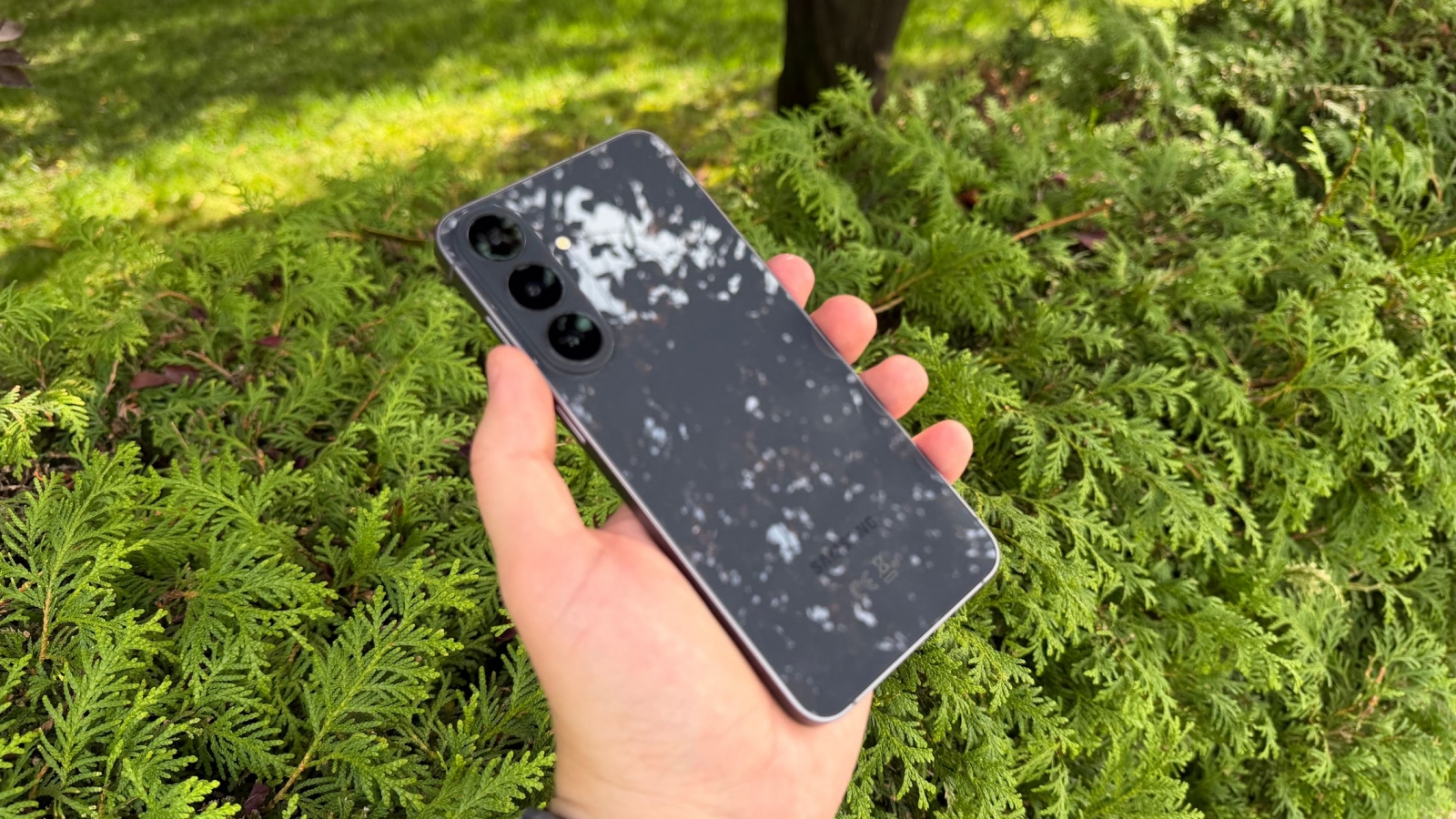
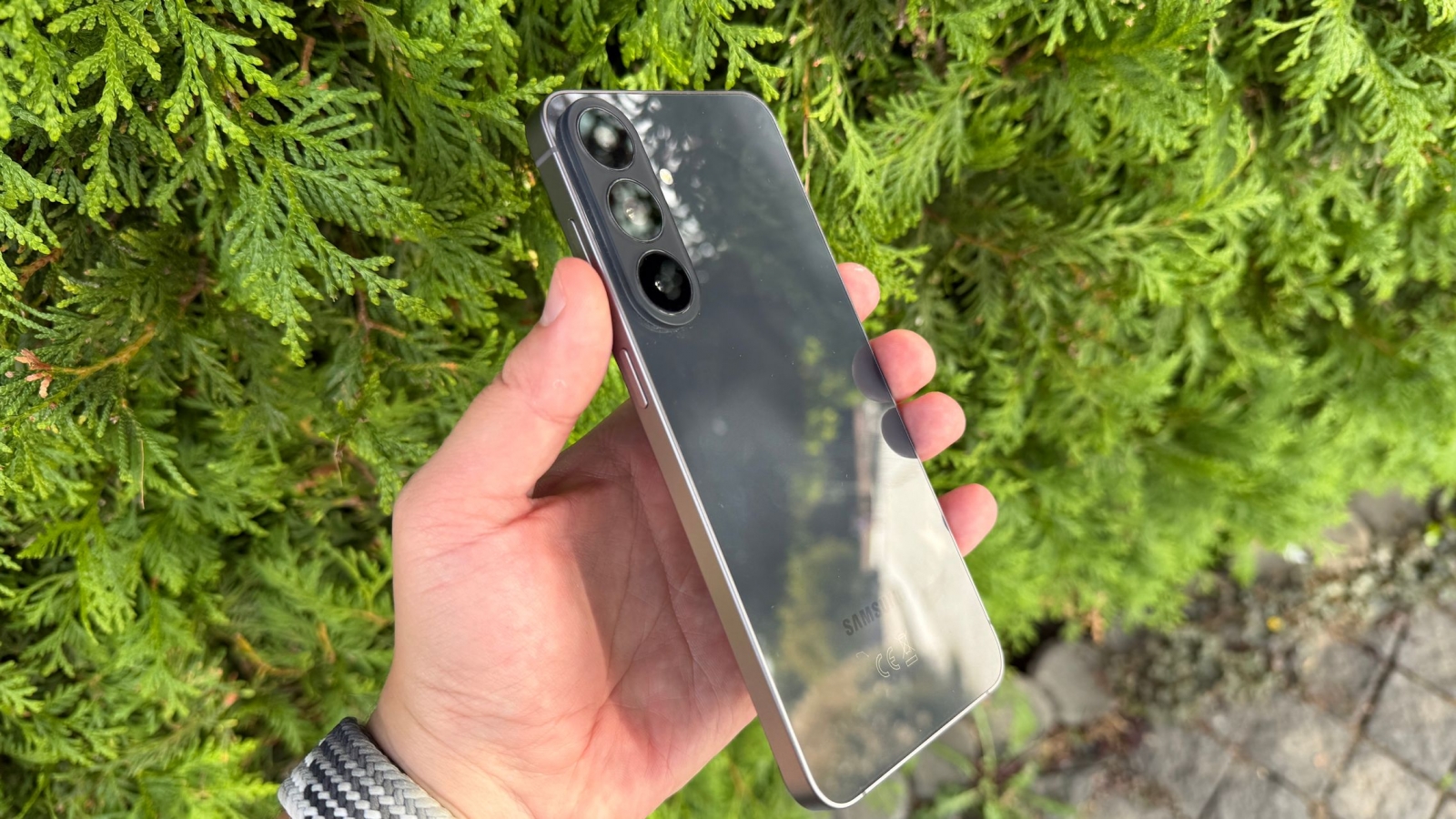
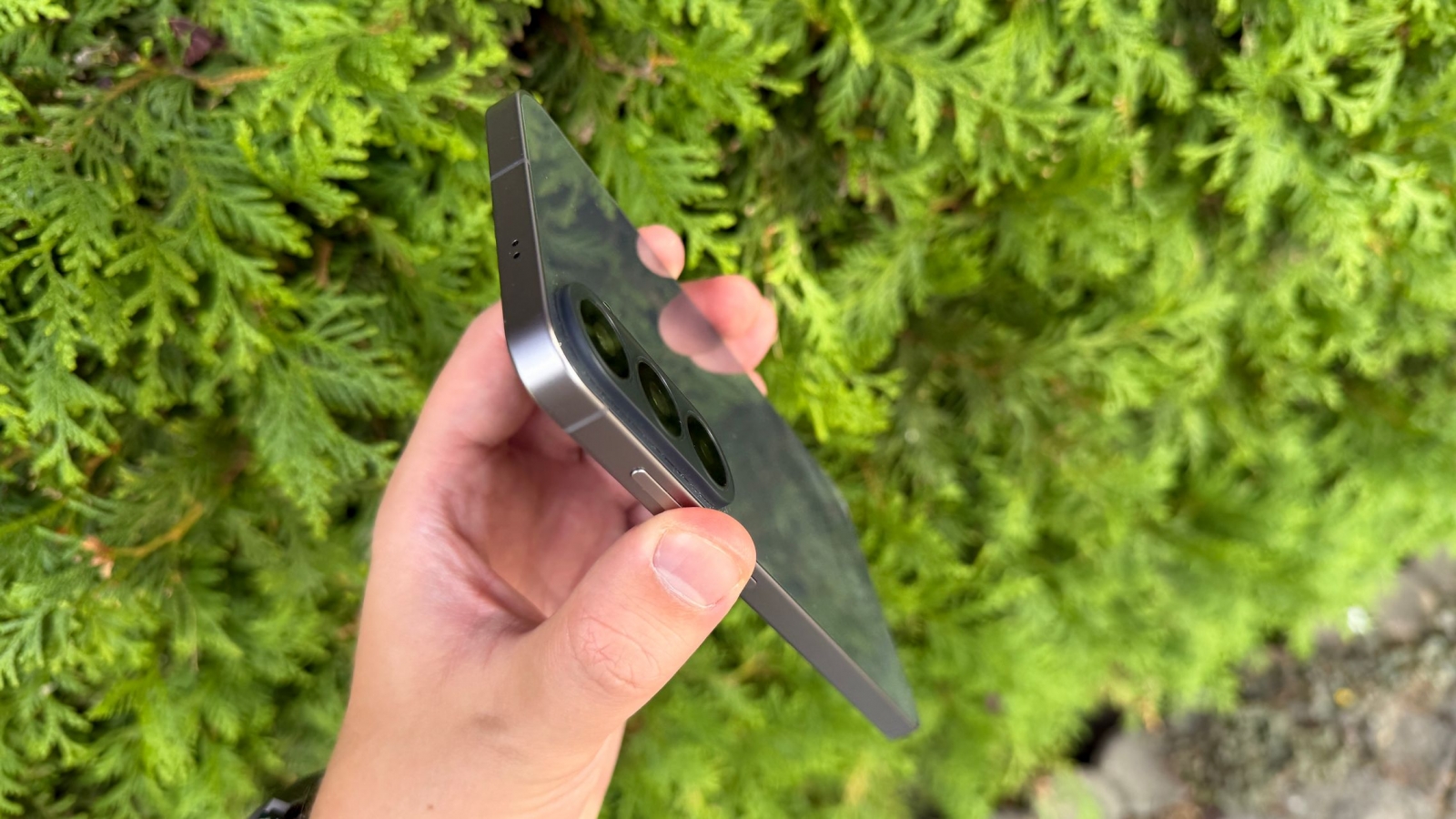
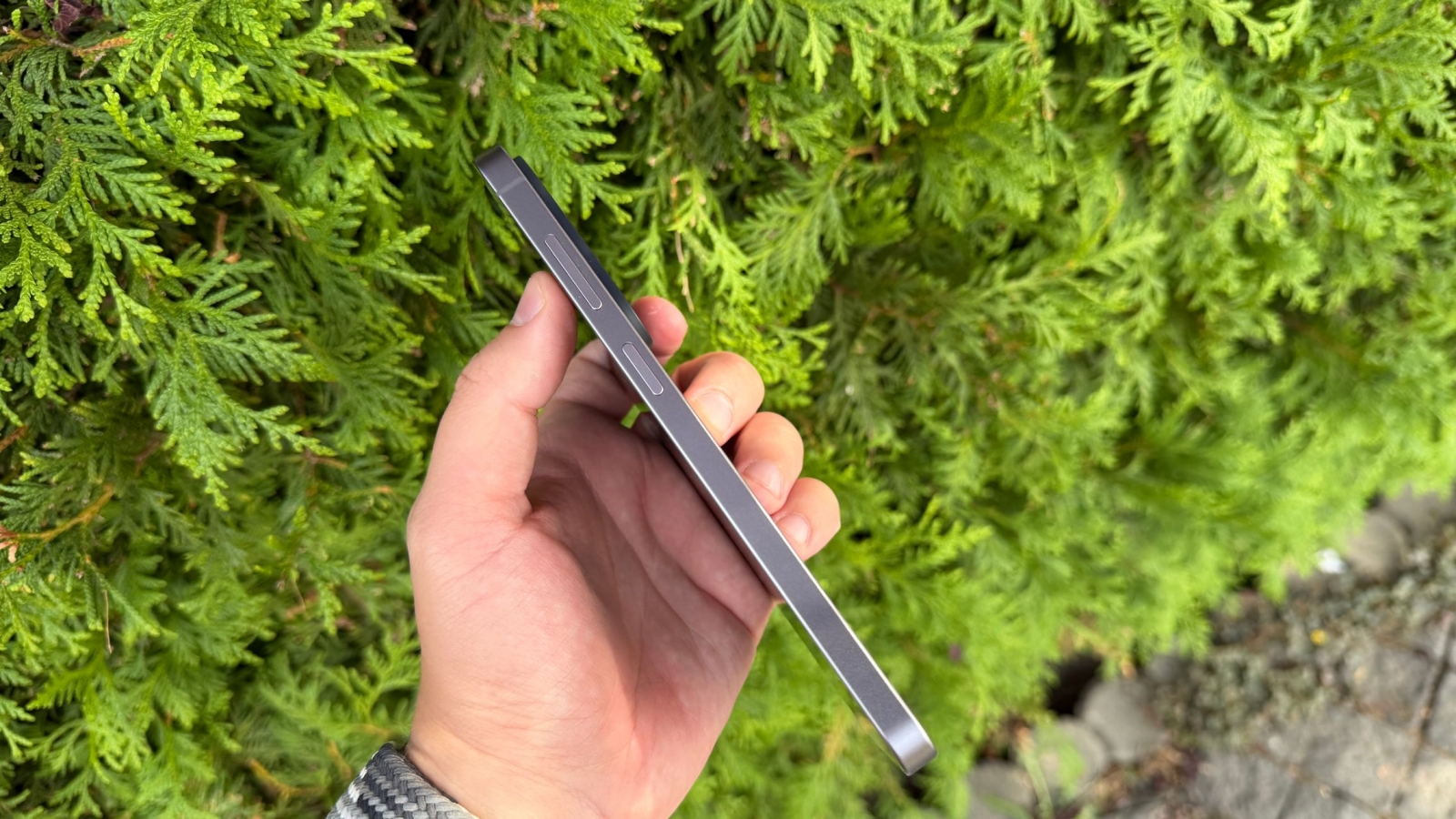
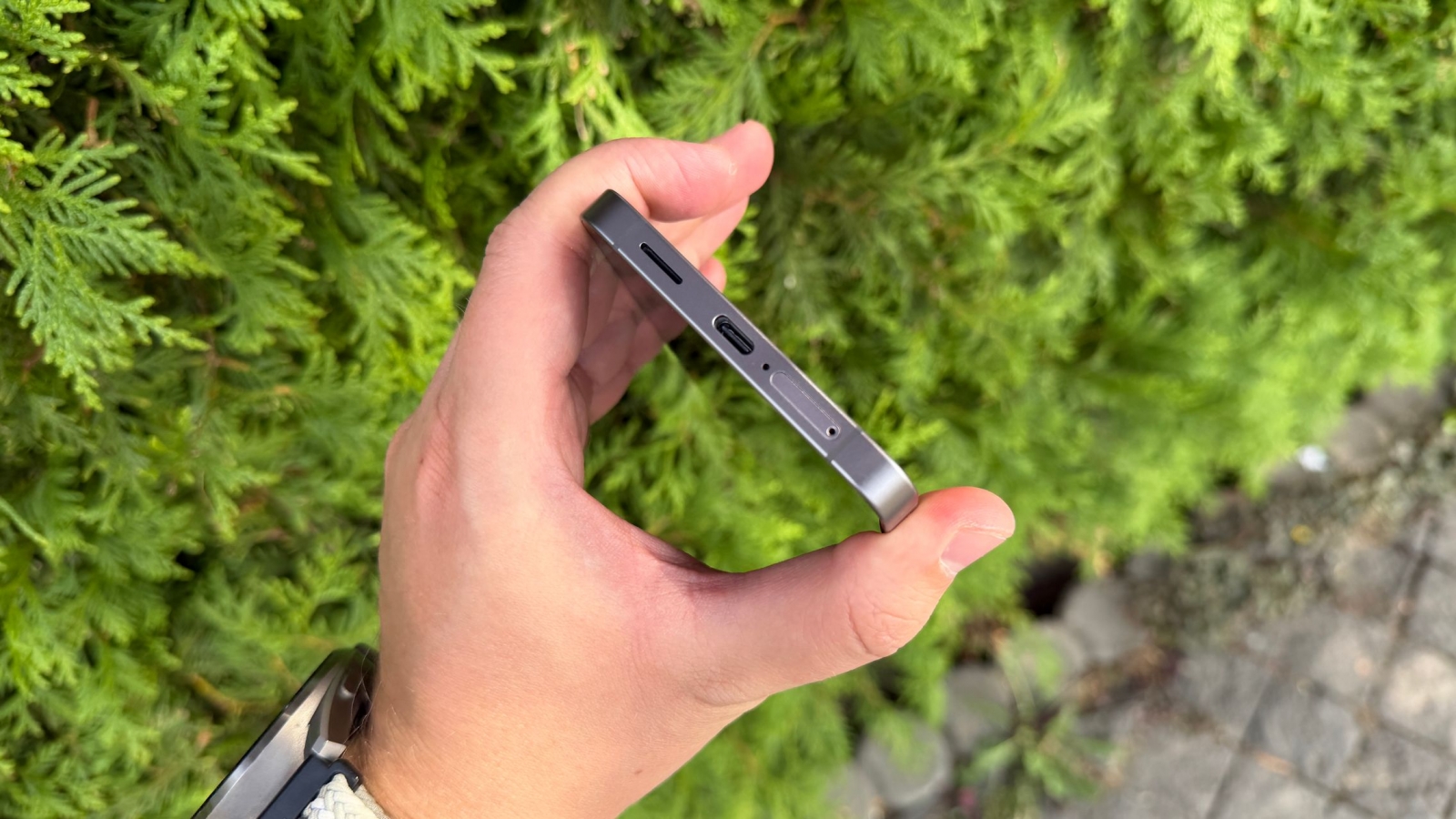
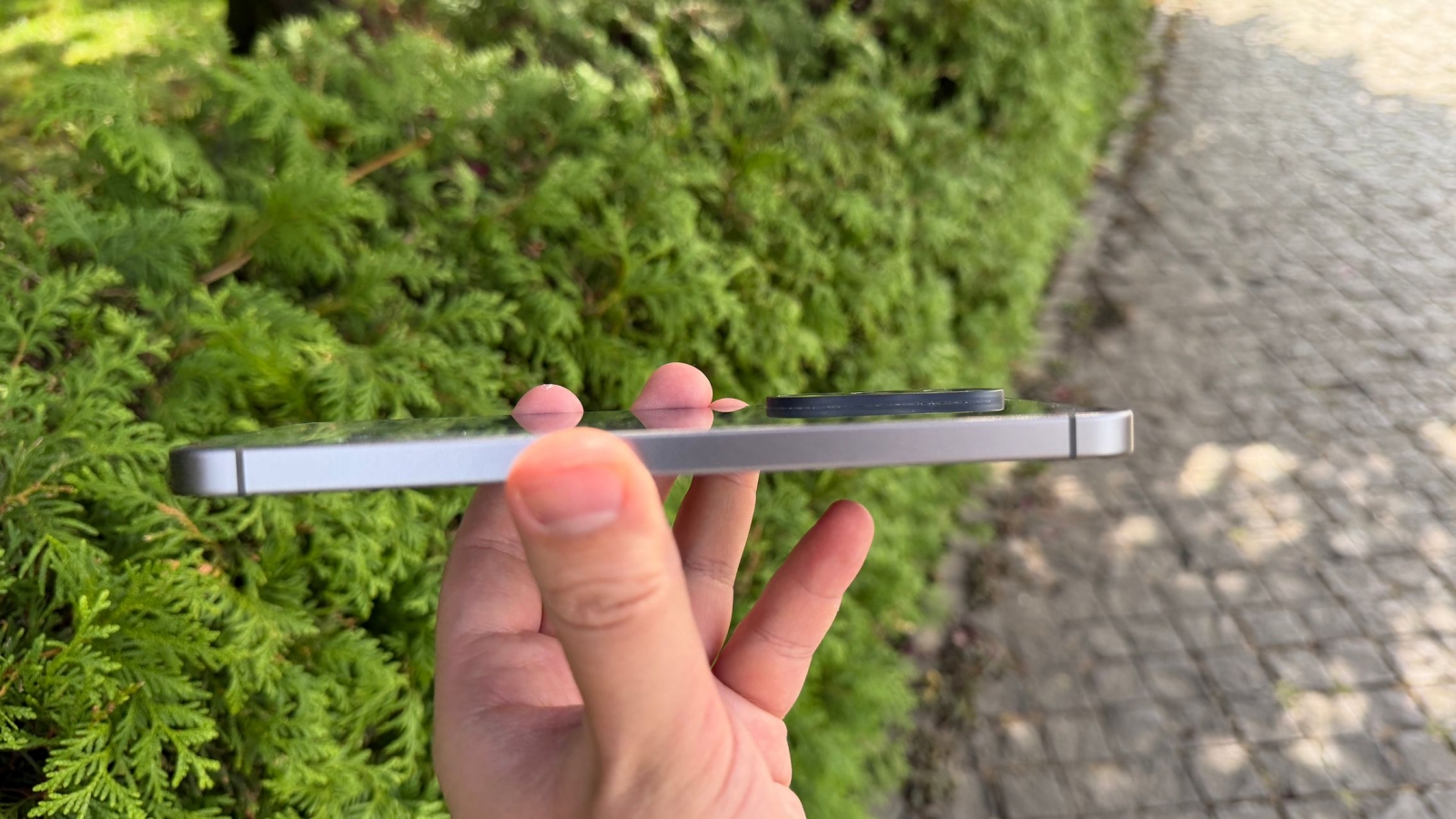
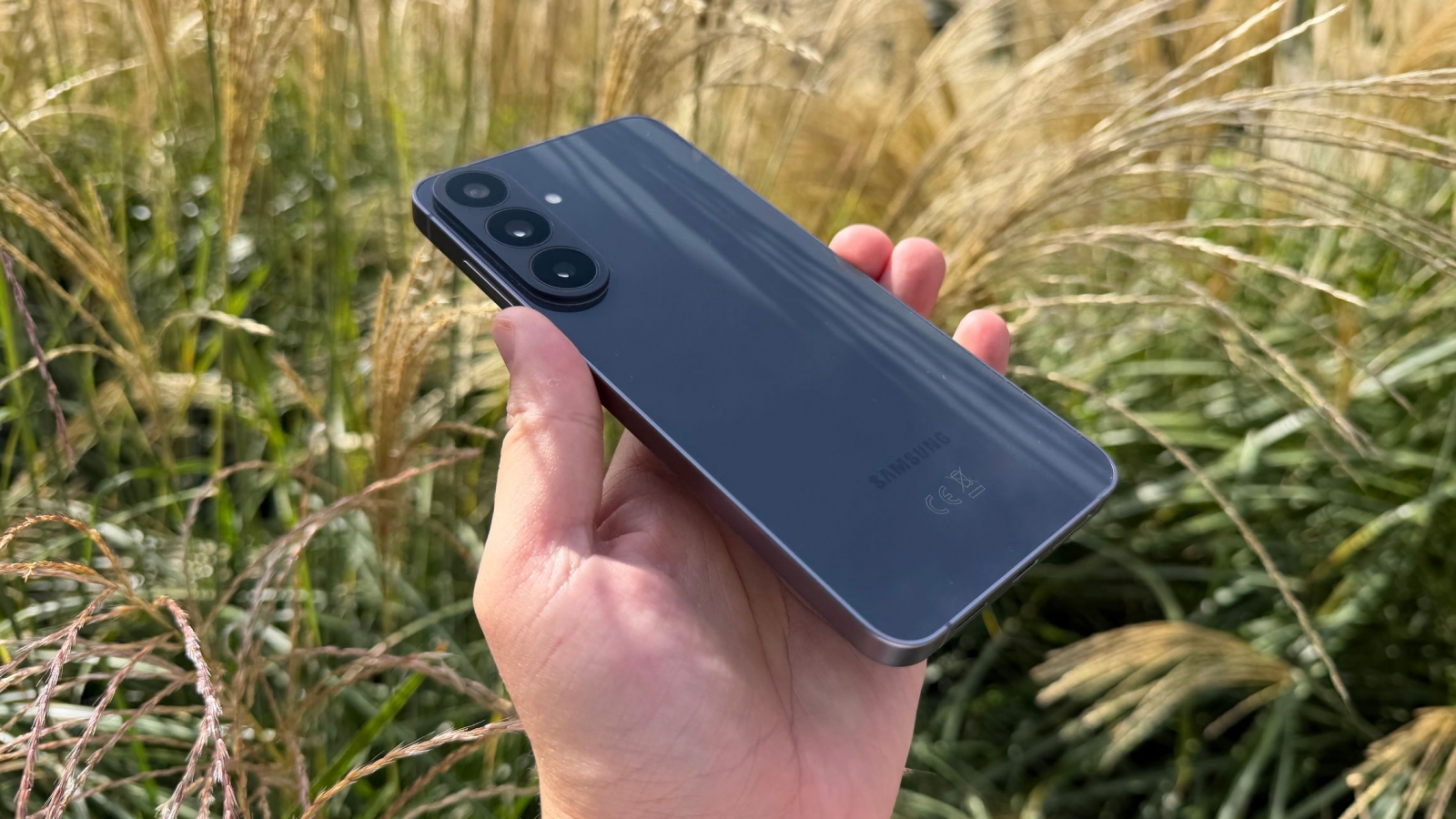
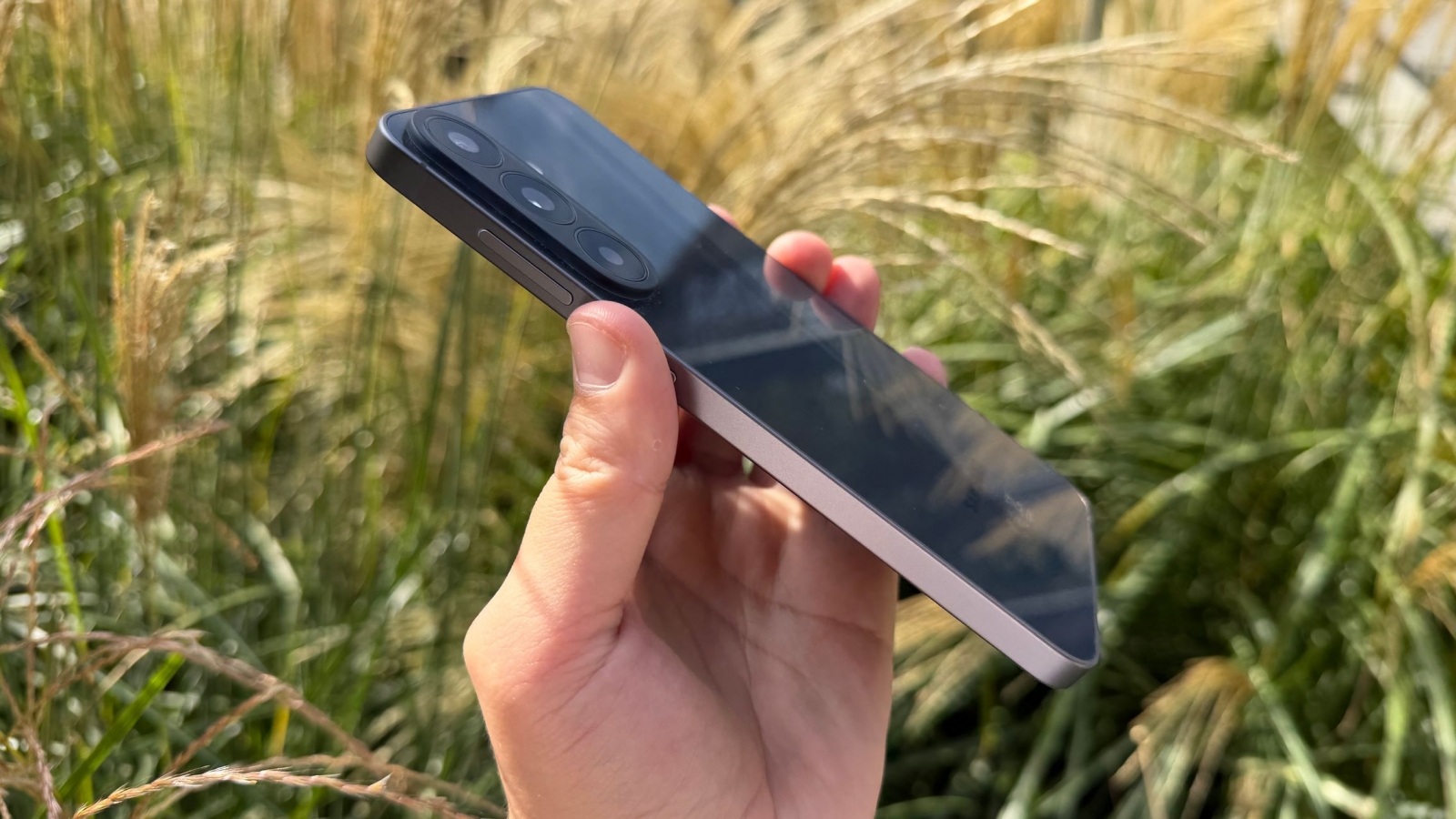
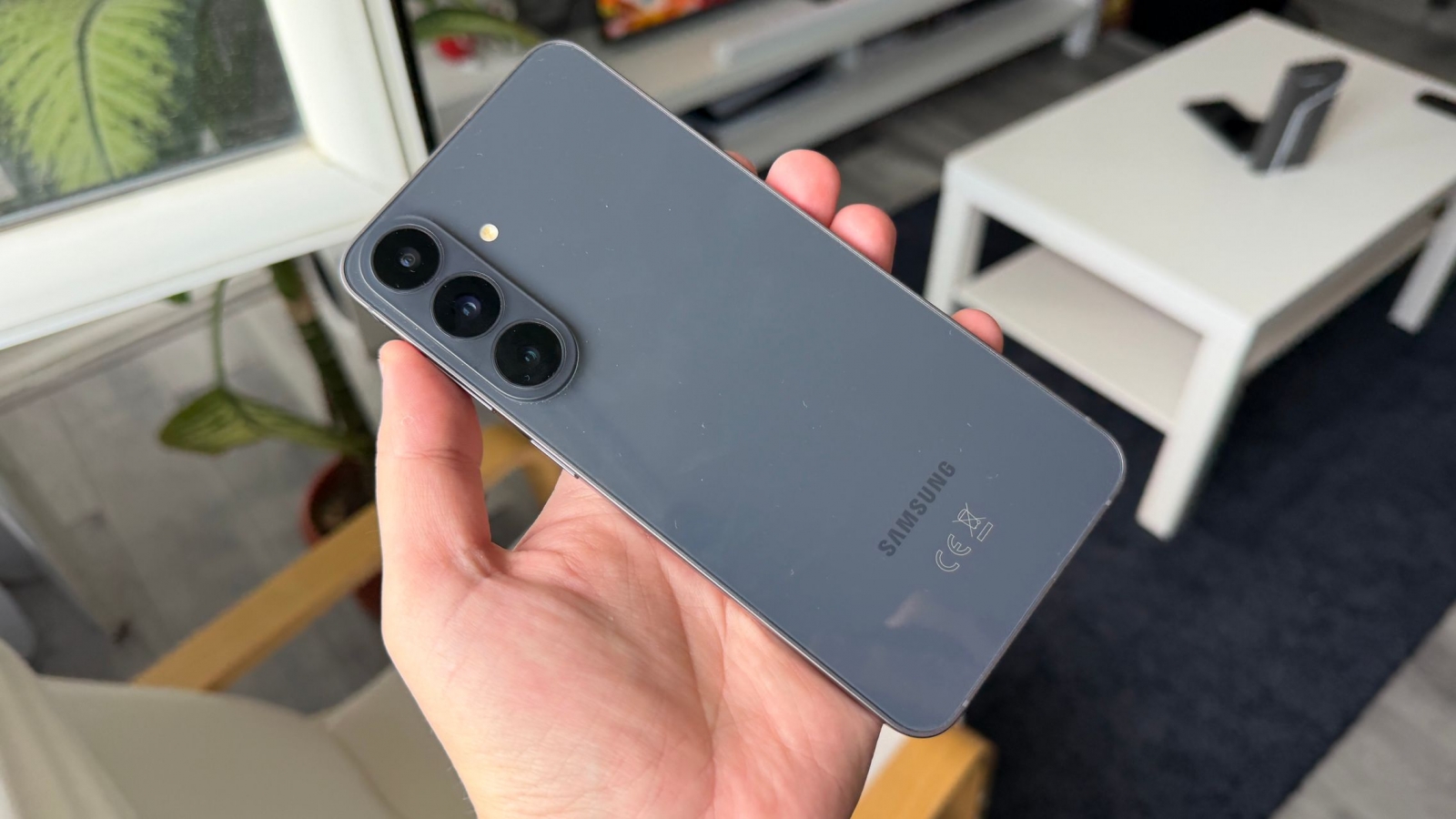
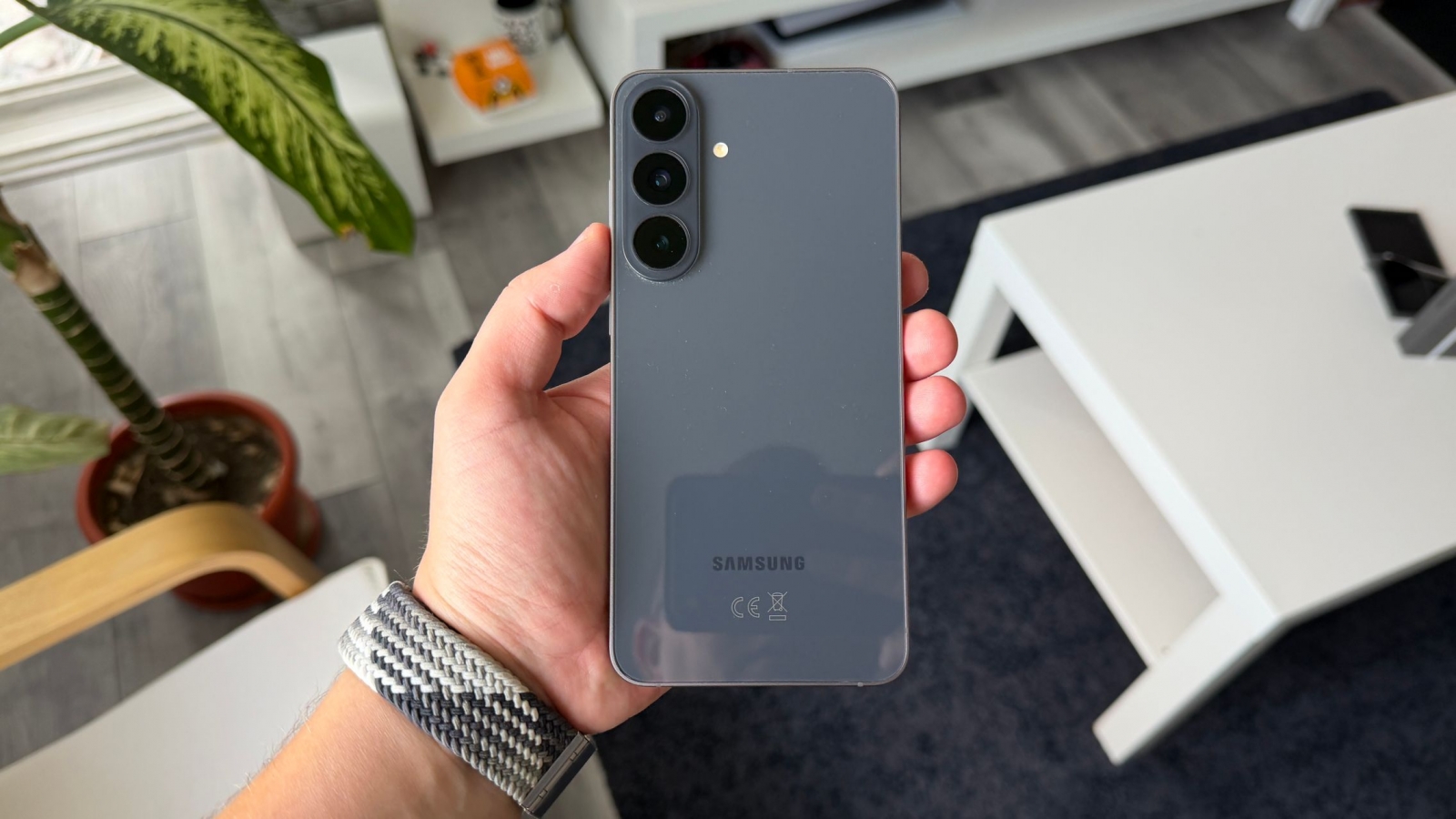
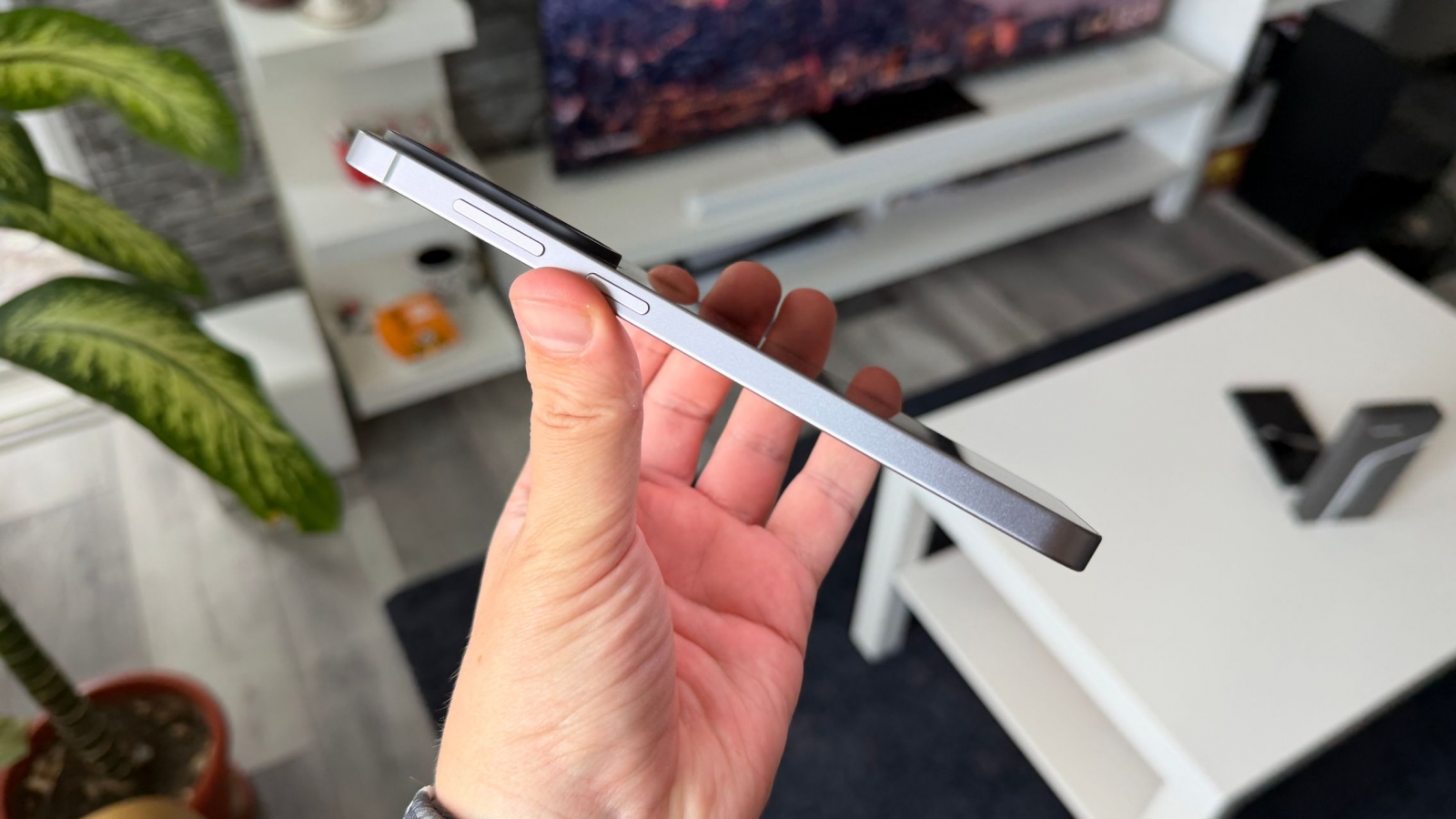
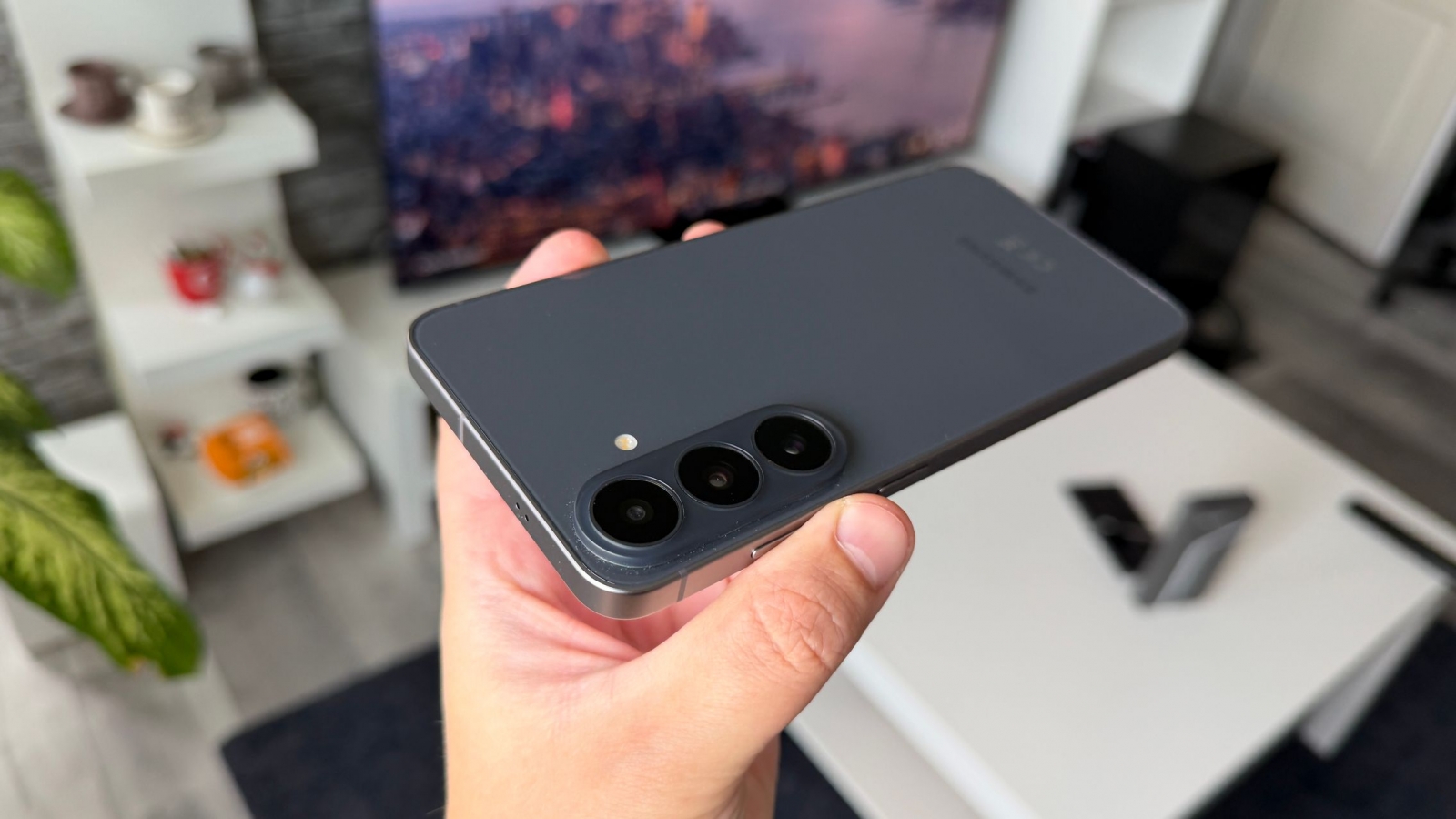
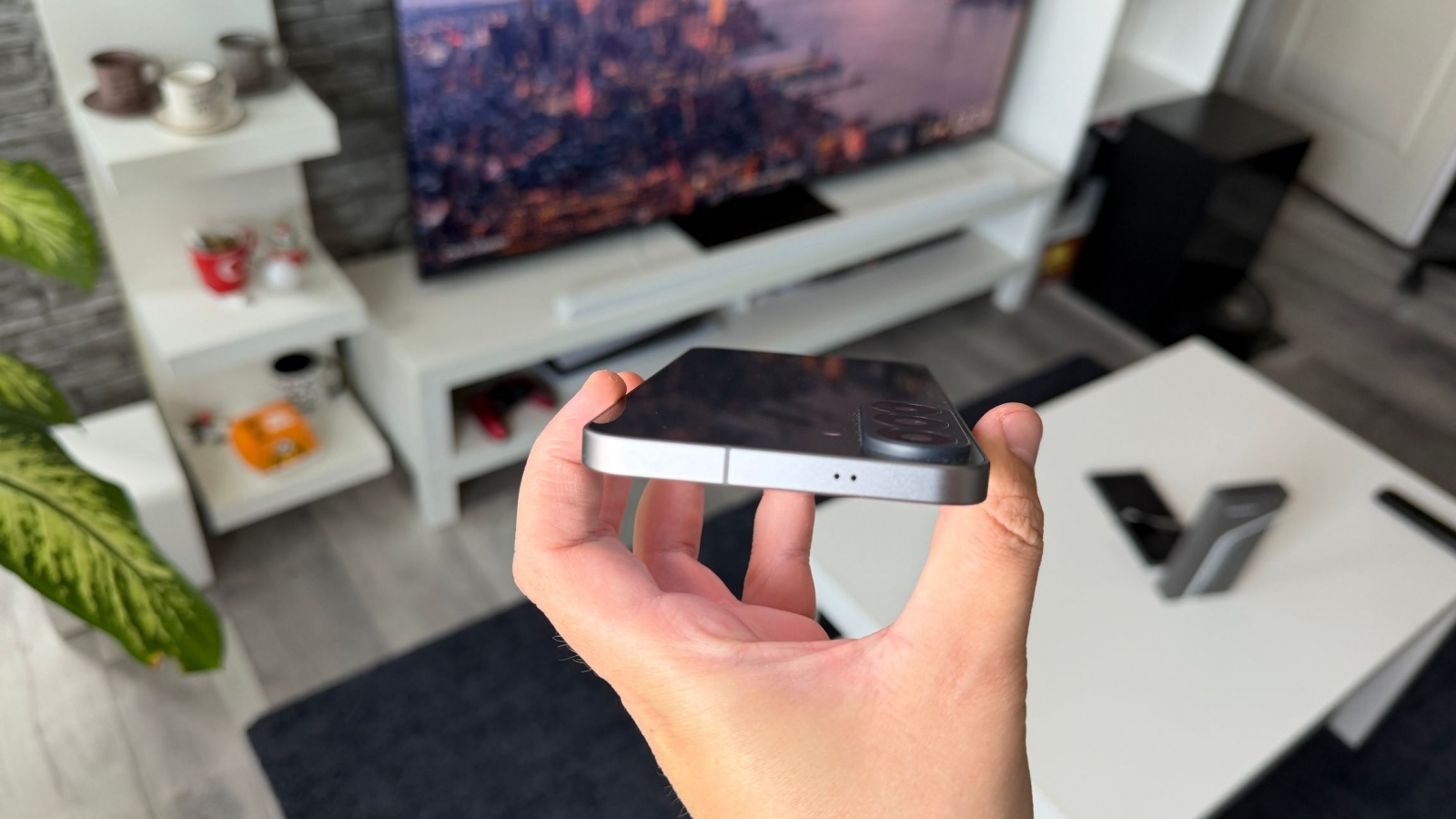
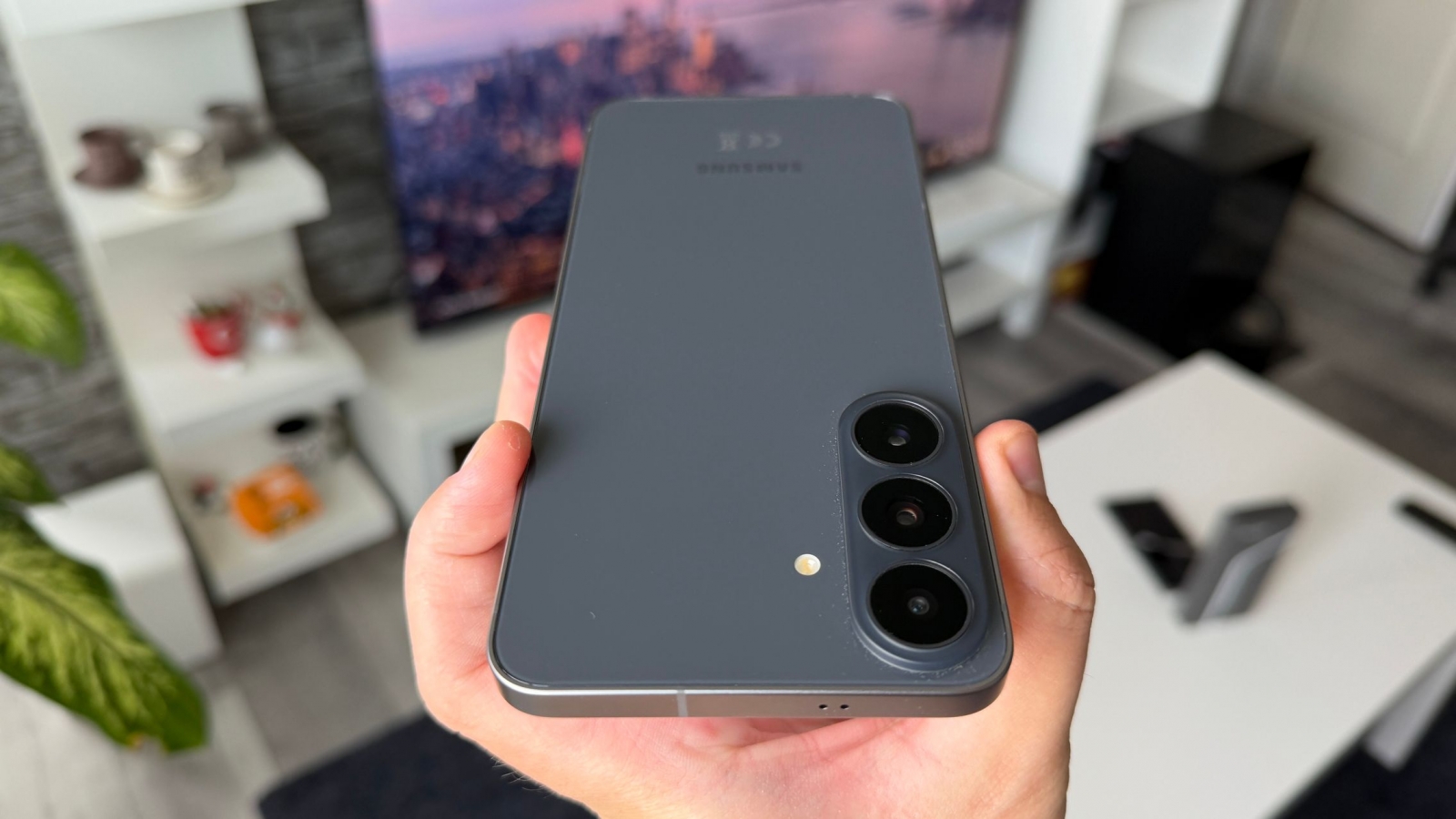
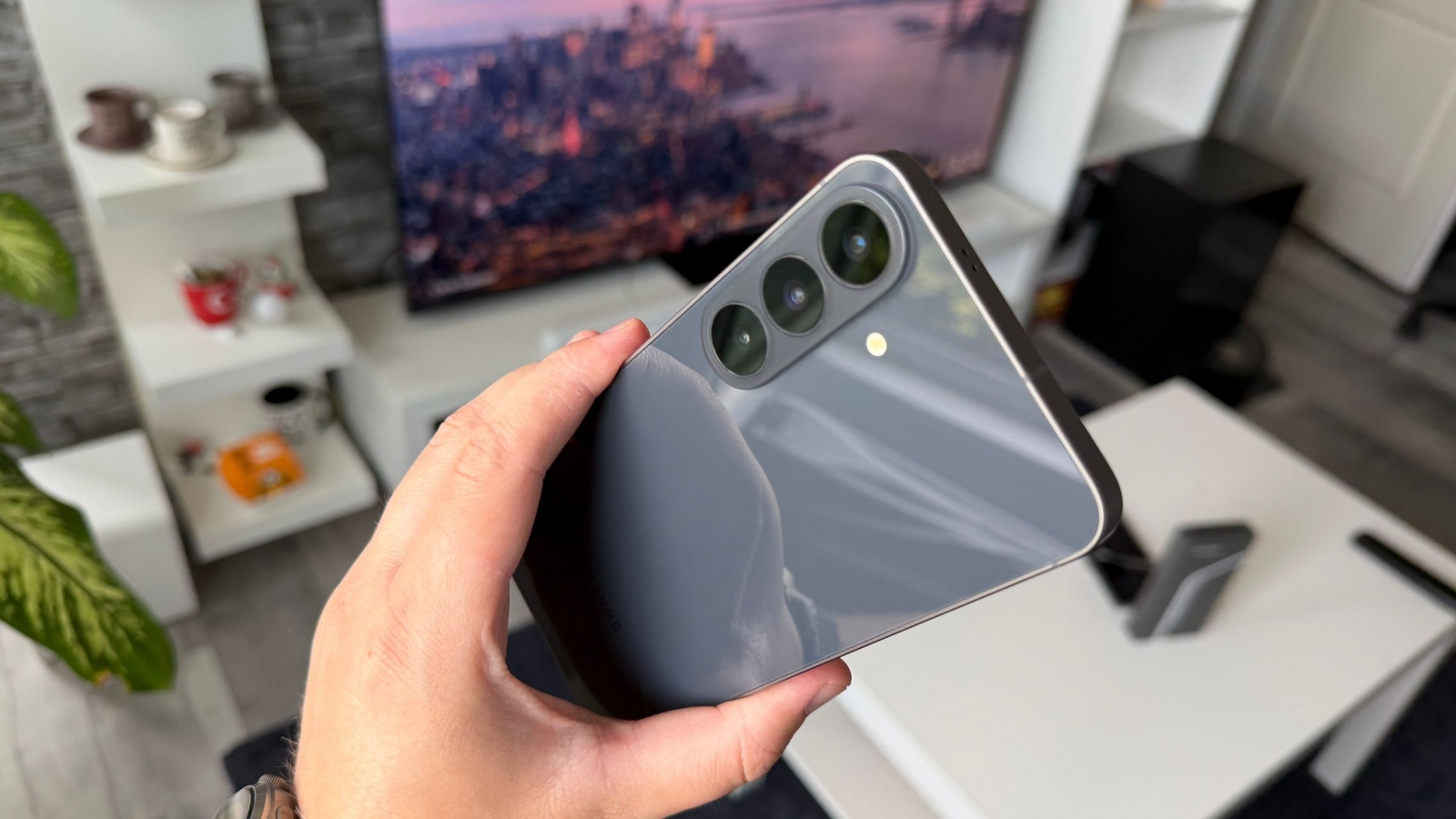

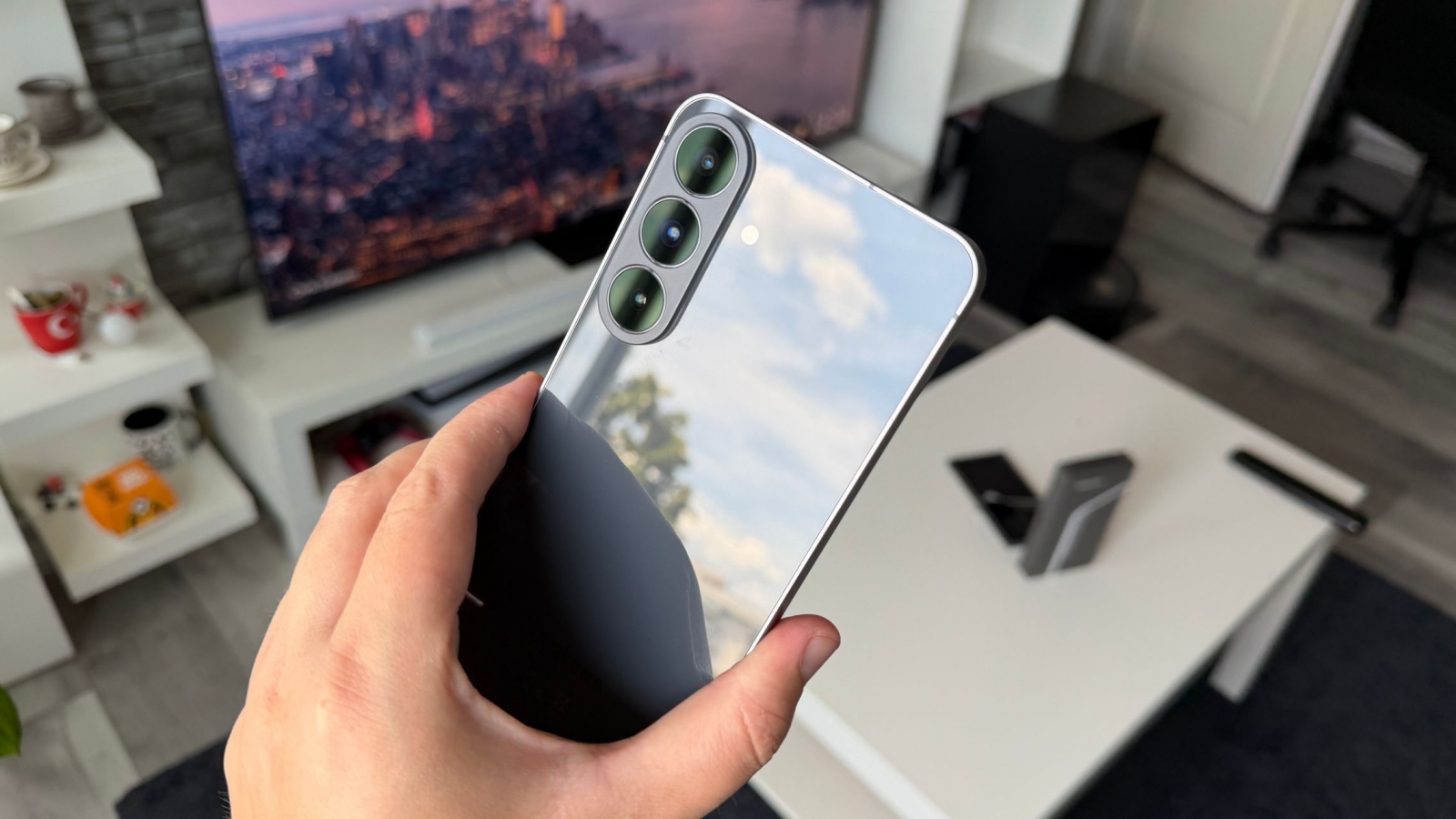
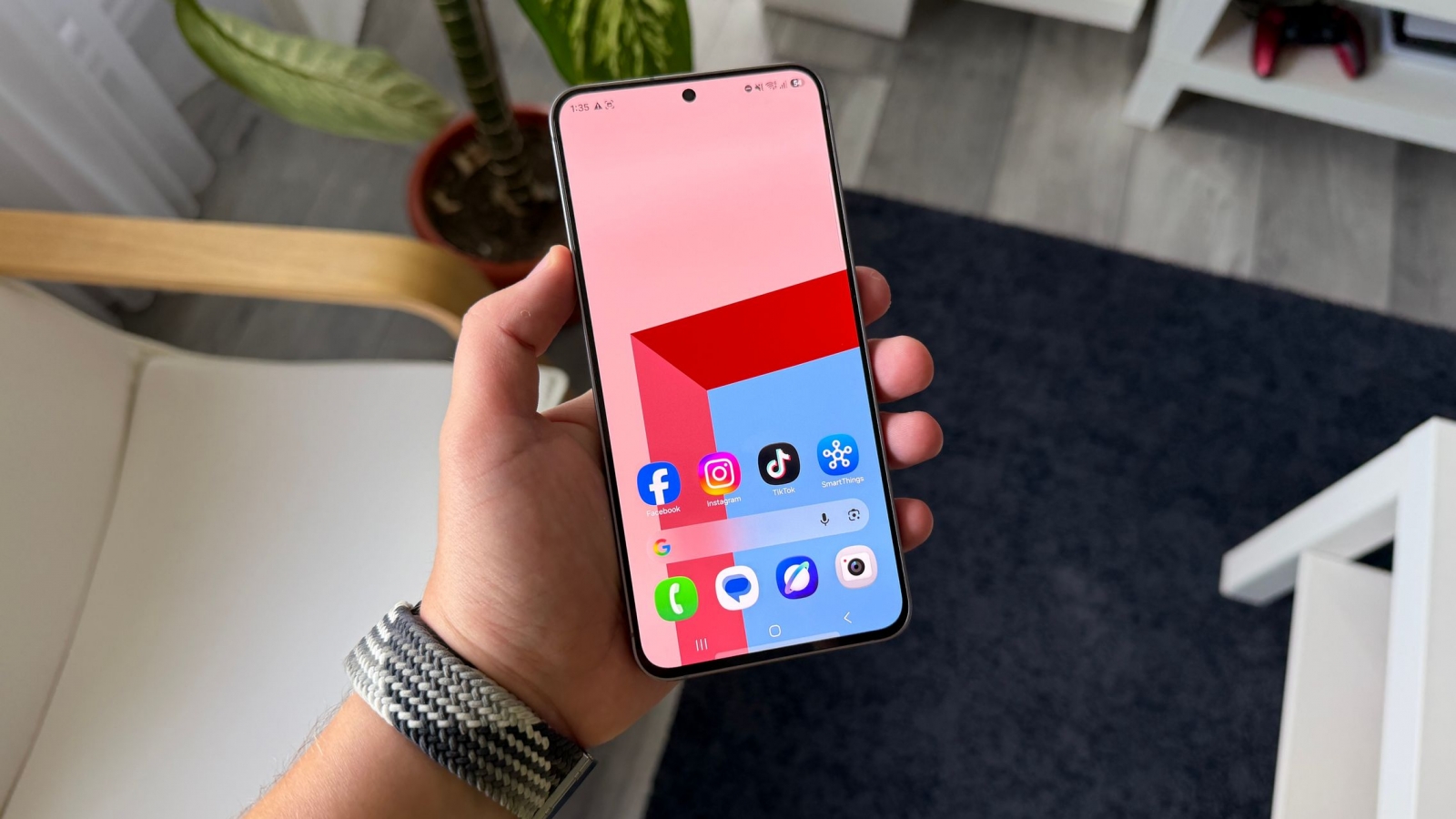
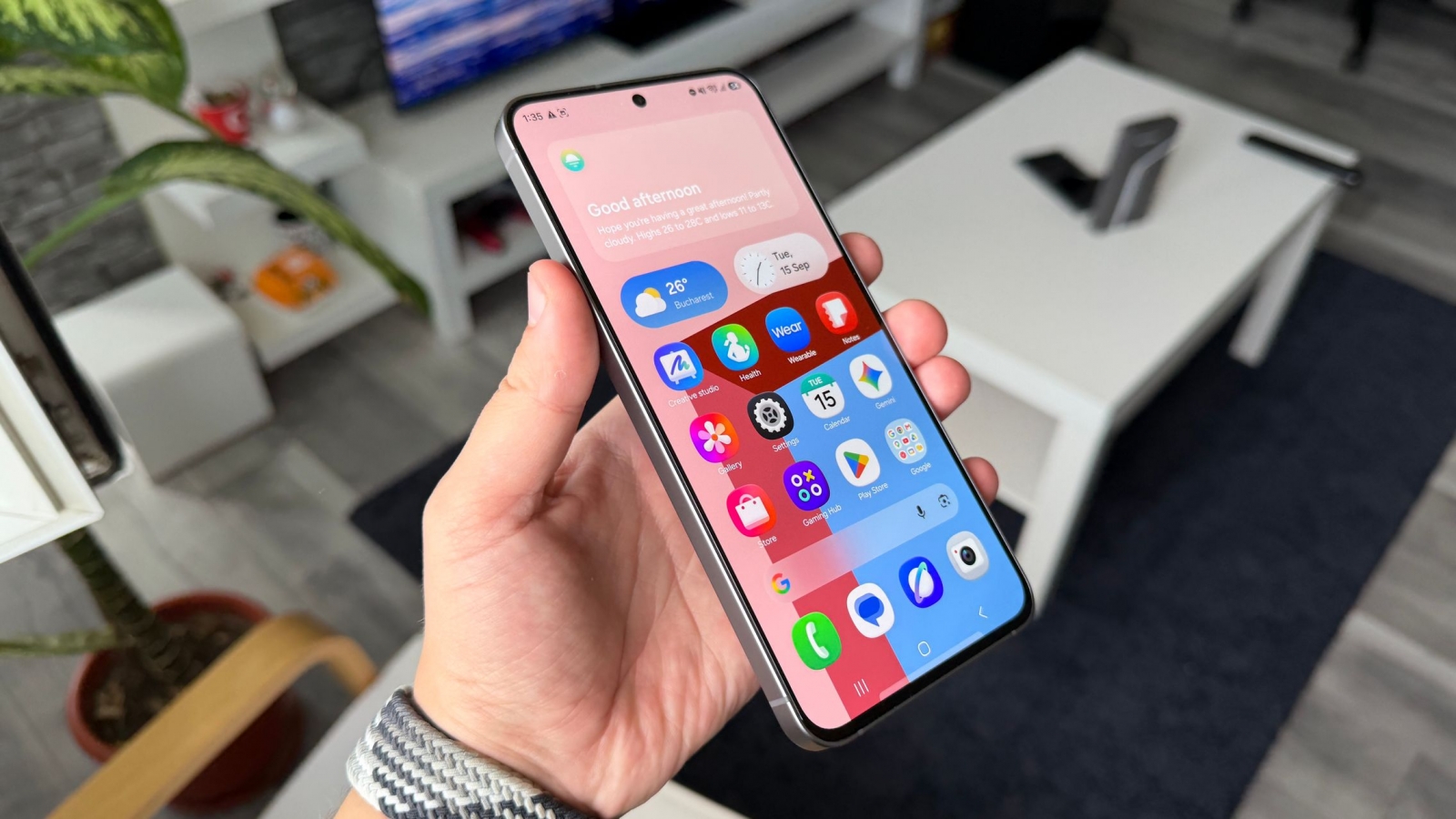
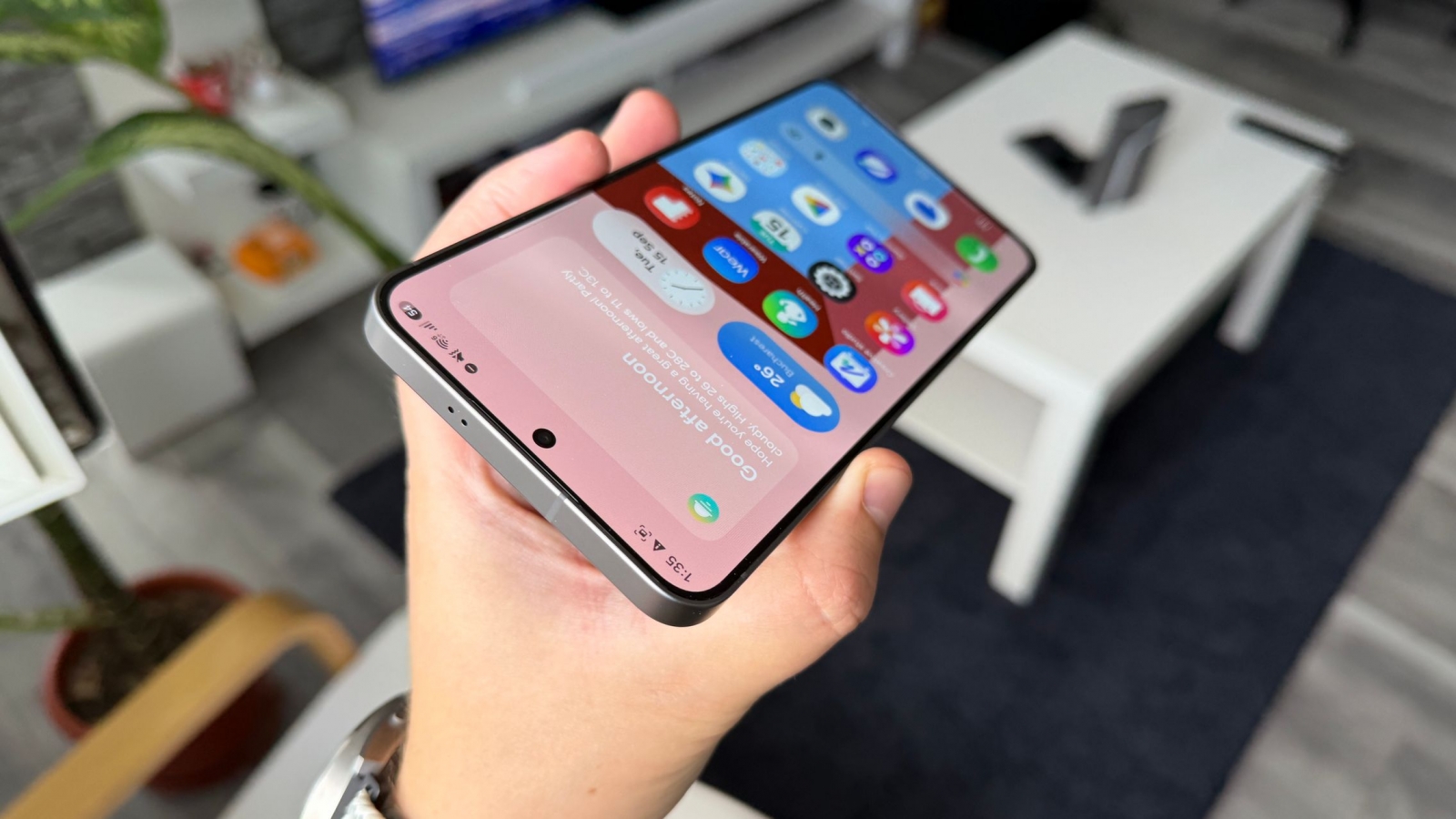

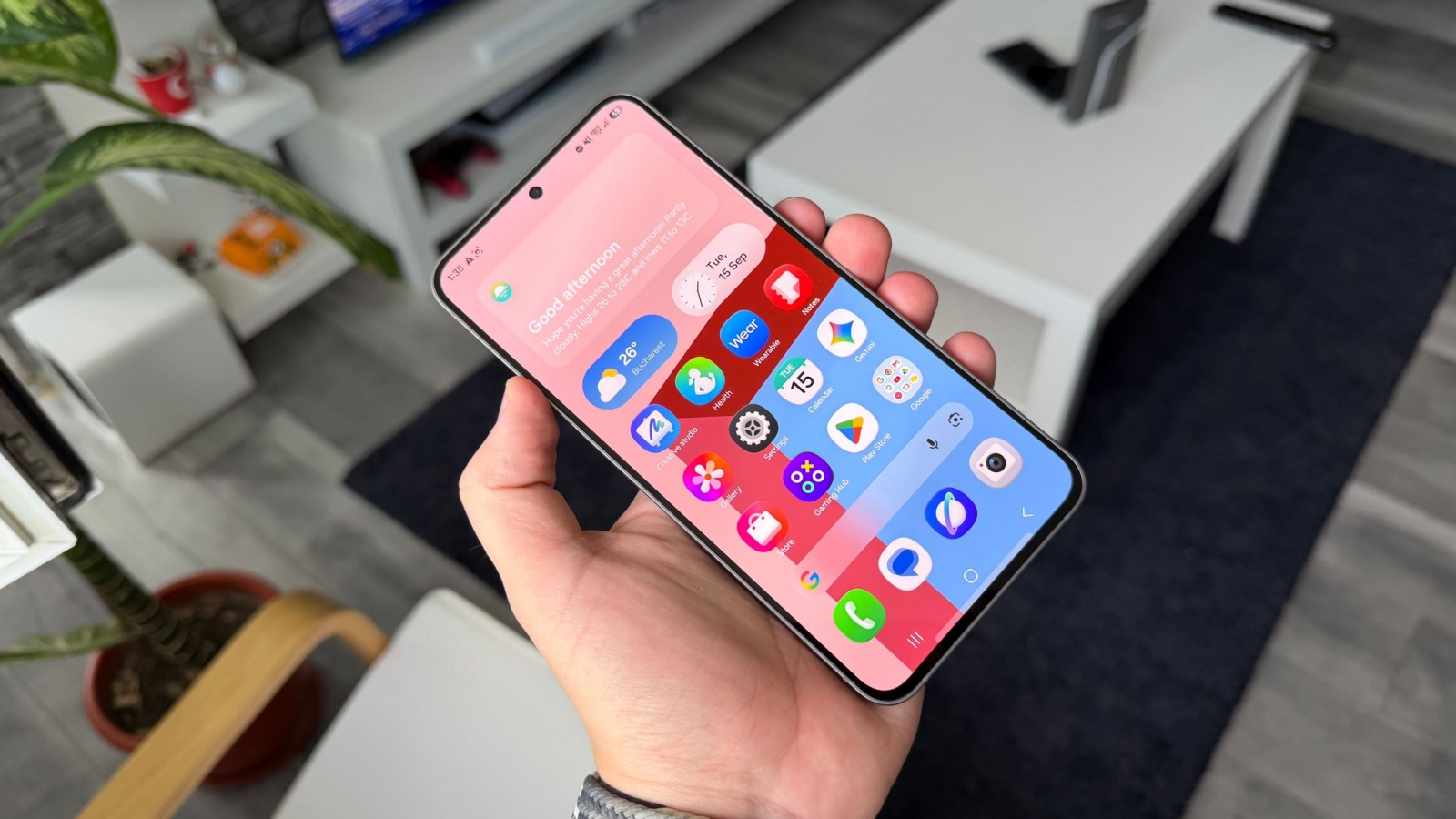
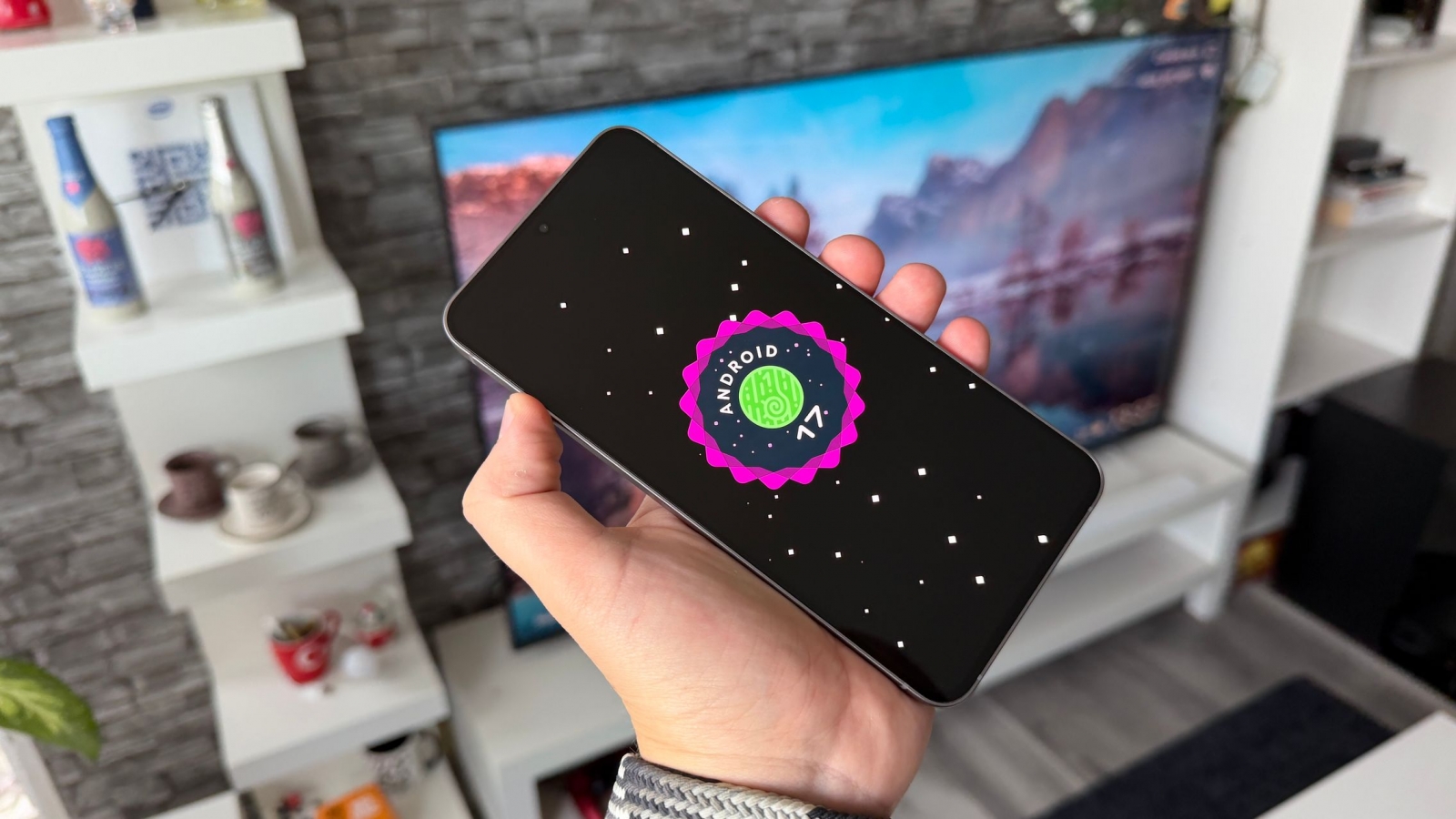

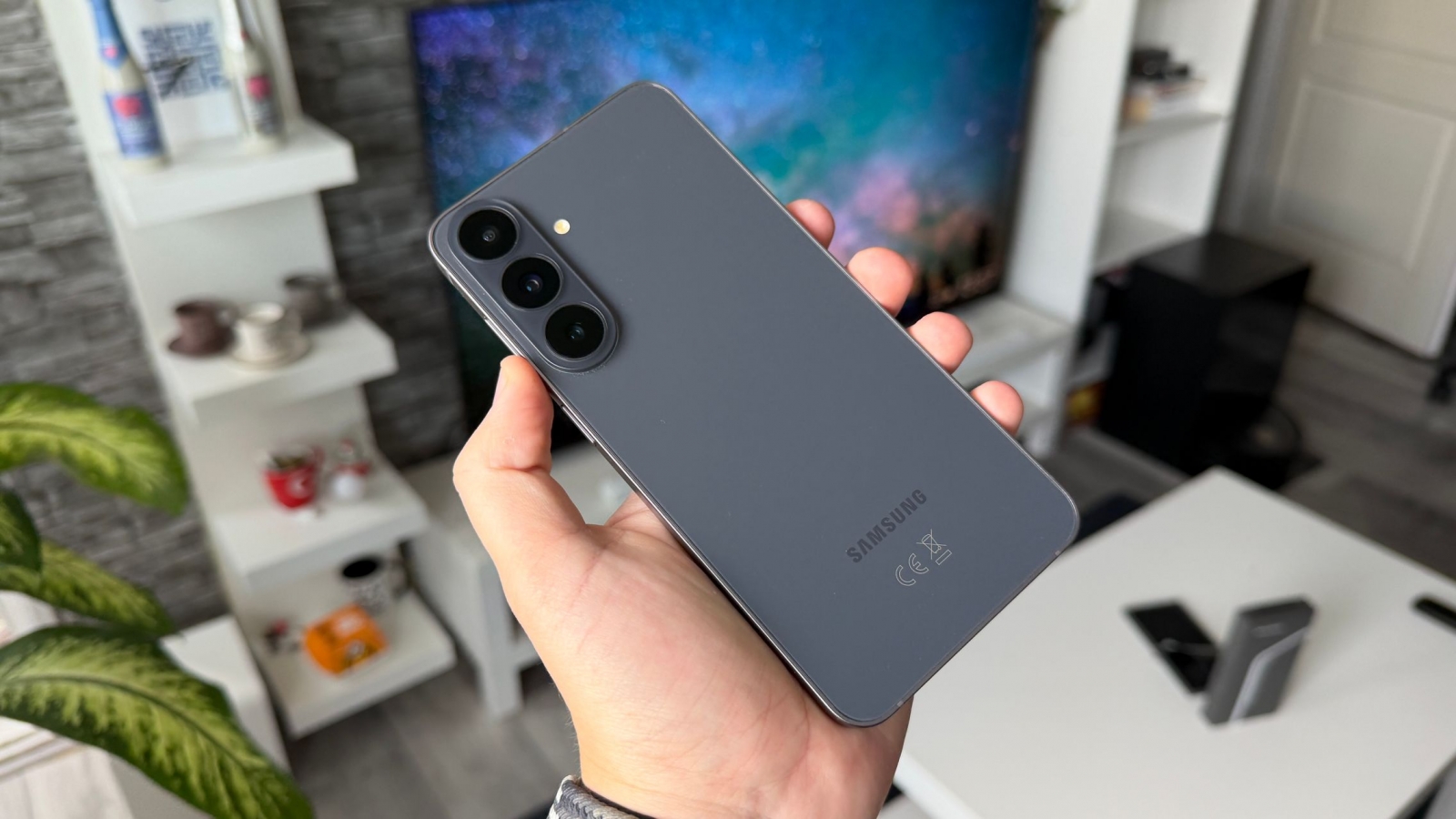
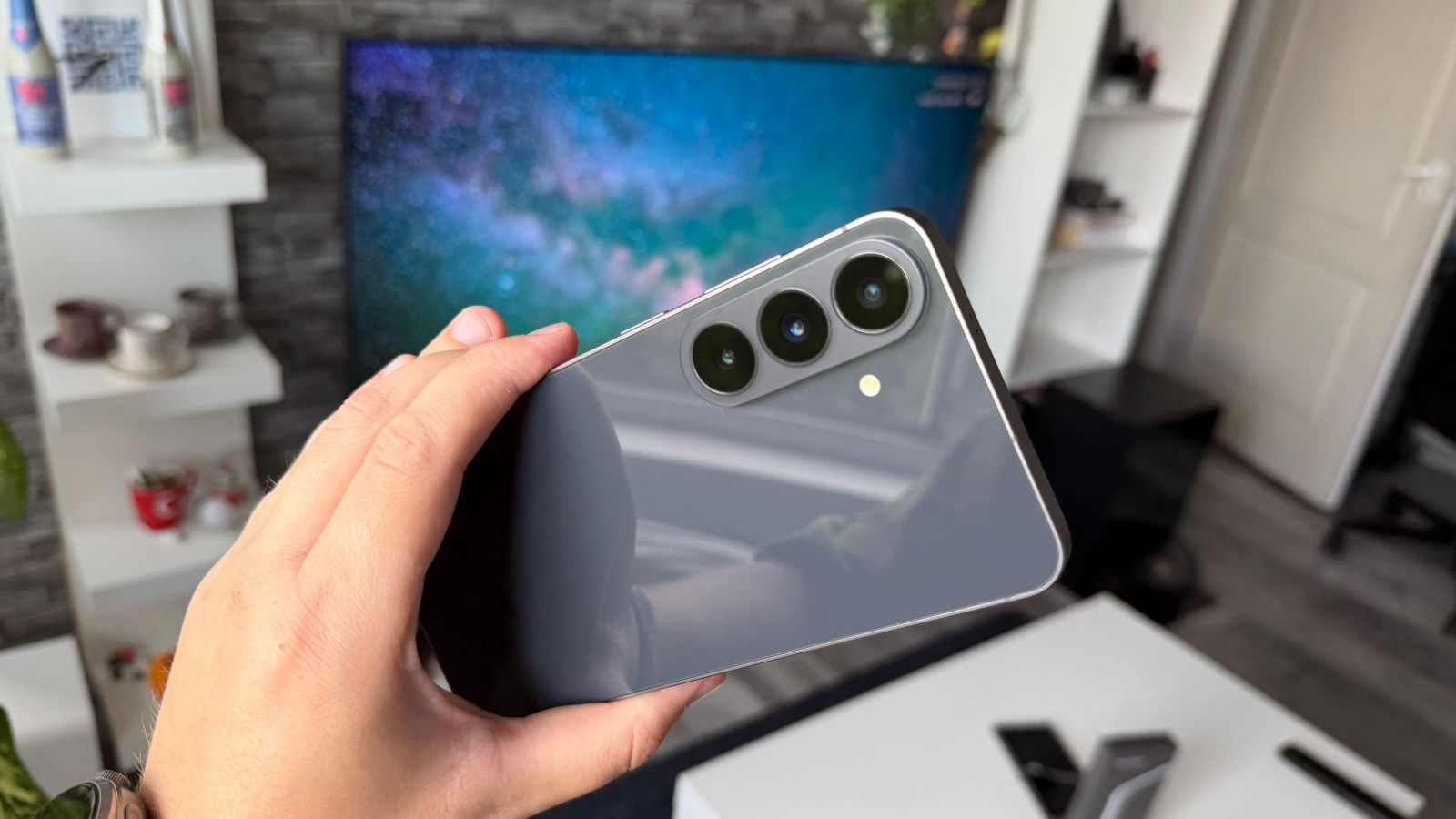
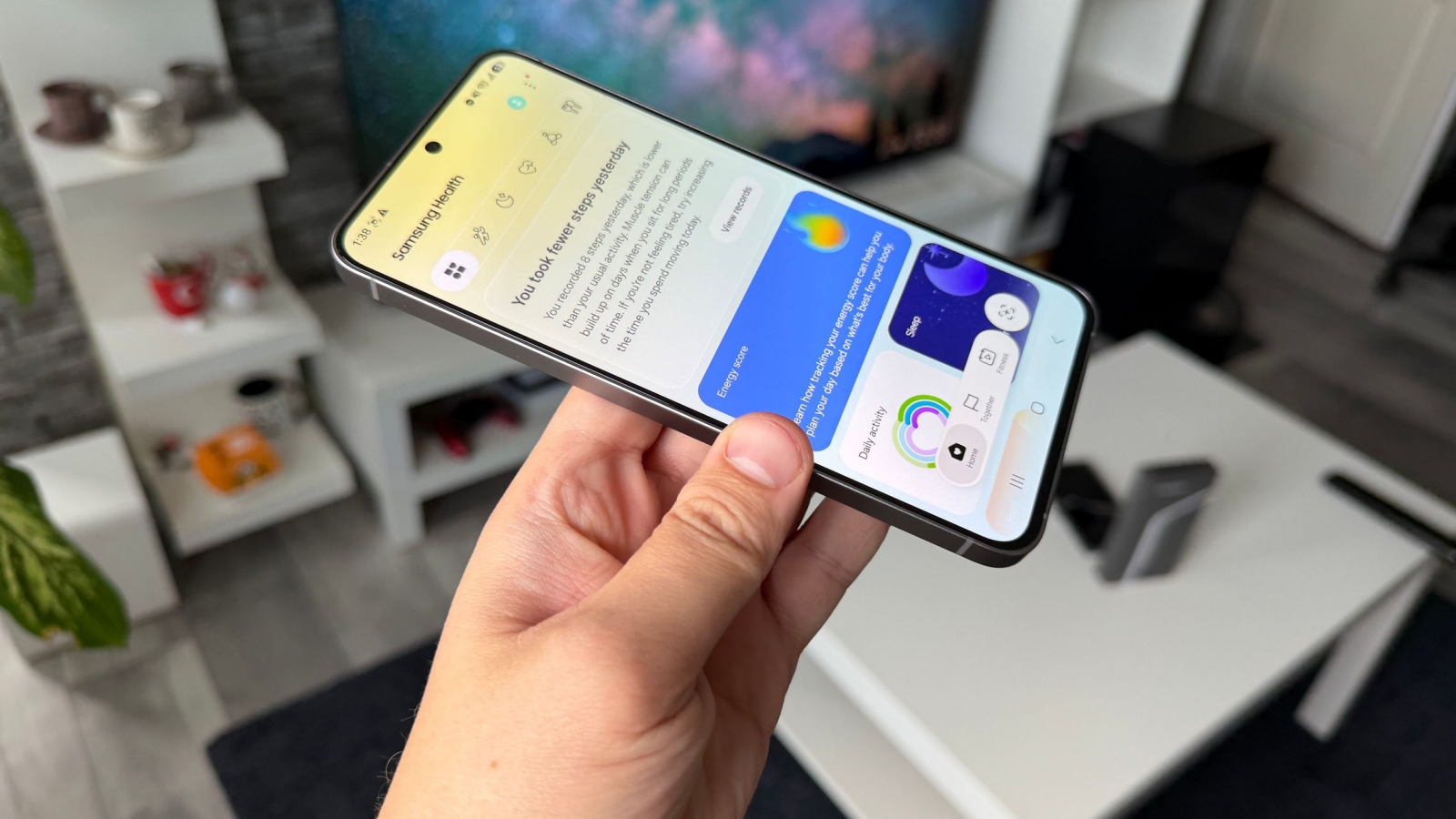

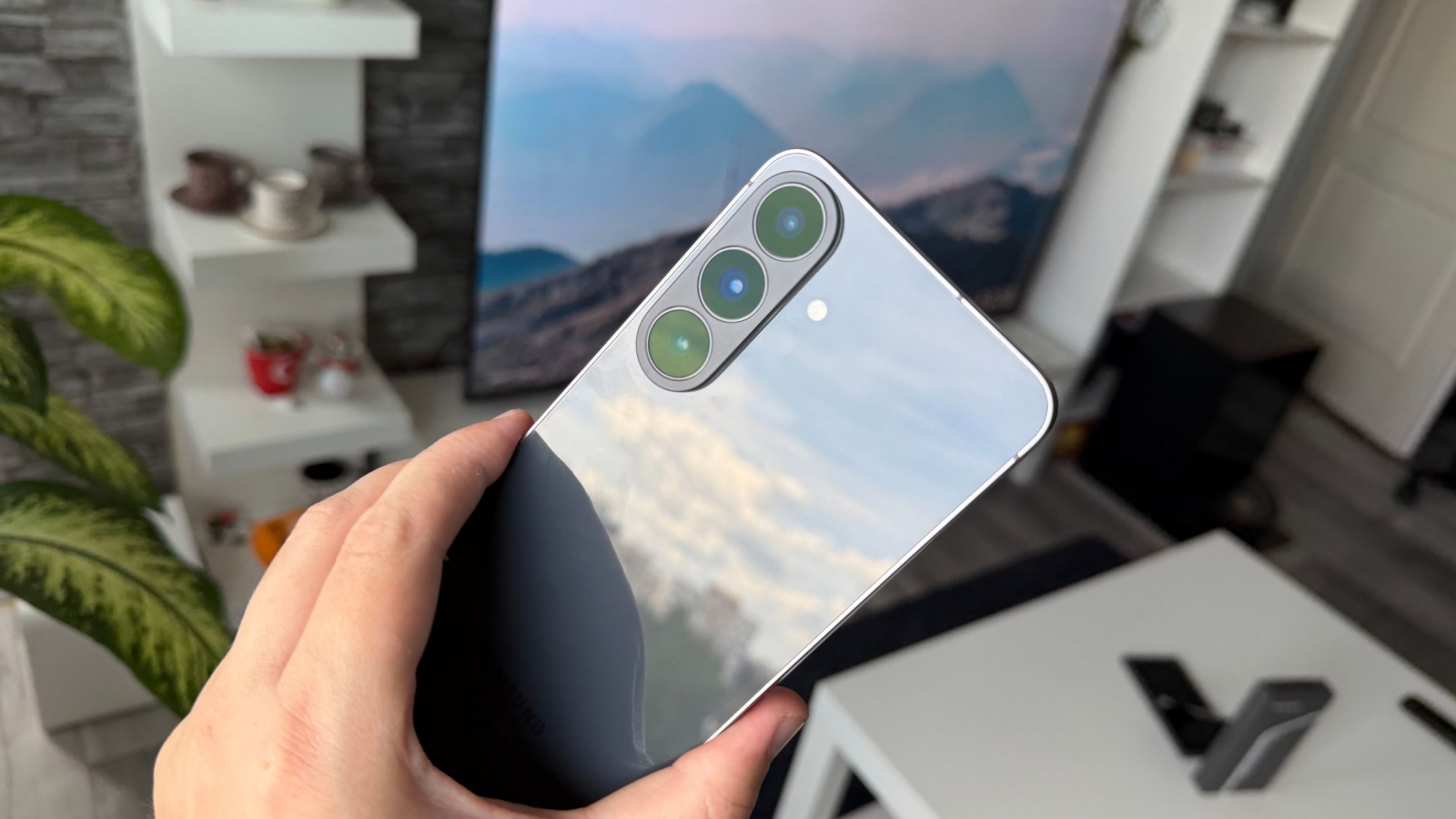
Long-term platform updates do not guarantee every future feature, since new One UI capabilities may depend on the phone’s hardware and application compatibility remains up to individual developers. Still, continued Android releases and security patches reduce the risk that a still-functional device is sidelined solely by an outdated operating system.
Battery durability remains the key hardware variable
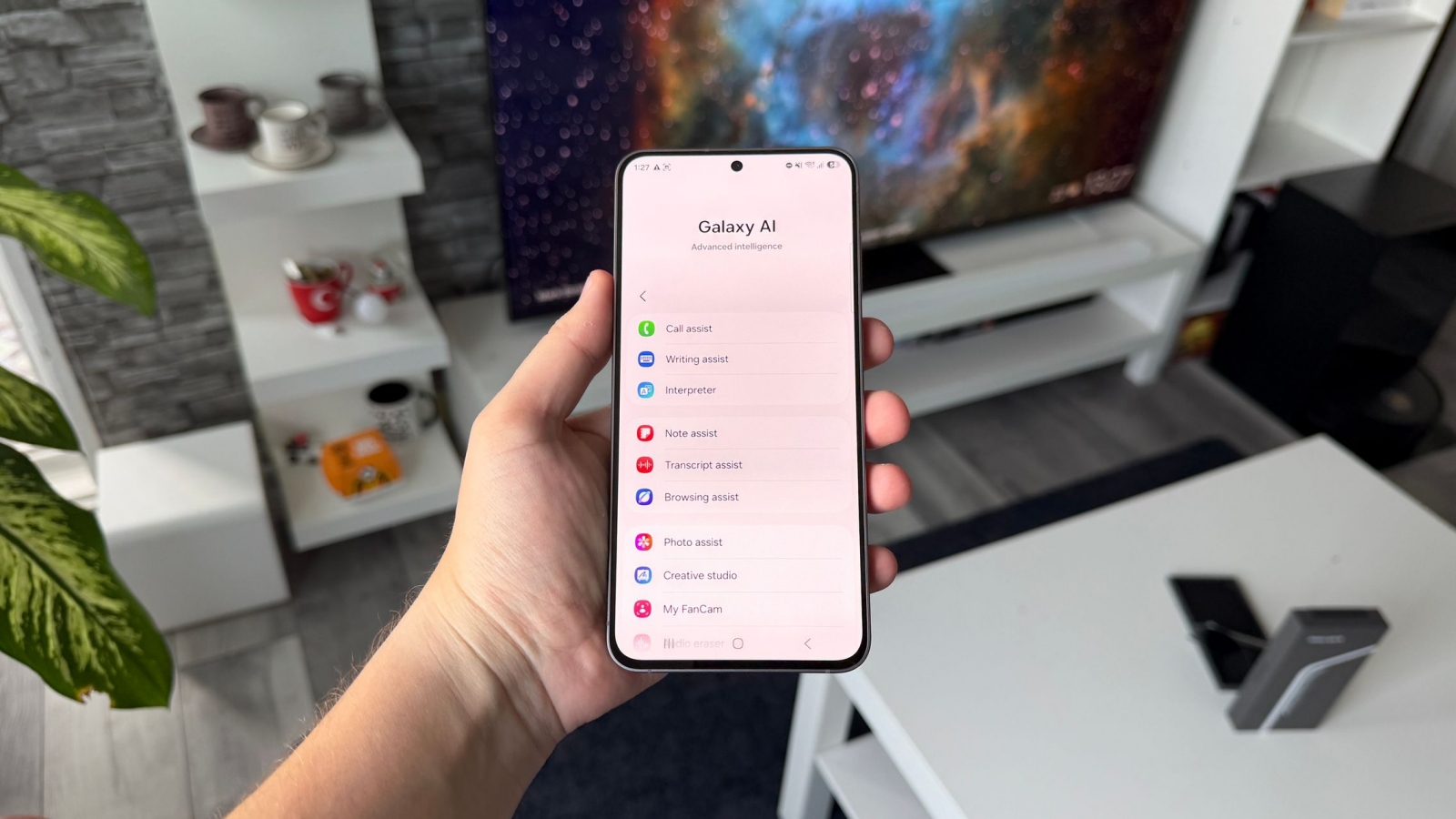
Samsung says the Galaxy S26 FE battery is designed to retain at least 80% of its initial capacity after 1,200 charging cycles. A cycle represents cumulative use equal to a full battery charge, rather than every occasion the device is plugged in. Two separate 50% discharges, for example, amount to one cycle.
- At one full cycle per day, 1,200 cycles equate to roughly 3.3 years.
- At an average of 0.75 cycles per day, the same total equates to about 4.4 years.
- At an average of half a cycle per day, it equates to approximately 6.6 years.
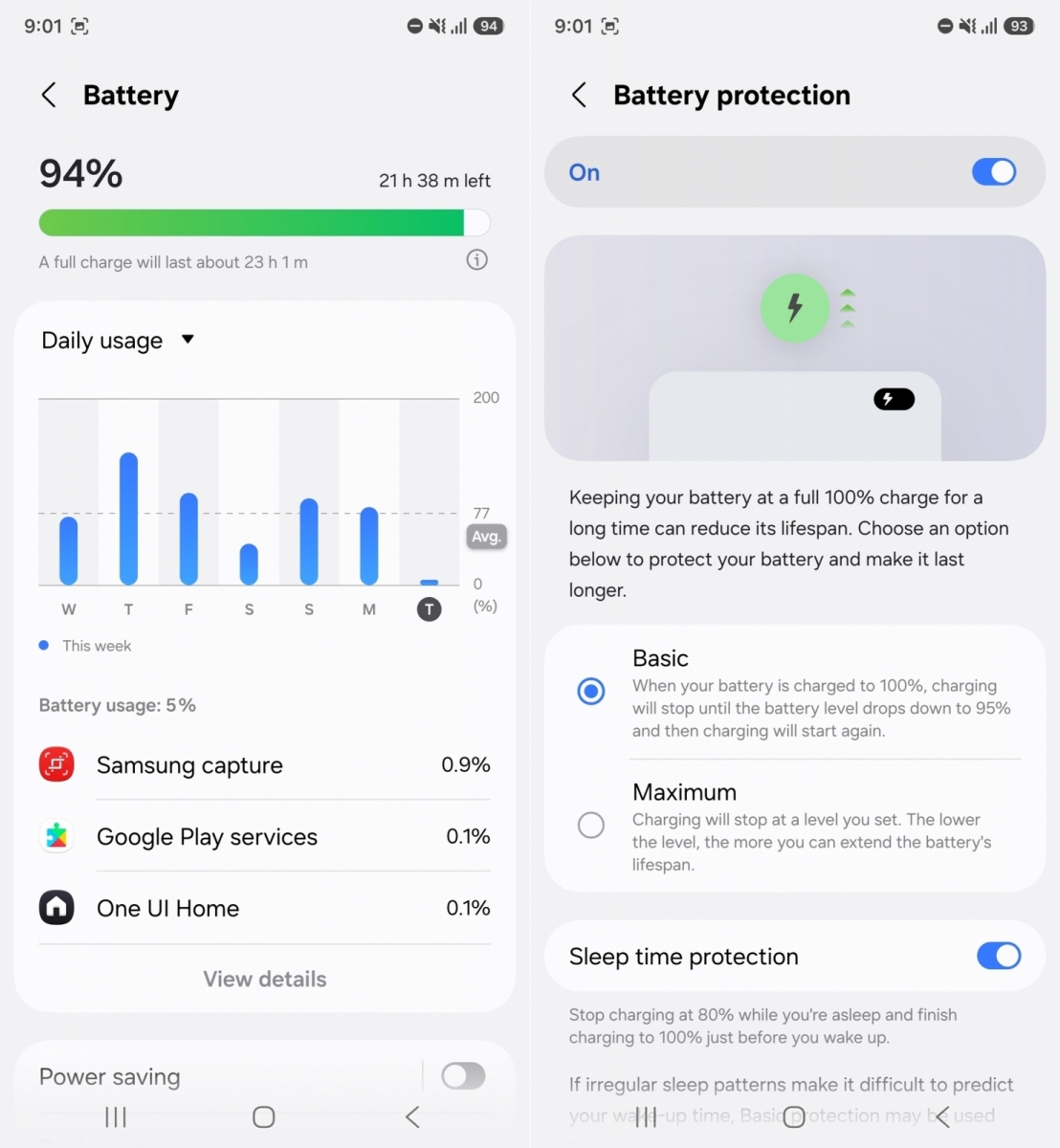
Those are mathematical estimates, not a prediction of real-world battery life. Temperature, charging patterns and calendar aging can all affect capacity over time. Samsung’s Battery Protection setting, including an 80% charge limit, may help slow degradation, but reaching 80% capacity does not make the handset unusable; it reduces the available runtime. An authorized battery replacement could therefore be a practical maintenance step during a seven-year ownership period.
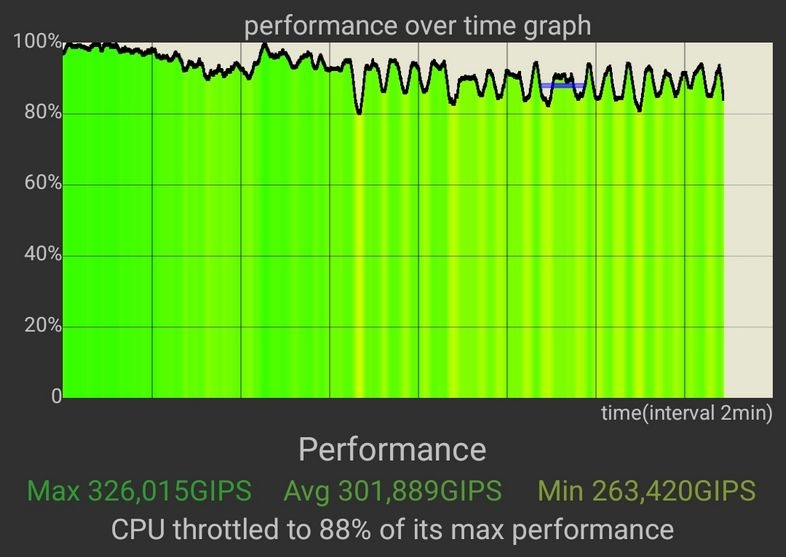
In testing, the Galaxy S26 FE showed no throttling in a CPU Throttling Test, maintaining its performance during the sustained workload. The result is limited to the test conditions and cannot forecast performance after years of use, but it is a positive indication for a device intended to handle prolonged demand.
Samsung has also issued isolated firmware releases for much older devices, including the Galaxy S8 and Galaxy Note8 in 2026, nearly nine years after their launches. Those releases were targeted stability and reliability interventions, not a restoration of regular software support: the phones remain on Android 9 and their older security patch levels.
The S26 FE’s seven-year policy does not remove the usual long-term risks around battery wear, evolving app requirements and hardware-specific features. It does, however, shift the limiting factor away from planned software obsolescence, leaving battery condition and individual performance needs as the more consequential questions over its lifespan.
Affiliate link: Check availability on Amazon.de