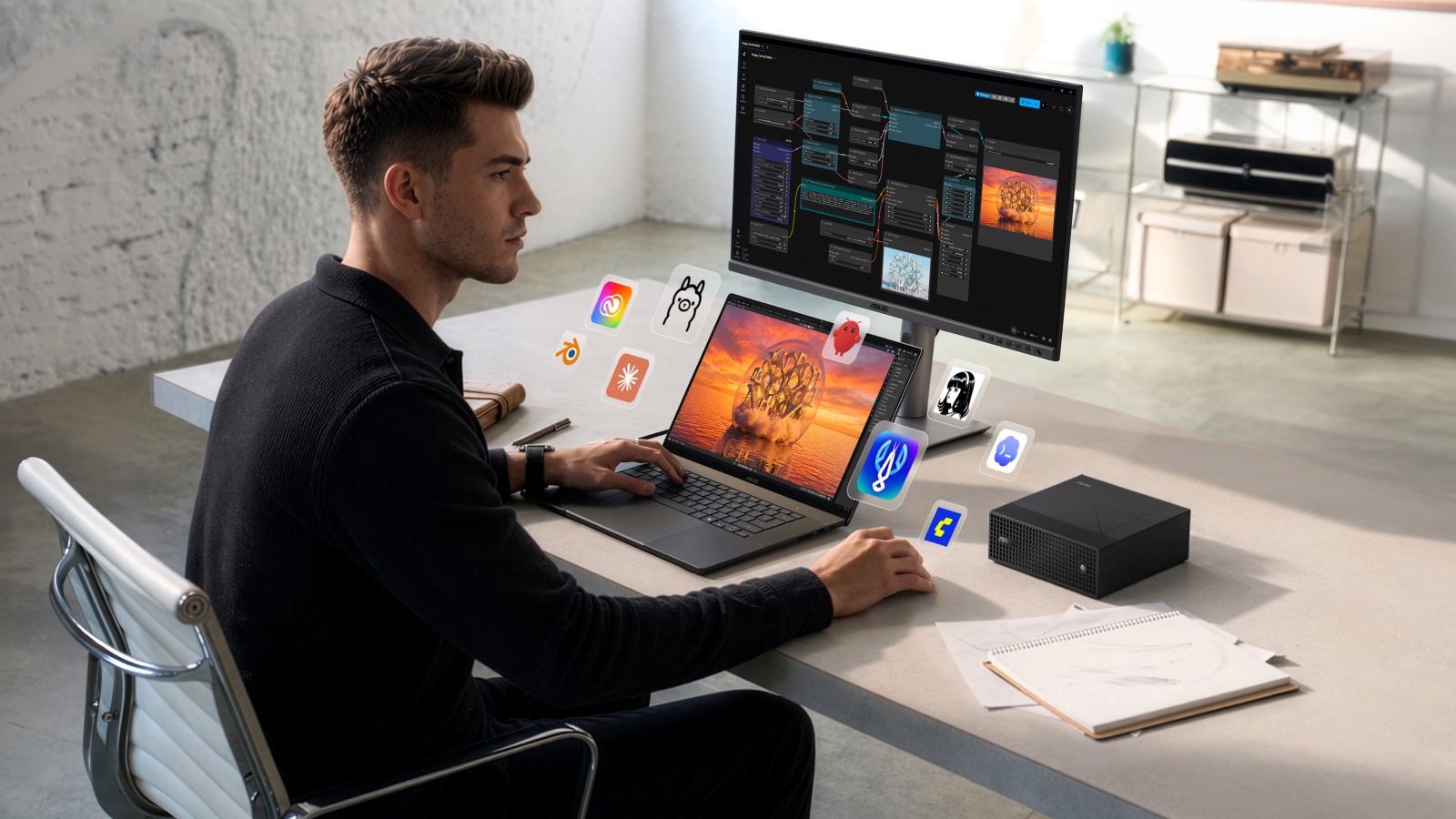
ASUS has redesigned the ProArt P16 around NVIDIA’s RTX Spark N1X platform, replacing the previous Ryzen-and-GeForce formula with a Grace CPU and Blackwell RTX GPU sharing up to 128GB of LPDDR5X unified memory. The key implication is capacity: ASUS says the 16-inch workstation can run local large language models with up to 120 billion parameters, alongside AI video generation and large 3D projects that would exceed the dedicated VRAM available in many conventional laptops.
The company rates the system at up to 1 petaFLOP of FP4 AI performance. That figure is specific to low-precision AI workloads and should not be treated as a direct measure of gaming, video-editing or 3D-rendering performance. Its main value is in the shared-memory design, which lets the CPU and GPU access the same memory pool rather than splitting workloads between system RAM and a separate GPU memory allocation.
ASUS also cites support for context windows of up to one million tokens, 4K AI video generation and 3D scenes larger than 90GB. Actual performance will depend on the model, its quantization and the software used.
Creator hardware remains central
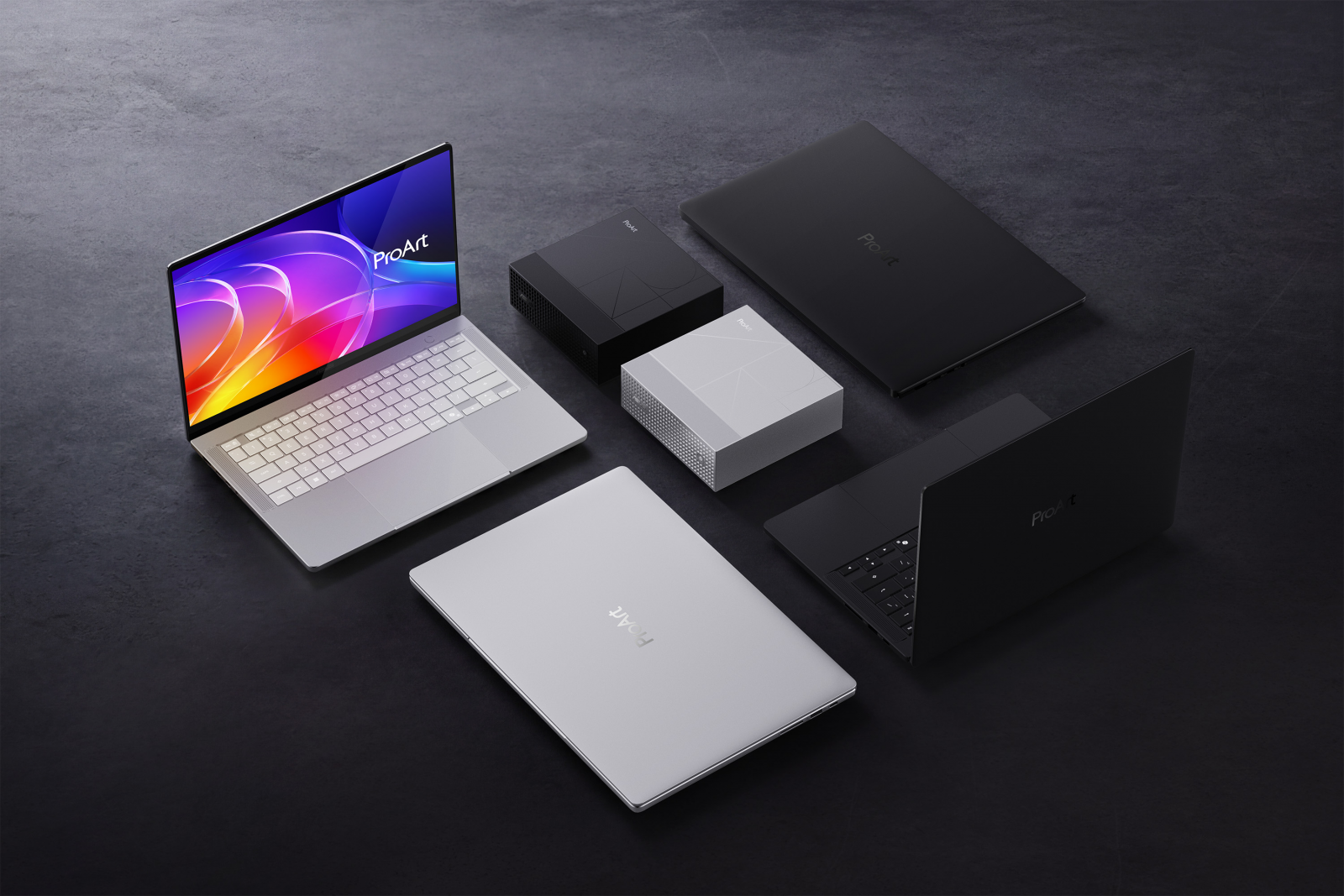
Despite the AI-focused platform shift, the ProArt P16 retains the display and expansion hardware expected from ASUS’ creator line. It has a 16-inch, touch-enabled Lumina Pro OLED panel with a 3,840 × 2,400 resolution, 120Hz variable refresh rate, 100% DCI-P3 coverage and Pantone validation. ASUS rates HDR brightness at up to 1,600 nits and specifies a Delta E below 1; stylus input is supported.
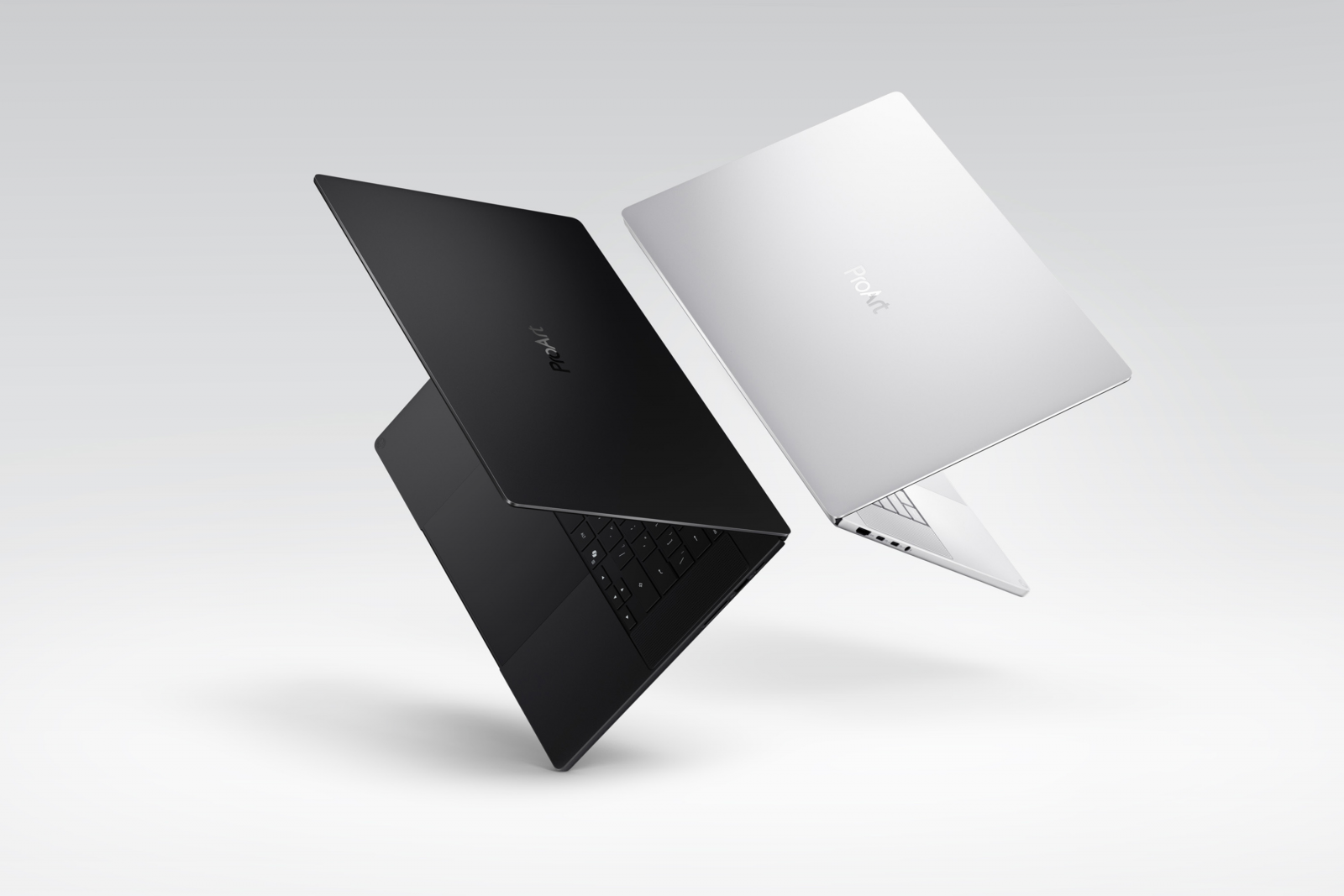
The laptop measures 12.9mm at its thinnest point, weighs 1.77kg and includes a 99.9Wh battery. Storage configurations reach 2TB, while two M.2 slots provide more expansion than the smaller ProArt P14’s single-slot arrangement.
- Platform: NVIDIA RTX Spark N1X with a 20-core NVIDIA Grace CPU clocked at up to 4.1GHz and a Blackwell RTX GPU with up to 6,144 cores
- Memory: up to 128GB LPDDR5X unified memory
- Storage: 1TB or 2TB PCIe 4.0 NVMe SSD, plus two M.2 2280 PCIe 5.0 x4 slots
- Ports: three USB4 Type-C ports at 40Gbps, USB-A 3.2 Gen 2, HDMI 2.1 FRL and a 3.5mm audio jack
- Connectivity: Wi-Fi 7 and Bluetooth 5.4
- Other hardware: SD Express 7.0 card reader, FHD IR camera with Windows Hello, haptic touchpad and 140W USB-C charging
- Operating system: Windows 11 Pro
For local AI creation, ASUS preinstalls MuseTree, which supports image-generation models including FLUX and WAN, as well as StoryCube for media organization. The company positions the machine as a way to keep prompts, assets and models on-device, without mandatory cloud uploads or per-token charges.
- CUDA: NVIDIA’s compute software ecosystem is supported.
- ComfyUI: the node-based generative-AI interface is part of the supported software environment.
- Hermes Agent: ASUS lists the agent platform among the available ecosystem tools.
One important qualification is software compatibility. Grace is an ARM-based CPU, so professionals using older x86 applications, codecs or plug-ins will need to verify their specific workflow before moving to the new architecture.
The new model marks a substantial change from the 2025 ProArt P16, which used a Ryzen AI 9 processor and GeForce RTX 5070 graphics. ASUS has not confirmed separate international pricing or availability details for the ProArt P16 H7607, leaving those particulars as the next major questions for the RTX Spark-based lineup.