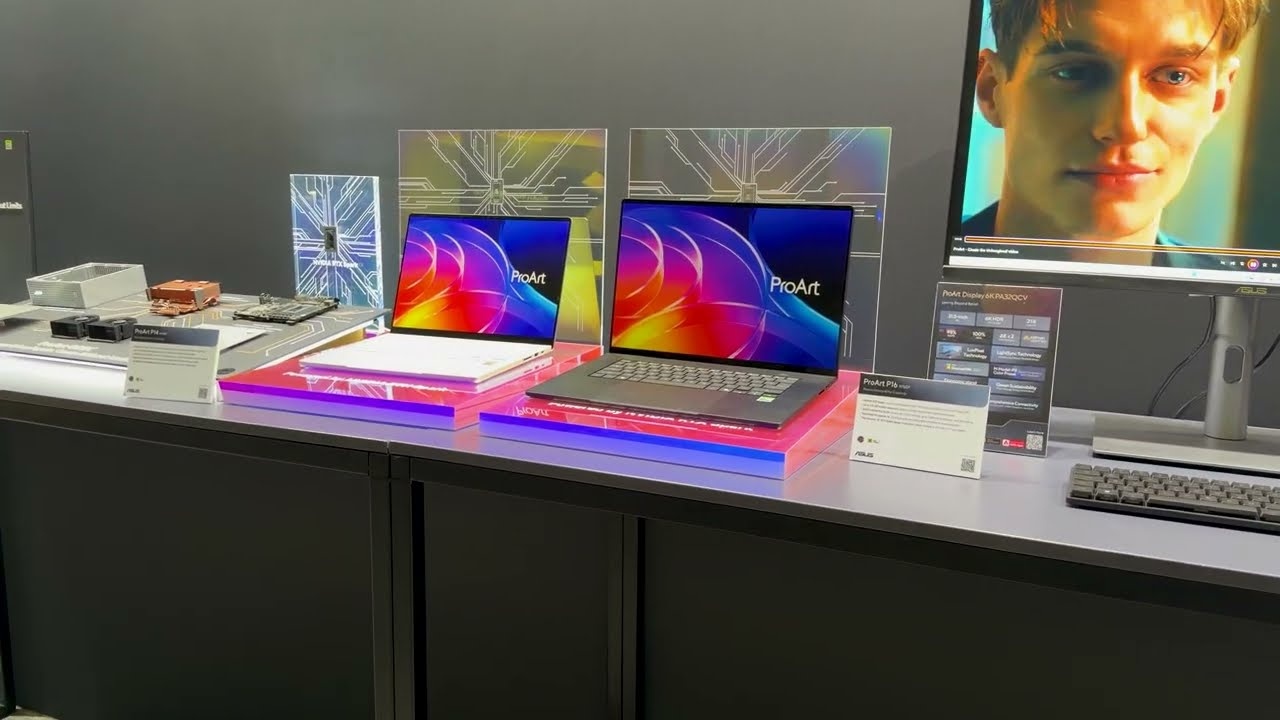
ASUS is expanding its ProArt creator lineup around NVIDIA RTX Spark, bringing the platform to the ProArt P14 and P16 laptops and the compact ProArt GR1X desktop. The systems are aimed at local AI inference, 3D rendering and video-production workflows that can exceed the memory limits of conventional discrete GPUs.
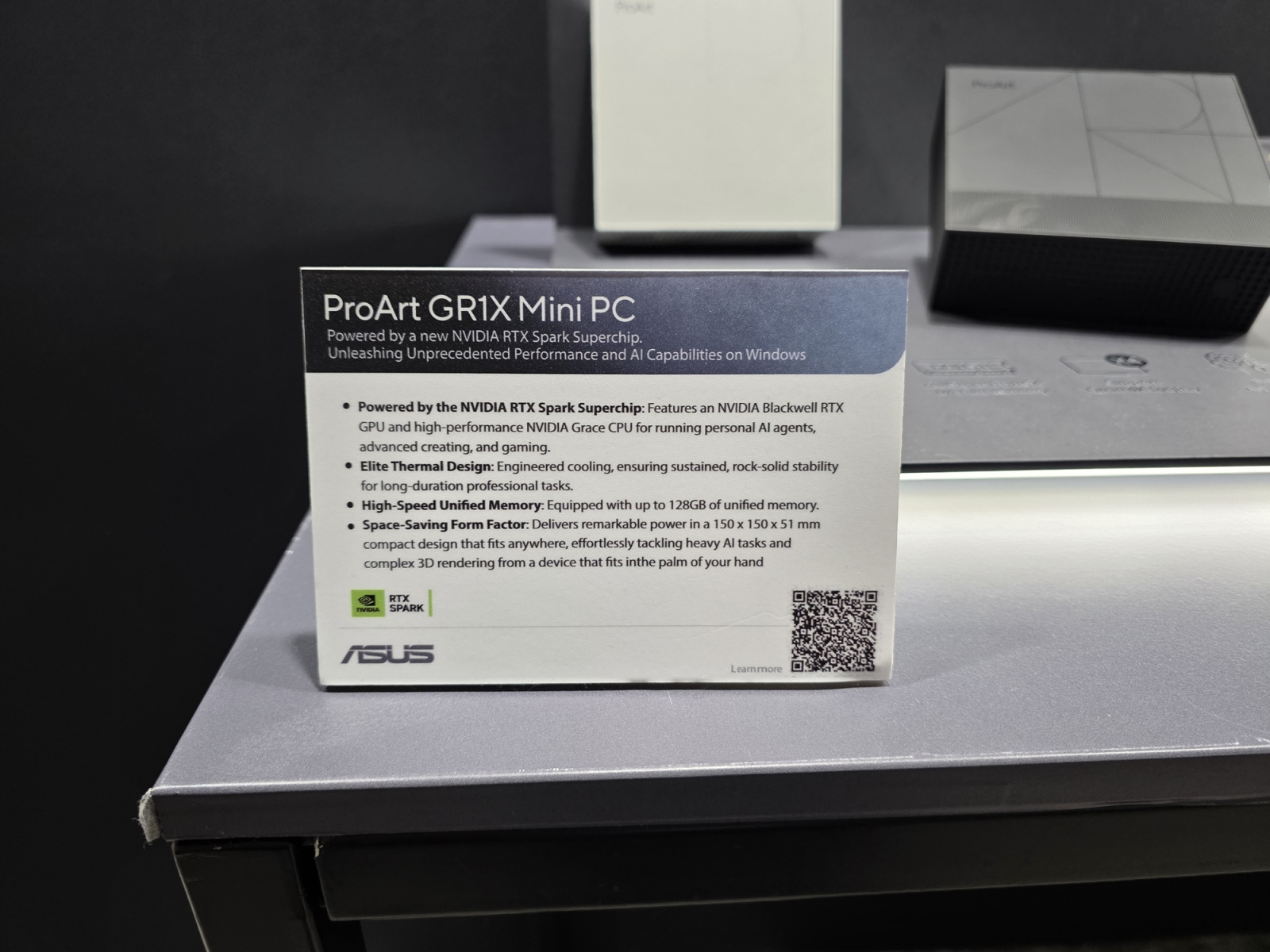
The RTX Spark configuration combines an NVIDIA Grace CPU with up to 20 cores and a Blackwell GPU with up to 6,144 CUDA cores. ASUS lists up to 128GB of unified LPDDR5X memory and up to 1 petaFLOP of FP4 AI performance. That FP4 figure is intended for AI workloads and should not be compared directly with gaming or conventional GPU benchmark results.
ASUS says the platform can handle local large language models with up to 120 billion parameters, 3D scenes exceeding 90GB and 4K AI video generation. The company also cites support for more than 1,000 CUDA-accelerated applications and tools, including Adobe Creative Cloud, DaVinci Resolve, Blender and ComfyUI.


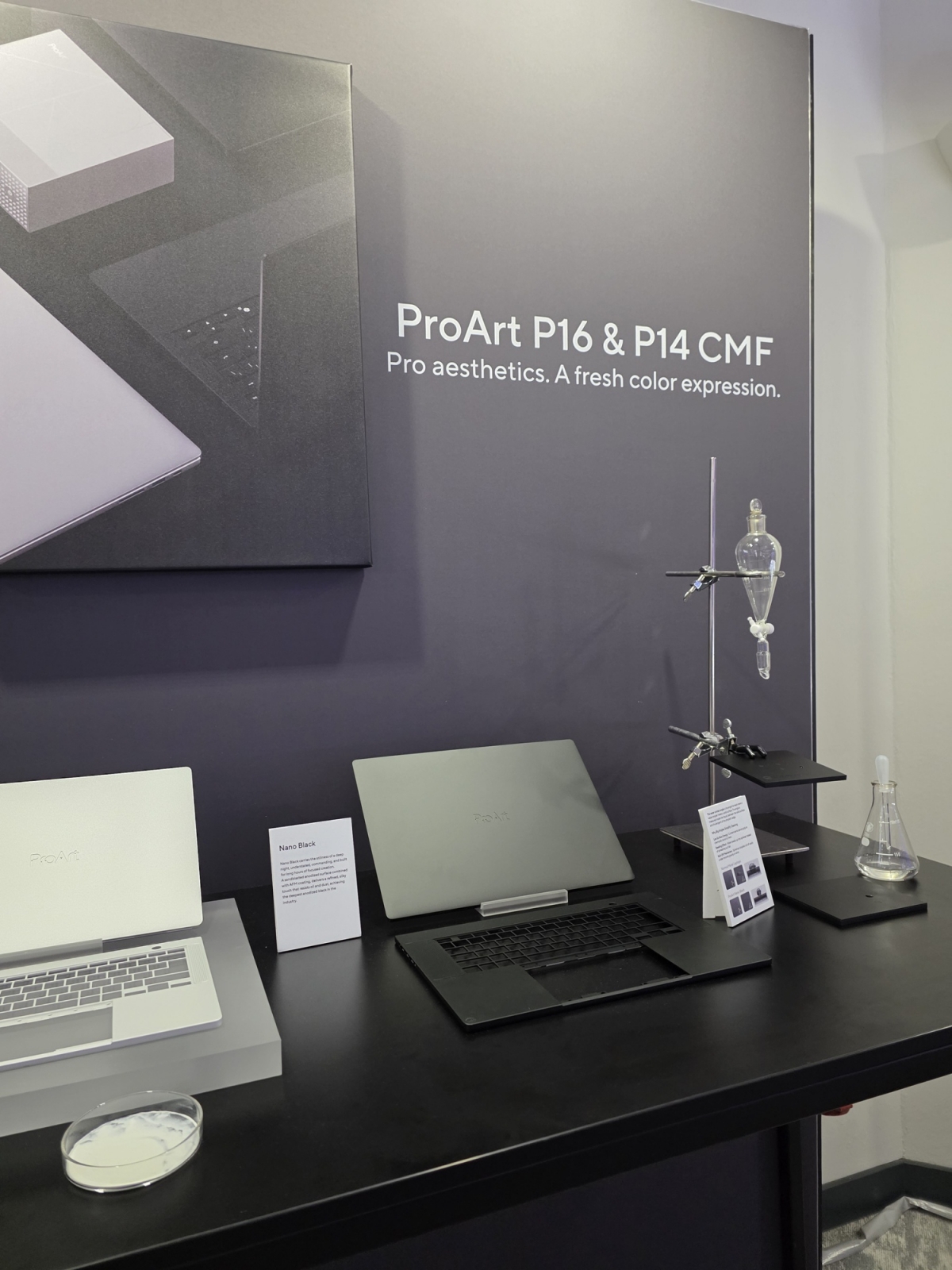


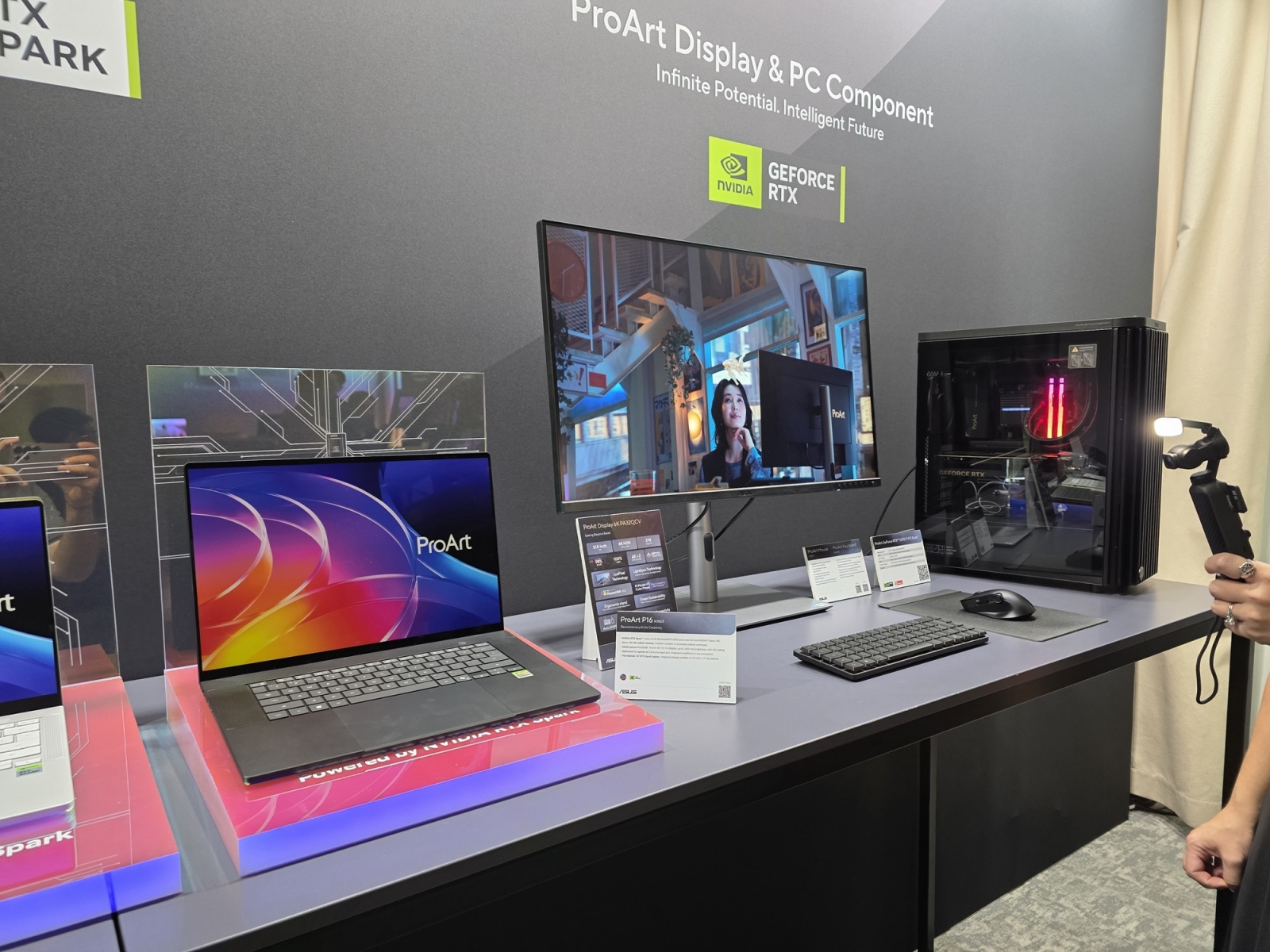

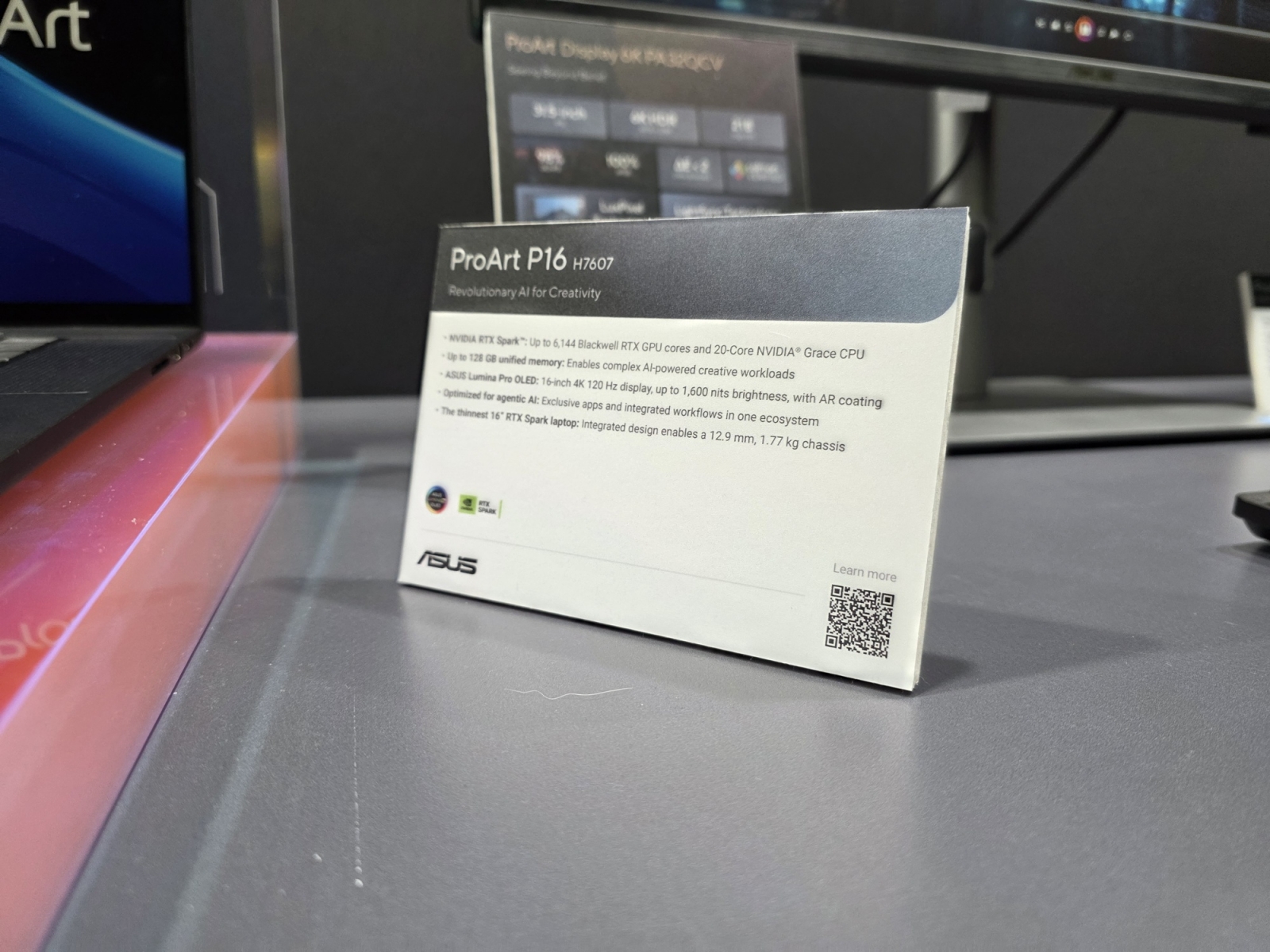




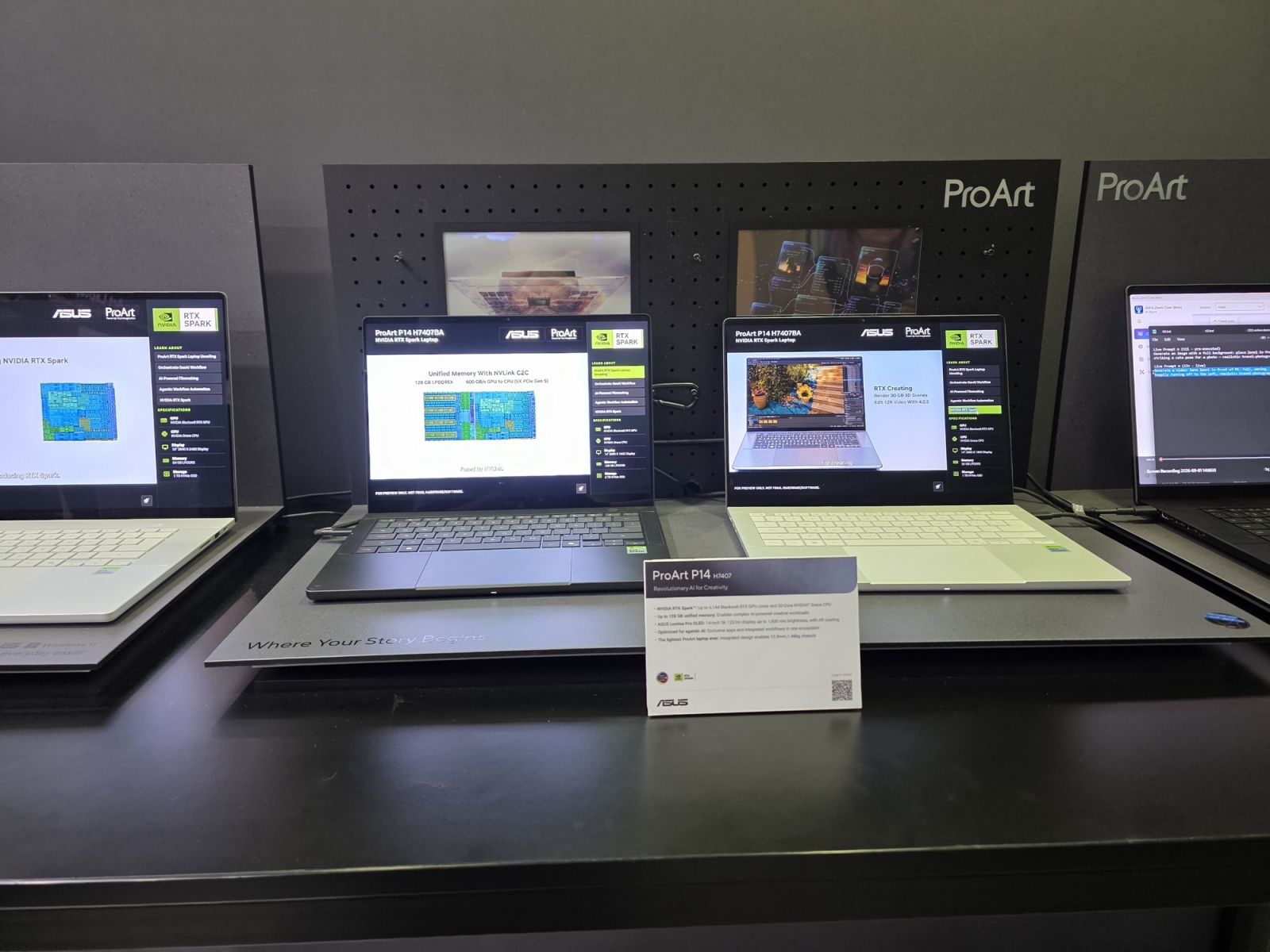


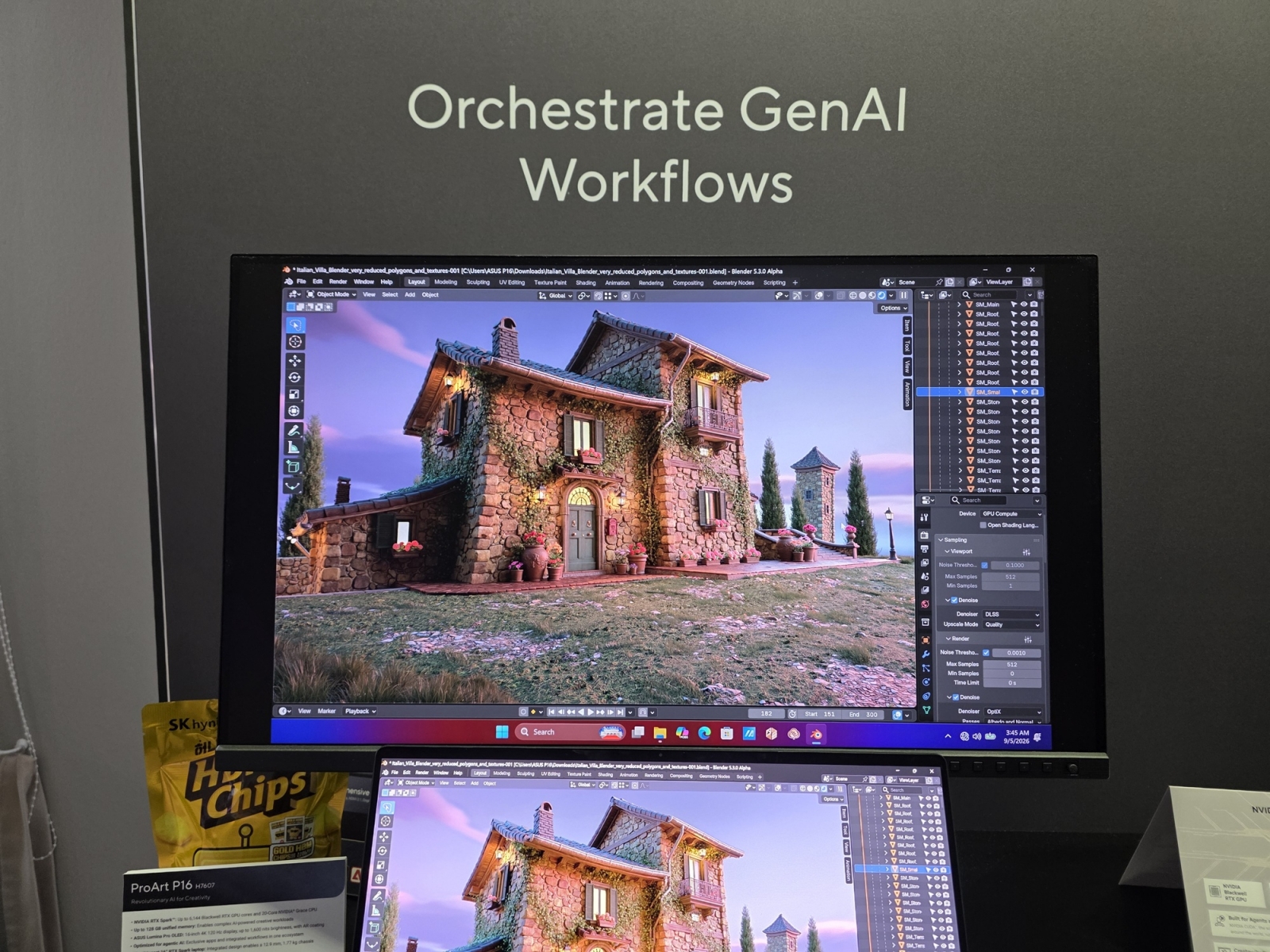

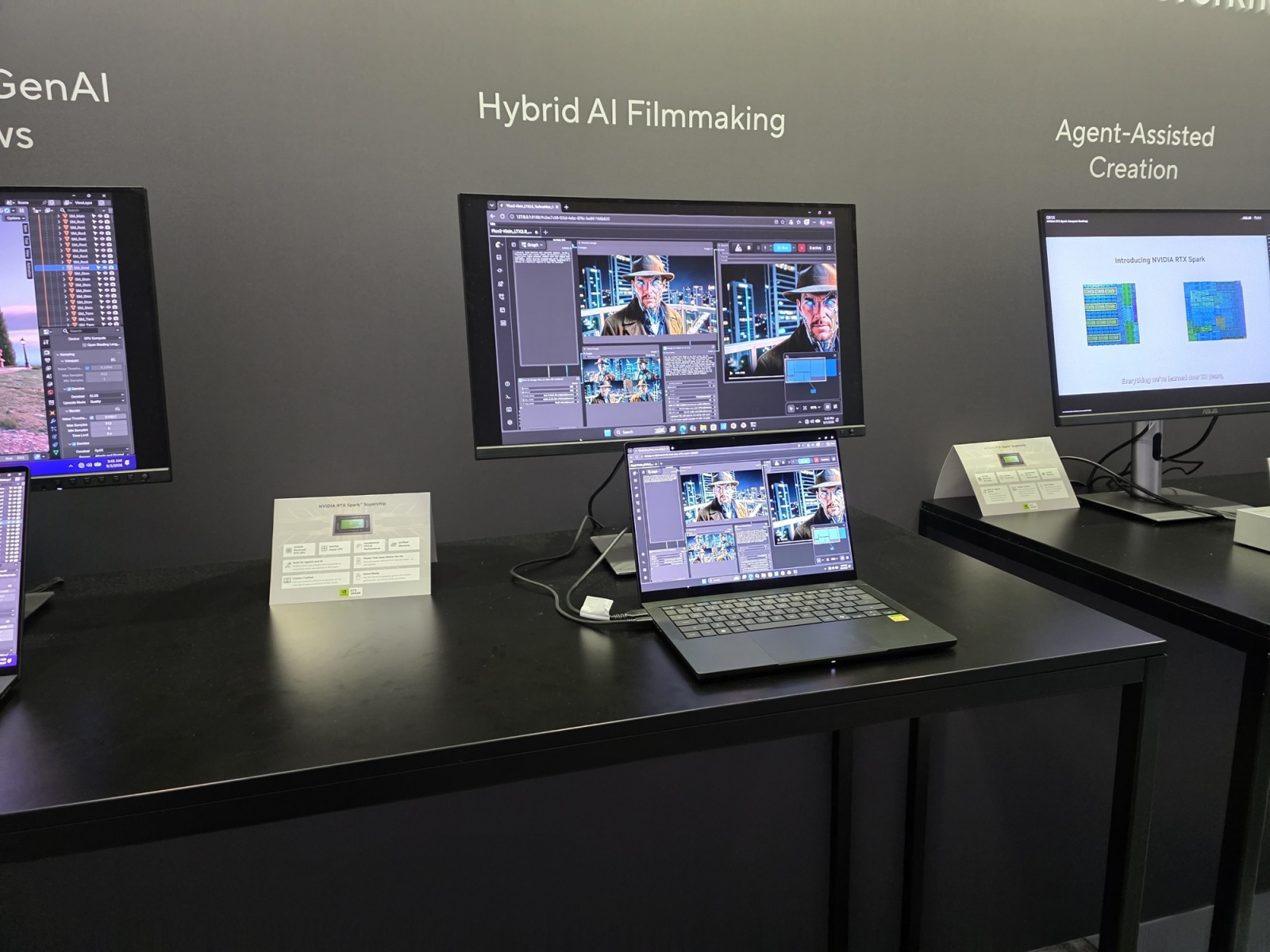


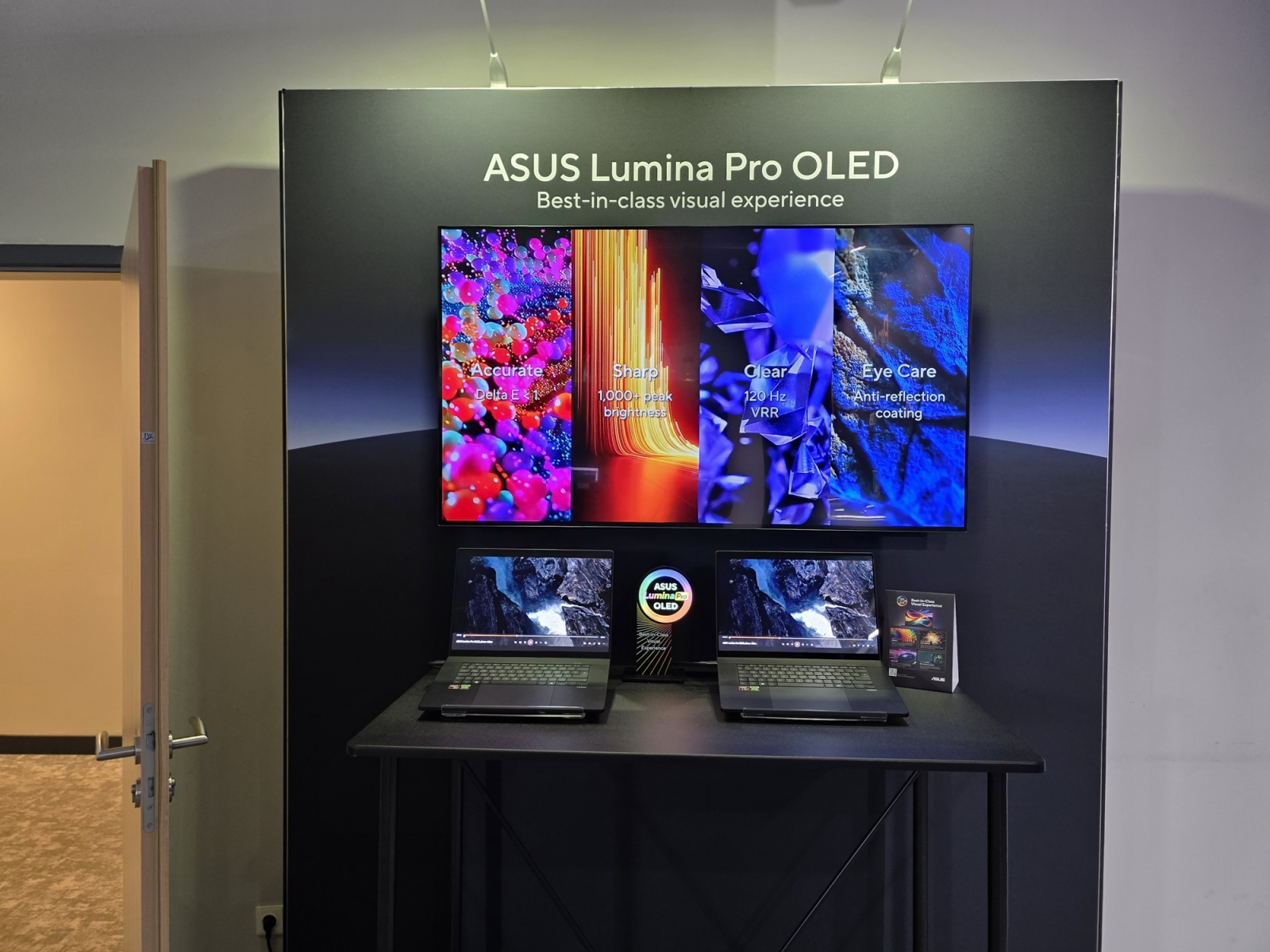


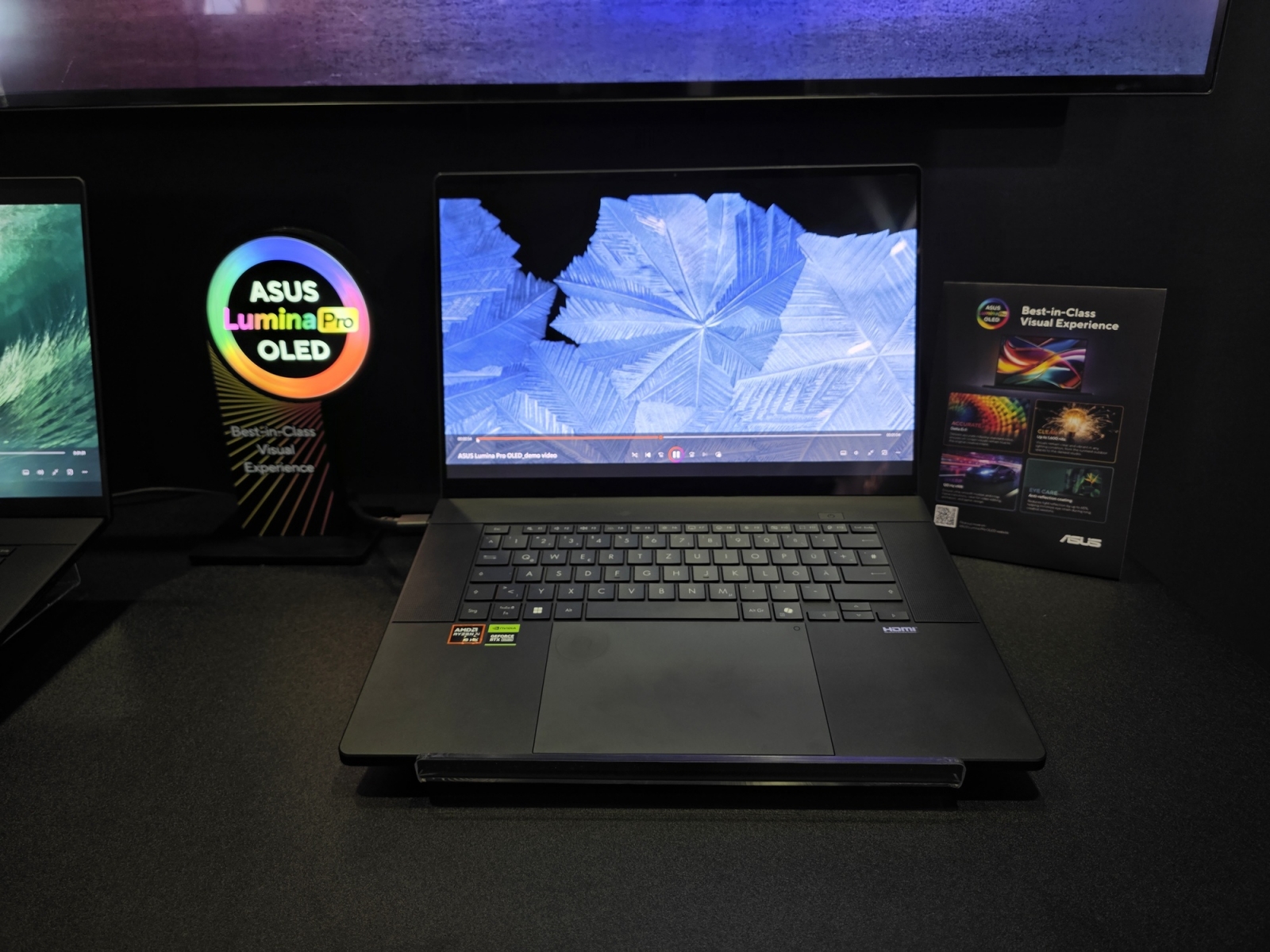


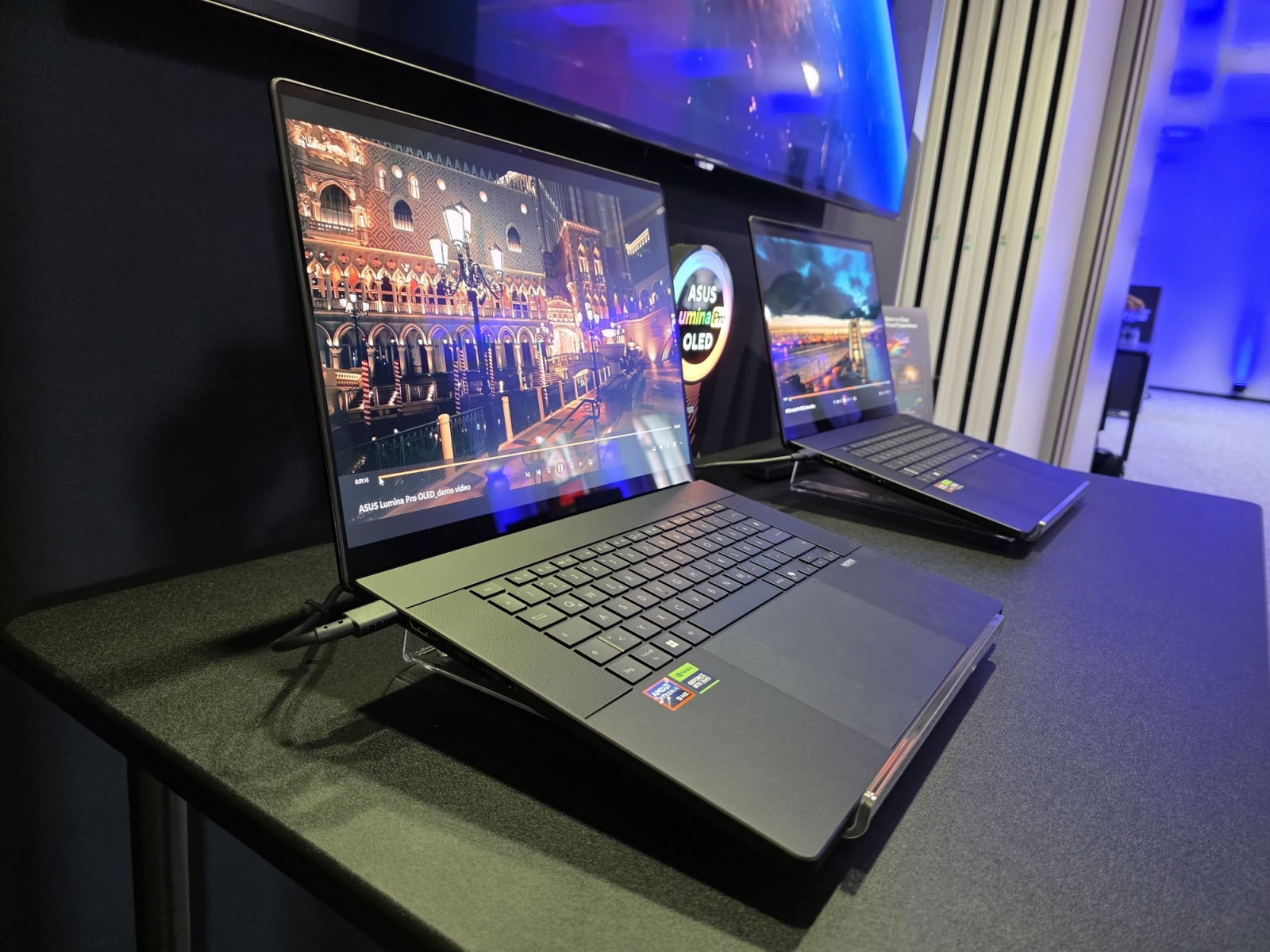


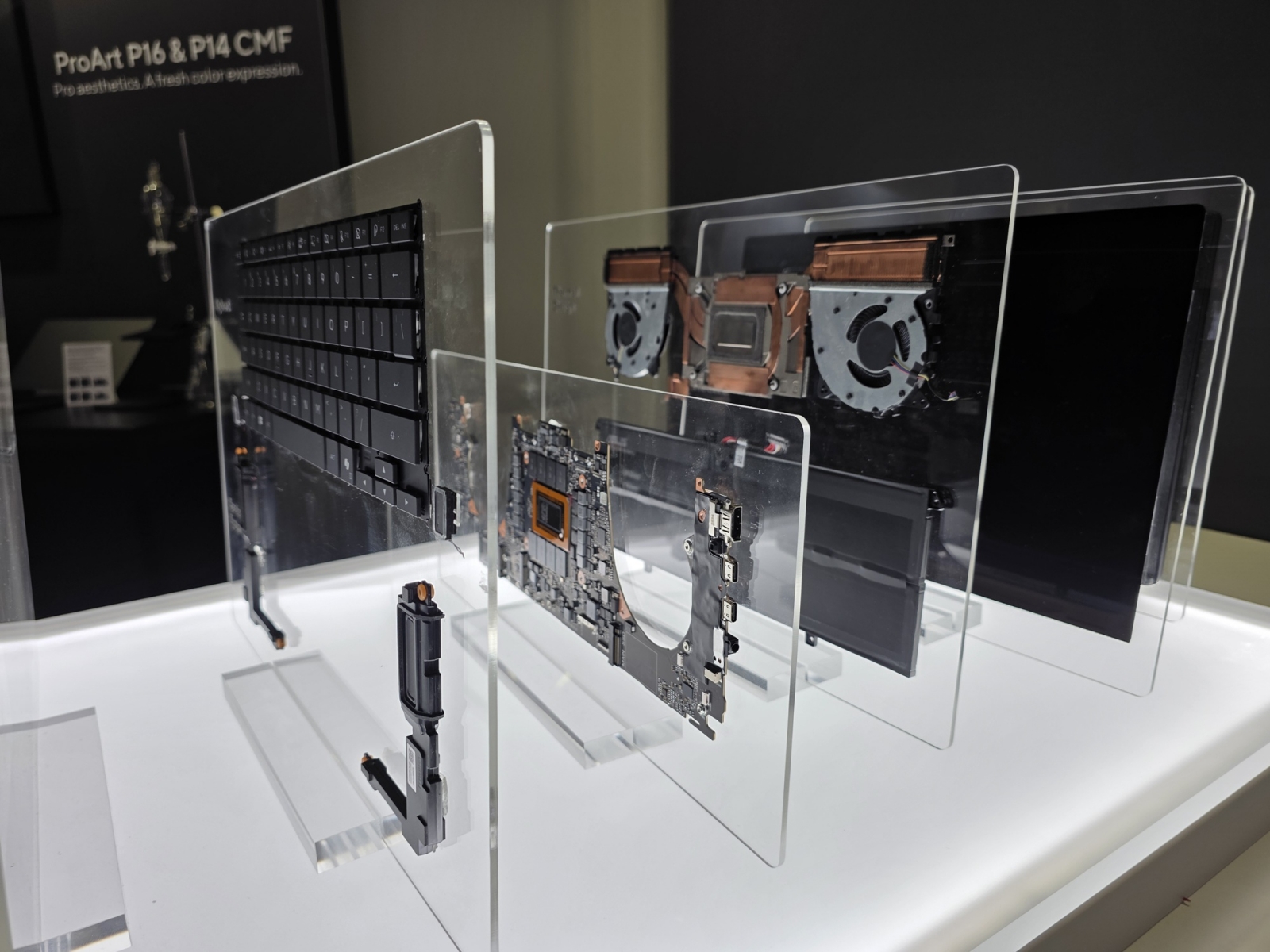


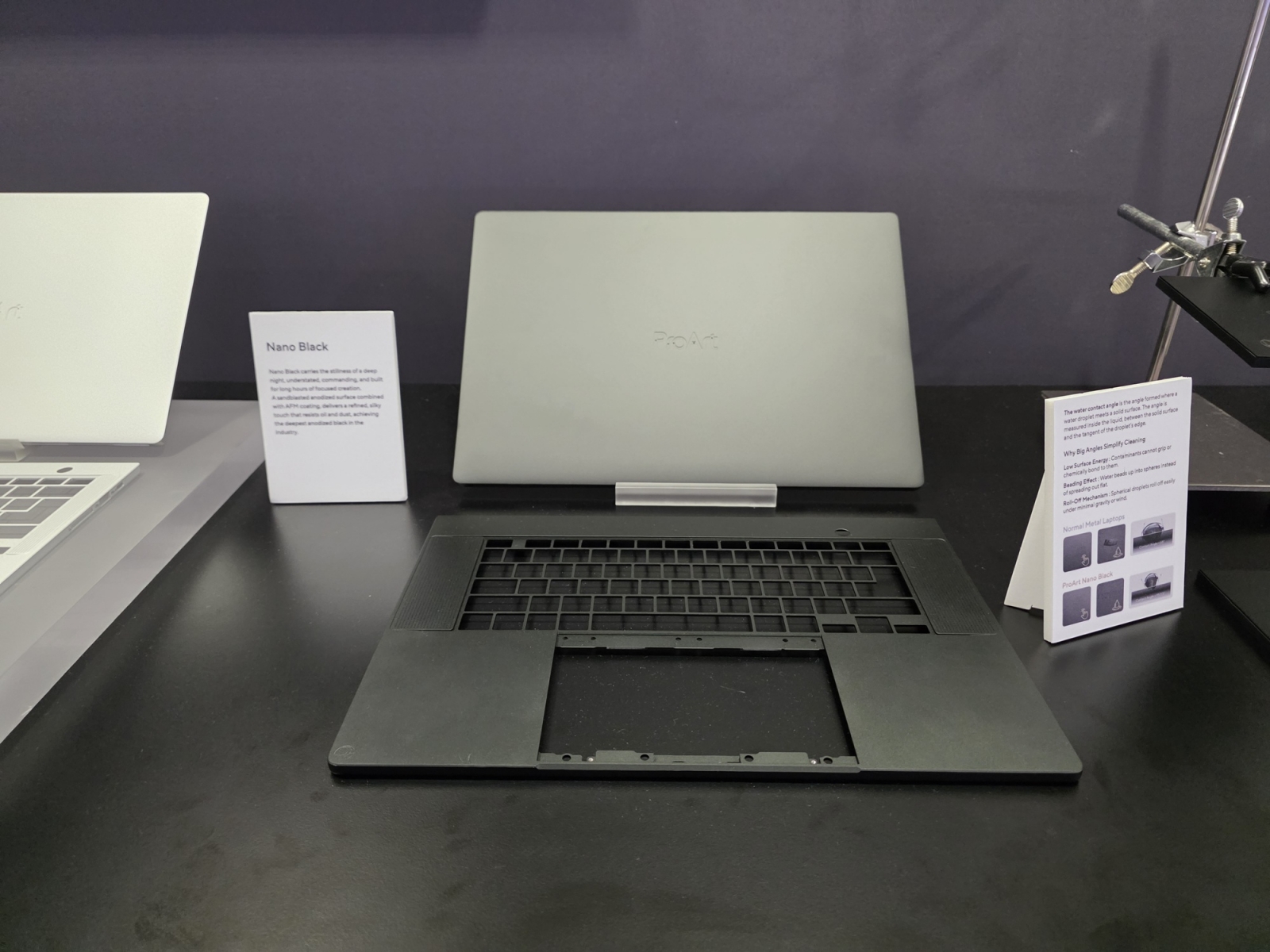



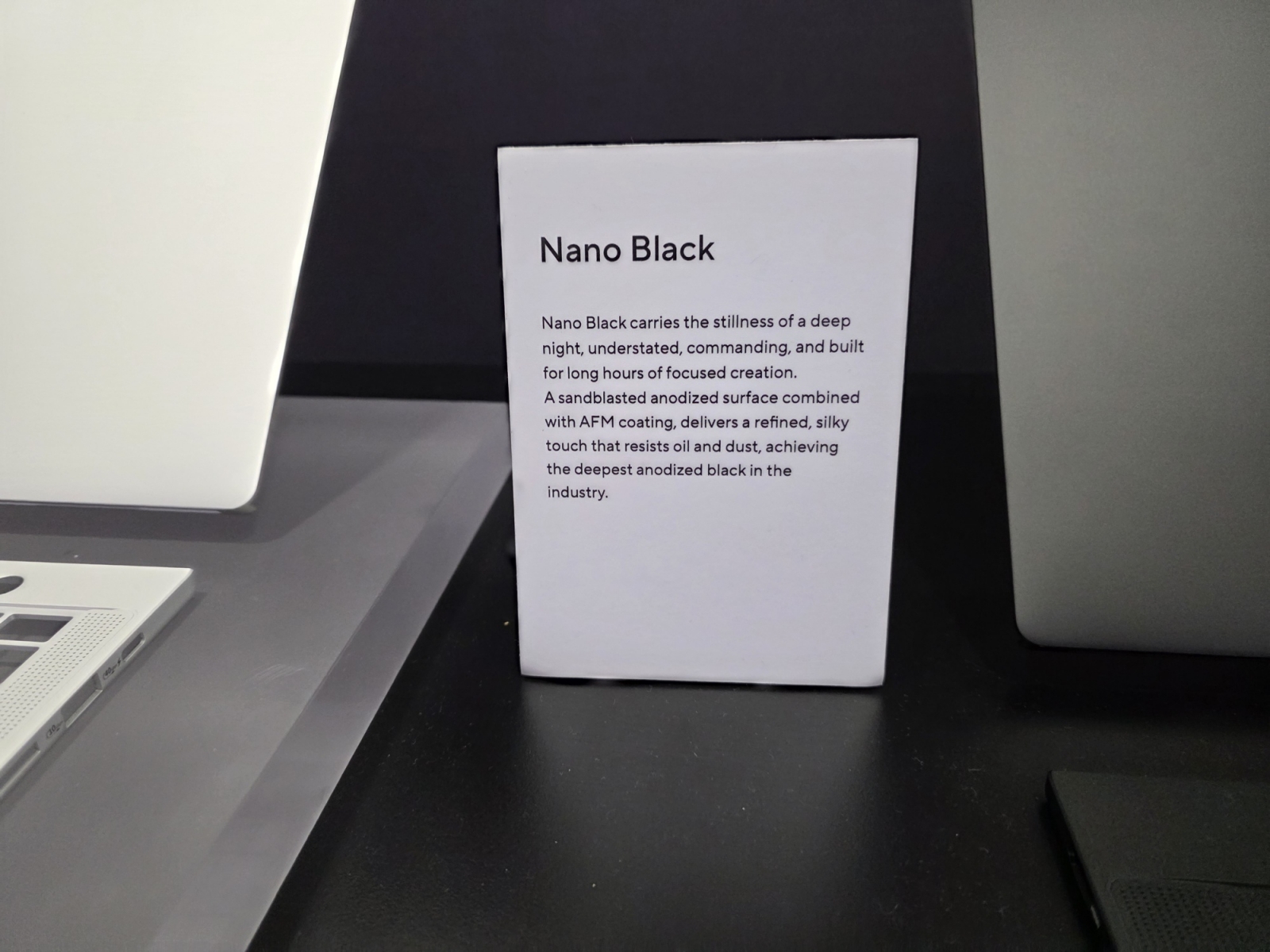
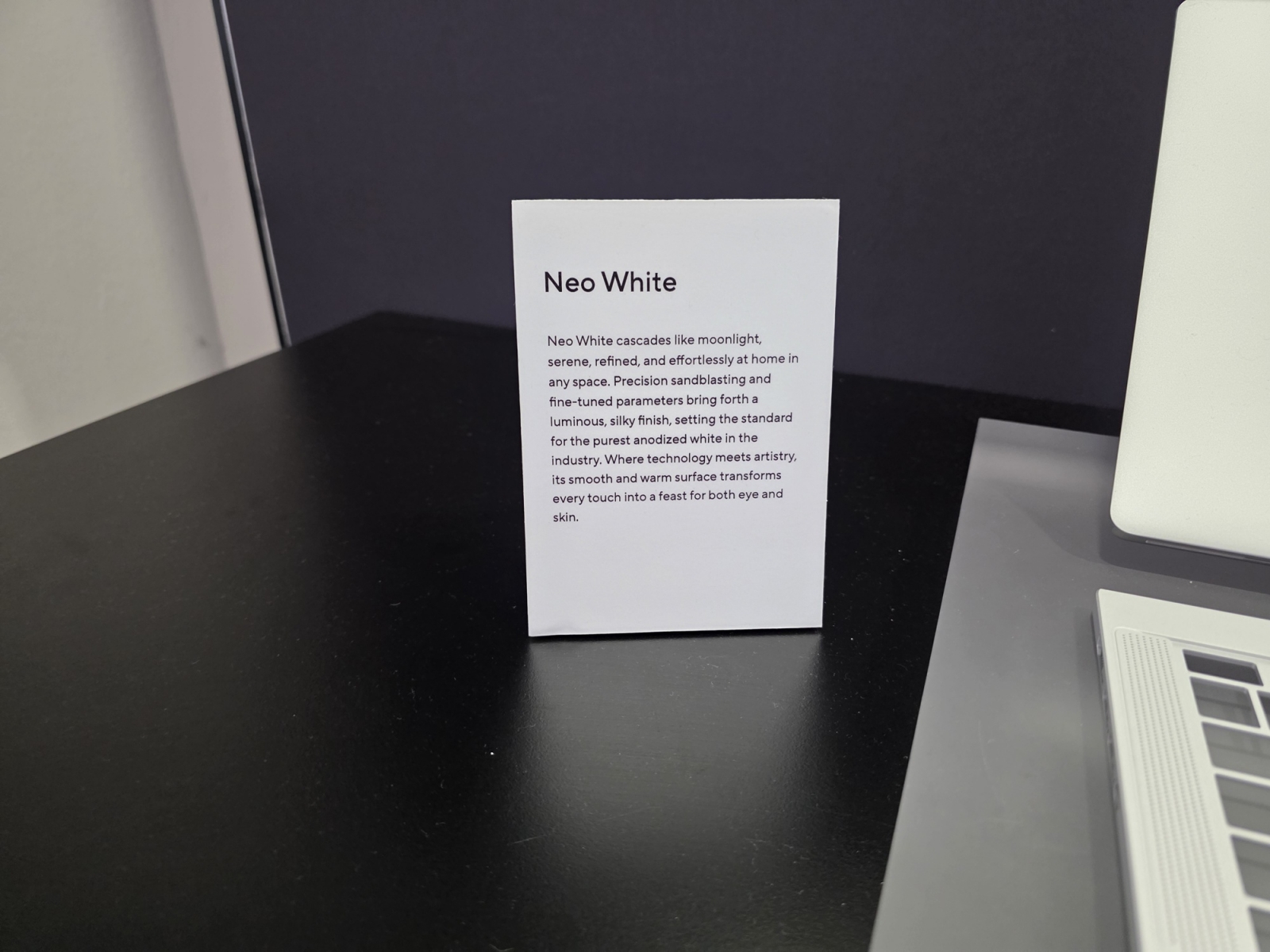
The 14-inch ProArt P14 is rated at 1.48kg and 13.9mm thick, with a 90Wh battery. The 16-inch ProArt P16 weighs 1.77kg, measures 12.9mm thick and carries a 99.9Wh battery. Both can be configured with 24GB, 32GB, 48GB, 64GB or 128GB of memory, while the P16 includes two M.2 slots.
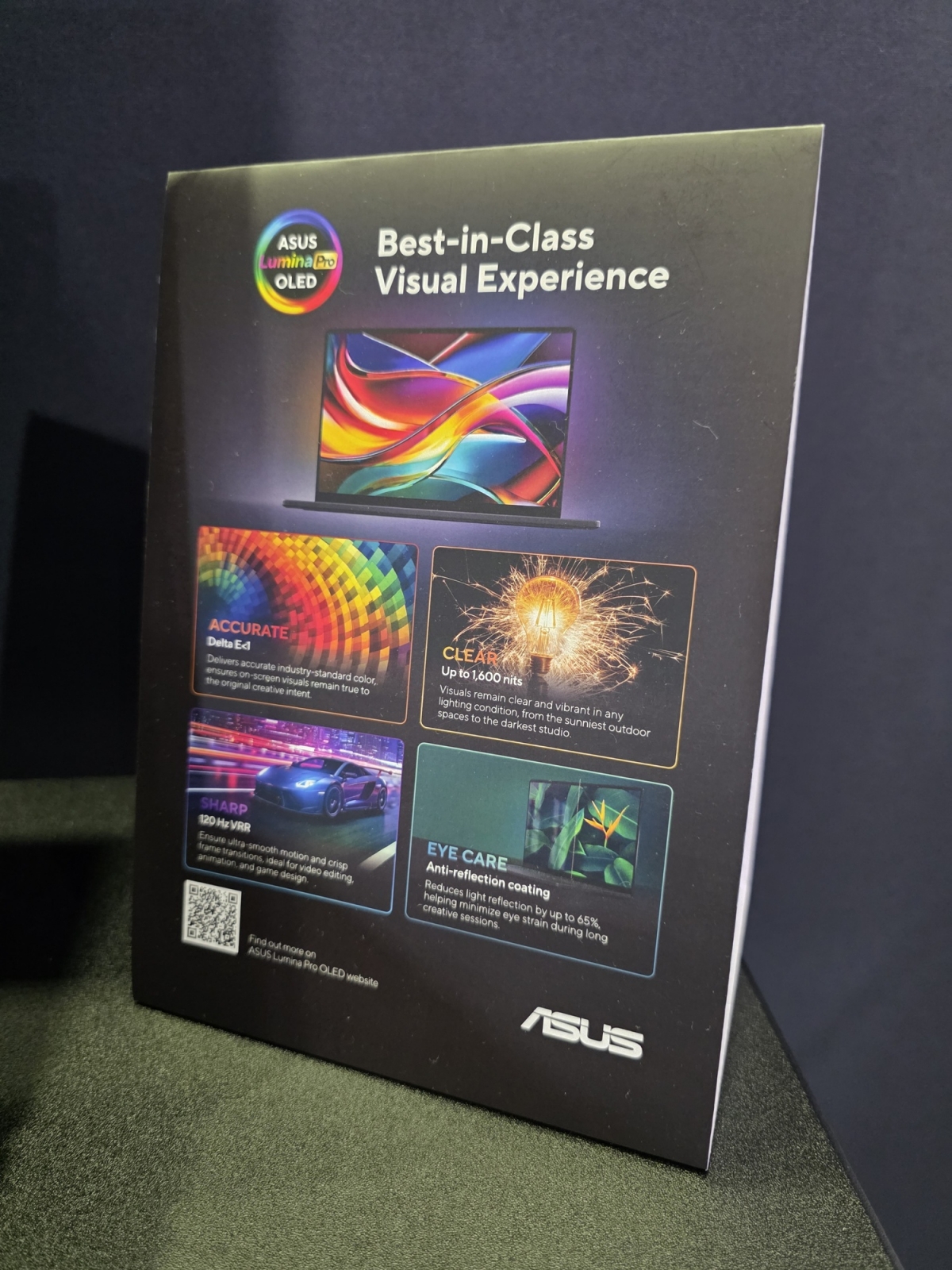
For displays, the P14 has a 3K 14-inch OLED panel and the P16 can be fitted with a 4K 16-inch OLED. Both are specified with 120Hz variable refresh rate, Delta E below 1 and HDR brightness of up to 1,600 nits. ASUS is also emphasizing improved reflection control through its Lumina Pro OLED implementation.

ProArt GR1X packs workstation hardware into a 150mm chassis
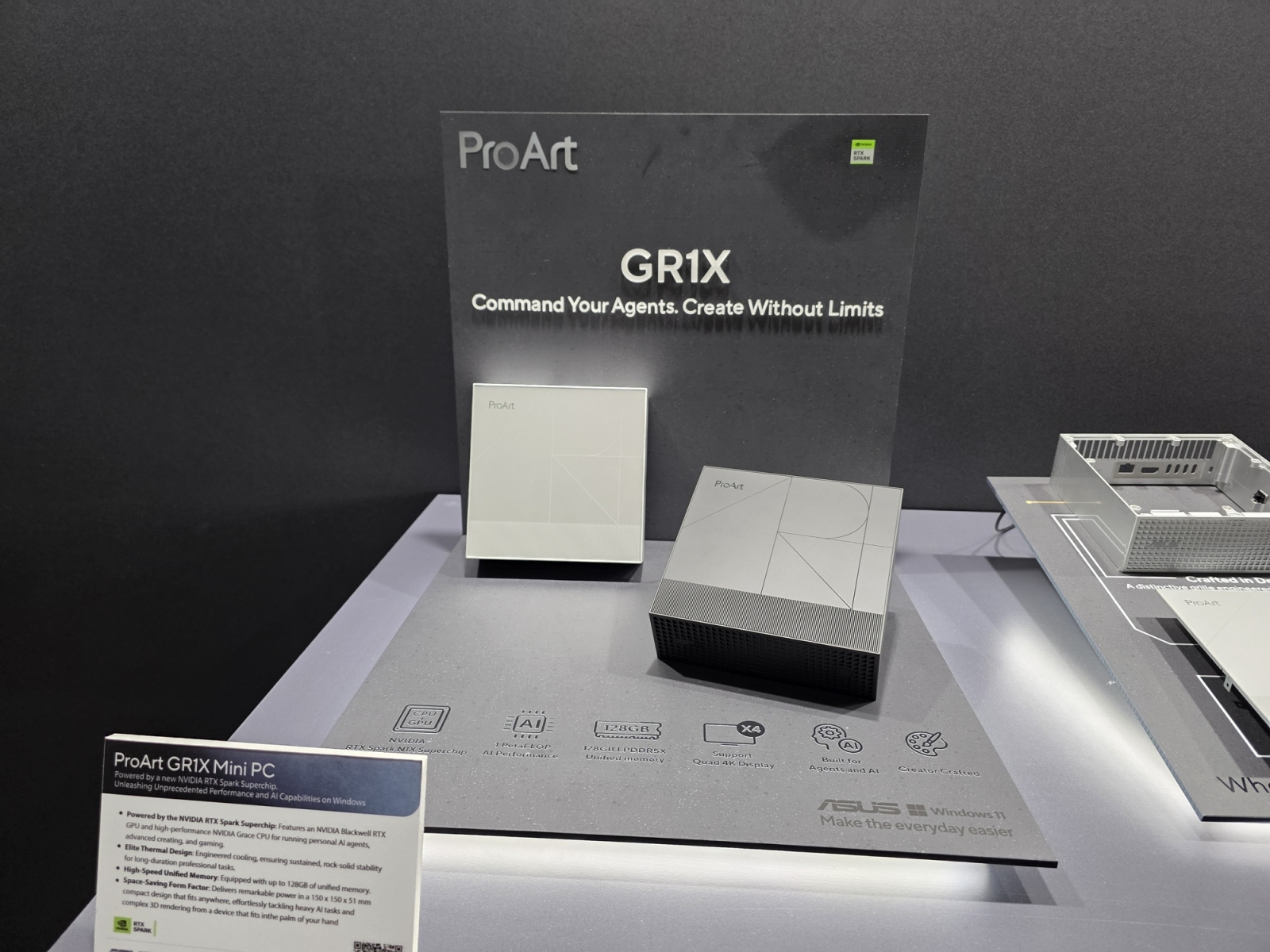
The ProArt GR1X uses the same RTX Spark family in a 150 x 150 x 51mm enclosure. Its top configuration includes a 20-core Grace CPU, a Blackwell GPU with up to 6,144 CUDA cores, 128GB of unified memory and up to 1 petaFLOP FP4 AI performance. Connectivity includes 10GbE and Wi-Fi 7, and ASUS says the mini PC can drive up to four 4K displays.

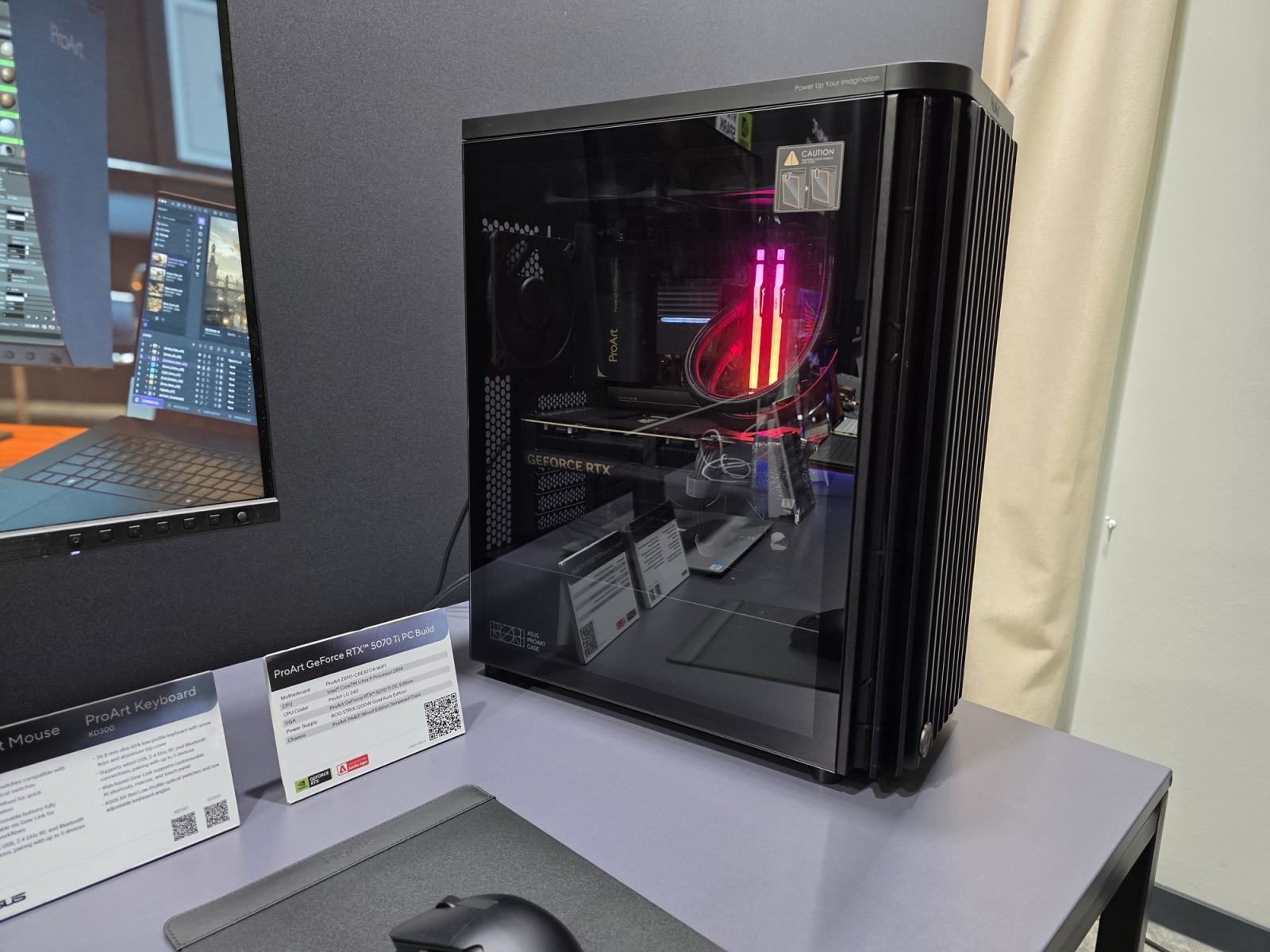
ASUS positions the GR1X for sustained tasks such as local AI agents, inference and 3D rendering, with dual-fan cooling designed for 24/7 operation. It sits alongside the company’s more traditional ProArt desktop ecosystem, which includes ProArt GeForce RTX 5070 Ti graphics cards, PA401 cases, creator-focused motherboards and high-wattage power supplies.
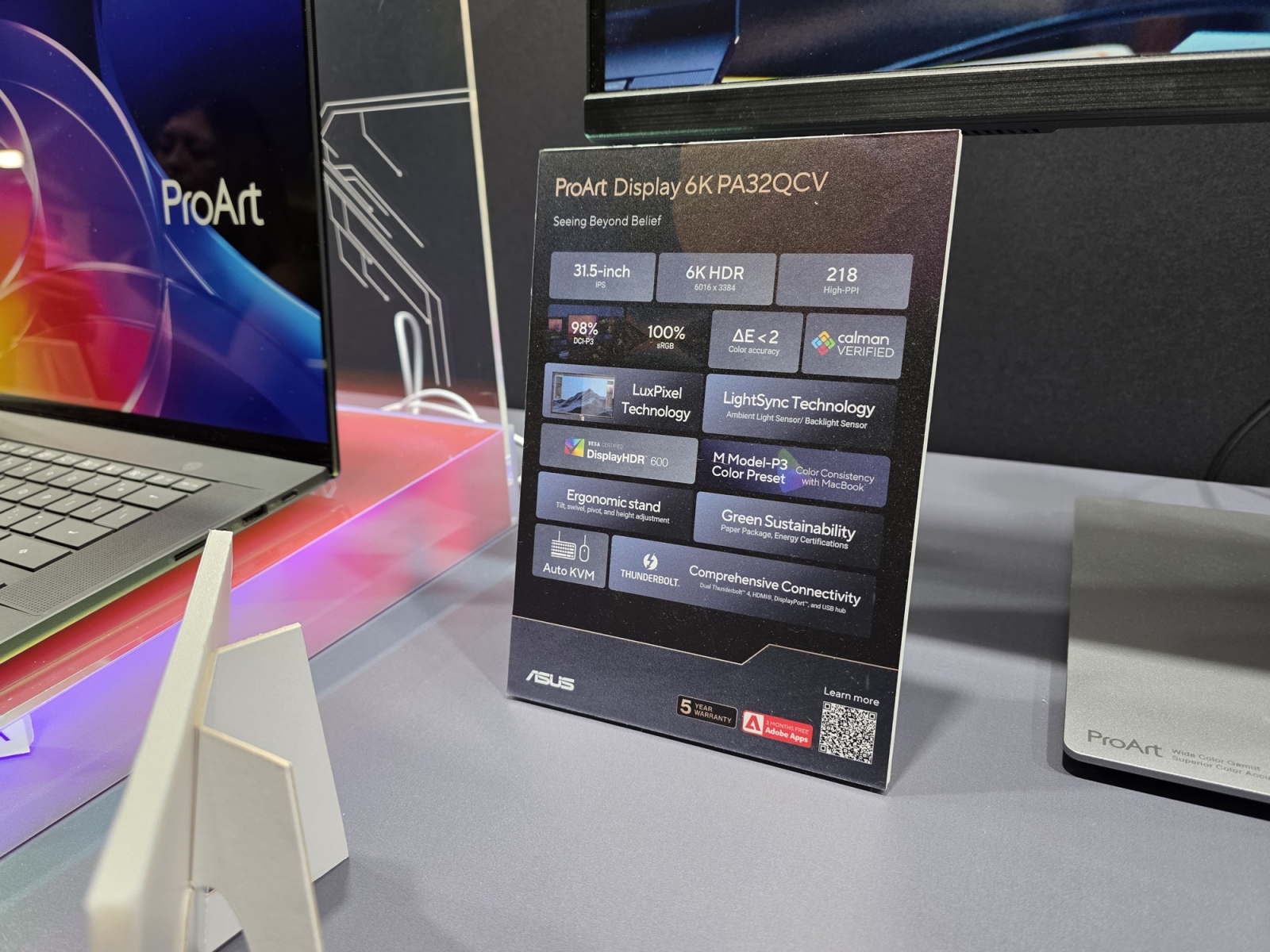
Also shown in Berlin was the ProArt Display 6K PA32QCV, a 31.5-inch monitor with a 6,016 x 3,384-pixel panel and 218ppi density. It covers 98% of DCI-P3, is factory-calibrated to Delta E below 2, carries Calman validation and VESA DisplayHDR 600 certification, and offers two Thunderbolt 4 ports with up to 96W Power Delivery.

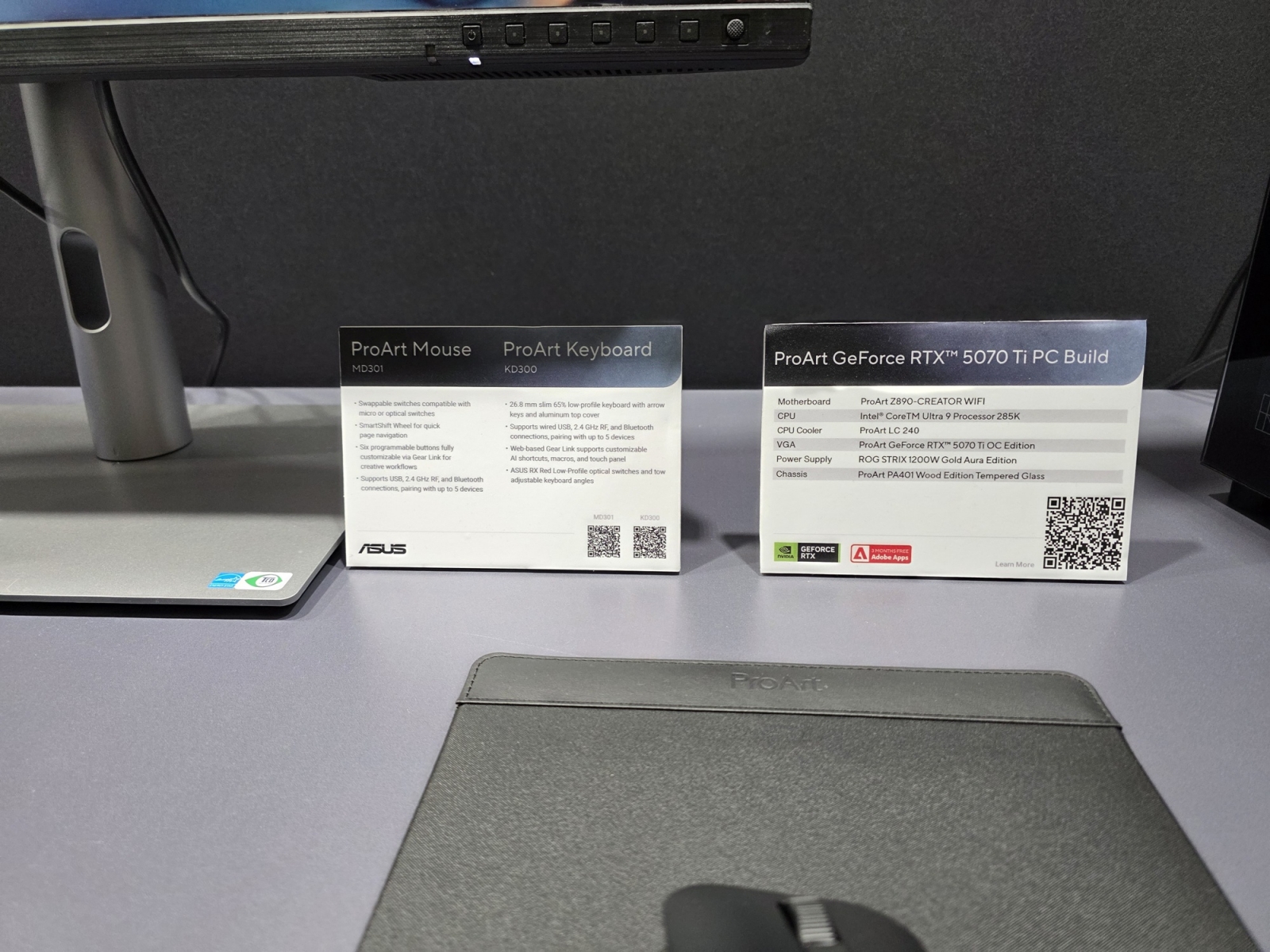
The accessory lineup includes the ProArt Mouse MD301, with replaceable switches, an 8,000 DPI sensor, six programmable buttons and USB, 2.4GHz and Bluetooth connectivity. ASUS also showed the 65% ProArt Keyboard KD300, a 26.8mm low-profile model with ASUS RX Red Low-Profile optical switches and support for up to five paired devices.
ASUS has not provided pricing or release timing for the RTX Spark-based ProArt P14, P16 and GR1X configurations. Those details will determine how broadly the company’s high-memory local AI hardware can compete with conventional mobile workstations and cloud-based production workflows.