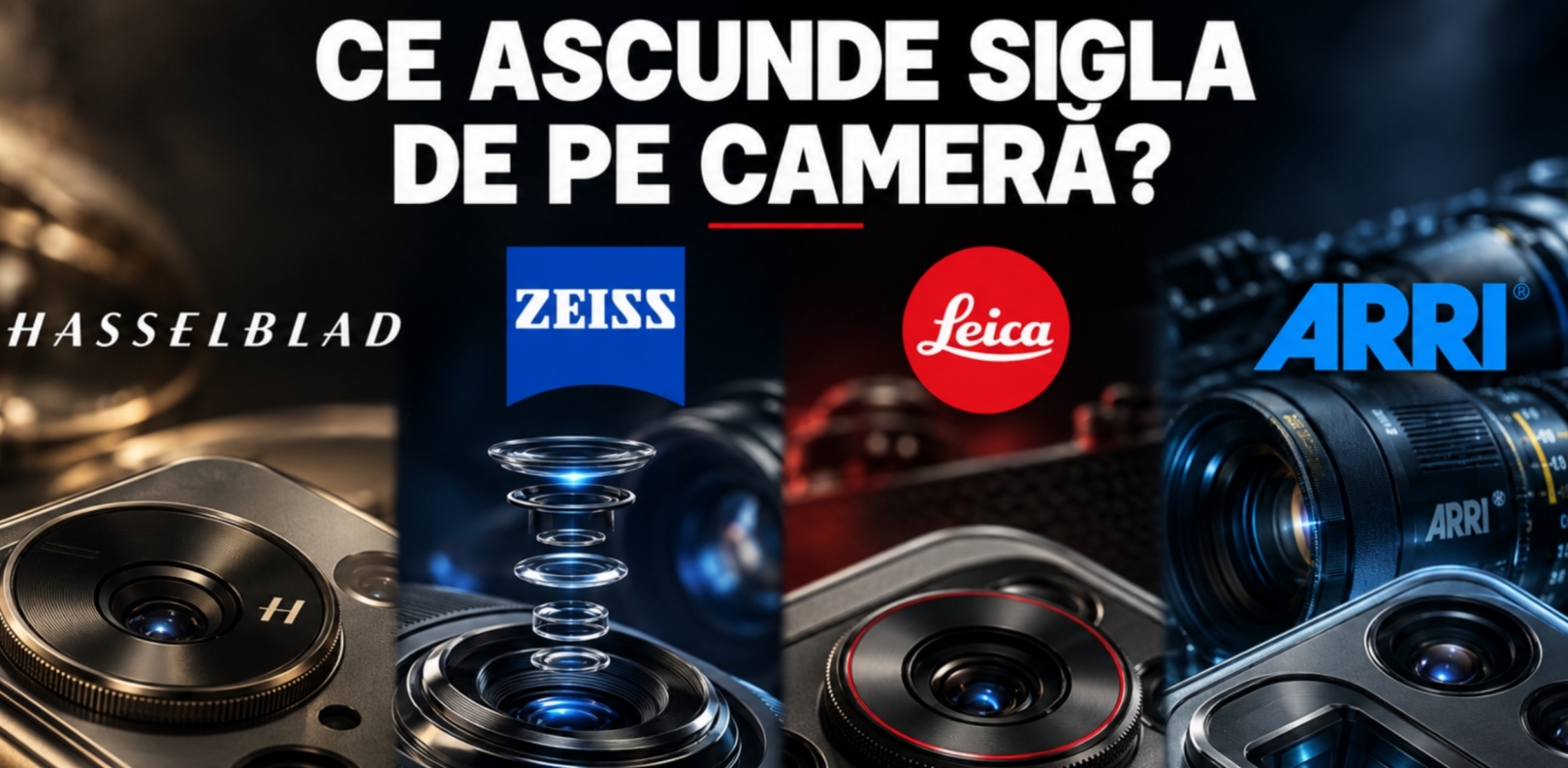
A Leica, Hasselblad, ZEISS or ARRI badge on a flagship phone is not a specification in itself. These partnerships can involve real work on optics, anti-reflective coatings, color calibration, portrait rendering or video color pipelines, but the sensor, stabilization, image processor and computational photography stack may come from several other suppliers.
The clearest way to assess a collaboration is to look for the feature it produces. Hasselblad has centered its phone work on color and photography modes; ZEISS spans optical evaluation and coatings as well as portrait styles; Leica combines optical input with a distinctive image interpretation; and ARRI’s HONOR work is aimed chiefly at capture and post-production for video.
| Partner | Phone-maker relationship | Documented focus |
|---|---|---|
| Hasselblad | OnePlus and OPPO | Color calibration, portrait rendering, photography modes and optical accessories |
| ZEISS | vivo, Sony and formerly Nokia/HMD | Optical evaluation, T* anti-reflective coatings, APO correction and portrait styles |
| Leica | Xiaomi and formerly Huawei | Camera-module development, optical design, image profiles and APO optics |
| ARRI | HONOR | LogC3 capture, ARRI Wide Gamut 3 and ARRI Looks for video workflows |
The differences behind the badges
Hasselblad first appeared in the phone ecosystem through Motorola’s 2016 True Zoom accessory for the Moto Z, a detachable module with 10x optical zoom. Its direct flagship-camera collaboration began with the OnePlus 9 series in March 2021, initially focused on software and calibration. Hasselblad’s Natural Color Calibration was intended to produce more natural-looking color, while the Hasselblad-inspired Pro mode added manual controls and 12-bit RAW capture. RAW provides greater editing latitude; it does not by itself guarantee a better image.
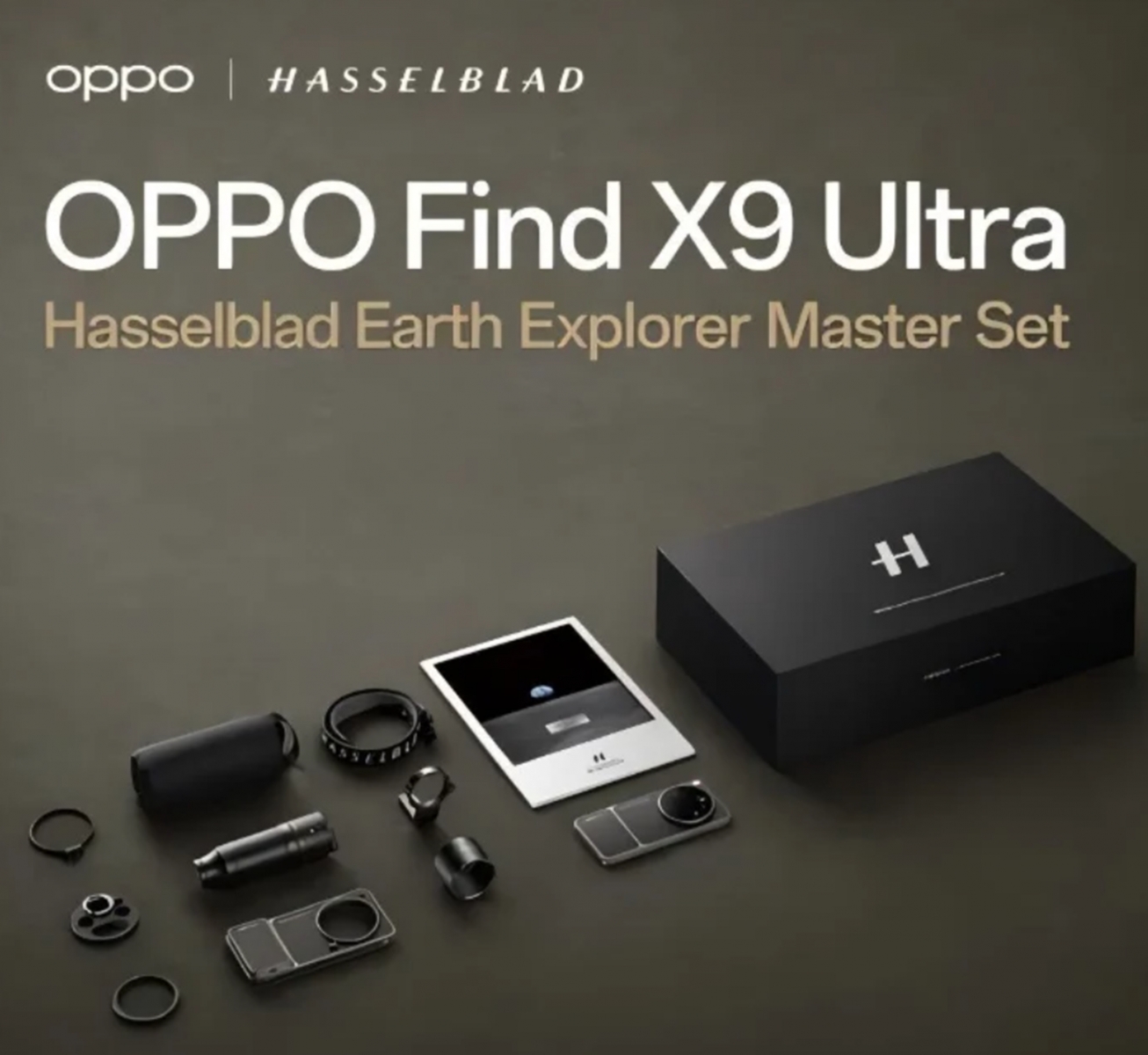
OPPO announced its Hasselblad deal in February 2022, beginning with the Find X5 series. Its implementations have included XPan panoramic shooting in a 65:24 aspect ratio, portrait blur modeled on Hasselblad lens characteristics and Master Mode color treatment inspired by the Hasselblad X2D. OPPO renewed the partnership in July 2025 and describes the 200MP telephoto camera in the Find X9 Pro as co-developed with Hasselblad, alongside a dedicated optical kit.
OnePlus and Hasselblad have since diverged: the OnePlus 13 was the final OnePlus flagship carrying the Hasselblad name, while the OnePlus 15 adopted the DetailMax Engine. The distinction matters because a simulated medium-format look cannot bring a phone the physical sensor size or optical behavior of a medium-format camera.
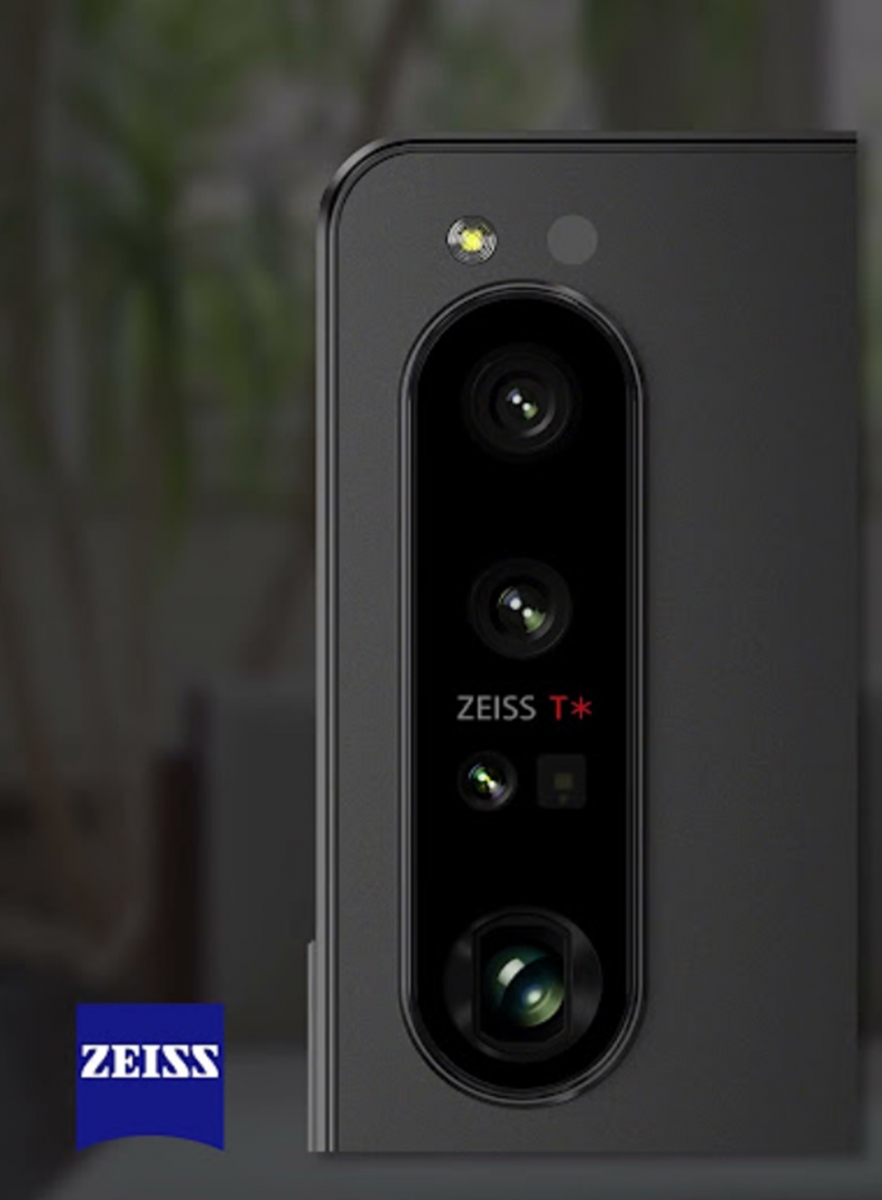
ZEISS has one of mobile imaging’s longest histories. Its Nokia relationship dates to the Nokia N90 in 2005, returned with HMD Global’s Nokia phones in 2017 and ended in 2021. ZEISS has also worked with Sony in imaging since 1996, with smartphone cooperation extending to the Xperia 1 II in 2020. vivo announced its global ZEISS partnership in December 2020, and the X60 series was its first commercial result.
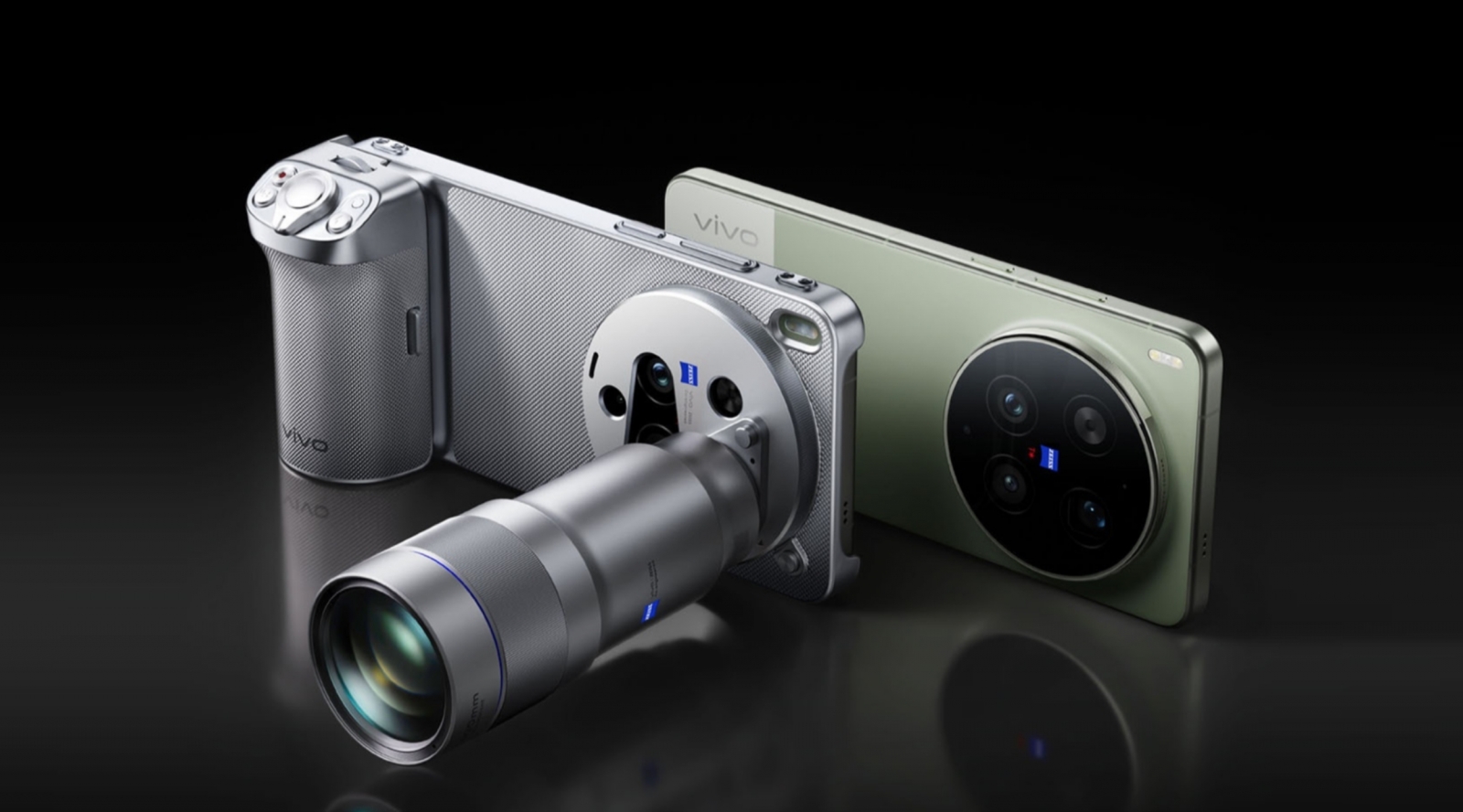
On vivo devices, the T* label denotes an anti-reflective optical coating designed to suppress internal reflections and preserve contrast, particularly around bright lights and backlit scenes. It cannot remove every flare artifact, but it acts before software processing. Some vivo telephoto cameras also use the APO designation, referring to correction of chromatic aberration that can otherwise appear as colored fringes along high-contrast edges. ZEISS-branded portrait modes, by contrast, computationally recreate the out-of-focus rendering of lenses such as the Biotar rather than placing a miniature Biotar lens inside the phone.
Leica’s previous Huawei partnership began in 2016 with the P9 and P9 Plus and concluded on March 31, 2022. The early P9 system paired color and monochrome sensors, while Leica’s role included optics, image evaluation and user-experience work. The companies also established the Max Berek Innovation Lab in 2016. Huawei’s P50 series was among the final Leica-branded Huawei lines, launching first in China in 2021 before reaching international markets in 2022.
Xiaomi announced its Leica agreement in May 2022 and introduced the Xiaomi 12S series that July. Leica Authentic and Leica Vibrant are its most visible outputs: the former pursues a Leica-oriented look through its handling of shadows and local contrast, while the latter uses more expressive color. Neither profile is inherently more accurate; they are different visual interpretations.
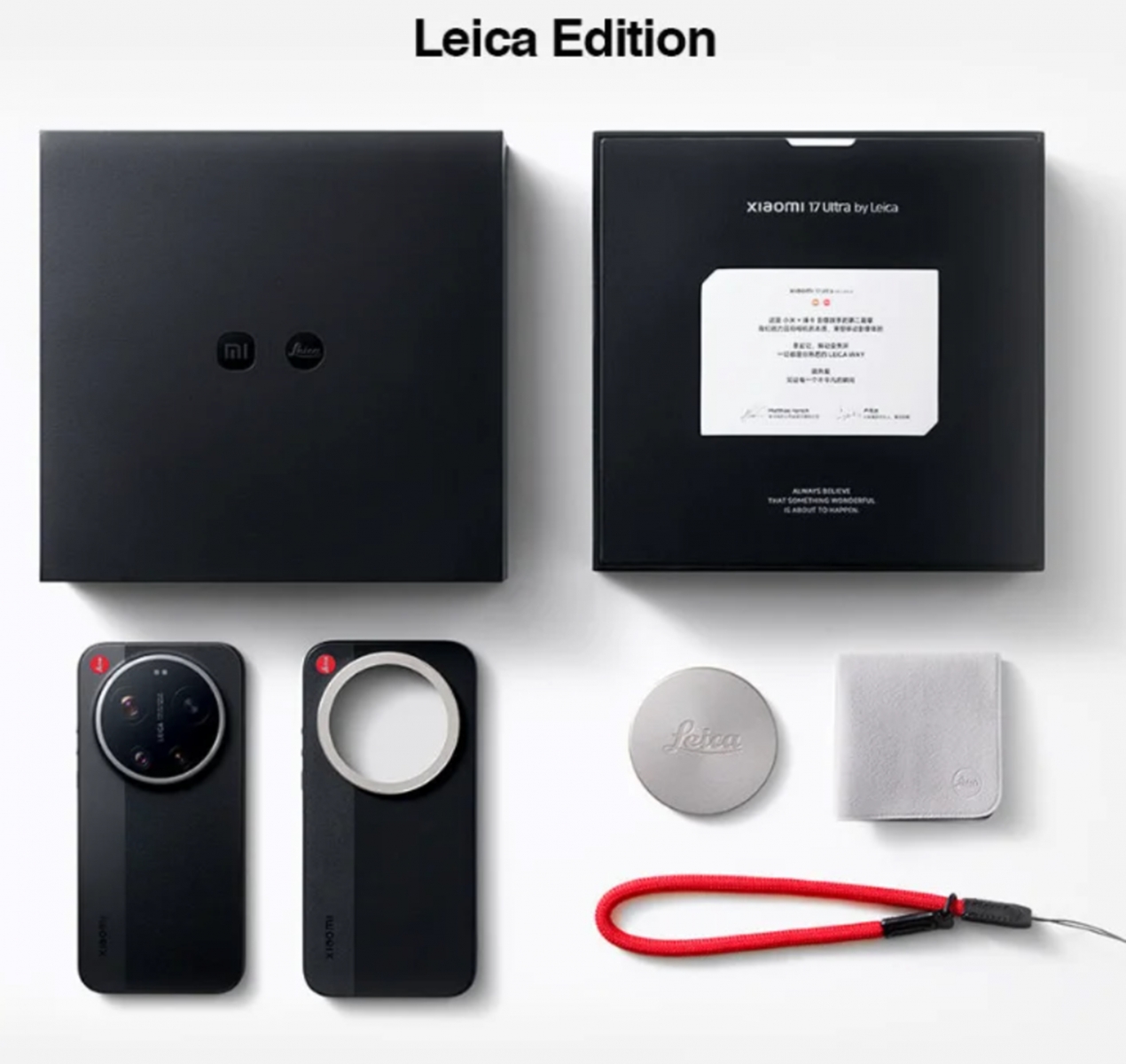
The Xiaomi 17 Ultra illustrates how the branding can coexist with components from other companies. It combines a 50MP type-1-inch main camera with a 200MP telephoto camera offering continuous optical zoom from a 75mm to 100mm equivalent, and Leica APO certification. Its telephoto sensor is identified as a Samsung HPE unit, while Leica’s contribution concerns other parts of the optical system and image-development process.
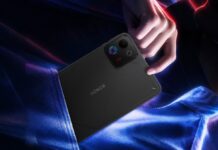
ARRI’s arrangement with HONOR takes a different route, targeting a mobile filmmaking workflow rather than still-image aesthetics. Announced in March 2026, the collaboration first appeared in the HONOR Robot Phone and then in the Magic9 Pro Max, introduced in China on September 28. The Magic9 Pro Max Cinema mode supports 10-bit ARRI LogC3 recording at up to 4K and 60 fps, plus ARRI Wide Gamut 3 and 14 ARRI looks, with access to an additional library of 87 variants.
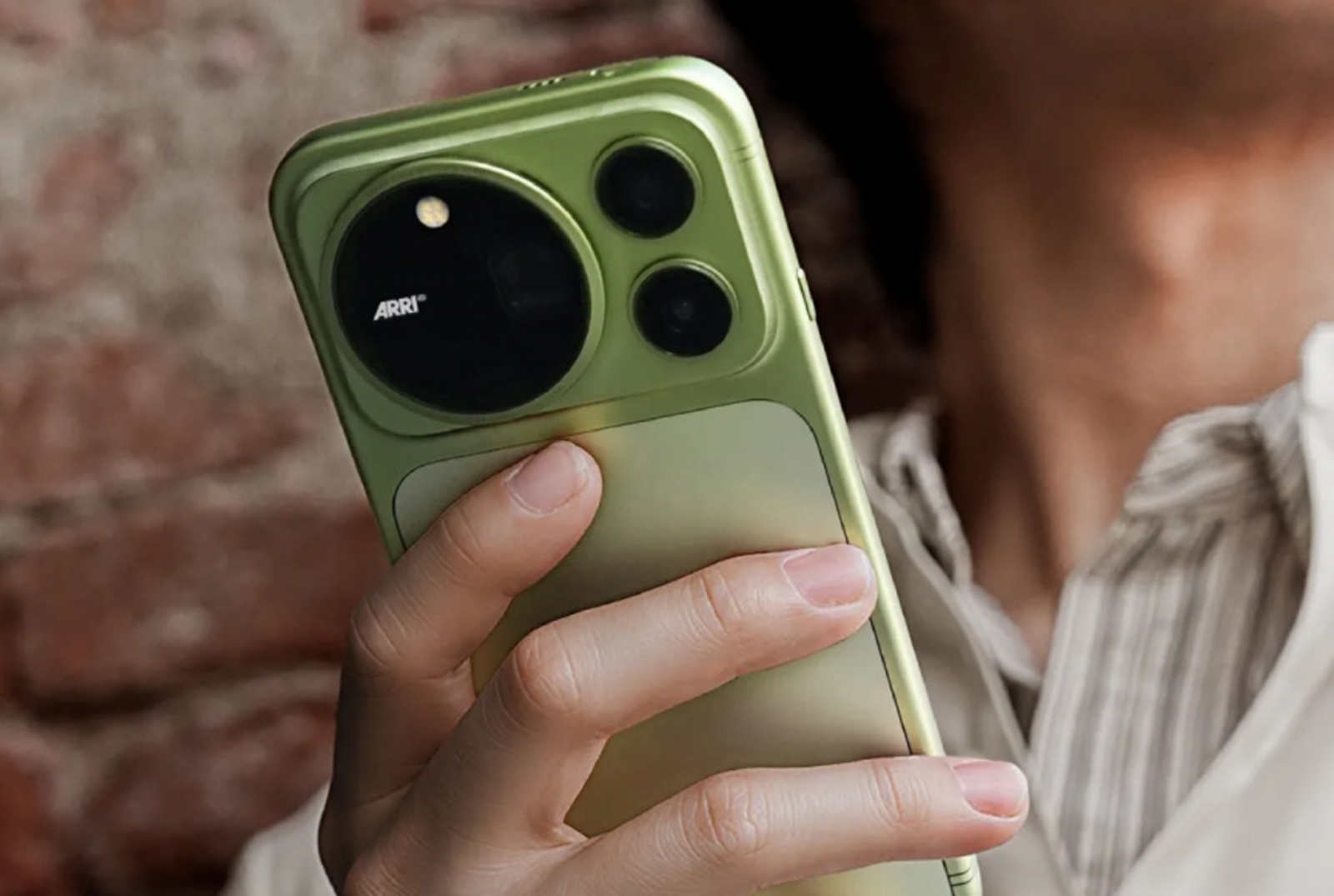
LogC3 records a flatter image intended for later adjustment, and 10-bit footage offers finer tonal steps than 8-bit material when grading skies, skin tones and light transitions. It does not give a phone sensor the light-gathering capability, dynamic range or low-light behavior of an ARRI ALEXA camera. HONOR’s sensor hardware, stabilization and image processor still determine much of the final result.
The competitive value of these partnerships therefore rests on identifiable implementation rather than brand recognition alone: a coating that reduces flare, a telephoto system with optical correction, a color pipeline that remains consistent across cameras, or a video format that integrates into post-production. As more phone makers bring partners into earlier product development, the next meaningful test will be whether those contributions remain visible in the cameras rather than only on their housings.