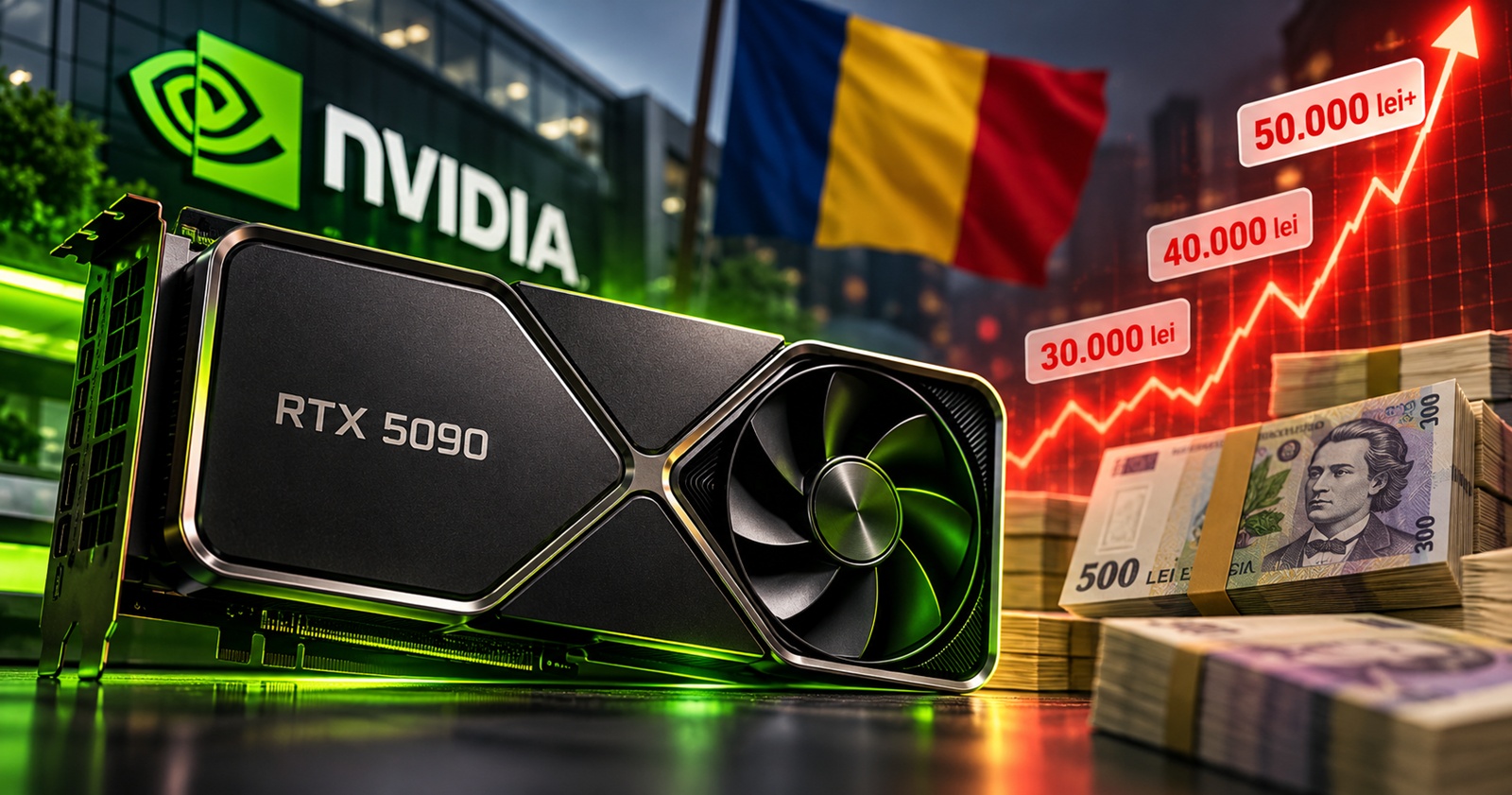
NVIDIA says the GeForce RTX 5090 remains in production, pushing back on reports that the flagship Blackwell gaming card was being discontinued. The company has nevertheless acknowledged supply constraints, leaving availability uncertain in markets where listings have disappeared or stock remains scarce.
The speculation followed the RTX 5090’s removal from some major retailer listings and from the purchase section of NVIDIA’s official store. Reports suggested NVIDIA could redirect capacity toward more lucrative AI hardware, but Jeff Fisher, NVIDIA’s senior vice president of the PC business, reportedly rejected the discontinuation claim at an October 16 event in Taiwan.

According to CNA, Fisher said the RTX 5090 remains an important product and that shipments will continue. He also acknowledged broader supply challenges affecting the industry. NVIDIA has not provided a timetable for improved stock levels or detailed the reasons behind individual listings vanishing.
A gaming flagship with workstation-adjacent hardware
The RTX 5090’s 32GB of GDDR7 memory and Blackwell architecture make it relevant beyond gaming, including for demanding local AI workloads. That overlap has fueled comparisons with NVIDIA’s RTX PRO 6000 Blackwell, a workstation card aimed at AI development, rendering and professional applications.
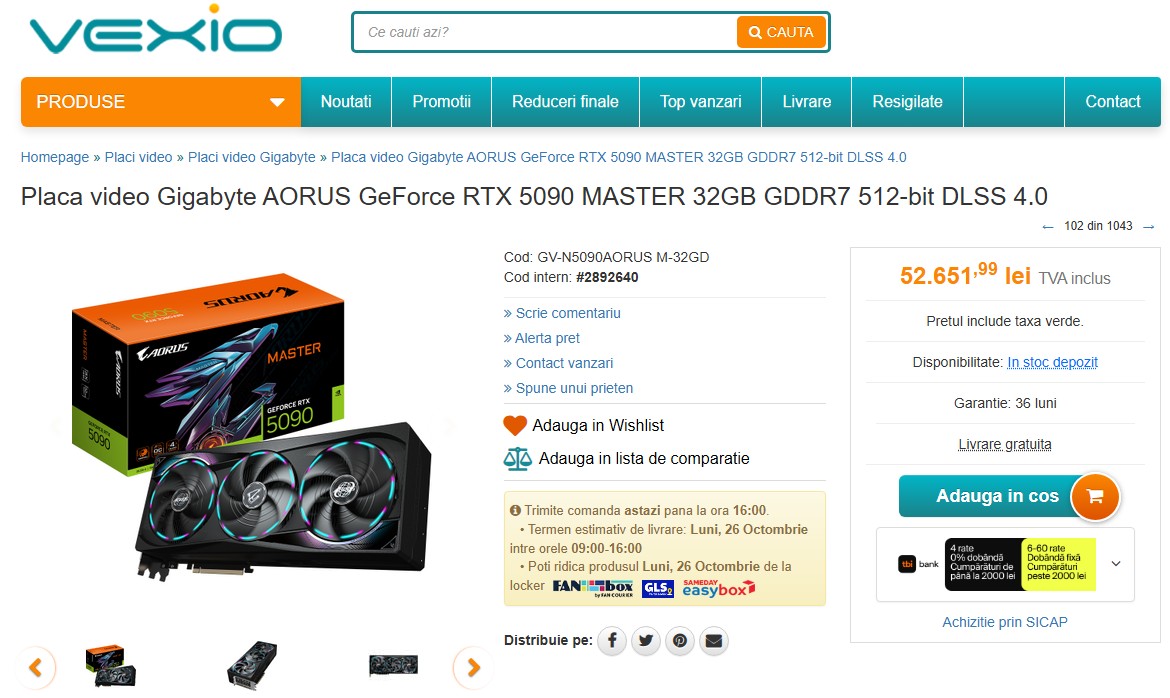
| Attribute | GeForce RTX 5090 | RTX PRO 6000 Blackwell |
|---|---|---|
| GPU family | GB202 | GB202 |
| Memory | 32GB GDDR7 | 96GB GDDR7 with ECC |
| Primary positioning | Flagship gaming GPU, with AI workload capability | Professional AI, rendering and workstation GPU |
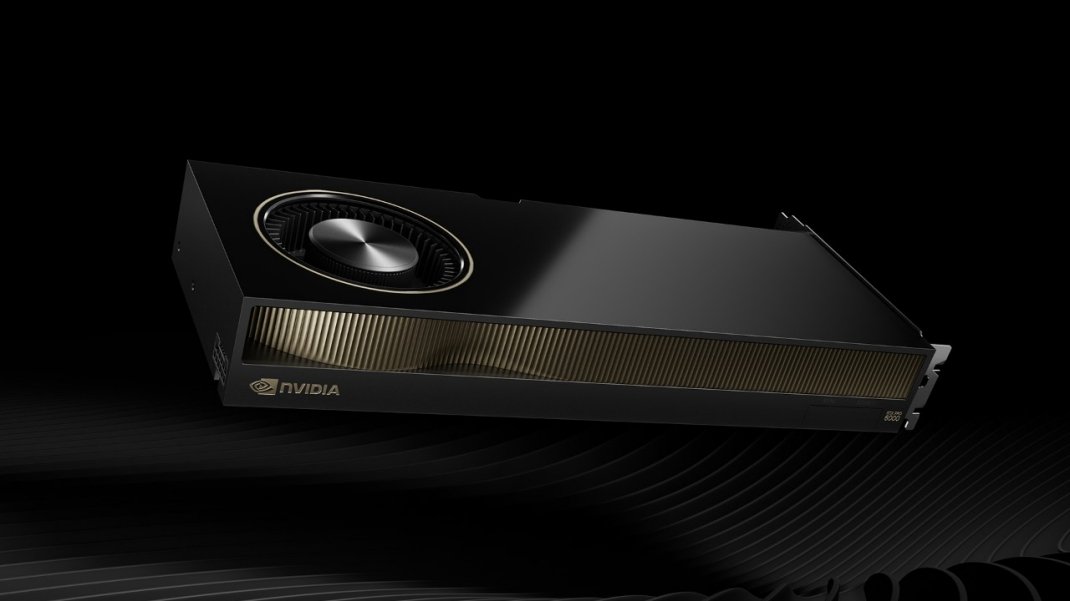
The two cards may deliver similar results in some AI tasks when a model fits within the RTX 5090’s 32GB memory pool, but the RTX PRO 6000 offers substantially more memory, additional processing resources and professional-focused features. NVIDIA listed the RTX PRO 6000 Blackwell Workstation Edition at $16,000 in its US store in August 2026.
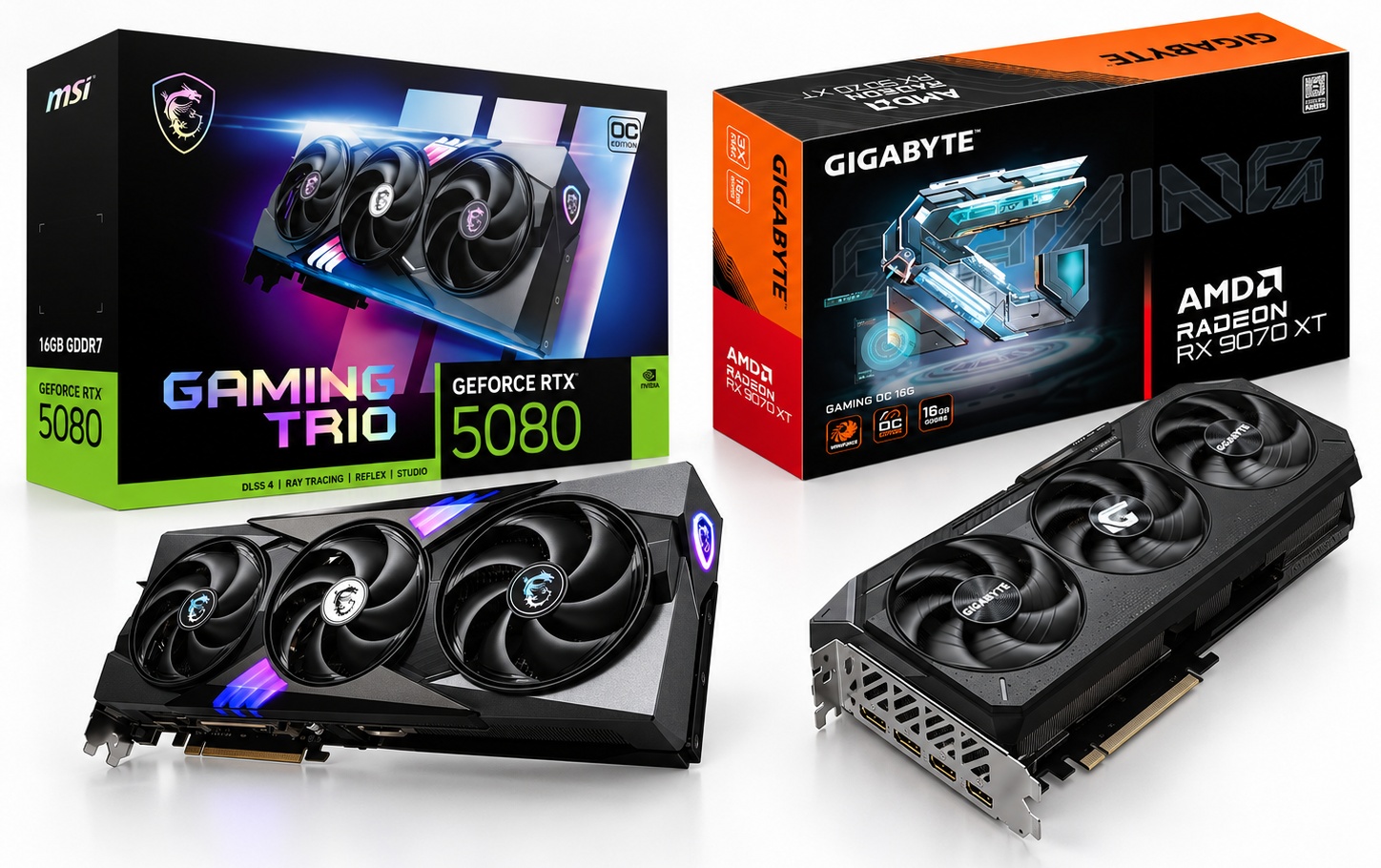
NVIDIA has not said it is cutting RTX 5090 output to prioritize the RTX PRO 6000. Strong demand for AI infrastructure, memory costs and wider component-supply pressures could all be affecting the market, and the company has not identified a single cause for the constrained availability. The key remaining question is whether NVIDIA can increase RTX 5090 supply enough to restore more consistent retail availability.