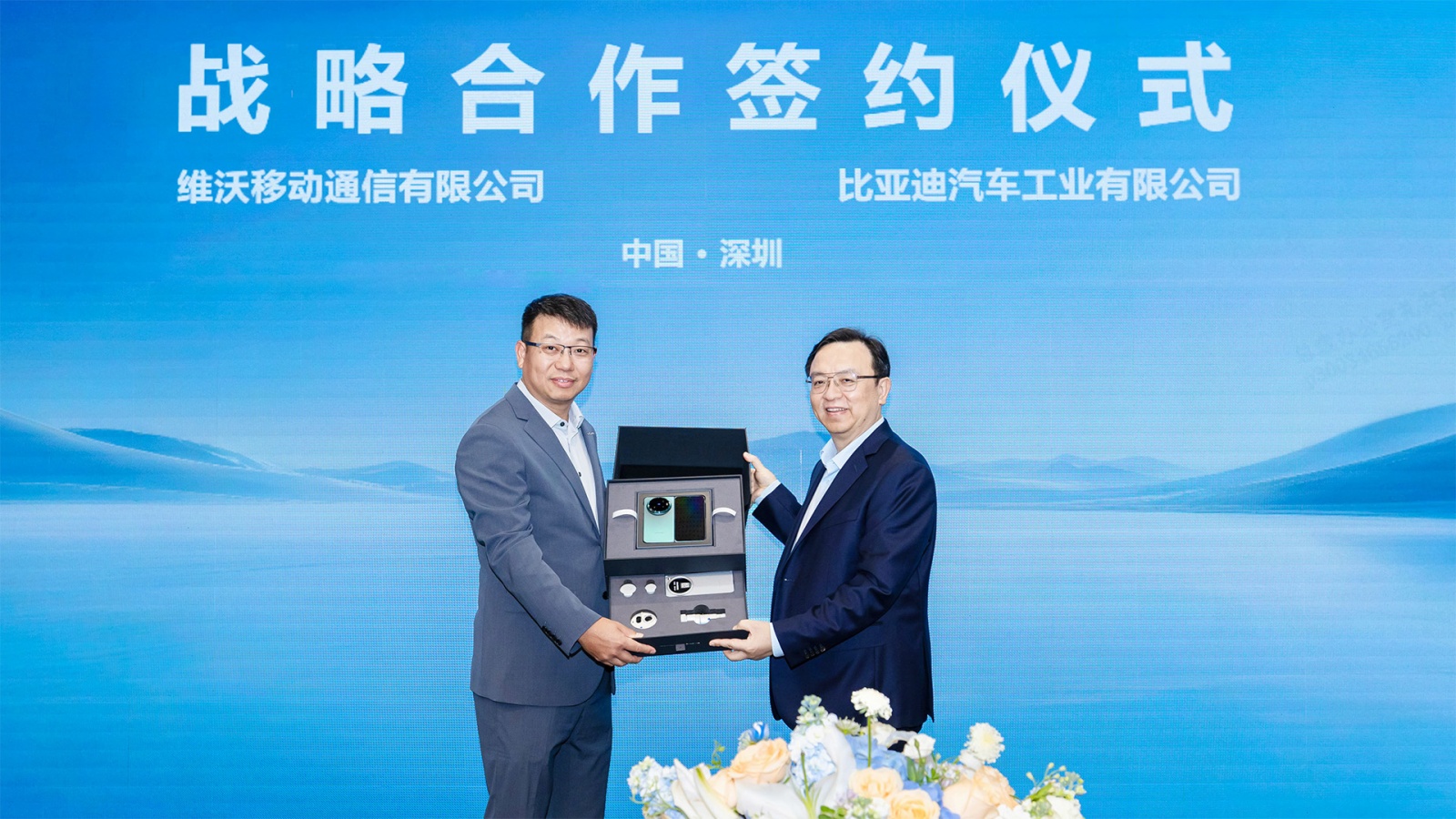
vivo and BYD have signed a strategic agreement to move their phone-to-car platform beyond basic device connectivity, aiming to combine operating systems, data and AI capabilities. The companies say their existing interconnectivity technology is already in use on nearly 5 million vehicles, while the next phase will let a vehicle system call on a vivo phone’s services for tasks such as navigation, payments and calendar management.
The agreement was signed in Shenzhen on October 30, 2026, in the presence of BYD chairman Wang Chuanfu and vivo president and chief operating officer Hu Baishan. vivo describes the partnership as a shift from connecting individual devices to integrating their software, data and AI functions.
vivo and BYD will move from interconnecting the phone and automobile to integrating them, delivering a seamless, safe and convenient experience for users.
vivo official statement
Current phone-to-car features
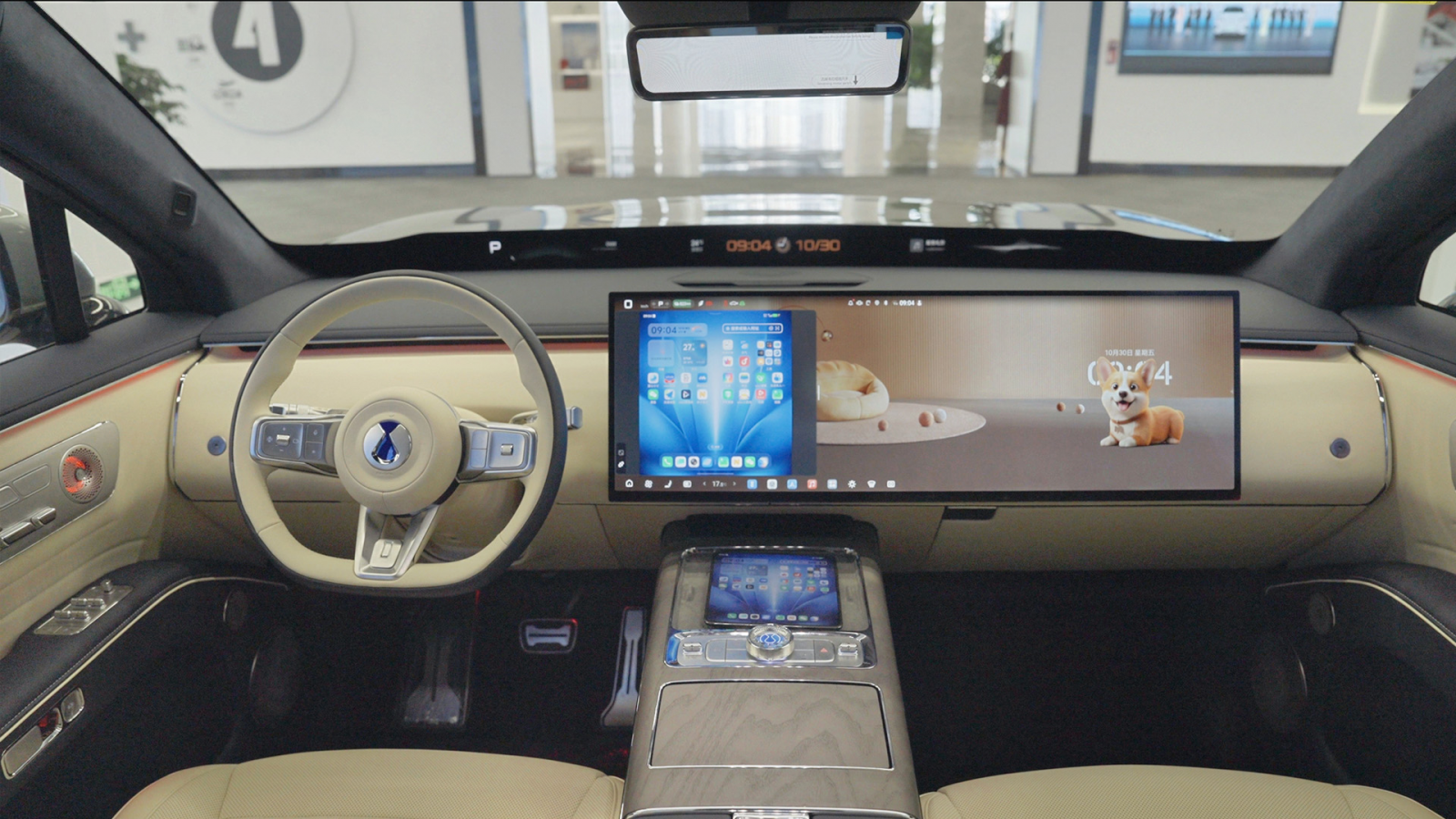
Some results of the partnership have already appeared on the Denza N8, a model from BYD’s premium brand. The available functions extend beyond Bluetooth audio playback and include the following.
- Screen mirroring: phone apps can be displayed and used through the vehicle’s infotainment system.
- NFC pairing: placing a phone near a compatible point can begin the connection without navigating manual pairing menus.
- Integrated voice control: the phone and vehicle systems can work together to access digital services.
- Digital keys: a phone can act as an NFC key, while certain smartwatches can also be used to access the vehicle.
BYD demonstrations have shown the Denza N8 using a vivo X Fold6 foldable, including screen-mirroring integration with the vehicle’s large infotainment display. The new agreement focuses on linking the AI agents in the car and phone, rather than leaving the vehicle dependent solely on its own apps. Demonstrated voice-driven scenarios include checking and creating calendar appointments, making payments and launching navigation.
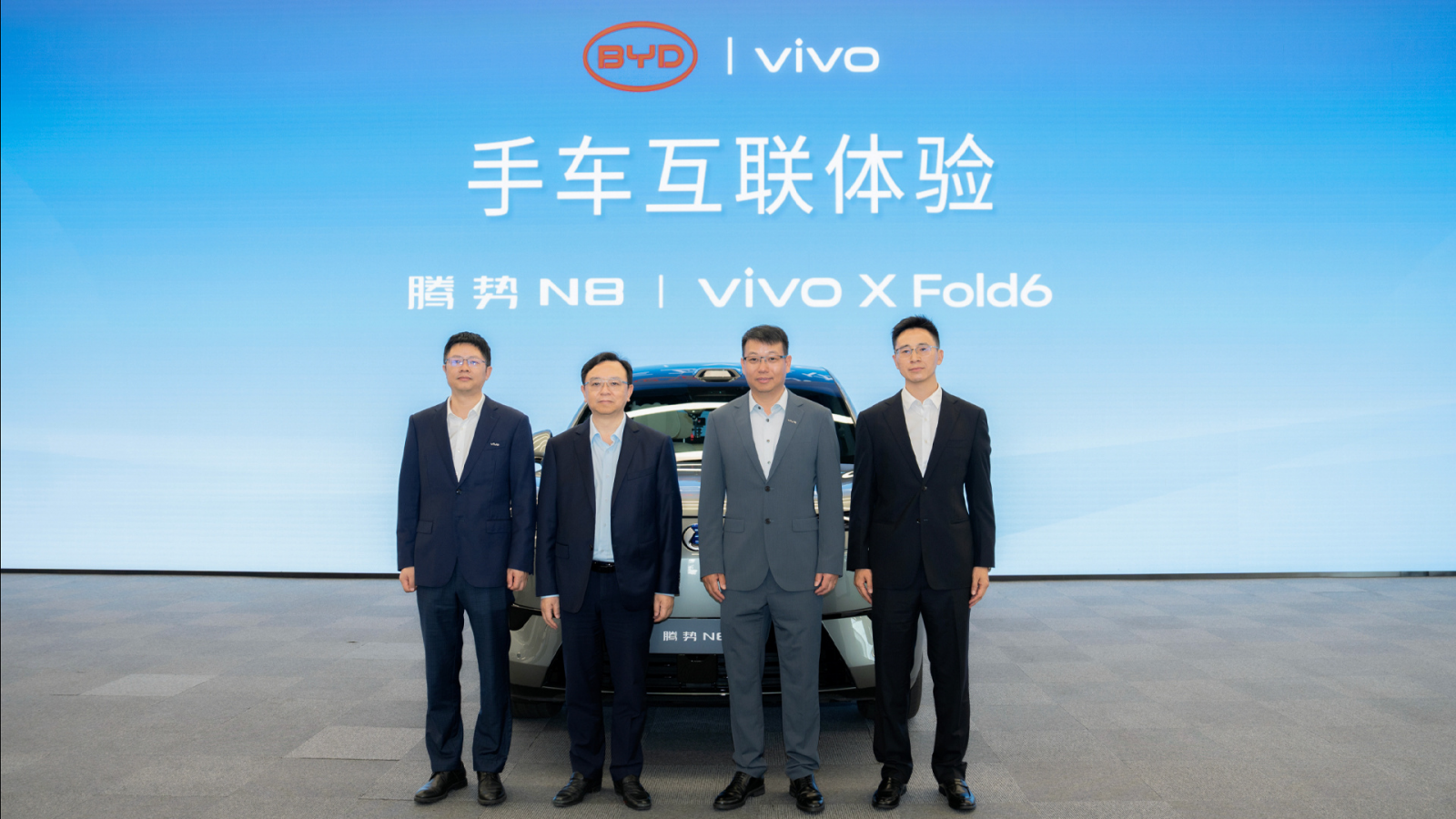
The companies plan to make the current interconnectivity functions available on selected models across BYD Group brands by the end of 2026. More advanced service handoffs and AI capabilities are planned for late 2026 through 2027.
vivo and BYD also intend to bring the technology beyond China, but have not released a full list of compatible phones and vehicles for international markets. That leaves the scope and timing of the wider rollout as the key outstanding details.