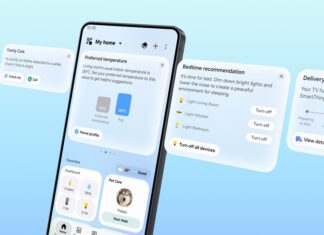

Deutsche Telekom, Orange, Vodafone and Telefónica are in preliminary discussions over a joint bid for European 2 GHz spectrum, a move that could give the region’s largest carriers a route into direct-to-device satellite services. Compatible phones could connect with satellites where terrestrial mobile coverage is unavailable, although the companies have not made a final decision on participating.
The four operators reportedly involved are:
Direct-to-device, or direct-to-mobile, technology allows a compatible handset to communicate with a satellite without a separate satellite antenna. Depending on the network and implementation, the link could support voice, messaging or data services. The model is intended to complement 4G and 5G networks in remote areas, at sea, or when ground infrastructure is disrupted.
The European Commission has proposed a new mechanism for allocating the 2 GHz band once current licenses expire in 2027. Two-thirds of the spectrum would be assigned to commercial services, including direct-to-device connectivity, while part would be reserved for European operators entering the satellite market. A combined bid by the four carriers could emerge under that framework, but the talks remain at an early stage.
The potential carrier alliance sits alongside the EU’s broader IRIS² secure satellite-connectivity program. The IRIS² constellation was expanded to 348 satellites in 2026, with first launches planned for 2029 and initial services targeted for 2030. Alongside commercial connectivity, the project is designed to provide secure communications for public institutions, defense and emergency response.
Starlink Direct to Cell is pursuing a similar goal of extending phone connectivity beyond conventional cellular coverage. Europe’s proposed spectrum approach would instead aim to retain more of the satellite infrastructure, spectrum and service layer within European companies. Whether the four operators move from discussions to a formal joint bid remains the immediate unanswered question.