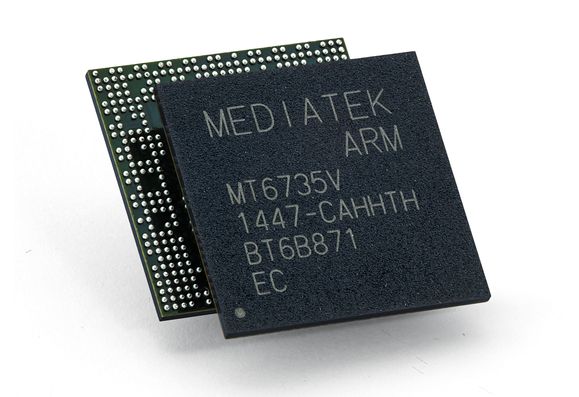

Huawei says its next Kirin processor architecture can deliver large power reductions against the Kirin 9030 Pro while maintaining comparable performance. In an updated paper attributed to He Tingbo, the company reports power savings of 66% for the NPU, 58% for the GPU and 41% for the CPU in its Kirin 2026 results.
The claimed gains are tied to Huawei’s Tau Law strategy and its LogicFolding technology, introduced in the spring as an alternative to relying solely on ever-smaller manufacturing nodes. The approach reorganizes chip logic across multiple levels to reduce the distance data must travel through the processor.
Huawei reports a 55% increase in transistor density with the design. Typical interconnect length within a core is said to fall by 20% after folding, while some critical paths are shortened by as much as 70%. Connections in the processing-module clock network are also claimed to be 28% shorter.

In a GPU test running at 61 fps, Huawei says Kirin 2026 operated at 200 mV lower voltage than the Kirin 9030 Pro and used 58% less power. Its HNX CPU test reportedly achieved the same performance at a 9% lower frequency and 200 mV lower voltage, resulting in the claimed 41% reduction in power consumption.
For AI processing, Huawei cites 29 TOPS performance with a 0.30 V voltage reduction and 73% lower power density. A Turbo mode is said to reach 70 TOPS, a claimed 141% increase over the previous generation, while GPU frame rate could rise by 42%. HarmonyOS 7.0 is also being optimized for Kirin processors based on Tau Law, according to the report.
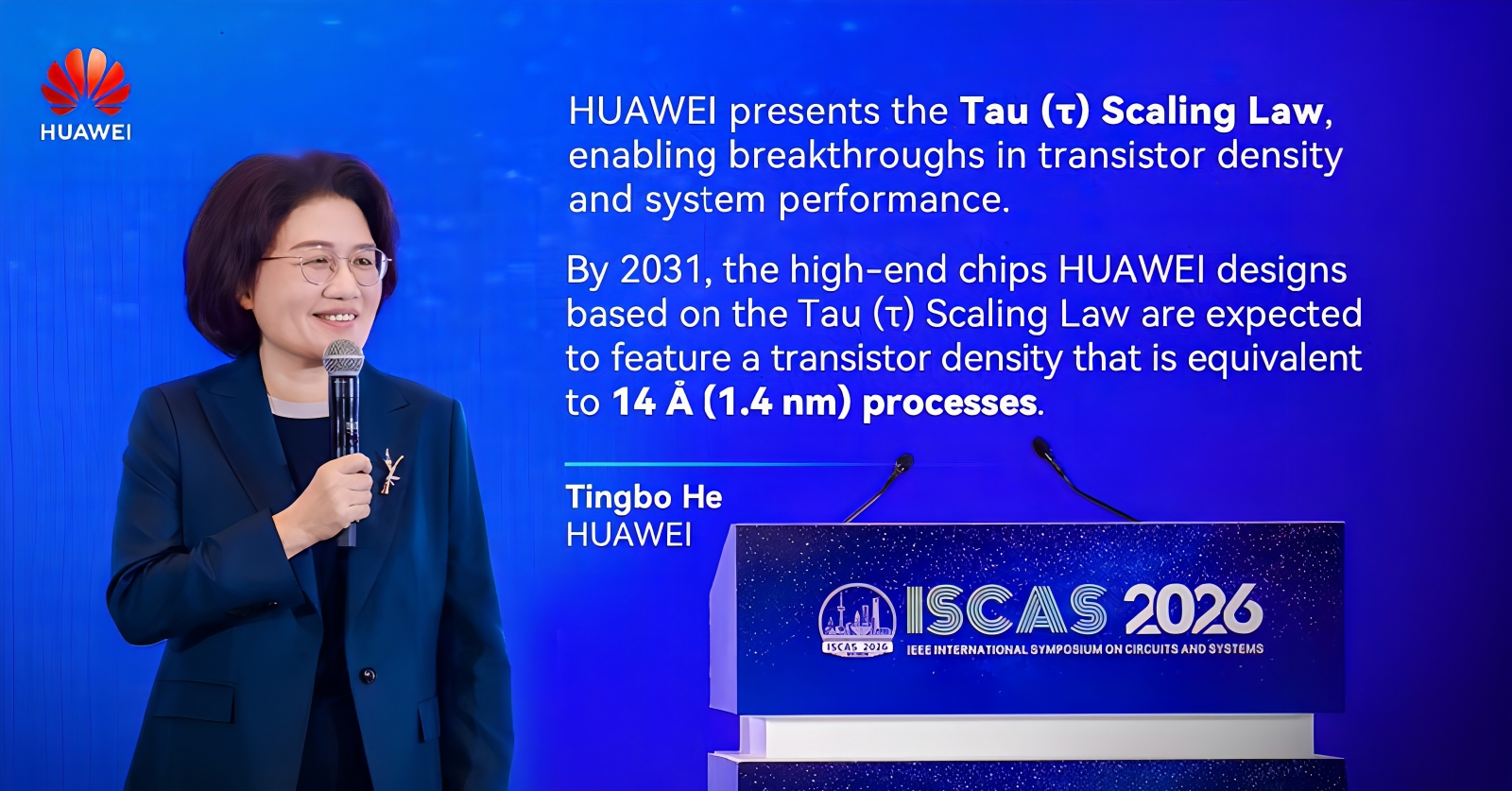
LogicFolding could be especially significant for Huawei as it seeks architectural gains without access to the same leading-edge fabrication processes used by some rivals. However, the company does not present the technology as an automatic efficiency boost: He Tingbo notes that its benefits can instead be directed toward higher performance, potentially pushing power density above that of earlier generations.
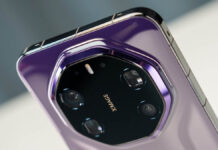
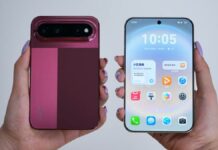
Reports from August indicated that the Huawei Mate 90 Pro, Mate 90 Pro Max and Mate 90 RS Ultimate Design may use Kirin 2026 chips, while the standard Mate 90 could retain the Kirin 9030. Those product plans remain unconfirmed, and Huawei’s performance and efficiency claims still await independent testing in a commercial device.