
Huawei is positioning the Watch D3’s inflatable wrist cuff around a simple gap in blood pressure habits: in a July 2026 survey of 1,585 UK adults aged over 40, just 20% said they check their blood pressure daily. At the same time, 92% said tracking readings over time was more useful than relying on a single measurement.
The Huawei Watch D3 x Hearst Hypertension Study measures attitudes and self-reported habits, rather than serving as a clinical validation of the Watch D3’s measurement accuracy. Still, its findings align with Huawei’s emphasis on building a record of readings rather than treating one result as a complete picture.
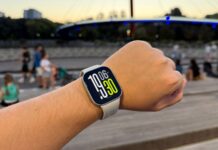
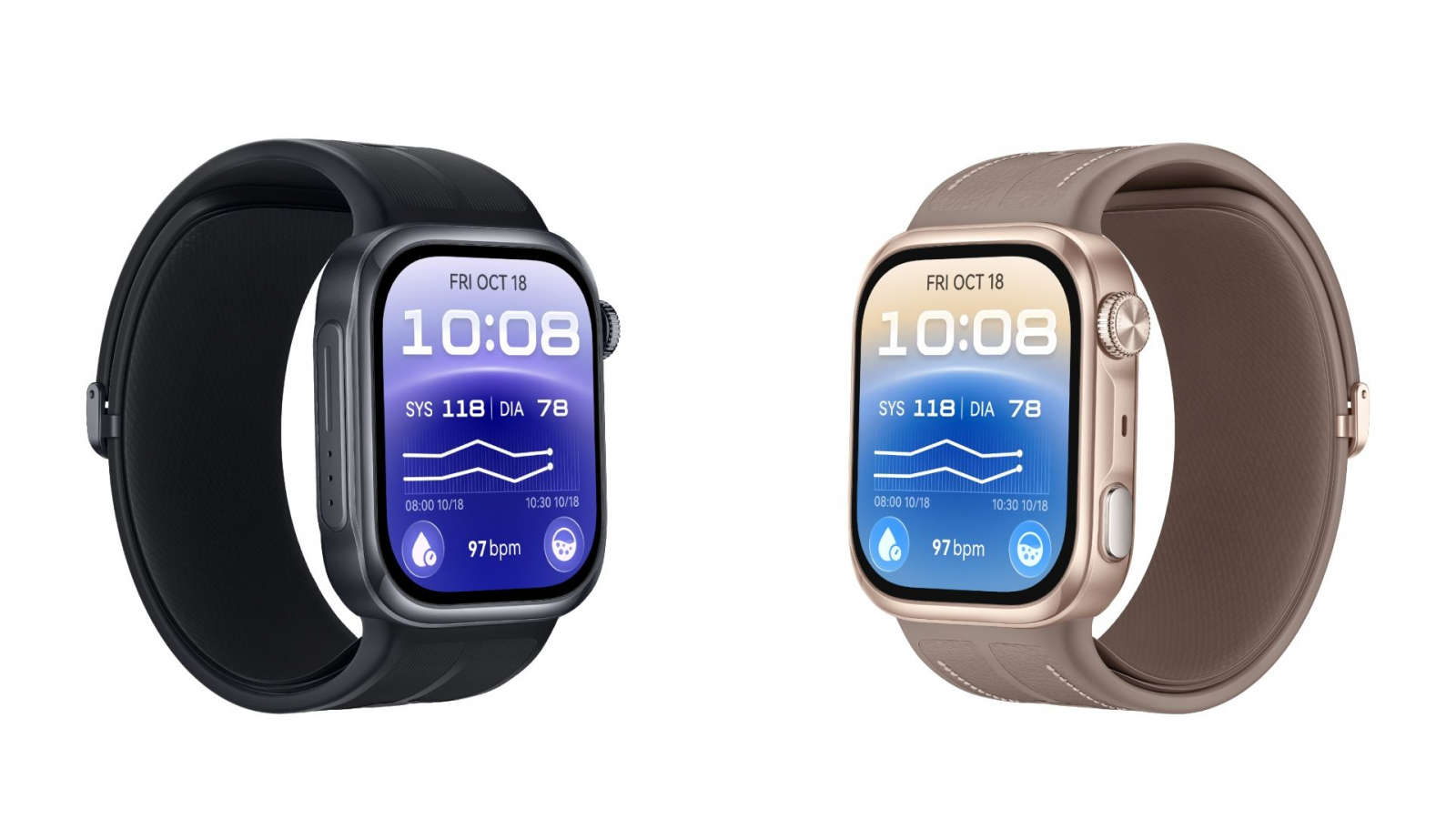
The Watch D3 uses an oscillometric method, combining a mechanical airbag with a pressure sensor. Its distinguishing hardware is a small pneumatic cuff integrated into the strap that inflates around the wrist. Huawei also offers a 24-hour ambulatory blood pressure monitoring, or ABPM, program that produces daytime, nighttime and whole-day averages, with a report available in the Huawei Health app.

Huawei’s D3 follows the same cuff-based approach used by the earlier Watch D2, while reducing the watch’s size and adding blood-pressure measurements before and after certain physical activities. The company is tying the product messaging to World Heart Day on September 29, whose 2026 theme is “Don’t Miss a Beat” and focuses on potentially overlooked symptoms and cardiovascular risk factors.
Wearable data moves into research
Huawei also introduced Terve Research at ESC Congress 2026 in Munich. Built with European medical technology company Thryve, the platform is intended to let researchers run studies using wearable data from participants who consent to its use.
Terve Research can support closed studies that recruit selected participants directly, as well as open projects in which eligible users in Europe can opt in. The initiative could give wearable makers a route to collect longer-term, consented datasets for research, but the platform’s eventual studies and findings will determine its practical significance.