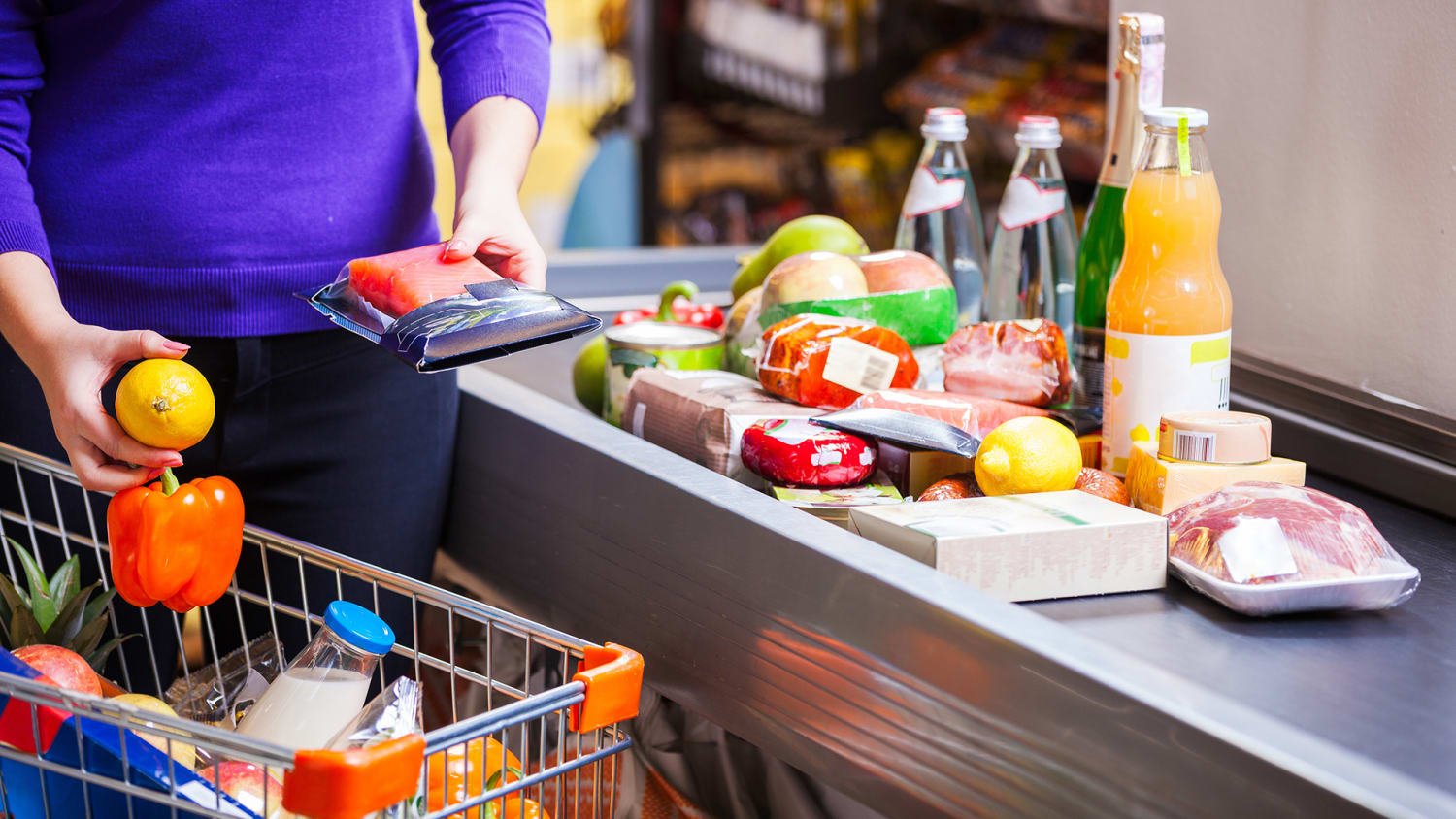
Retailers are cooling on self-checkout investment as the technology’s promised labor savings face growing pressure from shrink, technical failures and the staff needed to keep lanes operating. In the Voice of the Retail Industry Survey 2026, 36% of 340 retail operators said they planned to invest in self-checkout this year, down from 43% in 2025.
The survey identified self-checkout as the only technology category measured to post a year-over-year decline in investment interest. The systems can reduce queues in some settings, but retailers must account for items scanned incorrectly or not scanned at all, whether by accident or intent, along with the cost of employees assigned to monitor the machines and help shoppers.
Speed is another limitation. An experienced cashier can often process a basket more quickly than a customer handling product scans, prompts and age or item-verification alerts. A 2021 survey found that more than two-thirds of shoppers had encountered problems when using self-checkout machines.
Several major U.S. chains have adjusted how they deploy the technology rather than treating it as a full replacement for staffed checkout lanes:
- Dollar General removed self-checkout systems from 12,000 stores in 2024.
- Walmart has increased staff involvement around self-checkout.
- Costco has increased staff involvement around self-checkout.
- Kroger has increased staff involvement around self-checkout.
- Target limits self-checkout to purchases of up to 10 items.
The shift does not signal the immediate disappearance of self-checkout, but it does show a more selective approach to automation in physical retail. The key question for operators is whether tighter lane limits, additional oversight and loss-prevention measures can make the systems economical without undermining the convenience they were designed to offer.