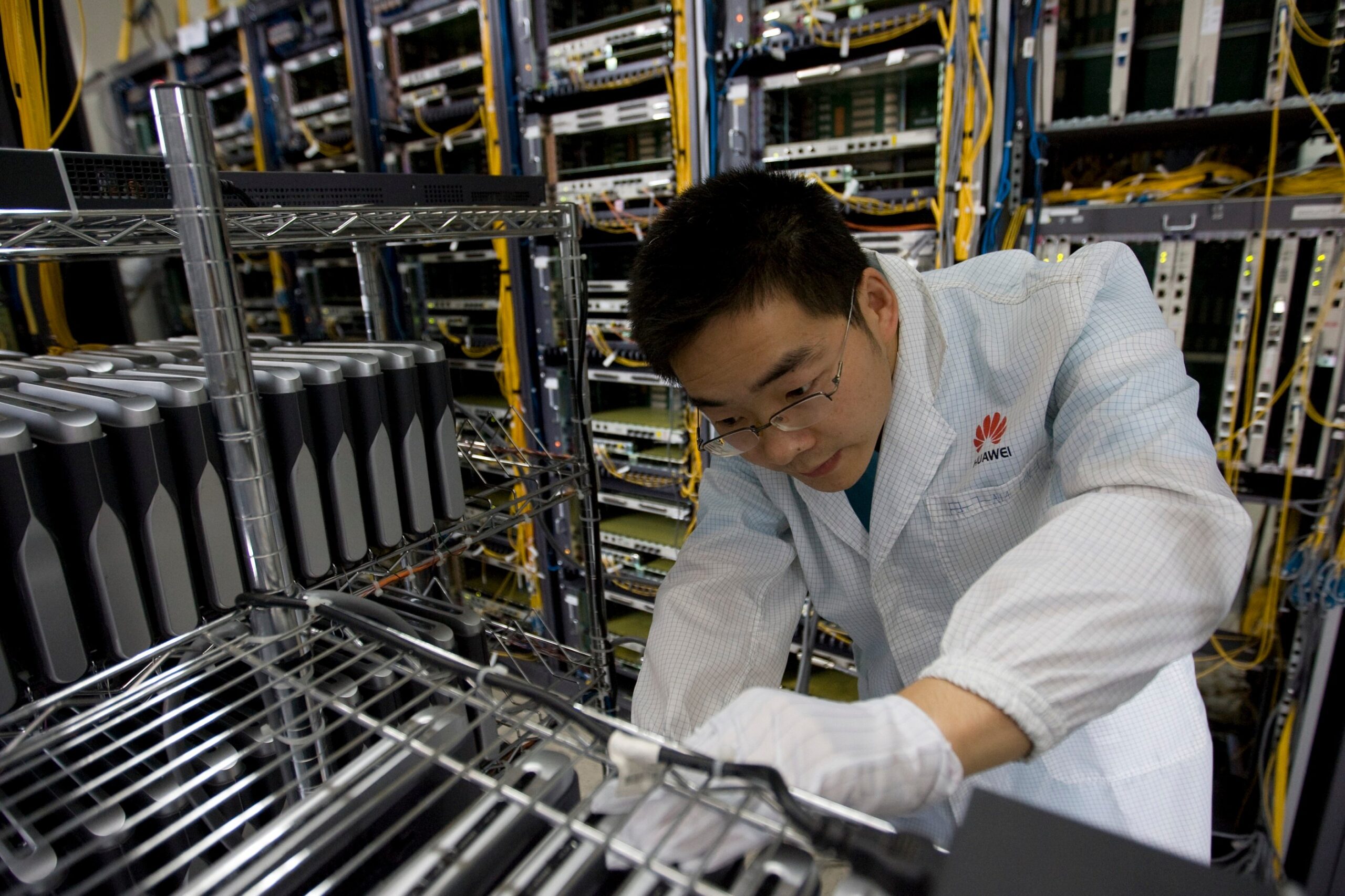
Huawei spent 121.4 billion yuan on research and development in the first half of 2026, a 25% year-on-year increase that pushed its R&D bill to more than a quarter of revenue. The heavier investment coincided with a 36% decline in net profit to 23.8 billion yuan, according to Shanghai Clearing House filings reported by the South China Morning Post.
Revenue still climbed 9.55% to 467.8 billion yuan, up from 427 billion yuan a year earlier. Huawei’s smartphone recovery and demand for its AI processors were identified as key contributors, while the company continues to channel a larger share of its sales into technology development.
The cost of that push is also apparent in cash flow. Operating cash flow moved from a positive 31.2 billion yuan in the first half of 2025 to negative 39.9 billion yuan in the latest period. Higher component costs, particularly for memory, added further pressure alongside the spending on chip and AI development.
Smartphones remain an important buffer for the company. Huawei reportedly reached a 22.6% share of China’s smartphone market in the second quarter, with shipments rising 19.4% from a year earlier. At the same time, it is expanding investments beyond handsets, including Ascend processors and AI infrastructure.
US restrictions have intensified Huawei’s effort to reduce its reliance on overseas technology. The company has previously said the restrictions accelerated China’s domestic chip industry, but the first-half figures underline the financial burden of that strategy. Its next major product test is expected to be a new 2026 Kirin generation for Mate flagships due this autumn.