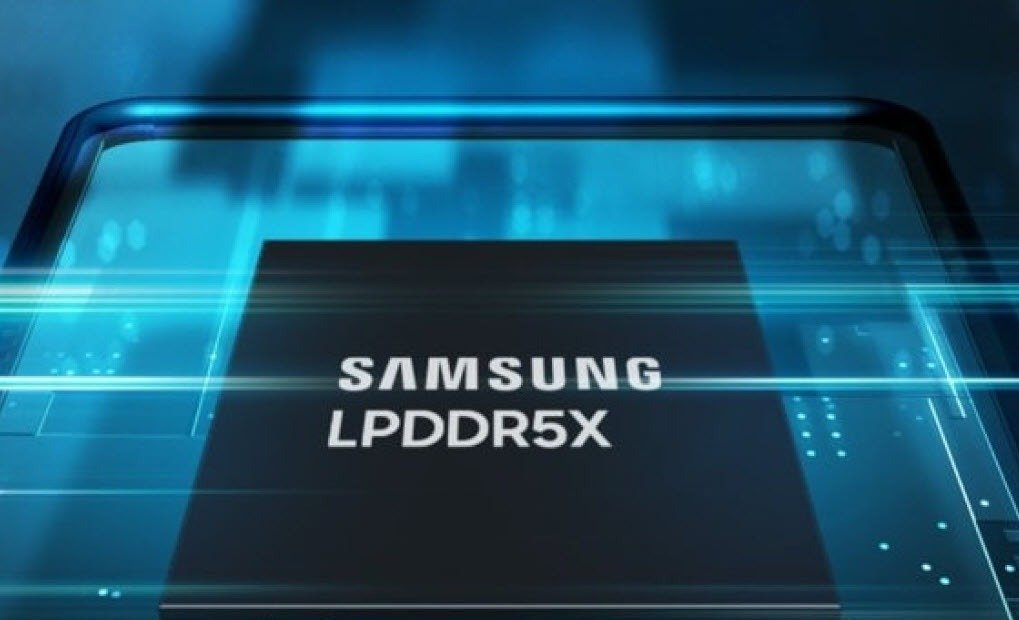
Samsung is reportedly preparing to outsource a growing share of conventional DRAM module production and assembly, particularly for DDR5, as it redirects internal resources toward high-bandwidth memory (HBM) for AI accelerators. The plan does not indicate that Samsung will stop making DRAM chips; rather, it focuses on shifting standard-module production, testing and assembly work to partners.
The reallocation could free space and equipment at Samsung’s Cheonan and Onyang facilities for advanced HBM packaging. HBM stacks multiple DRAM dies, and newer generations have lower manufacturing yields while consuming substantial production capacity. HBM4 is expected to bring considerably higher revenue potential than standard memory as demand from AI data centers continues to exceed industry supply.
- Dreamtech in India is preparing a DDR5 line with capacity of more than 50 million modules per year.
- Hanyang Digitech in Vietnam is among the companies Samsung is reportedly discussing expanded DDR5 work with.
- SFA Semicon in the Philippines is expected to transfer DDR5 equipment from South Korea.
Samsung is encouraging its partners to complete DDR5 lines under construction earlier and add capacity. The strategy lets the company expand output of mainstream memory modules without dedicating the same in-house footprint to products that carry lower margins than advanced HBM.
The change comes as Samsung, SK hynix and Micron prioritize HBM, server memory and long-term supply agreements with major AI infrastructure customers including NVIDIA, Microsoft and Google. Supplier inventories are at very low levels, while incremental supply is being directed mainly toward servers, according to TrendForce.
TrendForce estimates that contract prices for conventional DRAM could continue rising by 13% to 18% per quarter, with consumer memory among the categories most exposed. That could keep RAM costs elevated for PC and laptop makers, while smaller device manufacturers may face pressure to raise prices, reduce memory configurations or delay launches as capacity shifts toward AI-focused products.