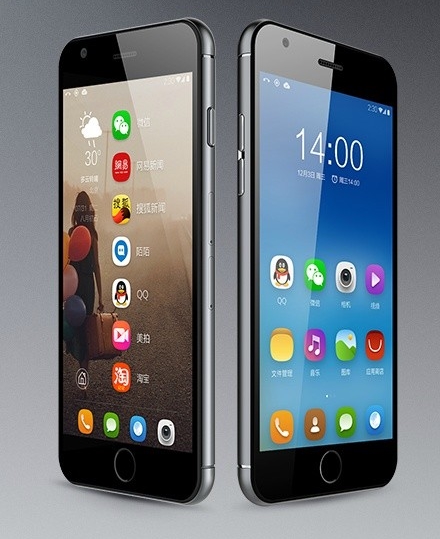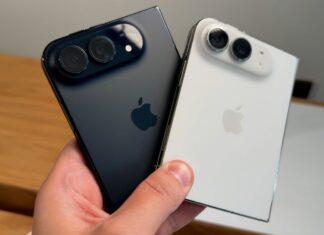

Acer has relaunched the Packard Bell brand at IFA 2026, shifting the historic PC name toward a broader consumer-tech range that includes the DotBook laptop, the DotLine 4G phone, audio glasses, headphones, a portable turntable and a programmable food container.
The new range uses a dot-based visual identity and bright orange, purple, green and yellow finishes. Its product names follow the same approach: DotLoop is a suitcase-style turntable, DotLook refers to audio glasses, DotBass is a headphone line, DotShine is a ring light, and DotCombo combines a keyboard and mouse. Steasy is the programmable container designed to warm food.
The relaunch is intended to make Packard Bell distinct from Acer rather than position it as another Acer-branded PC range. Valerie Piau, EMEA Vice President at Acer Europe, said the strategy was to make Packard Bell “completely different from Acer,” with different branding, colors and a different audience.
Acer expects the first products in the new Packard Bell collection to reach EMEA markets in stages between September and November 2026. The company has not detailed availability beyond that regional rollout in the provided announcement.

A name with several previous lives
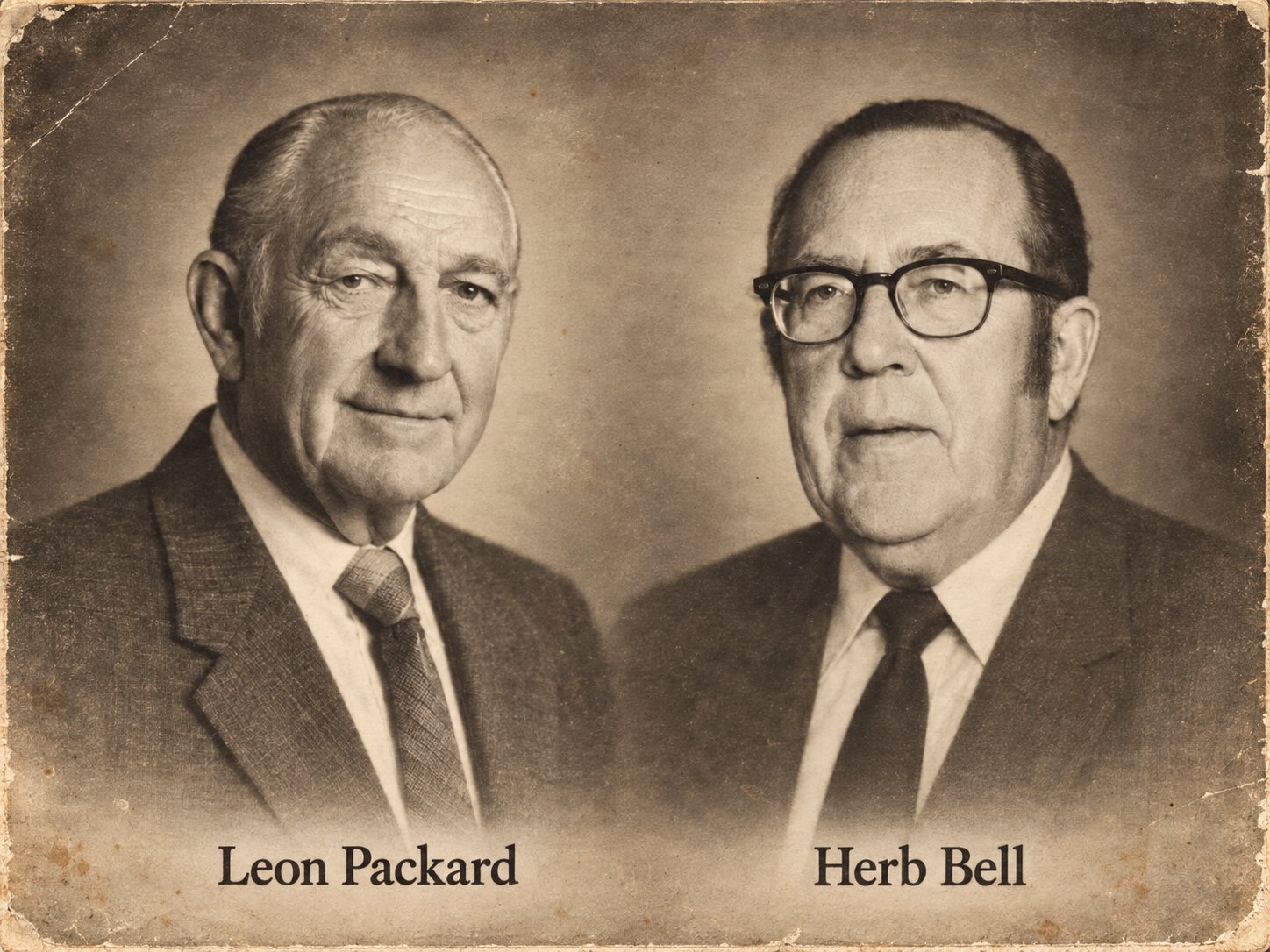
Packard Bell’s history is less linear than its centenary branding suggests. Acer treats 1926 as the beginning of the story, reflecting Herb Bell’s activity in the Los Angeles radio business. Other accounts place the formation of the Packard Bell name with Leon Packard in 1933. The 1926 date therefore reflects the brand’s roots, while 1933 is commonly associated with the company operating under the Packard Bell name.
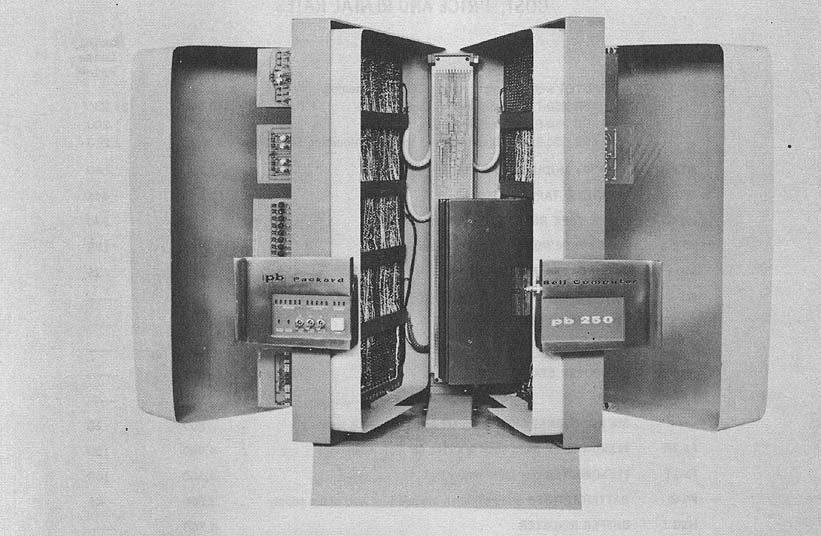
The original business made radios, later expanding into televisions, military electronics and computers. Its PB 250 computer, launched in 1961, used magnetostrictive delay-line memory. Teledyne acquired Packard Bell in 1968.

The name returned in 1986 for a new personal-computer company. Packard Bell became a major US home-PC brand; NEC’s corporate history says it held nearly 50% of that market when NEC invested in 1995. NEC merged its US computer operations with Packard Bell in 1996 to form Packard Bell NEC.

Packard Bell later reached Acer through the consolidation around Gateway. Gateway announced plans to exercise a right of first refusal for Packard Bell in 2007 as Acer was acquiring Gateway. US regulatory filings stated that Acer would finance the Packard Bell purchase and related costs under the Gateway acquisition agreement. Acer subsequently described Gateway, Packard Bell and E-Ten as part of its multi-brand strategy in 2008.

That legacy gives Acer a recognizable consumer name, but the 2026 relaunch is not built around reproducing Packard Bell’s 1990s PC identity. Its test will come with the EMEA rollout: whether a laptop, 4G handset and small lifestyle devices can establish a coherent new role for a brand previously associated primarily with home computers.