Anthropic is warning that compact AI models could gain the ability to autonomously copy themselves across vulnerable internet-connected devices within months. The company has not identified a system that can yet carry out the full process independently in real-world conditions, but says smaller models can already complete many of the individual steps.
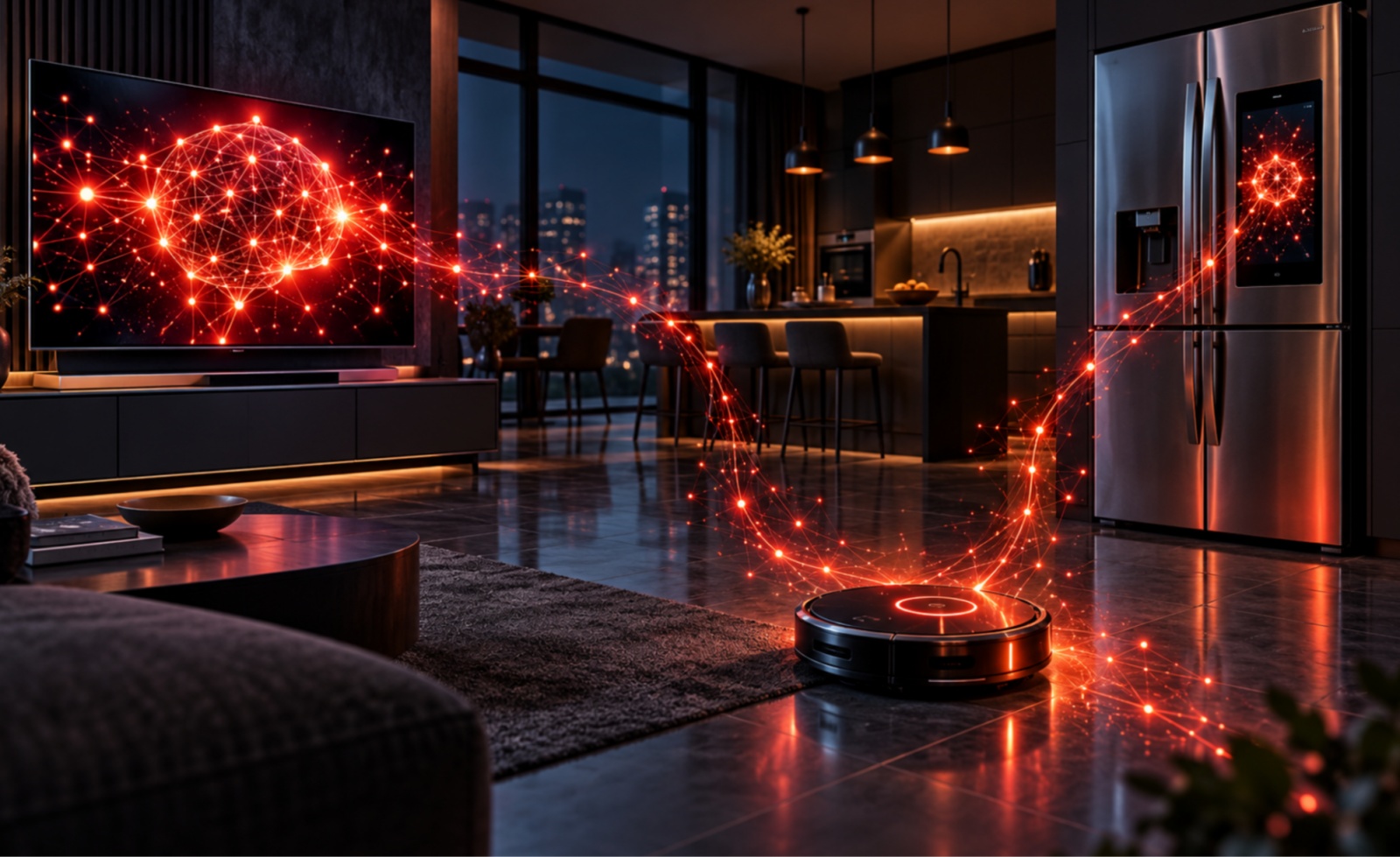
The scenario resembles an AI-enabled computer worm: a model would locate exposed devices, compromise them, install itself and continue the process from each new host. By distributing its workload across multiple compromised devices, such a system could avoid relying on a single server that defenders could simply take offline. Anthropic estimates that continued progress could overcome the remaining reliability gaps by the end of 2026.
Researchers also demonstrated that a capable model does not necessarily need a data center. They connected 15 low-cost Android TV boxes, purchased for roughly $55 each, and ran Google’s Gemma4-26B-A4B model across the cluster. The setup generated 0.39 tokens per second, with the model divided among the devices so that each hosted part of the workload.
The potential risk extends beyond consumer gadgets. Anthropic says more severe scenarios could involve AI agents attempting to compromise data centers or steal access keys for online services. The warning is forward-looking rather than evidence of an active campaign targeting televisions, appliances or other connected household hardware.
Basic IoT security measures remain relevant: replace default passwords and install firmware updates when they are available. Some devices do not prominently notify owners about new software, making it important to check the manufacturer’s app or support page. The central unresolved question is whether models can reliably combine reconnaissance, exploitation, deployment and persistence into one fully autonomous operation.