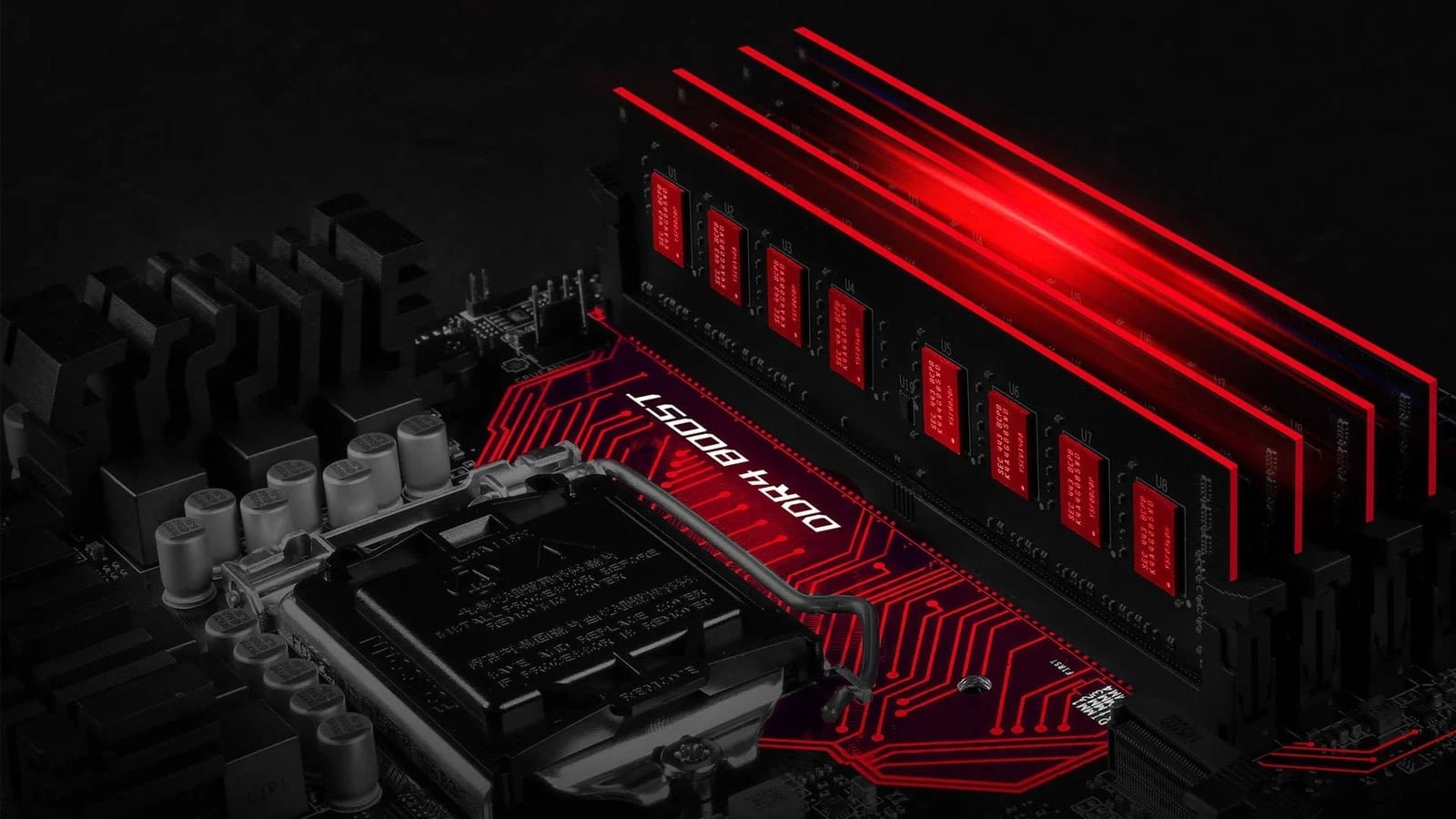
DDR4 memory is becoming more expensive faster than DDR5 despite being the older standard. Barclays estimates that DDR4 contract prices rose 4% in October 2026 and 24% over the preceding three months, compared with an approximately 20% increase for DDR5 over the same period. In some supply channels, DDR4 has reportedly become more expensive than DDR5.
The price pressure reflects continued demand from the large installed base of PCs, servers and industrial equipment built around DDR4. Moving to DDR5 is not a drop-in alternative: the two memory generations are incompatible, so an upgrade generally requires a platform change rather than a simple RAM swap.
Manufacturers may also face less predictable component costs as purchasing contracts become more closely tied to market pricing. One potential response is de-speccing, or reducing the amount of RAM fitted in some devices. That can control costs, but it could also limit performance in memory-intensive workloads.
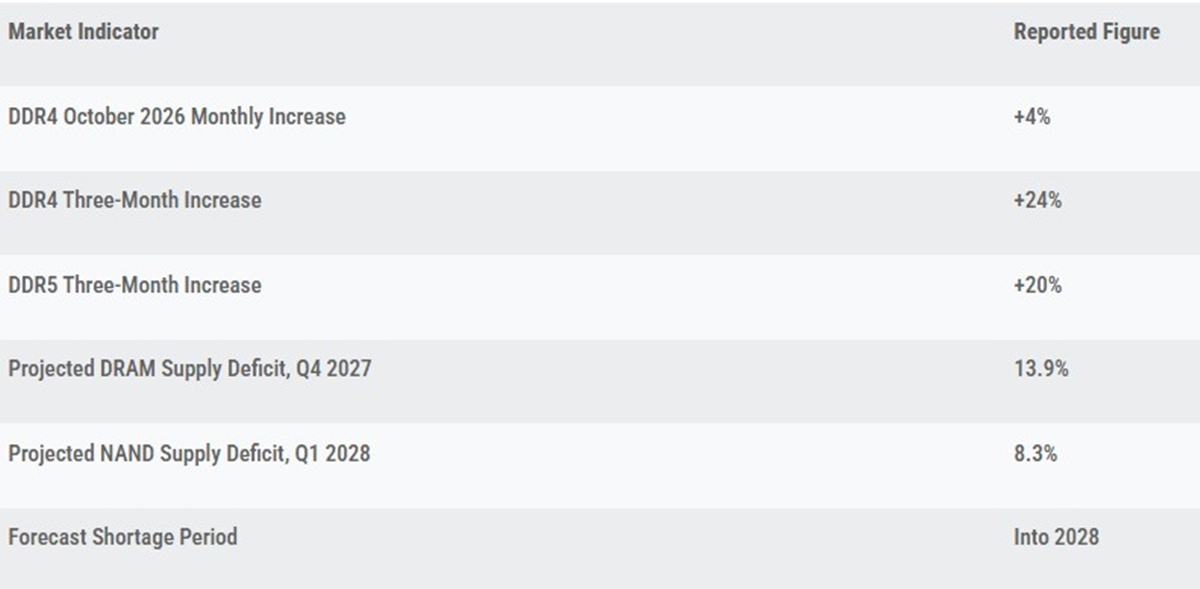
Longer-term forecasts suggest the wider flash and memory market could remain under pressure. Estimates point to a potential DRAM supply shortfall of 13.9% versus demand in the fourth quarter of 2027, followed by an 8.3% gap for NAND memory in the first quarter of 2028. These are projections rather than confirmed shortages.
Contract-price increases do not necessarily translate directly into identical retail hikes, since channel inventory, production capacity and regional conditions also affect end prices. The key uncertainty is whether constrained DDR4 supply will continue to make upgrades for older platforms less economical over the coming months.