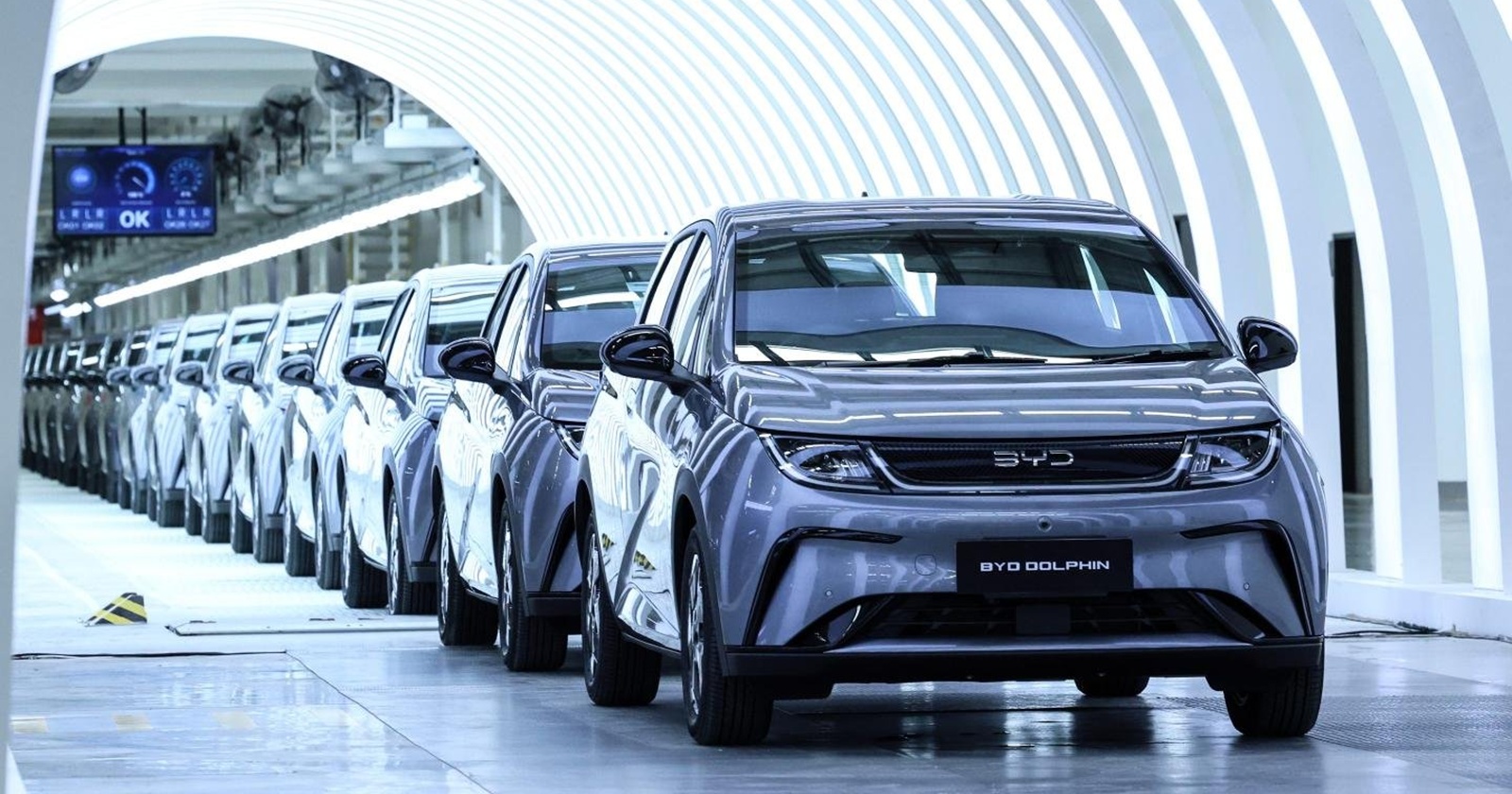
The European Union is reportedly preparing a four-year cap on hybrid-vehicle imports, starting at 350,000 vehicles in the first year. The measure could take effect on December 1, 2026, and is intended to support Europe’s automotive industry amid growing trade tensions with China.
Under the framework negotiated during European trade commissioner Maroš Šefčovič’s visit to Beijing, the import ceiling would increase by 6% annually beginning in the second year. Although the talks center on Chinese vehicles, the restriction would apply to hybrid imports from all countries rather than China alone, a structure intended to comply with World Trade Organization rules against discriminating among trading partners.
China’s allocation under the system could not be lower than the quota granted to any other exporting country. Šefčovič has said the restrictions could stop several million Chinese cars from entering the European market over the four-year period.
In return, Beijing has reportedly offered tariff relief covering about €4 billion in European exports. The proposed concessions include:
- Temporary removal of customs duties on certain automotive components.
- A 50% reduction in tariffs on footwear.
- A 50% reduction in tariffs on ice cream.
- A 50% reduction in tariffs on olive oil.
European officials hope the arrangement will help narrow the EU’s trade imbalance with China, estimated at roughly €1 billion per day. Talks also addressed rare-earth supplies and permanent magnets, with China indicating it could continue facilitating export licenses to the EU.
The proposal has not received final approval and is due to be reviewed by European leaders at a summit scheduled for October 15-16. That decision will determine whether the proposed December 2026 import cap moves forward.