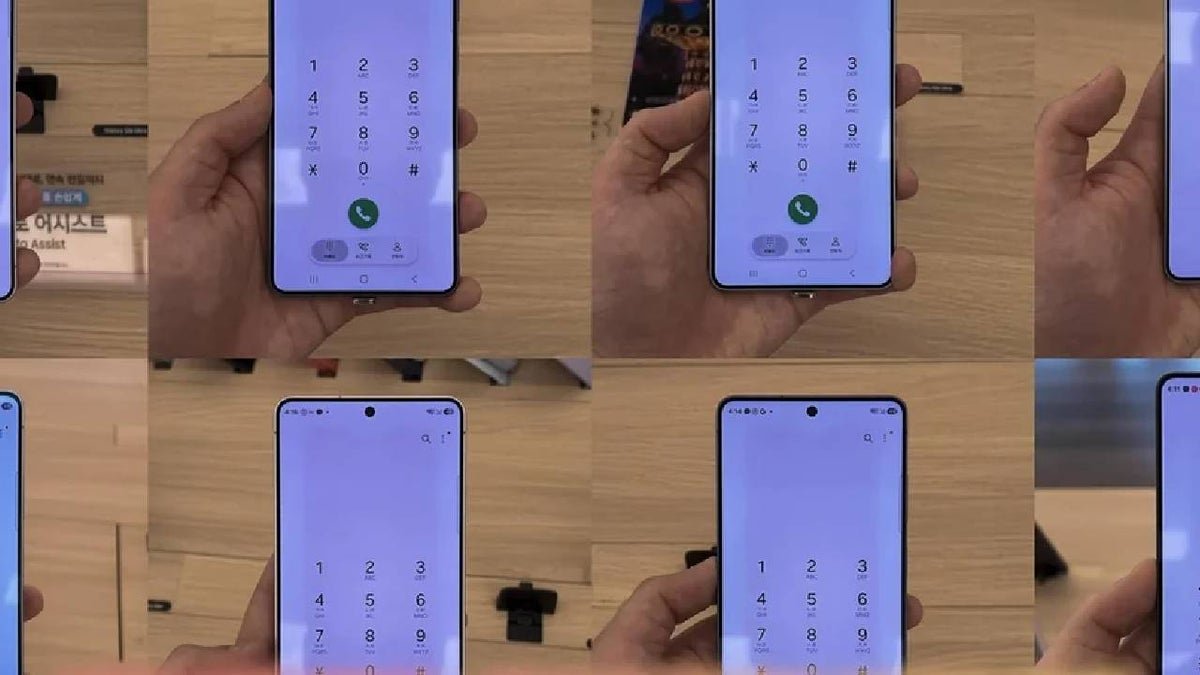
Reports of Galaxy S26 Ultra display issues are continuing after Samsung began distributing a color-optimization update on August 26. Some owners, primarily of early units sold in South Korea, say the original red or pink tint has been reduced but colored dots have appeared along the edges of the OLED panel. Other affected phones reportedly retain reddish areas at the top and bottom of the screen.
The issue was first reported in July, after a small number of Galaxy S26 Ultra owners noticed reddish display zones following several months of use. Samsung reportedly classified the behavior as a panel-calibration or software problem. It advised affected users in South Korea to seek service recalibration, while preparing a software fix for other markets.
The August update is intended to adjust the OLED panel’s RGB values, but early results do not appear consistent across affected devices. South Korean outlet Newsway reports that some phones developed edge discoloration even where the initial tint became less visible.

The Galaxy S26 Ultra uses Privacy Display technology integrated into the panel structure rather than a conventional software filter. Samsung Display says its Flex Magic Pixel system controls the direction of light at the pixel level, working with polarizer-free LEAD OLED technology and a multilayer Black Matrix structure to keep on-screen information visible head-on while restricting side-angle viewing.
There is no official confirmation that this panel technology is responsible for the reported defect. User theories have pointed to altered subpixel behavior in the new display structure, while others have speculated about manufacturing adhesive and its reaction to UV light. Neither explanation has been verified.

Samsung advises users seeing unusual colors to check settings including Adaptive Color Tone, Color Correction, Extra Dim and Eye Comfort Shield, all of which can change the screen’s appearance. If the issue remains, the company’s recommended next step is a service-center visit. Reports from South Korea also indicate that displays may be replaced free of charge when recalibration or the software update does not resolve the problem. It remains unclear whether the cases are limited to particular production batches or point to a hardware issue requiring intervention.