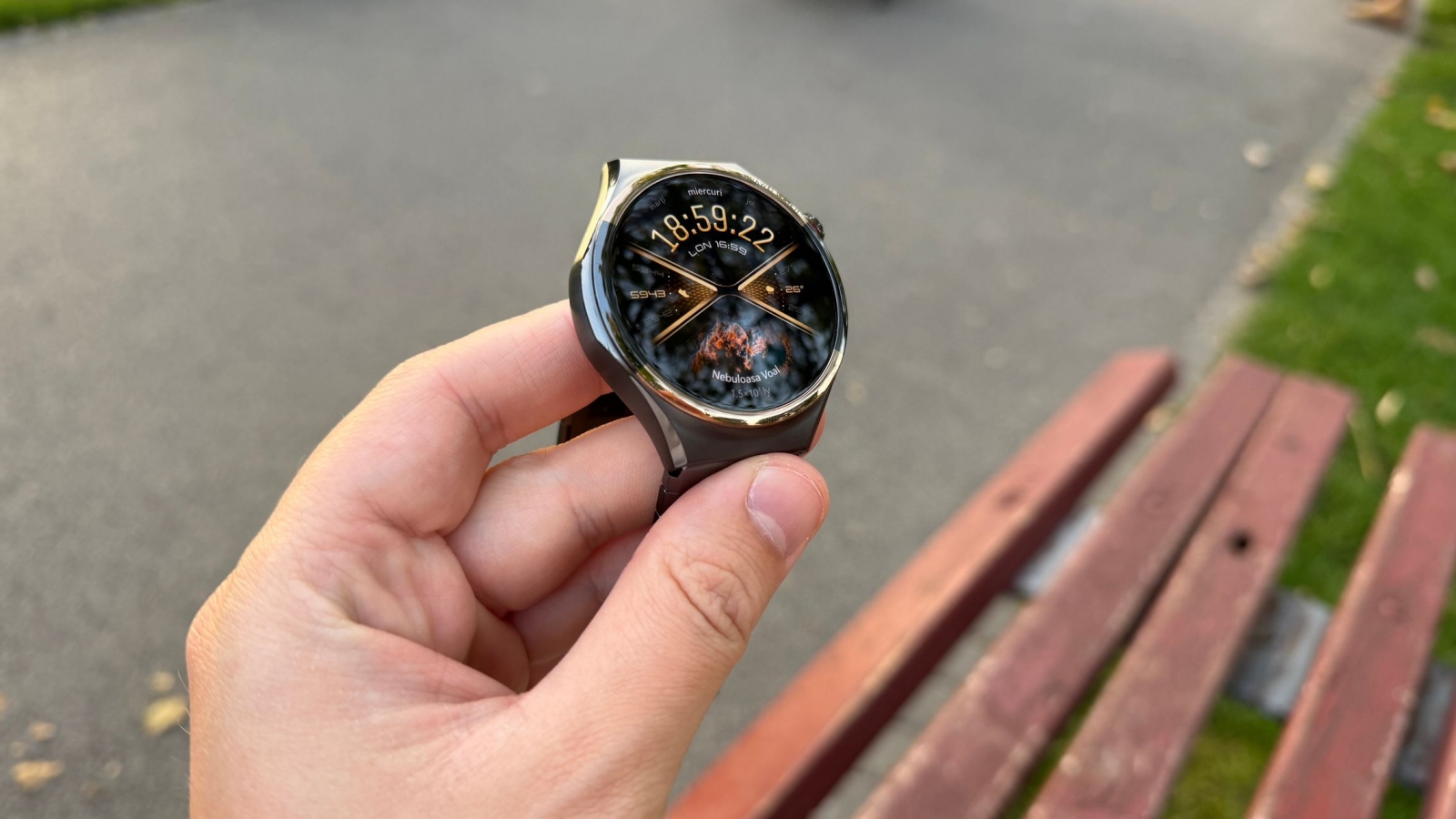
Huawei may be nearing the commercial launch of a continuous glucose monitoring (CGM) device after reportedly completing China’s Class III medical-device certification process. The claim comes from Weibo leaker FixedFocusDigital and has not been independently confirmed by Huawei, but it follows comments from Huawei Consumer Business CEO He Gang acknowledging that the company has been working on the project for roughly four years.
Unlike smartwatch features that assess indicators associated with a risk of elevated blood glucose, a CGM system is intended to track glucose levels continuously and alert users when readings rise or fall too far. Conventional CGM products generally use a sensor worn on the arm or abdomen, with a thin filament placed under the skin to measure glucose in interstitial fluid. They can reduce the need for repeated finger-prick tests, but are not fully noninvasive.
Huawei’s current wearables offer glucose-related assessments, not direct blood-glucose readings. Its existing approach includes:
- Watch 4: features that estimate the risk of high blood glucose using physiological data gathered by its sensors.
- Watch 6: a dedicated app for glucose research and assessment.
- Watch GT models: similar glucose-risk-related functions.
The reported Class III status would be significant because the category covers higher-risk medical devices in China and carries stricter safety, clinical-testing and quality-control requirements. It does not reveal how Huawei’s device works, however. The company has not said whether it would use an under-skin sensor similar to existing CGM products or pursue an optical approach that avoids skin penetration.
Accuracy, battery life, pricing and availability outside China are also unconfirmed. A verified noninvasive glucose-reading wearable would be a major development in a field being researched by companies including Apple and Samsung, but Huawei’s hardware design and launch timing remain the key unanswered details.