
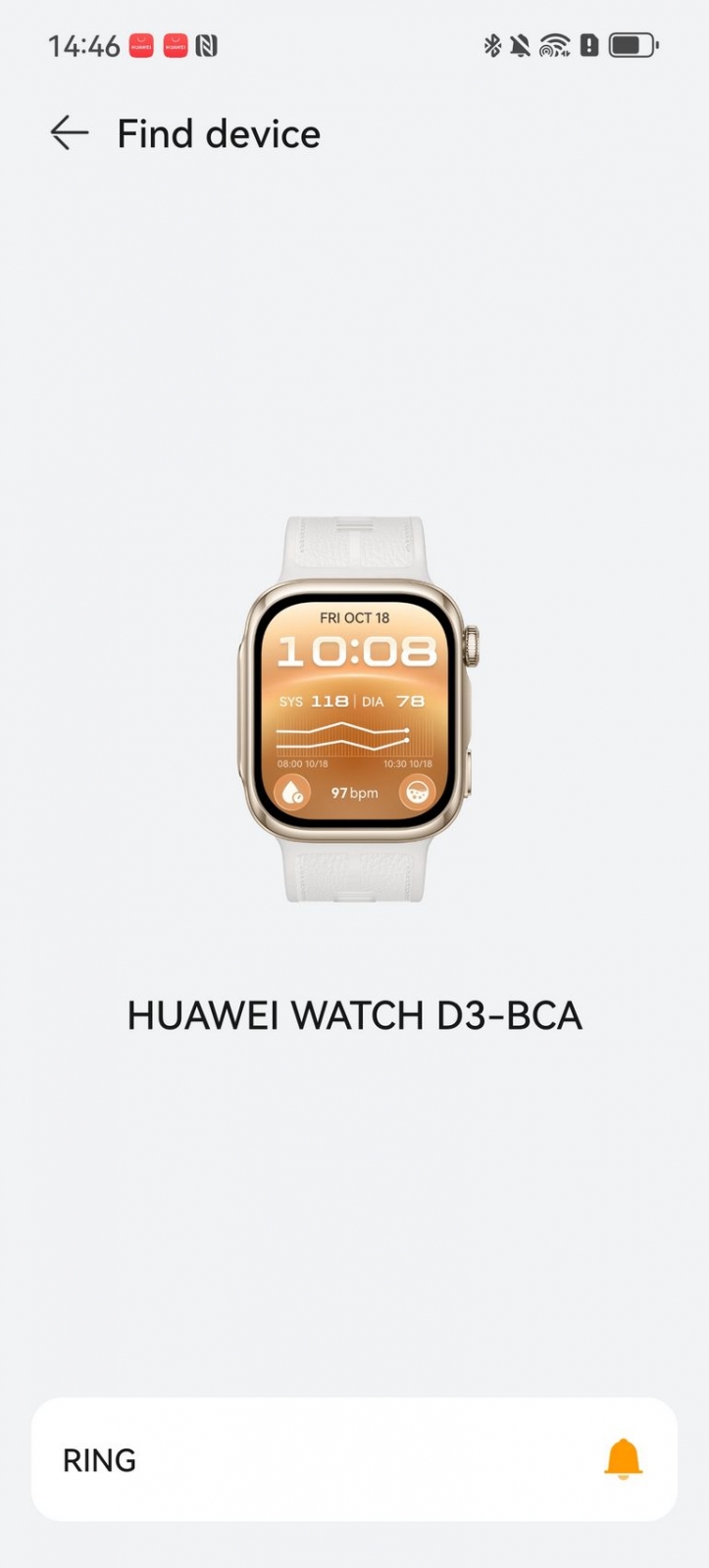
Huawei Watch D3 expands the company’s cuff-equipped smartwatch concept with blood-pressure readings designed for before and after exercise. The feature is intended to track changes around cardio activity, while the watch also retains 24-hour ambulatory blood-pressure monitoring (ABPM), ECG measurements and a broad set of sleep, heart-rate and SpO2 tools.
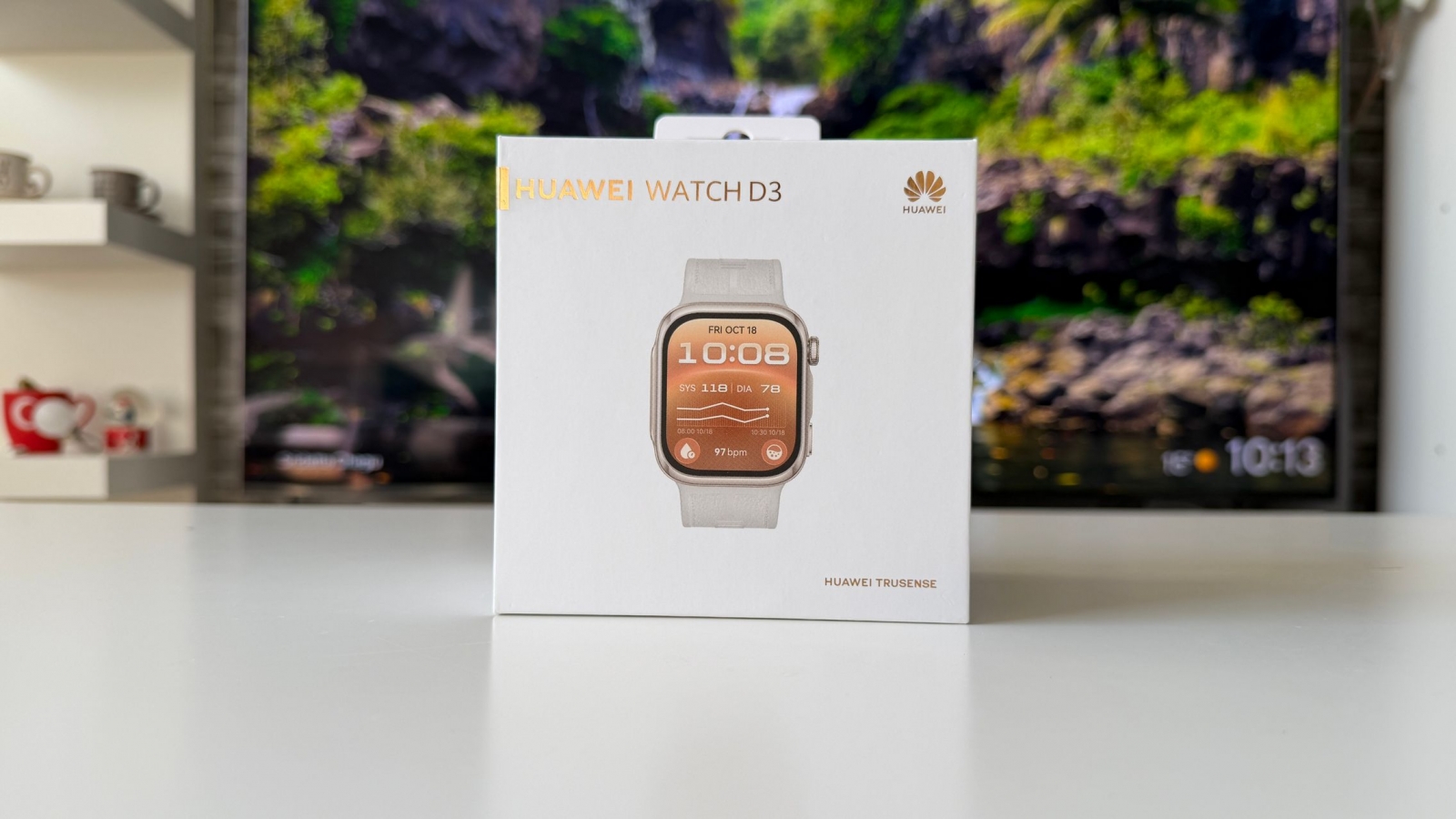

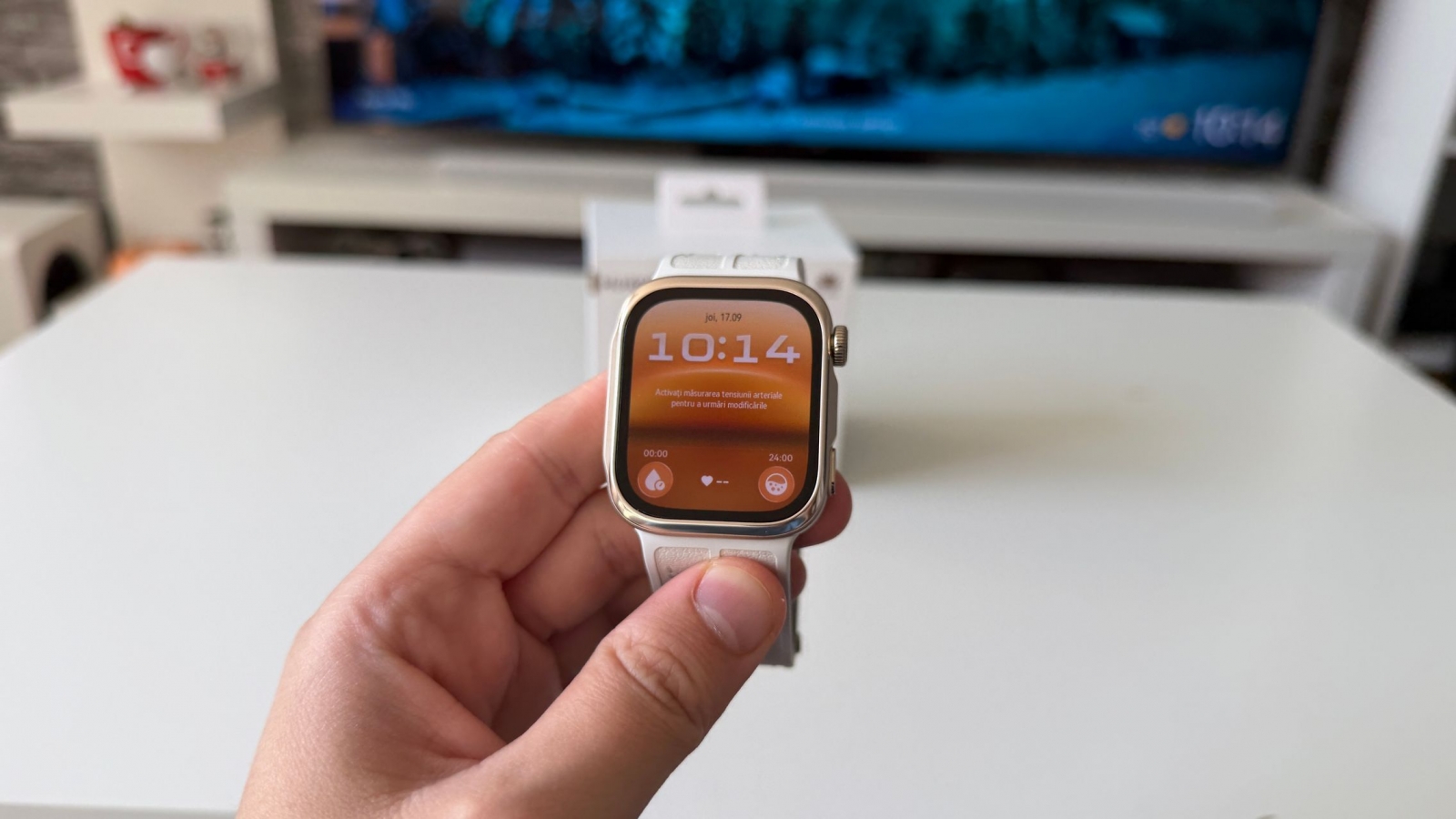

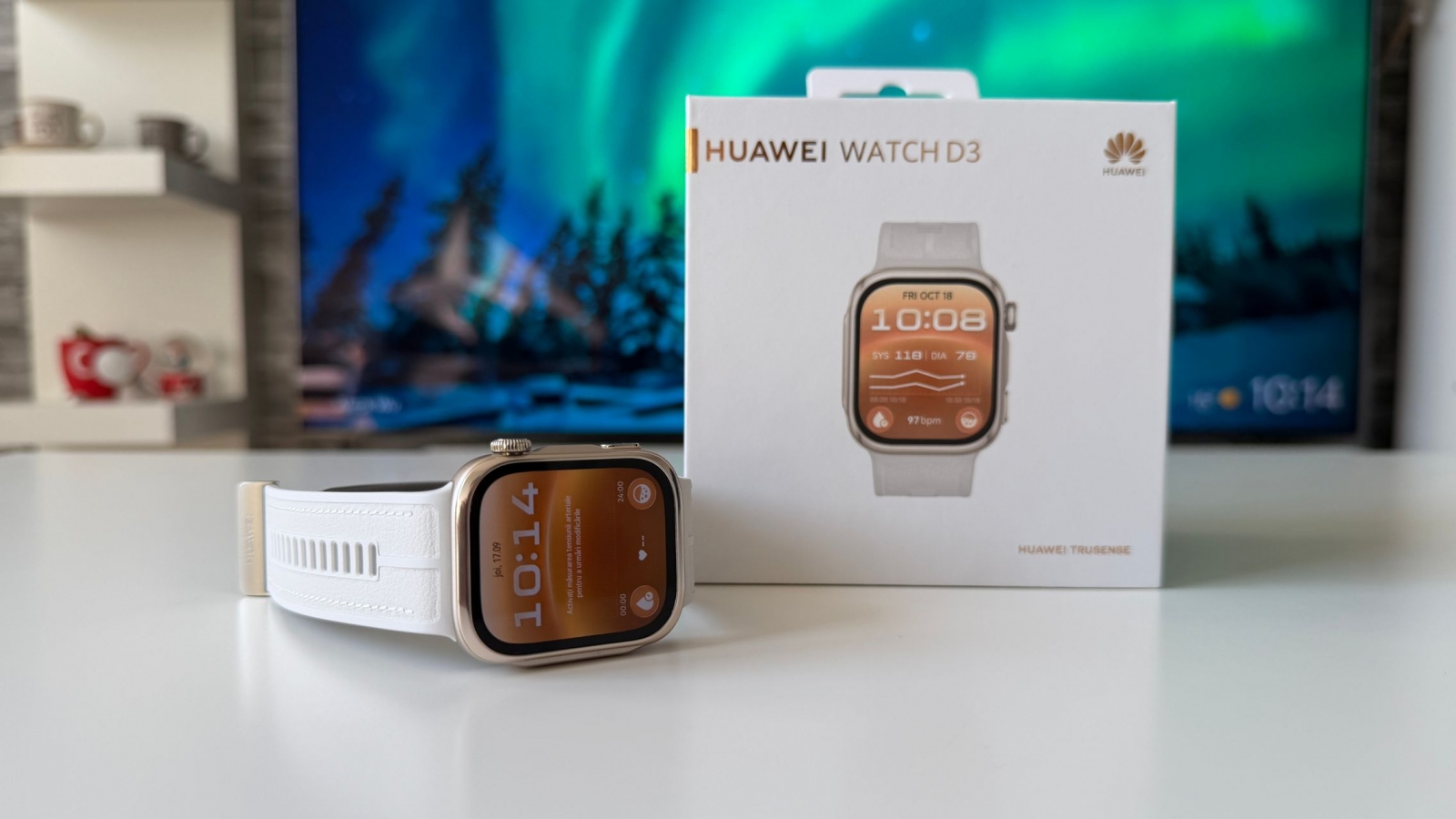
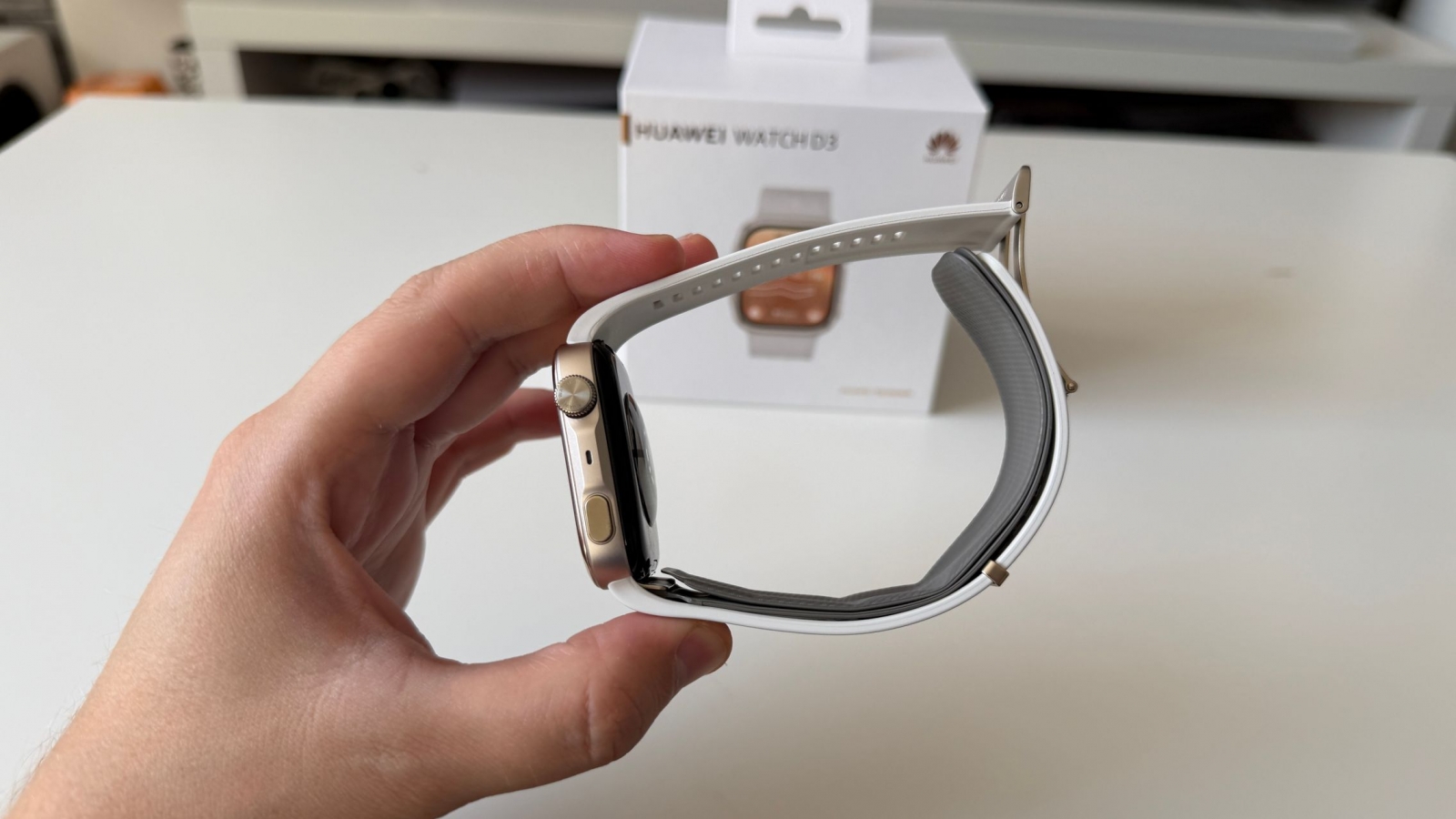
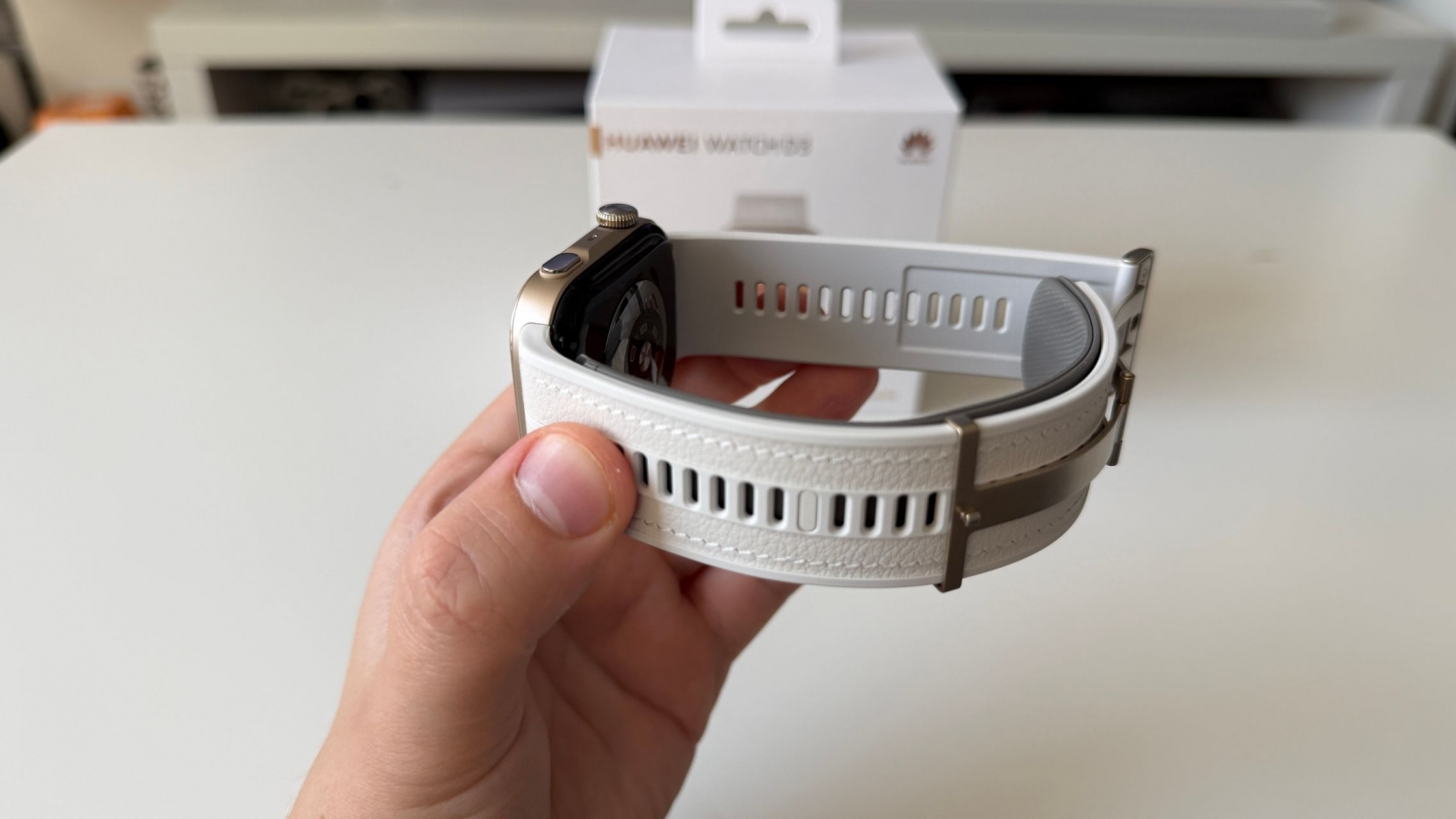
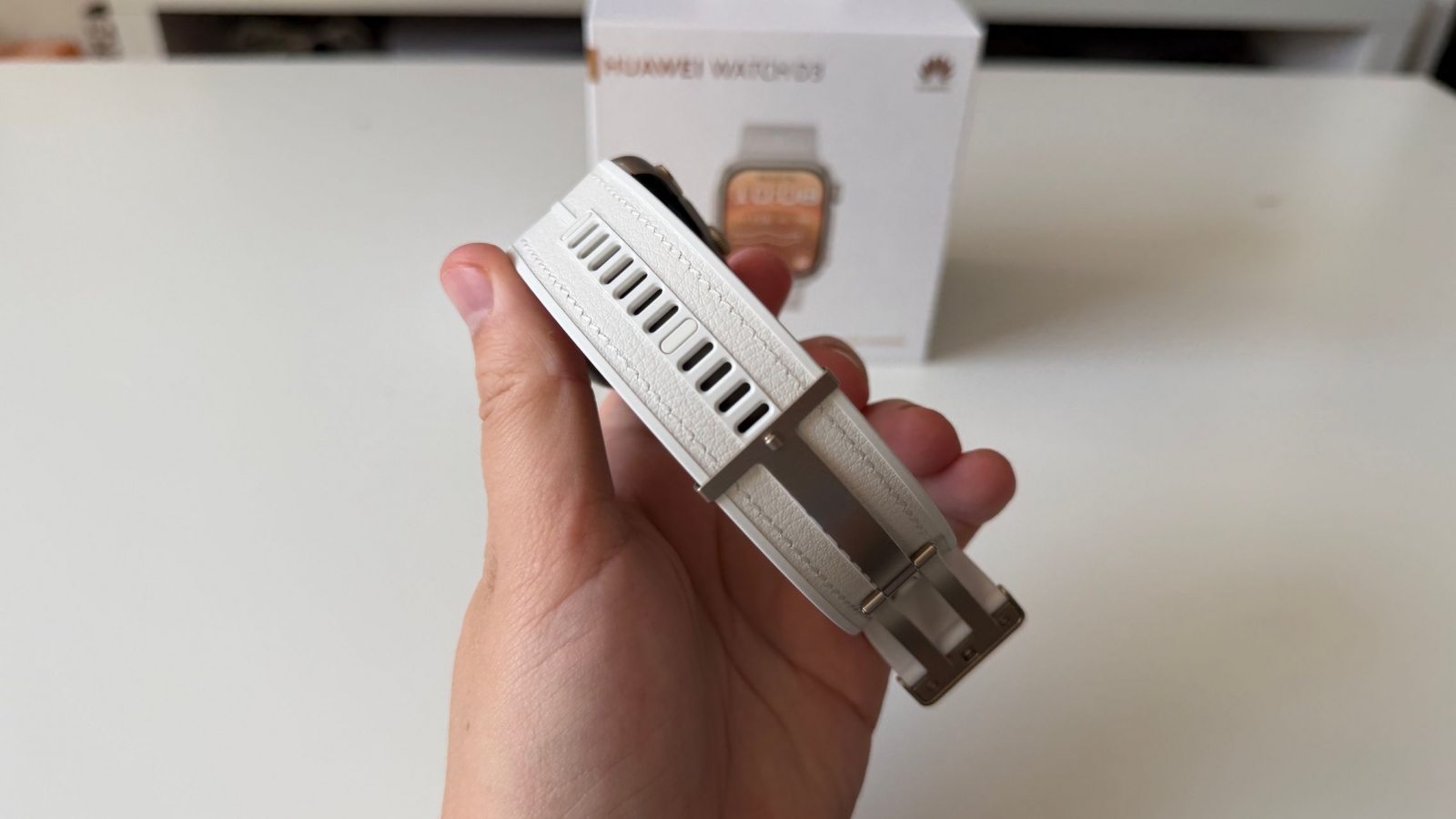


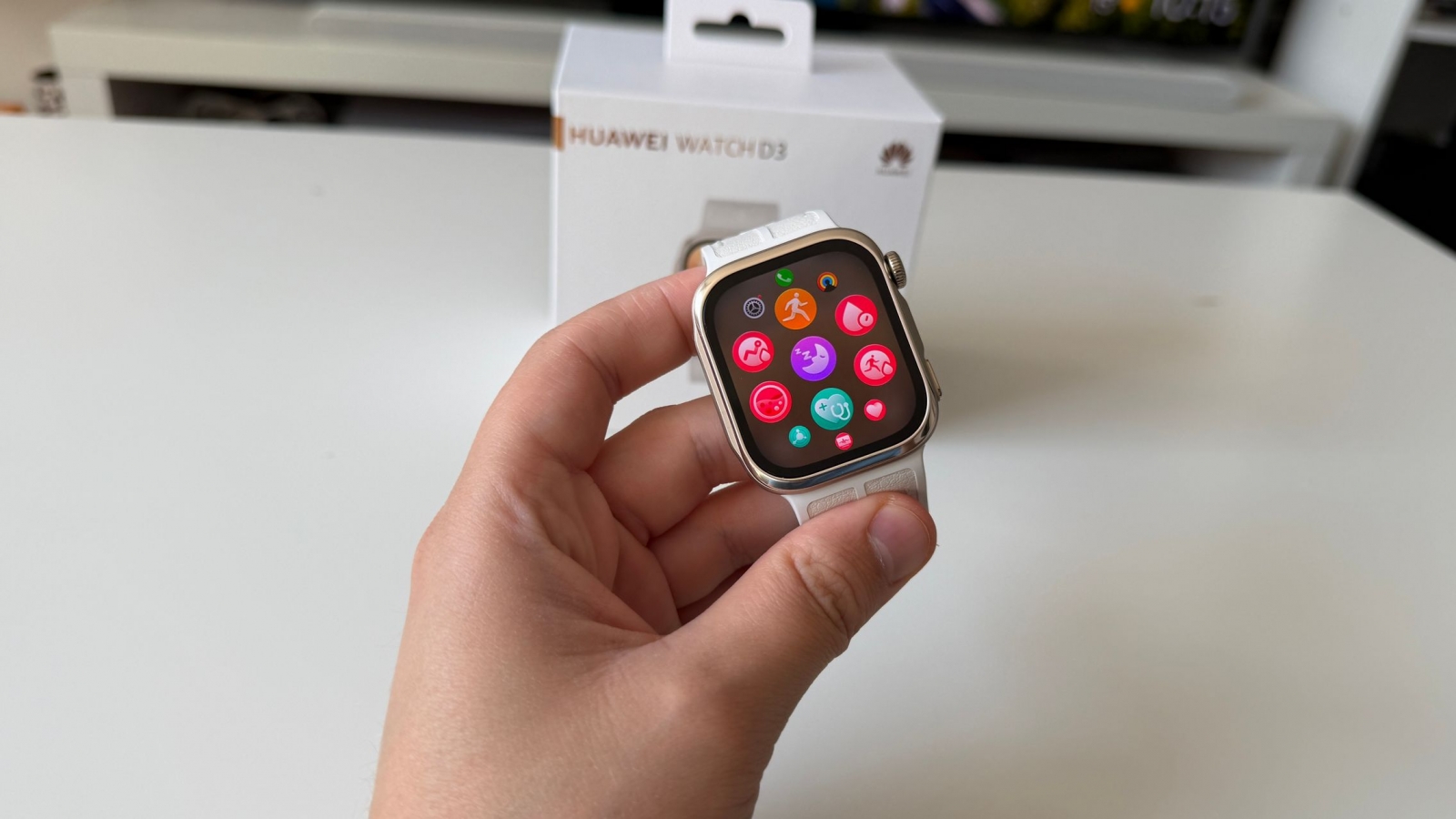


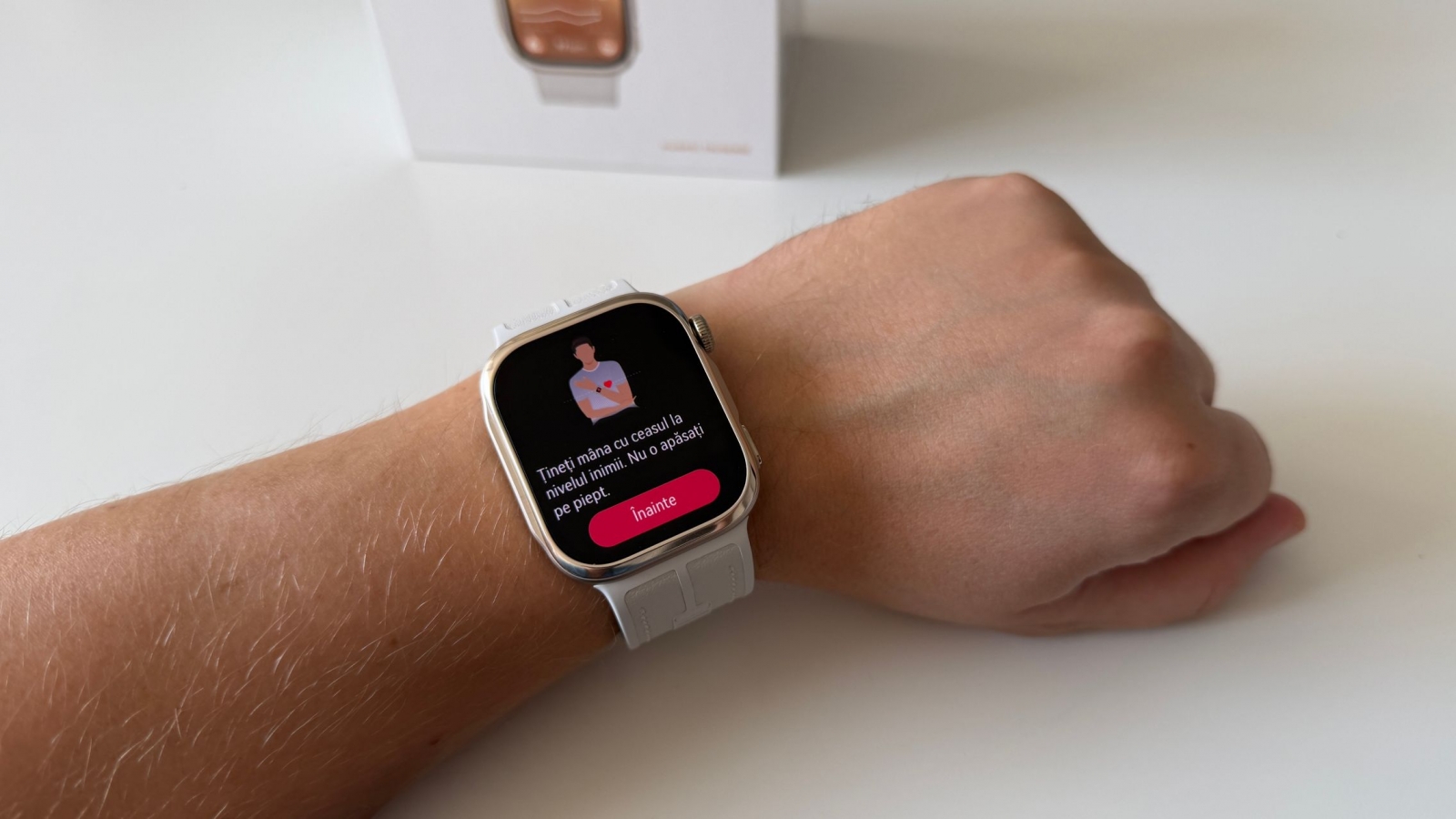

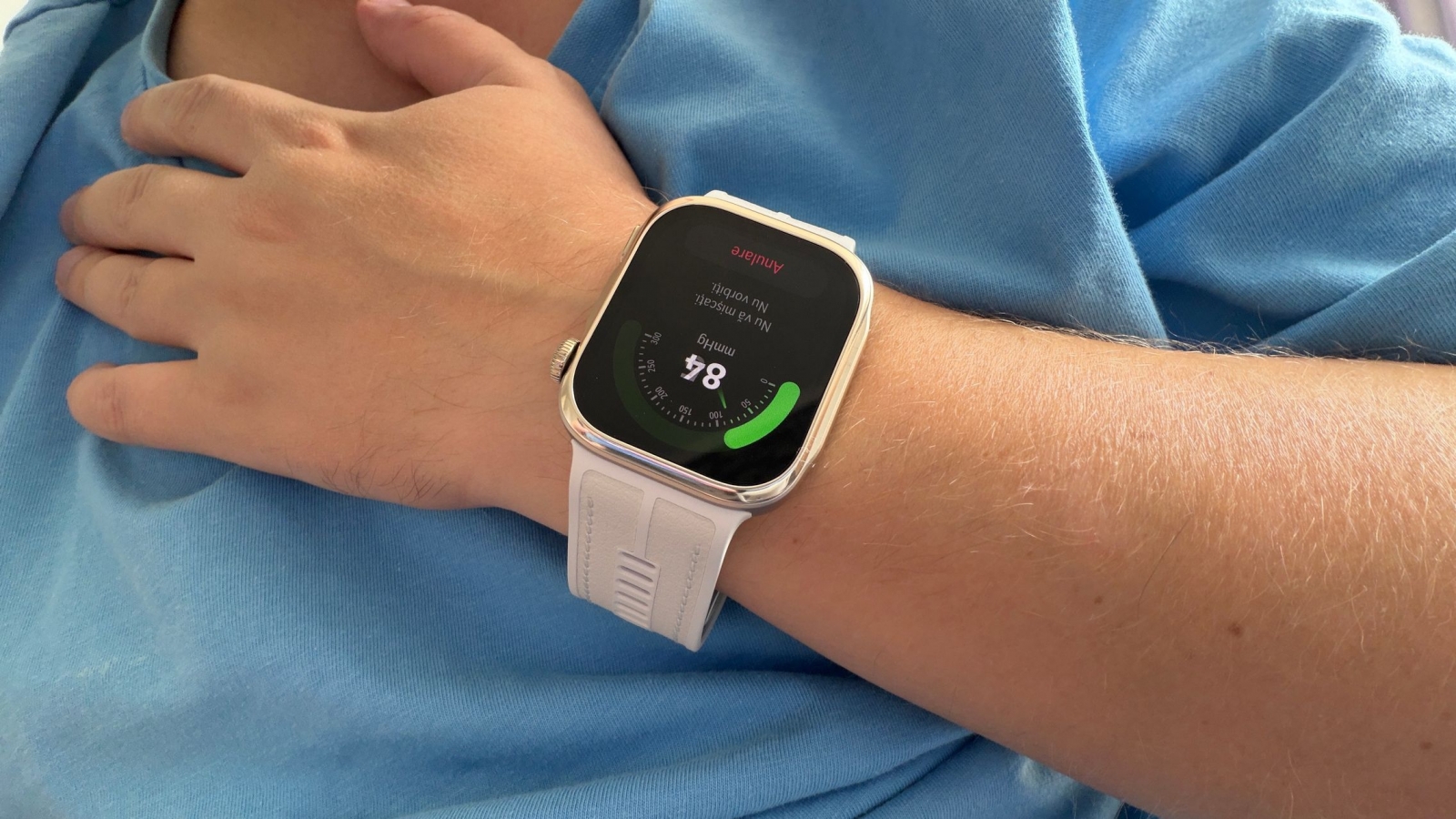
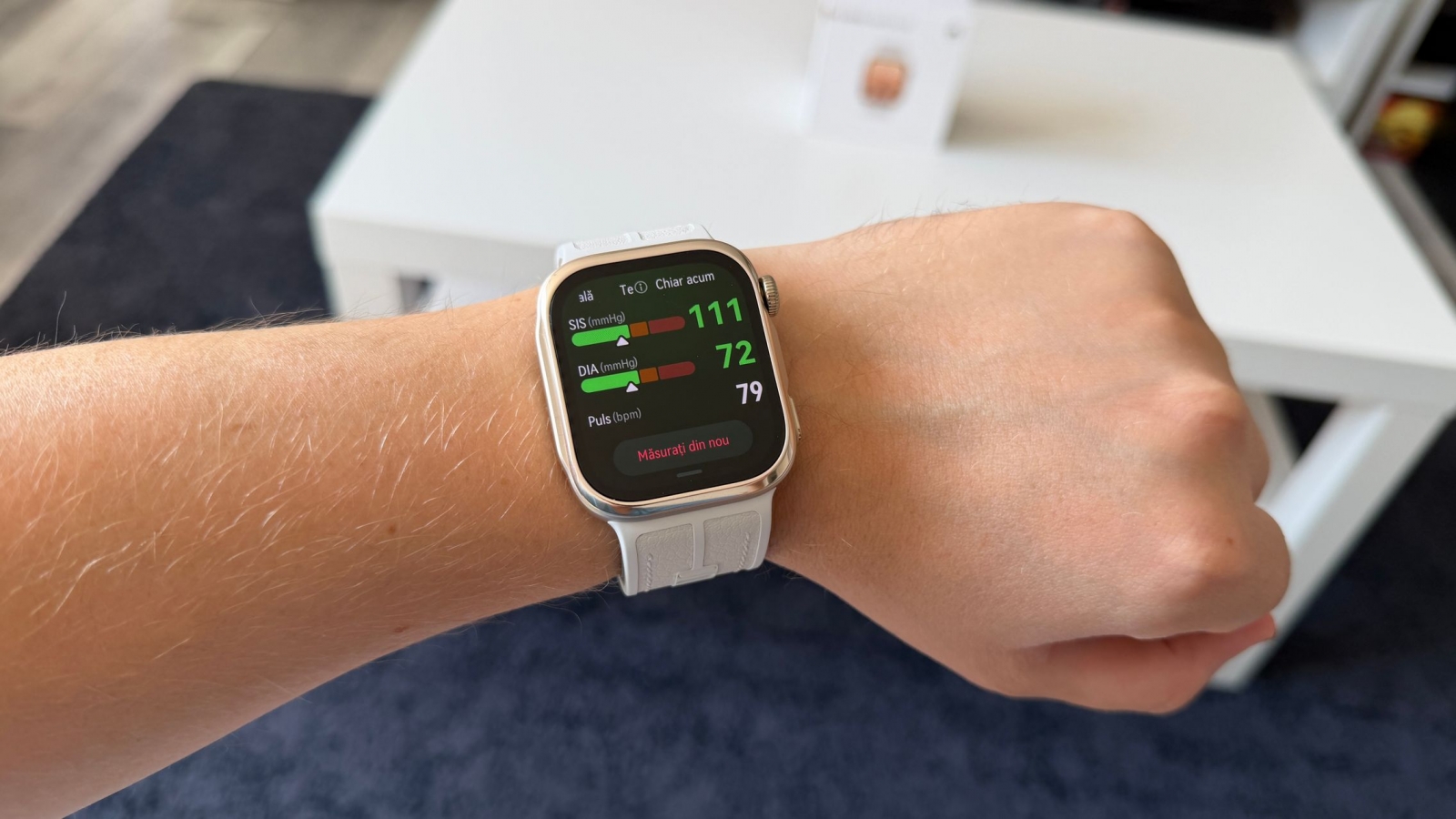


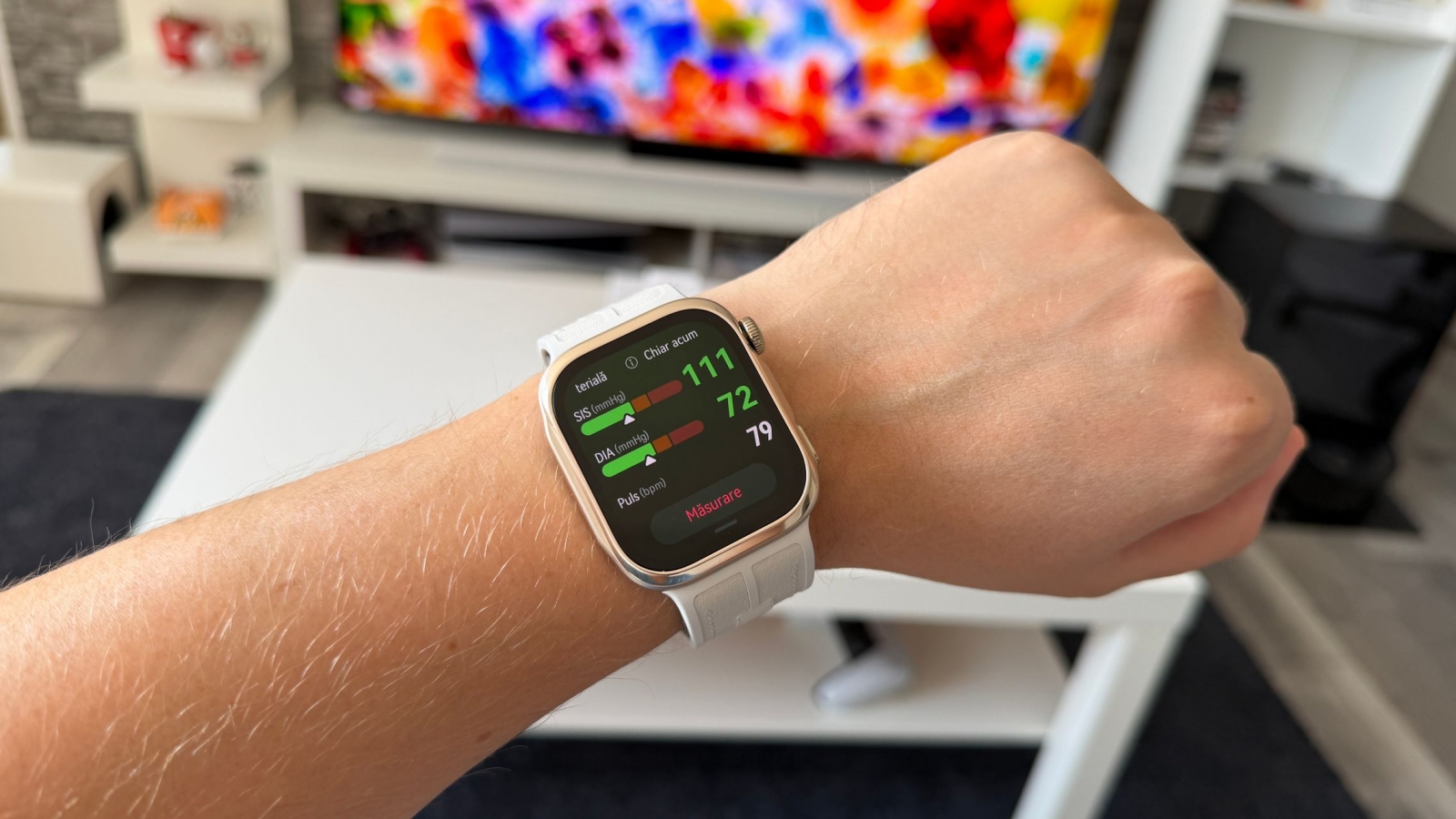


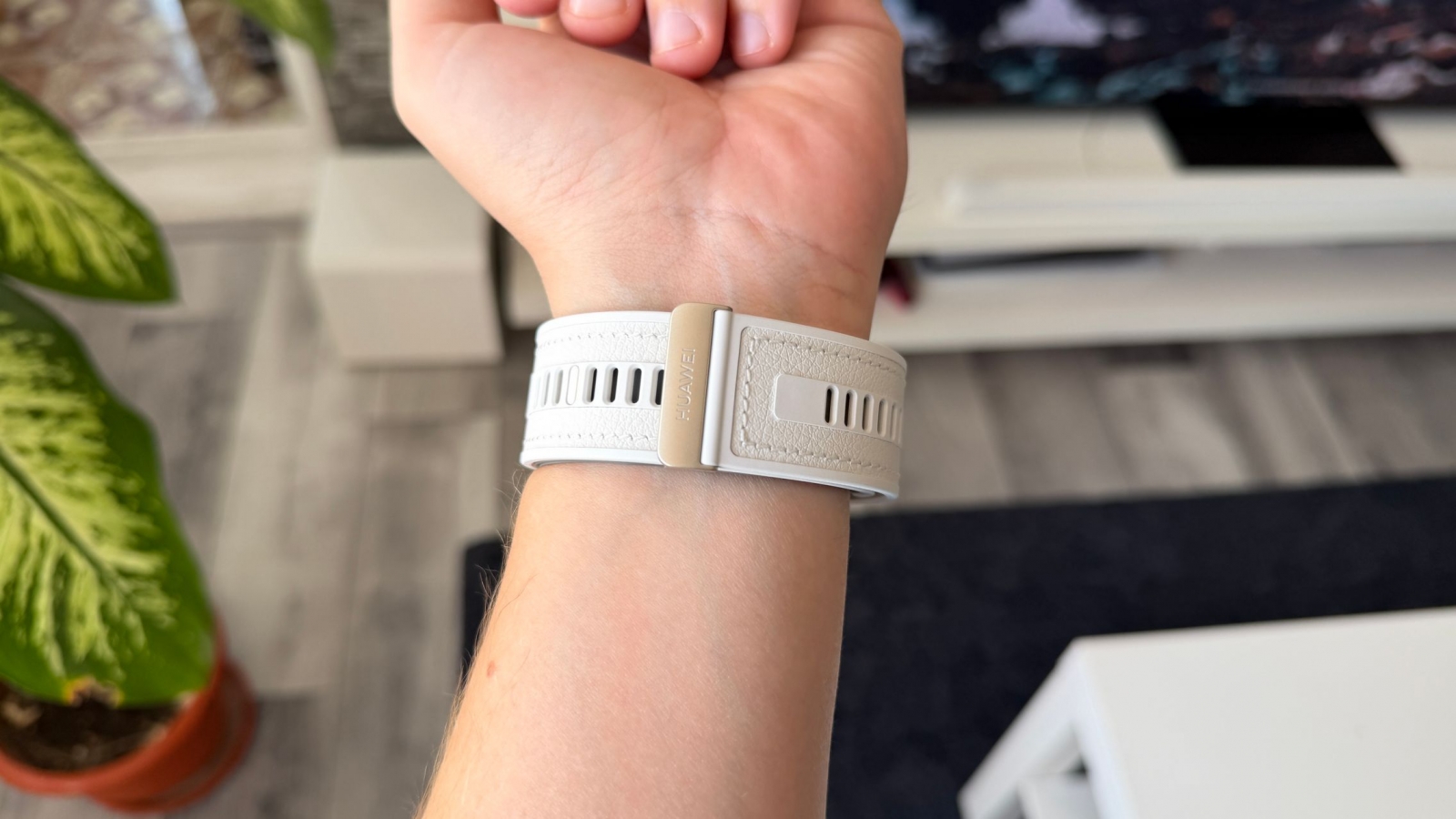
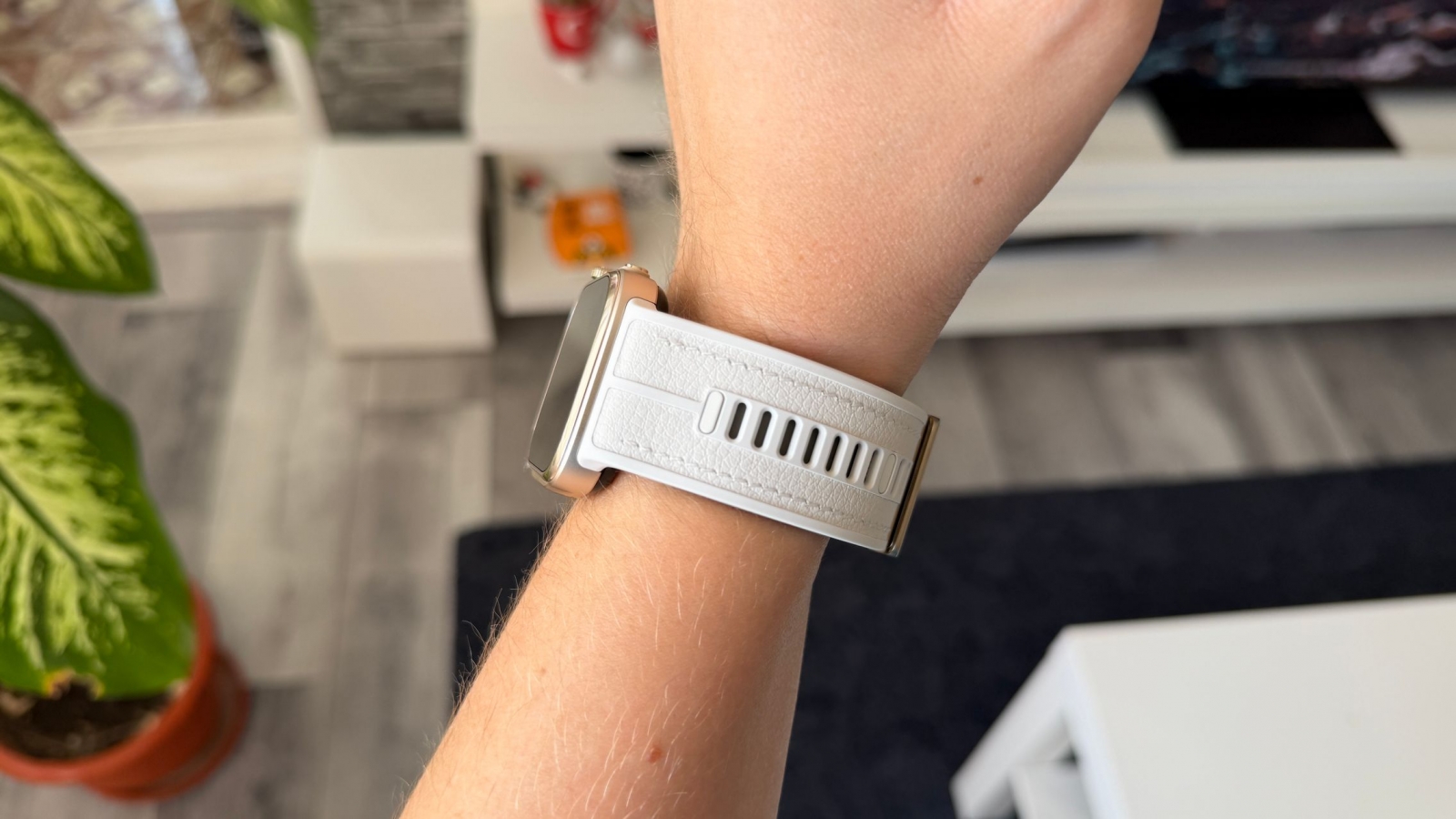


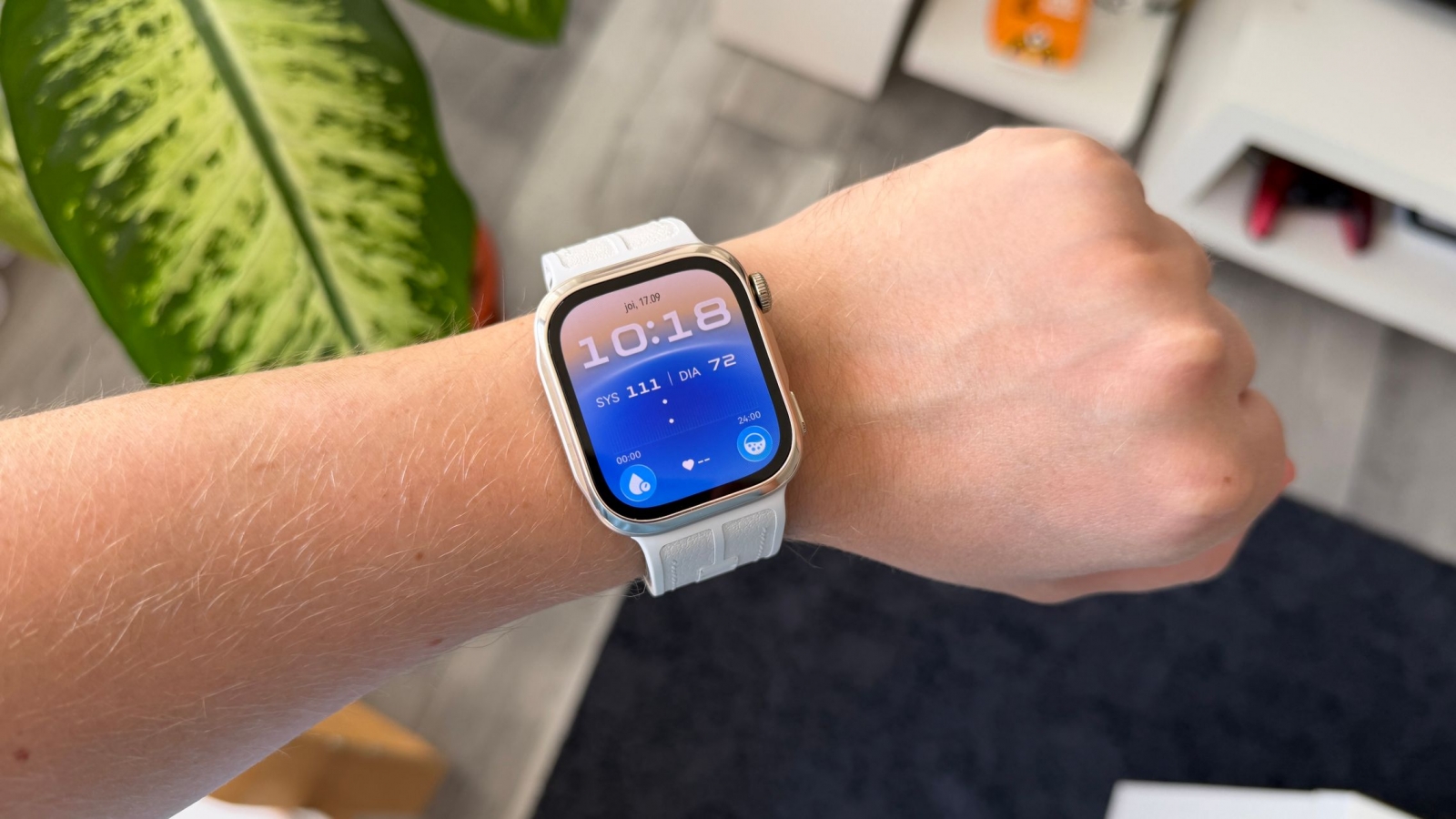

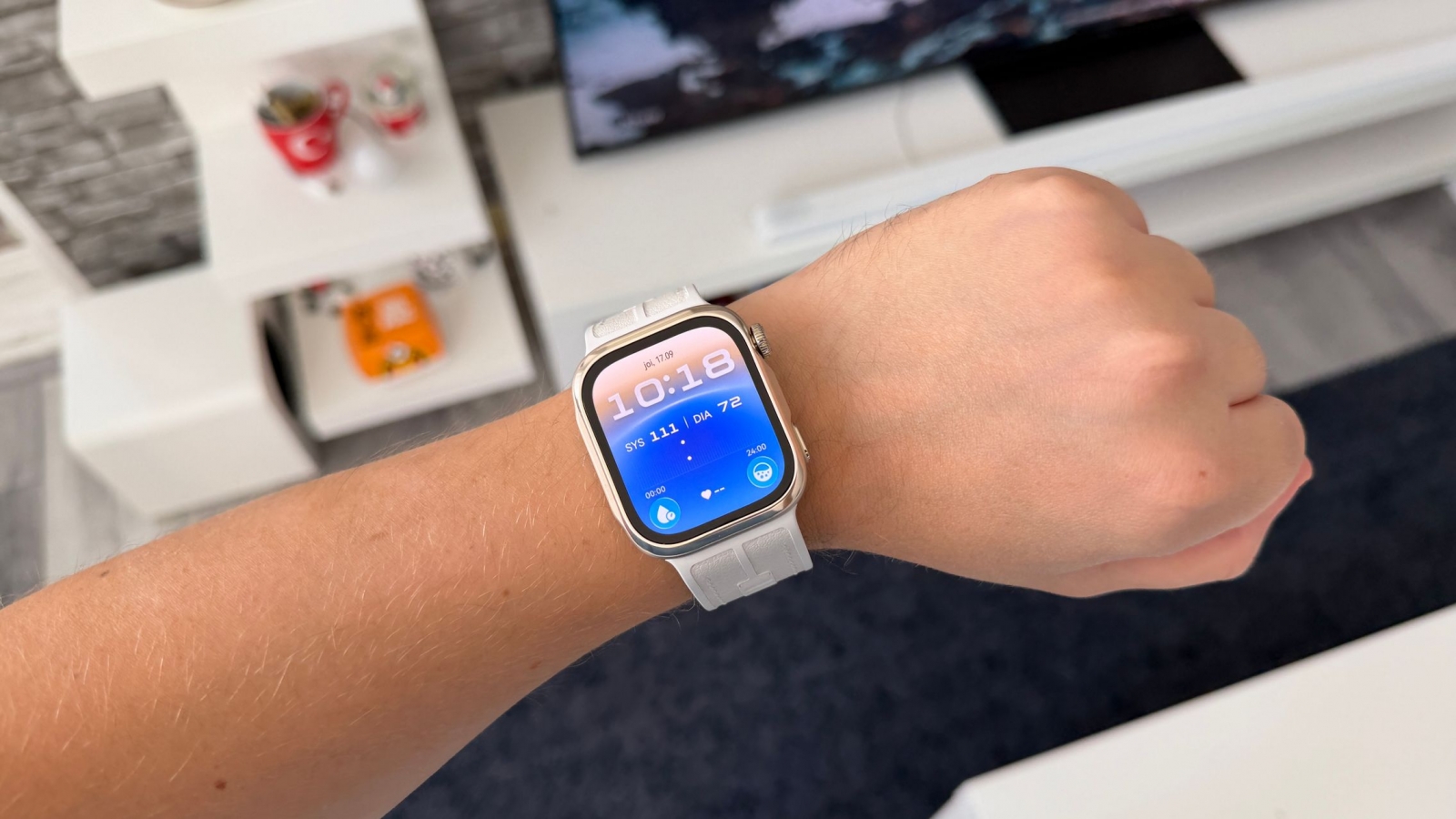
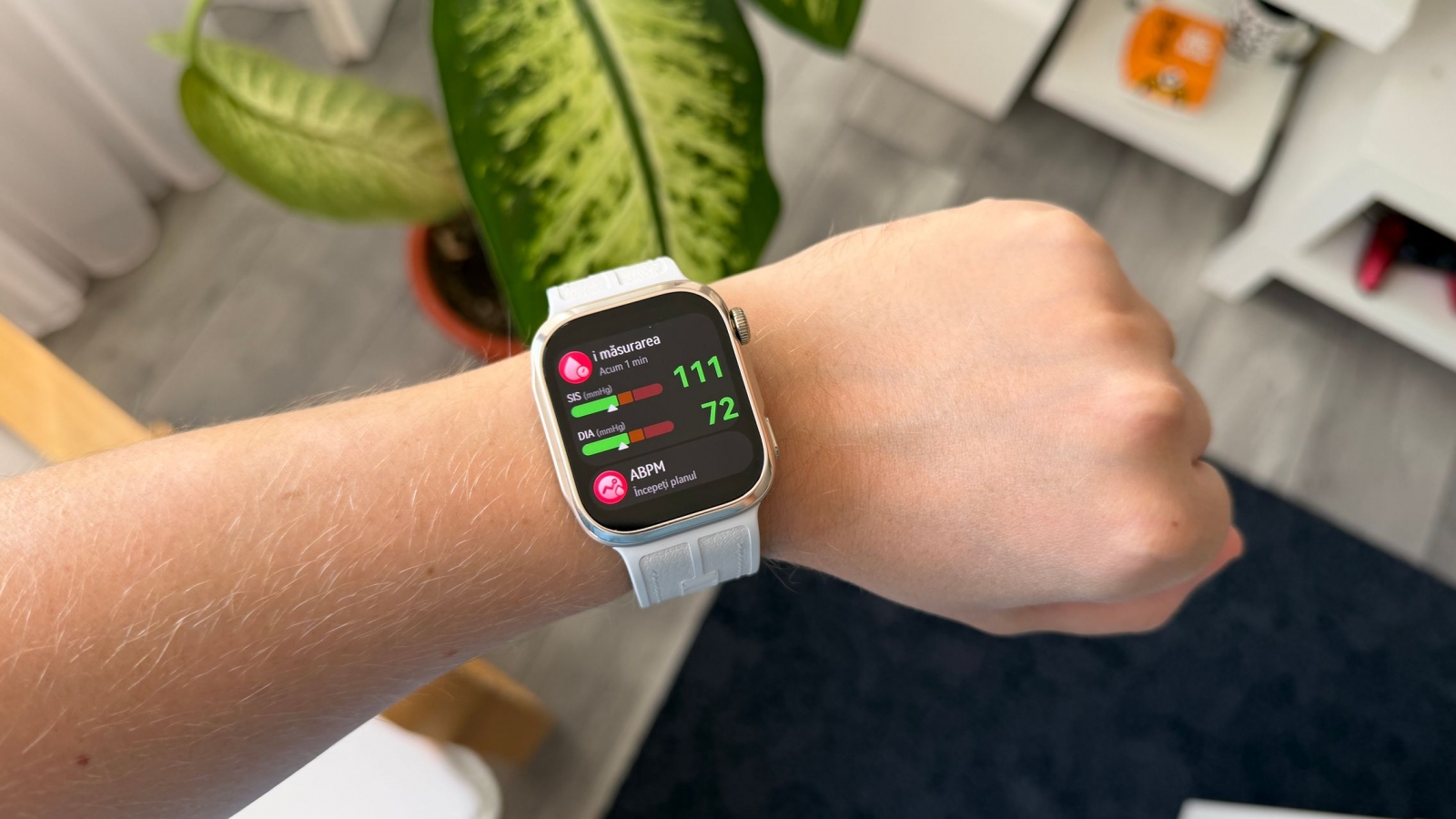



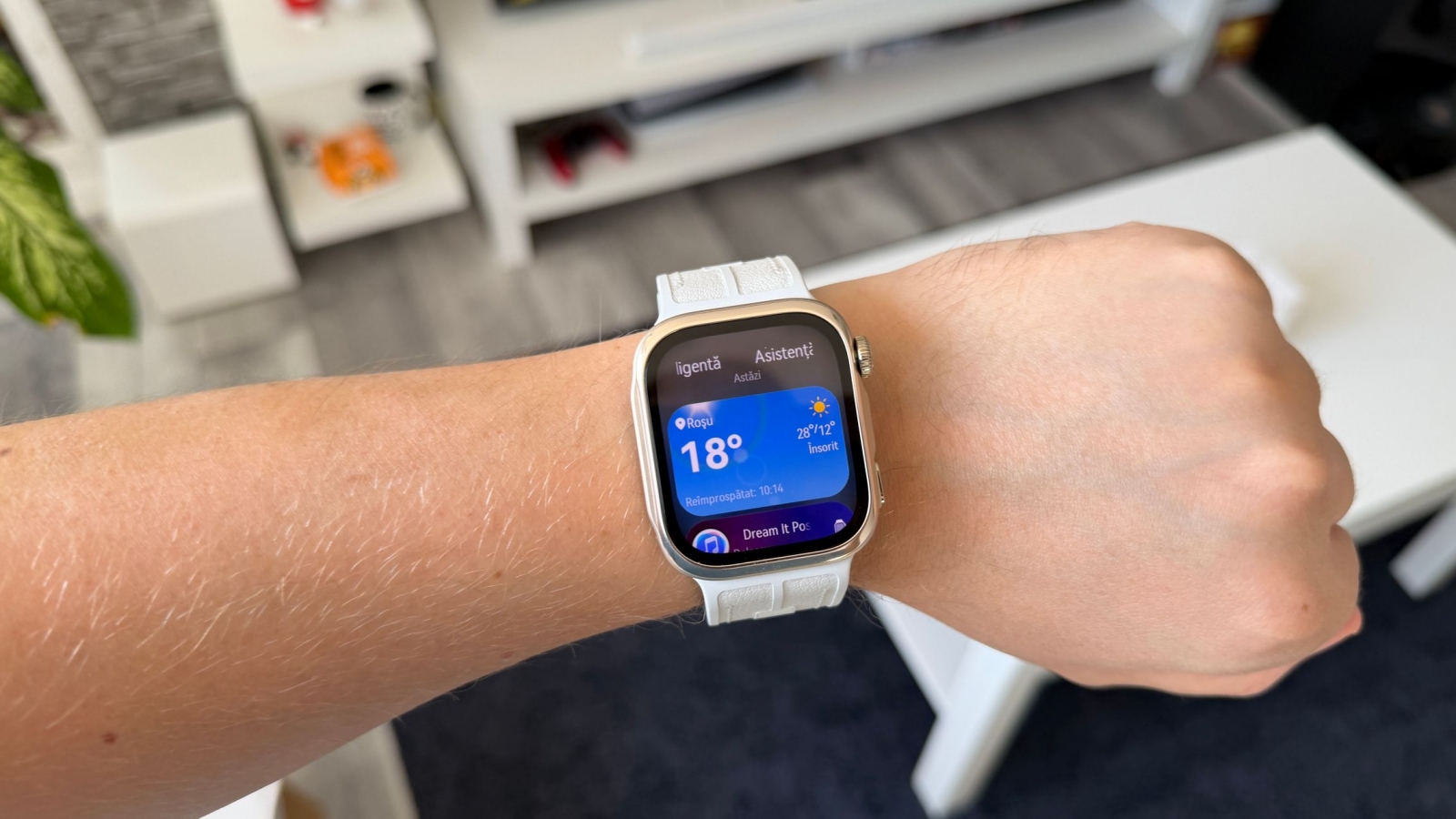
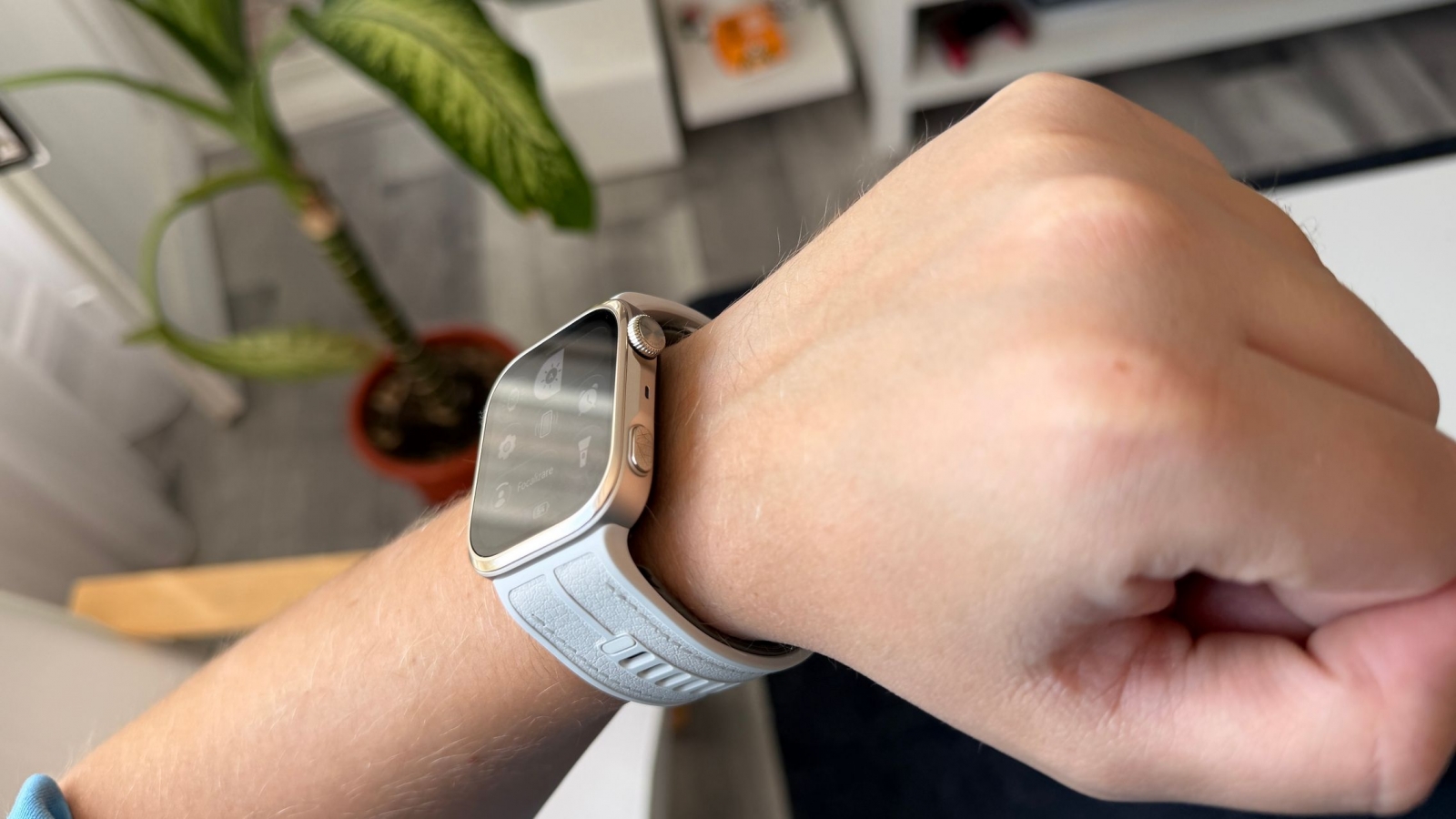


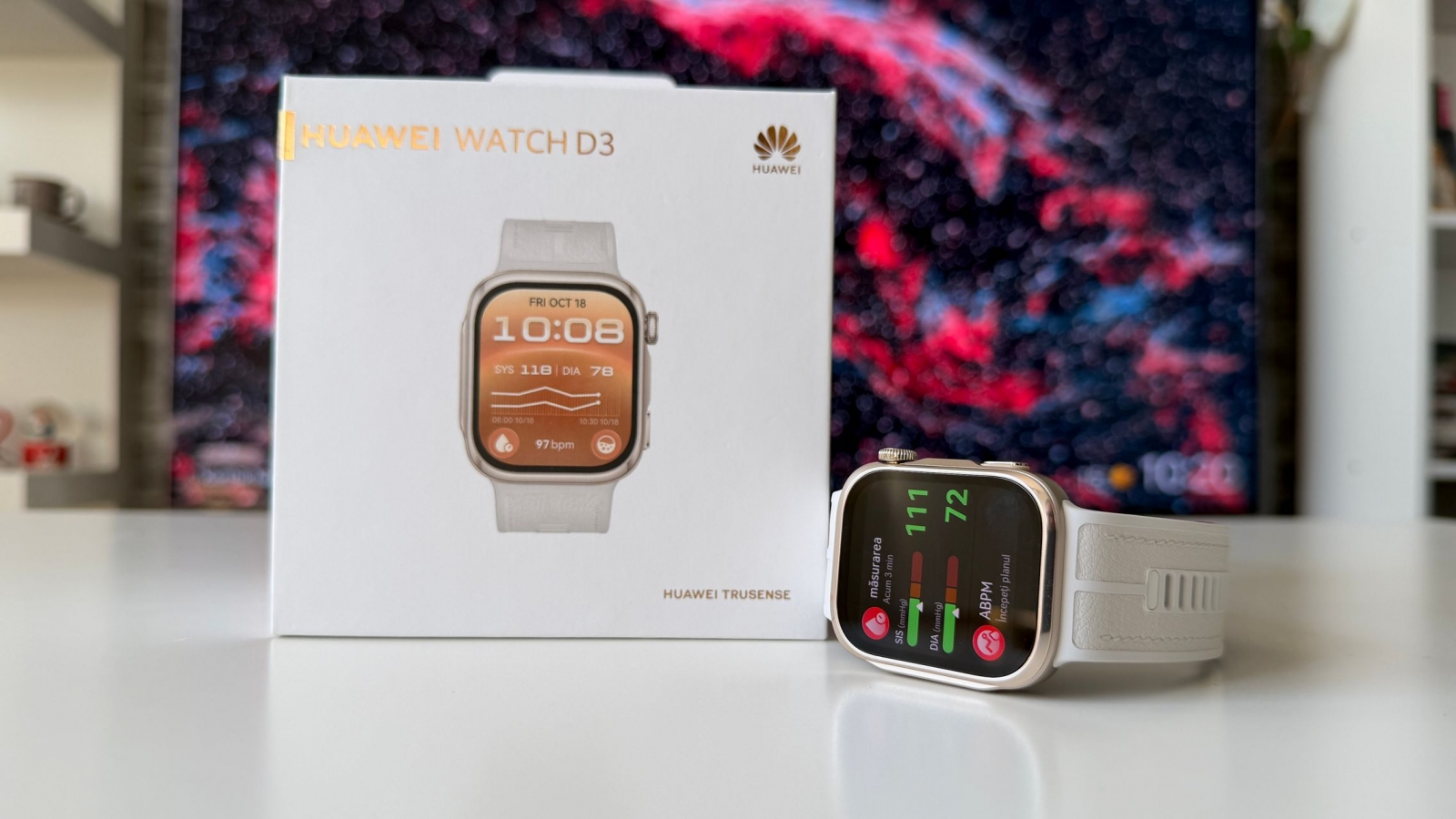


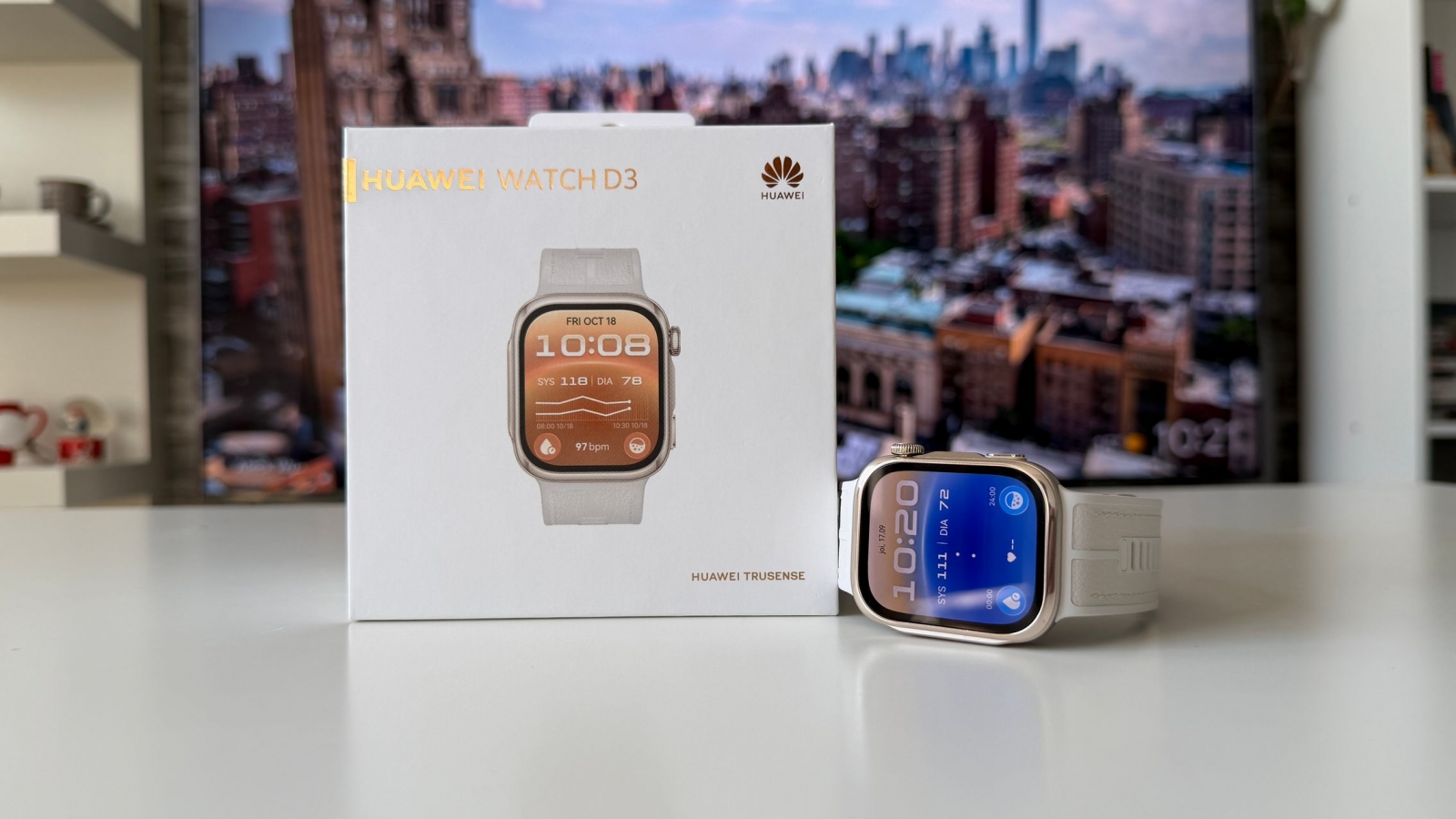


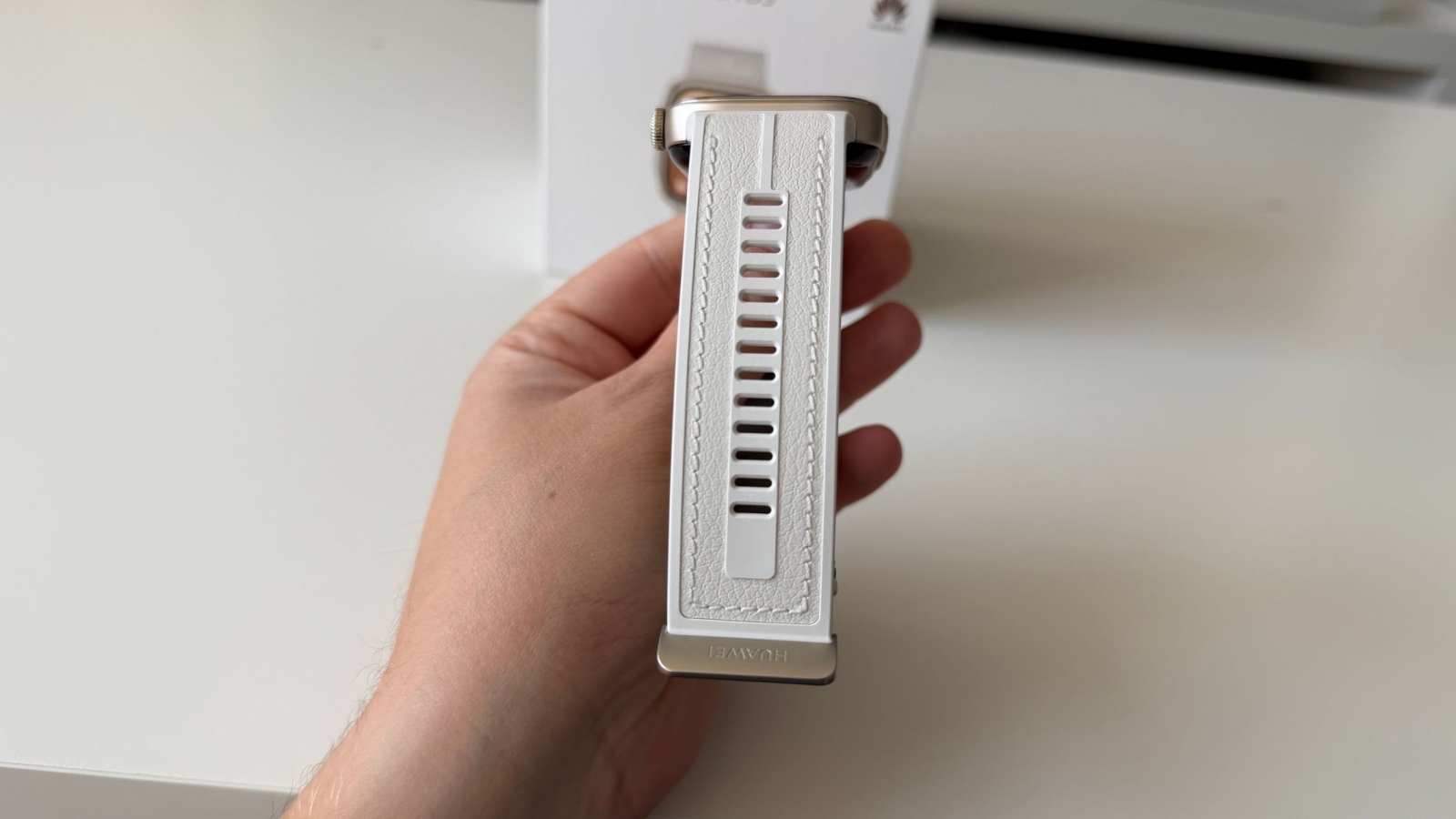





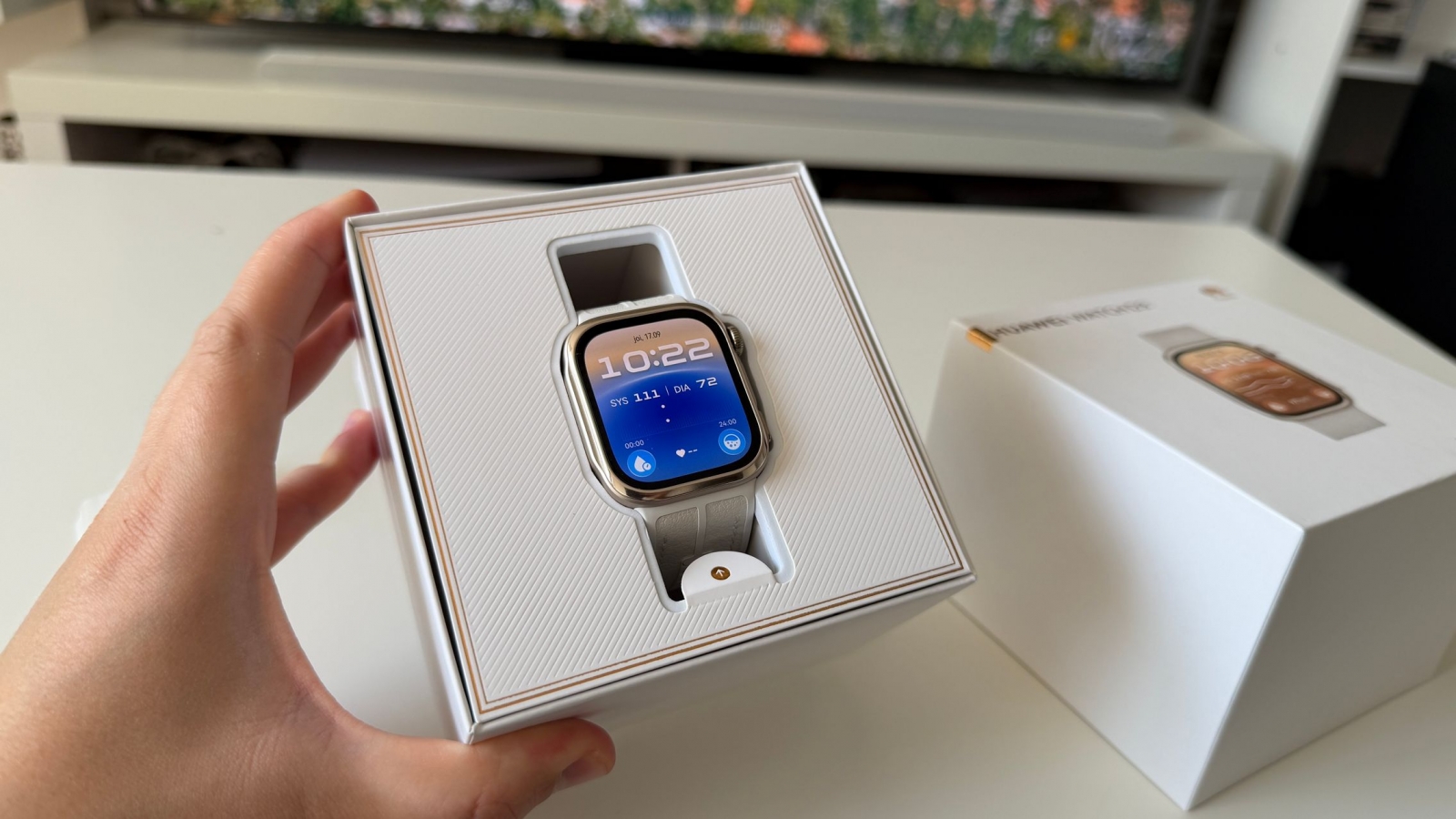
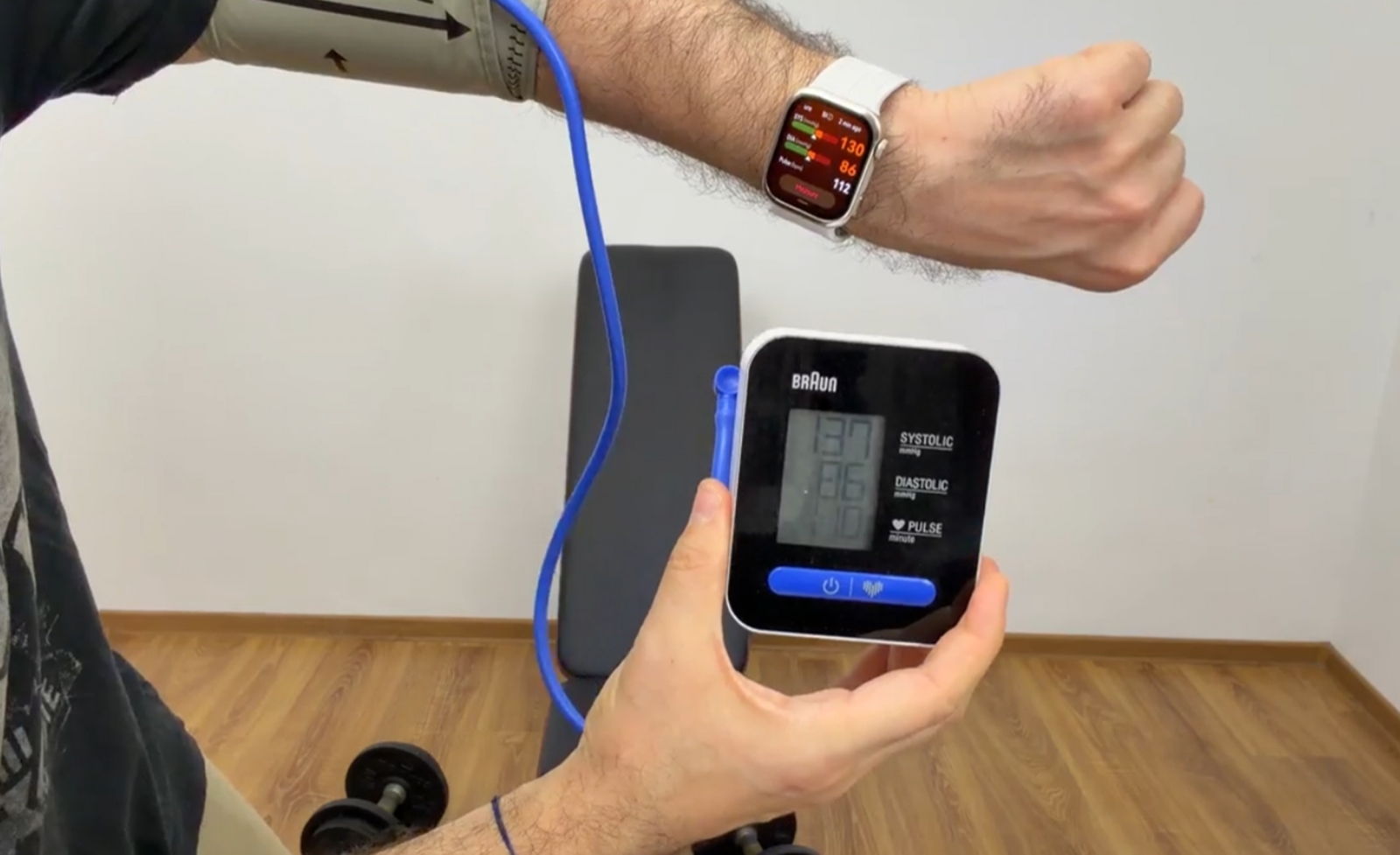
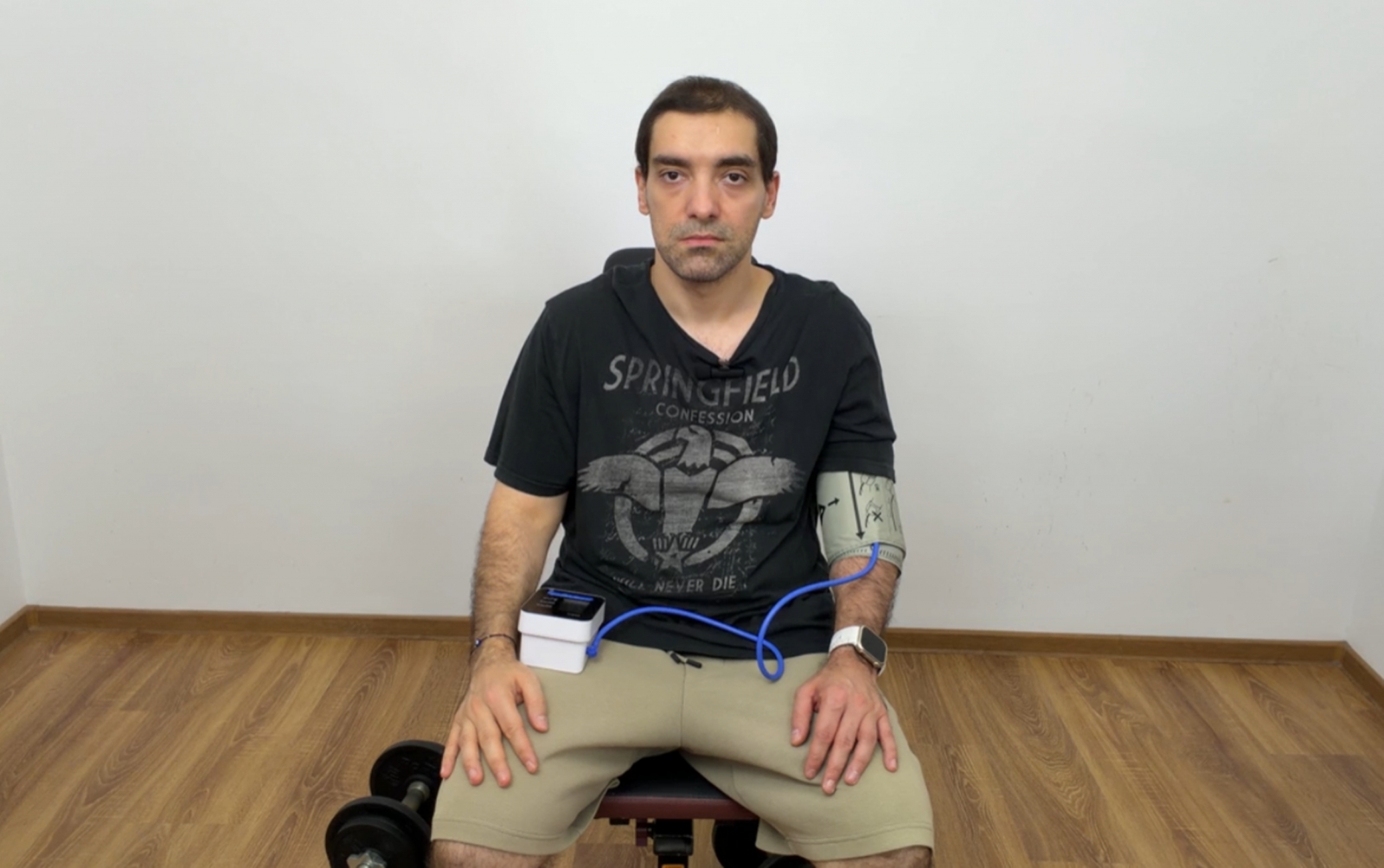
The watch uses an inflatable cuff and a micro-pump, paired with a high-precision pressure sensor and oscillometric measurement technology. In testing, its readings were reported to differ only by a few points from a Braun blood-pressure monitor, most often on systolic values. The dossier also reports MDR and NMPA medical-device approvals; regional regulatory status and feature availability can vary by market.
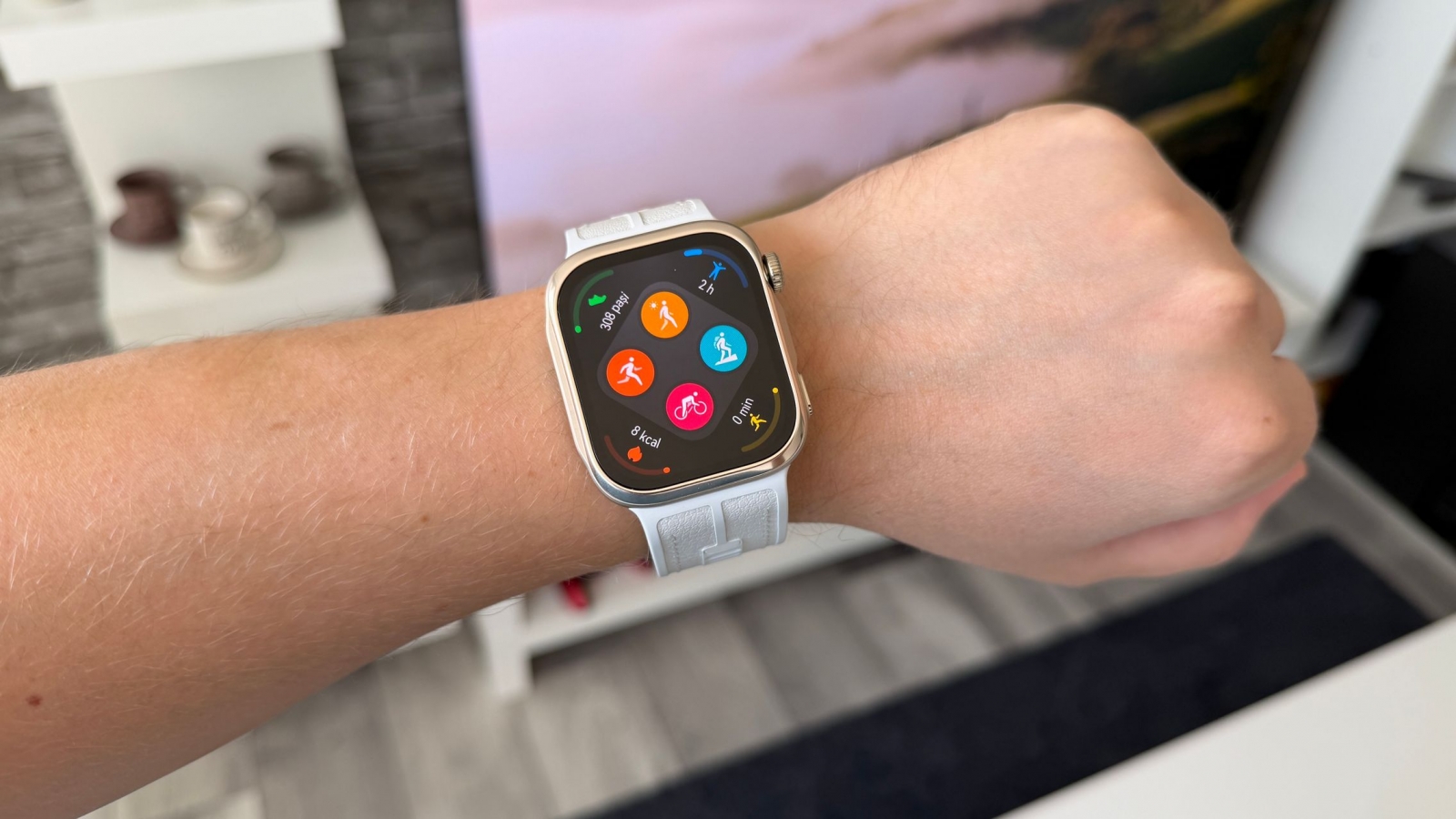
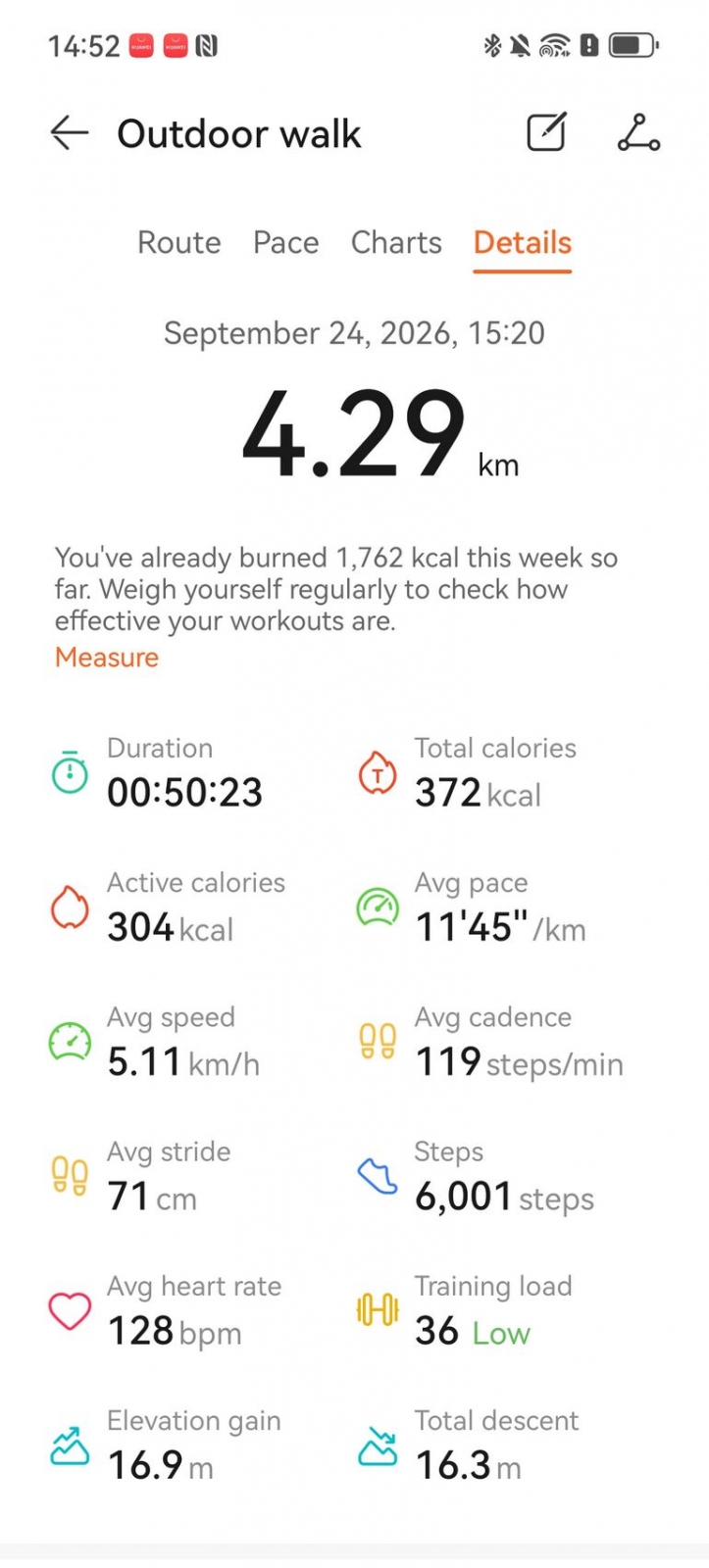
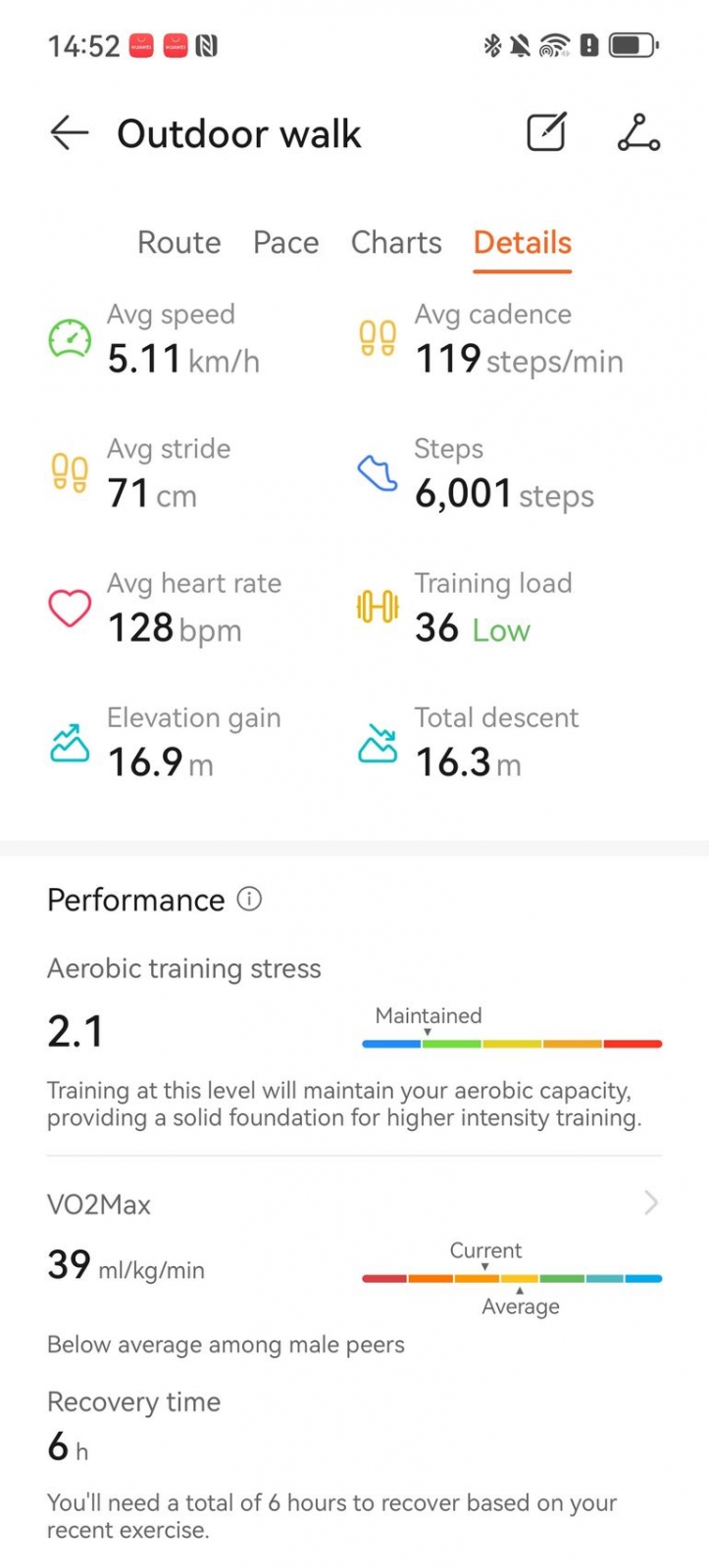
Pre/Post Exercise BP begins with an initial reading, then lets the user select indoor or outdoor running, cycling, or indoor or outdoor walking. Huawei’s implementation currently centers on these cardio activities. The test experience also highlighted how measurement quality depends on following the on-screen guidance, including keeping the arm positioned correctly, fastening the strap securely and waiting after activity before taking another reading.
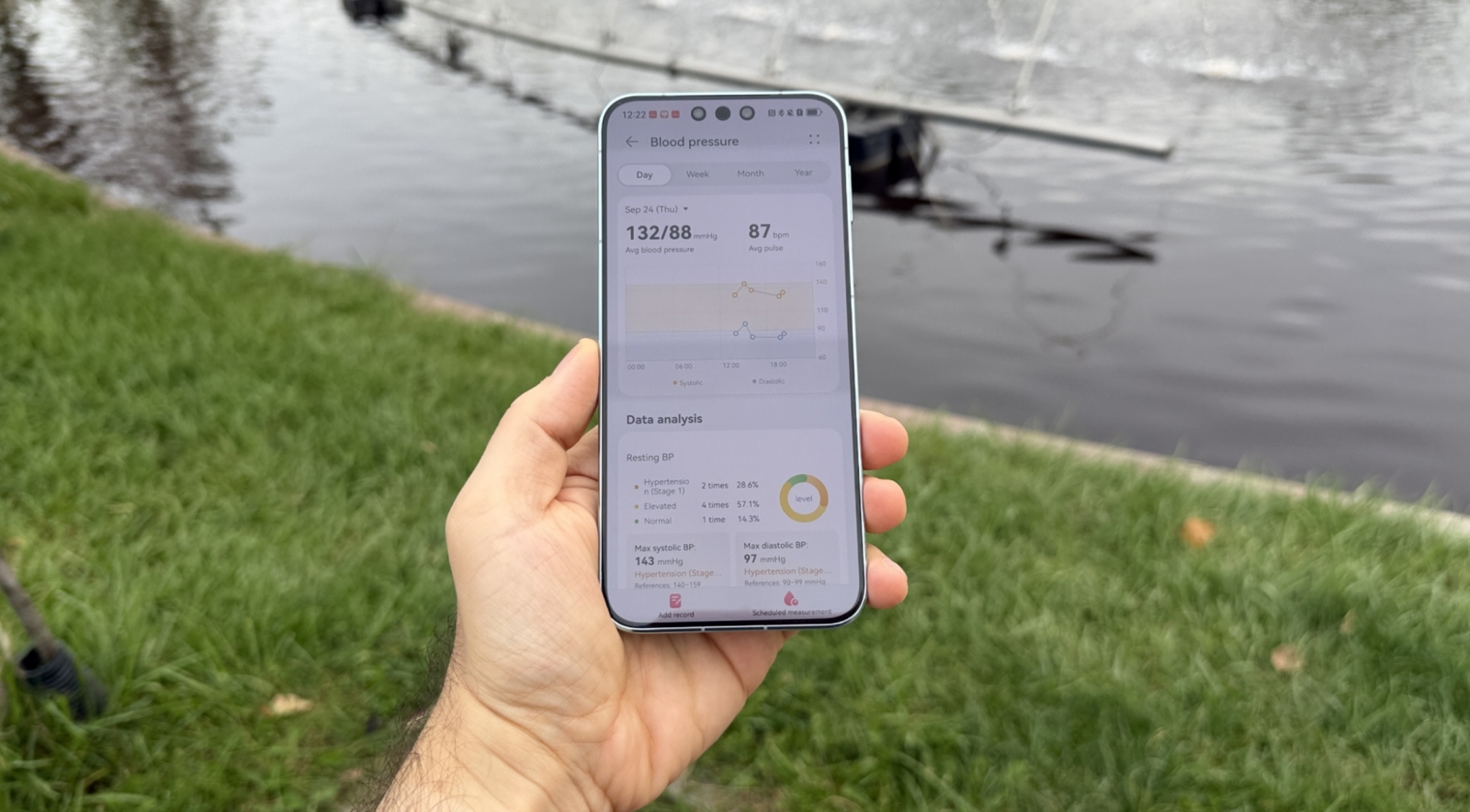
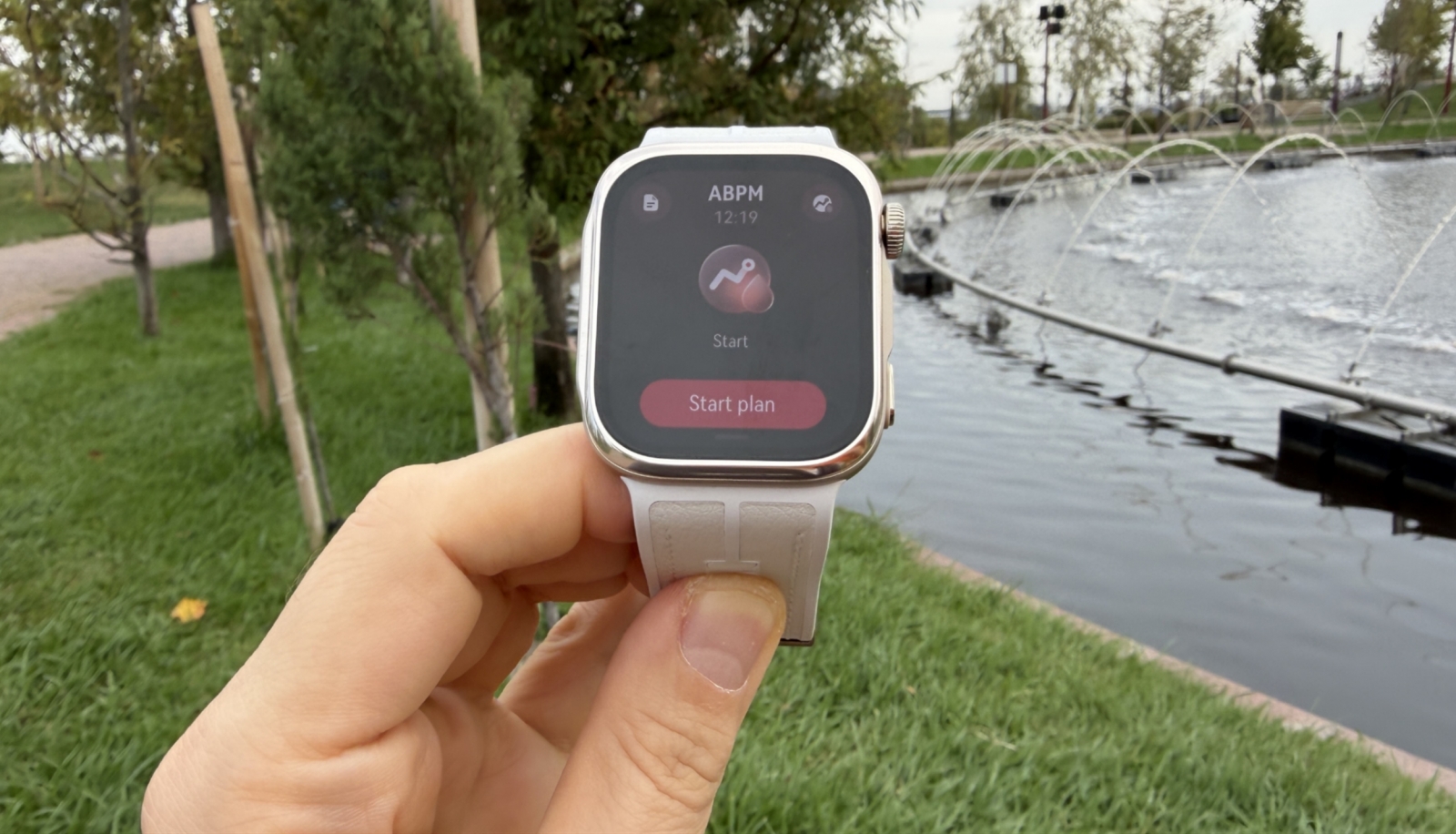
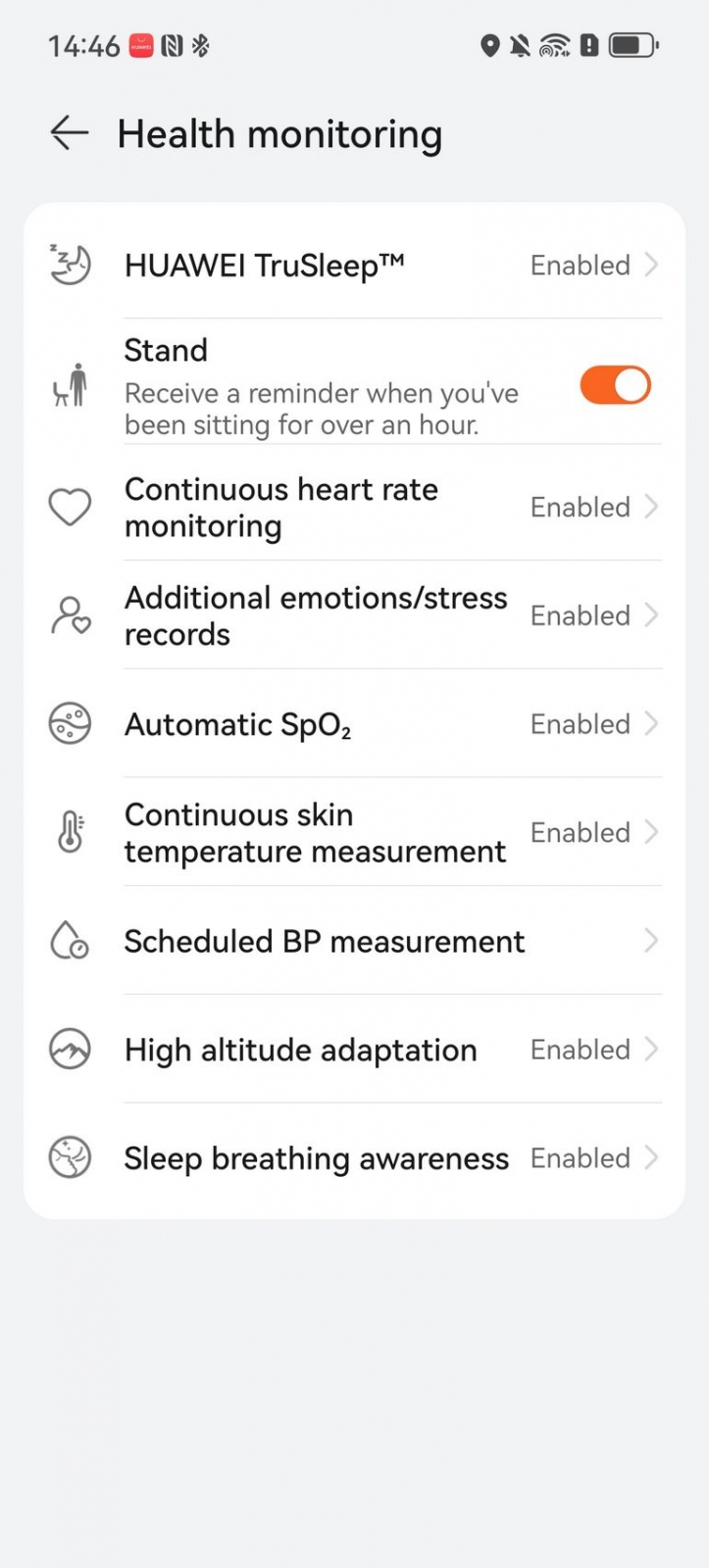
ABPM remains one of the Watch D line’s key functions. It can schedule blood-pressure readings every 30 or 60 minutes over 24 hours, including during sleep, bringing a watch-based alternative to the more cumbersome dedicated equipment typically used for all-day monitoring. The D3 can also issue blood-pressure measurement reminders when it detects substantial temperature changes or unusually high altitude.

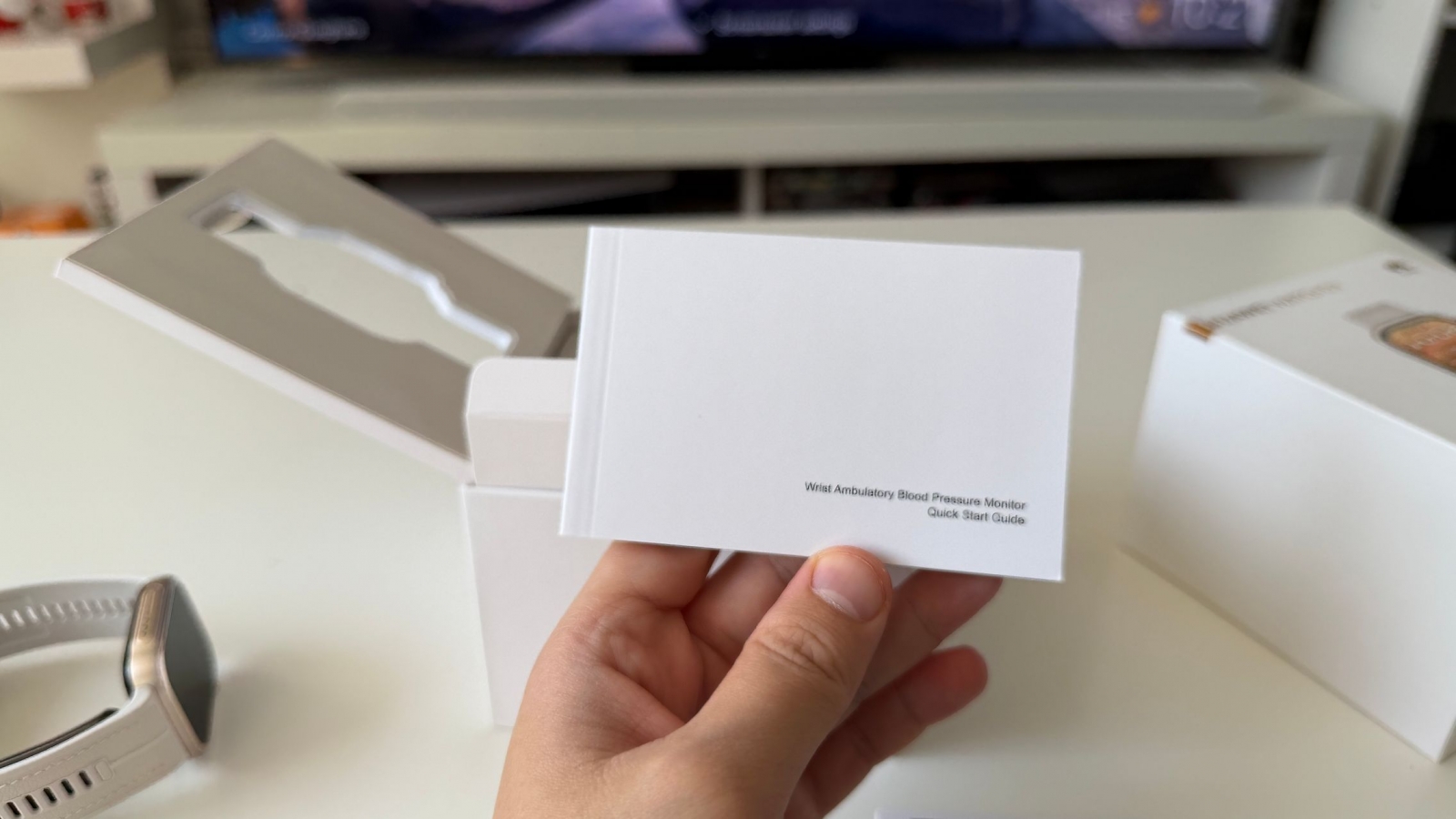
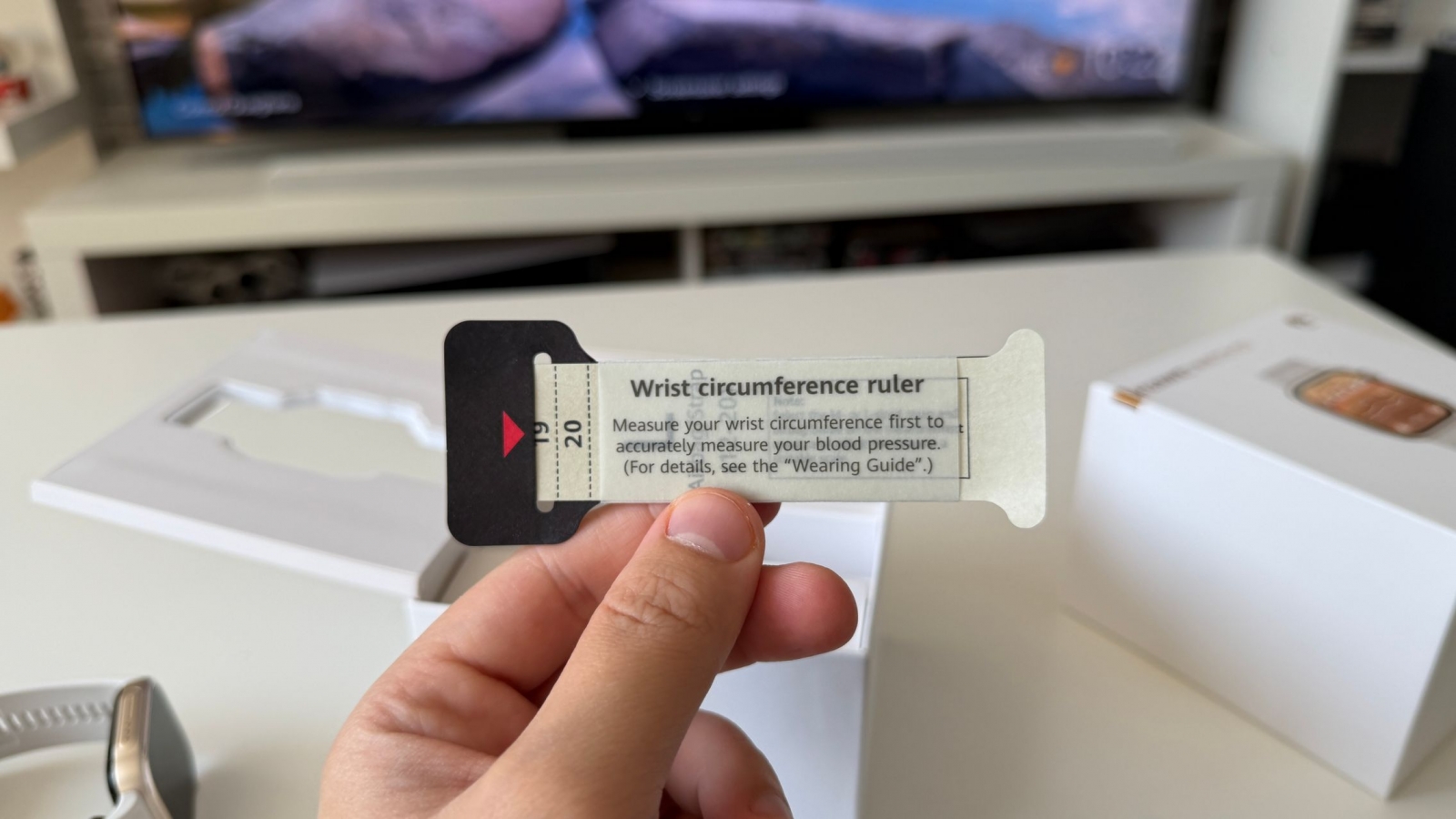
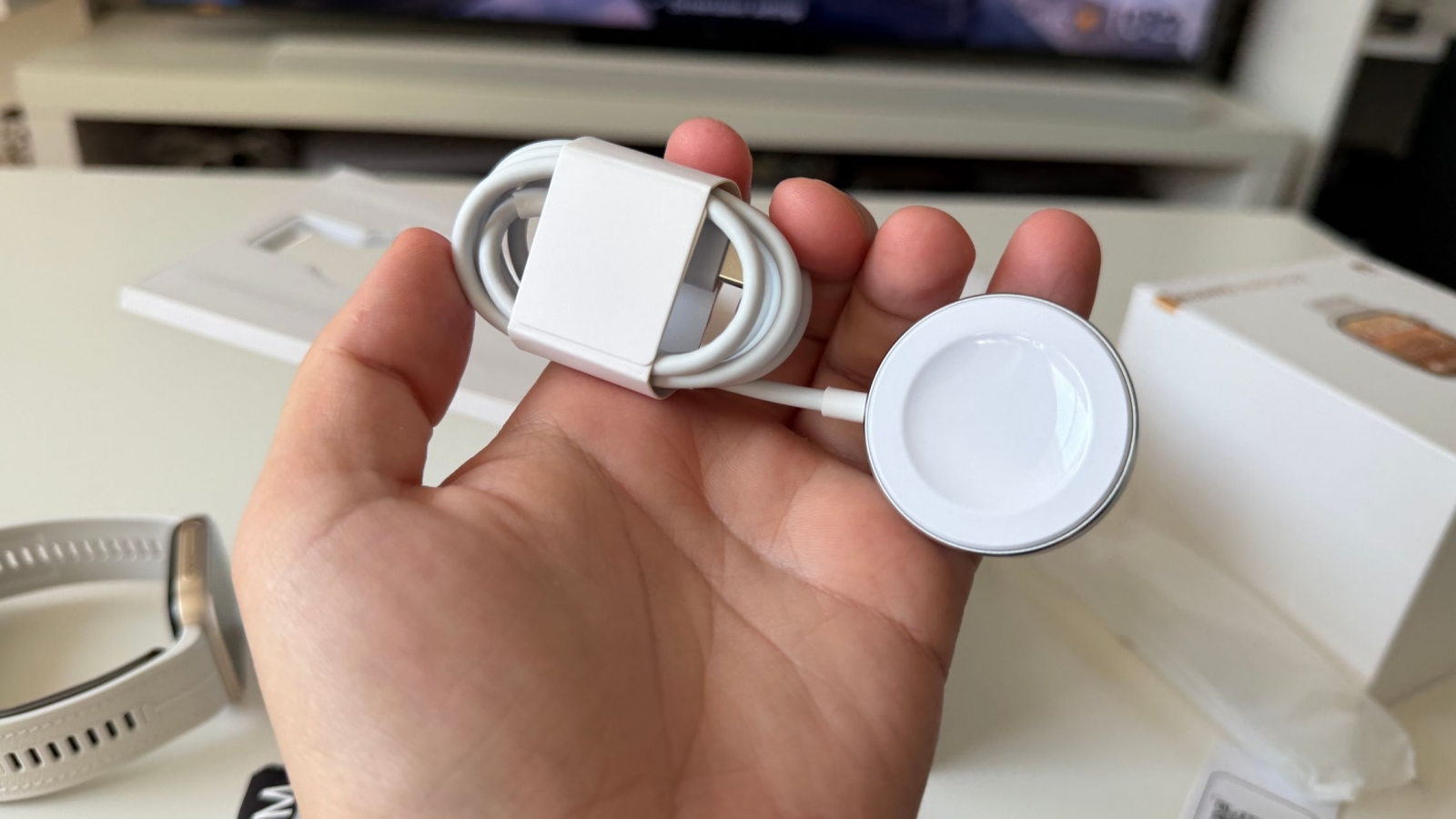
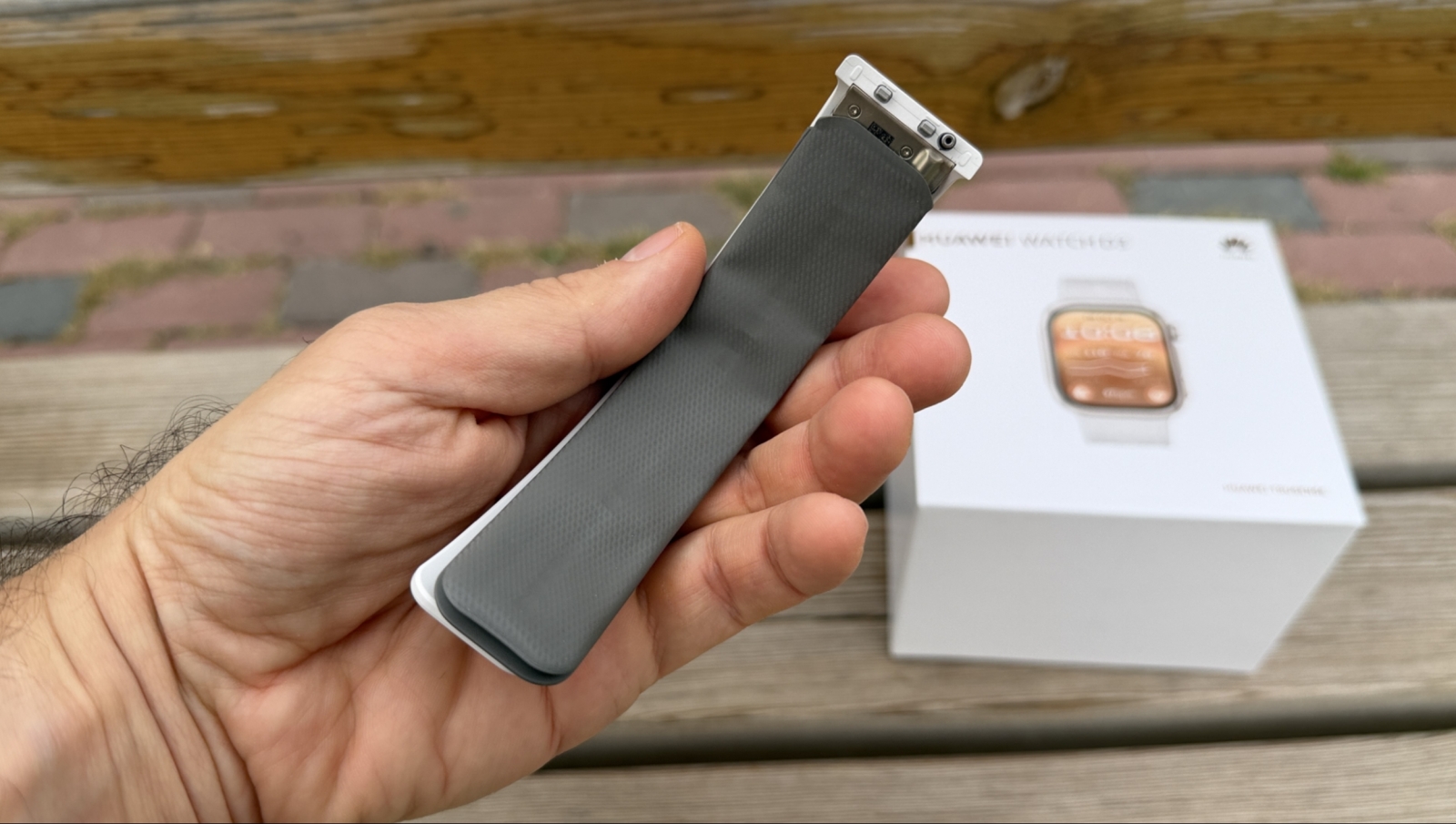
Huawei has made the hardware more compact than the Watch D2. Watch D3 is listed at 11.3 mm thick and 75 g including its strap, compared with 13.3 mm and 82.5 g for its predecessor. Its inflatable cuff is 25.5 mm wide, 1 mm narrower than the previous design. Two strap sizes, M and L, are included in the box, alongside the wireless charging puck and documentation.
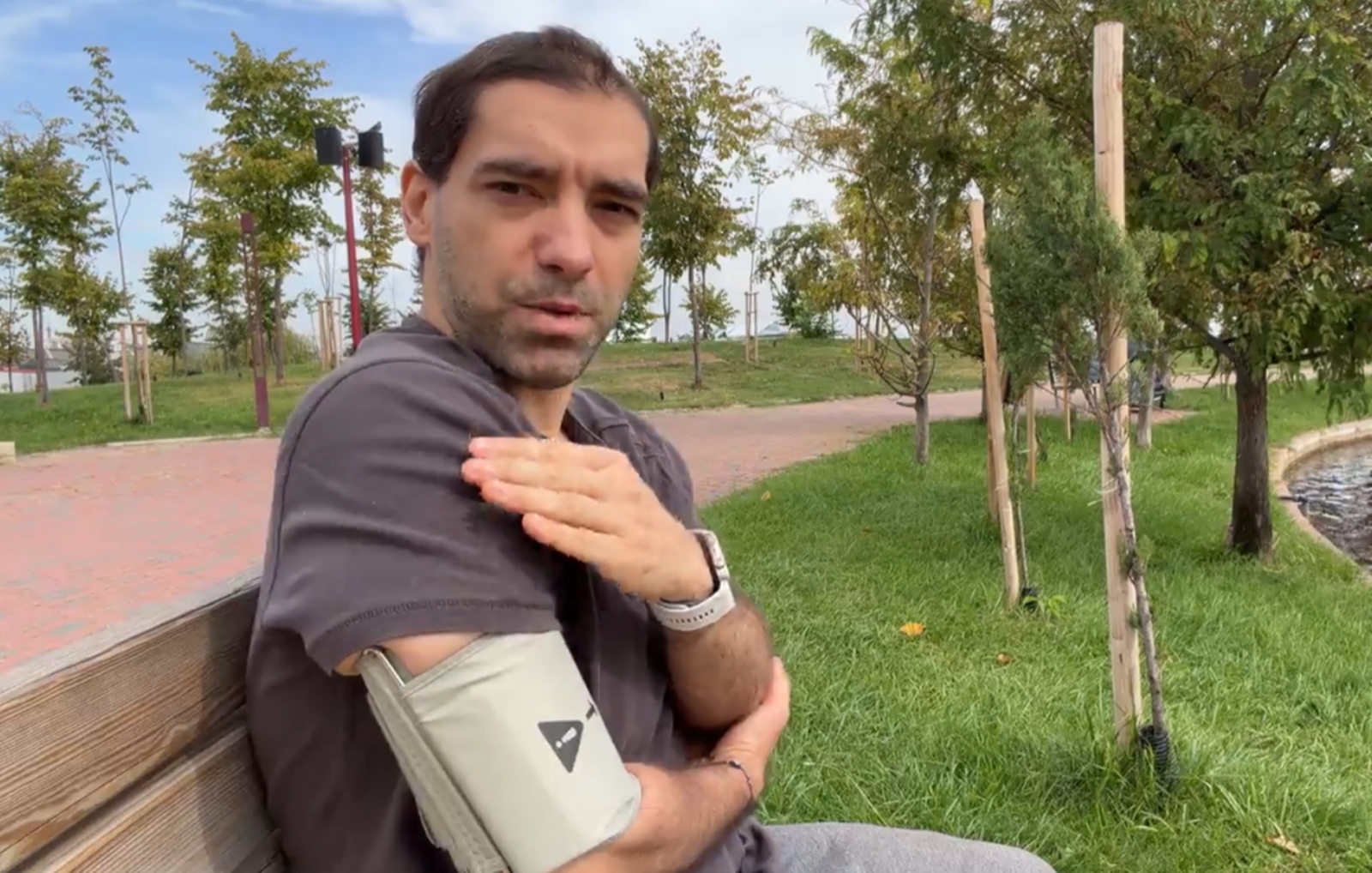
The OLED display grows from 1.82 inches on Watch D2 to 1.92 inches without increasing the overall watch body, according to the review. Peak brightness is rated at 3,000 nits, up from 1,500 nits, and the panel remained readable under direct sunlight during testing. Color options include Mocha Gold, white and black.

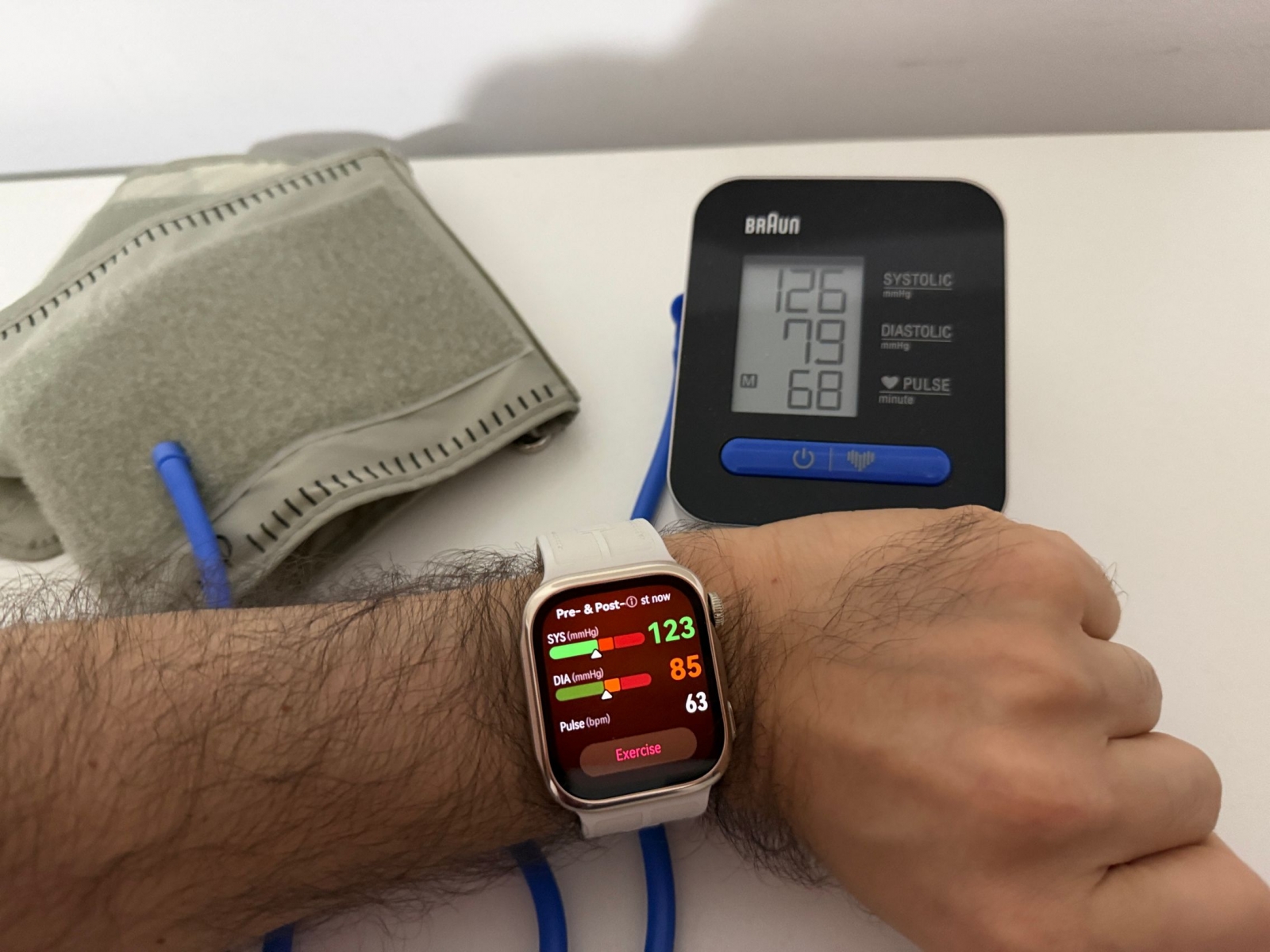


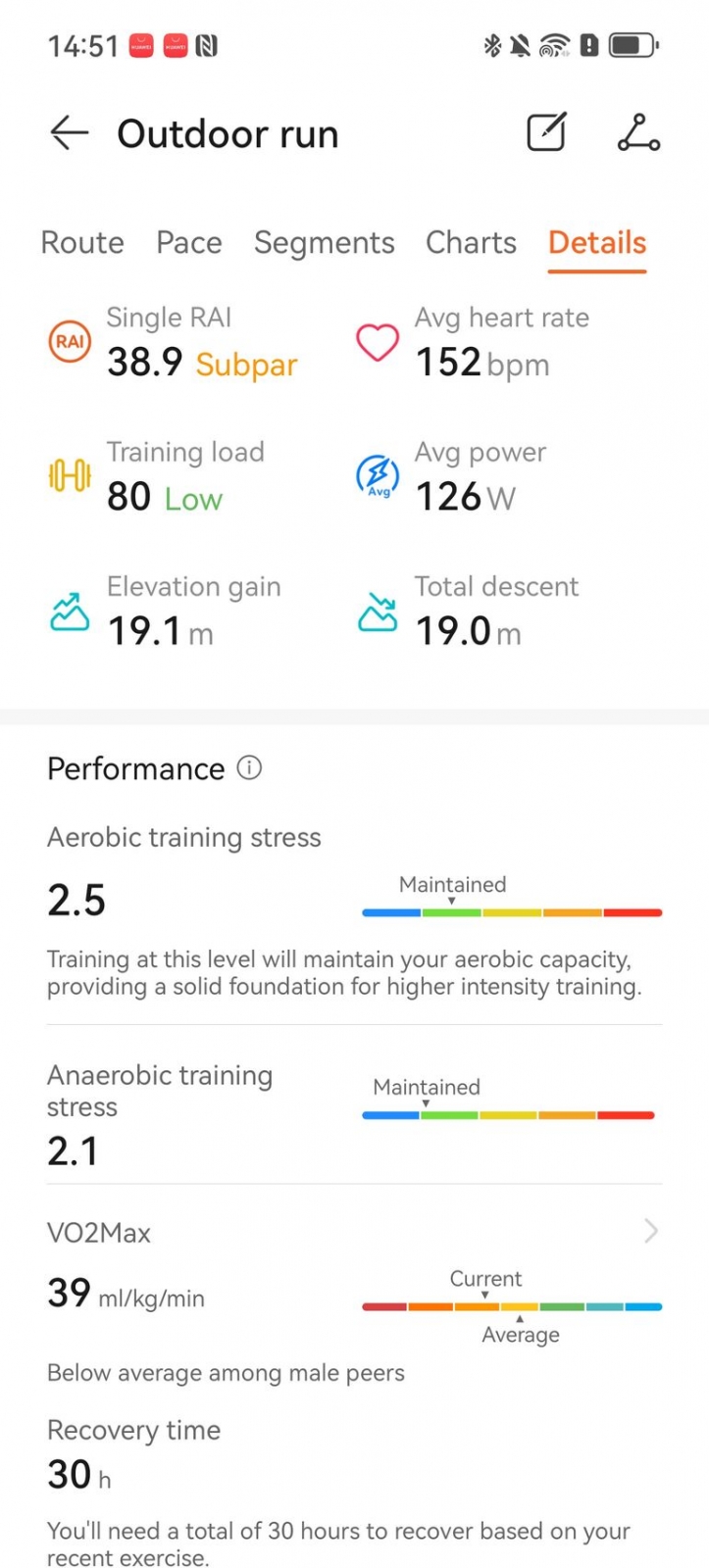
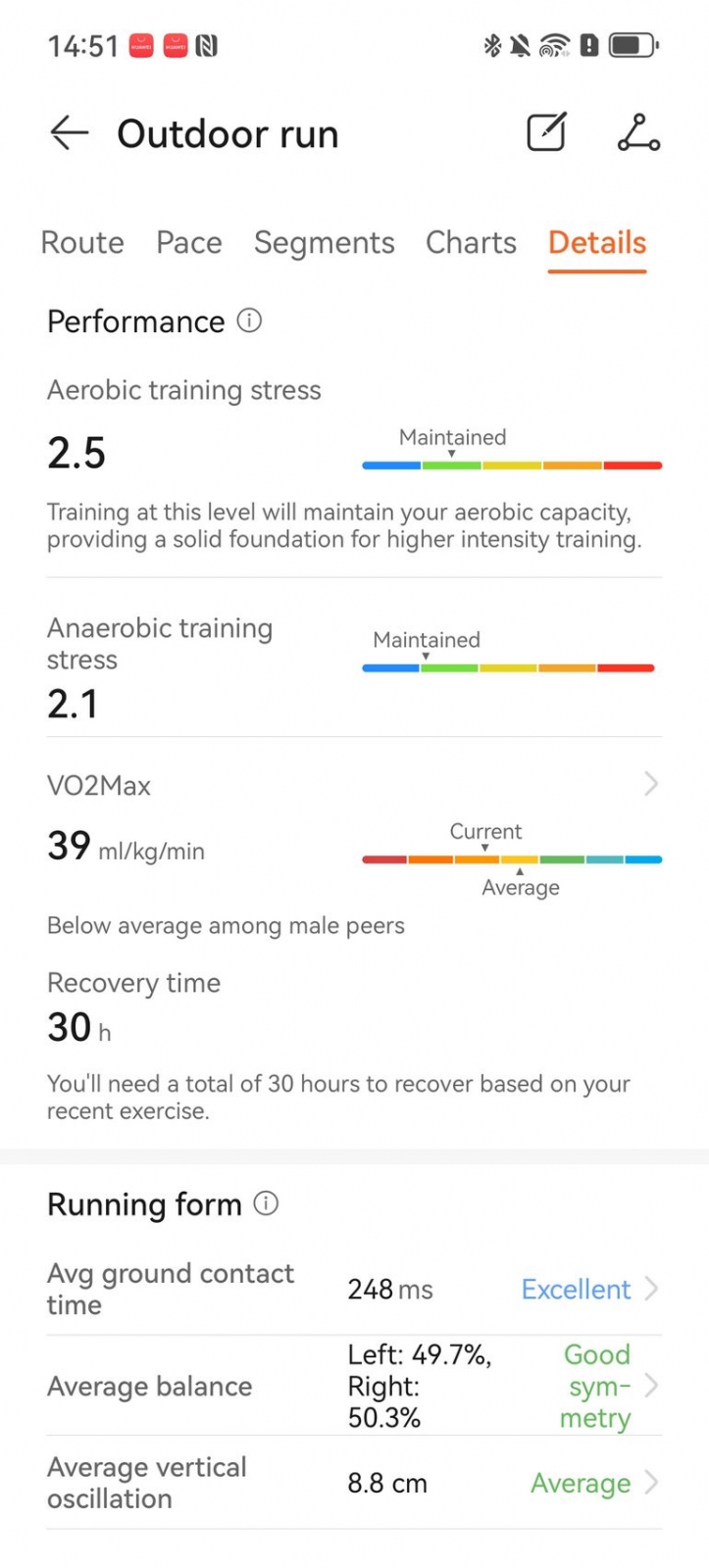
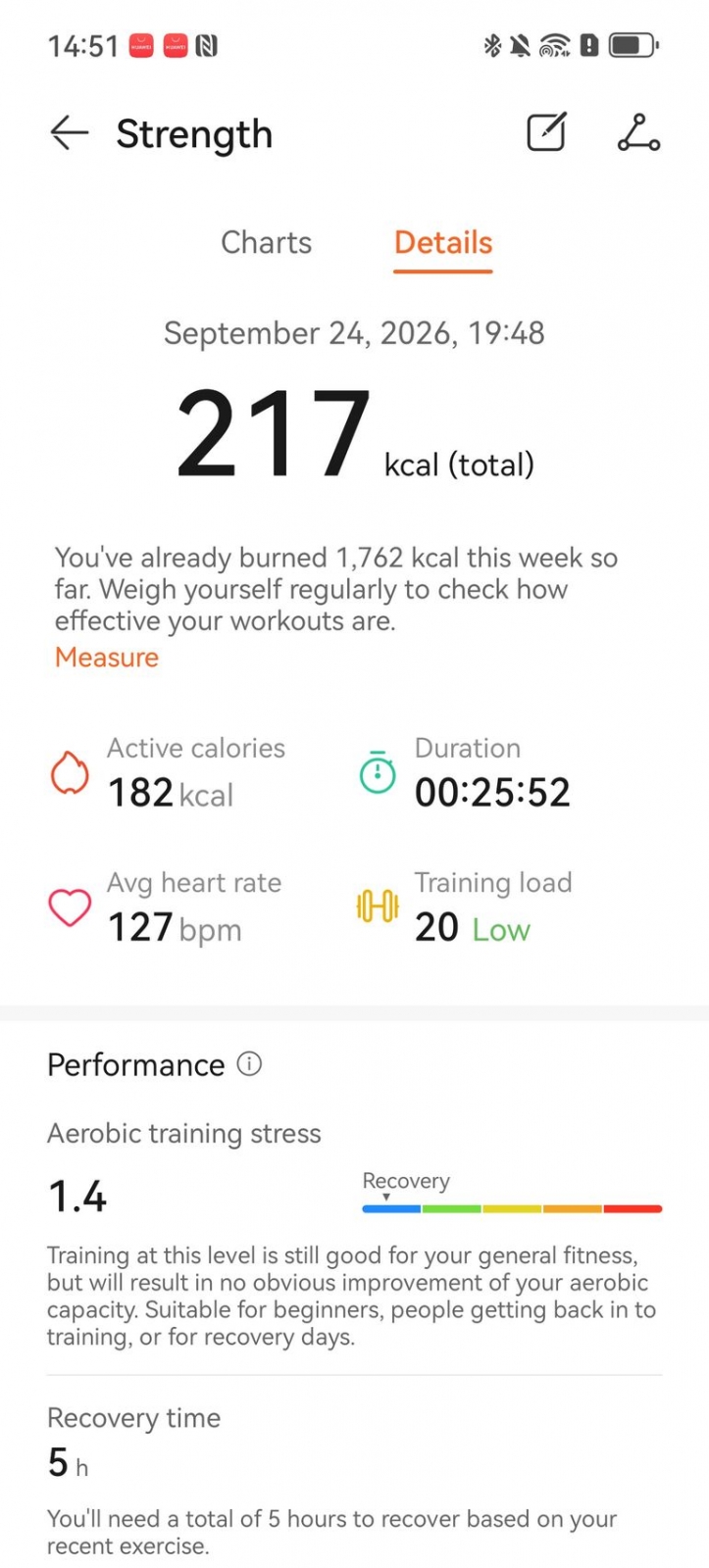
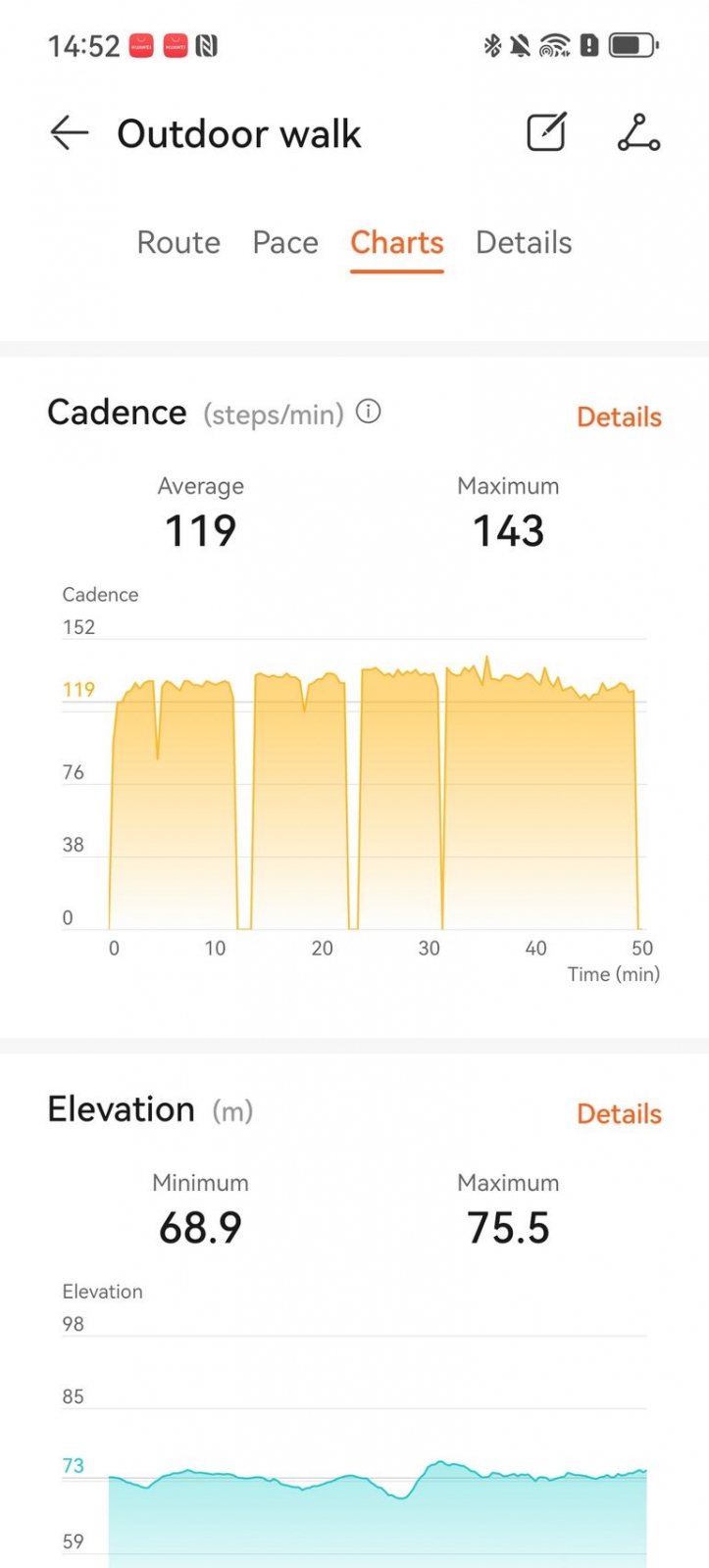
Huawei rates battery life at up to six days. The review recorded roughly five days of real-world use with walks, weight training, a run and frequent blood-pressure, ECG, heart-rate and SpO2 checks. Charging took a little over an hour.
Health and fitness additions over Watch D2

- A larger, brighter OLED display in a slimmer and lighter chassis.
- Blood-pressure measurements before and after supported exercise sessions.
- Expanded 11-metric Health Glance check, completed in 60 seconds.
- More detailed sleep analysis, including sleep stages, awakenings, breathing rate, heart rate and HRV.
- Physical Readiness scoring from 0 to 100, based on recent activity and sleep data.
- Emotional wellbeing tracking with 12 reported emotional states, plus stress and temperature monitoring.
- Health Community alerts that can notify connected family members or close contacts about health updates.
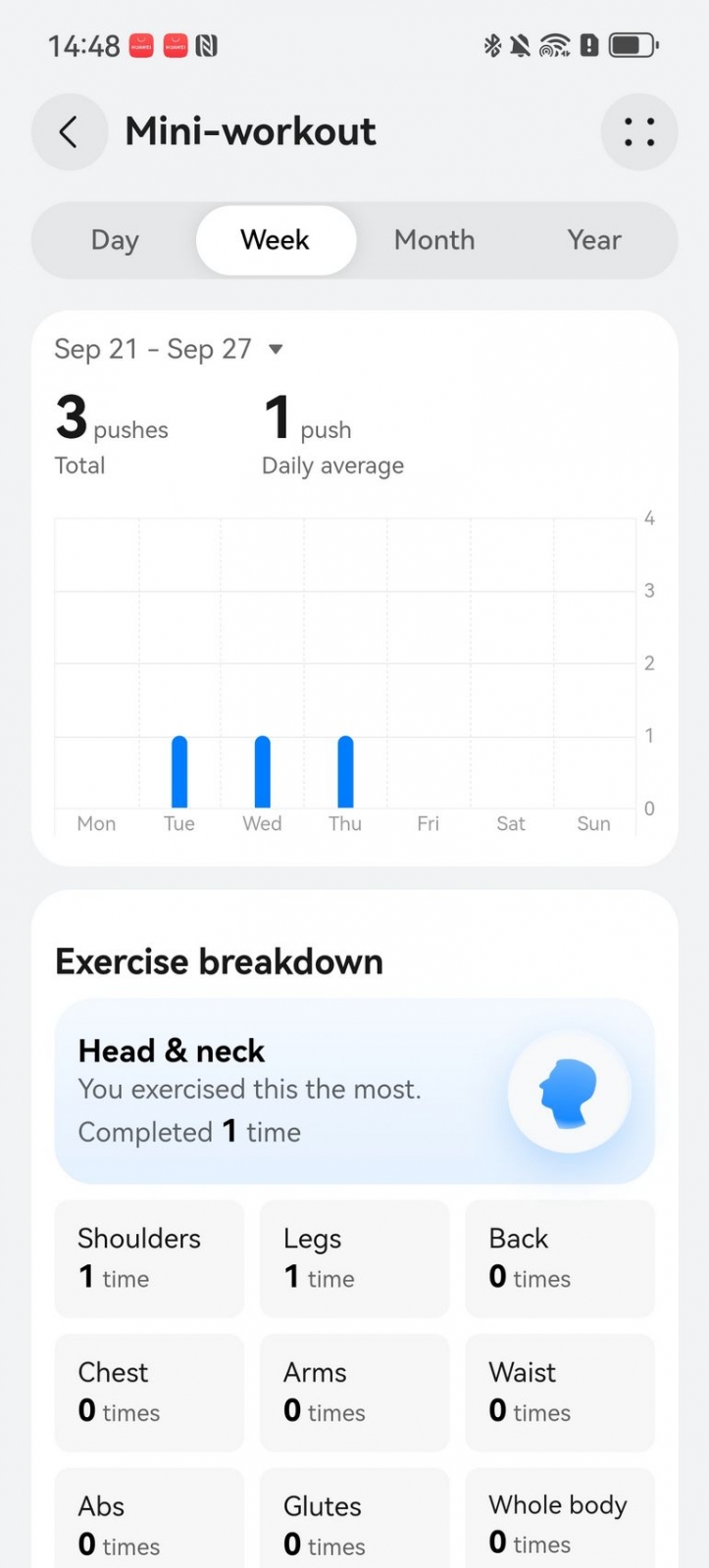
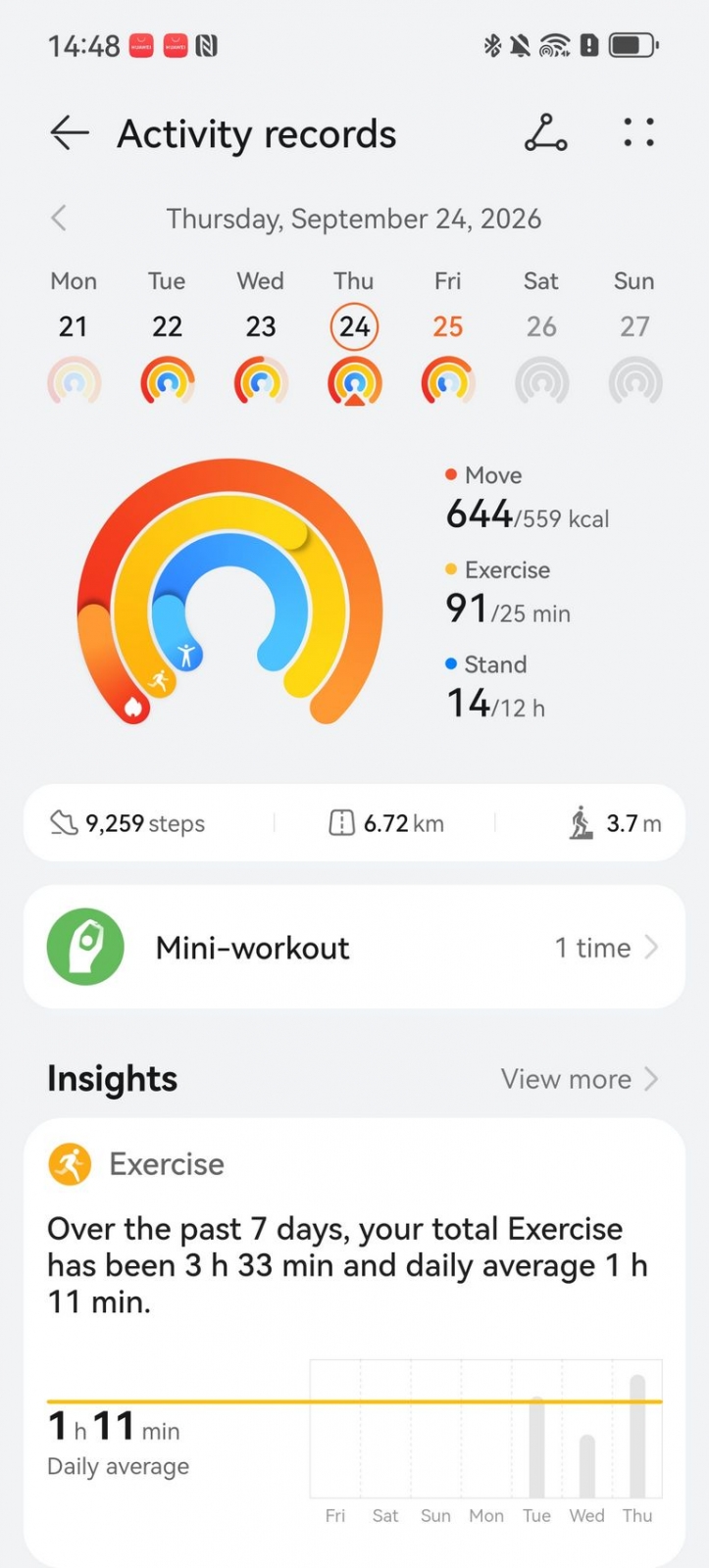
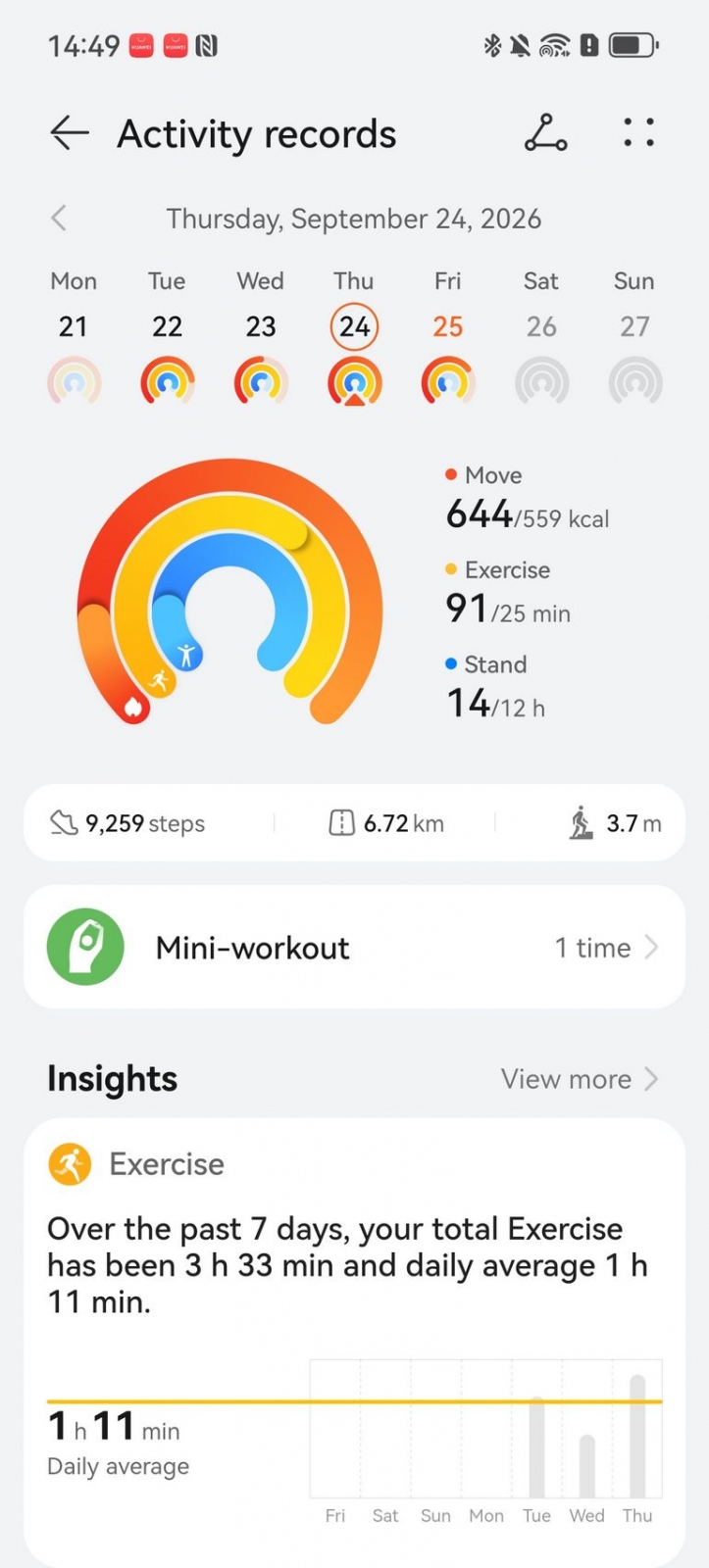
- Additional sports features, including golf course data, expanded cycling functions and Mini Workout.
- Improved measurement guidance for changes in temperature and altitude.


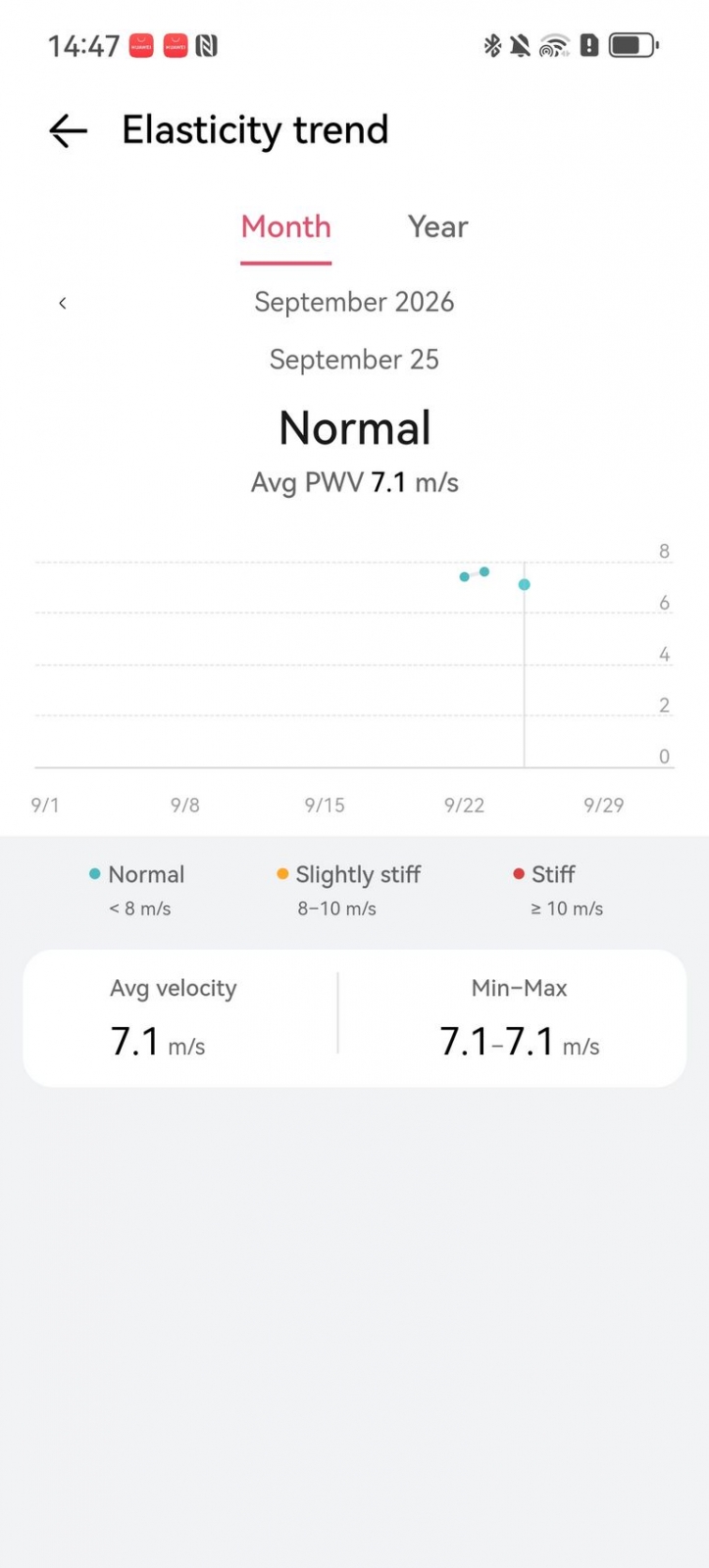
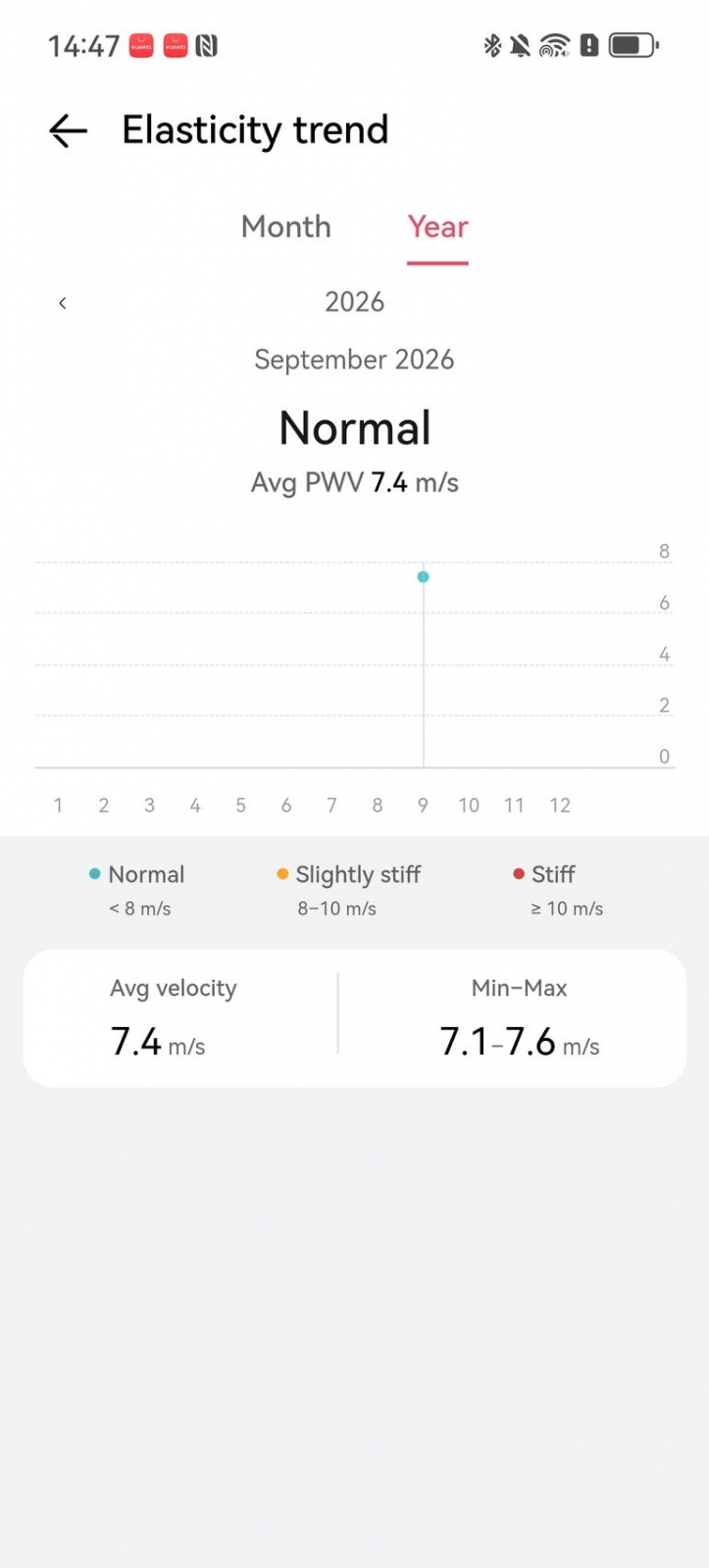
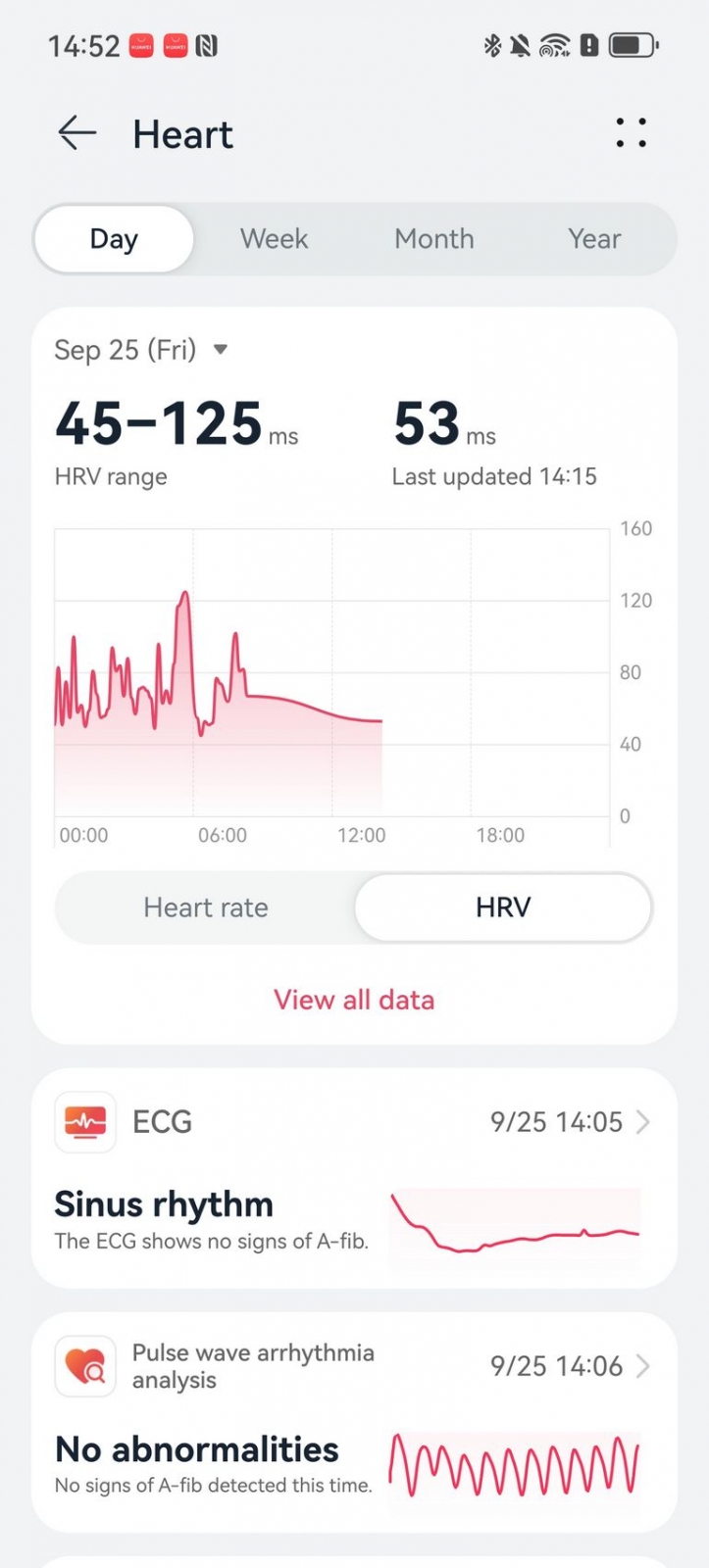
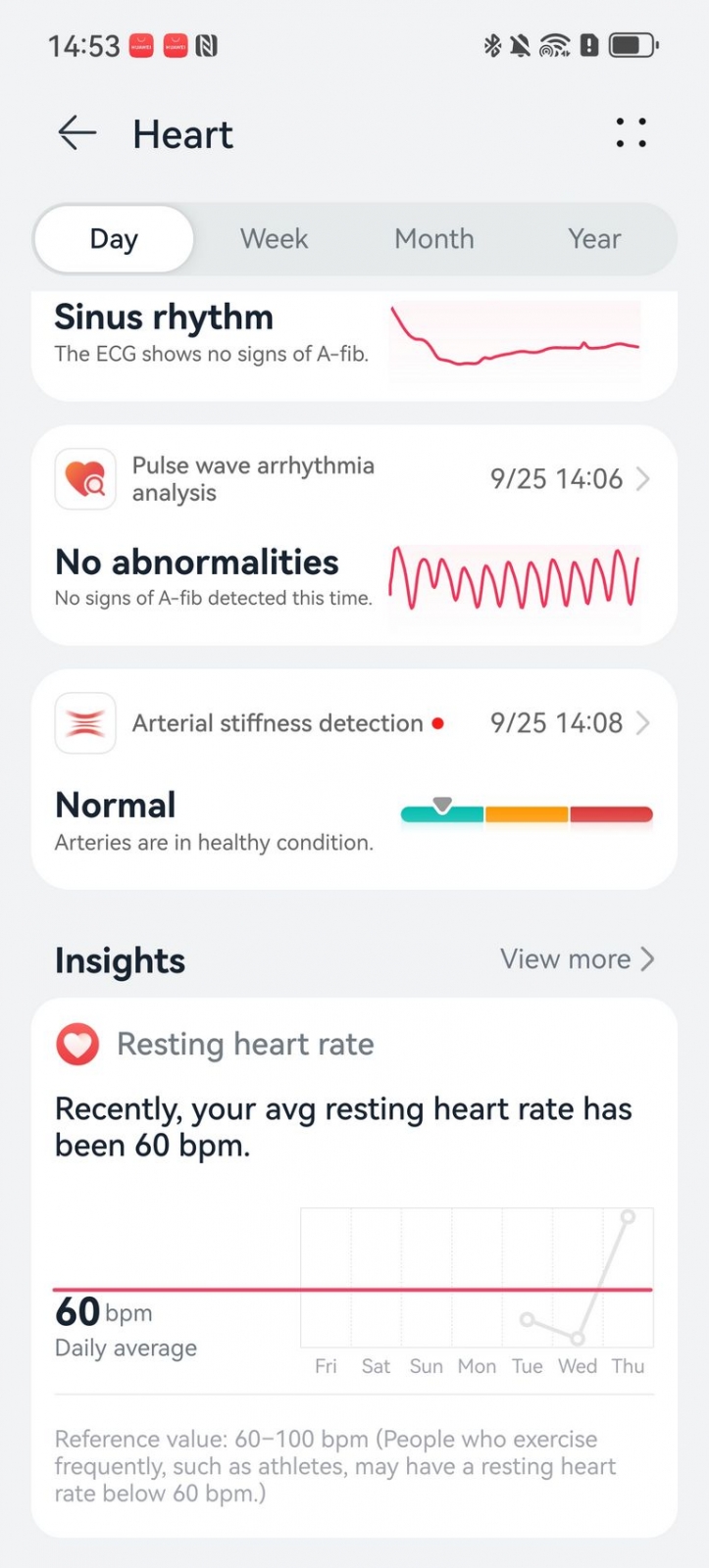
The 60-second Health Glance feature aggregates 11 indicators, including ECG, heart rate, SpO2, arterial stiffness, temperature and HRV. Huawei also surfaces longer-term Insights after 7 to 14 days of collected data, while Physical Readiness provides a daily score based on recovery-related signals.
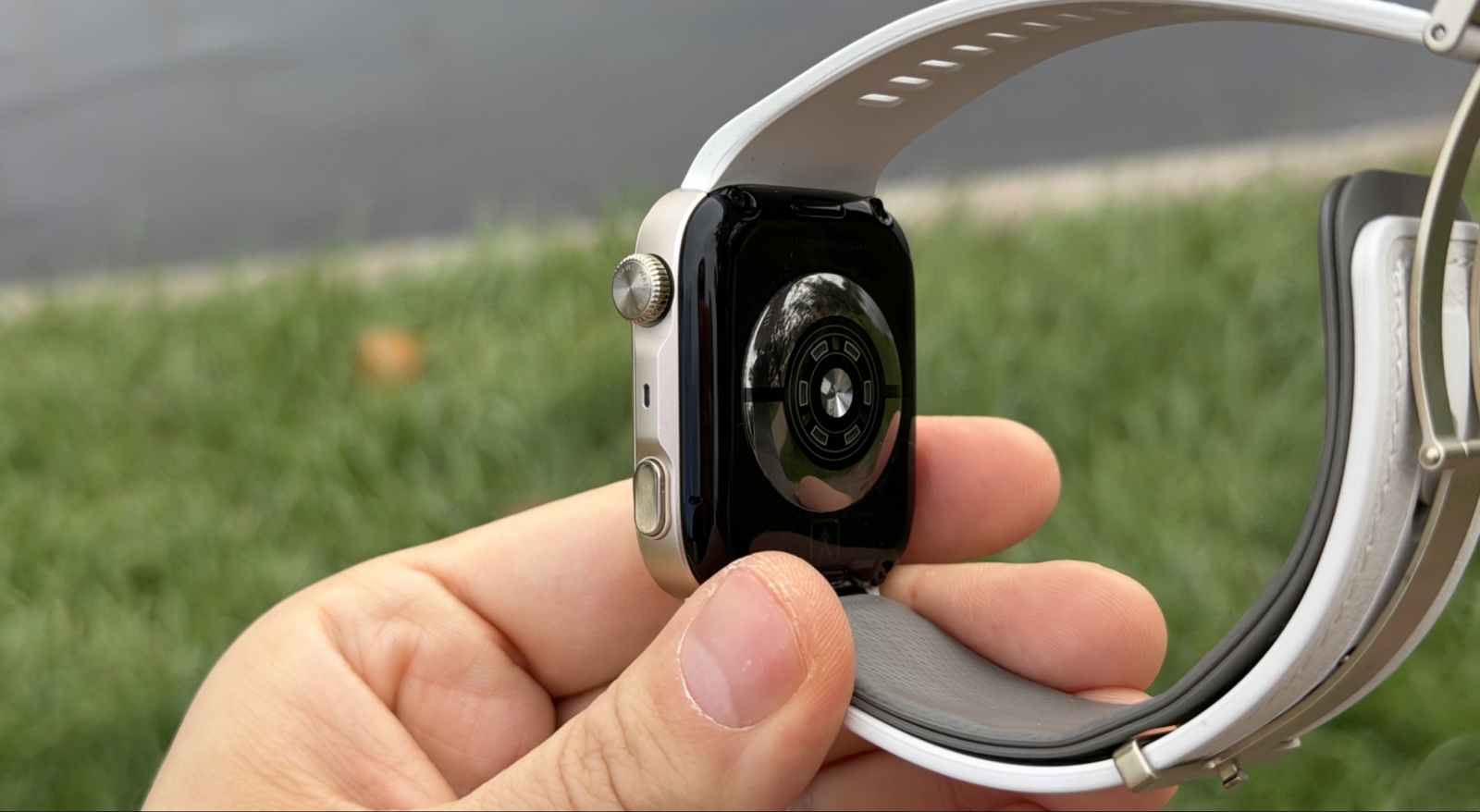
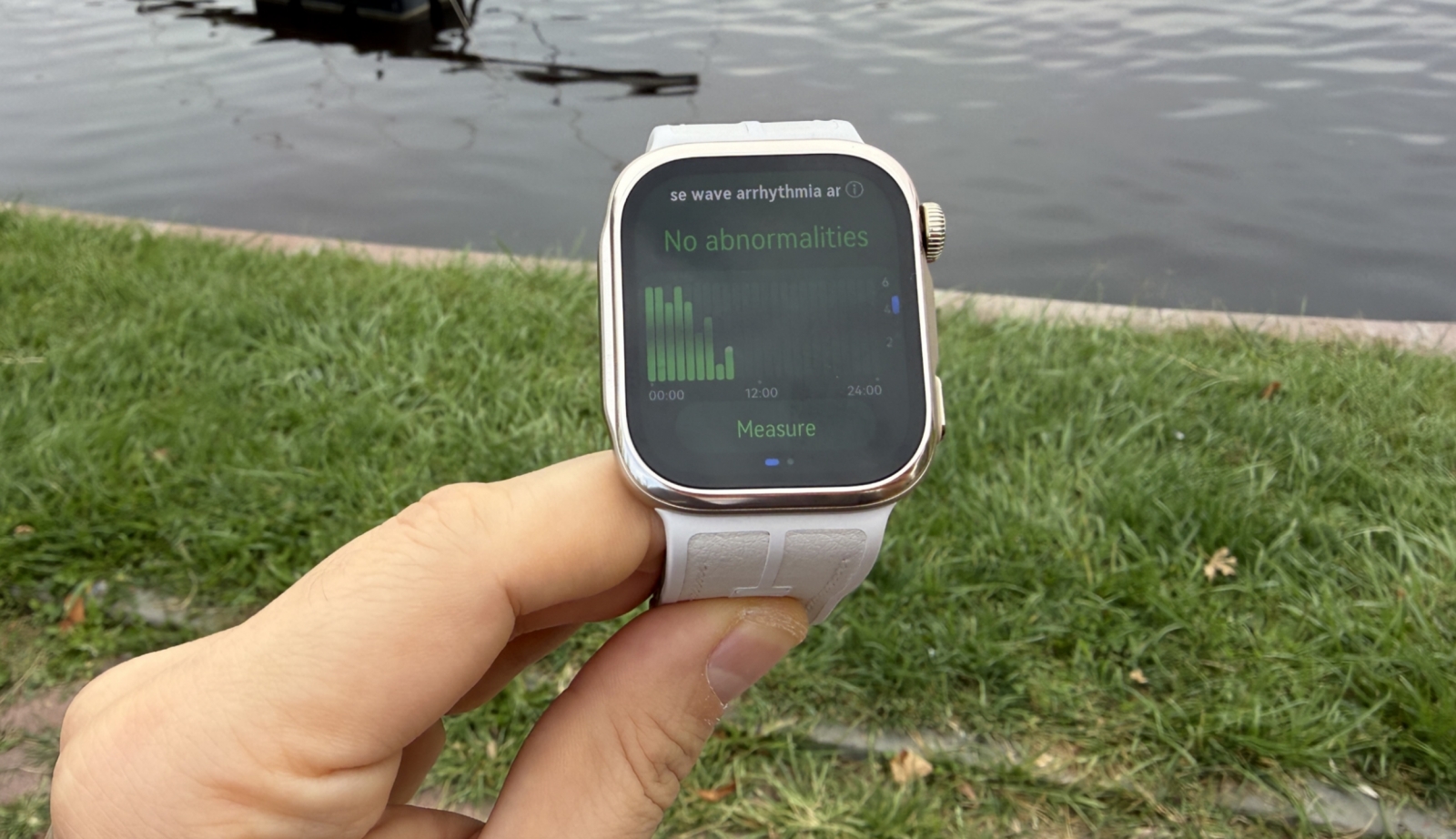
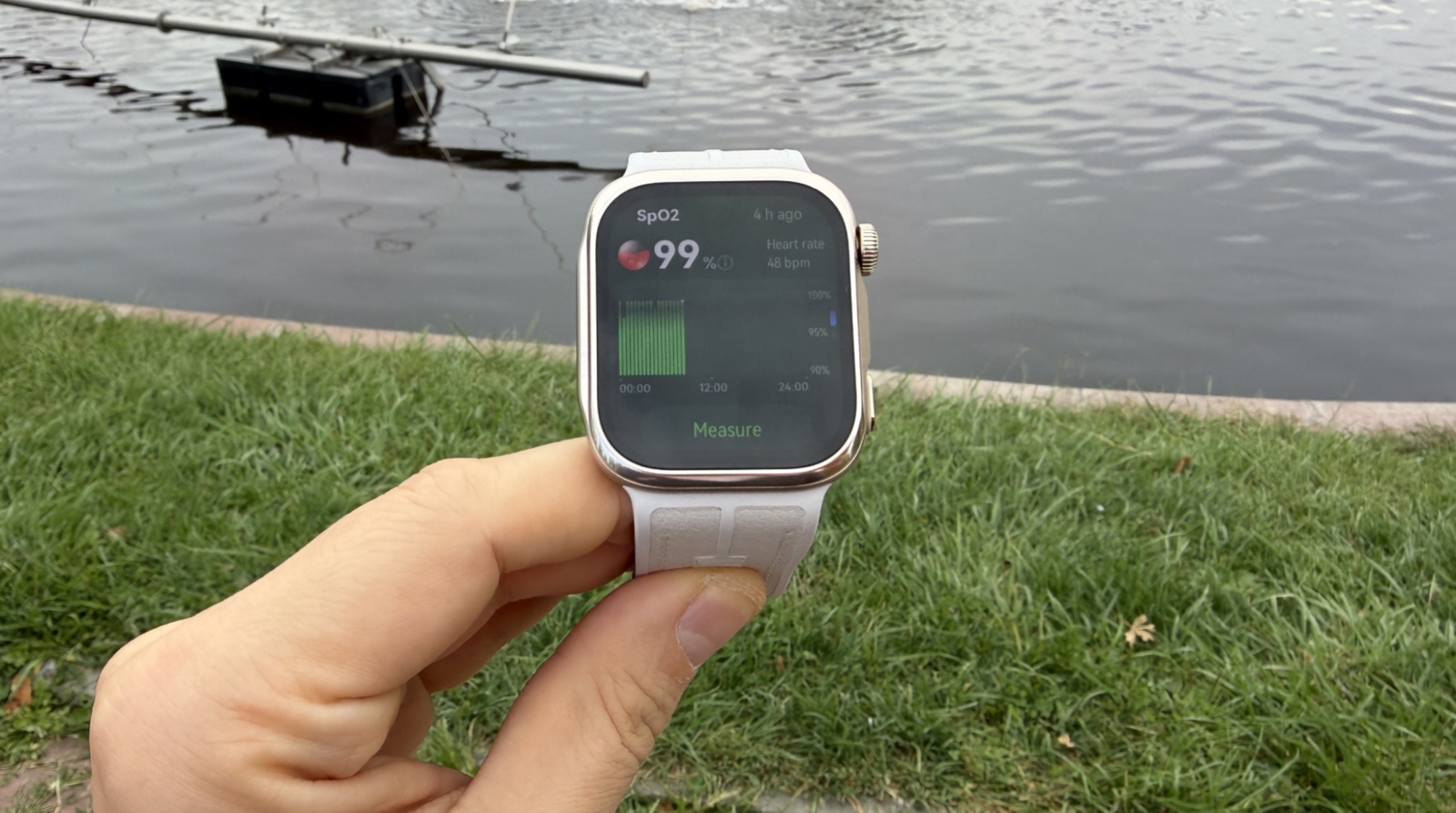
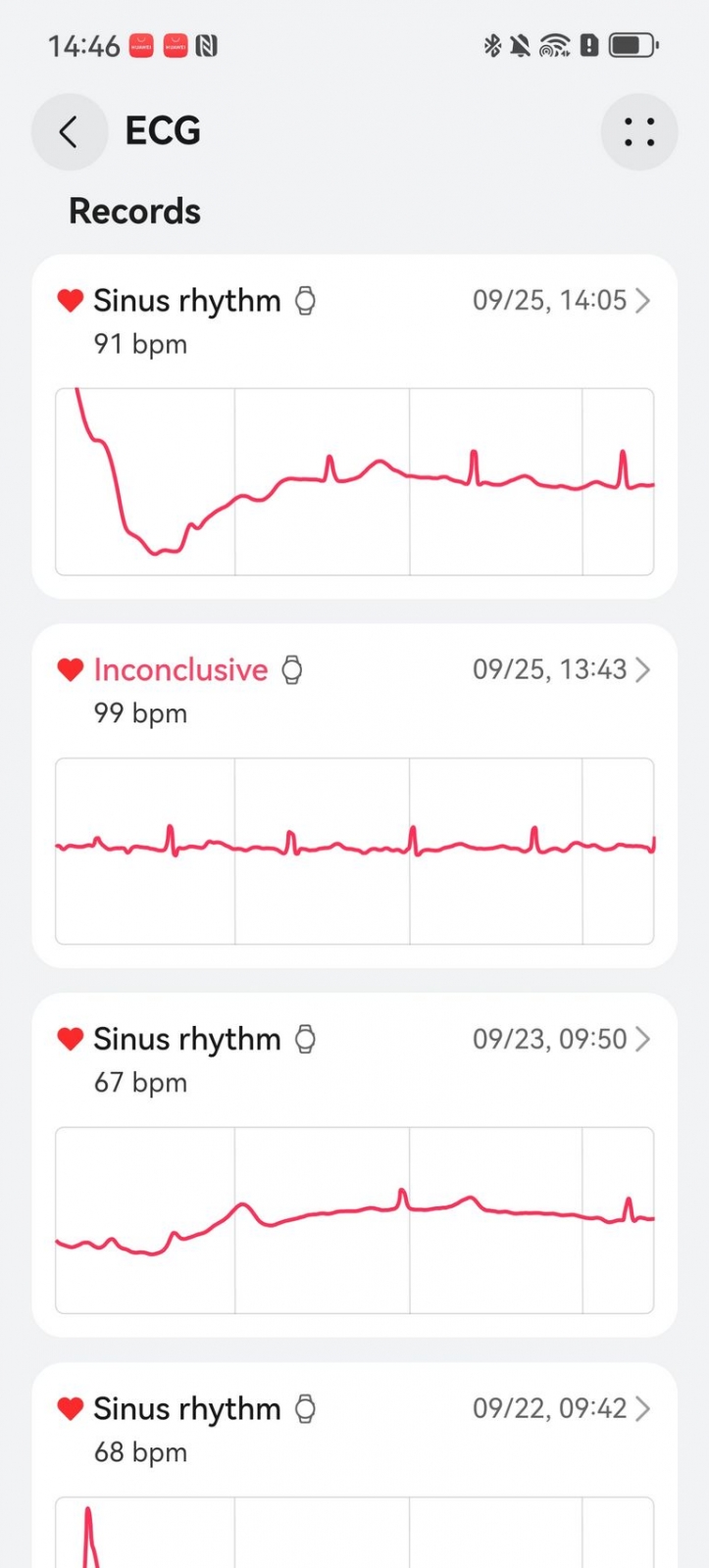
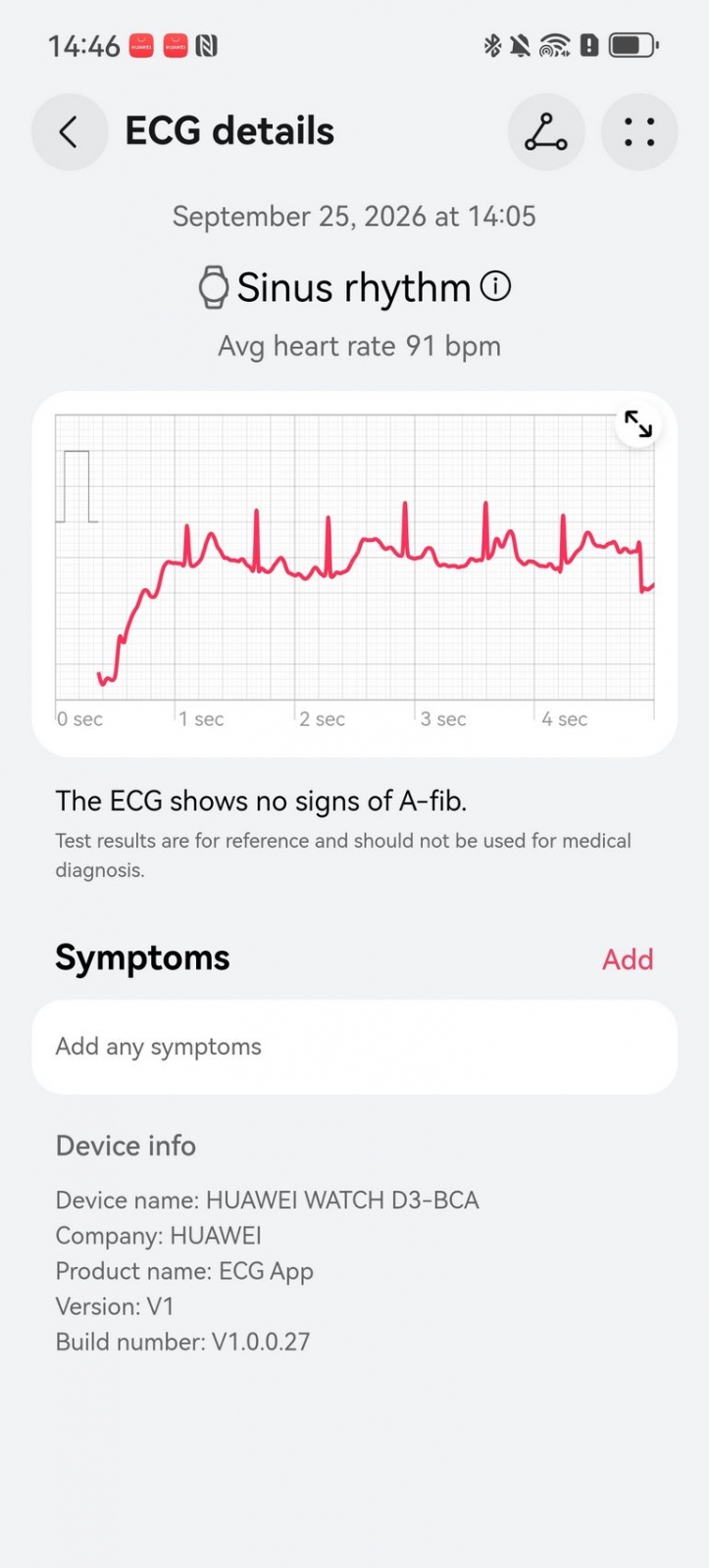
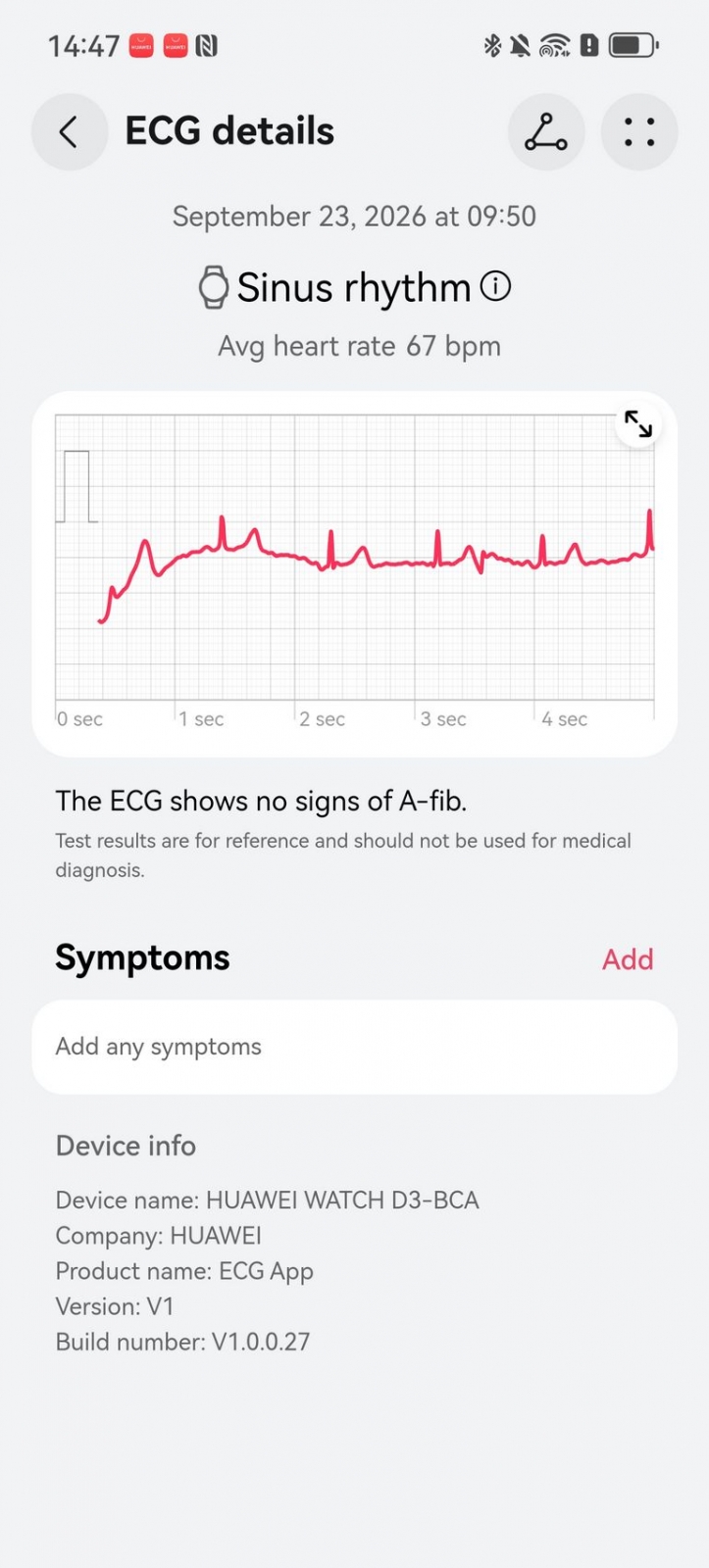
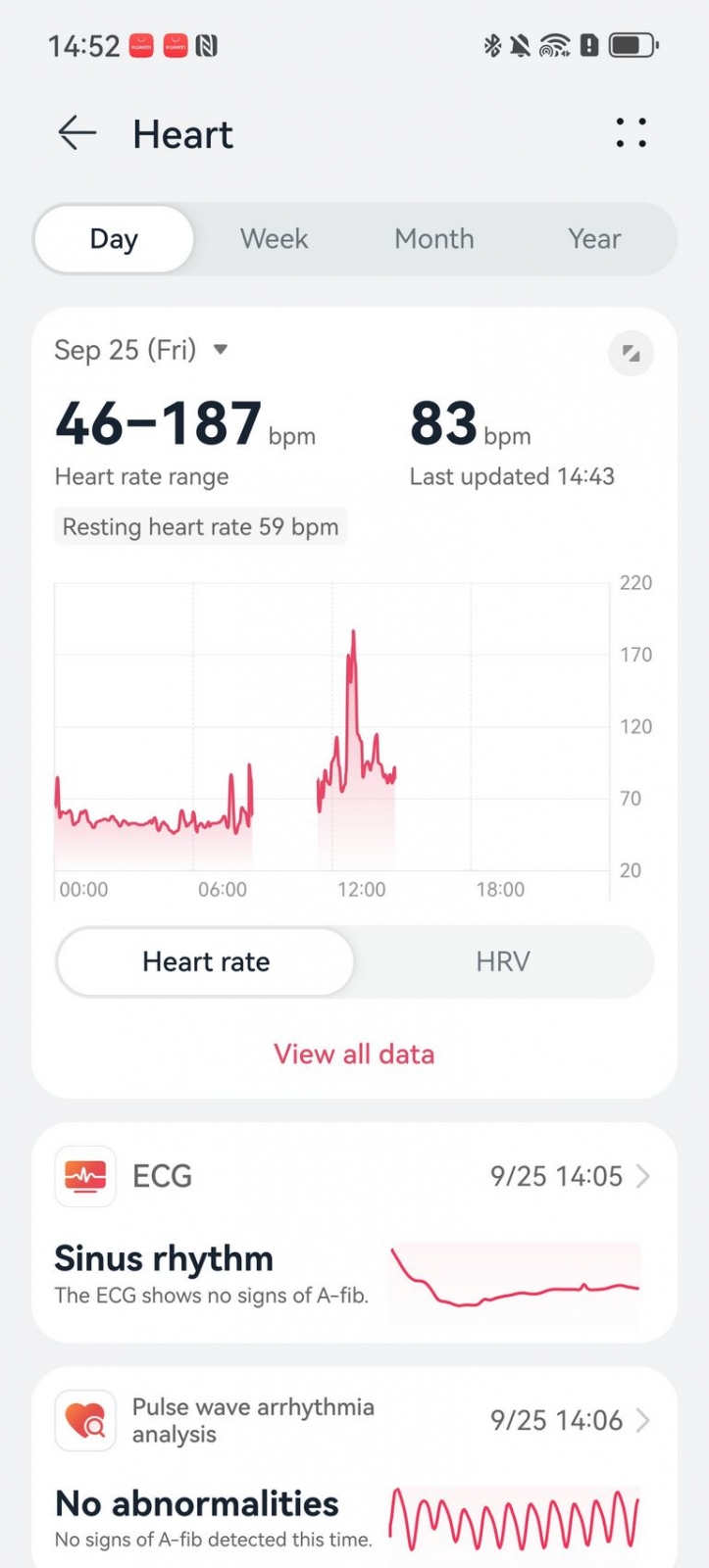
For ECG, users hold a finger on the physical side button for 30 seconds. A separate longer measurement is intended to screen for signs associated with atrial fibrillation. The Watch D3 also supports continuous heart-rate monitoring, daytime and sleep HRV data, and SpO2 monitoring during both exercise and sleep.


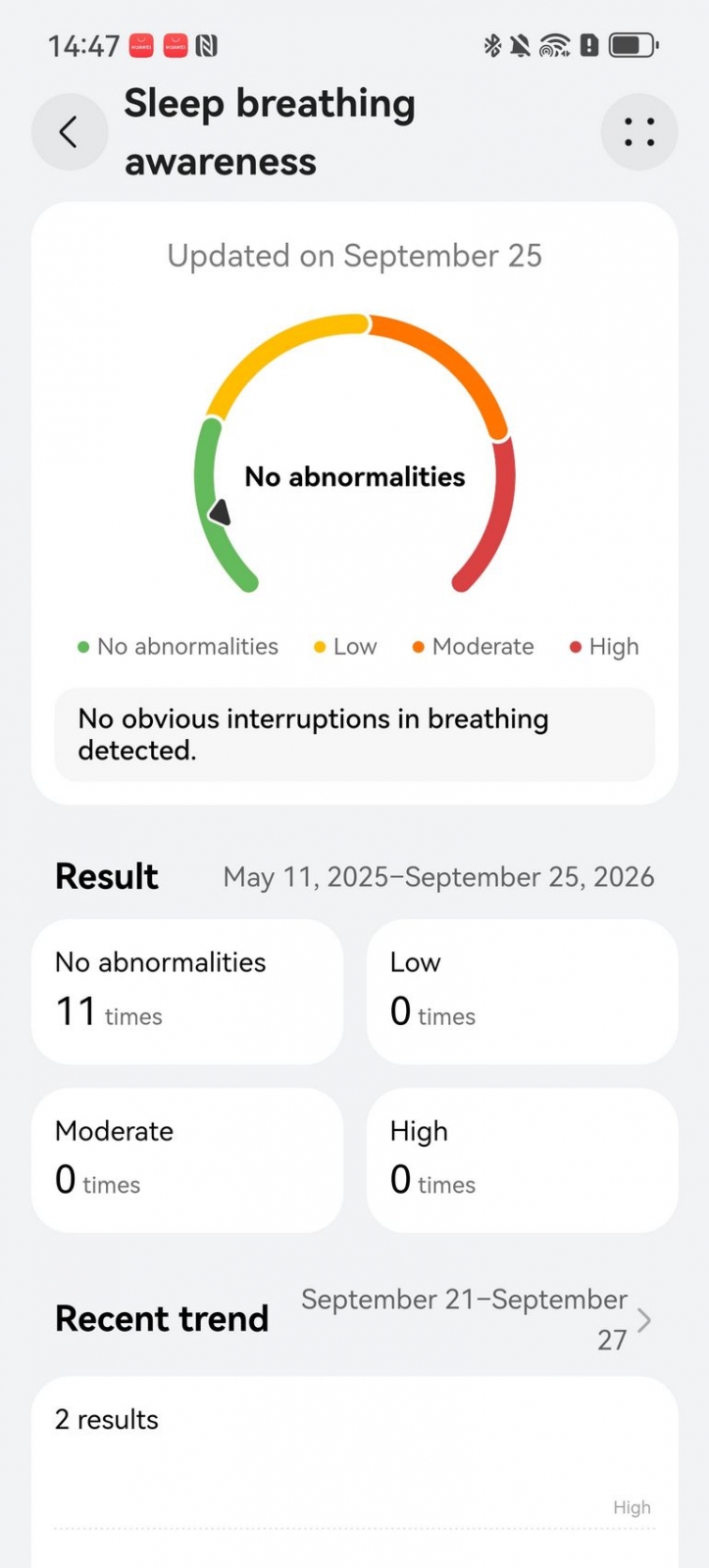
Sleep tracking now breaks down deep, light and REM sleep, and includes breathing-rate, heart-rate and HRV records, sleep consistency charts and apnea-related monitoring. The watch additionally tracks stress on a 0-to-100 scale, temperature changes and health information related to the menstrual cycle and ovulation.

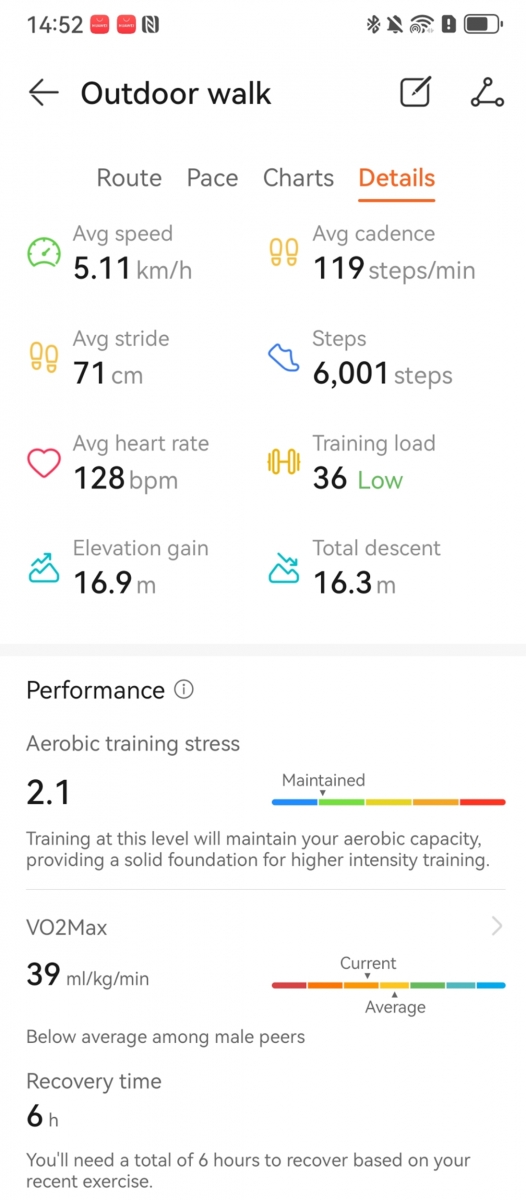
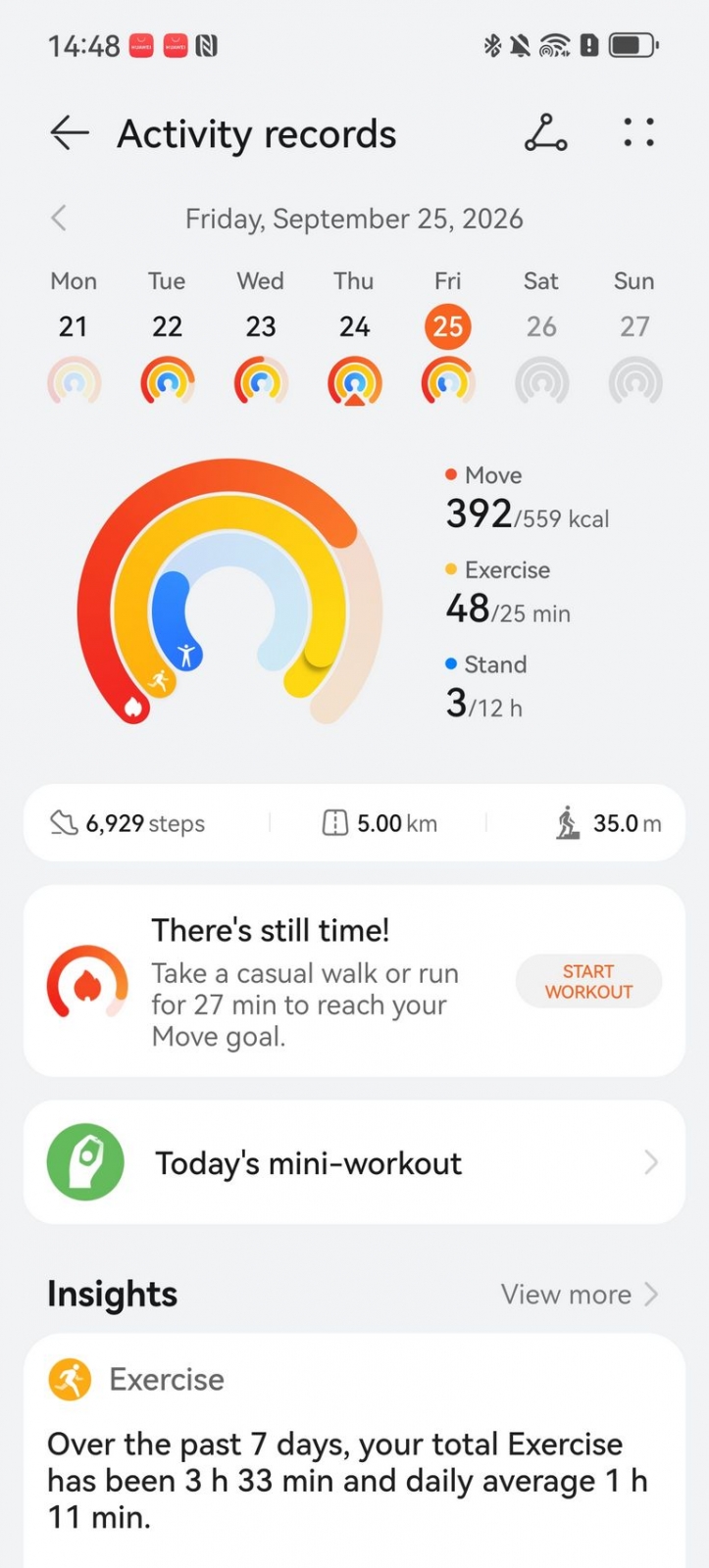
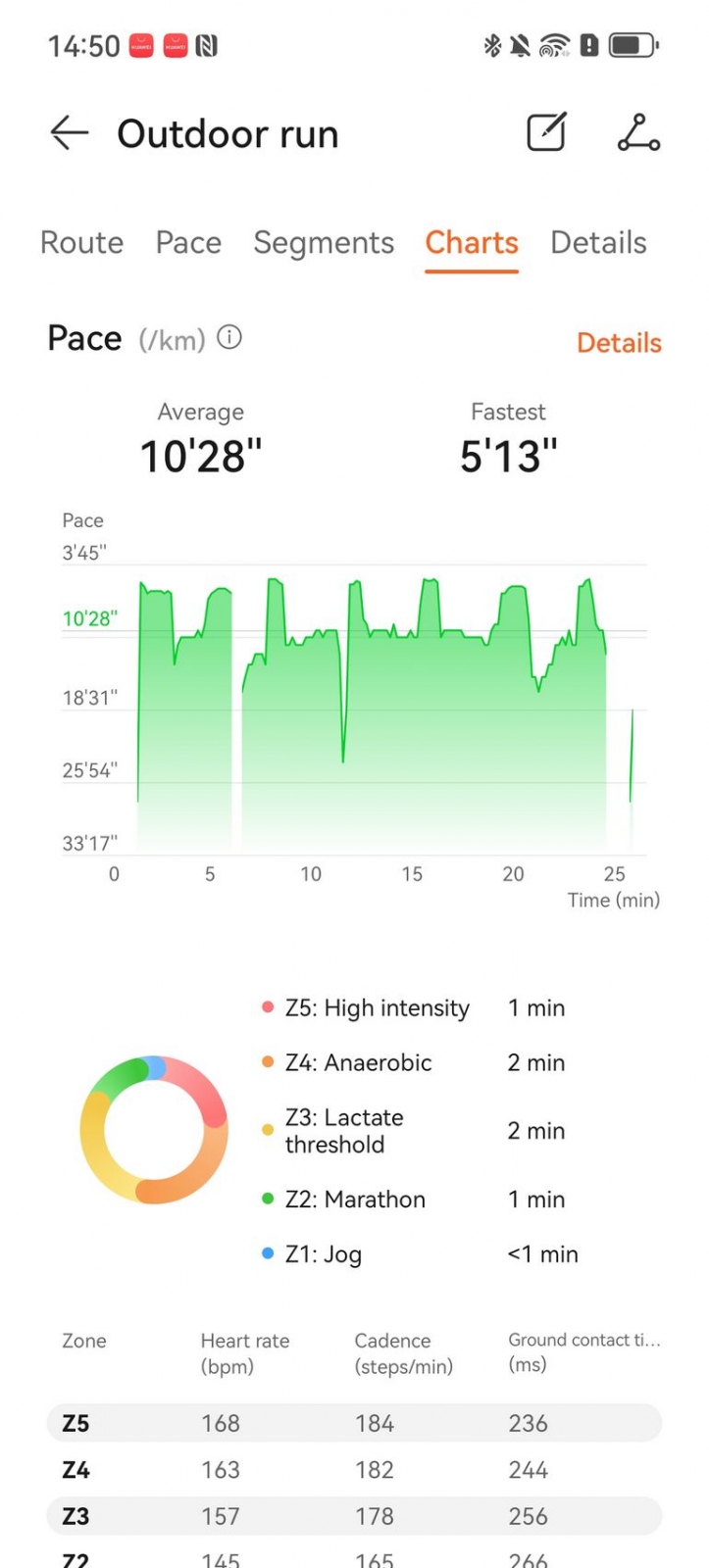
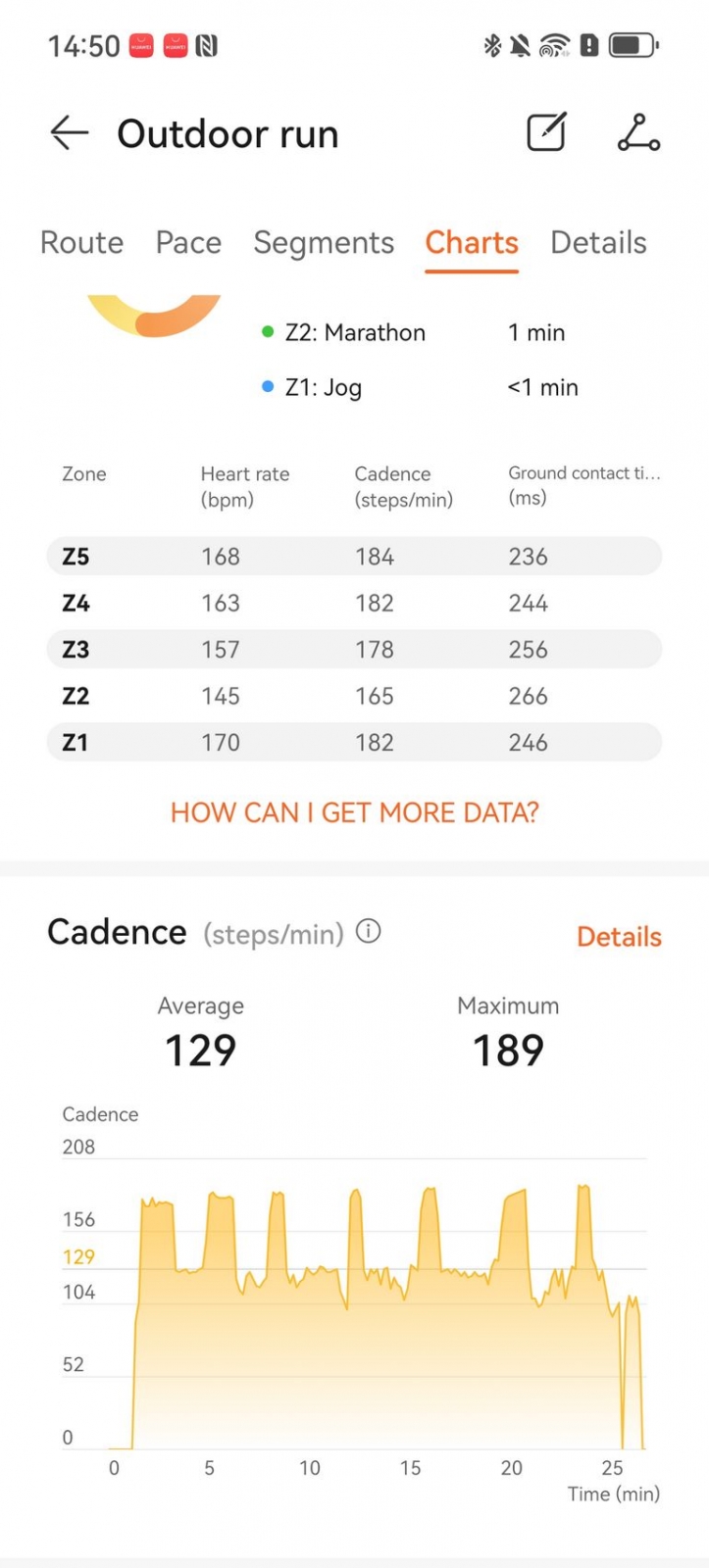
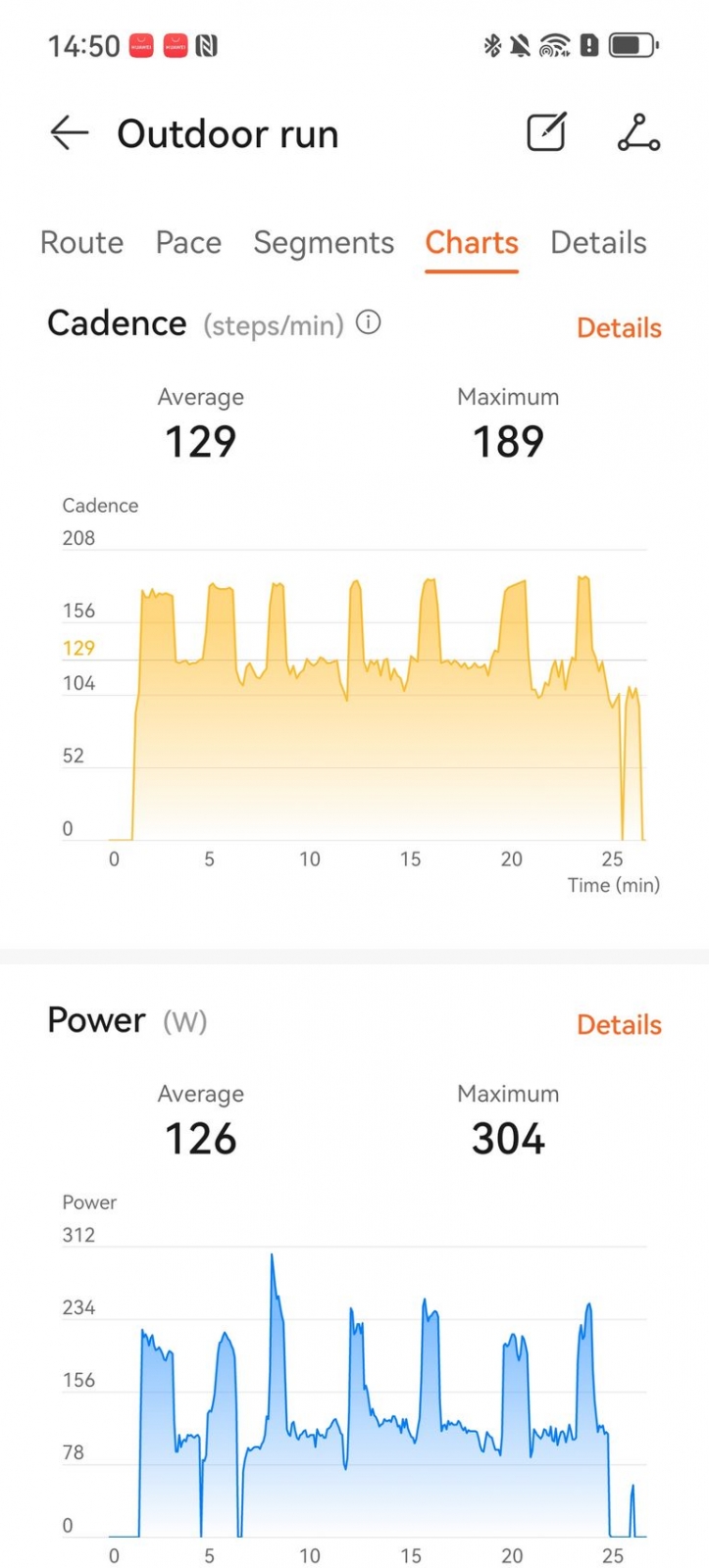
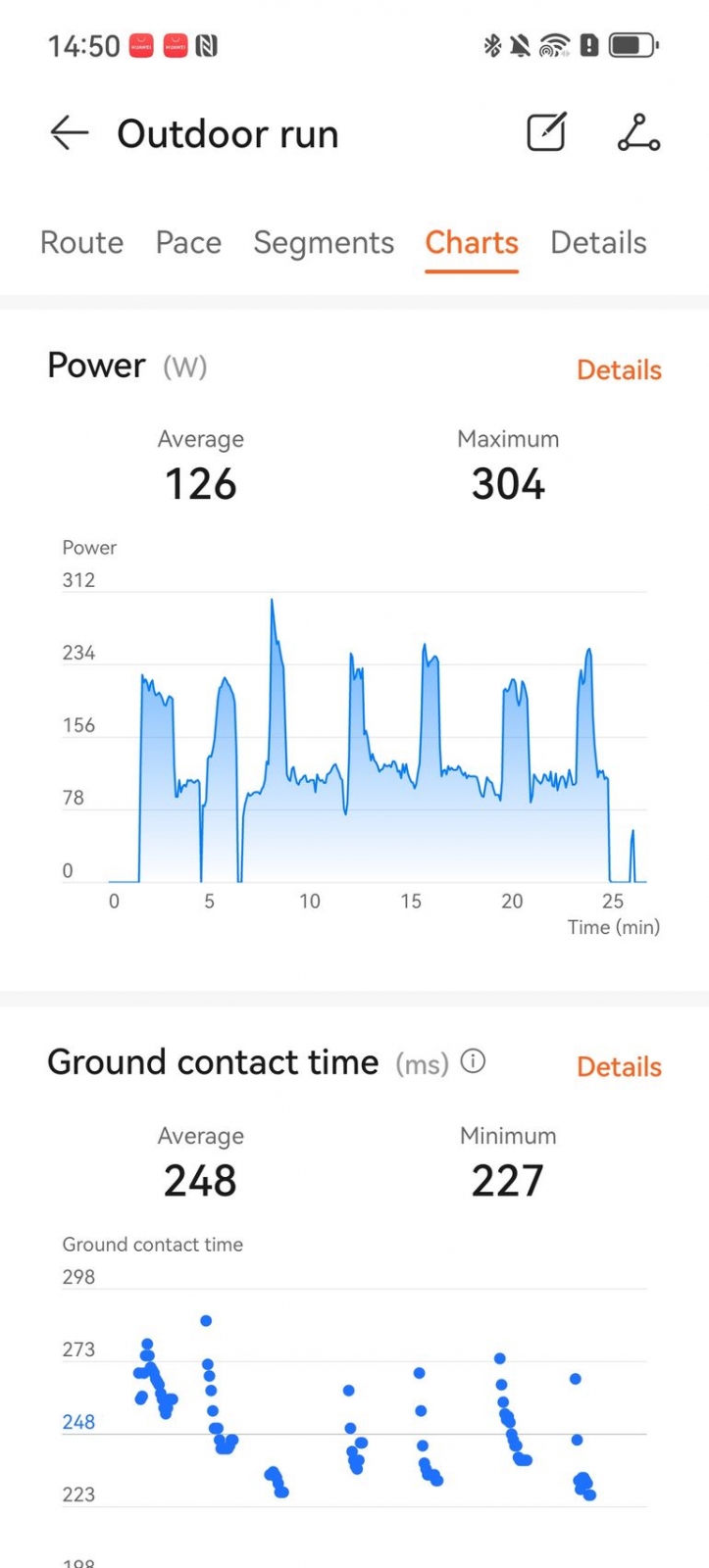
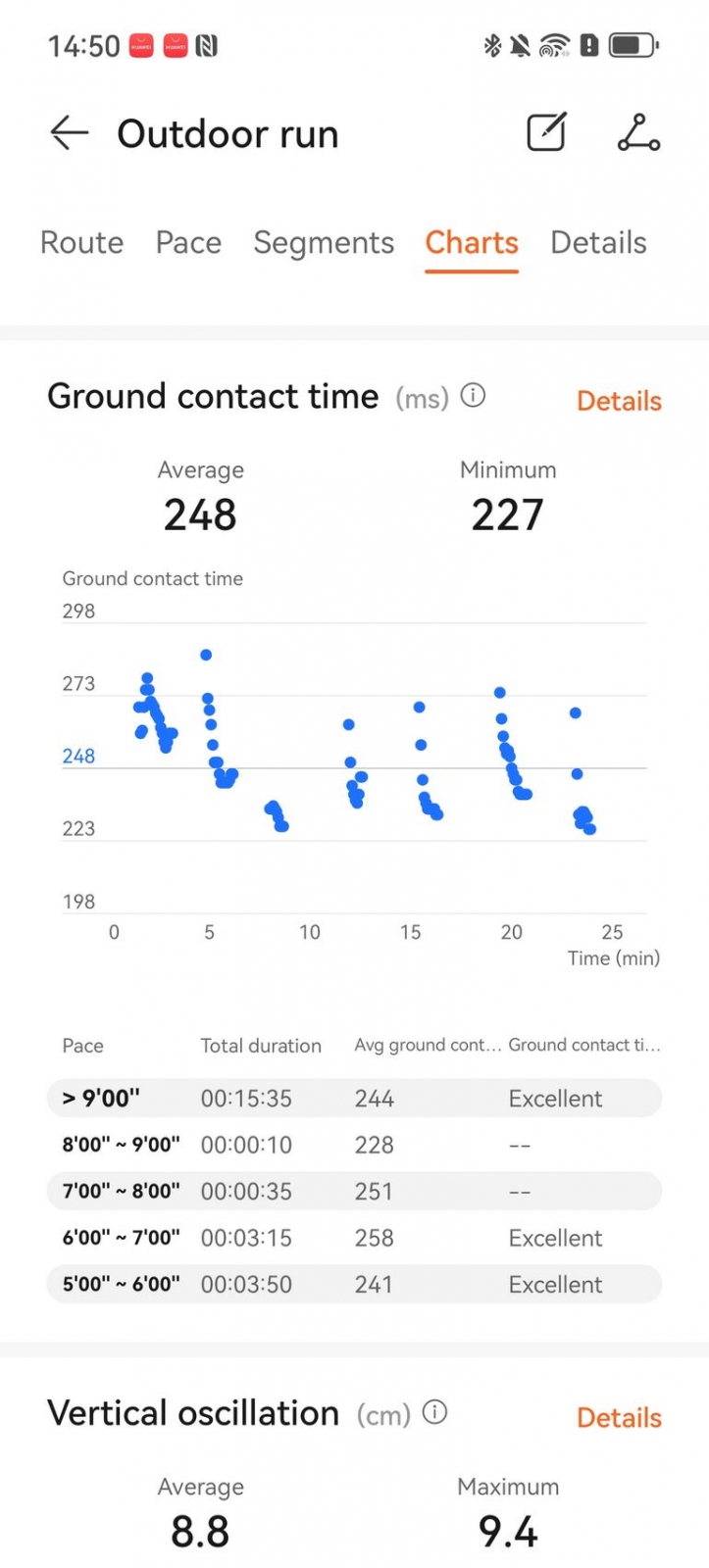
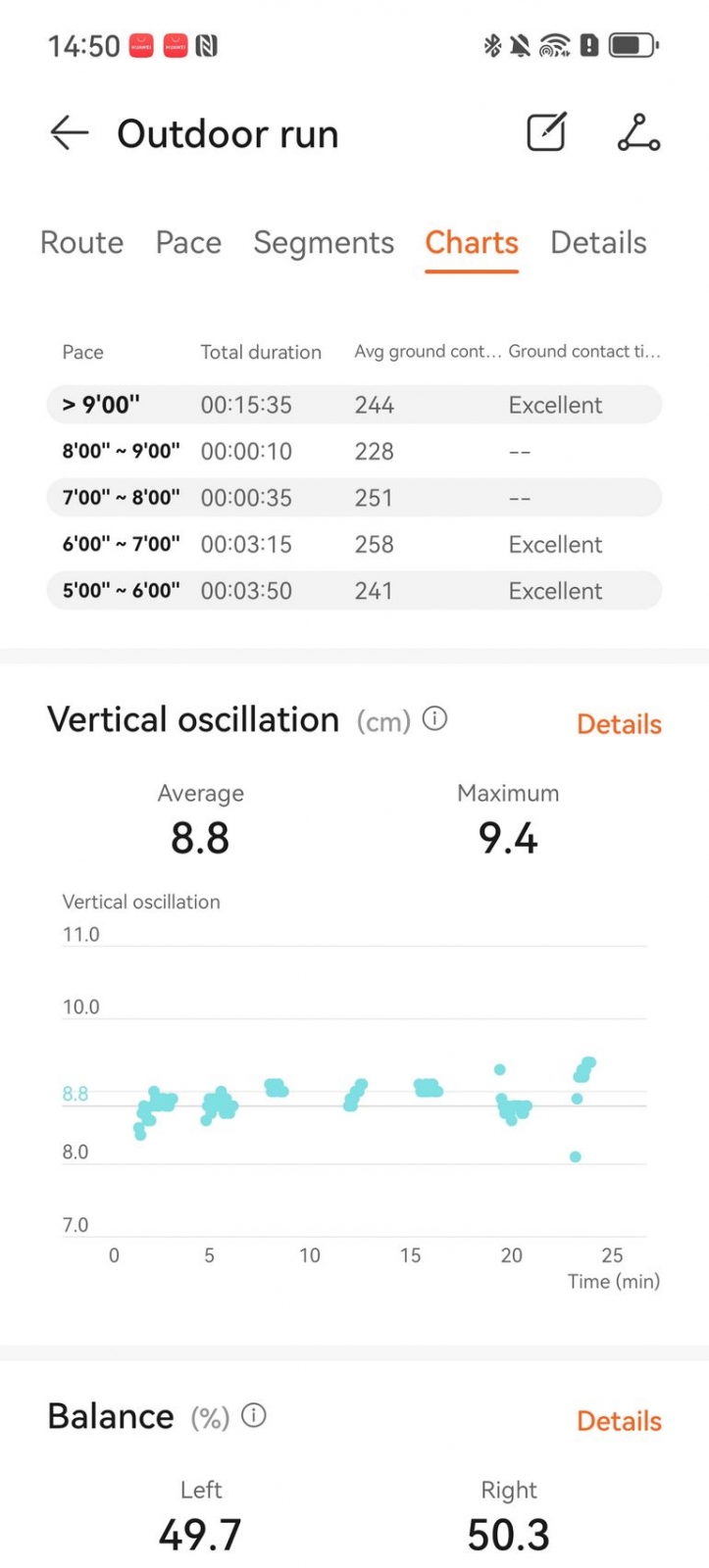
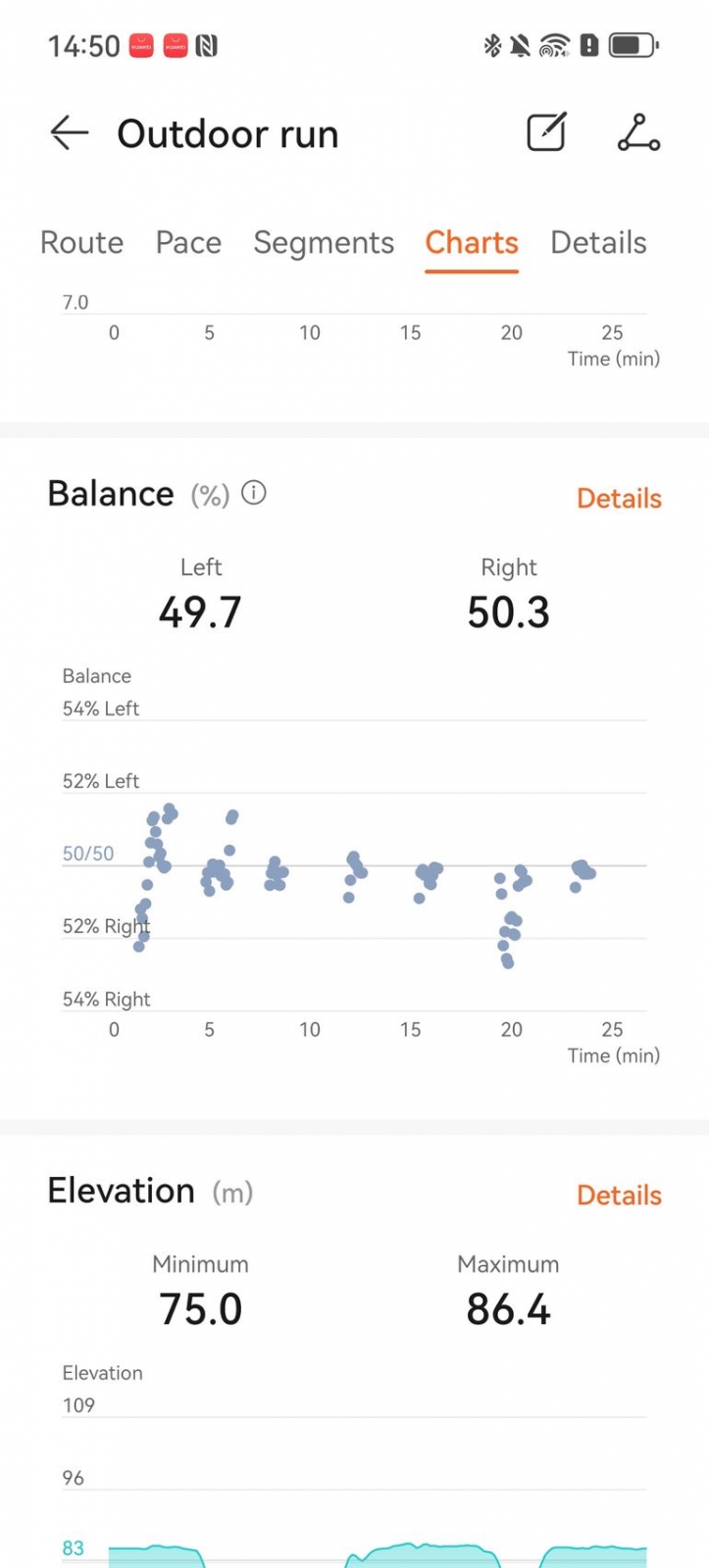
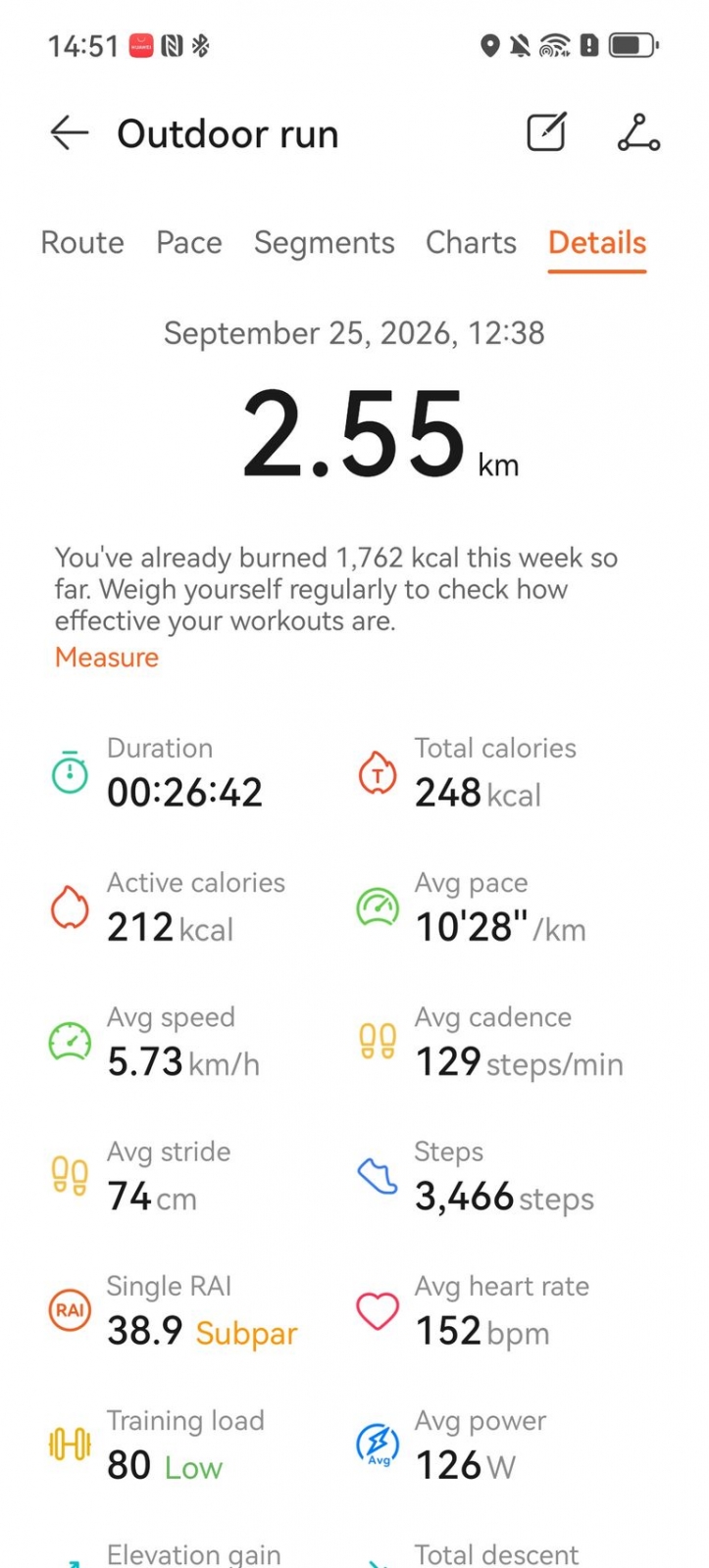
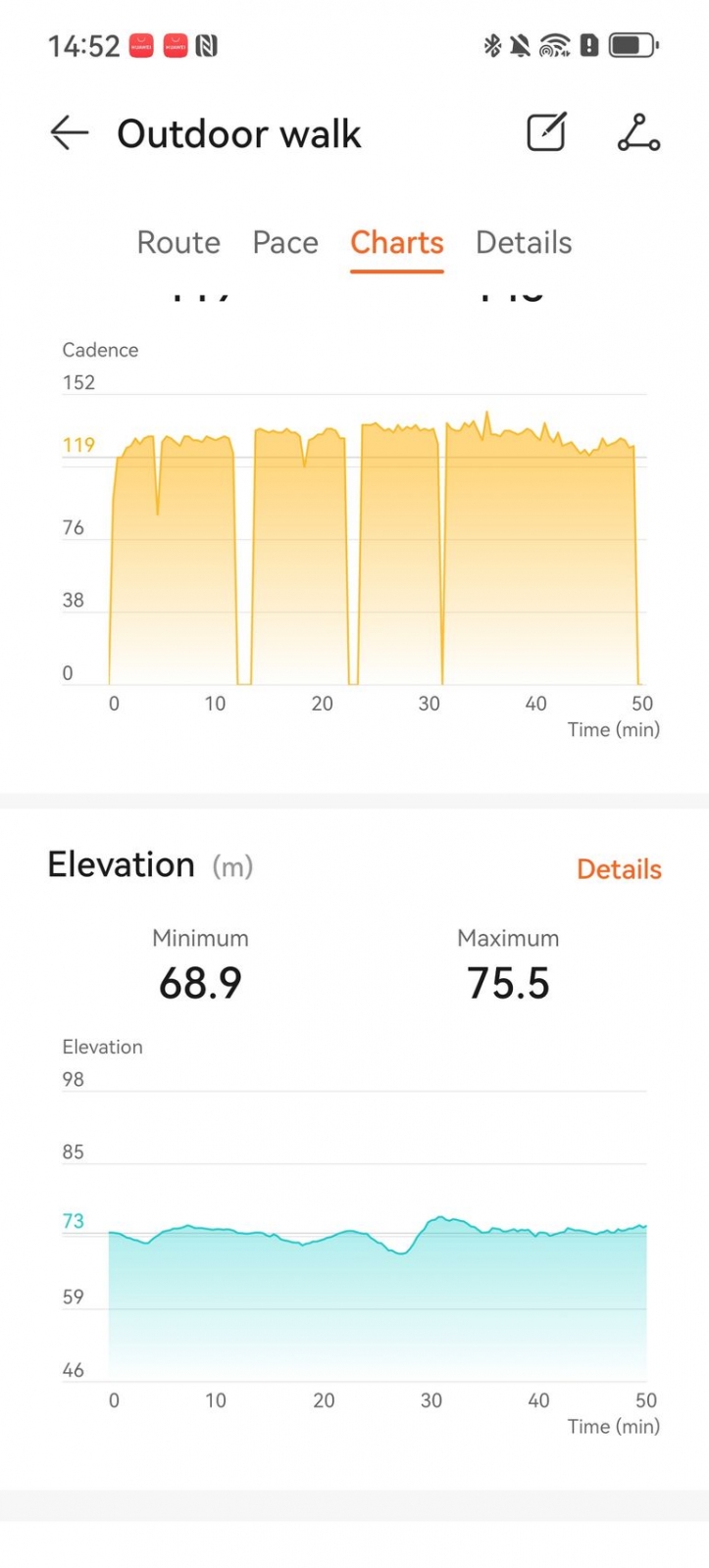
Fitness support is broader than the device’s medical positioning might suggest. Golf support includes more than 17,000 downloadable courses, distance calculations and shot planning. Trail running adds route navigation, map zoom, off-route alerts, gradient information and split-elevation data.
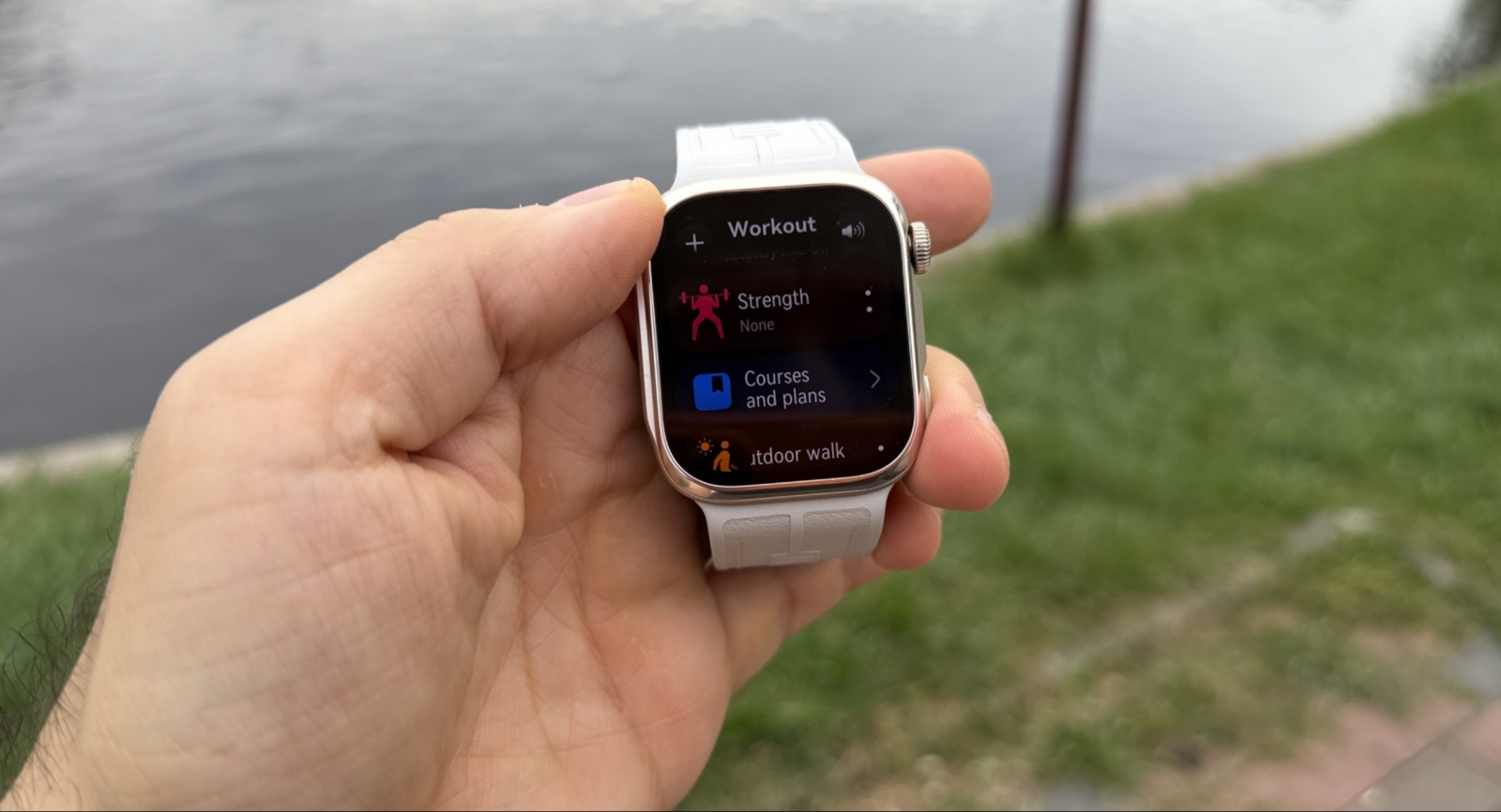
- Golf: downloadable course maps, distance calculations and shot-planning tools.
- Skiing and indoor skiing: real-time distance, maximum speed, slope data and turn metrics.
- Trail running: route navigation, map zoom, off-route notifications, gradient and split-elevation data.

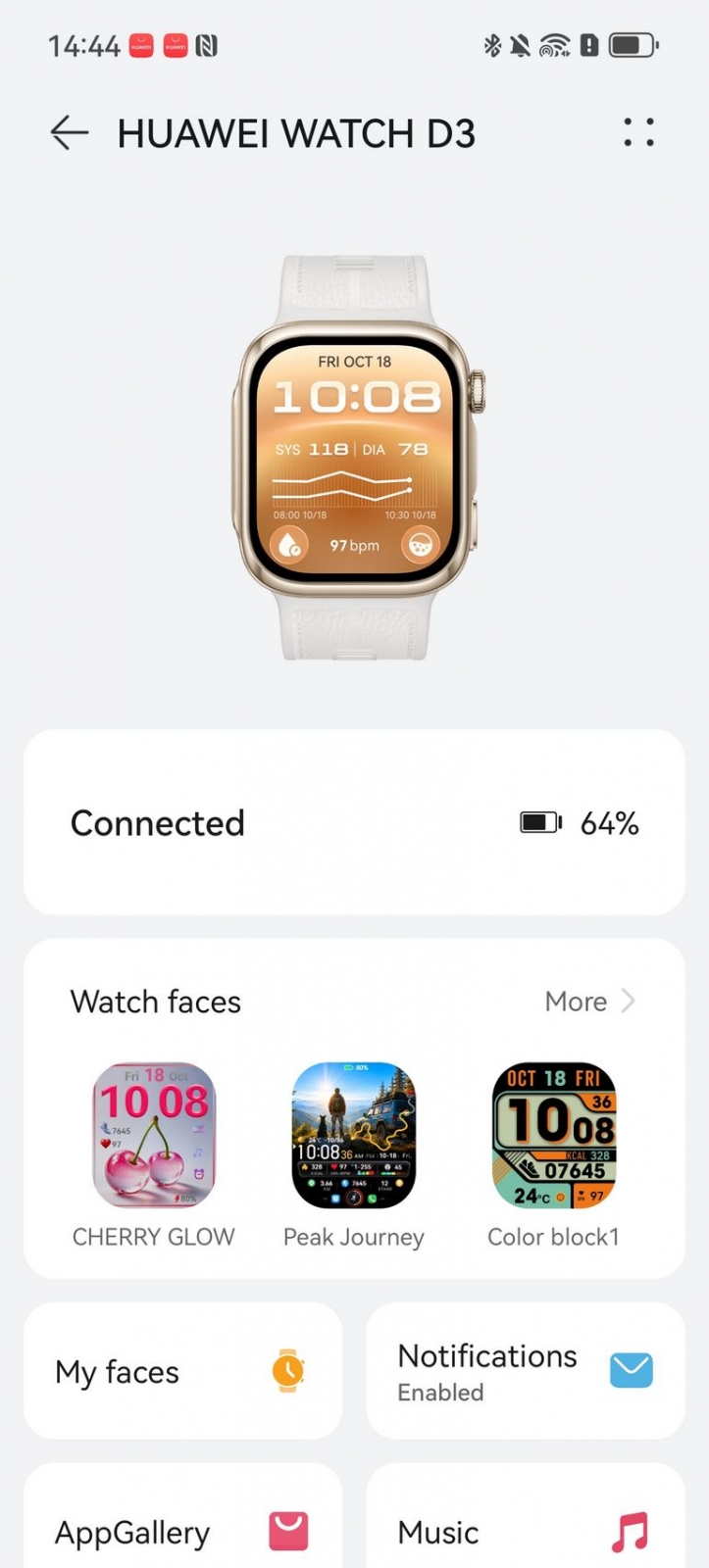

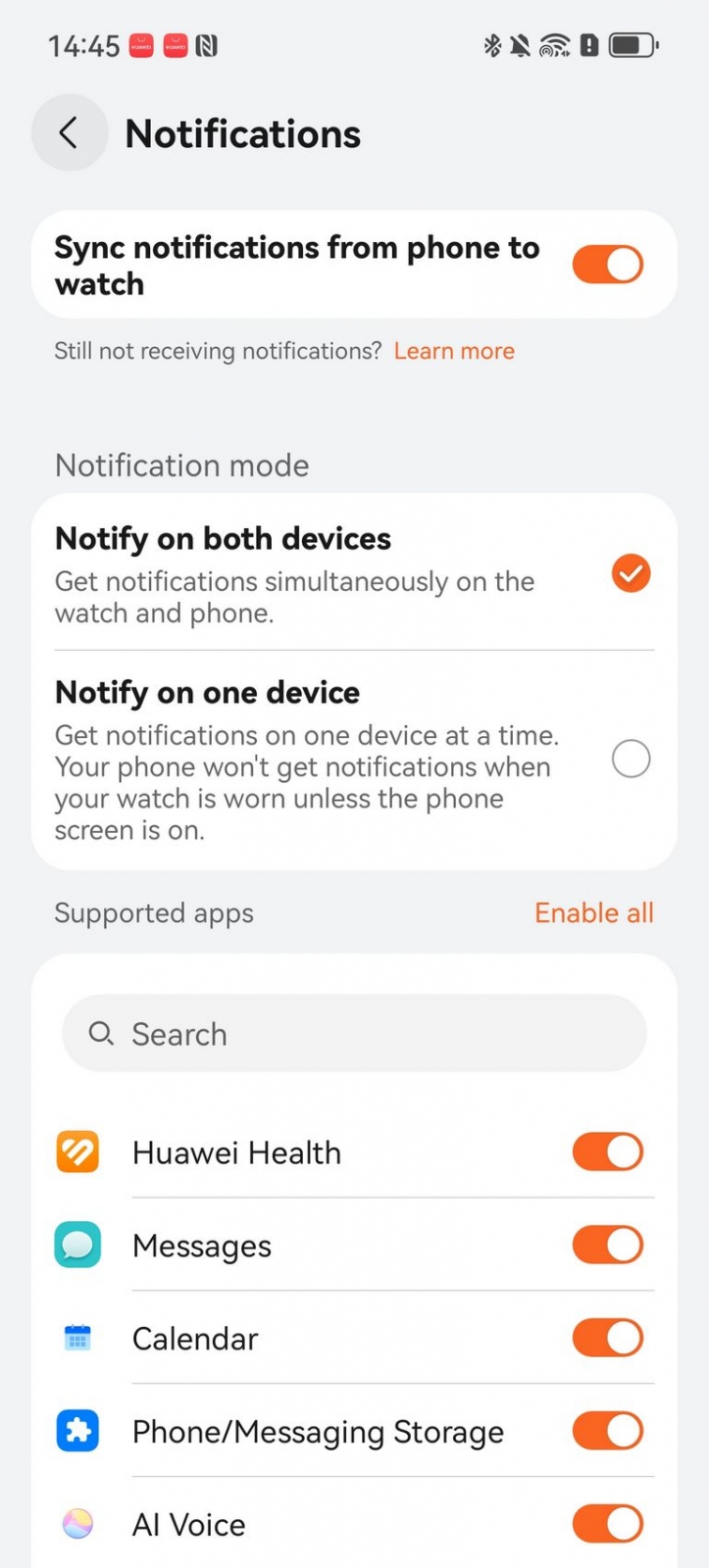








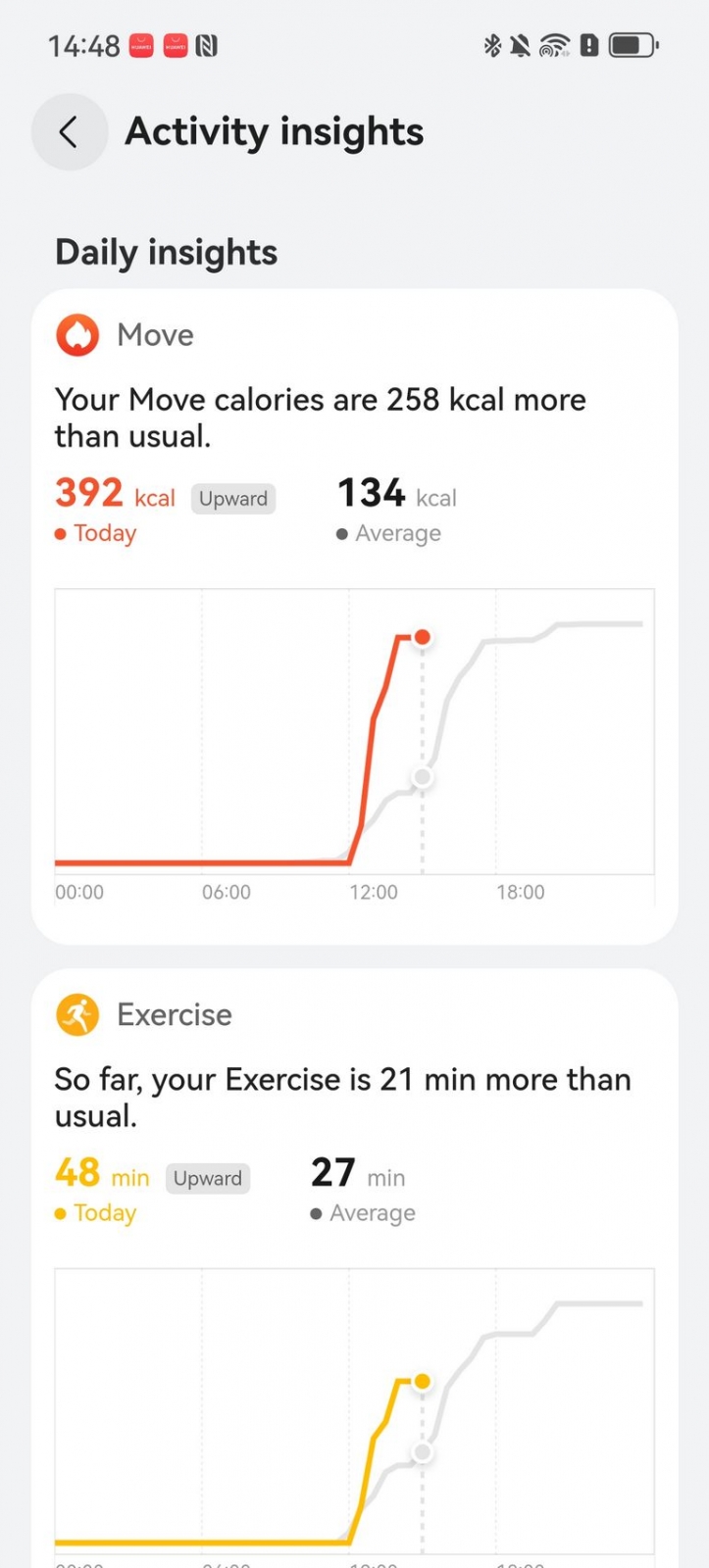
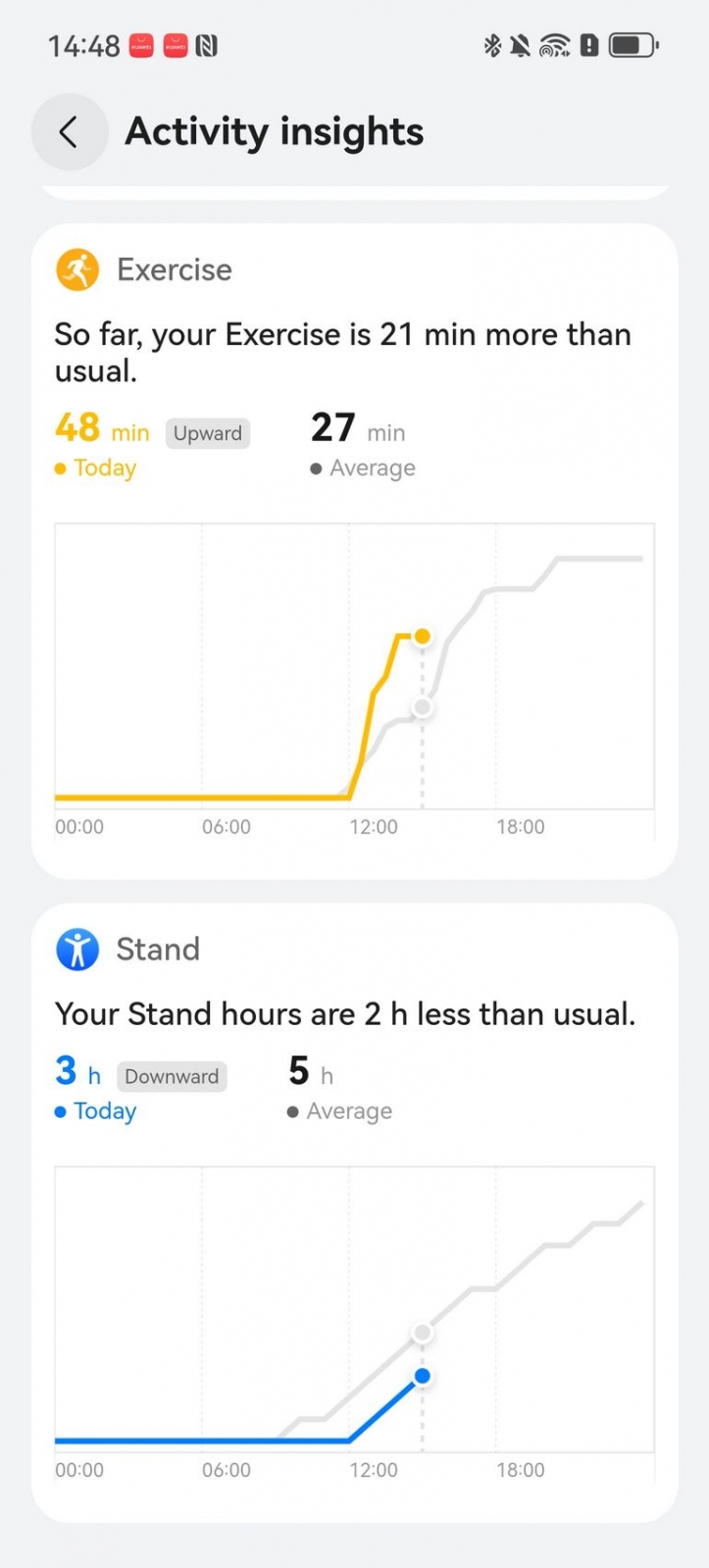
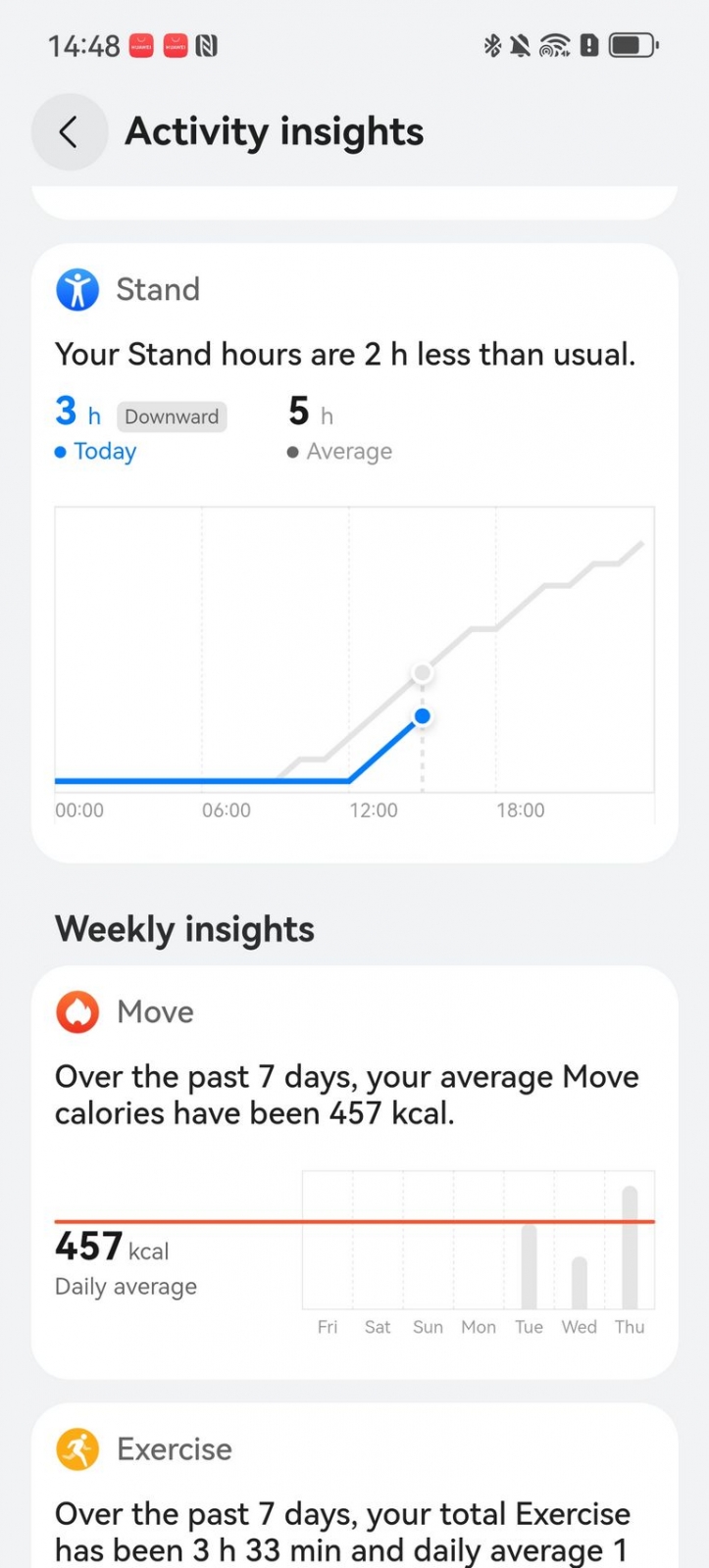

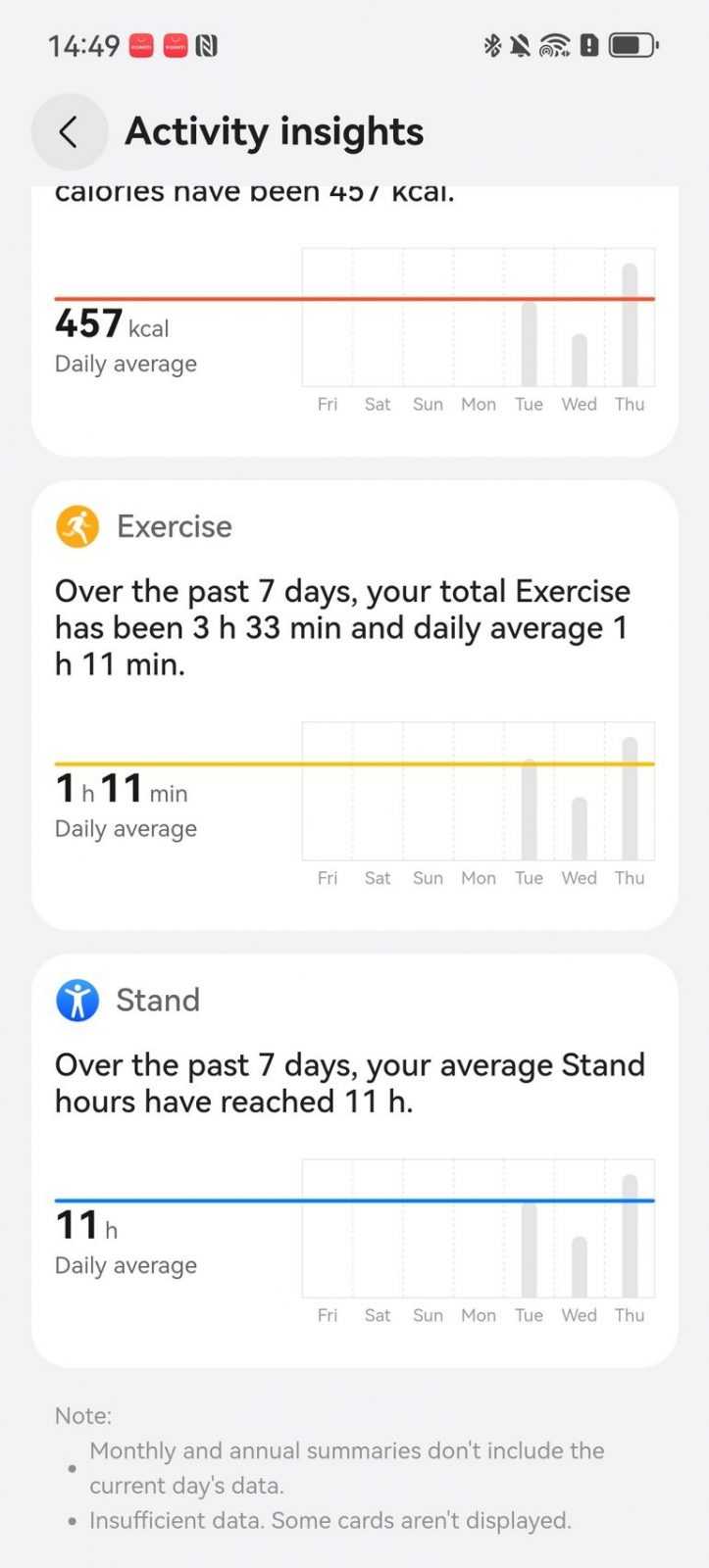












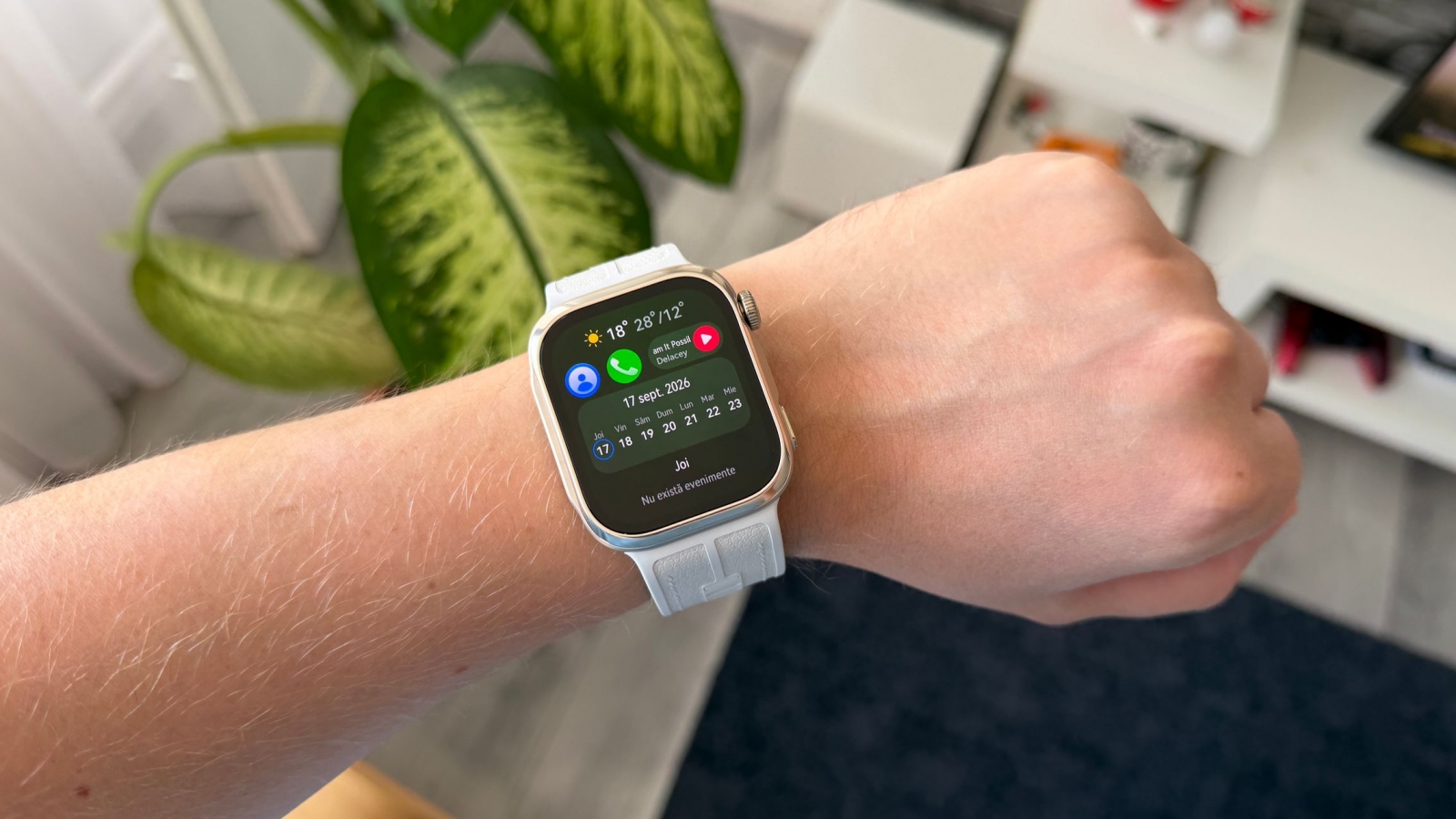
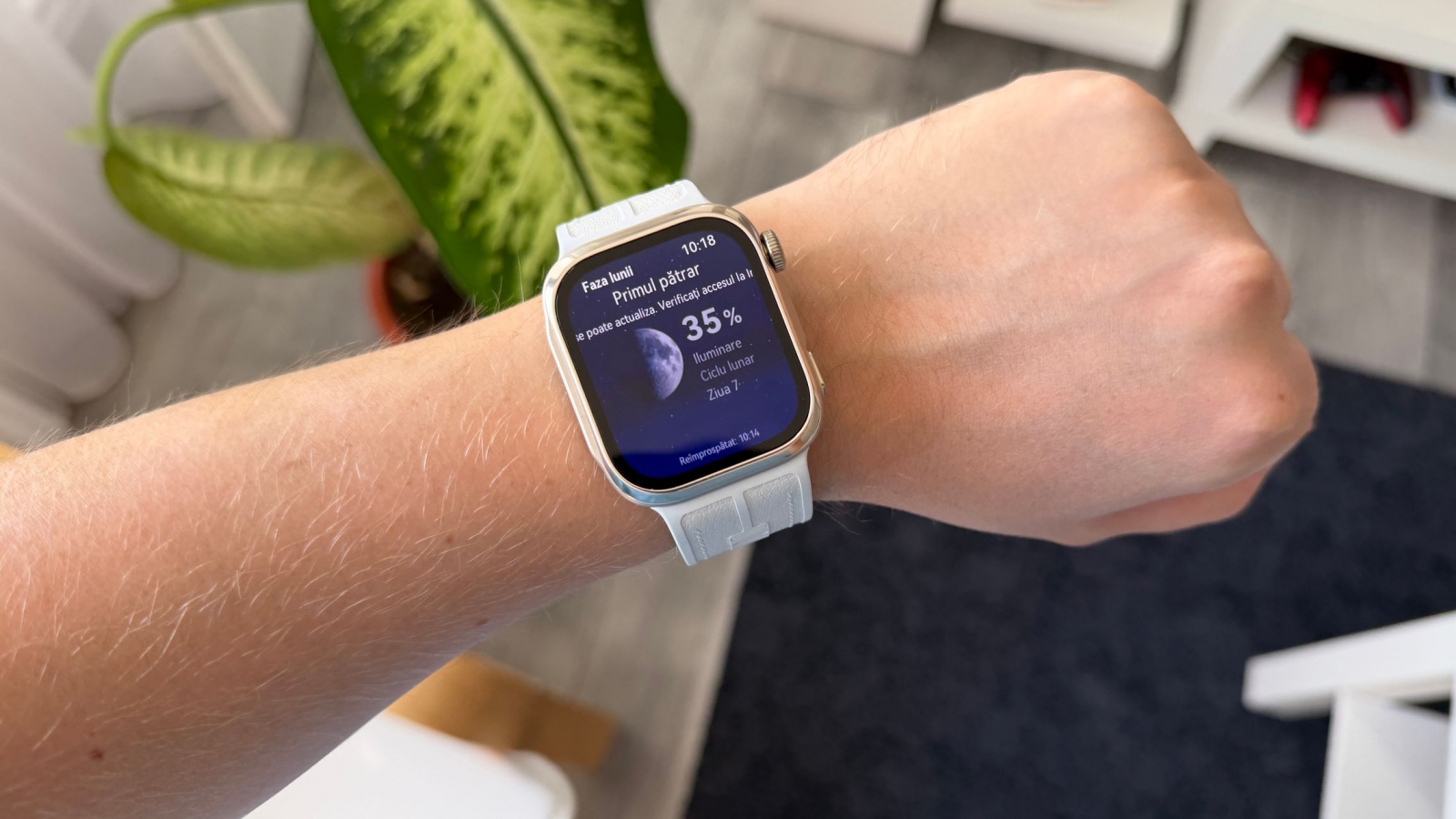
Watch D3 runs HarmonyOS 7.0 and offers Bluetooth calling, NFC payments through Curve Pay and configurable watch faces. Huawei’s central question with the D3 is no longer simply whether a smartwatch can take a cuff-based blood-pressure reading; it is whether enough users will accept the stricter measurement routine needed to make exercise-related readings useful. Expanded activity support for Pre/Post Exercise BP would be a logical next step for a future Watch D model.