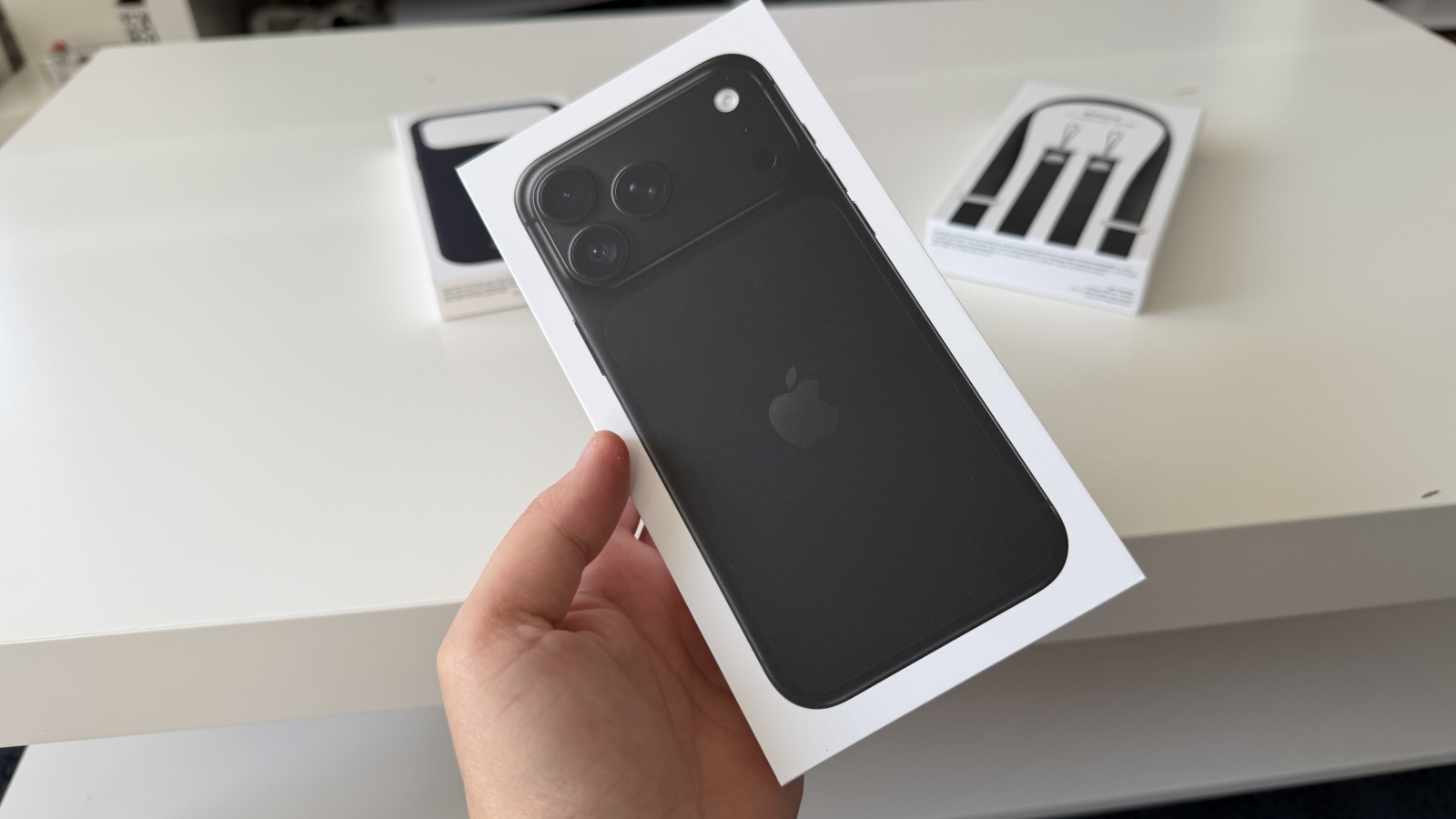
A 1TB iPhone 18 Pro Max tested by HOMOLAB reportedly reached a minimum write speed of just 1.1 MB/s once its cache had been exhausted and 60% of its storage was occupied. The result, detailed by Notebookcheck, represents an extreme sustained-write scenario rather than typical phone use: the same device exceeded 3,000 MB/s while fast cache capacity remained available.
The tested 1TB model was identified as using QLC NAND, which stores four bits per cell. That increases storage density compared with TLC NAND's three bits per cell, but can bring steeper speed losses during long writes after cache buffers are filled. Apple lists 256GB, 512GB, 1TB and 2TB capacities for the iPhone 18 Pro line, but does not specify NAND types in its technical specifications.
| Write condition | Measured result on tested iPhone 18 Pro Max 1TB unit with QLC storage | Fast cache available | >3,000 MB/s |
|---|---|---|---|
| Intermediate buffer, nearly empty storage | 578 MB/s average | Direct QLC writing | 79.4 MB/s average |
| Minimum during direct QLC writing | 25.6 MB/s | QLC writing at 60% storage used | 45 MB/s average |
| Minimum at 60% storage used | 1.1 MB/s | Available SLC cache at 60% storage used | About 58GB, down from about 250GB |
The shrinking SLC cache explains why the slowdown emerged earlier on a device carrying substantial data. HOMOLAB measured available cache capacity falling from roughly 250GB to 58GB at 60% storage usage. Calling the phone slower than a microSD card is therefore accurate for a narrow point in this stress test, but not representative of its ordinary storage performance.
The finding could matter most in the workloads associated with a high-capacity Pro model, including extended 4K or ProRes recording, large file transfers and sizeable backup restores. It should not automatically be applied to every 1TB iPhone 18 Pro Max, however: earlier information pointed to possible mixed TLC and QLC configurations at this capacity, while the HOMOLAB result concerns one tested unit. The key unanswered question is how widely the QLC configuration is used across Apple's 1TB production.