
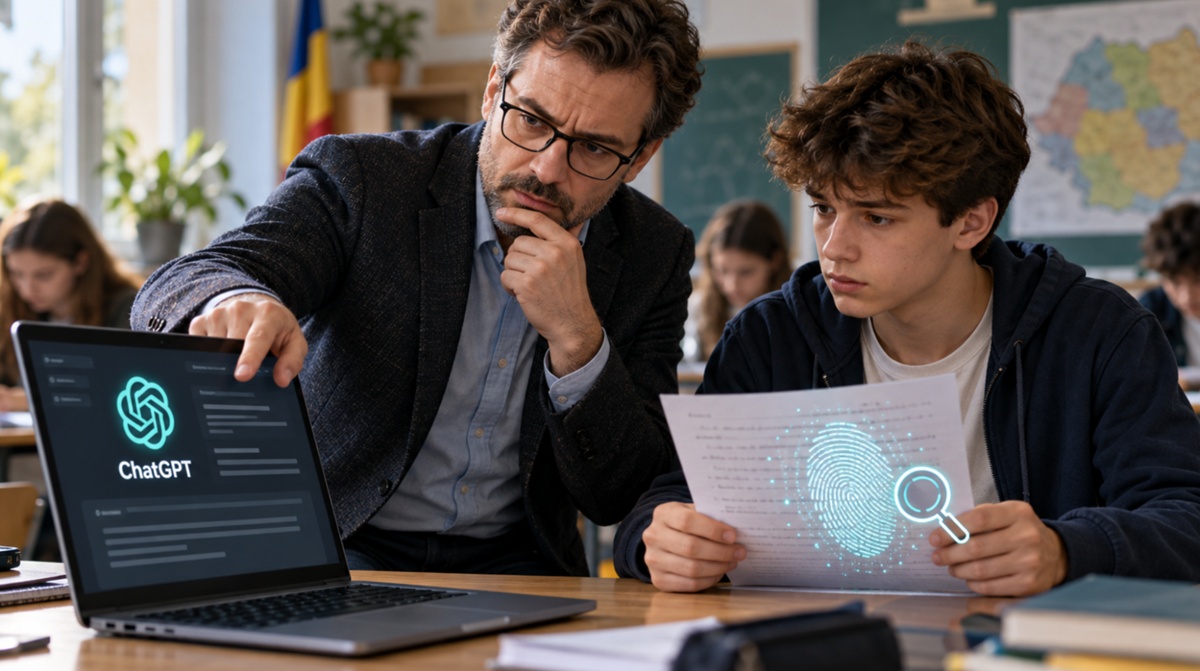
OpenAI says it will introduce an invisible watermark called textGrain for eligible text generated by ChatGPT and Codex in the European Union. The rollout is planned for the coming weeks and will apply across subscription tiers. API customers can already enable watermarking for certain models, although the option is turned off by default.
Rather than inserting hidden characters, unusual spaces or visible punctuation markers, textGrain embeds a statistical pattern in a model’s word choices. When several phrasings are possible, the system subtly steers the selection so that a detector holding the appropriate key can later identify the signal. The pattern is part of the wording itself, meaning ordinary copy-and-paste should generally preserve it.
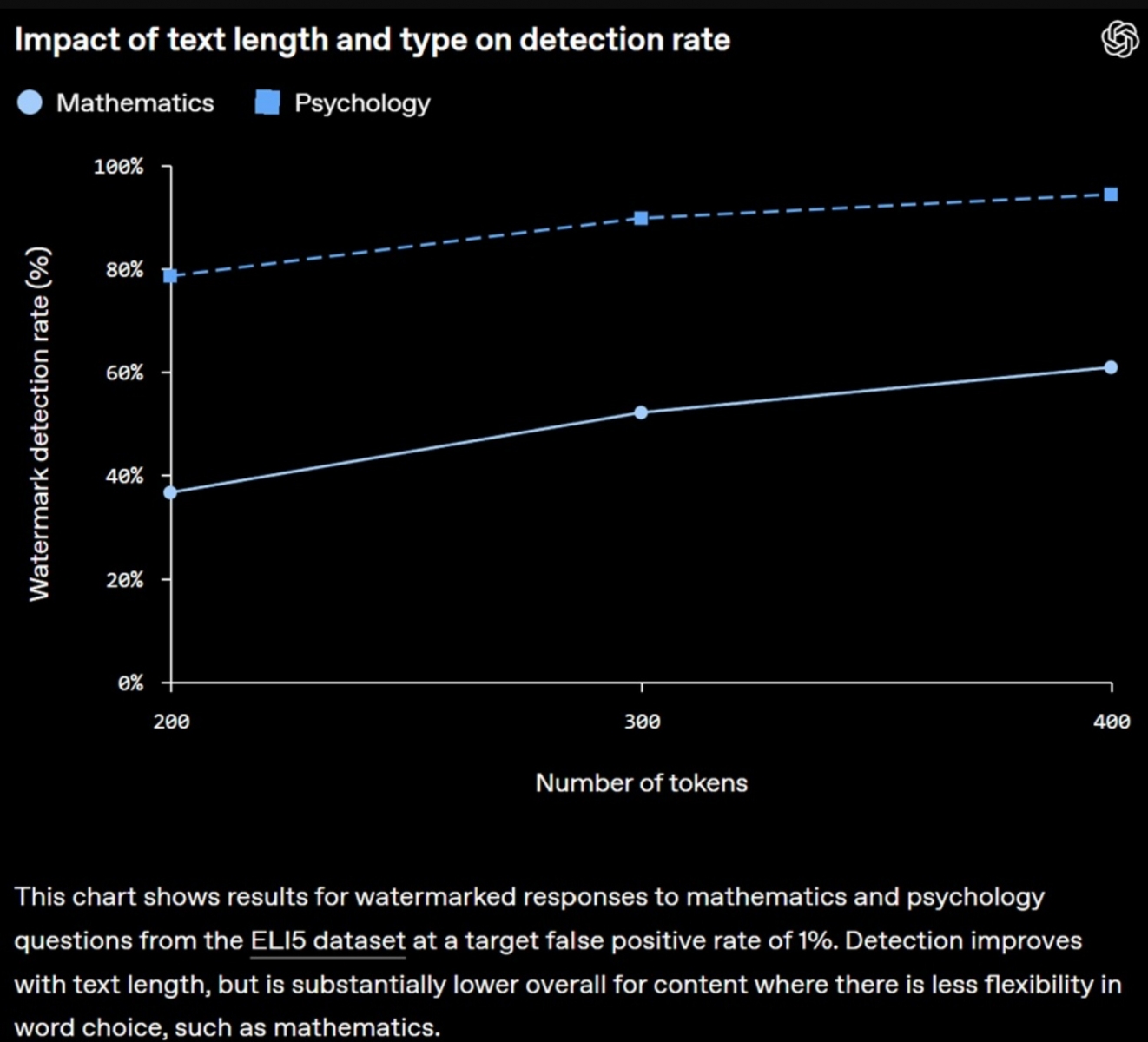
OpenAI’s controlled tests found that, for psychology-related material, the detector identified about 80% of 200-token passages and 95% of 400-token passages at a target false-positive rate of 1%. Tokens are units of text that can represent full words or word fragments. Results were weaker for mathematics content, and editing substantially reduced detectability, so the figures do not guarantee the same performance across every subject, language or document.
The watermark is not intended to serve as definitive proof of authorship or misconduct. At launch, the detection tool will not be public and will be available only to approved researchers and specialized organizations.
- A detected watermark does not reveal who used ChatGPT or how much of a document was written by a human.
- It does not determine whether the use of AI breached a school, workplace or other organization’s rules.
- Human-written text that has been processed by AI can also trigger the signal.
- Older AI-generated text created before textGrain was applied will not automatically become detectable, while a missing signal does not prove that a person wrote the text without AI assistance.